Author: abhishek2019cs034abesit@gmail.com

  • ChargeZone and Fresh Bus Expand Partnership, Adding 400 Electric Buses to Accelerate India’s Intercity Public Electric Mobility

    ChargeZone and Fresh Bus Expand Partnership, Adding 400 Electric Buses to Accelerate India’s Intercity Public Electric Mobility

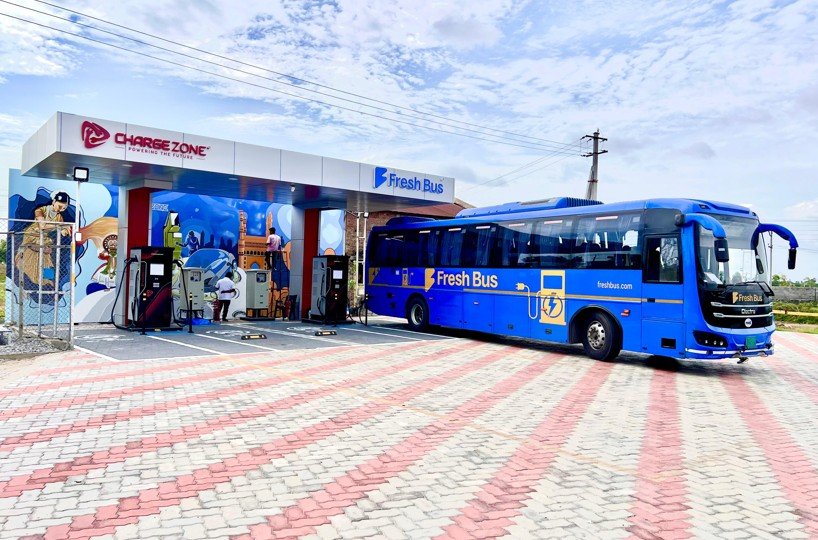
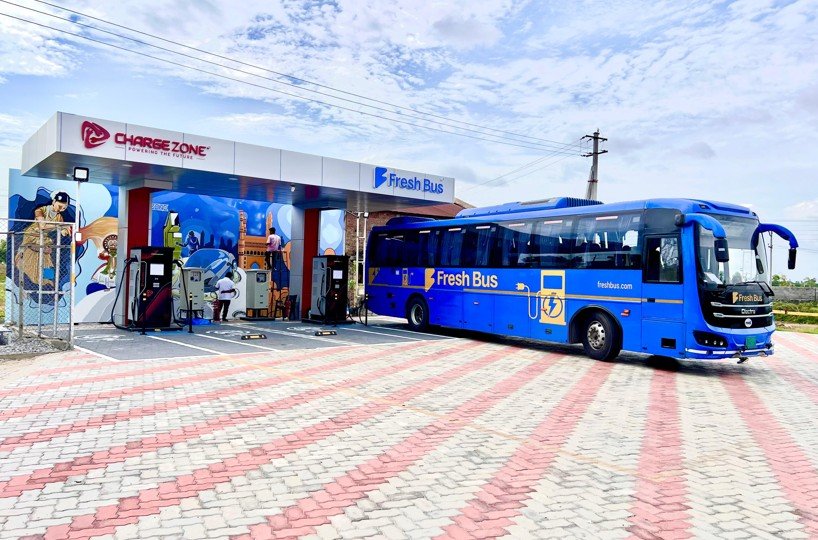
    ChargeZone, India’s largest EV charging network with over 15,000 charging points, and Fresh Bus, a leading all-electric inter-city bus service, announced an expansion of their existing partnership, under which Fresh Bus will deploy an additional 400 all-electric buses on ChargeZone’s charging network.

    Under the expanded partnership, the Fresh Bus fleet supported by ChargeZone infrastructure will increase from 100 to 500 buses. The expanded operations will connect 20 cities and cover 17 additional towns across Tamil Nadu, Karnataka, Andhra Pradesh, and Telangana over the next 15 months.

    To power this expanded fleet, ChargeZone will deploy 30 MW of new charging capacity alongside its existing 10 MW of dedicated infrastructure for the Fresh Bus network, bringing total deployed capacity to 40 MW. This expansion will also contribute to ChargeZone’s broader plan to add 200 MW of charging capacity across its national network. 

    At full scale, the partnership is estimated to deliver 100 million units of energy annually, support more than 20,000 passenger journeys per day, and reduce approximately 9,000 to 10,000 tonnes of CO₂ emissions per year.

    Kartikey Hariyani, Founder & CEO of ChargeZone, said: “India’s EV transition will not be driven by personal vehicles alone. Commercial mobility, particularly intercity public transport, can play a critical role in taking electrification to scale because these vehicles operate frequently, travel longer distances and depend on predictable infrastructure. Our partnership with Fresh Bus has shown that when charging capacity, uptime and energy availability are built around the needs of fleet operations, operators can scale electric mobility with greater confidence. This expansion is about taking that proven model to more routes and demonstrating how charging infrastructure can enable intercity public transport to electrify at scale.

    Mr. Sudhakar Reddy, Founder of Fresh Bus, said: “When we started Fresh Bus, the biggest question wasn’t whether passengers would choose electric intercity travel, it was whether the charging infrastructure could keep pace with a growing fleet running every day, across every corridor. Our partnership with ChargeZone has answered that question. The reliability of their network is what has allowed us to move from proving the model to scaling it with confidence. Expanding to 500 buses and 40 MW of dedicated charging capacity is not just a fleet decision, it’s a statement that electric intercity travel can be dependable, affordable, and ready for the passengers. This is what public electric mobility in India should look like: comfortable for the commuter, sustainable for the planet, and built to scale.”
  • ChargeZone and Fresh Bus Expand Partnership, Adding 400 Electric Buses to Accelerate India’s Intercity Public Electric Mobility

    ChargeZone and Fresh Bus Expand Partnership, Adding 400 Electric Buses to Accelerate India’s Intercity Public Electric Mobility

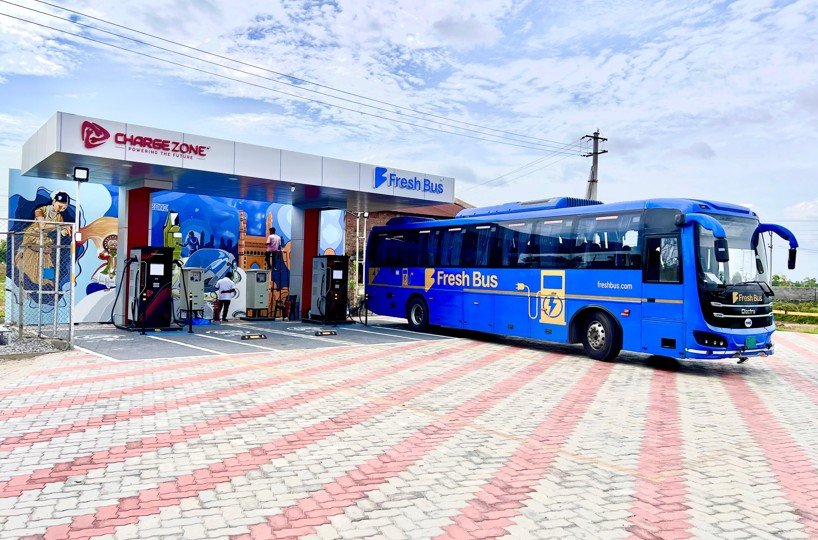
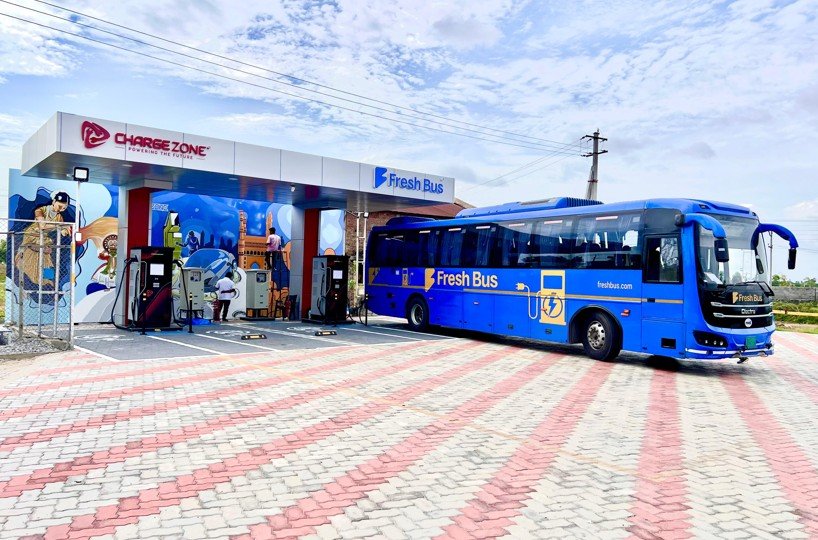
    ChargeZone, India’s largest EV charging network with over 15,000 charging points, and Fresh Bus, a leading all-electric inter-city bus service, announced an expansion of their existing partnership, under which Fresh Bus will deploy an additional 400 all-electric buses on ChargeZone’s charging network.

    Under the expanded partnership, the Fresh Bus fleet supported by ChargeZone infrastructure will increase from 100 to 500 buses. The expanded operations will connect 20 cities and cover 17 additional towns across Tamil Nadu, Karnataka, Andhra Pradesh, and Telangana over the next 15 months.

    To power this expanded fleet, ChargeZone will deploy 30 MW of new charging capacity alongside its existing 10 MW of dedicated infrastructure for the Fresh Bus network, bringing total deployed capacity to 40 MW. This expansion will also contribute to ChargeZone’s broader plan to add 200 MW of charging capacity across its national network. 

    At full scale, the partnership is estimated to deliver 100 million units of energy annually, support more than 20,000 passenger journeys per day, and reduce approximately 9,000 to 10,000 tonnes of CO₂ emissions per year.

    Kartikey Hariyani, Founder & CEO of ChargeZone, said: “India’s EV transition will not be driven by personal vehicles alone. Commercial mobility, particularly intercity public transport, can play a critical role in taking electrification to scale because these vehicles operate frequently, travel longer distances and depend on predictable infrastructure. Our partnership with Fresh Bus has shown that when charging capacity, uptime and energy availability are built around the needs of fleet operations, operators can scale electric mobility with greater confidence. This expansion is about taking that proven model to more routes and demonstrating how charging infrastructure can enable intercity public transport to electrify at scale.

    Mr. Sudhakar Reddy, Founder of Fresh Bus, said: “When we started Fresh Bus, the biggest question wasn’t whether passengers would choose electric intercity travel, it was whether the charging infrastructure could keep pace with a growing fleet running every day, across every corridor. Our partnership with ChargeZone has answered that question. The reliability of their network is what has allowed us to move from proving the model to scaling it with confidence. Expanding to 500 buses and 40 MW of dedicated charging capacity is not just a fleet decision, it’s a statement that electric intercity travel can be dependable, affordable, and ready for the passengers. This is what public electric mobility in India should look like: comfortable for the commuter, sustainable for the planet, and built to scale.”
  • ChargeZone and Fresh Bus Expand Partnership, Adding 400 Electric Buses to Accelerate India’s Intercity Public Electric Mobility

    ChargeZone and Fresh Bus Expand Partnership, Adding 400 Electric Buses to Accelerate India’s Intercity Public Electric Mobility

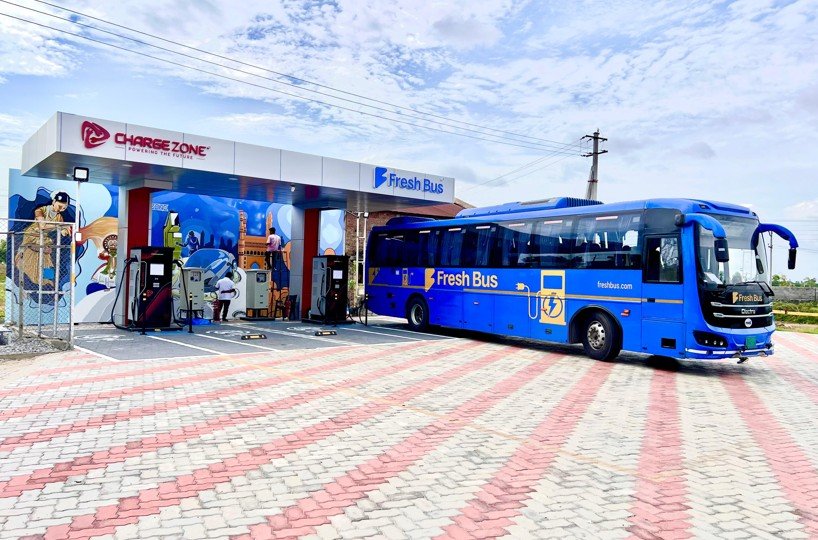
    ChargeZone, India’s largest EV charging network with over 15,000 charging points, and Fresh Bus, a leading all-electric inter-city bus service, announced an expansion of their existing partnership, under which Fresh Bus will deploy an additional 400 all-electric buses on ChargeZone’s charging network.

    Under the expanded partnership, the Fresh Bus fleet supported by ChargeZone infrastructure will increase from 100 to 500 buses. The expanded operations will connect 20 cities and cover 17 additional towns across Tamil Nadu, Karnataka, Andhra Pradesh, and Telangana over the next 15 months.

    To power this expanded fleet, ChargeZone will deploy 30 MW of new charging capacity alongside its existing 10 MW of dedicated infrastructure for the Fresh Bus network, bringing total deployed capacity to 40 MW. This expansion will also contribute to ChargeZone’s broader plan to add 200 MW of charging capacity across its national network. 

    At full scale, the partnership is estimated to deliver 100 million units of energy annually, support more than 20,000 passenger journeys per day, and reduce approximately 9,000 to 10,000 tonnes of CO₂ emissions per year.

    Kartikey Hariyani, Founder & CEO of ChargeZone, said: “India’s EV transition will not be driven by personal vehicles alone. Commercial mobility, particularly intercity public transport, can play a critical role in taking electrification to scale because these vehicles operate frequently, travel longer distances and depend on predictable infrastructure. Our partnership with Fresh Bus has shown that when charging capacity, uptime and energy availability are built around the needs of fleet operations, operators can scale electric mobility with greater confidence. This expansion is about taking that proven model to more routes and demonstrating how charging infrastructure can enable intercity public transport to electrify at scale.

    Mr. Sudhakar Reddy, Founder of Fresh Bus, said: “When we started Fresh Bus, the biggest question wasn’t whether passengers would choose electric intercity travel, it was whether the charging infrastructure could keep pace with a growing fleet running every day, across every corridor. Our partnership with ChargeZone has answered that question. The reliability of their network is what has allowed us to move from proving the model to scaling it with confidence. Expanding to 500 buses and 40 MW of dedicated charging capacity is not just a fleet decision, it’s a statement that electric intercity travel can be dependable, affordable, and ready for the passengers. This is what public electric mobility in India should look like: comfortable for the commuter, sustainable for the planet, and built to scale.”
  • ChargeZone and Fresh Bus Expand Partnership, Adding 400 Electric Buses to Accelerate India’s Intercity Public Electric Mobility

    ChargeZone and Fresh Bus Expand Partnership, Adding 400 Electric Buses to Accelerate India’s Intercity Public Electric Mobility

    ChargeZone, India’s largest EV charging network with over 15,000 charging points, and Fresh Bus, a leading all-electric inter-city bus service, announced an expansion of their existing partnership, under which Fresh Bus will deploy an additional 400 all-electric buses on ChargeZone’s charging network.

    Under the expanded partnership, the Fresh Bus fleet supported by ChargeZone infrastructure will increase from 100 to 500 buses. The expanded operations will connect 20 cities and cover 17 additional towns across Tamil Nadu, Karnataka, Andhra Pradesh, and Telangana over the next 15 months.

    To power this expanded fleet, ChargeZone will deploy 30 MW of new charging capacity alongside its existing 10 MW of dedicated infrastructure for the Fresh Bus network, bringing total deployed capacity to 40 MW. This expansion will also contribute to ChargeZone’s broader plan to add 200 MW of charging capacity across its national network. 

    At full scale, the partnership is estimated to deliver 100 million units of energy annually, support more than 20,000 passenger journeys per day, and reduce approximately 9,000 to 10,000 tonnes of CO₂ emissions per year.

    Kartikey Hariyani, Founder & CEO of ChargeZone, said: “India’s EV transition will not be driven by personal vehicles alone. Commercial mobility, particularly intercity public transport, can play a critical role in taking electrification to scale because these vehicles operate frequently, travel longer distances and depend on predictable infrastructure. Our partnership with Fresh Bus has shown that when charging capacity, uptime and energy availability are built around the needs of fleet operations, operators can scale electric mobility with greater confidence. This expansion is about taking that proven model to more routes and demonstrating how charging infrastructure can enable intercity public transport to electrify at scale.

    Mr. Sudhakar Reddy, Founder of Fresh Bus, said: “When we started Fresh Bus, the biggest question wasn’t whether passengers would choose electric intercity travel, it was whether the charging infrastructure could keep pace with a growing fleet running every day, across every corridor. Our partnership with ChargeZone has answered that question. The reliability of their network is what has allowed us to move from proving the model to scaling it with confidence. Expanding to 500 buses and 40 MW of dedicated charging capacity is not just a fleet decision, it’s a statement that electric intercity travel can be dependable, affordable, and ready for the passengers. This is what public electric mobility in India should look like: comfortable for the commuter, sustainable for the planet, and built to scale.”
  • ChargeZone and Fresh Bus Expand Partnership, Adding 400 Electric Buses to Accelerate India’s Intercity Public Electric Mobility

    ChargeZone and Fresh Bus Expand Partnership, Adding 400 Electric Buses to Accelerate India’s Intercity Public Electric Mobility

    ChargeZone, India’s largest EV charging network with over 15,000 charging points, and Fresh Bus, a leading all-electric inter-city bus service, today announced an expansion of their existing partnership, under which Fresh Bus will deploy an additional 400 all-electric buses on ChargeZone’s charging network.

    Under the expanded partnership, the Fresh Bus fleet supported by ChargeZone infrastructure will increase from 100 to 500 buses. The expanded operations will connect 20 cities and cover 17 additional towns across Tamil Nadu, Karnataka, Andhra Pradesh, and Telangana over the next 15 months.

    To power this expanded fleet, ChargeZone will deploy 30 MW of new charging capacity alongside its existing 10 MW of dedicated infrastructure for the Fresh Bus network, bringing total deployed capacity to 40 MW. This expansion will also contribute to ChargeZone’s broader plan to add 200 MW of charging capacity across its national network. 

    At full scale, the partnership is estimated to deliver 100 million units of energy annually, support more than 20,000 passenger journeys per day, and reduce approximately 9,000 to 10,000 tonnes of CO₂ emissions per year.

    Kartikey Hariyani, Founder & CEO of ChargeZone, said: “India’s EV transition will not be driven by personal vehicles alone. Commercial mobility, particularly intercity public transport, can play a critical role in taking electrification to scale because these vehicles operate frequently, travel longer distances and depend on predictable infrastructure. Our partnership with Fresh Bus has shown that when charging capacity, uptime and energy availability are built around the needs of fleet operations, operators can scale electric mobility with greater confidence. This expansion is about taking that proven model to more routes and demonstrating how charging infrastructure can enable intercity public transport to electrify at scale.

    Mr. Sudhakar Reddy, Founder of Fresh Bus, said: “When we started Fresh Bus, the biggest question wasn’t whether passengers would choose electric intercity travel, it was whether the charging infrastructure could keep pace with a growing fleet running every day, across every corridor. Our partnership with ChargeZone has answered that question. The reliability of their network is what has allowed us to move from proving the model to scaling it with confidence. Expanding to 500 buses and 40 MW of dedicated charging capacity is not just a fleet decision, it’s a statement that electric intercity travel can be dependable, affordable, and ready for the passengers. This is what public electric mobility in India should look like: comfortable for the commuter, sustainable for the planet, and built to scale.”
  • ChargeZone and Fresh Bus Expand Partnership, Adding 400 Electric Buses to Accelerate India’s Intercity Public Electric Mobility

    ChargeZone, India’s largest EV charging network with over 15,000 charging points, and Fresh Bus, a leading all-electric inter-city bus service, today announced an expansion of their existing partnership, under which Fresh Bus will deploy an additional 400 all-electric buses on ChargeZone’s charging network.

    Under the expanded partnership, the Fresh Bus fleet supported by ChargeZone infrastructure will increase from 100 to 500 buses. The expanded operations will connect 20 cities and cover 17 additional towns across Tamil Nadu, Karnataka, Andhra Pradesh, and Telangana over the next 15 months.

    To power this expanded fleet, ChargeZone will deploy 30 MW of new charging capacity alongside its existing 10 MW of dedicated infrastructure for the Fresh Bus network, bringing total deployed capacity to 40 MW. This expansion will also contribute to ChargeZone’s broader plan to add 200 MW of charging capacity across its national network. 

    At full scale, the partnership is estimated to deliver 100 million units of energy annually, support more than 20,000 passenger journeys per day, and reduce approximately 9,000 to 10,000 tonnes of CO₂ emissions per year.

    Kartikey Hariyani, Founder & CEO of ChargeZone, said: “India’s EV transition will not be driven by personal vehicles alone. Commercial mobility, particularly intercity public transport, can play a critical role in taking electrification to scale because these vehicles operate frequently, travel longer distances and depend on predictable infrastructure. Our partnership with Fresh Bus has shown that when charging capacity, uptime and energy availability are built around the needs of fleet operations, operators can scale electric mobility with greater confidence. This expansion is about taking that proven model to more routes and demonstrating how charging infrastructure can enable intercity public transport to electrify at scale.

    Mr. Sudhakar Reddy, Founder of Fresh Bus, said: “When we started Fresh Bus, the biggest question wasn’t whether passengers would choose electric intercity travel, it was whether the charging infrastructure could keep pace with a growing fleet running every day, across every corridor. Our partnership with ChargeZone has answered that question. The reliability of their network is what has allowed us to move from proving the model to scaling it with confidence. Expanding to 500 buses and 40 MW of dedicated charging capacity is not just a fleet decision, it’s a statement that electric intercity travel can be dependable, affordable, and ready for the passengers. This is what public electric mobility in India should look like: comfortable for the commuter, sustainable for the planet, and built to scale.”
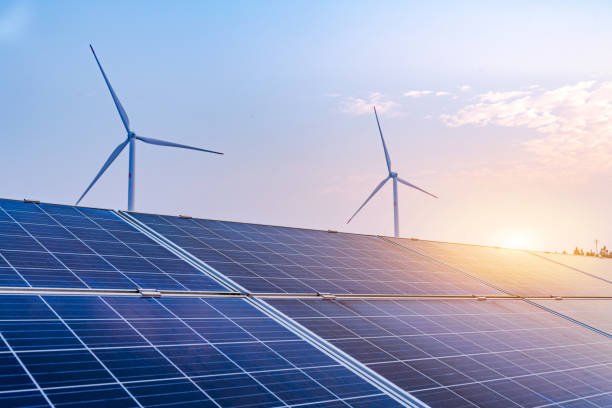
  • KPI Green Energy Energizes Additional 130 MW Solar Capacity Under 370 MW Hybrid Power Project

    KPI Green Energy Energizes Additional 130 MW Solar Capacity Under 370 MW Hybrid Power Project

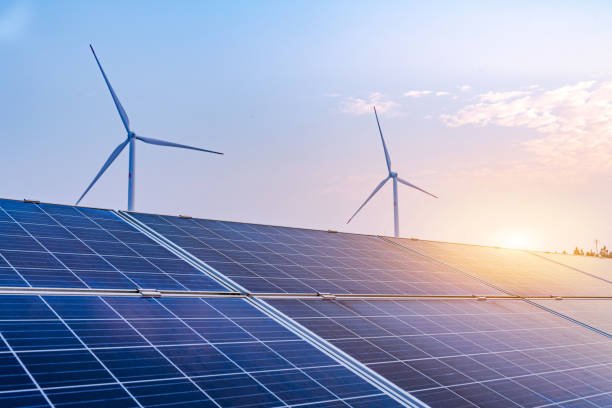
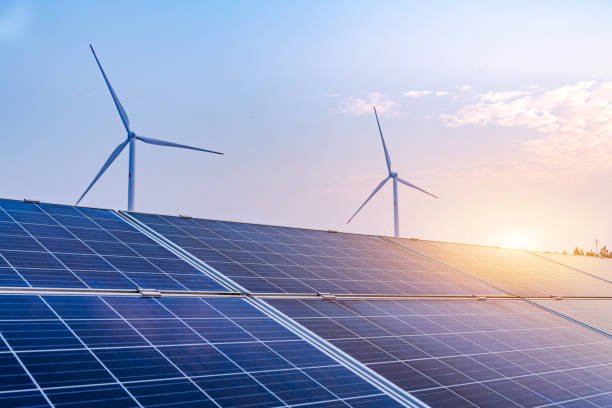
    KPI Green Energy Limited has announced the energization of an additional 130 MW AC / 195 MW DC solar capacity under its 370 MW AC / 677 MW DC Wind-Solar Hybrid Power Project in Bharuch, Gujarat.

    Following the latest commissioning, KPI Green Energy has cumulatively energized 269.7 MW AC / 389.7 MW DC of capacity under the hybrid Independent Power Producer (IPP) project.

    The project is being developed by KPI Green Energy under a long-term Power Purchase Agreement (PPA) with Gujarat Urja Vikas Nigam Limited (GUVNL). The project forms part of the company’s strategy to expand its IPP portfolio while continuing to scale its engineering, procurement and construction (EPC) business.

    KPI Green Energy said the progressive energisation of capacities under long-term PPAs is expected to strengthen its annuity-based recurring revenue streams, improve earnings visibility and support long-term value creation for stakeholders.

    With the latest addition, the company continues to advance the development of its wind-solar hybrid portfolio while expanding its presence in India’s renewable energy generation and EPC markets.

  • KPI Green Energy Energizes Additional 130 MW Solar Capacity Under 370 MW Hybrid Power Project

    KPI Green Energy Energizes Additional 130 MW Solar Capacity Under 370 MW Hybrid Power Project

    KPI Green Energy Limited has announced the energization of an additional 130 MW AC / 195 MW DC solar capacity under its 370 MW AC / 677 MW DC Wind-Solar Hybrid Power Project in Bharuch, Gujarat.

    Following the latest commissioning, KPI Green Energy has cumulatively energized 269.7 MW AC / 389.7 MW DC of capacity under the hybrid Independent Power Producer (IPP) project.

    The project is being developed by KPI Green Energy under a long-term Power Purchase Agreement (PPA) with Gujarat Urja Vikas Nigam Limited (GUVNL). The project forms part of the company’s strategy to expand its IPP portfolio while continuing to scale its engineering, procurement and construction (EPC) business.

    KPI Green Energy said the progressive energisation of capacities under long-term PPAs is expected to strengthen its annuity-based recurring revenue streams, improve earnings visibility and support long-term value creation for stakeholders.

    With the latest addition, the company continues to advance the development of its wind-solar hybrid portfolio while expanding its presence in India’s renewable energy generation and EPC markets.

  • KPI Green Energy Energizes Additional 130 MW Solar Capacity Under 370 MW Hybrid Power Project

    KPI Green Energy Energizes Additional 130 MW Solar Capacity Under 370 MW Hybrid Power Project

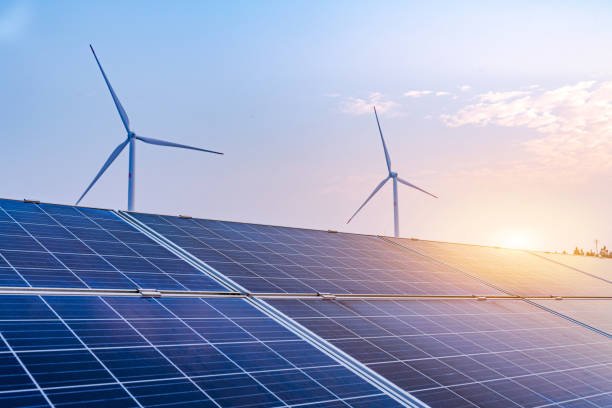
    KPI Green Energy Limited has announced the energization of an additional 130 MW AC / 195 MW DC solar capacity under its 370 MW AC / 677 MW DC Wind-Solar Hybrid Power Project in Bharuch, Gujarat.

    Following the latest commissioning, KPI Green Energy has cumulatively energized 269.7 MW AC / 389.7 MW DC of capacity under the hybrid Independent Power Producer (IPP) project.

    The project is being developed by KPI Green Energy under a long-term Power Purchase Agreement (PPA) with Gujarat Urja Vikas Nigam Limited (GUVNL). The project forms part of the company’s strategy to expand its IPP portfolio while continuing to scale its engineering, procurement and construction (EPC) business.

    KPI Green Energy said the progressive energisation of capacities under long-term PPAs is expected to strengthen its annuity-based recurring revenue streams, improve earnings visibility and support long-term value creation for stakeholders.

    With the latest addition, the company continues to advance the development of its wind-solar hybrid portfolio while expanding its presence in India’s renewable energy generation and EPC markets.

  • KPI Green Energy Energizes Additional 130 MW Solar Capacity Under 370 MW Hybrid Power Project

    KPI Green Energy Energizes Additional 130 MW Solar Capacity Under 370 MW Hybrid Power Project

    KPI Green Energy Limited has announced the energization of an additional 130 MW AC / 195 MW DC solar capacity under its 370 MW AC / 677 MW DC Wind-Solar Hybrid Power Project in Bharuch, Gujarat.

    Following the latest commissioning, KPI Green Energy has cumulatively energized 269.7 MW AC / 389.7 MW DC of capacity under the hybrid Independent Power Producer (IPP) project.

    The project is being developed by KPI Green Energy under a long-term Power Purchase Agreement (PPA) with Gujarat Urja Vikas Nigam Limited (GUVNL). The project forms part of the company’s strategy to expand its IPP portfolio while continuing to scale its engineering, procurement and construction (EPC) business.

    KPI Green Energy said the progressive energisation of capacities under long-term PPAs is expected to strengthen its annuity-based recurring revenue streams, improve earnings visibility and support long-term value creation for stakeholders.

    With the latest addition, the company continues to advance the development of its wind-solar hybrid portfolio while expanding its presence in India’s renewable energy generation and EPC markets.