Author: abhishek2019cs034abesit@gmail.com

  • Rajasthan Tops PM-KUSUM Component A, Ranks Third in Solar Pump Installations

    Rajasthan Tops PM-KUSUM Component A, Ranks Third in Solar Pump Installations

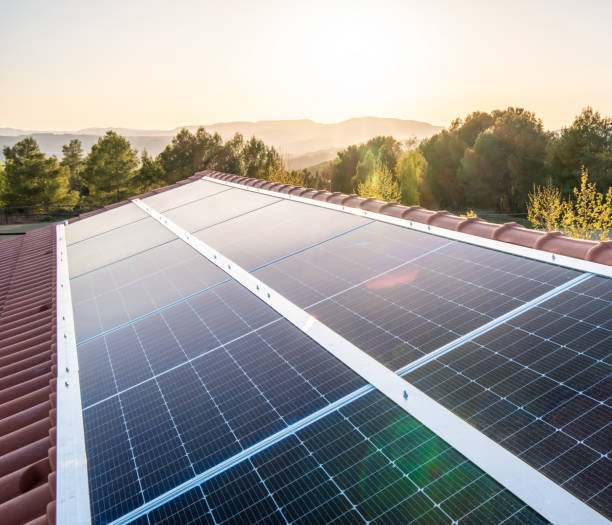
    Rajasthan has emerged as India’s leading state in deploying decentralised solar power plants under the Pradhan Mantri Kisan Urja Suraksha evam Utthaan Mahabhiyan (PM-KUSUM) while securing the third position in standalone solar pump installations, according to data presented in the Lok Sabha.

    Under Component A of the PM-KUSUM scheme, which supports decentralised solar power plants of up to 2 MW on farmers’ land, Rajasthan has commissioned more than 1,236 MW of solar capacity since FY 2021-22, the highest among all states. During the first quarter of FY 2026-27, the state added 500.09 MW, contributing nearly 74% of the 673.97 MW installed across the country during the period.

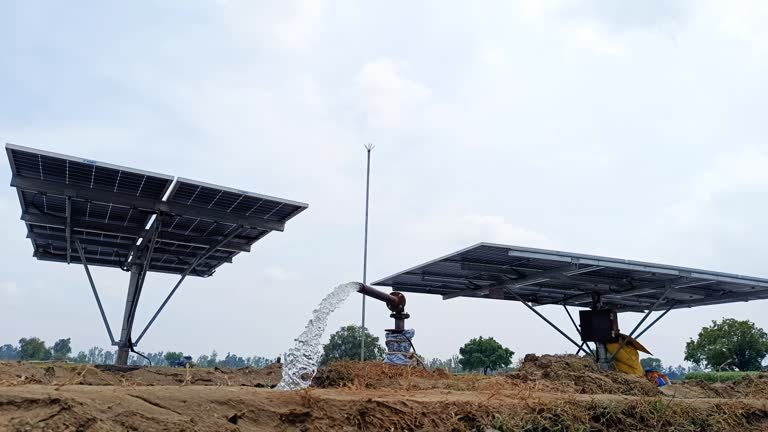
    Rajasthan has also made significant progress under Component B, installing 127,639 standalone solar pumps between FY 2020-21 and June 2026. While Maharashtra leads with 551,971 installations, followed by Haryana with 194,969, Rajasthan ranks third nationwide. Uttar Pradesh and Jharkhand complete the top five states. Across India, more than 1.149 million standalone solar pumps have been installed under the scheme.

    The state’s momentum has continued during the current financial year, with 27,701 standalone solar pumps installed up to June 2026. This follows the installation of 33,713 pumps in FY 2025-26 and 31,588 pumps in FY 2022-23.

    Under Component C, which promotes the solarisation of grid-connected agricultural pumps and feeders, Rajasthan solarised 168,000 agricultural pumps in FY 2025-26 and an additional 29,887 pumps during the current financial year up to June.

    The Central Government noted that PM-KUSUM is a demand-driven programme, with state-wise allocations based on proposals submitted by state governments and their implementation performance. It added that factors such as farmer participation, land availability, timely release of state financial support and feeder segregation have played a key role in determining implementation progress.

    The government also cited an independent third-party evaluation by PTC India Ltd., which found that PM-KUSUM has significantly accelerated decentralised renewable energy deployment in Rajasthan. The assessment highlighted improved irrigation reliability and an estimated 40% increase in farmers’ incomes through the adoption of solar-powered irrigation systems, reinforcing the state’s leadership in agricultural solarisation.
  • Rajasthan Tops PM-KUSUM Component A, Ranks Third in Solar Pump Installations

    Rajasthan Tops PM-KUSUM Component A, Ranks Third in Solar Pump Installations

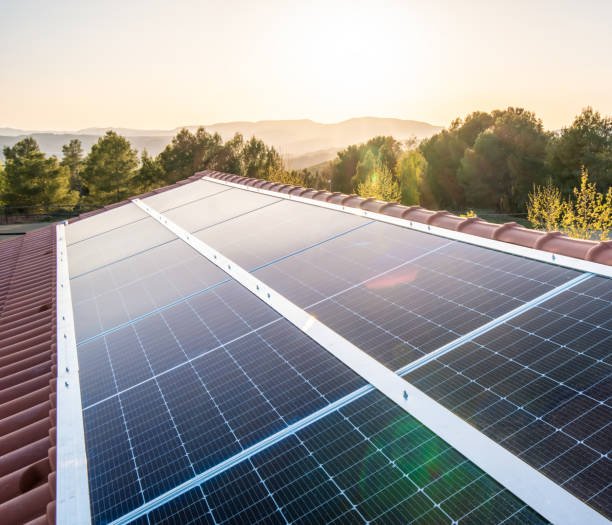
    Rajasthan has emerged as India’s leading state in deploying decentralised solar power plants under the Pradhan Mantri Kisan Urja Suraksha evam Utthaan Mahabhiyan (PM-KUSUM) while securing the third position in standalone solar pump installations, according to data presented in the Lok Sabha.

    Under Component A of the PM-KUSUM scheme, which supports decentralised solar power plants of up to 2 MW on farmers’ land, Rajasthan has commissioned more than 1,236 MW of solar capacity since FY 2021-22, the highest among all states. During the first quarter of FY 2026-27, the state added 500.09 MW, contributing nearly 74% of the 673.97 MW installed across the country during the period.

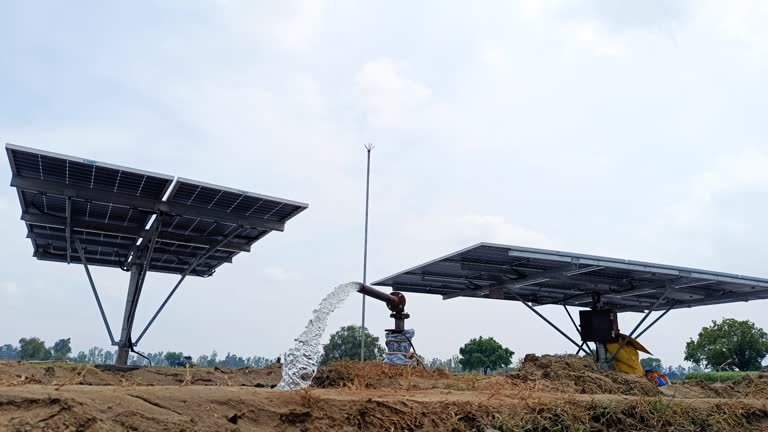
    Rajasthan has also made significant progress under Component B, installing 127,639 standalone solar pumps between FY 2020-21 and June 2026. While Maharashtra leads with 551,971 installations, followed by Haryana with 194,969, Rajasthan ranks third nationwide. Uttar Pradesh and Jharkhand complete the top five states. Across India, more than 1.149 million standalone solar pumps have been installed under the scheme.

    The state’s momentum has continued during the current financial year, with 27,701 standalone solar pumps installed up to June 2026. This follows the installation of 33,713 pumps in FY 2025-26 and 31,588 pumps in FY 2022-23.

    Under Component C, which promotes the solarisation of grid-connected agricultural pumps and feeders, Rajasthan solarised 168,000 agricultural pumps in FY 2025-26 and an additional 29,887 pumps during the current financial year up to June.

    The Central Government noted that PM-KUSUM is a demand-driven programme, with state-wise allocations based on proposals submitted by state governments and their implementation performance. It added that factors such as farmer participation, land availability, timely release of state financial support and feeder segregation have played a key role in determining implementation progress.

    The government also cited an independent third-party evaluation by PTC India Ltd., which found that PM-KUSUM has significantly accelerated decentralised renewable energy deployment in Rajasthan. The assessment highlighted improved irrigation reliability and an estimated 40% increase in farmers’ incomes through the adoption of solar-powered irrigation systems, reinforcing the state’s leadership in agricultural solarisation.
  • Rajasthan Tops PM-KUSUM Component A, Ranks Third in Solar Pump Installations

    Rajasthan has emerged as India’s leading state in deploying decentralised solar power plants under the Pradhan Mantri Kisan Urja Suraksha evam Utthaan Mahabhiyan (PM-KUSUM) while securing the third position in standalone solar pump installations, according to data presented in the Lok Sabha.

    Under Component A of the PM-KUSUM scheme, which supports decentralised solar power plants of up to 2 MW on farmers’ land, Rajasthan has commissioned more than 1,236 MW of solar capacity since FY 2021-22, the highest among all states. During the first quarter of FY 2026-27, the state added 500.09 MW, contributing nearly 74% of the 673.97 MW installed across the country during the period.

    Rajasthan has also made significant progress under Component B, installing 127,639 standalone solar pumps between FY 2020-21 and June 2026. While Maharashtra leads with 551,971 installations, followed by Haryana with 194,969, Rajasthan ranks third nationwide. Uttar Pradesh and Jharkhand complete the top five states. Across India, more than 1.149 million standalone solar pumps have been installed under the scheme.

    The state’s momentum has continued during the current financial year, with 27,701 standalone solar pumps installed up to June 2026. This follows the installation of 33,713 pumps in FY 2025-26 and 31,588 pumps in FY 2022-23.

    Under Component C, which promotes the solarisation of grid-connected agricultural pumps and feeders, Rajasthan solarised 168,000 agricultural pumps in FY 2025-26 and an additional 29,887 pumps during the current financial year up to June.

    The Central Government noted that PM-KUSUM is a demand-driven programme, with state-wise allocations based on proposals submitted by state governments and their implementation performance. It added that factors such as farmer participation, land availability, timely release of state financial support and feeder segregation have played a key role in determining implementation progress.

    The government also cited an independent third-party evaluation by PTC India Ltd., which found that PM-KUSUM has significantly accelerated decentralised renewable energy deployment in Rajasthan. The assessment highlighted improved irrigation reliability and an estimated 40% increase in farmers’ incomes through the adoption of solar-powered irrigation systems, reinforcing the state’s leadership in agricultural solarisation.
  • Rajasthan Tops PM-KUSUM Component A, Ranks Third in Solar Pump Installations

    Rajasthan has emerged as India’s leading state in deploying decentralised solar power plants under the Pradhan Mantri Kisan Urja Suraksha evam Utthaan Mahabhiyan (PM-KUSUM) while securing the third position in standalone solar pump installations, according to data presented in the Lok Sabha.

    Under Component A of the PM-KUSUM scheme, which supports decentralised solar power plants of up to 2 MW on farmers’ land, Rajasthan has commissioned more than 1,236 MW of solar capacity since FY 2021-22, the highest among all states. During the first quarter of FY 2026-27, the state added 500.09 MW, contributing nearly 74% of the 673.97 MW installed across the country during the period.

    Rajasthan has also made significant progress under Component B, installing 127,639 standalone solar pumps between FY 2020-21 and June 2026. While Maharashtra leads with 551,971 installations, followed by Haryana with 194,969, Rajasthan ranks third nationwide. Uttar Pradesh and Jharkhand complete the top five states. Across India, more than 1.149 million standalone solar pumps have been installed under the scheme.

    The state’s momentum has continued during the current financial year, with 27,701 standalone solar pumps installed up to June 2026. This follows the installation of 33,713 pumps in FY 2025-26 and 31,588 pumps in FY 2022-23.

    Under Component C, which promotes the solarisation of grid-connected agricultural pumps and feeders, Rajasthan solarised 168,000 agricultural pumps in FY 2025-26 and an additional 29,887 pumps during the current financial year up to June.

    The Central Government noted that PM-KUSUM is a demand-driven programme, with state-wise allocations based on proposals submitted by state governments and their implementation performance. It added that factors such as farmer participation, land availability, timely release of state financial support and feeder segregation have played a key role in determining implementation progress.

    The government also cited an independent third-party evaluation by PTC India Ltd., which found that PM-KUSUM has significantly accelerated decentralised renewable energy deployment in Rajasthan. The assessment highlighted improved irrigation reliability and an estimated 40% increase in farmers’ incomes through the adoption of solar-powered irrigation systems, reinforcing the state’s leadership in agricultural solarisation.
  • AM/NS India Promotes Durable Steel Solutions for India’s Expanding Solar Sector

    AM/NS India Promotes Durable Steel Solutions for India’s Expanding Solar Sector

    As India advances towards its target of 500 GW of renewable energy capacity by 2030, the focus must be on creating solar infrastructure that is not only rapidly deployed but also built to perform reliably over decades. ArcelorMittal Nippon Steel India (AM/NS India) believes durable, corrosion-resistant steel will be critical to supporting the country’s next phase of renewable energy growth.

    With India’s solar capacity expected to more than double from around 135 GW to 300 GW by 2030, robust steel solutions will play a vital role in strengthening solar mounting structures and supporting infrastructure. As installations expand across varied geographies and weather conditions, the need for long-lasting, corrosion-resistant materials will become increasingly important.

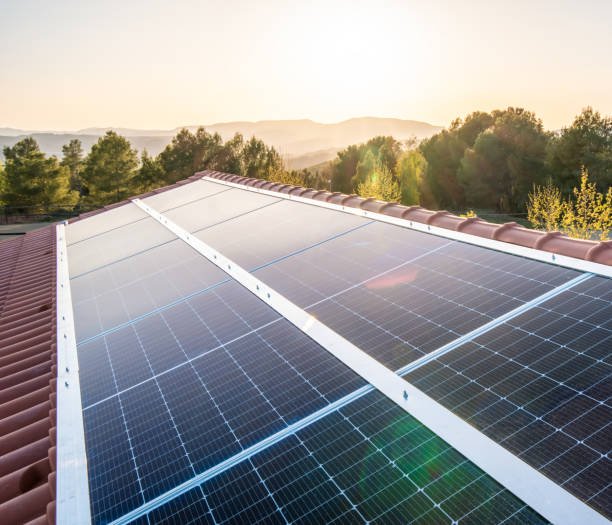
    Addressing this requirement, Magnelis steel, a product by ArcelorMittal, offers a patented zinc-aluminium-magnesium coating technology designed to provide superior corrosion resistance through unique self-healing properties. The solution is engineered to enhance the durability of solar mounting structures and help extend asset life, supporting the industry’s shift toward infrastructure designed to perform reliably for 25 years or longer.

    Magnelis steel has already contributed to the development of approximately 6 GW of solar energy infrastructure through the supply of around 200,000 tonnes for renewable energy projects. By improving structural longevity and reducing maintenance needs, advanced steel solutions can help optimise lifecycle costs and improve returns on renewable energy investments.

    AM/NS India launched Magnelis in September 2024. The company has established a dedicated production line with a capacity of 5 lakh tonnes per annum at its flagship plant in Hazira in Gujarat.

    AM/NS is targeting a reduction in emissions intensity to 1.8 tonnes of CO₂ per tonne of crude steel by FY2030, supporting its long-term decarbonisation roadmap.

    Commenting on the opportunity, Ranjan Dhar, Director and Vice President, Sales and Marketing, AM/NS India, said, “As India scales up solar capacity to meet its clean energy targets, equal attention must be paid to the durability and longevity of the infrastructure being created. Long-lasting, corrosion-resistant steel solutions can help maximise asset performance, optimise lifecycle costs and strengthen the reliability of renewable energy installations. At AM/NS India, we are committed to supporting the clean energy transition through innovative, sustainable steel solutions that help build infrastructure designed to last and contribute meaningfully to India’s green growth journey.”

    ArcelorMittal commissioned a 975 MW hybrid renewable energy project in Andhra Pradesh, comprising 604 MW solar, 340 MW wind and pumped hydro storage, reinforcing the company’s commitment to decarbonisation. The project is expected to meet around 20 percent of the Hazira plant’s energy requirements while reducing carbon emissions by approximately 1.5 million tonnes annually.

    The company is working towards replacing 100 percent of its grid power requirements at Hazira with renewable energy by 2030. As India’s first Green Steel-certified producer, AM/NS India is strengthening a robust domestic manufacturing and supply chain ecosystem to support India’s expanding renewable energy infrastructure requirements.

    Government initiatives such as PM Surya Ghar and PM-KUSUM are expected to further accelerate solar adoption across the country, creating an opportunity for industry stakeholders to promote awareness around the importance of high-performance materials and long-life solar infrastructure in delivering long-term value and sustainability.

  • AM/NS India Promotes Durable Steel Solutions for India’s Expanding Solar Sector

    AM/NS India Promotes Durable Steel Solutions for India’s Expanding Solar Sector

    As India advances towards its target of 500 GW of renewable energy capacity by 2030, the focus must be on creating solar infrastructure that is not only rapidly deployed but also built to perform reliably over decades. ArcelorMittal Nippon Steel India (AM/NS India) believes durable, corrosion-resistant steel will be critical to supporting the country’s next phase of renewable energy growth.

    With India’s solar capacity expected to more than double from around 135 GW to 300 GW by 2030, robust steel solutions will play a vital role in strengthening solar mounting structures and supporting infrastructure. As installations expand across varied geographies and weather conditions, the need for long-lasting, corrosion-resistant materials will become increasingly important.

    Addressing this requirement, Magnelis steel, a product by ArcelorMittal, offers a patented zinc-aluminium-magnesium coating technology designed to provide superior corrosion resistance through unique self-healing properties. The solution is engineered to enhance the durability of solar mounting structures and help extend asset life, supporting the industry’s shift toward infrastructure designed to perform reliably for 25 years or longer.

    Magnelis steel has already contributed to the development of approximately 6 GW of solar energy infrastructure through the supply of around 200,000 tonnes for renewable energy projects. By improving structural longevity and reducing maintenance needs, advanced steel solutions can help optimise lifecycle costs and improve returns on renewable energy investments.

    AM/NS India launched Magnelis in September 2024. The company has established a dedicated production line with a capacity of 5 lakh tonnes per annum at its flagship plant in Hazira in Gujarat.

    AM/NS is targeting a reduction in emissions intensity to 1.8 tonnes of CO₂ per tonne of crude steel by FY2030, supporting its long-term decarbonisation roadmap.

    Commenting on the opportunity, Ranjan Dhar, Director and Vice President, Sales and Marketing, AM/NS India, said, “As India scales up solar capacity to meet its clean energy targets, equal attention must be paid to the durability and longevity of the infrastructure being created. Long-lasting, corrosion-resistant steel solutions can help maximise asset performance, optimise lifecycle costs and strengthen the reliability of renewable energy installations. At AM/NS India, we are committed to supporting the clean energy transition through innovative, sustainable steel solutions that help build infrastructure designed to last and contribute meaningfully to India’s green growth journey.”

    ArcelorMittal commissioned a 975 MW hybrid renewable energy project in Andhra Pradesh, comprising 604 MW solar, 340 MW wind and pumped hydro storage, reinforcing the company’s commitment to decarbonisation. The project is expected to meet around 20 percent of the Hazira plant’s energy requirements while reducing carbon emissions by approximately 1.5 million tonnes annually.

    The company is working towards replacing 100 percent of its grid power requirements at Hazira with renewable energy by 2030. As India’s first Green Steel-certified producer, AM/NS India is strengthening a robust domestic manufacturing and supply chain ecosystem to support India’s expanding renewable energy infrastructure requirements.

    Government initiatives such as PM Surya Ghar and PM-KUSUM are expected to further accelerate solar adoption across the country, creating an opportunity for industry stakeholders to promote awareness around the importance of high-performance materials and long-life solar infrastructure in delivering long-term value and sustainability.

  • AM/NS India Promotes Durable Steel Solutions for India’s Expanding Solar Sector

    AM/NS India Promotes Durable Steel Solutions for India’s Expanding Solar Sector

    As India advances towards its target of 500 GW of renewable energy capacity by 2030, the focus must be on creating solar infrastructure that is not only rapidly deployed but also built to perform reliably over decades. ArcelorMittal Nippon Steel India (AM/NS India) believes durable, corrosion-resistant steel will be critical to supporting the country’s next phase of renewable energy growth.

    With India’s solar capacity expected to more than double from around 135 GW to 300 GW by 2030, robust steel solutions will play a vital role in strengthening solar mounting structures and supporting infrastructure. As installations expand across varied geographies and weather conditions, the need for long-lasting, corrosion-resistant materials will become increasingly important.

    Addressing this requirement, Magnelis steel, a product by ArcelorMittal, offers a patented zinc-aluminium-magnesium coating technology designed to provide superior corrosion resistance through unique self-healing properties. The solution is engineered to enhance the durability of solar mounting structures and help extend asset life, supporting the industry’s shift toward infrastructure designed to perform reliably for 25 years or longer.

    Magnelis steel has already contributed to the development of approximately 6 GW of solar energy infrastructure through the supply of around 200,000 tonnes for renewable energy projects. By improving structural longevity and reducing maintenance needs, advanced steel solutions can help optimise lifecycle costs and improve returns on renewable energy investments.

    AM/NS India launched Magnelis in September 2024. The company has established a dedicated production line with a capacity of 5 lakh tonnes per annum at its flagship plant in Hazira in Gujarat.

    AM/NS is targeting a reduction in emissions intensity to 1.8 tonnes of CO₂ per tonne of crude steel by FY2030, supporting its long-term decarbonisation roadmap.

    Commenting on the opportunity, Ranjan Dhar, Director and Vice President, Sales and Marketing, AM/NS India, said, “As India scales up solar capacity to meet its clean energy targets, equal attention must be paid to the durability and longevity of the infrastructure being created. Long-lasting, corrosion-resistant steel solutions can help maximise asset performance, optimise lifecycle costs and strengthen the reliability of renewable energy installations. At AM/NS India, we are committed to supporting the clean energy transition through innovative, sustainable steel solutions that help build infrastructure designed to last and contribute meaningfully to India’s green growth journey.”

    ArcelorMittal commissioned a 975 MW hybrid renewable energy project in Andhra Pradesh, comprising 604 MW solar, 340 MW wind and pumped hydro storage, reinforcing the company’s commitment to decarbonisation. The project is expected to meet around 20 percent of the Hazira plant’s energy requirements while reducing carbon emissions by approximately 1.5 million tonnes annually.

    The company is working towards replacing 100 percent of its grid power requirements at Hazira with renewable energy by 2030. As India’s first Green Steel-certified producer, AM/NS India is strengthening a robust domestic manufacturing and supply chain ecosystem to support India’s expanding renewable energy infrastructure requirements.

    Government initiatives such as PM Surya Ghar and PM-KUSUM are expected to further accelerate solar adoption across the country, creating an opportunity for industry stakeholders to promote awareness around the importance of high-performance materials and long-life solar infrastructure in delivering long-term value and sustainability.

  • AM/NS India Promotes Durable Steel Solutions for India’s Expanding Solar Sector

    AM/NS India Promotes Durable Steel Solutions for India’s Expanding Solar Sector

    As India advances towards its target of 500 GW of renewable energy capacity by 2030, the focus must be on creating solar infrastructure that is not only rapidly deployed but also built to perform reliably over decades. ArcelorMittal Nippon Steel India (AM/NS India) believes durable, corrosion-resistant steel will be critical to supporting the country’s next phase of renewable energy growth.

    With India’s solar capacity expected to more than double from around 135 GW to 300 GW by 2030, robust steel solutions will play a vital role in strengthening solar mounting structures and supporting infrastructure. As installations expand across varied geographies and weather conditions, the need for long-lasting, corrosion-resistant materials will become increasingly important.

    Addressing this requirement, Magnelis steel, a product by ArcelorMittal, offers a patented zinc-aluminium-magnesium coating technology designed to provide superior corrosion resistance through unique self-healing properties. The solution is engineered to enhance the durability of solar mounting structures and help extend asset life, supporting the industry’s shift toward infrastructure designed to perform reliably for 25 years or longer.

    Magnelis steel has already contributed to the development of approximately 6 GW of solar energy infrastructure through the supply of around 200,000 tonnes for renewable energy projects. By improving structural longevity and reducing maintenance needs, advanced steel solutions can help optimise lifecycle costs and improve returns on renewable energy investments.

    AM/NS India launched Magnelis in September 2024. The company has established a dedicated production line with a capacity of 5 lakh tonnes per annum at its flagship plant in Hazira in Gujarat.

    AM/NS is targeting a reduction in emissions intensity to 1.8 tonnes of CO₂ per tonne of crude steel by FY2030, supporting its long-term decarbonisation roadmap.

    Commenting on the opportunity, Ranjan Dhar, Director and Vice President, Sales and Marketing, AM/NS India, said, “As India scales up solar capacity to meet its clean energy targets, equal attention must be paid to the durability and longevity of the infrastructure being created. Long-lasting, corrosion-resistant steel solutions can help maximise asset performance, optimise lifecycle costs and strengthen the reliability of renewable energy installations. At AM/NS India, we are committed to supporting the clean energy transition through innovative, sustainable steel solutions that help build infrastructure designed to last and contribute meaningfully to India’s green growth journey.”

    ArcelorMittal commissioned a 975 MW hybrid renewable energy project in Andhra Pradesh, comprising 604 MW solar, 340 MW wind and pumped hydro storage, reinforcing the company’s commitment to decarbonisation. The project is expected to meet around 20 percent of the Hazira plant’s energy requirements while reducing carbon emissions by approximately 1.5 million tonnes annually.

    The company is working towards replacing 100 percent of its grid power requirements at Hazira with renewable energy by 2030. As India’s first Green Steel-certified producer, AM/NS India is strengthening a robust domestic manufacturing and supply chain ecosystem to support India’s expanding renewable energy infrastructure requirements.

    Government initiatives such as PM Surya Ghar and PM-KUSUM are expected to further accelerate solar adoption across the country, creating an opportunity for industry stakeholders to promote awareness around the importance of high-performance materials and long-life solar infrastructure in delivering long-term value and sustainability.

  • AM/NS India Promotes Durable Steel Solutions for India’s Expanding Solar Sector

    AM/NS India Promotes Durable Steel Solutions for India’s Expanding Solar Sector

    As India advances towards its target of 500 GW of renewable energy capacity by 2030, the focus must be on creating solar infrastructure that is not only rapidly deployed but also built to perform reliably over decades. ArcelorMittal Nippon Steel India (AM/NS India) believes durable, corrosion-resistant steel will be critical to supporting the country’s next phase of renewable energy growth.

    With India’s solar capacity expected to more than double from around 135 GW to 300 GW by 2030, robust steel solutions will play a vital role in strengthening solar mounting structures and supporting infrastructure. As installations expand across varied geographies and weather conditions, the need for long-lasting, corrosion-resistant materials will become increasingly important.

    Addressing this requirement, Magnelis steel, a product by ArcelorMittal offers a patented zinc-aluminium-magnesium coating technology designed to provide superior corrosion resistance through unique self-healing properties. The solution is engineered to enhance the durability of solar mounting structures and help extend asset life, supporting the industry’s shift toward infrastructure designed to perform reliably for 25 years or longer.

    Magnelis steel has already contributed to the development of approximately 6 GW of solar energy infrastructure through the supply of around 200,000 tonnes for renewable energy projects. By improving structural longevity and reducing maintenance needs, advanced steel solutions can help optimise lifecycle costs and improve returns on renewable energy investments.

    AM/NS India launched Magnelis in September 2024. The company has established a dedicated production line with a capacity of 5 lakh tonnes per annum at its flagship plant in Hazira in Gujarat.

    AM/NS is targeting a reduction in emissions intensity to 1.8 tonnes of CO₂ per tonne of crude steel by FY2030, supporting its long-term decarbonisation roadmap.

    Commenting on the opportunity, Ranjan Dhar, Director and Vice President, Sales and Marketing, AM/NS India, said, “As India scales up solar capacity to meet its clean energy targets, equal attention must be paid to the durability and longevity of the infrastructure being created. Long-lasting, corrosion-resistant steel solutions can help maximise asset performance, optimise lifecycle costs and strengthen the reliability of renewable energy installations. At AM/NS India, we are committed to supporting the clean energy transition through innovative, sustainable steel solutions that help build infrastructure designed to last and contribute meaningfully to India’s green growth journey.”

    ArcelorMittal commissioned a 975 MW hybrid renewable energy project in Andhra Pradesh, comprising 604 MW solar, 340 MW wind and pumped hydro storage, reinforcing the company’s commitment to decarbonisation. The project is expected to meet around 20 percent of the Hazira plant’s energy requirements while reducing carbon emissions by approximately 1.5 million tonnes annually.

    The company is working towards replacing 100 percent of its grid power requirements at Hazira with renewable energy by 2030. As India’s first Green Steel-certified producer, AM/NS India is strengthening a robust domestic manufacturing and supply chain ecosystem to support India’s expanding renewable energy infrastructure requirements.

    Government initiatives such as PM Surya Ghar and PM-KUSUM are expected to further accelerate solar adoption across the country, creating an opportunity for industry stakeholders to promote awareness around the importance of high-performance materials and long-life solar infrastructure in delivering long-term value and sustainability.

  • AM/NS India Promotes Durable Steel Solutions for India’s Expanding Solar Sector

    As India advances towards its target of 500 GW of renewable energy capacity by 2030, the focus must be on creating solar infrastructure that is not only rapidly deployed but also built to perform reliably over decades. ArcelorMittal Nippon Steel India (AM/NS India) believes durable, corrosion-resistant steel will be critical to supporting the country’s next phase of renewable energy growth.

    With India’s solar capacity expected to more than double from around 135 GW to 300 GW by 2030, robust steel solutions will play a vital role in strengthening solar mounting structures and supporting infrastructure. As installations expand across varied geographies and weather conditions, the need for long-lasting, corrosion-resistant materials will become increasingly important.

    Addressing this requirement, Magnelis steel, a product by ArcelorMittal offers a patented zinc-aluminium-magnesium coating technology designed to provide superior corrosion resistance through unique self-healing properties. The solution is engineered to enhance the durability of solar mounting structures and help extend asset life, supporting the industry’s shift toward infrastructure designed to perform reliably for 25 years or longer.

    Magnelis steel has already contributed to the development of approximately 6 GW of solar energy infrastructure through the supply of around 200,000 tonnes for renewable energy projects. By improving structural longevity and reducing maintenance needs, advanced steel solutions can help optimise lifecycle costs and improve returns on renewable energy investments.

    AM/NS India launched Magnelis in September 2024. The company has established a dedicated production line with a capacity of 5 lakh tonnes per annum at its flagship plant in Hazira in Gujarat.

    AM/NS is targeting a reduction in emissions intensity to 1.8 tonnes of CO₂ per tonne of crude steel by FY2030, supporting its long-term decarbonisation roadmap.

    Commenting on the opportunity, Ranjan Dhar, Director and Vice President, Sales and Marketing, AM/NS India, said, “As India scales up solar capacity to meet its clean energy targets, equal attention must be paid to the durability and longevity of the infrastructure being created. Long-lasting, corrosion-resistant steel solutions can help maximise asset performance, optimise lifecycle costs and strengthen the reliability of renewable energy installations. At AM/NS India, we are committed to supporting the clean energy transition through innovative, sustainable steel solutions that help build infrastructure designed to last and contribute meaningfully to India’s green growth journey.”

    ArcelorMittal commissioned a 975 MW hybrid renewable energy project in Andhra Pradesh, comprising 604 MW solar, 340 MW wind and pumped hydro storage, reinforcing the company’s commitment to decarbonisation. The project is expected to meet around 20 percent of the Hazira plant’s energy requirements while reducing carbon emissions by approximately 1.5 million tonnes annually.

    The company is working towards replacing 100 percent of its grid power requirements at Hazira with renewable energy by 2030. As India’s first Green Steel-certified producer, AM/NS India is strengthening a robust domestic manufacturing and supply chain ecosystem to support India’s expanding renewable energy infrastructure requirements.

    Government initiatives such as PM Surya Ghar and PM-KUSUM are expected to further accelerate solar adoption across the country, creating an opportunity for industry stakeholders to promote awareness around the importance of high-performance materials and long-life solar infrastructure in delivering long-term value and sustainability.