Author: abhishek2019cs034abesit@gmail.com

  • WeWork India Releases Inaugural Sustainability Report, Advancing Its Sustainability Ambition with Schneider Electric

    WeWork India Releases Inaugural Sustainability Report, Advancing Its Sustainability Ambition with Schneider Electric

    WeWork India Management Limited, the industry leader in the flexible workspace sector, released its maiden Sustainability Report for FY 2025–26, titled Shared Spaces, Shared Responsibilities, developed in collaboration with Schneider Electric, a global energy technology leader. The report reflects WeWork India’s sustainability performance and targets, shaped by a partnership with Schneider Electric that spans real-time energy management and sustainability advisory. Aligned to the Global Reporting Initiative GRI Standards 2021, the report marks an important milestone in WeWork India’s ESG reporting journey, presenting a comprehensive account of its Environmental, Social and Governance performance following its listing in October 2025.

    The report reflects WeWork India’s approach to embedding sustainability into how it leases, designs, builds and operates its spaces, rather than treating it as a standalone agenda. It outlines progress across three core pillars – environmental stewardship; a safe, fair and inclusive workplace; and strong and robust governance, while setting measurable targets for the years ahead. 

    In FY 2025-26, WeWork India grew revenue by 23.4% year-on-year to ₹24,774.3 million, while its operational footprint reached 8.6 million sq. ft. across eight cities. Alongside this growth, the company strengthened its environmental performance. Renewable electricity accounted for 27.8% of total electricity consumption, up from 15.3% in FY 2024-25, and reached 40% of monthly electricity consumption by March 2026. The Energy Performance Index (EPI) improved from 132.7 to 128.5 kWh/sqm/year, progressing towards the FY 2026-27 target of 120 kWh/sqm/year. WeWork India’s combined Scope 1 and Scope 2 greenhouse gas emissions declined by approximately 15.5%, from 35,156.2 tCO₂e in FY 2024-25 to 29,707.7 tCO₂e in FY 2025-26. The report also establishes WeWork India’s Scope 3 inventory, covering relevant indirect emissions across its wider value chain.

    Speaking on the collaboration, Mr. Deepak Sharma, Zone President – Greater India, MD & CEO, Schneider Electric India, said, “As India’s built environment continues to scale, advancing energy technology will be critical to meeting rising energy demand more efficiently and sustainably. Our collaboration with WeWork India goes beyond technology deployment. It demonstrates how strategic advisory, data-driven sustainability management, electrification, digitalization, and real-time intelligence can help organizations make informed decisions and accelerate their sustainability goals. By combining deep domain expertise with actionable insights, we are enabling more resilient, efficient, and future-ready workplaces. As India moves towards a more electric and digital future, integrated energy and sustainability strategies will play a critical role in accelerating decarbonization across buildings and infrastructure.”

    Karan Virwani, Managing Director and Chief Executive Officer, WeWork India, said, “The future of work will not only be defined by how flexible it is, but by how responsibly it is built. As WeWork India grows, sustainability has to be embedded into the way we design, build and operate our spaces, and into the decisions we make every day. Our first Sustainability Report brings greater transparency and accountability to that journey. From improving energy efficiency and increasing renewable energy adoption to creating safer workplaces and investing in the communities around us, our focus is on building a business where growth and responsibility reinforce each other. Our collaboration with Schneider Electric has helped bring greater rigour to how we measure and report our performance, and we look forward to building on this foundation.”

    The report highlights how data-led energy management can translate sustainability ambitions into measurable impact. Since 2022, Schneider Electric has managed WeWork India’s 24×7 central Energy Command Centre, providing real-time visibility into HVAC systems and energy loads across locations. During FY 2025–26, Schneider Electric’s energy assessments and sustainability advisory provided WeWork India with enhanced visibility into key sustainability metrics through emissions management, reporting, and long-term climate action initiatives.

    Beyond energy, the report also highlights WeWork India’s focus on its people and communities. Women represented 46% of its workforce and 34% of leadership, while the company recorded an employee NPS of 71+ and an employee engagement score of 87, reflecting a strong sense of inclusion and connection at work. The workplace also plays an important role in enabling this culture, with employees choosing to spend time in the office, participating in employee-led ERGs and contributing beyond their core responsibilities. This people-first approach has supported WeWork India’s recognition as a Great Place to Work, with inclusion and engagement emerging as key drivers of its workplace culture. During FY 2025-26, 100% of workers received health and safety training, with the company recording zero fatalities and zero high-consequence work-related injuries.

    Its safety practices were recognised through certifications and awards including the RoSPA Health and Safety Gold Award 2026, British Safety Council International Safety Award and NSCI Four Golden Star Safety Rating. During FY 2025-26, the company invested ₹1.63 crore across four community programmes spanning biodiversity conservation, decentralised waste management, education and livelihood development, and animal welfare. Employees and members contributed a combined 967 volunteering hours, while its Space for a Cause initiative provided 103 desks free of charge to 15 NGOs.

    Building on the larger foundation, WeWork India and Schneider Electric will continue to strengthen the data and governance capabilities underpinning sustainability performance, including ESG governance, emissions accounting, data and assurance readiness, and sustainability reporting. The collaboration will support WeWork India’s efforts to deepen its measurement of sustainability performance and identify further opportunities for energy efficiency and decarbonization across its growing portfolio.
  • WeWork India Releases Inaugural Sustainability Report, Advancing Its Sustainability Ambition with Schneider Electric

    WeWork India Releases Inaugural Sustainability Report, Advancing Its Sustainability Ambition with Schneider Electric

    WeWork India Management Limited, the industry leader in the flexible workspace sector, released its maiden Sustainability Report for FY 2025–26, titled Shared Spaces, Shared Responsibilities, developed in collaboration with Schneider Electric, a global energy technology leader. The report reflects WeWork India’s sustainability performance and targets, shaped by a partnership with Schneider Electric that spans real-time energy management and sustainability advisory. Aligned to the Global Reporting Initiative GRI Standards 2021, the report marks an important milestone in WeWork India’s ESG reporting journey, presenting a comprehensive account of its Environmental, Social and Governance performance following its listing in October 2025.

    The report reflects WeWork India’s approach to embedding sustainability into how it leases, designs, builds and operates its spaces, rather than treating it as a standalone agenda. It outlines progress across three core pillars – environmental stewardship; a safe, fair and inclusive workplace; and strong and robust governance, while setting measurable targets for the years ahead. 

    In FY 2025-26, WeWork India grew revenue by 23.4% year-on-year to ₹24,774.3 million, while its operational footprint reached 8.6 million sq. ft. across eight cities. Alongside this growth, the company strengthened its environmental performance. Renewable electricity accounted for 27.8% of total electricity consumption, up from 15.3% in FY 2024-25, and reached 40% of monthly electricity consumption by March 2026. The Energy Performance Index (EPI) improved from 132.7 to 128.5 kWh/sqm/year, progressing towards the FY 2026-27 target of 120 kWh/sqm/year. WeWork India’s combined Scope 1 and Scope 2 greenhouse gas emissions declined by approximately 15.5%, from 35,156.2 tCO₂e in FY 2024-25 to 29,707.7 tCO₂e in FY 2025-26. The report also establishes WeWork India’s Scope 3 inventory, covering relevant indirect emissions across its wider value chain.

    Speaking on the collaboration, Mr. Deepak Sharma, Zone President – Greater India, MD & CEO, Schneider Electric India, said, “As India’s built environment continues to scale, advancing energy technology will be critical to meeting rising energy demand more efficiently and sustainably. Our collaboration with WeWork India goes beyond technology deployment. It demonstrates how strategic advisory, data-driven sustainability management, electrification, digitalization, and real-time intelligence can help organizations make informed decisions and accelerate their sustainability goals. By combining deep domain expertise with actionable insights, we are enabling more resilient, efficient, and future-ready workplaces. As India moves towards a more electric and digital future, integrated energy and sustainability strategies will play a critical role in accelerating decarbonization across buildings and infrastructure.”

    Karan Virwani, Managing Director and Chief Executive Officer, WeWork India, said, “The future of work will not only be defined by how flexible it is, but by how responsibly it is built. As WeWork India grows, sustainability has to be embedded into the way we design, build and operate our spaces, and into the decisions we make every day. Our first Sustainability Report brings greater transparency and accountability to that journey. From improving energy efficiency and increasing renewable energy adoption to creating safer workplaces and investing in the communities around us, our focus is on building a business where growth and responsibility reinforce each other. Our collaboration with Schneider Electric has helped bring greater rigour to how we measure and report our performance, and we look forward to building on this foundation.”

    The report highlights how data-led energy management can translate sustainability ambitions into measurable impact. Since 2022, Schneider Electric has managed WeWork India’s 24×7 central Energy Command Centre, providing real-time visibility into HVAC systems and energy loads across locations. During FY 2025–26, Schneider Electric’s energy assessments and sustainability advisory provided WeWork India with enhanced visibility into key sustainability metrics through emissions management, reporting, and long-term climate action initiatives.

    Beyond energy, the report also highlights WeWork India’s focus on its people and communities. Women represented 46% of its workforce and 34% of leadership, while the company recorded an employee NPS of 71+ and an employee engagement score of 87, reflecting a strong sense of inclusion and connection at work. The workplace also plays an important role in enabling this culture, with employees choosing to spend time in the office, participating in employee-led ERGs and contributing beyond their core responsibilities. This people-first approach has supported WeWork India’s recognition as a Great Place to Work, with inclusion and engagement emerging as key drivers of its workplace culture. During FY 2025-26, 100% of workers received health and safety training, with the company recording zero fatalities and zero high-consequence work-related injuries.

    Its safety practices were recognised through certifications and awards including the RoSPA Health and Safety Gold Award 2026, British Safety Council International Safety Award and NSCI Four Golden Star Safety Rating. During FY 2025-26, the company invested ₹1.63 crore across four community programmes spanning biodiversity conservation, decentralised waste management, education and livelihood development, and animal welfare. Employees and members contributed a combined 967 volunteering hours, while its Space for a Cause initiative provided 103 desks free of charge to 15 NGOs.

    Building on the larger foundation, WeWork India and Schneider Electric will continue to strengthen the data and governance capabilities underpinning sustainability performance, including ESG governance, emissions accounting, data and assurance readiness, and sustainability reporting. The collaboration will support WeWork India’s efforts to deepen its measurement of sustainability performance and identify further opportunities for energy efficiency and decarbonization across its growing portfolio.
  • WeWork India Releases Inaugural Sustainability Report, Advancing Its Sustainability Ambition with Schneider Electric

    WeWork India Releases Inaugural Sustainability Report, Advancing Its Sustainability Ambition with Schneider Electric

    WeWork India Management Limited, the industry leader in the flexible workspace sector, released its maiden Sustainability Report for FY 2025–26, titled Shared Spaces, Shared Responsibilities, developed in collaboration with Schneider Electric, a global energy technology leader. The report reflects WeWork India’s sustainability performance and targets, shaped by a partnership with Schneider Electric that spans real-time energy management and sustainability advisory. Aligned to the Global Reporting Initiative GRI Standards 2021, the report marks an important milestone in WeWork India’s ESG reporting journey, presenting a comprehensive account of its Environmental, Social and Governance performance following its listing in October 2025.

    The report reflects WeWork India’s approach to embedding sustainability into how it leases, designs, builds and operates its spaces, rather than treating it as a standalone agenda. It outlines progress across three core pillars – environmental stewardship; a safe, fair and inclusive workplace; and strong and robust governance, while setting measurable targets for the years ahead. 

    In FY 2025-26, WeWork India grew revenue by 23.4% year-on-year to ₹24,774.3 million, while its operational footprint reached 8.6 million sq. ft. across eight cities. Alongside this growth, the company strengthened its environmental performance. Renewable electricity accounted for 27.8% of total electricity consumption, up from 15.3% in FY 2024-25, and reached 40% of monthly electricity consumption by March 2026. The Energy Performance Index (EPI) improved from 132.7 to 128.5 kWh/sqm/year, progressing towards the FY 2026-27 target of 120 kWh/sqm/year. WeWork India’s combined Scope 1 and Scope 2 greenhouse gas emissions declined by approximately 15.5%, from 35,156.2 tCO₂e in FY 2024-25 to 29,707.7 tCO₂e in FY 2025-26. The report also establishes WeWork India’s Scope 3 inventory, covering relevant indirect emissions across its wider value chain.

    Speaking on the collaboration, Mr. Deepak Sharma, Zone President – Greater India, MD & CEO, Schneider Electric India, said, “As India’s built environment continues to scale, advancing energy technology will be critical to meeting rising energy demand more efficiently and sustainably. Our collaboration with WeWork India goes beyond technology deployment. It demonstrates how strategic advisory, data-driven sustainability management, electrification, digitalization, and real-time intelligence can help organizations make informed decisions and accelerate their sustainability goals. By combining deep domain expertise with actionable insights, we are enabling more resilient, efficient, and future-ready workplaces. As India moves towards a more electric and digital future, integrated energy and sustainability strategies will play a critical role in accelerating decarbonization across buildings and infrastructure.”

    Karan Virwani, Managing Director and Chief Executive Officer, WeWork India, said, “The future of work will not only be defined by how flexible it is, but by how responsibly it is built. As WeWork India grows, sustainability has to be embedded into the way we design, build and operate our spaces, and into the decisions we make every day. Our first Sustainability Report brings greater transparency and accountability to that journey. From improving energy efficiency and increasing renewable energy adoption to creating safer workplaces and investing in the communities around us, our focus is on building a business where growth and responsibility reinforce each other. Our collaboration with Schneider Electric has helped bring greater rigour to how we measure and report our performance, and we look forward to building on this foundation.”

    The report highlights how data-led energy management can translate sustainability ambitions into measurable impact. Since 2022, Schneider Electric has managed WeWork India’s 24×7 central Energy Command Centre, providing real-time visibility into HVAC systems and energy loads across locations. During FY 2025–26, Schneider Electric’s energy assessments and sustainability advisory provided WeWork India with enhanced visibility into key sustainability metrics through emissions management, reporting, and long-term climate action initiatives.

    Beyond energy, the report also highlights WeWork India’s focus on its people and communities. Women represented 46% of its workforce and 34% of leadership, while the company recorded an employee NPS of 71+ and an employee engagement score of 87, reflecting a strong sense of inclusion and connection at work. The workplace also plays an important role in enabling this culture, with employees choosing to spend time in the office, participating in employee-led ERGs and contributing beyond their core responsibilities. This people-first approach has supported WeWork India’s recognition as a Great Place to Work, with inclusion and engagement emerging as key drivers of its workplace culture. During FY 2025-26, 100% of workers received health and safety training, with the company recording zero fatalities and zero high-consequence work-related injuries.

    Its safety practices were recognised through certifications and awards including the RoSPA Health and Safety Gold Award 2026, British Safety Council International Safety Award and NSCI Four Golden Star Safety Rating. During FY 2025-26, the company invested ₹1.63 crore across four community programmes spanning biodiversity conservation, decentralised waste management, education and livelihood development, and animal welfare. Employees and members contributed a combined 967 volunteering hours, while its Space for a Cause initiative provided 103 desks free of charge to 15 NGOs.

    Building on the larger foundation, WeWork India and Schneider Electric will continue to strengthen the data and governance capabilities underpinning sustainability performance, including ESG governance, emissions accounting, data and assurance readiness, and sustainability reporting. The collaboration will support WeWork India’s efforts to deepen its measurement of sustainability performance and identify further opportunities for energy efficiency and decarbonization across its growing portfolio.
  • WeWork India Releases Inaugural Sustainability Report, Advancing Its Sustainability Ambition with Schneider Electric

    WeWork India Management Limited, the industry leader in the flexible workspace sector, released its maiden Sustainability Report for FY 2025–26, titled Shared Spaces, Shared Responsibilities, developed in collaboration with Schneider Electric, a global energy technology leader. The report reflects WeWork India’s sustainability performance and targets, shaped by a partnership with Schneider Electric that spans real-time energy management and sustainability advisory. Aligned to the Global Reporting Initiative GRI Standards 2021, the report marks an important milestone in WeWork India’s ESG reporting journey, presenting a comprehensive account of its Environmental, Social and Governance performance following its listing in October 2025.

    The report reflects WeWork India’s approach to embedding sustainability into how it leases, designs, builds and operates its spaces, rather than treating it as a standalone agenda. It outlines progress across three core pillars – environmental stewardship; a safe, fair and inclusive workplace; and strong and robust governance, while setting measurable targets for the years ahead. 

    In FY 2025-26, WeWork India grew revenue by 23.4% year-on-year to ₹24,774.3 million, while its operational footprint reached 8.6 million sq. ft. across eight cities. Alongside this growth, the company strengthened its environmental performance. Renewable electricity accounted for 27.8% of total electricity consumption, up from 15.3% in FY 2024-25, and reached 40% of monthly electricity consumption by March 2026. The Energy Performance Index (EPI) improved from 132.7 to 128.5 kWh/sqm/year, progressing towards the FY 2026-27 target of 120 kWh/sqm/year. WeWork India’s combined Scope 1 and Scope 2 greenhouse gas emissions declined by approximately 15.5%, from 35,156.2 tCO₂e in FY 2024-25 to 29,707.7 tCO₂e in FY 2025-26. The report also establishes WeWork India’s Scope 3 inventory, covering relevant indirect emissions across its wider value chain.

    Speaking on the collaboration, Mr. Deepak Sharma, Zone President – Greater India, MD & CEO, Schneider Electric India, said, “As India’s built environment continues to scale, advancing energy technology will be critical to meeting rising energy demand more efficiently and sustainably. Our collaboration with WeWork India goes beyond technology deployment. It demonstrates how strategic advisory, data-driven sustainability management, electrification, digitalization, and real-time intelligence can help organizations make informed decisions and accelerate their sustainability goals. By combining deep domain expertise with actionable insights, we are enabling more resilient, efficient, and future-ready workplaces. As India moves towards a more electric and digital future, integrated energy and sustainability strategies will play a critical role in accelerating decarbonization across buildings and infrastructure.”

    Karan Virwani, Managing Director and Chief Executive Officer, WeWork India, said, “The future of work will not only be defined by how flexible it is, but by how responsibly it is built. As WeWork India grows, sustainability has to be embedded into the way we design, build and operate our spaces, and into the decisions we make every day. Our first Sustainability Report brings greater transparency and accountability to that journey. From improving energy efficiency and increasing renewable energy adoption to creating safer workplaces and investing in the communities around us, our focus is on building a business where growth and responsibility reinforce each other. Our collaboration with Schneider Electric has helped bring greater rigour to how we measure and report our performance, and we look forward to building on this foundation.”

    The report highlights how data-led energy management can translate sustainability ambitions into measurable impact. Since 2022, Schneider Electric has managed WeWork India’s 24×7 central Energy Command Centre, providing real-time visibility into HVAC systems and energy loads across locations. During FY 2025–26, Schneider Electric’s energy assessments and sustainability advisory provided WeWork India with enhanced visibility into key sustainability metrics through emissions management, reporting, and long-term climate action initiatives.

    Beyond energy, the report also highlights WeWork India’s focus on its people and communities. Women represented 46% of its workforce and 34% of leadership, while the company recorded an employee NPS of 71+ and an employee engagement score of 87, reflecting a strong sense of inclusion and connection at work. The workplace also plays an important role in enabling this culture, with employees choosing to spend time in the office, participating in employee-led ERGs and contributing beyond their core responsibilities. This people-first approach has supported WeWork India’s recognition as a Great Place to Work, with inclusion and engagement emerging as key drivers of its workplace culture. During FY 2025-26, 100% of workers received health and safety training, with the company recording zero fatalities and zero high-consequence work-related injuries.

    Its safety practices were recognised through certifications and awards including the RoSPA Health and Safety Gold Award 2026, British Safety Council International Safety Award and NSCI Four Golden Star Safety Rating. During FY 2025-26, the company invested ₹1.63 crore across four community programmes spanning biodiversity conservation, decentralised waste management, education and livelihood development, and animal welfare. Employees and members contributed a combined 967 volunteering hours, while its Space for a Cause initiative provided 103 desks free of charge to 15 NGOs.

    Building on the larger foundation, WeWork India and Schneider Electric will continue to strengthen the data and governance capabilities underpinning sustainability performance, including ESG governance, emissions accounting, data and assurance readiness, and sustainability reporting. The collaboration will support WeWork India’s efforts to deepen its measurement of sustainability performance and identify further opportunities for energy efficiency and decarbonization across its growing portfolio.
  • RECPDCL Hands Over Balsane Power Transmission Limited, a SPV of Intra State Transmission Project of Maharashtra, to M/s Resonia Limited

    RECPDCL Hands Over Balsane Power Transmission Limited, a SPV of Intra State Transmission Project of Maharashtra, to M/s Resonia Limited

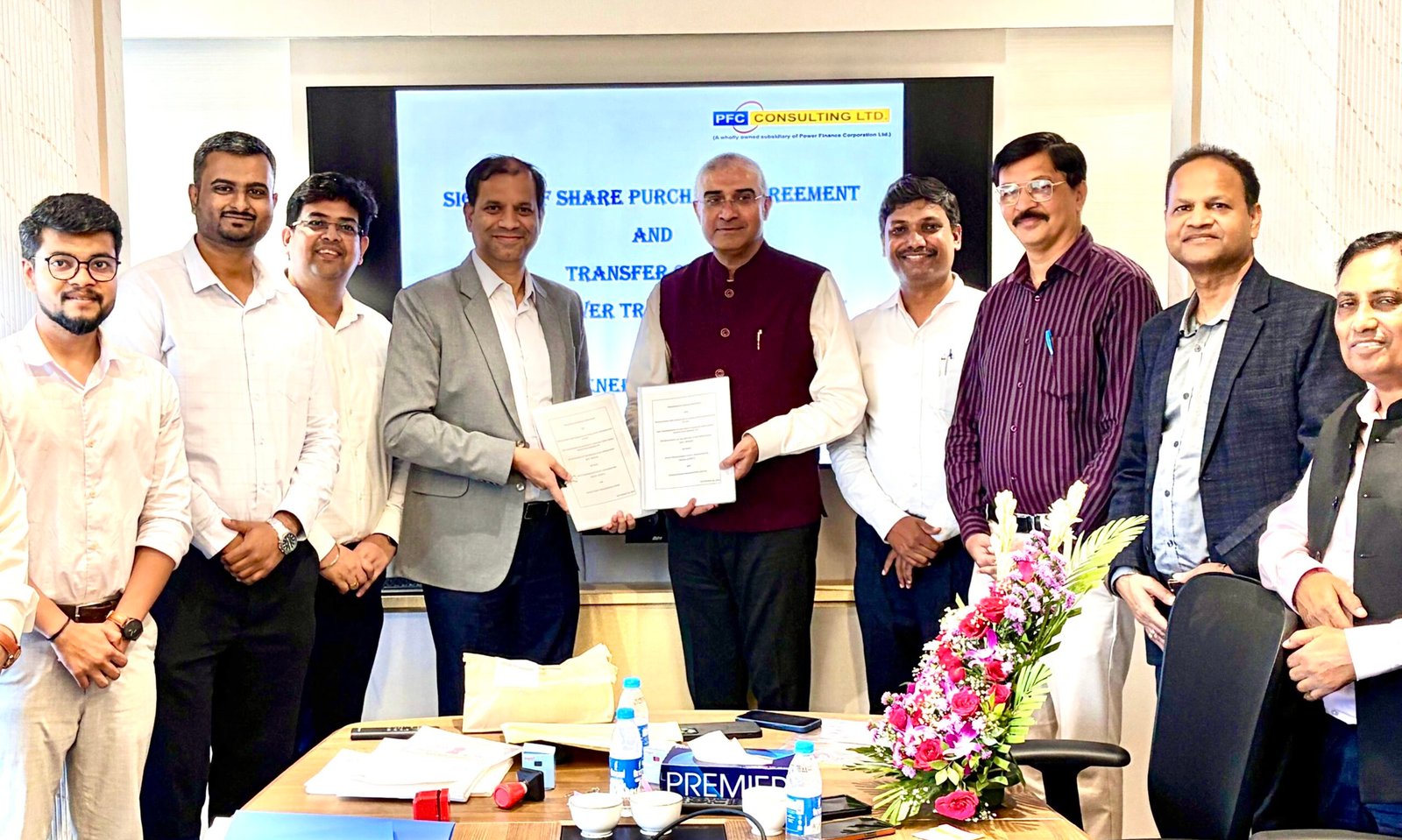
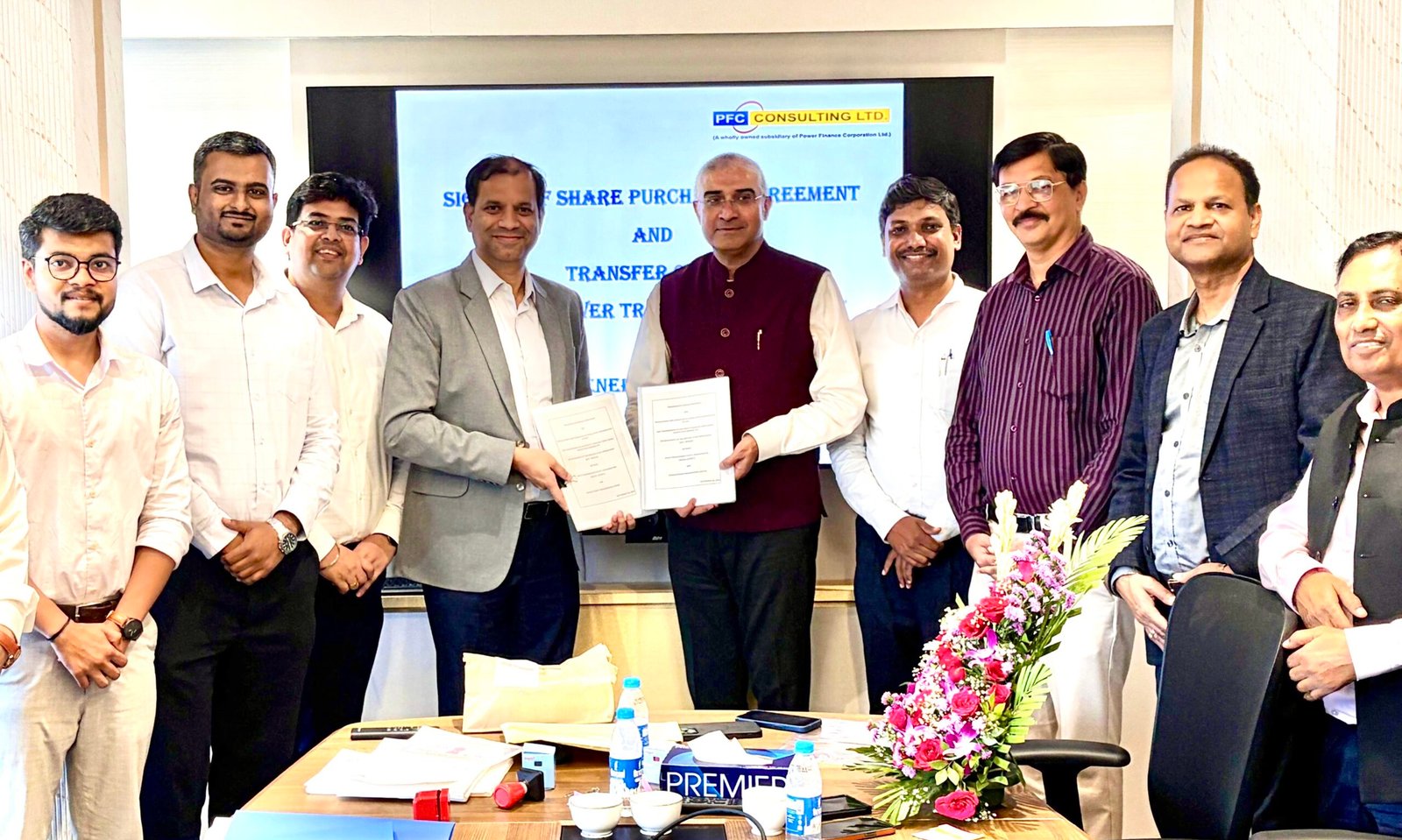
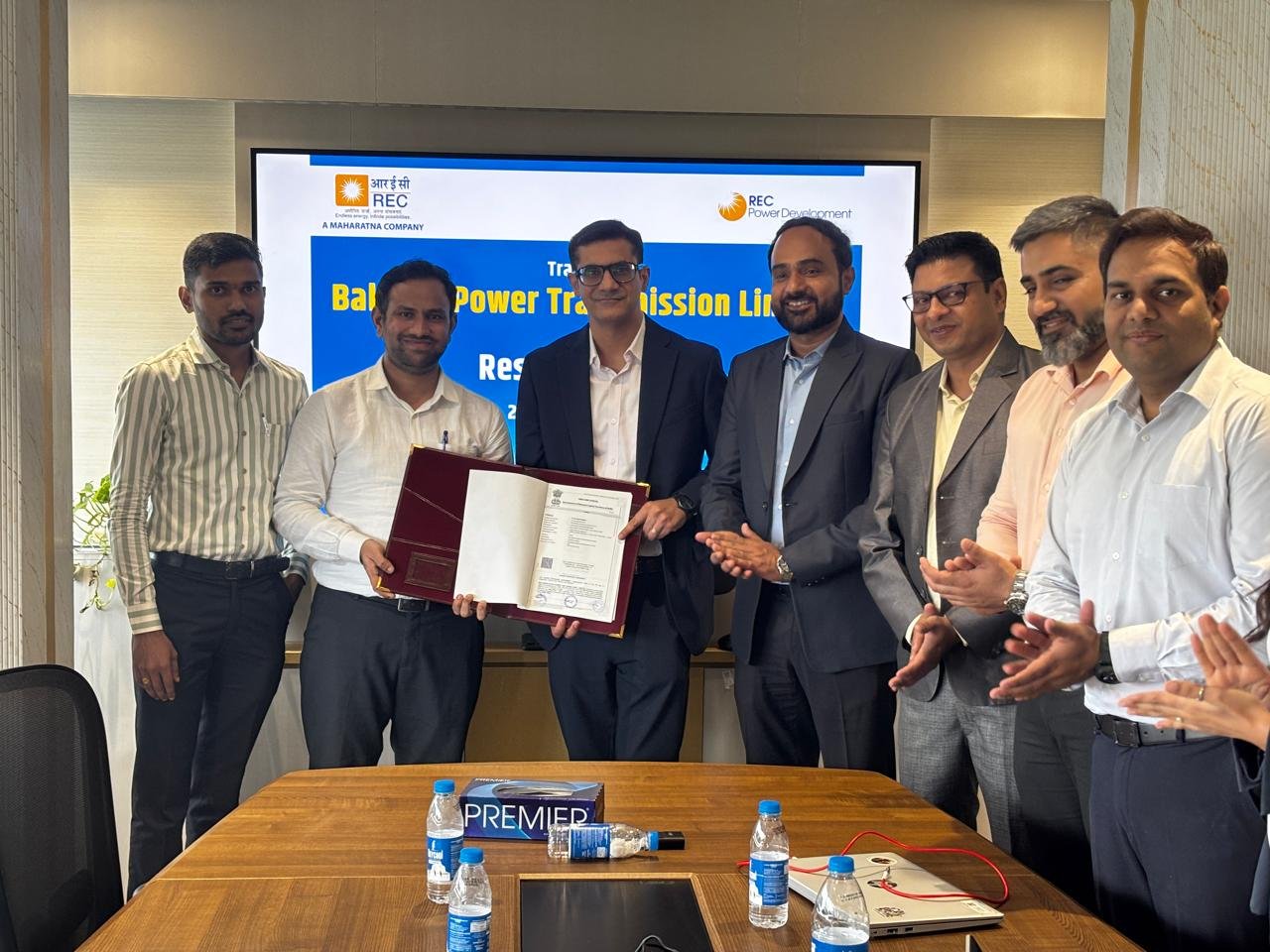
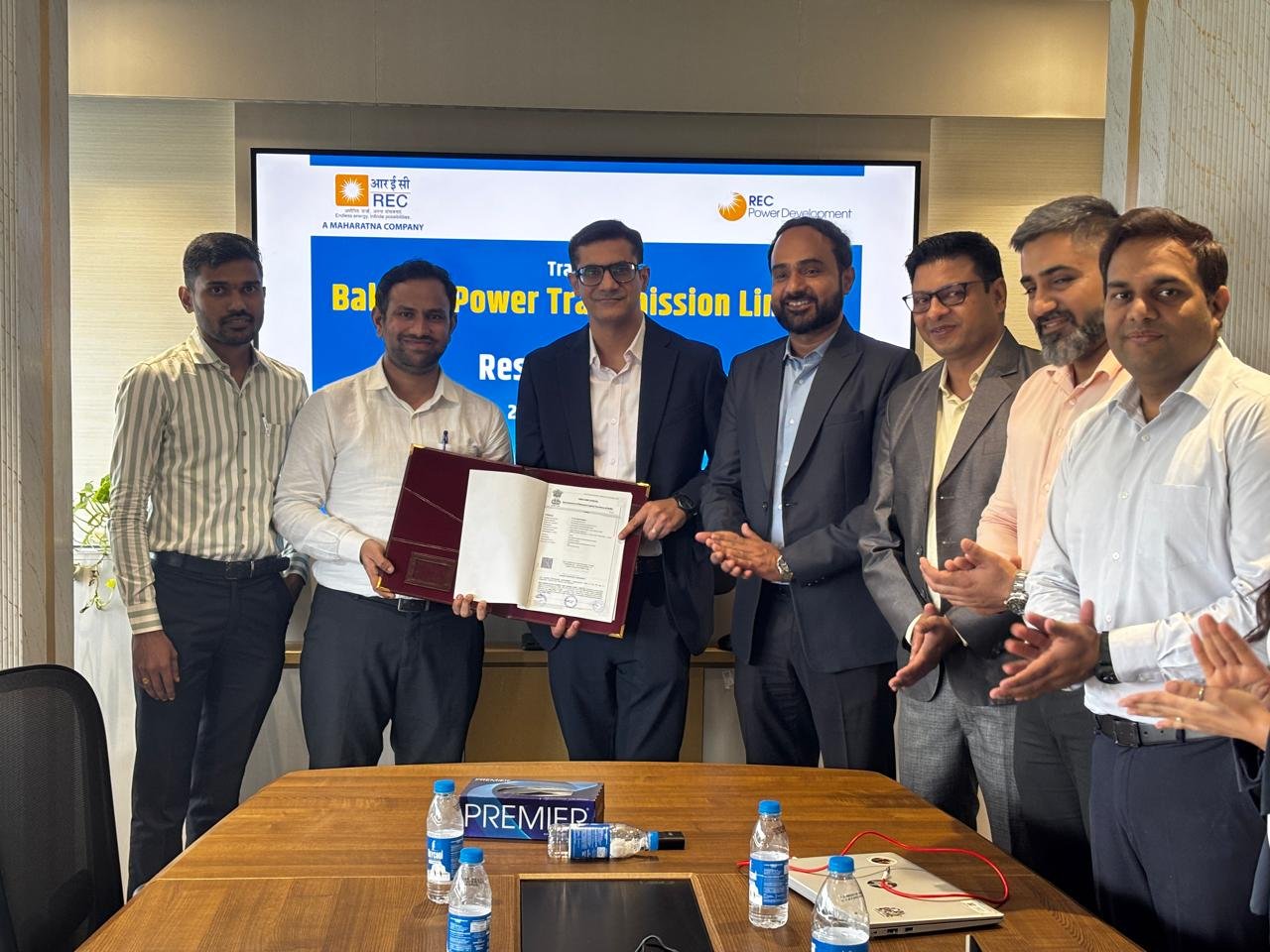
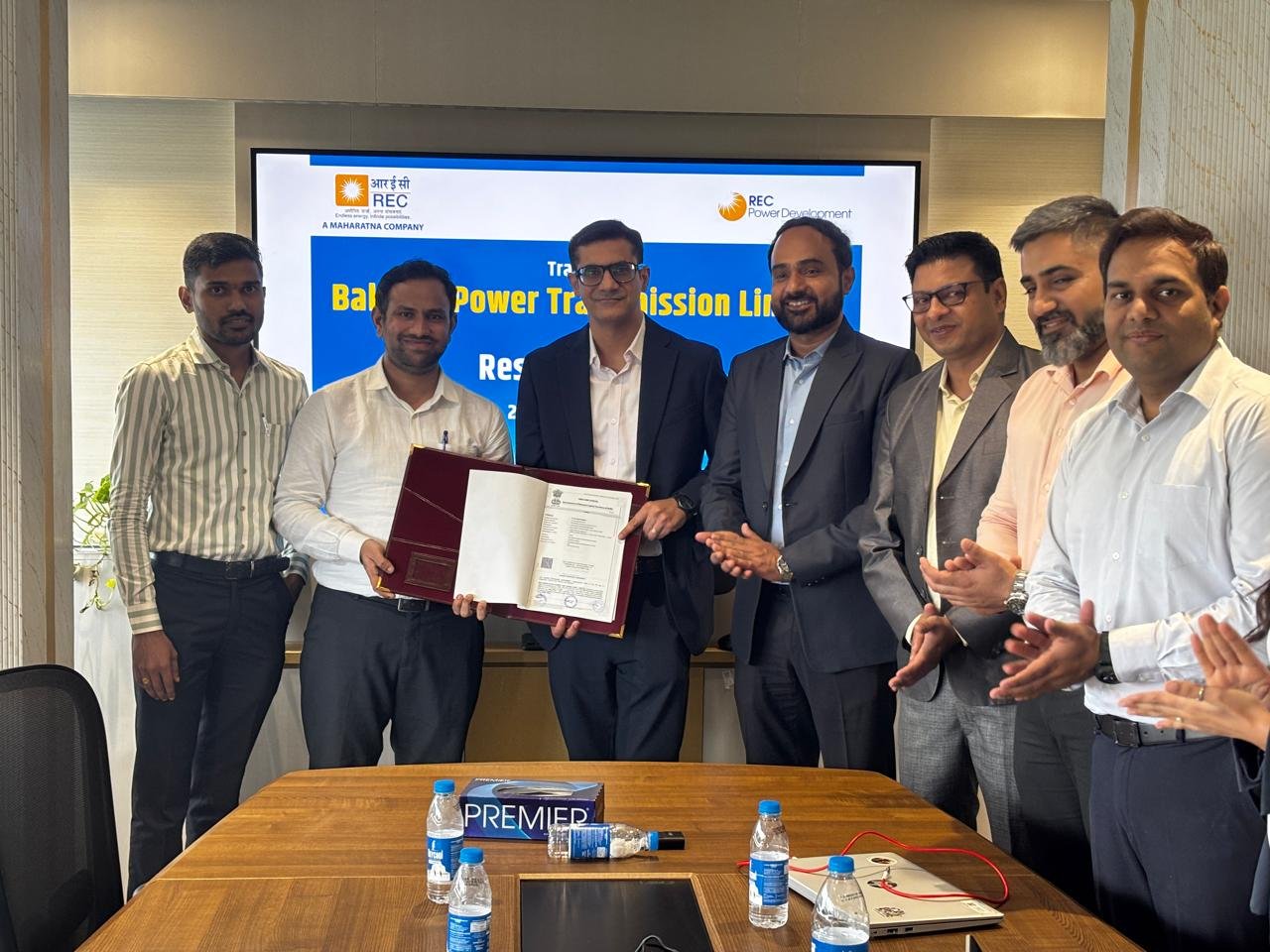
    REC Power Development and Consultancy Limited (RECPDCL), a wholly owned subsidiary of REC Limited, a Maharatna CPSU under the Ministry of Power, handed over Balsane Power Transmission Limited, the project-specific Special Purpose Vehicle (SPV), to the successful bidder, M/s Resonia Limited, on 28th September 2026.

    M/s Resonia Limited emerged as the successful bidder through the Tariff-Based Competitive Bidding (TBCB) process conducted by RECPDCL, the Bid Process Coordinator, for development of Maharashtra’s intra-state transmission project on a Build, Own, Operate and Transfer (BOOT) basis.

    The SPV was handed over by Shri Anil Kumar Perala, Deputy General Manager (Engg.), RECPDCL, to Shri Tushar Chhabra, Head – Business Acquisition, Resonia Limited, in the presence of officials from Resonia Limited, Maharashtra STU, and RECPDCL.

    The transmission project broadly envisages establishment of a 765/400/220 kV AIS substation at Balsane (Dist. Dhule), 400 kV D/C line of around 106 km from 765 kV AIS Balsane to 400 kV Malegaon (Proposed), 220 kV D/C line of around 50 km from 765 kV AIS Balsane to 220 kV Shivajinagar & 220 kV Vikharan along with associated works. The implementation scheduled of project is 24 months.

  • RECPDCL Hands Over Balsane Power Transmission Limited, a SPV of Intra State Transmission Project of Maharashtra, to M/s Resonia Limited

    RECPDCL Hands Over Balsane Power Transmission Limited, a SPV of Intra State Transmission Project of Maharashtra, to M/s Resonia Limited

    REC Power Development and Consultancy Limited (RECPDCL), a wholly owned subsidiary of REC Limited, a Maharatna CPSU under the Ministry of Power, handed over Balsane Power Transmission Limited, the project-specific Special Purpose Vehicle (SPV), to the successful bidder, M/s Resonia Limited, on 28th September 2026.

    M/s Resonia Limited emerged as the successful bidder through the Tariff-Based Competitive Bidding (TBCB) process conducted by RECPDCL, the Bid Process Coordinator, for development of Maharashtra’s intra-state transmission project on a Build, Own, Operate and Transfer (BOOT) basis.

    The SPV was handed over by Shri Anil Kumar Perala, Deputy General Manager (Engg.), RECPDCL, to Shri Tushar Chhabra, Head – Business Acquisition, Resonia Limited, in the presence of officials from Resonia Limited, Maharashtra STU, and RECPDCL.

    The transmission project broadly envisages establishment of a 765/400/220 kV AIS substation at Balsane (Dist. Dhule), 400 kV D/C line of around 106 km from 765 kV AIS Balsane to 400 kV Malegaon (Proposed), 220 kV D/C line of around 50 km from 765 kV AIS Balsane to 220 kV Shivajinagar & 220 kV Vikharan along with associated works. The implementation scheduled of project is 24 months.

  • RECPDCL Hands Over Balsane Power Transmission Limited, a SPV of Intra State Transmission Project of Maharashtra, to M/s Resonia Limited

    RECPDCL Hands Over Balsane Power Transmission Limited, a SPV of Intra State Transmission Project of Maharashtra, to M/s Resonia Limited

    REC Power Development and Consultancy Limited (RECPDCL), a wholly owned subsidiary of REC Limited, a Maharatna CPSU under the Ministry of Power, handed over Balsane Power Transmission Limited, the project-specific Special Purpose Vehicle (SPV), to the successful bidder, M/s Resonia Limited, on 28th September 2026.

    M/s Resonia Limited emerged as the successful bidder through the Tariff-Based Competitive Bidding (TBCB) process conducted by RECPDCL, the Bid Process Coordinator, for development of Maharashtra’s intra-state transmission project on a Build, Own, Operate and Transfer (BOOT) basis.

    The SPV was handed over by Shri Anil Kumar Perala, Deputy General Manager (Engg.), RECPDCL, to Shri Tushar Chhabra, Head – Business Acquisition, Resonia Limited, in the presence of officials from Resonia Limited, Maharashtra STU, and RECPDCL.

    The transmission project broadly envisages establishment of a 765/400/220 kV AIS substation at Balsane (Dist. Dhule), 400 kV D/C line of around 106 km from 765 kV AIS Balsane to 400 kV Malegaon (Proposed), 220 kV D/C line of around 50 km from 765 kV AIS Balsane to 220 kV Shivajinagar & 220 kV Vikharan along with associated works. The implementation scheduled of project is 24 months.

  • RECPDCL Hands Over Balsane Power Transmission Limited, a SPV of Intra State Transmission Project of Maharashtra, to M/s Resonia Limited

    REC Power Development and Consultancy Limited (RECPDCL), a wholly owned subsidiary of REC Limited, a Maharatna CPSU under the Ministry of Power, handed over Balsane Power Transmission Limited, the project-specific Special Purpose Vehicle (SPV), to the successful bidder, M/s Resonia Limited, on 28th September 2026.

    M/s Resonia Limited emerged as the successful bidder through the Tariff-Based Competitive Bidding (TBCB) process conducted by RECPDCL, the Bid Process Coordinator, for development of Maharashtra’s intra-state transmission project on a Build, Own, Operate and Transfer (BOOT) basis.

    The SPV was handed over by Shri Anil Kumar Perala, Deputy General Manager (Engg.), RECPDCL, to Shri Tushar Chhabra, Head – Business Acquisition, Resonia Limited, in the presence of officials from Resonia Limited, Maharashtra STU, and RECPDCL.

    The transmission project broadly envisages establishment of a 765/400/220 kV AIS substation at Balsane (Dist. Dhule), 400 kV D/C line of around 106 km from 765 kV AIS Balsane to 400 kV Malegaon (Proposed), 220 kV D/C line of around 50 km from 765 kV AIS Balsane to 220 kV Shivajinagar & 220 kV Vikharan along with associated works. The implementation scheduled of project is 24 months.

  • Apraava Energy Secures Intrastate Transmission Project in Maharashtra

    Apraava Energy Secures Intrastate Transmission Project in Maharashtra

    Apraava Energy, one of India’s leading integrated energy solutions providers, today announced that it has acquired the Special Purpose Vehicle (SPV), Raigad Power Transmission Limited, to develop an intrastate transmission project across Pune and Raigad districts in Maharashtra.

    The project was awarded through the Government of India’s Tariff-Based Competitive Bidding (TBCB) process. It involves the setting up of ~400 circuit kilometres (ckm) (including ~ 340 ckm 765 kV and the remaining 400 kV and 220 kV double-circuit transmission lines), along with a 4,500 MVA (3×1,500 MVA) 765/400/220 kV pooling station.

    This marks Apraava’s first transmission asset in Maharashtra and will support in enhancing grid stability and reliability by enabling reliable power supply to potential Pumped Storage Plants (PSPs) and the evacuation of ~3 GW of power from PSPs in Raigad district.

    Commenting on the win, Rajiv Ranjan Mishra, Managing Director, Apraava Energy, said, “The Raigad Power Transmission Limited project will play an important role in strengthening Maharashtra’s transmission network and enabling the reliable integration of renewable energy. Maharashtra holds a special place in our journey, as it was here that we entered the renewable energy sector with our first wind project in 2006. As one of India’s key economic and industrial hubs, Maharashtra requires a robust and resilient transmission network to meet its growing energy needs. Apraava remains focused on expanding its transmission portfolio and building the infrastructure needed to enable India’s energy transition.”

    The project will be developed under the Build, Own, Operate and Transfer (BOOT) model and will provide transmission services for a 35-year concession period following commissioning. The project is scheduled for completion within 24 months from the signing of the Transmission Service Agreement (TSA). In addition to strengthening Maharashtra’s power transmission infrastructure, the project is expected to create direct and indirect employment opportunities during its construction and operational phases.

    Apraava currently operates three transmission assets comprising ~1,000 ckm of transmission lines and 3,500 MVA of substation capacity. With the addition of Raigad Power Transmission Limited, Apraava now has five greenfield transmission projects under construction, which will collectively add ~1,580 ckm of transmission lines and ~18,000 MVA of substation capacity. Headquartered in Mumbai, Apraava has a long-standing presence in Maharashtra, with over 200 MW of operational wind capacity and 70 MW of operational solar capacity.

  • Apraava Energy Secures Intrastate Transmission Project in Maharashtra

    Apraava Energy Secures Intrastate Transmission Project in Maharashtra

    Apraava Energy, one of India’s leading integrated energy solutions providers, today announced that it has acquired the Special Purpose Vehicle (SPV), Raigad Power Transmission Limited, to develop an intrastate transmission project across Pune and Raigad districts in Maharashtra.

    The project was awarded through the Government of India’s Tariff-Based Competitive Bidding (TBCB) process. It involves the setting up of ~400 circuit kilometres (ckm) (including ~ 340 ckm 765 kV and the remaining 400 kV and 220 kV double-circuit transmission lines), along with a 4,500 MVA (3×1,500 MVA) 765/400/220 kV pooling station.

    This marks Apraava’s first transmission asset in Maharashtra and will support in enhancing grid stability and reliability by enabling reliable power supply to potential Pumped Storage Plants (PSPs) and the evacuation of ~3 GW of power from PSPs in Raigad district.

    Commenting on the win, Rajiv Ranjan Mishra, Managing Director, Apraava Energy, said, “The Raigad Power Transmission Limited project will play an important role in strengthening Maharashtra’s transmission network and enabling the reliable integration of renewable energy. Maharashtra holds a special place in our journey, as it was here that we entered the renewable energy sector with our first wind project in 2006. As one of India’s key economic and industrial hubs, Maharashtra requires a robust and resilient transmission network to meet its growing energy needs. Apraava remains focused on expanding its transmission portfolio and building the infrastructure needed to enable India’s energy transition.”

    The project will be developed under the Build, Own, Operate and Transfer (BOOT) model and will provide transmission services for a 35-year concession period following commissioning. The project is scheduled for completion within 24 months from the signing of the Transmission Service Agreement (TSA). In addition to strengthening Maharashtra’s power transmission infrastructure, the project is expected to create direct and indirect employment opportunities during its construction and operational phases.

    Apraava currently operates three transmission assets comprising ~1,000 ckm of transmission lines and 3,500 MVA of substation capacity. With the addition of Raigad Power Transmission Limited, Apraava now has five greenfield transmission projects under construction, which will collectively add ~1,580 ckm of transmission lines and ~18,000 MVA of substation capacity. Headquartered in Mumbai, Apraava has a long-standing presence in Maharashtra, with over 200 MW of operational wind capacity and 70 MW of operational solar capacity.