Author: abhishek2019cs034abesit@gmail.com

  • Envision Energy Launches Model T – EN175/8.0 Onshore Wind Turbine

    Envision Energy Launches Model T – EN175/8.0 Onshore Wind Turbine

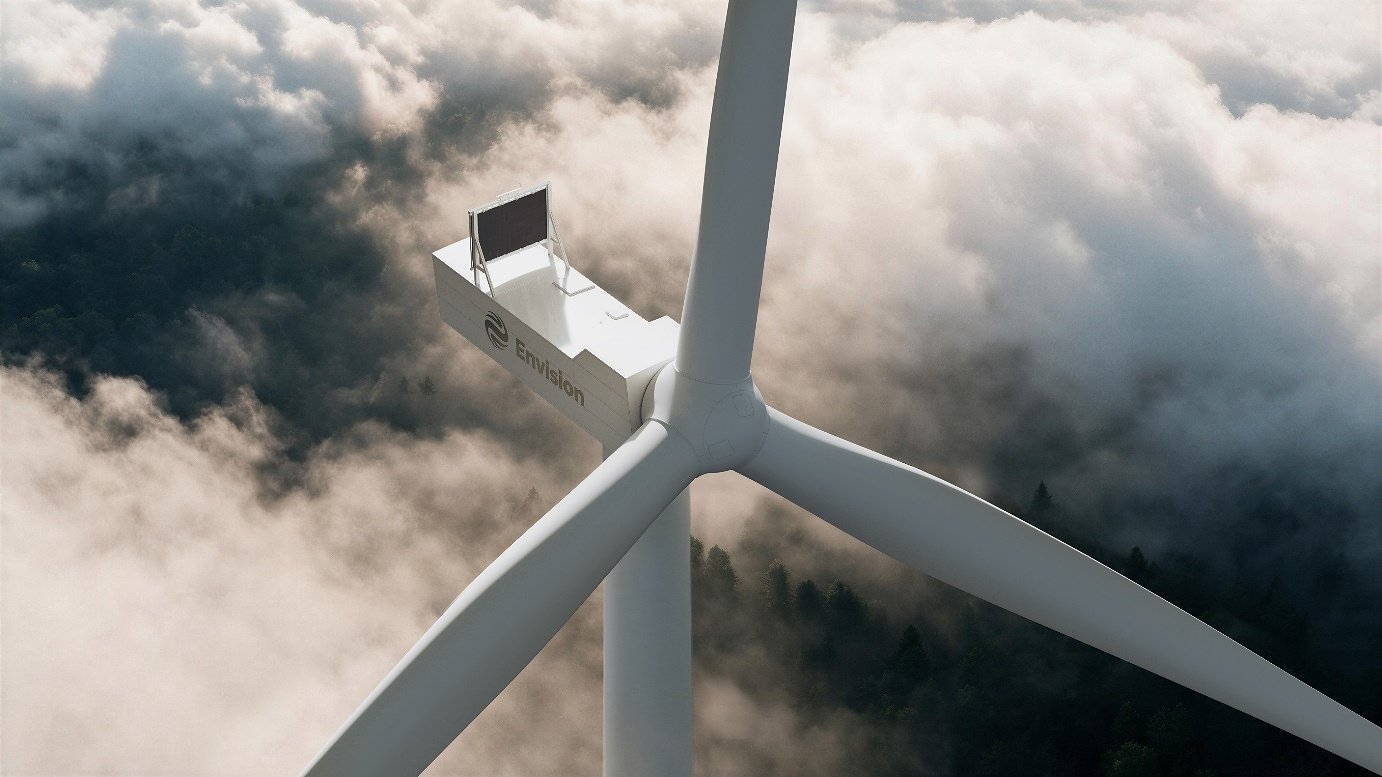
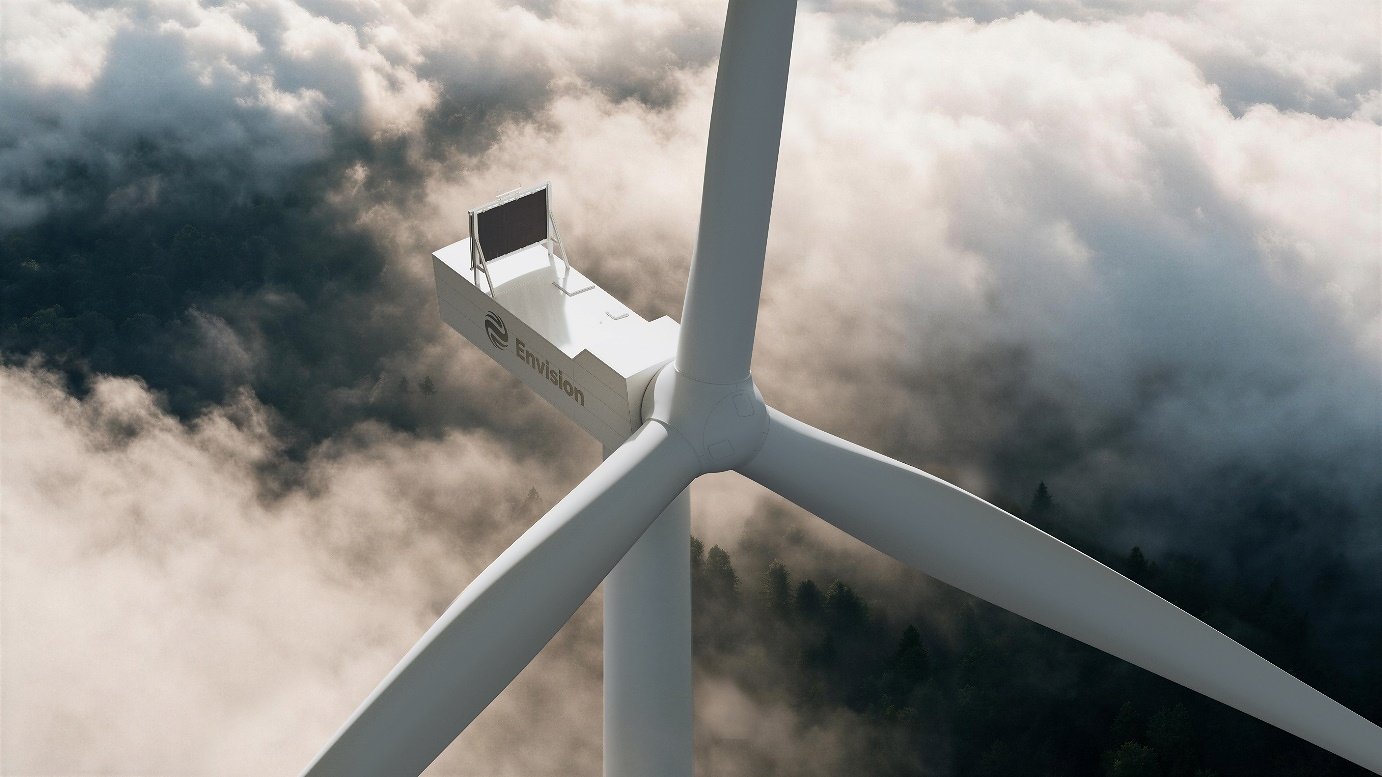
    Envision Energy, a global leader in green technology, launched the Model T – EN175/8.0, an 8 MW-class smart onshore wind turbine featuring a 175-meter rotor, at WindEnergy Hamburg. Designed for medium-wind-speed sites and complex operating environments, the new turbine combines advanced aerodynamics, integrated drivetrain technologies and AI-powered autonomous optimization to deliver greater energy yield, reliability and lifecycle value.

    The EN175/8.0 is built on Envision’s proven Model T platform, which has accumulated more than 4,000 units ordered and around 1,500 units installed to date. Building on this platform experience, the new turbine integrates Envision’s sixth-generation low-noise aerodynamic technology, in-house designed and manufactured key components, and Galileo autonomous optimization control, powered by Envision’s Tianji Weather Foundation Model and Dubhe Energy Foundation Model.

    “The next generation of wind power is not simply about making turbines larger. It is about making them smarter, more reliable and more valuable throughout their lifecycle.” said Lou Yimin, Senior Vice President & Chief Product Officer of Envision Energy, “With the Model T – EN175/8.0, we are combining proven platform engineering with AI-powered autonomous optimization to help customers capture more energy, operate more efficiently and create greater value at the plant level.”

    With a 175-meter rotor and 8.0 MW rated capacity, the EN175/8.0 is designed to increase energy capture at medium-wind-speed sites. Compared with existing models, the turbine can deliver a 2–12% increase in energy yield, depending on site conditions. Its lifecycle economics are further supported by Envision’s vertically integrated approach to the design and manufacturing of key components, including blades, gearboxes and generators. Coordinated optimization across components, system integration and manufacturing helps improve performance while supporting quality and cost control throughout the turbine lifecycle.

    The turbine also incorporates Envision’s sixth-generation low-noise airfoils and newly developed serrated trailing edges, validated through wind-tunnel testing. The EN175/8.0 targets a sound power level of 107 dB(A), with optional low-noise operating modes available for noise-sensitive projects.

    The EN175/8.0 builds on the Model T platform, which has been deployed at scale and accumulated extensive operating experience. Envision’s vertically integrated system approach enables coordinated optimization across the turbine’s major components. In-house design and manufacturing of blades, gearboxes and generators provide greater control over component performance, manufacturing quality and system integration.

    The platform is also supported by industrial-scale testing capabilities covering materials, components and subsystems. Test results are incorporated into the Galileo digital twin, enabling continuous validation and refinement of design models.

    The EN175/8.0 is designed for diverse and challenging onshore environments, supporting deployment across complex wind conditions and mountainous terrain, with configurations available for regions with higher extreme wind speeds. The turbine offers both normal- and cold-climate configurations. For icing-prone environments, an optional blade ice-prevention system is also available. The system incorporates multiple heating zones for more precise thermal control and is integrated with the turbine’s lightning protection architecture.

    As power systems incorporate increasing shares of variable renewable energy, wind turbines need to contribute more actively to grid stability. The EN175/8.0 combines full-power converter architecture with advanced grid-forming controls, enabling stronger voltage and frequency support, rapid fault ride-through response and reliable operation in weak-grid conditions.

    A key differentiator of the EN175/8.0 is its AI-enabled control architecture. Powered by Envision’s Tianji Weather Foundation Model and Dubhe Energy Foundation Model, the turbine is able to perceive operating conditions, analyze real-time data and autonomously adjust control strategies. Rather than relying solely on predefined control rules, Galileo continuously adapts turbine operation to changing wind and operating conditions. This enables more intelligent optimization across multiple variables, helping improve efficiency, stability and overall turbine performance while reducing the need for manual intervention.

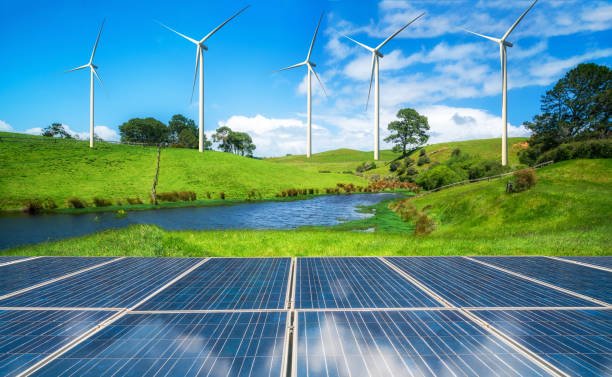
    The Model T platform is designed to extend beyond the optimization of an individual turbine. Through integrated coordination of wind, solar, energy storage and industrial loads, Envision aims to help customers optimize renewable power assets as an integrated energy system. This approach enables value to be optimized across the full chain, from energy generation and asset operation to power management and plant-level economics, helping customers improve flexibility, efficiency and overall returns.

    “The future of wind is increasingly connected to the wider energy system,” added Lou. “The value of a turbine should not stop at the electricity it generates. By connecting AI, wind, storage, solar and loads, we can move from optimizing individual machines to optimizing the value of the entire future energy systems.”

    The Model T – EN175/8.0 is part of Envision’s broader strategy to develop intelligent renewable energy technologies that combine high-performance hardware, AI and digital intelligence to support the evolution of future energy systems.
  • Envision Energy Launches Model T – EN175/8.0 Onshore Wind Turbine

    Envision Energy Launches Model T – EN175/8.0 Onshore Wind Turbine

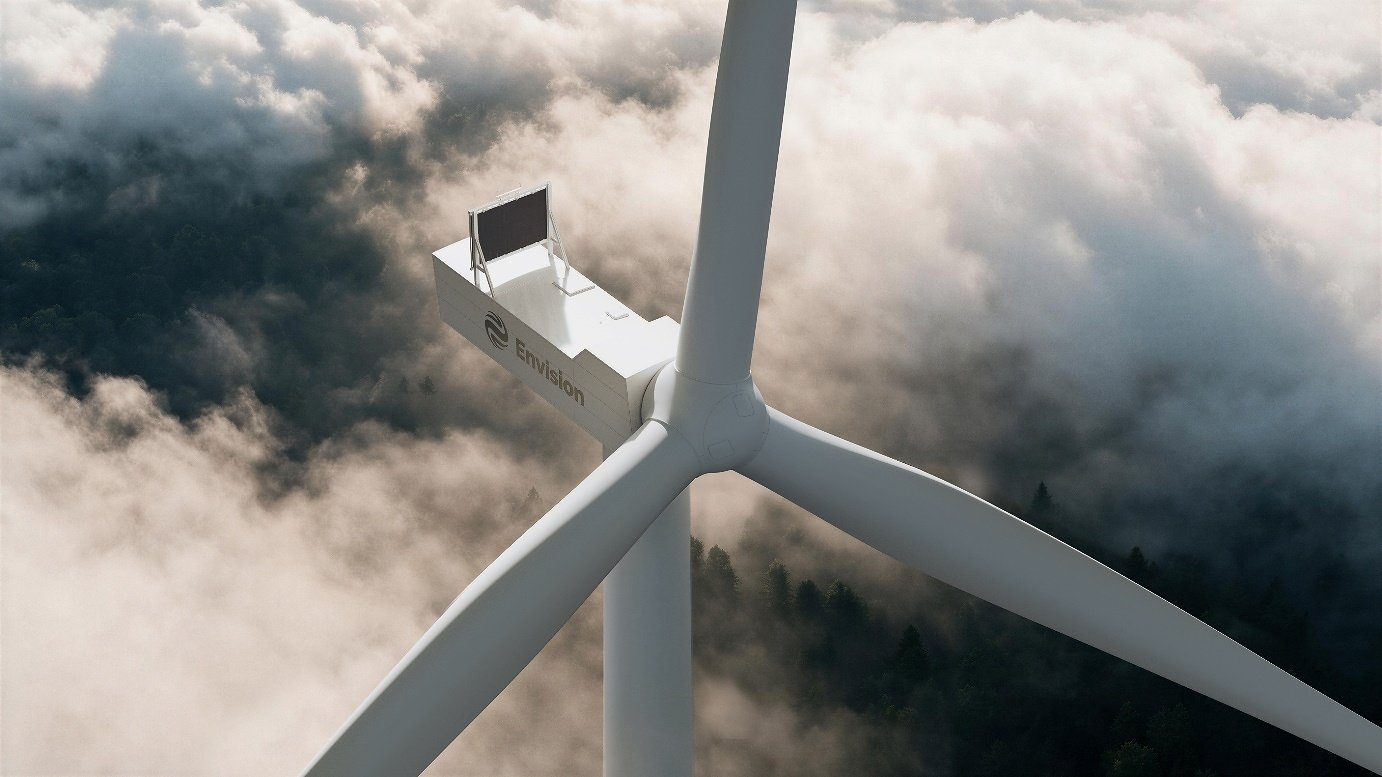
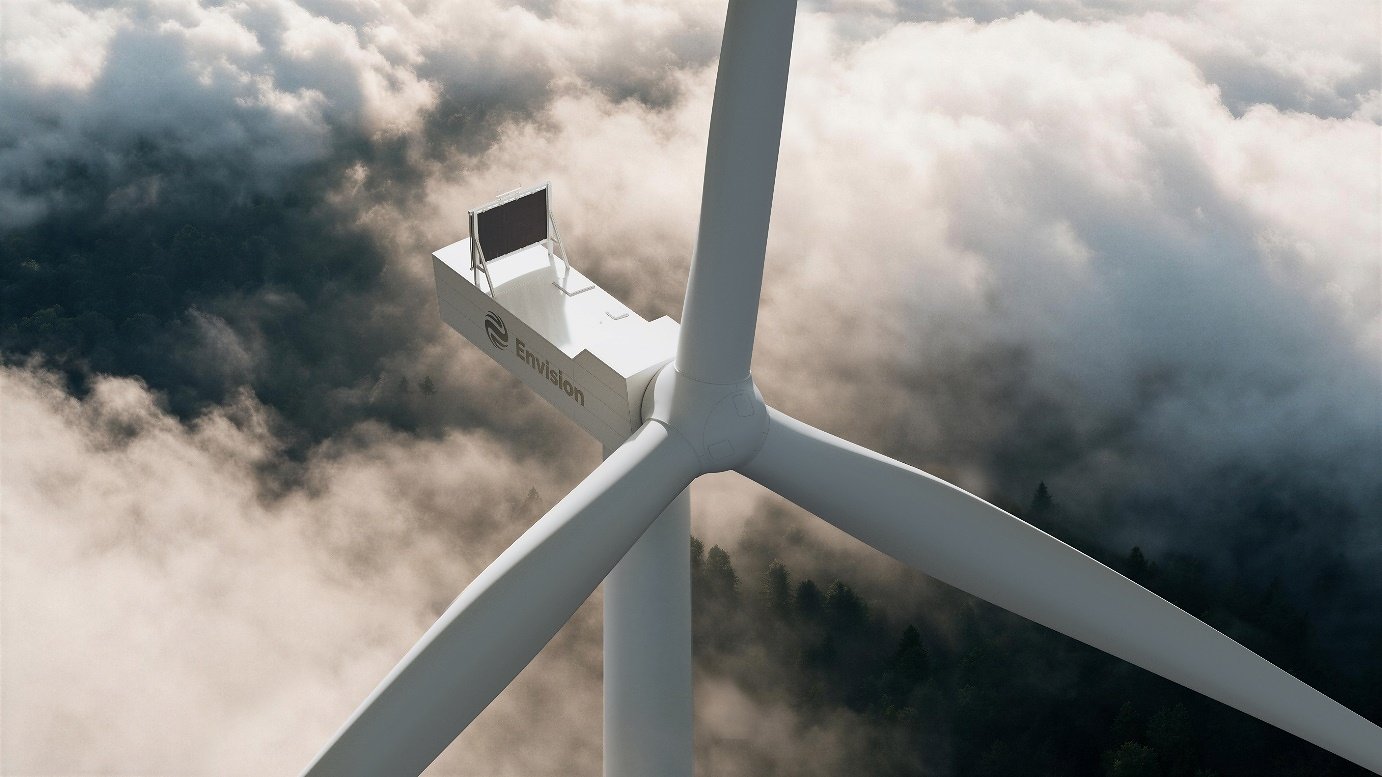
    Envision Energy, a global leader in green technology, launched the Model T – EN175/8.0, an 8 MW-class smart onshore wind turbine featuring a 175-meter rotor, at WindEnergy Hamburg. Designed for medium-wind-speed sites and complex operating environments, the new turbine combines advanced aerodynamics, integrated drivetrain technologies and AI-powered autonomous optimization to deliver greater energy yield, reliability and lifecycle value.

    The EN175/8.0 is built on Envision’s proven Model T platform, which has accumulated more than 4,000 units ordered and around 1,500 units installed to date. Building on this platform experience, the new turbine integrates Envision’s sixth-generation low-noise aerodynamic technology, in-house designed and manufactured key components, and Galileo autonomous optimization control, powered by Envision’s Tianji Weather Foundation Model and Dubhe Energy Foundation Model.

    “The next generation of wind power is not simply about making turbines larger. It is about making them smarter, more reliable and more valuable throughout their lifecycle.” said Lou Yimin, Senior Vice President & Chief Product Officer of Envision Energy, “With the Model T – EN175/8.0, we are combining proven platform engineering with AI-powered autonomous optimization to help customers capture more energy, operate more efficiently and create greater value at the plant level.”

    With a 175-meter rotor and 8.0 MW rated capacity, the EN175/8.0 is designed to increase energy capture at medium-wind-speed sites. Compared with existing models, the turbine can deliver a 2–12% increase in energy yield, depending on site conditions. Its lifecycle economics are further supported by Envision’s vertically integrated approach to the design and manufacturing of key components, including blades, gearboxes and generators. Coordinated optimization across components, system integration and manufacturing helps improve performance while supporting quality and cost control throughout the turbine lifecycle.

    The turbine also incorporates Envision’s sixth-generation low-noise airfoils and newly developed serrated trailing edges, validated through wind-tunnel testing. The EN175/8.0 targets a sound power level of 107 dB(A), with optional low-noise operating modes available for noise-sensitive projects.

    The EN175/8.0 builds on the Model T platform, which has been deployed at scale and accumulated extensive operating experience. Envision’s vertically integrated system approach enables coordinated optimization across the turbine’s major components. In-house design and manufacturing of blades, gearboxes and generators provide greater control over component performance, manufacturing quality and system integration.

    The platform is also supported by industrial-scale testing capabilities covering materials, components and subsystems. Test results are incorporated into the Galileo digital twin, enabling continuous validation and refinement of design models.

    The EN175/8.0 is designed for diverse and challenging onshore environments, supporting deployment across complex wind conditions and mountainous terrain, with configurations available for regions with higher extreme wind speeds. The turbine offers both normal- and cold-climate configurations. For icing-prone environments, an optional blade ice-prevention system is also available. The system incorporates multiple heating zones for more precise thermal control and is integrated with the turbine’s lightning protection architecture.

    As power systems incorporate increasing shares of variable renewable energy, wind turbines need to contribute more actively to grid stability. The EN175/8.0 combines full-power converter architecture with advanced grid-forming controls, enabling stronger voltage and frequency support, rapid fault ride-through response and reliable operation in weak-grid conditions.

    A key differentiator of the EN175/8.0 is its AI-enabled control architecture. Powered by Envision’s Tianji Weather Foundation Model and Dubhe Energy Foundation Model, the turbine is able to perceive operating conditions, analyze real-time data and autonomously adjust control strategies. Rather than relying solely on predefined control rules, Galileo continuously adapts turbine operation to changing wind and operating conditions. This enables more intelligent optimization across multiple variables, helping improve efficiency, stability and overall turbine performance while reducing the need for manual intervention.

    The Model T platform is designed to extend beyond the optimization of an individual turbine. Through integrated coordination of wind, solar, energy storage and industrial loads, Envision aims to help customers optimize renewable power assets as an integrated energy system. This approach enables value to be optimized across the full chain, from energy generation and asset operation to power management and plant-level economics, helping customers improve flexibility, efficiency and overall returns.

    “The future of wind is increasingly connected to the wider energy system,” added Lou. “The value of a turbine should not stop at the electricity it generates. By connecting AI, wind, storage, solar and loads, we can move from optimizing individual machines to optimizing the value of the entire future energy systems.”

    The Model T – EN175/8.0 is part of Envision’s broader strategy to develop intelligent renewable energy technologies that combine high-performance hardware, AI and digital intelligence to support the evolution of future energy systems.
  • Envision Energy Launches Model T – EN175/8.0 Onshore Wind Turbine

    Envision Energy Launches Model T – EN175/8.0 Onshore Wind Turbine

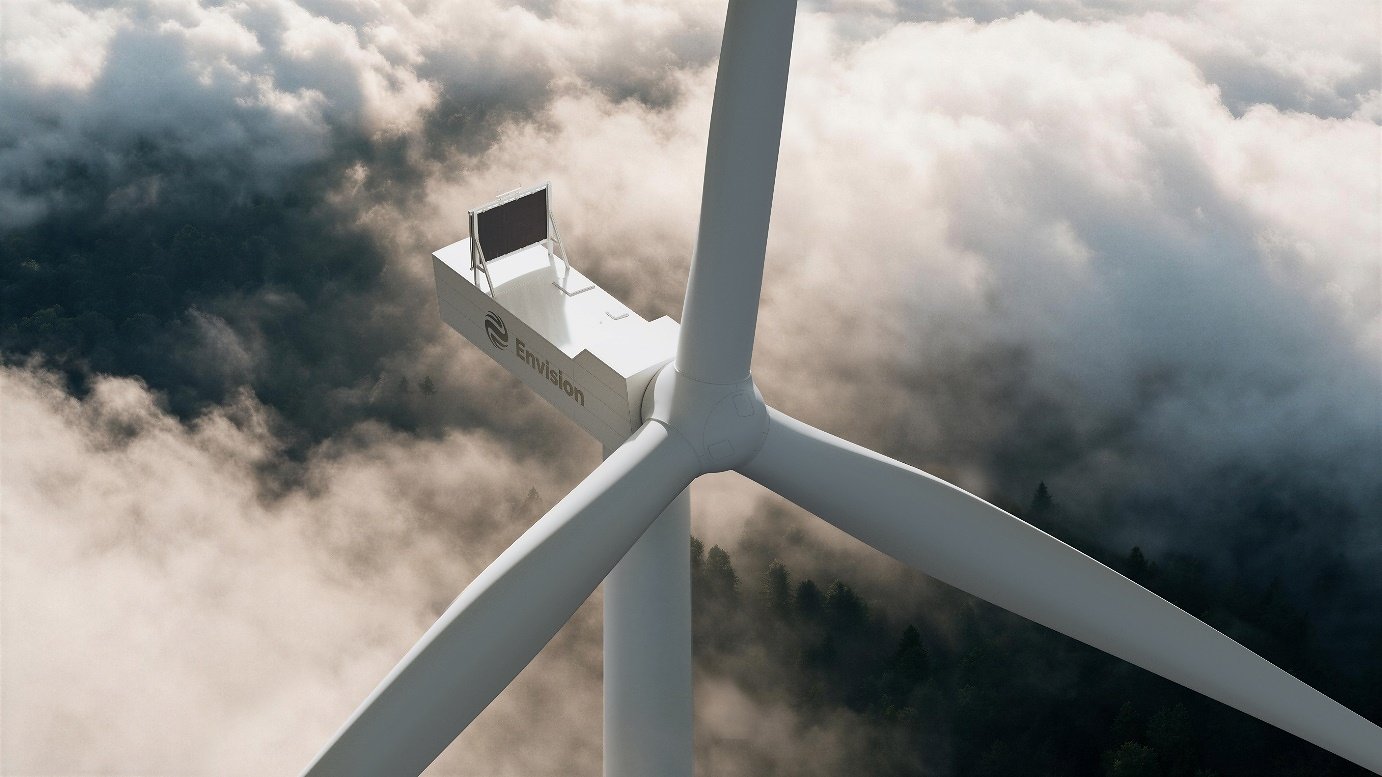
    Envision Energy, a global leader in green technology, launched the Model T – EN175/8.0, an 8 MW-class smart onshore wind turbine featuring a 175-meter rotor, at WindEnergy Hamburg. Designed for medium-wind-speed sites and complex operating environments, the new turbine combines advanced aerodynamics, integrated drivetrain technologies and AI-powered autonomous optimization to deliver greater energy yield, reliability and lifecycle value.

    The EN175/8.0 is built on Envision’s proven Model T platform, which has accumulated more than 4,000 units ordered and around 1,500 units installed to date. Building on this platform experience, the new turbine integrates Envision’s sixth-generation low-noise aerodynamic technology, in-house designed and manufactured key components, and Galileo autonomous optimization control, powered by Envision’s Tianji Weather Foundation Model and Dubhe Energy Foundation Model.

    “The next generation of wind power is not simply about making turbines larger. It is about making them smarter, more reliable and more valuable throughout their lifecycle.” said Lou Yimin, Senior Vice President & Chief Product Officer of Envision Energy, “With the Model T – EN175/8.0, we are combining proven platform engineering with AI-powered autonomous optimization to help customers capture more energy, operate more efficiently and create greater value at the plant level.”

    With a 175-meter rotor and 8.0 MW rated capacity, the EN175/8.0 is designed to increase energy capture at medium-wind-speed sites. Compared with existing models, the turbine can deliver a 2–12% increase in energy yield, depending on site conditions. Its lifecycle economics are further supported by Envision’s vertically integrated approach to the design and manufacturing of key components, including blades, gearboxes and generators. Coordinated optimization across components, system integration and manufacturing helps improve performance while supporting quality and cost control throughout the turbine lifecycle.

    The turbine also incorporates Envision’s sixth-generation low-noise airfoils and newly developed serrated trailing edges, validated through wind-tunnel testing. The EN175/8.0 targets a sound power level of 107 dB(A), with optional low-noise operating modes available for noise-sensitive projects.

    The EN175/8.0 builds on the Model T platform, which has been deployed at scale and accumulated extensive operating experience. Envision’s vertically integrated system approach enables coordinated optimization across the turbine’s major components. In-house design and manufacturing of blades, gearboxes and generators provide greater control over component performance, manufacturing quality and system integration.

    The platform is also supported by industrial-scale testing capabilities covering materials, components and subsystems. Test results are incorporated into the Galileo digital twin, enabling continuous validation and refinement of design models.

    The EN175/8.0 is designed for diverse and challenging onshore environments, supporting deployment across complex wind conditions and mountainous terrain, with configurations available for regions with higher extreme wind speeds. The turbine offers both normal- and cold-climate configurations. For icing-prone environments, an optional blade ice-prevention system is also available. The system incorporates multiple heating zones for more precise thermal control and is integrated with the turbine’s lightning protection architecture.

    As power systems incorporate increasing shares of variable renewable energy, wind turbines need to contribute more actively to grid stability. The EN175/8.0 combines full-power converter architecture with advanced grid-forming controls, enabling stronger voltage and frequency support, rapid fault ride-through response and reliable operation in weak-grid conditions.

    A key differentiator of the EN175/8.0 is its AI-enabled control architecture. Powered by Envision’s Tianji Weather Foundation Model and Dubhe Energy Foundation Model, the turbine is able to perceive operating conditions, analyze real-time data and autonomously adjust control strategies. Rather than relying solely on predefined control rules, Galileo continuously adapts turbine operation to changing wind and operating conditions. This enables more intelligent optimization across multiple variables, helping improve efficiency, stability and overall turbine performance while reducing the need for manual intervention.

    The Model T platform is designed to extend beyond the optimization of an individual turbine. Through integrated coordination of wind, solar, energy storage and industrial loads, Envision aims to help customers optimize renewable power assets as an integrated energy system. This approach enables value to be optimized across the full chain, from energy generation and asset operation to power management and plant-level economics, helping customers improve flexibility, efficiency and overall returns.

    “The future of wind is increasingly connected to the wider energy system,” added Lou. “The value of a turbine should not stop at the electricity it generates. By connecting AI, wind, storage, solar and loads, we can move from optimizing individual machines to optimizing the value of the entire future energy systems.”

    The Model T – EN175/8.0 is part of Envision’s broader strategy to develop intelligent renewable energy technologies that combine high-performance hardware, AI and digital intelligence to support the evolution of future energy systems.
  • Envision Energy Launches Model T – EN175/8.0 Onshore Wind Turbine

    Envision Energy Launches Model T – EN175/8.0 Onshore Wind Turbine

    Envision Energy, a global leader in green technology, launched the Model T – EN175/8.0, an 8 MW-class smart onshore wind turbine featuring a 175-meter rotor, at WindEnergy Hamburg. Designed for medium-wind-speed sites and complex operating environments, the new turbine combines advanced aerodynamics, integrated drivetrain technologies and AI-powered autonomous optimization to deliver greater energy yield, reliability and lifecycle value.

    The EN175/8.0 is built on Envision’s proven Model T platform, which has accumulated more than 4,000 units ordered and around 1,500 units installed to date. Building on this platform experience, the new turbine integrates Envision’s sixth-generation low-noise aerodynamic technology, in-house designed and manufactured key components, and Galileo autonomous optimization control, powered by Envision’s Tianji Weather Foundation Model and Dubhe Energy Foundation Model.

    “The next generation of wind power is not simply about making turbines larger. It is about making them smarter, more reliable and more valuable throughout their lifecycle.” said Lou Yimin, Senior Vice President & Chief Product Officer of Envision Energy, “With the Model T – EN175/8.0, we are combining proven platform engineering with AI-powered autonomous optimization to help customers capture more energy, operate more efficiently and create greater value at the plant level.”

    With a 175-meter rotor and 8.0 MW rated capacity, the EN175/8.0 is designed to increase energy capture at medium-wind-speed sites. Compared with existing models, the turbine can deliver a 2–12% increase in energy yield, depending on site conditions. Its lifecycle economics are further supported by Envision’s vertically integrated approach to the design and manufacturing of key components, including blades, gearboxes and generators. Coordinated optimization across components, system integration and manufacturing helps improve performance while supporting quality and cost control throughout the turbine lifecycle.

    The turbine also incorporates Envision’s sixth-generation low-noise airfoils and newly developed serrated trailing edges, validated through wind-tunnel testing. The EN175/8.0 targets a sound power level of 107 dB(A), with optional low-noise operating modes available for noise-sensitive projects.

    The EN175/8.0 builds on the Model T platform, which has been deployed at scale and accumulated extensive operating experience. Envision’s vertically integrated system approach enables coordinated optimization across the turbine’s major components. In-house design and manufacturing of blades, gearboxes and generators provide greater control over component performance, manufacturing quality and system integration.

    The platform is also supported by industrial-scale testing capabilities covering materials, components and subsystems. Test results are incorporated into the Galileo digital twin, enabling continuous validation and refinement of design models.

    The EN175/8.0 is designed for diverse and challenging onshore environments, supporting deployment across complex wind conditions and mountainous terrain, with configurations available for regions with higher extreme wind speeds. The turbine offers both normal- and cold-climate configurations. For icing-prone environments, an optional blade ice-prevention system is also available. The system incorporates multiple heating zones for more precise thermal control and is integrated with the turbine’s lightning protection architecture.

    As power systems incorporate increasing shares of variable renewable energy, wind turbines need to contribute more actively to grid stability. The EN175/8.0 combines full-power converter architecture with advanced grid-forming controls, enabling stronger voltage and frequency support, rapid fault ride-through response and reliable operation in weak-grid conditions.

    A key differentiator of the EN175/8.0 is its AI-enabled control architecture. Powered by Envision’s Tianji Weather Foundation Model and Dubhe Energy Foundation Model, the turbine is able to perceive operating conditions, analyze real-time data and autonomously adjust control strategies. Rather than relying solely on predefined control rules, Galileo continuously adapts turbine operation to changing wind and operating conditions. This enables more intelligent optimization across multiple variables, helping improve efficiency, stability and overall turbine performance while reducing the need for manual intervention.

    The Model T platform is designed to extend beyond the optimization of an individual turbine. Through integrated coordination of wind, solar, energy storage and industrial loads, Envision aims to help customers optimize renewable power assets as an integrated energy system. This approach enables value to be optimized across the full chain, from energy generation and asset operation to power management and plant-level economics, helping customers improve flexibility, efficiency and overall returns.

    “The future of wind is increasingly connected to the wider energy system,” added Lou. “The value of a turbine should not stop at the electricity it generates. By connecting AI, wind, storage, solar and loads, we can move from optimizing individual machines to optimizing the value of the entire future energy systems.”

    The Model T – EN175/8.0 is part of Envision’s broader strategy to develop intelligent renewable energy technologies that combine high-performance hardware, AI and digital intelligence to support the evolution of future energy systems.
  • Envision Energy Launches Model T – EN175/8.0 Onshore Wind Turbine

    Envision Energy Launches Model T – EN175/8.0 Onshore Wind Turbine

    Envision Energy, a global leader in green technology, today launched the Model T – EN175/8.0, an 8 MW-class smart onshore wind turbine featuring a 175-meter rotor, at WindEnergy Hamburg. Designed for medium-wind-speed sites and complex operating environments, the new turbine combines advanced aerodynamics, integrated drivetrain technologies and AI-powered autonomous optimization to deliver greater energy yield, reliability and lifecycle value.

    The EN175/8.0 is built on Envision’s proven Model T platform, which has accumulated more than 4,000 units ordered and around 1,500 units installed to date. Building on this platform experience, the new turbine integrates Envision’s sixth-generation low-noise aerodynamic technology, in-house designed and manufactured key components, and Galileo autonomous optimization control, powered by Envision’s Tianji Weather Foundation Model and Dubhe Energy Foundation Model.

    “The next generation of wind power is not simply about making turbines larger. It is about making them smarter, more reliable and more valuable throughout their lifecycle.” said Lou Yimin, Senior Vice President & Chief Product Officer of Envision Energy, “With the Model T – EN175/8.0, we are combining proven platform engineering with AI-powered autonomous optimization to help customers capture more energy, operate more efficiently and create greater value at the plant level.”

    With a 175-meter rotor and 8.0 MW rated capacity, the EN175/8.0 is designed to increase energy capture at medium-wind-speed sites. Compared with existing models, the turbine can deliver a 2–12% increase in energy yield, depending on site conditions. Its lifecycle economics are further supported by Envision’s vertically integrated approach to the design and manufacturing of key components, including blades, gearboxes and generators. Coordinated optimization across components, system integration and manufacturing helps improve performance while supporting quality and cost control throughout the turbine lifecycle.

    The turbine also incorporates Envision’s sixth-generation low-noise airfoils and newly developed serrated trailing edges, validated through wind-tunnel testing. The EN175/8.0 targets a sound power level of 107 dB(A), with optional low-noise operating modes available for noise-sensitive projects.

    The EN175/8.0 builds on the Model T platform, which has been deployed at scale and accumulated extensive operating experience. Envision’s vertically integrated system approach enables coordinated optimization across the turbine’s major components. In-house design and manufacturing of blades, gearboxes and generators provide greater control over component performance, manufacturing quality and system integration.

    The platform is also supported by industrial-scale testing capabilities covering materials, components and subsystems. Test results are incorporated into the Galileo digital twin, enabling continuous validation and refinement of design models.

    The EN175/8.0 is designed for diverse and challenging onshore environments, supporting deployment across complex wind conditions and mountainous terrain, with configurations available for regions with higher extreme wind speeds. The turbine offers both normal- and cold-climate configurations. For icing-prone environments, an optional blade ice-prevention system is also available. The system incorporates multiple heating zones for more precise thermal control and is integrated with the turbine’s lightning protection architecture.

    As power systems incorporate increasing shares of variable renewable energy, wind turbines need to contribute more actively to grid stability. The EN175/8.0 combines full-power converter architecture with advanced grid-forming controls, enabling stronger voltage and frequency support, rapid fault ride-through response and reliable operation in weak-grid conditions.

    A key differentiator of the EN175/8.0 is its AI-enabled control architecture. Powered by Envision’s Tianji Weather Foundation Model and Dubhe Energy Foundation Model, the turbine is able to perceive operating conditions, analyze real-time data and autonomously adjust control strategies. Rather than relying solely on predefined control rules, Galileo continuously adapts turbine operation to changing wind and operating conditions. This enables more intelligent optimization across multiple variables, helping improve efficiency, stability and overall turbine performance while reducing the need for manual intervention.

    The Model T platform is designed to extend beyond the optimization of an individual turbine. Through integrated coordination of wind, solar, energy storage and industrial loads, Envision aims to help customers optimize renewable power assets as an integrated energy system. This approach enables value to be optimized across the full chain, from energy generation and asset operation to power management and plant-level economics, helping customers improve flexibility, efficiency and overall returns.

    “The future of wind is increasingly connected to the wider energy system,” added Lou. “The value of a turbine should not stop at the electricity it generates. By connecting AI, wind, storage, solar and loads, we can move from optimizing individual machines to optimizing the value of the entire future energy systems.”

    The Model T – EN175/8.0 is part of Envision’s broader strategy to develop intelligent renewable energy technologies that combine high-performance hardware, AI and digital intelligence to support the evolution of future energy systems.
  • Envision Energy Launches Model T – EN175/8.0 Onshore Wind Turbine

    Envision Energy, a global leader in green technology, today launched the Model T – EN175/8.0, an 8 MW-class smart onshore wind turbine featuring a 175-meter rotor, at WindEnergy Hamburg. Designed for medium-wind-speed sites and complex operating environments, the new turbine combines advanced aerodynamics, integrated drivetrain technologies and AI-powered autonomous optimization to deliver greater energy yield, reliability and lifecycle value.

    The EN175/8.0 is built on Envision’s proven Model T platform, which has accumulated more than 4,000 units ordered and around 1,500 units installed to date. Building on this platform experience, the new turbine integrates Envision’s sixth-generation low-noise aerodynamic technology, in-house designed and manufactured key components, and Galileo autonomous optimization control, powered by Envision’s Tianji Weather Foundation Model and Dubhe Energy Foundation Model.

    “The next generation of wind power is not simply about making turbines larger. It is about making them smarter, more reliable and more valuable throughout their lifecycle.” said Lou Yimin, Senior Vice President & Chief Product Officer of Envision Energy, “With the Model T – EN175/8.0, we are combining proven platform engineering with AI-powered autonomous optimization to help customers capture more energy, operate more efficiently and create greater value at the plant level.”

    With a 175-meter rotor and 8.0 MW rated capacity, the EN175/8.0 is designed to increase energy capture at medium-wind-speed sites. Compared with existing models, the turbine can deliver a 2–12% increase in energy yield, depending on site conditions. Its lifecycle economics are further supported by Envision’s vertically integrated approach to the design and manufacturing of key components, including blades, gearboxes and generators. Coordinated optimization across components, system integration and manufacturing helps improve performance while supporting quality and cost control throughout the turbine lifecycle.

    The turbine also incorporates Envision’s sixth-generation low-noise airfoils and newly developed serrated trailing edges, validated through wind-tunnel testing. The EN175/8.0 targets a sound power level of 107 dB(A), with optional low-noise operating modes available for noise-sensitive projects.

    The EN175/8.0 builds on the Model T platform, which has been deployed at scale and accumulated extensive operating experience. Envision’s vertically integrated system approach enables coordinated optimization across the turbine’s major components. In-house design and manufacturing of blades, gearboxes and generators provide greater control over component performance, manufacturing quality and system integration.

    The platform is also supported by industrial-scale testing capabilities covering materials, components and subsystems. Test results are incorporated into the Galileo digital twin, enabling continuous validation and refinement of design models.

    The EN175/8.0 is designed for diverse and challenging onshore environments, supporting deployment across complex wind conditions and mountainous terrain, with configurations available for regions with higher extreme wind speeds. The turbine offers both normal- and cold-climate configurations. For icing-prone environments, an optional blade ice-prevention system is also available. The system incorporates multiple heating zones for more precise thermal control and is integrated with the turbine’s lightning protection architecture.

    As power systems incorporate increasing shares of variable renewable energy, wind turbines need to contribute more actively to grid stability. The EN175/8.0 combines full-power converter architecture with advanced grid-forming controls, enabling stronger voltage and frequency support, rapid fault ride-through response and reliable operation in weak-grid conditions.

    A key differentiator of the EN175/8.0 is its AI-enabled control architecture. Powered by Envision’s Tianji Weather Foundation Model and Dubhe Energy Foundation Model, the turbine is able to perceive operating conditions, analyze real-time data and autonomously adjust control strategies. Rather than relying solely on predefined control rules, Galileo continuously adapts turbine operation to changing wind and operating conditions. This enables more intelligent optimization across multiple variables, helping improve efficiency, stability and overall turbine performance while reducing the need for manual intervention.

    The Model T platform is designed to extend beyond the optimization of an individual turbine. Through integrated coordination of wind, solar, energy storage and industrial loads, Envision aims to help customers optimize renewable power assets as an integrated energy system. This approach enables value to be optimized across the full chain, from energy generation and asset operation to power management and plant-level economics, helping customers improve flexibility, efficiency and overall returns.

    “The future of wind is increasingly connected to the wider energy system,” added Lou. “The value of a turbine should not stop at the electricity it generates. By connecting AI, wind, storage, solar and loads, we can move from optimizing individual machines to optimizing the value of the entire future energy systems.”

    The Model T – EN175/8.0 is part of Envision’s broader strategy to develop intelligent renewable energy technologies that combine high-performance hardware, AI and digital intelligence to support the evolution of future energy systems.
  • NTPC, EDF Power Solutions Establish 50:50 JV for Clean Energy Projects

    NTPC, EDF Power Solutions Establish 50:50 JV for Clean Energy Projects

    NTPC Limited and EDF Power Solutions India Private Limited, a wholly owned subsidiary of French energy major Électricité de France (EDF), have entered into a 50:50 joint venture agreement to develop, own, and operate a range of low-carbon energy projects in India and neighbouring countries.

    The agreement was signed on September 25, 2026, in the presence of Gurdeep Singh, Chairman and Managing Director of NTPC, and Bernard Fontana, Chairman and CEO of EDF SA, France.

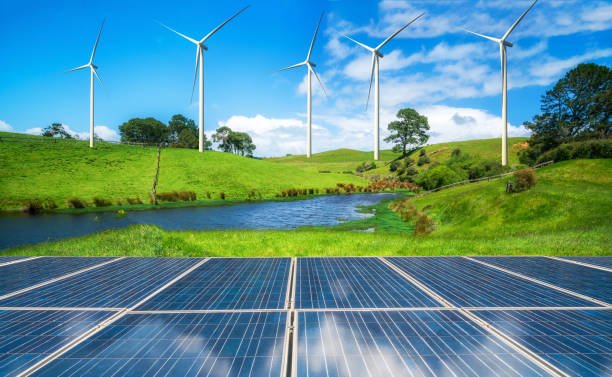
    Under the partnership, the joint venture will focus on the development, ownership, and operation of pumped storage projects, hydropower projects, renewable energy projects, and electricity distribution businesses. The partnership will undertake projects in India as well as neighbouring countries.

    The two companies intend to establish an industrial platform focused on developing, building, and operating low-carbon power plants, flexibility solutions, and transmission assets. The partnership will combine the respective expertise and resources of NTPC and EDF Power Solutions to develop solutions aimed at supporting the decarbonisation and performance of electricity systems.

    Pumped storage is expected to be a key area of focus as India expands its energy storage infrastructure to support the integration of variable renewable energy. The partnership aligns with India’s stated target of reaching 100 GW of installed pumped storage capacity by 2036.

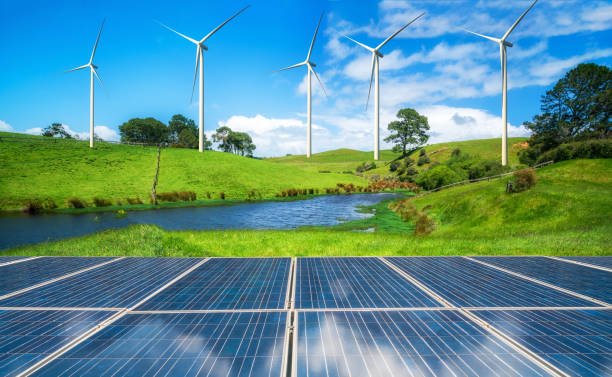
    The JV will also explore opportunities across renewable generation and other power infrastructure, creating a platform for both companies to participate in India’s expanding clean energy market and in projects in neighbouring countries.

    The agreement follows earlier cooperation between NTPC and EDF in the clean energy space. NTPC’s corporate disclosures show that the two companies had previously announced plans to collaborate on pumped storage, hydropower projects and renewable energy opportunities.

    The partnership is expected to bring together NTPC’s experience as a major integrated power utility with EDF Power Solutions’ capabilities in renewable energy and energy systems, with the objective of supporting the development of low-carbon generation and flexibility infrastructure.

  • NTPC, EDF Power Solutions Establish 50:50 JV for Clean Energy Projects

    NTPC, EDF Power Solutions Establish 50:50 JV for Clean Energy Projects

    NTPC Limited and EDF Power Solutions India Private Limited, a wholly owned subsidiary of French energy major Électricité de France (EDF), have entered into a 50:50 joint venture agreement to develop, own, and operate a range of low-carbon energy projects in India and neighbouring countries.

    The agreement was signed on September 25, 2026, in the presence of Gurdeep Singh, Chairman and Managing Director of NTPC, and Bernard Fontana, Chairman and CEO of EDF SA, France.

    Under the partnership, the joint venture will focus on the development, ownership, and operation of pumped storage projects, hydropower projects, renewable energy projects, and electricity distribution businesses. The partnership will undertake projects in India as well as neighbouring countries.

    The two companies intend to establish an industrial platform focused on developing, building, and operating low-carbon power plants, flexibility solutions, and transmission assets. The partnership will combine the respective expertise and resources of NTPC and EDF Power Solutions to develop solutions aimed at supporting the decarbonisation and performance of electricity systems.

    Pumped storage is expected to be a key area of focus as India expands its energy storage infrastructure to support the integration of variable renewable energy. The partnership aligns with India’s stated target of reaching 100 GW of installed pumped storage capacity by 2036.

    The JV will also explore opportunities across renewable generation and other power infrastructure, creating a platform for both companies to participate in India’s expanding clean energy market and in projects in neighbouring countries.

    The agreement follows earlier cooperation between NTPC and EDF in the clean energy space. NTPC’s corporate disclosures show that the two companies had previously announced plans to collaborate on pumped storage, hydropower projects and renewable energy opportunities.

    The partnership is expected to bring together NTPC’s experience as a major integrated power utility with EDF Power Solutions’ capabilities in renewable energy and energy systems, with the objective of supporting the development of low-carbon generation and flexibility infrastructure.

  • NTPC, EDF Power Solutions Establish 50:50 JV for Clean Energy Projects

    NTPC, EDF Power Solutions Establish 50:50 JV for Clean Energy Projects

    NTPC Limited and EDF Power Solutions India Private Limited, a wholly owned subsidiary of French energy major Électricité de France (EDF), have entered into a 50:50 joint venture agreement to develop, own, and operate a range of low-carbon energy projects in India and neighbouring countries.

    The agreement was signed on September 25, 2026, in the presence of Gurdeep Singh, Chairman and Managing Director of NTPC, and Bernard Fontana, Chairman and CEO of EDF SA, France.

    Under the partnership, the joint venture will focus on the development, ownership, and operation of pumped storage projects, hydropower projects, renewable energy projects, and electricity distribution businesses. The partnership will undertake projects in India as well as neighbouring countries.

    The two companies intend to establish an industrial platform focused on developing, building, and operating low-carbon power plants, flexibility solutions, and transmission assets. The partnership will combine the respective expertise and resources of NTPC and EDF Power Solutions to develop solutions aimed at supporting the decarbonisation and performance of electricity systems.

    Pumped storage is expected to be a key area of focus as India expands its energy storage infrastructure to support the integration of variable renewable energy. The partnership aligns with India’s stated target of reaching 100 GW of installed pumped storage capacity by 2036.

    The JV will also explore opportunities across renewable generation and other power infrastructure, creating a platform for both companies to participate in India’s expanding clean energy market and in projects in neighbouring countries.

    The agreement follows earlier cooperation between NTPC and EDF in the clean energy space. NTPC’s corporate disclosures show that the two companies had previously announced plans to collaborate on pumped storage, hydropower projects and renewable energy opportunities.

    The partnership is expected to bring together NTPC’s experience as a major integrated power utility with EDF Power Solutions’ capabilities in renewable energy and energy systems, with the objective of supporting the development of low-carbon generation and flexibility infrastructure.

  • NTPC, EDF Power Solutions Establish 50:50 JV for Clean Energy Projects

    NTPC Limited and EDF Power Solutions India Private Limited, a wholly owned subsidiary of French energy major Électricité de France (EDF), have entered into a 50:50 joint venture agreement to develop, own, and operate a range of low-carbon energy projects in India and neighbouring countries.

    The agreement was signed on September 25, 2026, in the presence of Gurdeep Singh, Chairman and Managing Director of NTPC, and Bernard Fontana, Chairman and CEO of EDF SA, France.

    Under the partnership, the joint venture will focus on the development, ownership, and operation of pumped storage projects, hydropower projects, renewable energy projects, and electricity distribution businesses. The partnership will undertake projects in India as well as neighbouring countries.

    The two companies intend to establish an industrial platform focused on developing, building, and operating low-carbon power plants, flexibility solutions, and transmission assets. The partnership will combine the respective expertise and resources of NTPC and EDF Power Solutions to develop solutions aimed at supporting the decarbonisation and performance of electricity systems.

    Pumped storage is expected to be a key area of focus as India expands its energy storage infrastructure to support the integration of variable renewable energy. The partnership aligns with India’s stated target of reaching 100 GW of installed pumped storage capacity by 2036.

    The JV will also explore opportunities across renewable generation and other power infrastructure, creating a platform for both companies to participate in India’s expanding clean energy market and in projects in neighbouring countries.

    The agreement follows earlier cooperation between NTPC and EDF in the clean energy space. NTPC’s corporate disclosures show that the two companies had previously announced plans to collaborate on pumped storage, hydropower projects and renewable energy opportunities.

    The partnership is expected to bring together NTPC’s experience as a major integrated power utility with EDF Power Solutions’ capabilities in renewable energy and energy systems, with the objective of supporting the development of low-carbon generation and flexibility infrastructure.