Author: abhishek2019cs034abesit@gmail.com

  • Hon’ble Lieutenant Governor of Ladakh Marks ONGC’s LandmarkCompletion of Two Deep Geothermal Wells at Puga

    Hon’ble Lieutenant Governor of Ladakh Marks ONGC’s LandmarkCompletion of Two Deep Geothermal Wells at Puga

    India’s geothermal energy ambitions received a significant boost as ONGC Energy Centre successfully completed two deep geothermal wells, GT#02 and GT#03, at the Puga Geothermal Project in Ladakh. Marking the milestone, Hon’ble Lieutenant Governor of Ladakh Shri Vinai Kumar Saxena unveiled a commemorative plaque at the project site, underscoring the progress of India’s first demonstration-scale geothermal power project aimed at delivering reliable, round-the-clock clean energy to the region while strengthening the nation’s clean energy and energy security goals.

    Hon’ble Lieutenant Governor of the Union Territory of Ladakh Shri Vinai Kumar Saxena unveiled a commemorative plaque at the Puga Geothermal Project site, marking the successful completion of geothermal wells GT#02 and GT#03 by ONGC Energy Centre

    The milestone advances the development of India’s first demonstration-scale geothermal power project at Puga and opens new possibilities for clean, dependable and round-the-clock energy in Ladakh. The project shall help strengthen energy access in remote areas, reduce dependence on conventional fuels and support reliable power availability during the region’s severe winters.

    Beyond electricity generation, geothermal energy has the potential to support space heating, greenhouse cultivation, year-round agriculture, food processing, geotourism and sustainable livelihoods. These applications could contribute significantly to Ladakh’s socio-economic development and its aspiration to emerge as a carbon-neutral region.

    At the national level, the project strengthens India’s clean-energy portfolio, advances technological self-reliance and supports the country’s long-term energy-security and Net Zero objectives. The initiative is being advanced jointly by ONGC Energy Centre, the UT Administration of Ladakh and LAHDC-Leh under a five-year collaboration renewed in June 2026.

    The occasion was attended by Administrative Secretary Shri Himanshu Gupta, IAS; Secretary to the Hon’ble Lieutenant Governor Ms Shashanka Ala, IAS; Deputy Commissioner, Changthang, Shri Nitish Rajora; and Superintendent of Police, Changthang, Shri Abbas Jaffari.

    The Hon’ble Lieutenant Governor highlighted the project’s national and regional significance and commended the ONGC Energy Centre team. Representing ONGC, Director (Technology and Field Services) Shri Vikram Saxena said the achievement reaffirmed ONGC’s commitment to innovation, energy security and a sustainable future for Ladakh and India.

  • Hon’ble Lieutenant Governor of Ladakh Marks ONGC’s LandmarkCompletion of Two Deep Geothermal Wells at Puga

    India’s geothermal energy ambitions received a significant boost as ONGC Energy Centre successfully completed two deep geothermal wells, GT#02 and GT#03, at the Puga Geothermal Project in Ladakh. Marking the milestone, Hon’ble Lieutenant Governor of Ladakh Shri Vinai Kumar Saxena unveiled a commemorative plaque at the project site, underscoring the progress of India’s first demonstration-scale geothermal power project aimed at delivering reliable, round-the-clock clean energy to the region while strengthening the nation’s clean energy and energy security goals.

    Hon’ble Lieutenant Governor of the Union Territory of Ladakh Shri Vinai Kumar Saxena unveiled a commemorative plaque at the Puga Geothermal Project site, marking the successful completion of geothermal wells GT#02 and GT#03 by ONGC Energy Centre

    The milestone advances the development of India’s first demonstration-scale geothermal power project at Puga and opens new possibilities for clean, dependable and round-the-clock energy in Ladakh. The project shall help strengthen energy access in remote areas, reduce dependence on conventional fuels and support reliable power availability during the region’s severe winters.

    Beyond electricity generation, geothermal energy has the potential to support space heating, greenhouse cultivation, year-round agriculture, food processing, geotourism and sustainable livelihoods. These applications could contribute significantly to Ladakh’s socio-economic development and its aspiration to emerge as a carbon-neutral region.

    At the national level, the project strengthens India’s clean-energy portfolio, advances technological self-reliance and supports the country’s long-term energy-security and Net Zero objectives. The initiative is being advanced jointly by ONGC Energy Centre, the UT Administration of Ladakh and LAHDC-Leh under a five-year collaboration renewed in June 2026.

    The occasion was attended by Administrative Secretary Shri Himanshu Gupta, IAS; Secretary to the Hon’ble Lieutenant Governor Ms Shashanka Ala, IAS; Deputy Commissioner, Changthang, Shri Nitish Rajora; and Superintendent of Police, Changthang, Shri Abbas Jaffari.

    The Hon’ble Lieutenant Governor highlighted the project’s national and regional significance and commended the ONGC Energy Centre team. Representing ONGC, Director (Technology and Field Services) Shri Vikram Saxena said the achievement reaffirmed ONGC’s commitment to innovation, energy security and a sustainable future for Ladakh and India.

  • Hon’ble Lieutenant Governor of Ladakh Marks ONGC’s LandmarkCompletion of Two Deep Geothermal Wells at Puga

    India’s geothermal energy ambitions received a significant boost as ONGC Energy Centre successfully completed two deep geothermal wells, GT#02 and GT#03, at the Puga Geothermal Project in Ladakh. Marking the milestone, Hon’ble Lieutenant Governor of Ladakh Shri Vinai Kumar Saxena unveiled a commemorative plaque at the project site, underscoring the progress of India’s first demonstration-scale geothermal power project aimed at delivering reliable, round-the-clock clean energy to the region while strengthening the nation’s clean energy and energy security goals.

    Hon’ble Lieutenant Governor of the Union Territory of Ladakh Shri Vinai Kumar Saxena unveiled a commemorative plaque at the Puga Geothermal Project site, marking the successful completion of geothermal wells GT#02 and GT#03 by ONGC Energy Centre

    The milestone advances the development of India’s first demonstration-scale geothermal power project at Puga and opens new possibilities for clean, dependable and round-the-clock energy in Ladakh. The project shall help strengthen energy access in remote areas, reduce dependence on conventional fuels and support reliable power availability during the region’s severe winters.

    Beyond electricity generation, geothermal energy has the potential to support space heating, greenhouse cultivation, year-round agriculture, food processing, geotourism and sustainable livelihoods. These applications could contribute significantly to Ladakh’s socio-economic development and its aspiration to emerge as a carbon-neutral region.

    At the national level, the project strengthens India’s clean-energy portfolio, advances technological self-reliance and supports the country’s long-term energy-security and Net Zero objectives. The initiative is being advanced jointly by ONGC Energy Centre, the UT Administration of Ladakh and LAHDC-Leh under a five-year collaboration renewed in June 2026.

    The occasion was attended by Administrative Secretary Shri Himanshu Gupta, IAS; Secretary to the Hon’ble Lieutenant Governor Ms Shashanka Ala, IAS; Deputy Commissioner, Changthang, Shri Nitish Rajora; and Superintendent of Police, Changthang, Shri Abbas Jaffari.

    The Hon’ble Lieutenant Governor highlighted the project’s national and regional significance and commended the ONGC Energy Centre team. Representing ONGC, Director (Technology and Field Services) Shri Vikram Saxena said the achievement reaffirmed ONGC’s commitment to innovation, energy security and a sustainable future for Ladakh and India.

  • India Adds 30.6 GW Renewable Energy Capacity in H1 2026, Up 25% Year-on-Year

    India Adds 30.6 GW Renewable Energy Capacity in H1 2026, Up 25% Year-on-Year

    India added 30.6 GW of renewable energy capacity during the January–June 2026 period, marking a 25% increase over the 24.5 GW added in the corresponding period last year. The growth was driven primarily by record solar installations, reflecting the country’s continued push towards expanding clean energy capacity.

    Solar power accounted for the bulk of the additions, with 26 GW of new capacity installed in the first six months of the year, a 43% year-on-year increase. The surge was led by strong growth in utility-scale projects as well as rooftop solar installations, supported by policy initiatives and rising demand. In contrast, wind capacity additions declined to around 3 GW, down 16% from the year-ago period.

    India’s total installed renewable energy capacity reached about 230 GW by the end of June 2026, further strengthening the country’s position among the world’s leading renewable energy markets. Solar continued to account for the largest share of the renewable energy mix, followed by wind, large hydro, bioenergy and small hydro projects.

    The report noted that rooftop solar recorded exceptional growth during the period, aided by the PM Surya Ghar: Muft Bijli Yojana, while utility-scale solar installations also maintained strong momentum. At the same time, the pace of wind power additions remained relatively subdued despite continued capacity expansion.

    India has been accelerating renewable energy deployment to achieve its target of 500 GW of non-fossil fuel-based installed power capacity by 2030. The robust capacity addition during the first half of 2026 highlights the sector’s sustained growth, with solar energy continuing to lead the country’s clean energy transition.

  • India Adds 30.6 GW Renewable Energy Capacity in H1 2026, Up 25% Year-on-Year

    India added 30.6 GW of renewable energy capacity during the January–June 2026 period, marking a 25% increase over the 24.5 GW added in the corresponding period last year. The growth was driven primarily by record solar installations, reflecting the country’s continued push towards expanding clean energy capacity.

    Solar power accounted for the bulk of the additions, with 26 GW of new capacity installed in the first six months of the year, a 43% year-on-year increase. The surge was led by strong growth in utility-scale projects as well as rooftop solar installations, supported by policy initiatives and rising demand. In contrast, wind capacity additions declined to around 3 GW, down 16% from the year-ago period.

    India’s total installed renewable energy capacity reached about 230 GW by the end of June 2026, further strengthening the country’s position among the world’s leading renewable energy markets. Solar continued to account for the largest share of the renewable energy mix, followed by wind, large hydro, bioenergy and small hydro projects.

    The report noted that rooftop solar recorded exceptional growth during the period, aided by the PM Surya Ghar: Muft Bijli Yojana, while utility-scale solar installations also maintained strong momentum. At the same time, the pace of wind power additions remained relatively subdued despite continued capacity expansion.

    India has been accelerating renewable energy deployment to achieve its target of 500 GW of non-fossil fuel-based installed power capacity by 2030. The robust capacity addition during the first half of 2026 highlights the sector’s sustained growth, with solar energy continuing to lead the country’s clean energy transition.

  • India Adds 30.6 GW Renewable Energy Capacity in H1 2026, Up 25% Year-on-Year

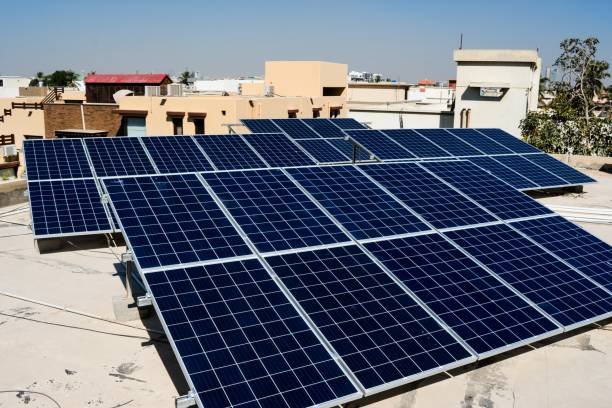
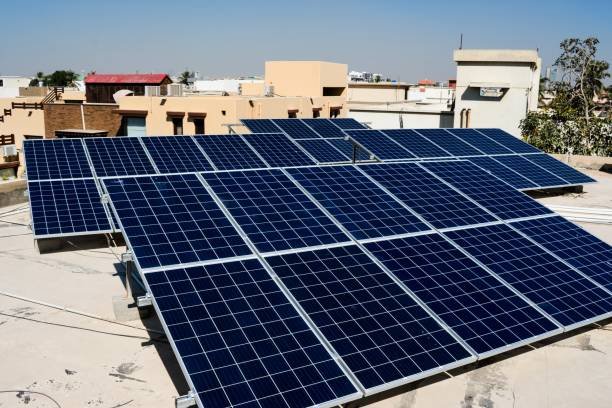
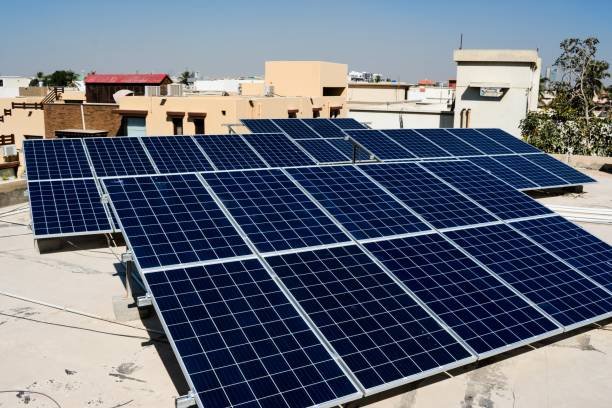
    India added 30.6 GW of renewable energy capacity during the January–June 2026 period, marking a 25% increase over the 24.5 GW added in the corresponding period last year. The growth was driven primarily by record solar installations, reflecting the country’s continued push towards expanding clean energy capacity.

    Solar power accounted for the bulk of the additions, with 26 GW of new capacity installed in the first six months of the year, a 43% year-on-year increase. The surge was led by strong growth in utility-scale projects as well as rooftop solar installations, supported by policy initiatives and rising demand. In contrast, wind capacity additions declined to around 3 GW, down 16% from the year-ago period.

    India’s total installed renewable energy capacity reached about 230 GW by the end of June 2026, further strengthening the country’s position among the world’s leading renewable energy markets. Solar continued to account for the largest share of the renewable energy mix, followed by wind, large hydro, bioenergy and small hydro projects.

    The report noted that rooftop solar recorded exceptional growth during the period, aided by the PM Surya Ghar: Muft Bijli Yojana, while utility-scale solar installations also maintained strong momentum. At the same time, the pace of wind power additions remained relatively subdued despite continued capacity expansion.

    India has been accelerating renewable energy deployment to achieve its target of 500 GW of non-fossil fuel-based installed power capacity by 2030. The robust capacity addition during the first half of 2026 highlights the sector’s sustained growth, with solar energy continuing to lead the country’s clean energy transition.

  • Gujarat’s 2026 Data Centre Policy: A 7.5 GW Goldmine for Renewable Energy Developers

    Gujarat’s 2026 Data Centre Policy: A 7.5 GW Goldmine for Renewable Energy Developers

    The explosion of Artificial Intelligence (AI) and cloud computing in India is creating an unprecedented demand for data centres. However, these hyperscale facilities are incredibly energy-intensive. To support this digital boom sustainably, the Gujarat government has launched the Viksit Gujarat Data Center Policy (2026-29).

    For renewable energy developers and Independent Power Producers (IPPs), this policy represents one of the largest single-state opportunities of the decade. Here is a breakdown of the policy mandates and how it translates into massive power purchase agreements (PPAs) for clean energy.

    1. The 7.5 GW Ambition

    Gujarat’s new policy targets total investments of ₹6 lakh crore and aims the creation of 7.5 gigawatts (GW) of new data centre capacity by 2029, making it the most ambitious state-level framework in the country.

    To put this into perspective, a single 150 MW data centre requires the equivalent power of a small city. Scaling up to 7.5 GW of IT load will require dedicated, gigawatt-scale power generation assets acting as the backbone for these technological hubs.

    2. The 51% Green Energy Mandate

    The most critical aspect of the policy for the clean tech sector is its strict sustainability requirement. Under the new framework, any data centre entity setting up in Gujarat must ensure that at least 51% of the electricity consumed for its core operations comes from green and renewable sources.

    This mandate is already reshaping how tech giants secure power:

    • Reliance and Meta: Reliance Industries recently partnered with Meta to lease a 168 MW AI-enabled data centre in Jamnagar, Gujarat. The facility will be powered entirely by renewable energy.
    • AdaniConneX: The Adani Group is building a 5 GW data centre platform across India, which will be heavily powered by the massive Adani Green Energy park located at Khavda in Kutch.

    This 51% threshold ensures that every new data centre built in the state will automatically trigger corresponding demand for utility-scale solar, wind, and battery storage projects.

    3. Deep Financial Incentives Driving Growth

    To attract hyperscalers and ensure these projects are economically viable, the state government has rolled out aggressive financial incentives. These indirectly benefit power producers by ensuring the long-term financial health of their primary off-takers (the data centres).

    • Electricity Duty Reimbursement: The policy offers a 100% reimbursement on electricity duty for a period of 20 years.
    • Power Subsidy: It provides an additional subsidy at the rate of ₹1 per unit of power consumed by the data centre for 20 years from the commencement of commercial operations.
    • Infrastructure Support: Total exemption on stamp duty and registration fees for leasing or buying land, along with full reimbursement of eligible expenses on plant, machinery, and building infrastructure.

    4. What This Means for EPCs and Developers

    The intersection of tech and energy is the new frontier. Data centres require high reliability—often aiming for 99.999% uptime. Because solar and wind are intermittent, renewable developers bidding for these lucrative corporate PPAs cannot simply offer daytime solar.

    To capture this market, EPCs must pivot toward Round-The-Clock (RTC) renewable solutions. This means integrating massive Battery Energy Storage Systems (BESS) or Pumped Hydro Storage with solar-wind hybrid parks to guarantee firm, dispatchable clean power to these digital fortresses.

    For more insights into the broader government initiatives shaping this sector, you can check out this Budget 2026: Fresh Push for Renewable Energy. This video discusses the broader government policy frameworks and budget incentives driving the expansion of clean infrastructure across India.

  • SIGHT Programme 2026: The Green Hydrogen Catalyst Driving 100+ GW of New Solar Demand

    SIGHT Programme 2026: The Green Hydrogen Catalyst Driving 100+ GW of New Solar Demand

    India’s ambitions to become a global export hub for clean fuel are rapidly moving from policy documents to active construction sites. The National Green Hydrogen Mission (NGHM), backed by an initial ₹19,744 crore outlay, is beginning to reshape the industrial landscape in 2026. For developers and EPCs operating in the renewable energy markets, the secondary effects of this mission are creating an unprecedented pipeline for utility-scale solar and wind projects.

    Here is a breakdown of the mission’s 2026 milestones, the mechanics of the SIGHT incentive scheme, and what this means for the broader renewable energy ecosystem.

    1. The Core Objective: 5 MMT by 2030

    Launched in 2023, the NGHM aims to achieve a green hydrogen production capacity of 5 Million Metric Tonnes (MMT) per annum by 2030. Green hydrogen is produced by splitting water in an electrolyser powered exclusively by renewable energy, ensuring a zero-carbon footprint.

    The 2026 Reality Check: As of February 2026, India has successfully commissioned approximately 8,000 tonnes per year of green hydrogen capacity. While this is a fraction of the 2030 target, it represents tangible, physical progress after years of regulatory setup. The near-term demand is being driven almost entirely by the fertilizer and oil refining sectors, which are actively replacing fossil-fuel-derived “grey” hydrogen to reduce their Scope 1 emissions.

    2. The SIGHT Programme: Breaking Price Barriers

    The engine driving this adoption is SIGHT (Strategic Interventions for Green Hydrogen Transition), administered by the Solar Energy Corporation of India (SECI). SIGHT provides direct financial incentives across two main components:

    • Mode 1: Incentives for the domestic manufacturing of electrolysers (building a localized supply chain).
    • Mode 2: Direct production incentives (in ₹/kg) to reduce the final cost of the green hydrogen itself.

    A Historic 2026 Milestone: The most significant development this year has been SECI’s competitive bidding for Green Ammonia (a hydrogen derivative used in fertilizers). The SIGHT tender achieved discovered prices of ₹49.75 to ₹64.74 per kg. This is a massive breakthrough, coming in significantly lower than the prevailing global benchmark of roughly ₹110 per kg.

    This pricing proves that domestically produced green ammonia can achieve near-parity with conventional grey ammonia in specific industrial use cases.

    3. Why This is a Goldmine for Solar EPCs

    The National Green Hydrogen Mission is not just a hydrogen story; it is fundamentally a renewable energy story. Producing 5 MMT of green hydrogen requires massive amounts of electricity.

    To meet the 2030 production target, India will need to add an estimated 125 GW of dedicated renewable energy capacity just to power the electrolysis process.

    • The EPC Opportunity: Green hydrogen producers (like Reliance, Adani, and L&T) must build gigawatt-scale solar energy and wind parks to feed their electrolysers. This creates an enormous secondary market for solar EPC contractors who will design and construct these dedicated power generation assets.
    • Energy Storage Integration: Because electrolysers require a constant, stable power supply to be economically viable, these projects cannot rely on daytime solar alone. They demand integrated solar-plus-storage or solar-wind hybrid systems, accelerating the demand for Battery Energy Storage Systems (BESS).

    4. State-Level Policies and Port Hubs

    The central government is not acting alone. To attract the estimated ₹8 lakh crore in total investments required by 2030, individual states are rolling out aggressive green hydrogen policies.

    States like Gujarat, Maharashtra, Uttar Pradesh, and Rajasthan are offering 100% exemptions on electricity duty, waivers on land conversion charges, and extended 30-day banking of renewable power for green hydrogen production units.

    Furthermore, to facilitate international export, the government has officially designated Deendayal Port (Kandla), V.O. Chidambaranar Port (Tuticorin), and Paradip Port as specialized “Green Hydrogen Hubs,” equipped to handle the bunkering and shipping of green fuels.

  • THDC Declares Commercial Operations of 11 MW Floating Solar Plant at Khurja

    THDC Declares Commercial Operations of 11 MW Floating Solar Plant at Khurja

    THDC India Ltd. has declared the Commercial Operation Date (COD) for its 11 MWac Floating Solar Plant located on the Raw Water Reservoir of the Khurja Super Thermal Power Project (STPP) in Uttar Pradesh. The plant commenced commercial operations on July 17, 2026, following successful commissioning and receipt of the necessary approvals.

    With the commissioning of the floating solar project, THDC India’s total installed and commercial power generation capacity has increased to 3,918 MW. The addition also strengthens the renewable energy portfolio of the company, which is a subsidiary of NTPC Ltd.

    The new solar installation has also enhanced the overall capacity of the NTPC Group, taking its total installed capacity to 90,965 MW, while its commercial capacity has reached 89,885 MW.

    The floating solar plant has been developed on the raw water reservoir of the Khurja STPP, enabling clean energy generation without requiring additional land. The project forms part of THDC’s strategy to expand its renewable energy footprint while making efficient use of existing infrastructure.

  • THDC Declares Commercial Operations of 11 MW Floating Solar Plant at Khurja

    THDC India Ltd. has declared the Commercial Operation Date (COD) for its 11 MWac Floating Solar Plant located on the Raw Water Reservoir of the Khurja Super Thermal Power Project (STPP) in Uttar Pradesh. The plant commenced commercial operations on July 17, 2026, following successful commissioning and receipt of the necessary approvals.

    With the commissioning of the floating solar project, THDC India’s total installed and commercial power generation capacity has increased to 3,918 MW. The addition also strengthens the renewable energy portfolio of the company, which is a subsidiary of NTPC Ltd.

    The new solar installation has also enhanced the overall capacity of the NTPC Group, taking its total installed capacity to 90,965 MW, while its commercial capacity has reached 89,885 MW.

    The floating solar plant has been developed on the raw water reservoir of the Khurja STPP, enabling clean energy generation without requiring additional land. The project forms part of THDC’s strategy to expand its renewable energy footprint while making efficient use of existing infrastructure.