Author: abhishek2019cs034abesit@gmail.com

  • JSW Energy Secures ₹443.74 Crore BESS Order from Bondada Renewable Energy

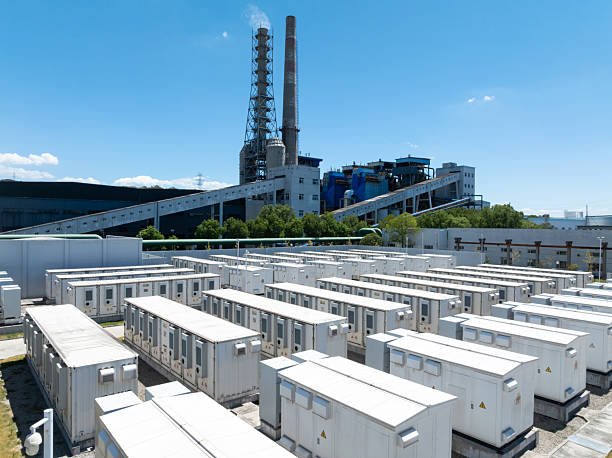
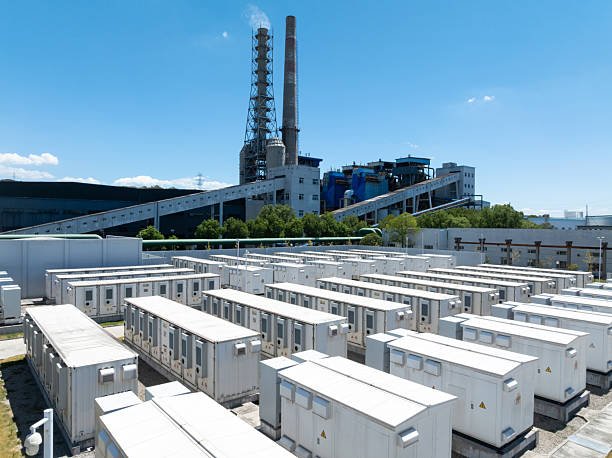
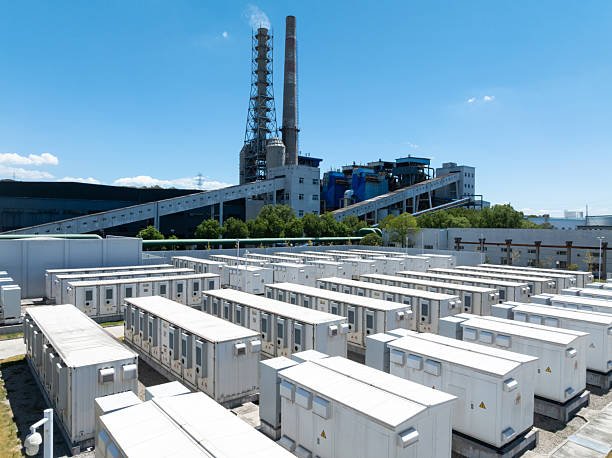
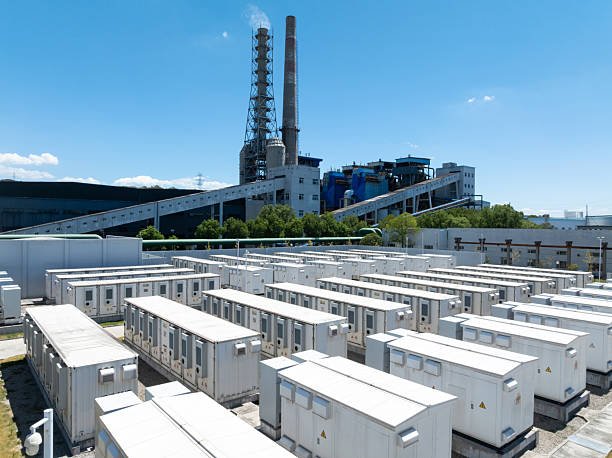
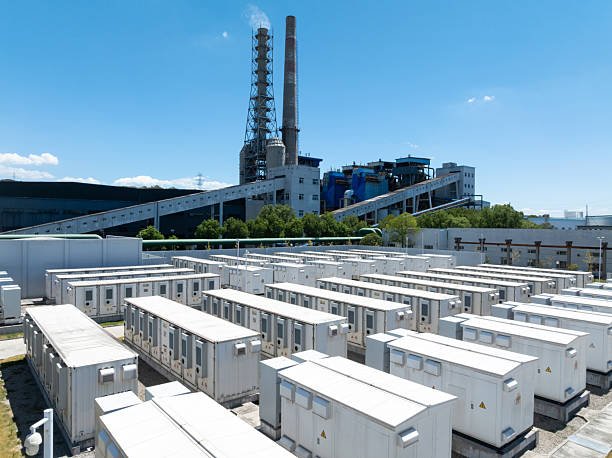
    JSW Energy Ltd. has announced that its step-down subsidiary, JSW Energy PSP Eleven Limited (JEPEL), has secured orders worth ₹443.74 crore from Bondada Renewable Energy Private Limited, a wholly owned subsidiary of Bondada Engineering Limited, for the supply of 200 MW/400 MWh Battery Energy Storage System (BESS) and Power Conversion System (PCS) solutions.

    The order further strengthens JSW Energy’s position in the rapidly growing energy storage segment and supports India’s transition towards a more resilient and renewable-powered grid. JEPEL will leverage its battery manufacturing capabilities to execute the project, reinforcing the company’s commitment to expanding its storage portfolio.

    With this addition, JSW Energy’s total locked-in generation capacity has reached 32.1 GW, comprising 14.53 GW of operational capacity, 13.0 GW under construction, and 4.6 GW in the development pipeline. The company has also built a substantial 29.6 GWh locked-in energy storage portfolio, including 26.4 GWh of pumped hydro storage and 3.2 GWh of battery energy storage systems.

    As part of its long-term strategy, JSW Energy aims to achieve 30 GW of generation capacity and 40 GWh of energy storage capacity by 2030, while remaining committed to becoming carbon neutral by 2050. The latest BESS order aligns with these strategic goals by further strengthening the company’s battery energy storage business.

  • RenewSys Appoints Rajesh Singh as CEO – Encapsulants & Backsheets Business

    RenewSys India Pvt. Ltd. announced the appointment of Mr. Rajesh Singh as Chief Executive Officer – Encapsulants & Backsheets, effective 1 July 2026.

    Mr. Rajesh Singh assumes the role after serving as the company’s Chief Technology Officer, where he played a key role in advancing product innovation, manufacturing excellence, and technology development across the Encapsulants & Backsheets business. With over two decades of experience in the photovoltaic industry, he brings deep technical expertise and a proven track record of driving innovation, operational excellence, and business growth.

    Commenting on the appointment, Mr. Avinash Hiranandani, Vice Chairman & Managing Director, RenewSys India Pvt. Ltd., said, “Mr. Rajesh Singh has been instrumental in building RenewSys’ technology leadership and strengthening our position in the photovoltaic materials business. His strategic vision, deep industry expertise, and customer-centric approach make him the ideal leader to guide our Encapsulants & Backsheets business into its next phase of growth. I am confident that under his leadership, we will continue to innovate, strengthen our global presence, and deliver greater value to our customers and partners.”

    Speaking on his appointment, Mr. Rajesh Singh, Chief Executive Officer – Encapsulants & Backsheets, said, “I am honoured to take on this responsibility at a time when innovation and reliability are becoming increasingly important across the solar value chain. RenewSys has built a strong foundation of quality, innovation, and customer trust, and I look forward to working closely with our talented teams, customers, and partners to accelerate growth, strengthen our market leadership, and deliver advanced photovoltaic materials that support the global clean energy transition.”

    The appointment comes as the global solar industry continues to evolve, with increasing demand for high-performance, reliable photovoltaic materials. Under Mr. Rajesh Singh’s leadership, RenewSys will continue to strengthen its position as a trusted technology partner, delivering innovative encapsulant and backsheet solutions that enable the next generation of high-efficiency solar modules and support the evolving needs of customers worldwide.

  • ReNew and Mitsui Secure USD 730 Million Green Loan to Refinance 320MW Hybrid Renewable Project

    Norton Rose Fulbright has advised a consortium of lenders on the refinancing of a 320MW ‘Round the Clock’ hybrid renewable energy project developed by ReNew and Mitsui in India.

    The project, located across the states of Rajasthan, Maharashtra and Karnataka, combines wind, solar and battery storage to deliver firm, dispatchable renewable power.

    A broad syndicate of 12 banks participated in the US dollar/Japanese yen equivalent of a USD 730 million green loan financing, led by Standard Chartered Bank, Société Générale (GIFT City), Sumitomo Mitsui Banking Corporation (Singapore) and Bank of America. The financing will be used to refinance the project’s existing senior debt as well as to meet other project costs and capital expenditure requirements.

    The Norton Rose Fulbright team in Singapore was led by Partner Ben Carrozzi and included counsel Selene Tan, special counsel Sunny Jong, associate Alden Tan and trainee solicitor Uma Suri.

    Ben Carrozzi commented, “India continues to lead the region’s energy transition. Against an increasingly favourable regulatory backdrop for financial markets, this transaction underscores the growing role of international capital in scaling integrated, round-the-clock renewable power solutions. As financing structures evolve and offshore liquidity deepens, hybrid projects will be key to delivering firm power, alleviating grid constraints and supporting emerging demand from corporate offtake, green fuels and digital infrastructure.”

    Norton Rose Fulbright’s lawyers provide the full spectrum of legal services in the renewable energy sector. The firm is widely recognized for its involvement in pioneering first-in-jurisdiction and first-in-technology renewable energy projects around the world, particularly across the Asia Pacific region.

  • IB Solar Hosts U.S. Energy Delegation at Noida Facility to Showcase India’s Solar Manufacturing Capabilities

    IB Solar welcomed a distinguished delegation of global energy leaders to its manufacturing facility in Noida, highlighting India’s rapidly advancing solar manufacturing ecosystem and the company’s integrated manufacturing capabilities.

    The delegation included Ms. Sarah Ladislaw, CEO of the New Energy Industrial Strategy (NEIS) Centre, and Mr. Subrahmanyam Pulipaka, CEO of the National Solar Energy Federation of India (NSEFI) and Vice Chair of the Global Solar Council, along with representatives from the United States.

    During the visit, the delegation toured IB Solar’s manufacturing facility and engaged in discussions focused on strengthening resilient global clean energy supply chains. The interaction also provided an opportunity to showcase India’s growing capabilities in advanced solar manufacturing and explore avenues for international collaboration.

    The discussions reflected the expanding strategic partnership between India and the United States in the areas of clean energy, advanced manufacturing, and energy security. Both sides emphasized the importance of collaborations that accelerate innovation, encourage technology exchange, and contribute to the development of a more sustainable global energy ecosystem.

    IB Solar also expressed its appreciation to the visiting delegation, including representatives from the United States, the National Solar Energy Federation of India (NSEFI), and the Asia Group, for visiting its Noida facility.

    The company stated that it looks forward to strengthening partnerships that support renewable energy development, enhance India–USA cooperation, and contribute to the global energy transition.

  • Avaada Electro Advances its 6 GW TOPCon Solar Cell Manufacturing Facility with the First 3 GW TOPCon Cell Line being Operational at Nagpur

    Avaada Electro Limited, the solar PV manufacturing arm of Avaada Group, has advanced its 6 GW high-efficiency N-Type TOPCon solar cell manufacturing facility at its integrated solar manufacturing factory in Butibori, Nagpur. The first 3 GW production line is now operational, while the balance capacity is under ramp-up.

    The facility is equipped with advanced N-Type TOPCon technology capable of delivering cell efficiencies of up to 25.5% under standard test conditions, supported by 16-busbar and 18-busbar architecture for higher power density, reliability and energy yields.

    The Nagpur line is part of Avaada’s broader manufacturing roadmap. The company currently operates 8.50 GW of N-Type TOPCon glass-to-glass module capacity across Nagpur and Dadri, and is planning to add 5.10 GW to reach 13.60 GW of module capacity. It is also progressing toward adding another 6 GW of solar cell line at Greater Noida, taking total solar cell capacity to 12 GW. As a part of backward integration company is also planning 3GW of ingot and wafer capacity at Nagpur.

    Vineet Mittal, Chairman and Whole-Time Director, Avaada Electro Limited, stated, “With the establishment of our 6 GW solar cell factory at Butibori in Nagpur, Avaada is actively contributing towards India’s green industrial age and complete technology independence. This facility is our definitive pledge to the nation – a localized manufacturing ecosystem engineered to minimise foreign import dependencies in an era of de-globalization, accelerate our economic trajectory, and position India at the absolute vanguard of the global energy transition. This factory represents far more than industrial infrastructure; it is a sustainable, co-located complex built on the values of indigenous ingenuity and environmental stewardship. We are not just scaling production; we are aiding a sustainable future where homegrown innovation dictates the global clean energy roadmap, anchoring India’s position as a green superpower. As India’s AI-driven digitization and data infrastructure scale at far greater pace, the demand for power that is clean and always on will only intensify, and facilities like Butibori ensure that this next wave of growth is built on a foundation of dependable, indigenous clean energy. This embodies the essence of Atmanirbhar Bharat – a strategic signal to the global market that India is ready to dictate the future of renewable energy.”

    The integrated manufacturing ecosystem is designed to enhance supply chain resilience, improve operational efficiencies, reduce logistics costs, and accelerate localization across the solar value chain.

    The development also strengthens Avaada Group’s position as an integrated energy transition company with interests across renewable power generation, solar PV manufacturing, green hydrogen and derivatives, energy storage and pumped storage. Avaada Energy has a renewable energy portfolio of over 17.70 GWp, including more than 7.20 GWp operational and about 10.50 GWp under construction, supporting India’s energy transition, strengthening domestic manufacturing and decarbonisation journey.

  • Solfin Eyes INR500-600 Crore Debt Raise After Securing CARE A- Rating

    Solfin Sustainable Finance Private Limited, one of India’s fastest-growing green finance NBFCs, is gearing up to raise ₹500-600 crore in institutional debt after securing an investment-grade CARE A- credit rating, as it looks to deploy nearly ₹1,000 crore towards accelerating clean energy financing across India. The planned debt raise follows the company’s recent ₹280 crore equity infusion and achievement of profitability within its first full year of operations, marking a significant milestone in its evolution into an institutionally backed green finance platform built to support India’s rapidly expanding distributed renewable energy ecosystem.

    As India targets 500 GW of non-fossil fuel capacity by 2030, access to affordable, timely and specialised financing remains one of the most critical enablers of the country’s clean energy transition. While technological advancements and supportive policy measures have accelerated solar adoption, financing continues to be the key determinant of how quickly households, MSMEs, commercial enterprises and developers can adopt renewable energy solutions. Solfin was established to address this challenge by building a technology-first financing platform purpose-built for green assets.

    Since its inception, Solfin has built a differentiated financing ecosystem anchored in a proprietary underwriting engine, data-driven credit assessment and a fully digital loan journey. Today, the company works with more than 1,350 ecosystem partners, including EPC companies, dealers, OEMs and leading manufacturers such as Waaree Energies, providing financing solutions across residential, commercial & industrial (C&I), group housing societies, EPC and dealer segments. Its integrated technology platform has reduced residential loan approval timelines from weeks to days, while compressing turnaround times for complex commercial and industrial financing into single-digit days.

    The company recently strengthened its balance sheet through a ₹280 crore equity raise and achieved profitability within its first full year of operations, underscoring the resilience of its business model and disciplined approach to growth. Together with the CARE A- rating, these milestones position Solfin to enter its next phase of expansion with stronger institutional credibility and enhanced access to growth capital.

    Commenting on the development, Gautam Kaushik and Pramod Mahanta, Co-founders of Solfin Sustainable Finance, said: “India’s clean energy transition will ultimately be financed, not just manufactured. As distributed renewable energy scales across the country, specialised financial institutions will play a defining role in ensuring that access to capital keeps pace with demand. Our recent equity raise, profitability milestone and now the CARE A- rating collectively validate the institution we have built-one that combines technology, disciplined underwriting and strong governance to deliver financing at scale. The rating significantly strengthens our ability to mobilise institutional debt responsibly and expand fast, transparent financing solutions to homeowners, MSMEs, businesses, EPCs and channel partners across India, particularly in Tier 2 and Tier 3 markets.”

    The rating also reflects Solfin’s strategic backing from the Waaree Group, promoters of one of India’s leading renewable energy companies, providing the company with deep sector expertise and a strong ecosystem advantage. This integrated approach has enabled Solfin to build a specialised green financing platform that combines technology, sector knowledge and distribution partnerships to address one of the largest gaps in India’s energy transition- access to affordable and efficient financing.

  • Trinasolar Powers 37MW RASLAG 4 Solar Project in the Philippines

    Trinasolar, a global smart photovoltaic and energy storage solutions provider, has supplied over 55,000 solar modules for the 37MW RASLAG 4 Solar Power Plant in Pampanga, Philippines, reinforcing its role in supporting utility-scale solar deployment across the Philippines and Southeast Asia.

    Developed by RASLAG Corp., a Philippine solar power producer listed on the Philippine Stock Exchange, RASLAG 4 is rated at 36.65-megawatt peak (MWp) and has been operational since October 2024. The project recently obtained its Certificate of Compliance from the Energy Regulatory Commission, confirming its status as a compliant operating renewable energy generation facility in the Philippines.

    RASLAG 4 is expected to generate approximately 48 gigawatt-hours (GWh) of electricity annually in 2026 and 2027. This is enough to power around 20,000 households each year and displace approximately 34,000 metric tons of carbon dioxide emissions annually.

    Reyland Benjamin Nepomuceno, Chief Strategy Officer of RASLAG Corp., said, “RASLAG 4 marks another step in our work to expand homegrown renewable energy capacity and help meet the Philippines’ growing power demand. Connected to the 69-kilovolt transmission line of the National Grid Corporation of the Philippines, the project adds clean power capacity to the country’s grid. For a project of this scale, we needed solar modules backed by proven technology, dependable supply, and utility-scale project experience. Trinasolar brought these strengths to RASLAG 4, supporting our efforts to bring more renewable power to Filipino communities.”

    Elva Wang, Group Director for Southeast Asia at Trinasolar, said, “Trinasolar is proud to be part of RASLAG 4, which adds reliable renewable energy to the Philippines’ power grid. The Philippines is an important market for Trinasolar, where we have worked with partners since 2013 to support utility-scale solar deployment. As power demand continues to grow, we will continue supporting the market with solar and energy storage solutions that strengthen the country’s clean energy infrastructure.”

  • Belding India Launches Hybrid BESS at India Energy Storage Week

    Belding India Limited launched its Hybrid Battery Energy Storage System (BESS) at India Energy Storage Week 2026 to improve energy efficiency in diesel generator-based power systems. The product, conceptualised, designed, and developed indigenously by the company, was unveiled by Shri Shripad Yesso Naik, Hon’ble Minister of State for New and Renewable Energy, Government of India. This launch supports the transition towards smarter, cleaner, and reliable power solutions.

    The Hybrid BESS reduces diesel consumption by 40–80%, depending on the load profile, significantly lowering fuel costs and operating expenses. By minimizing DG runtime, the system decreases maintenance needs and extends generator lifespan. It provides instant backup power during DG startup and enables peak load shaving, allowing the battery to manage sudden load spikes. This capability reduces the required DG capacity and ensures generators operate within their optimal load range.

    Beyond cost savings, the system delivers clean and stable power with enhanced voltage and frequency regulation. It supports the integration of renewable energy sources like solar power and reduces carbon dioxide emissions and noise pollution. These features enhance system reliability and uptime for critical operations while lowering the total cost of ownership over the system’s lifecycle.

    The solution is designed for deployment across various industries and critical infrastructure applications. Target sectors include data centres, manufacturing facilities, hospitals, airports, telecom towers, mining operations, oil and gas sites, defence installations, remote industrial locations, and construction projects.

    Mr. Umesh Kumar Sahay, Chairman of Belding India Limited, stated that the launch reinforces the company’s commitment to sustainable energy solutions. He emphasized that the Hybrid BESS helps industries reduce diesel dependency while ensuring uninterrupted power, aligning with the Make in India vision.

  • Solplanet Showcases Utility-Scale Portfolio at Intersolar Europe 2026

    Solplanet showcased its latest utility-scale solar solutions at Intersolar Europe 2026 in Munich, presenting its expanding portfolio of high-power inverters to international industry professionals. Alongside its established utility product range, the company also unveiled the prototype of its next-generation utility-scale inverter, currently under development.

    One of the highlights at the exhibition was the ASW 250–360K-HT Series, designed to meet the demands of large-scale photovoltaic power plants. Delivering high efficiency, flexible system design, and reliable performance, the series is compatible with high-power PV modules and has been developed to address the evolving requirements of utility-scale solar projects.

    Solplanet also introduced, for the first time, the prototype of its upcoming 510 kW utility-scale inverter, demonstrating the company’s vision to further expand its portfolio for large-scale solar applications. The new inverter is being developed to support the next generation of utility-scale PV plants with even greater power density and enhanced system performance.

    Commenting on the new product, Ibrahim Kadriinamdar, Regional Sales Manager of INDIA & MENA at Solplanet, said:  The ASW510kW is an ideal solution for utility-scale solar parks, and government tenders, where high performance, low Levelized Cost of Energy (LCOE), and long-term reliability are critical.

    With its high-power density, the ASW510kW reduces the number of inverters required, lowering installation, cabling, civil works, and maintenance costs. Its advanced grid support functions, intelligent monitoring, and robust protection features ensure reliable operation throughout the project’s lifetime.

    With its expanding portfolio of utility-scale inverters and energy storage solutions, Solplanet continues to strengthen its presence in global renewable energy markets while supporting the transition toward more efficient and sustainable large-scale solar power generation.

  • MNRE Reopens NISE DCR Portal Until July 23 for ALMM List-II Investment Protection Applications

    The Ministry of New and Renewable Energy (MNRE) has reopened the National Institute of Solar Energy (NISE) Domestic Content Requirement (DCR) portal, allowing eligible manufacturers to submit applications for investment protection under the Approved List of Models and Manufacturers (ALMM) List-II. The portal will remain open until July 23, 2026.

    The move is aimed at providing another opportunity for manufacturers who were unable to complete or submit their applications within the earlier deadline. Through this extension, the ministry seeks to ensure that eligible investments made towards domestic solar manufacturing are considered under the investment protection provisions linked to ALMM List-II.

    Manufacturers intending to avail the benefit must submit the required information and supporting documents through the reopened NISE DCR portal before the closing date. The initiative is expected to support companies that have already made significant investments in establishing domestic manufacturing facilities and are seeking recognition under the applicable policy framework.

    The reopening of the portal reflects the government’s continued efforts to strengthen India’s domestic solar manufacturing ecosystem while facilitating a smoother transition to the revised ALMM framework. By providing additional time for eligible applicants, MNRE aims to encourage wider participation and ensure that genuine investments are adequately protected.

    ALMM List-II forms an important part of India’s strategy to promote indigenous manufacturing of solar equipment, reduce dependence on imports, and build a resilient domestic supply chain. The latest extension is expected to benefit manufacturers working to align their operations with the country’s long-term renewable energy and self-reliance objectives.

    Interested manufacturers are advised to complete their submissions through the NISE DCR portal before July 23, 2026, to be considered under the investment protection provisions.