Author: abhishek2019cs034abesit@gmail.com

  • Alfanar Power Signs 100 MW Wind Power Purchase Agreement With GUVNL

    Alfanar Power has signed a 100 MW wind power purchase agreement (PPA) with Gujarat Urja Vikas Nigam Ltd. (GUVNL), strengthening its presence in India’s renewable energy sector.

    The agreement was signed by Mohammed Irfan, PMP®, CEO of Alfanar Power, and is aimed at supporting Gujarat’s clean energy and sustainable power generation ambitions.

    The partnership marks another step in Alfanar Power’s efforts to develop reliable and sustainable power solutions and contribute to India’s transition towards a cleaner and more resilient energy system.

    The company said the agreement reflects its continued commitment to advancing renewable energy development and supporting India’s long-term clean energy goals.

  • GAIL Invites Bids For PMC Services For A 100 MW Solar Project With 22 MWh BESS In Maharashtra

    GAIL Invites Bids For PMC Services For A 100 MW Solar Project With 22 MWh BESS In Maharashtra

    GAIL (India) Limited has invited bids for appointing a Project Management Consultant (PMC) for the development of a 100 MW ground-mounted solar power project integrated with a 22 MWh Battery Energy Storage System (BESS) in Maharashtra. The initiative is part of GAIL’s efforts to expand its renewable energy portfolio and strengthen its focus on clean energy and sustainability.

    The tender has been issued under reference number GAIL/NOIDA/CNP/PROJ/26-40, with Tender ID 2026_GAIL_289061_1. The contract falls under the consultancy services category and will follow an item-rate contract structure. The total project work period has been specified as 730 days, while the validity of submitted bids will be 90 days.

    GAIL has adopted a two-cover bidding system for the tender. Bidders will be required to submit technical and financial documents, including the Integrity Pact, power of attorney and Bill of Quantities (BOQ), among other required documents.

    The deadline for downloading the documents and submitting bids is September 30, 2026, at 3:00 PM. Bid submissions will open on September 16, 2026, at 4:00 PM.

    A virtual pre-bid meeting has been scheduled for September 16, 2026, at 3:00 PM, providing prospective bidders an opportunity to seek clarification regarding the tender requirements. The technical and financial bids are scheduled to be opened virtually on October 1, 2026, at 3:00 PM.

    Bidders will also have the option to withdraw their bids. However, preferential bidding and multi-currency bidding provisions will not apply to the contract. The tender process is being administered by GAIL’s Noida office in Gautam Budh Nagar, Uttar Pradesh.

  • GAIL Invites Bids For PMC Services For A 100 MW Solar Project With 22 MWh BESS In Maharashtra

    GAIL Invites Bids For PMC Services For A 100 MW Solar Project With 22 MWh BESS In Maharashtra

    GAIL (India) Limited has invited bids for appointing a Project Management Consultant (PMC) for the development of a 100 MW ground-mounted solar power project integrated with a 22 MWh Battery Energy Storage System (BESS) in Maharashtra. The initiative is part of GAIL’s efforts to expand its renewable energy portfolio and strengthen its focus on clean energy and sustainability.

    The tender has been issued under reference number GAIL/NOIDA/CNP/PROJ/26-40, with Tender ID 2026_GAIL_289061_1. The contract falls under the consultancy services category and will follow an item-rate contract structure. The total project work period has been specified as 730 days, while the validity of submitted bids will be 90 days.

    GAIL has adopted a two-cover bidding system for the tender. Bidders will be required to submit technical and financial documents, including the Integrity Pact, power of attorney and Bill of Quantities (BOQ), among other required documents.

    The deadline for downloading the documents and submitting bids is September 30, 2026, at 3:00 PM. Bid submissions will open on September 16, 2026, at 4:00 PM.

    A virtual pre-bid meeting has been scheduled for September 16, 2026, at 3:00 PM, providing prospective bidders an opportunity to seek clarification regarding the tender requirements. The technical and financial bids are scheduled to be opened virtually on October 1, 2026, at 3:00 PM.

    Bidders will also have the option to withdraw their bids. However, preferential bidding and multi-currency bidding provisions will not apply to the contract. The tender process is being administered by GAIL’s Noida office in Gautam Budh Nagar, Uttar Pradesh.

  • GAIL Invites Bids For PMC Services For A 100 MW Solar Project With 22 MWh BESS In Maharashtra

    GAIL Invites Bids For PMC Services For A 100 MW Solar Project With 22 MWh BESS In Maharashtra

    GAIL (India) Limited has invited bids for appointing a Project Management Consultant (PMC) for the development of a 100 MW ground-mounted solar power project integrated with a 22 MWh Battery Energy Storage System (BESS) in Maharashtra. The initiative is part of GAIL’s efforts to expand its renewable energy portfolio and strengthen its focus on clean energy and sustainability.

    The tender has been issued under reference number GAIL/NOIDA/CNP/PROJ/26-40, with Tender ID 2026_GAIL_289061_1. The contract falls under the consultancy services category and will follow an item-rate contract structure. The total project work period has been specified as 730 days, while the validity of submitted bids will be 90 days.

    GAIL has adopted a two-cover bidding system for the tender. Bidders will be required to submit technical and financial documents, including the Integrity Pact, power of attorney and Bill of Quantities (BOQ), among other required documents.

    The deadline for downloading the documents and submitting bids is September 30, 2026, at 3:00 PM. Bid submissions will open on September 16, 2026, at 4:00 PM.

    A virtual pre-bid meeting has been scheduled for September 16, 2026, at 3:00 PM, providing prospective bidders an opportunity to seek clarification regarding the tender requirements. The technical and financial bids are scheduled to be opened virtually on October 1, 2026, at 3:00 PM.

    Bidders will also have the option to withdraw their bids. However, preferential bidding and multi-currency bidding provisions will not apply to the contract. The tender process is being administered by GAIL’s Noida office in Gautam Budh Nagar, Uttar Pradesh.

  • GAIL Invites Bids For PMC Services For A 100 MW Solar Project With 22 MWh BESS In Maharashtra

    GAIL (India) Limited has invited bids for appointing a Project Management Consultant (PMC) for the development of a 100 MW ground-mounted solar power project integrated with a 22 MWh Battery Energy Storage System (BESS) in Maharashtra. The initiative is part of GAIL’s efforts to expand its renewable energy portfolio and strengthen its focus on clean energy and sustainability.

    The tender has been issued under reference number GAIL/NOIDA/CNP/PROJ/26-40, with Tender ID 2026_GAIL_289061_1. The contract falls under the consultancy services category and will follow an item-rate contract structure. The total project work period has been specified as 730 days, while the validity of submitted bids will be 90 days.

    GAIL has adopted a two-cover bidding system for the tender. Bidders will be required to submit technical and financial documents, including the Integrity Pact, power of attorney and Bill of Quantities (BOQ), among other required documents.

    The deadline for downloading the documents and submitting bids is September 30, 2026, at 3:00 PM. Bid submissions will open on September 16, 2026, at 4:00 PM.

    A virtual pre-bid meeting has been scheduled for September 16, 2026, at 3:00 PM, providing prospective bidders an opportunity to seek clarification regarding the tender requirements. The technical and financial bids are scheduled to be opened virtually on October 1, 2026, at 3:00 PM.

    Bidders will also have the option to withdraw their bids. However, preferential bidding and multi-currency bidding provisions will not apply to the contract. The tender process is being administered by GAIL’s Noida office in Gautam Budh Nagar, Uttar Pradesh.

  • Suzlon Wins Maiden 200 MW Wind Energy Order from Ayana Renewable Power

    Suzlon Wins Maiden 200 MW Wind Energy Order from Ayana Renewable Power

    Suzlon has secured a maiden 200 MW wind energy order from Ayana Renewable Power Limited. This marks Suzlon’s third DevCo-led wind order across two states – Madhya Pradesh and Andhra Pradesh. With this order, Suzlon’s flagship 3.x MW platform, S144, has also crossed the 10 GW milestone.

    As part of the project, Suzlon will install 64 of its flagship S144 wind turbines, each with a rated capacity of 3.15 MW. Suzlon will execute the project through its comprehensive EPC offering, covering turbine supply, land acquisition, balance of plant (BoP), pooling substation (PSS), extra high voltage (EHV) line, commissioning, and operations & maintenance services. The project will be executed in Limbawas, Madhya Pradesh, and the power generated will be connected to the MPPCL state grid.

    Girish Tanti, Vice Chairman and Co-Founder, Suzlon Group, said, “Ayana Renewable Power has steadily built a 5.5 GW renewable energy portfolio across wind, solar and round-the-clock renewable power. We are pleased to partner with Ayana as it strengthens its wind portfolio and expands into Madhya Pradesh. With 55 GW+ wind potential at 150 metres, Madhya Pradesh is well positioned to be one of the key states which will drive the next phase of India’s wind energy growth. We have won two consecutive wind orders from the state reflecting this growing momentum and the opportunity ahead.”

    Ajay Kapur, Chief Executive Officer, Suzlon Group, said, “Our end-to-end capabilities give us the strength to develop and execute wind projects efficiently, while creating new business opportunities. We are already seeing the results of our integrated approach to developing renewable energy assets, with four wind orders secured across two states in a short span of time.”

    Lakshmi Narayanan B, Head Business Development, Ayana Renewable Power said, “This project marks an important milestone for Ayana as we establish our wind presence in Madhya Pradesh. Suzlon’s proven technology, strong execution capabilities, and integrated project delivery approach made them the right partner for this project. We look forward to working together to deliver long-term value and contribute to India’s clean energy transition.”

  • Suzlon Wins Maiden 200 MW Wind Energy Order from Ayana Renewable Power

    Suzlon Wins Maiden 200 MW Wind Energy Order from Ayana Renewable Power

    Suzlon has secured a maiden 200 MW wind energy order from Ayana Renewable Power Limited. This marks Suzlon’s third DevCo-led wind order across two states – Madhya Pradesh and Andhra Pradesh. With this order, Suzlon’s flagship 3.x MW platform, S144, has also crossed the 10 GW milestone.

    As part of the project, Suzlon will install 64 of its flagship S144 wind turbines, each with a rated capacity of 3.15 MW. Suzlon will execute the project through its comprehensive EPC offering, covering turbine supply, land acquisition, balance of plant (BoP), pooling substation (PSS), extra high voltage (EHV) line, commissioning, and operations & maintenance services. The project will be executed in Limbawas, Madhya Pradesh, and the power generated will be connected to the MPPCL state grid.

    Girish Tanti, Vice Chairman and Co-Founder, Suzlon Group, said, “Ayana Renewable Power has steadily built a 5.5 GW renewable energy portfolio across wind, solar and round-the-clock renewable power. We are pleased to partner with Ayana as it strengthens its wind portfolio and expands into Madhya Pradesh. With 55 GW+ wind potential at 150 metres, Madhya Pradesh is well positioned to be one of the key states which will drive the next phase of India’s wind energy growth. We have won two consecutive wind orders from the state reflecting this growing momentum and the opportunity ahead.”

    Ajay Kapur, Chief Executive Officer, Suzlon Group, said, “Our end-to-end capabilities give us the strength to develop and execute wind projects efficiently, while creating new business opportunities. We are already seeing the results of our integrated approach to developing renewable energy assets, with four wind orders secured across two states in a short span of time.”

    Lakshmi Narayanan B, Head Business Development, Ayana Renewable Power said, “This project marks an important milestone for Ayana as we establish our wind presence in Madhya Pradesh. Suzlon’s proven technology, strong execution capabilities, and integrated project delivery approach made them the right partner for this project. We look forward to working together to deliver long-term value and contribute to India’s clean energy transition.”

  • Suzlon Wins Maiden 200 MW Wind Energy Order from Ayana Renewable Power

    Suzlon Wins Maiden 200 MW Wind Energy Order from Ayana Renewable Power

    Suzlon has secured a maiden 200 MW wind energy order from Ayana Renewable Power Limited. This marks Suzlon’s third DevCo-led wind order across two states – Madhya Pradesh and Andhra Pradesh. With this order, Suzlon’s flagship 3.x MW platform, S144, has also crossed the 10 GW milestone.

    As part of the project, Suzlon will install 64 of its flagship S144 wind turbines, each with a rated capacity of 3.15 MW. Suzlon will execute the project through its comprehensive EPC offering, covering turbine supply, land acquisition, balance of plant (BoP), pooling substation (PSS), extra high voltage (EHV) line, commissioning, and operations & maintenance services. The project will be executed in Limbawas, Madhya Pradesh, and the power generated will be connected to the MPPCL state grid.

    Girish Tanti, Vice Chairman and Co-Founder, Suzlon Group, said, “Ayana Renewable Power has steadily built a 5.5 GW renewable energy portfolio across wind, solar and round-the-clock renewable power. We are pleased to partner with Ayana as it strengthens its wind portfolio and expands into Madhya Pradesh. With 55 GW+ wind potential at 150 metres, Madhya Pradesh is well positioned to be one of the key states which will drive the next phase of India’s wind energy growth. We have won two consecutive wind orders from the state reflecting this growing momentum and the opportunity ahead.”

    Ajay Kapur, Chief Executive Officer, Suzlon Group, said, “Our end-to-end capabilities give us the strength to develop and execute wind projects efficiently, while creating new business opportunities. We are already seeing the results of our integrated approach to developing renewable energy assets, with four wind orders secured across two states in a short span of time.”

    Lakshmi Narayanan B, Head Business Development, Ayana Renewable Power said, “This project marks an important milestone for Ayana as we establish our wind presence in Madhya Pradesh. Suzlon’s proven technology, strong execution capabilities, and integrated project delivery approach made them the right partner for this project. We look forward to working together to deliver long-term value and contribute to India’s clean energy transition.”

  • Suzlon Wins Maiden 200 MW Wind Energy Order from Ayana Renewable Power

    Suzlon has secured a maiden 200 MW wind energy order from Ayana Renewable Power Limited. This marks Suzlon’s third DevCo-led wind order across two states – Madhya Pradesh and Andhra Pradesh. With this order, Suzlon’s flagship 3.x MW platform, S144, has also crossed the 10 GW milestone.

    As part of the project, Suzlon will install 64 of its flagship S144 wind turbines, each with a rated capacity of 3.15 MW. Suzlon will execute the project through its comprehensive EPC offering, covering turbine supply, land acquisition, balance of plant (BoP), pooling substation (PSS), extra high voltage (EHV) line, commissioning, and operations & maintenance services. The project will be executed in Limbawas, Madhya Pradesh, and the power generated will be connected to the MPPCL state grid.

    Girish Tanti, Vice Chairman and Co-Founder, Suzlon Group, said, “Ayana Renewable Power has steadily built a 5.5 GW renewable energy portfolio across wind, solar and round-the-clock renewable power. We are pleased to partner with Ayana as it strengthens its wind portfolio and expands into Madhya Pradesh. With 55 GW+ wind potential at 150 metres, Madhya Pradesh is well positioned to be one of the key states which will drive the next phase of India’s wind energy growth. We have won two consecutive wind orders from the state reflecting this growing momentum and the opportunity ahead.”

    Ajay Kapur, Chief Executive Officer, Suzlon Group, said, “Our end-to-end capabilities give us the strength to develop and execute wind projects efficiently, while creating new business opportunities. We are already seeing the results of our integrated approach to developing renewable energy assets, with four wind orders secured across two states in a short span of time.”

    Lakshmi Narayanan B, Head Business Development, Ayana Renewable Power said, “This project marks an important milestone for Ayana as we establish our wind presence in Madhya Pradesh. Suzlon’s proven technology, strong execution capabilities, and integrated project delivery approach made them the right partner for this project. We look forward to working together to deliver long-term value and contribute to India’s clean energy transition.”

  • India Solar Transition Must Focus on Resilience, Not Just Expansion

    India Solar Transition Must Focus on Resilience, Not Just Expansion

    India crossed 100 GW of installed solar capacity in 2024. The number landed with the weight of a milestone – and it deserved to. A decade ago, the country was still debating whether utility-scale solar was viable here at all. Today, panels stretch across the Thar Desert, blanket the rooftops of Rajasthan’s industrial towns, and dot farmland from Gujarat to Andhra Pradesh. The speed of this buildout has been remarkable. The ambition behind it – 500 GW of non-fossil capacity by 2030 – is arguably one of the most audacious clean energy commitments any country has ever made.

    But there is a growing tension between the scale India has achieved and the quality of what that scale actually delivers. If the country’s solar transition is going to mean something beyond impressive charts in government reports, that tension needs to be addressed – urgently. The question for India’s solar sector is no longer how much can we build? It is how much of what we’ve built can we actually rely on?

    The story of the last ten years is one of extraordinary expansion. Driven by falling panel prices, ambitious national targets, and competitive tariff auctions, India became one of the world’s fastest-growing solar markets almost by accident. Developers raced to win bids. States signed power purchase agreements. Capacity additions became a benchmark of political success. This logic was correct for its time: India genuinely needed more power, fossil fuel dependence carried real costs – economically and environmentally – and solar was the fastest, cheapest way to add electrons to a stressed grid. But expansion logic has a shelf life. At a certain scale, the constraints stop being about adding supply and start being about managing what you have. India has passed that threshold, and the system is beginning to show it.

    Walk through any major solar state and the signs are there if you’re willing to look past the ribbon-cuttings. Curtailment – where perfectly functional solar plants are asked to dial back generation because the grid cannot absorb what they’re producing – has become routine in states like Rajasthan and Tamil Nadu. Generation assets sit idle during peak solar hours not because they’ve failed, but because the infrastructure around them hasn’t kept pace. Transmission lines are saturated. Substations are overloaded. The power produced has nowhere to go.

    Frequency deviations on the grid tell a parallel story. As solar penetration rises, the system grows increasingly sensitive to the mismatch between variable generation and actual demand. The evening ramp – that steep climb in conventional power needed as the sun goes down and millions of households switch on their lights – is growing sharper and more difficult to manage. India has a Deviation Settlement Mechanism designed to incentivise grid discipline, but compliance remains uneven and penalties rarely match the true cost of instability. The introduction of real-time electricity markets by India’s power exchanges is a genuine step forward – giving grid operators a faster mechanism to balance supply and demand intra-day – but the volume traded remains a small fraction of what the system actually needs to breathe.

    Then there is the question of durability. India builds solar plants fast, but it doesn’t always build them to last. Poor module quality, compromised installation practices, and thin operations and maintenance regimes mean that actual generation frequently underperforms projected output – sometimes significantly. A project that looks sound at commissioning may be producing ten or fifteen percent less power five years later. Multiplied across hundreds of projects, the aggregate loss is enormous. Climate stress compounds this further. Cyclones Amphan and Yaas caused meaningful damage to solar installations in eastern India. Dust storms in the north reduce panel efficiency and accelerate degradation. Extreme heat – which, ironically, grows more extreme as emissions continue – actually reduces the output of solar cells, which perform better in bright, cool conditions. The plants being built today will operate in a climate materially different from the one they were designed for.

    None of this means the expansion was wrong. It means the expansion was the beginning of a project, not the project itself.

    Resilience is one of those words that gets used so often it starts to lose meaning. In this context, it has a precise definition: can the solar capacity India has built – and continues to build – actually deliver reliable, affordable power across variable conditions, over a 25-year plant life, without becoming a liability for the grid? The answer, right now, is a qualified no. But on five concrete fronts, India has begun to respond – unevenly, and not yet at sufficient scale, but with a seriousness that was largely absent just a few years ago.

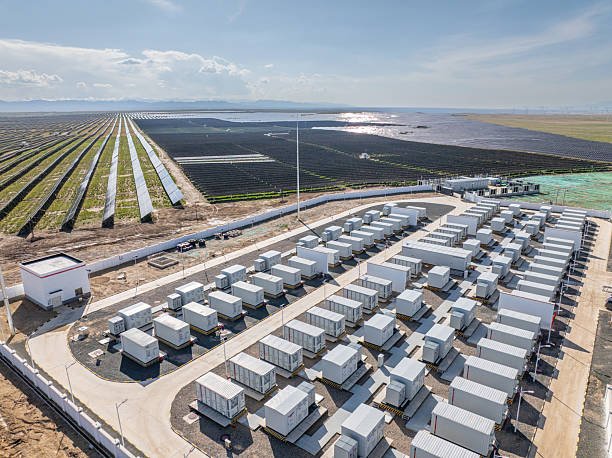
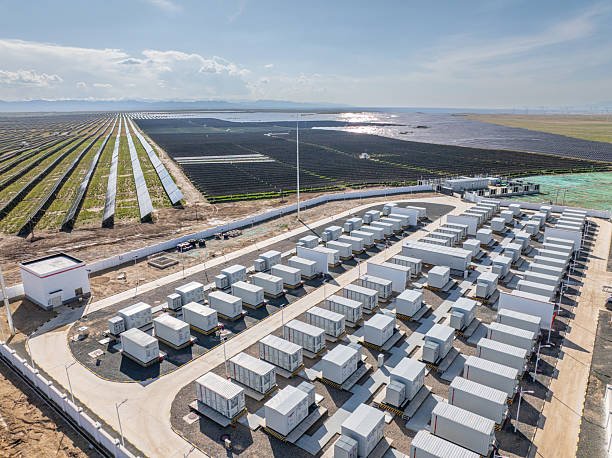
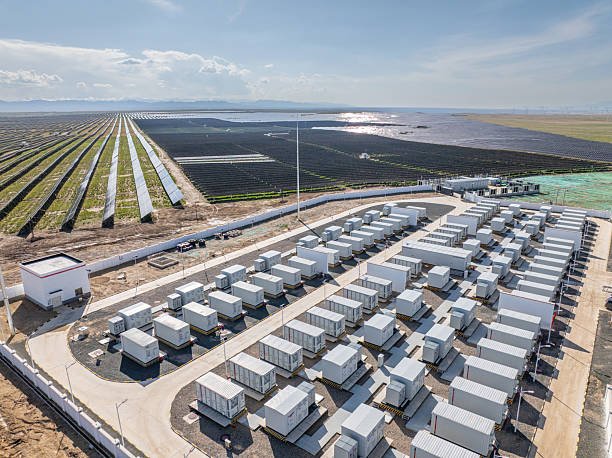
    Storage is the most urgent gap, and the government knows it. The Ministry of New and Renewable Energy has backed nearly 4,000 MWh of Battery Energy Storage capacity through a Viability Gap Funding scheme, and state-owned developers – NTPC and SECI chief among them – are actively tendering storage capacity alongside solar. These are real commitments. But the numbers still lag far behind what a grid carrying 100-plus gigawatts of solar actually demands. Until storage is treated as a co-requisite for utility solar – contracted alongside it, not bolted on as an afterthought – curtailment will persist and the grid will remain brittle at the edges of the day.

    On transmission, the picture is more encouraging. Green Energy Corridors Phase II – sanctioned at over ₹12,000 crore – is adding dedicated evacuation infrastructure in the states under the highest congestion. The waiver on inter-state transmission charges for renewable energy has removed a meaningful cost barrier for developers routing power across state lines. PGCIL’s long-term network planning is becoming more systematic. But project development still outpaces grid infrastructure by years, sometimes the better part of a decade. The planning cycle needs to front-load transmission – not follow generation in hoping to catch up.

    Forecasting and scheduling are areas where the regulatory framework has genuinely matured. CERC’s scheduling and forecasting regulations – now several years old – have created a structured foundation for grid operators to work with variable renewable output. The real-time electricity market adds a faster tool for intra-day balancing. What has lagged is enforcement. The accountability mechanisms when developers file inaccurate schedules or fail to meet dispatch obligations remain too weak to drive real discipline. The framework exists. The culture needed to make it work is still forming.

    Supply chain independence is a long game that India has committed to playing. The Production Linked Incentive scheme for high-efficiency solar modules – backed by over ₹24,000 crore – has triggered significant investment from domestic manufacturers. Waaree, Adani Solar, and Vikram Solar are scaling up capacity in a way that would have seemed unlikely five years ago. The Approved List of Models and Manufacturers provides a policy lever to preference domestic supply in government-backed projects. The domestic supply chain is still thin relative to India’s stated ambitions, but the direction is clear and the investment is real. The transition away from near-total import dependence is, for once, visibly underway.

    Finally, operations and maintenance: MNRE has issued sector-level O&M guidelines and BIS certification standards for solar modules are being tightened – both moves in the right direction. The deeper problem is structural. O&M is systematically underfunded across the project lifecycle, squeezed between developers optimising for upfront capital costs and asset managers operating under margin pressure. Guidelines matter. Incentives matter more. Until the economics of good maintenance are aligned – through performance-linked contracts, independent energy audits, or stricter commissioning standards – the guidelines will remain advisory in practice, and degradation will continue to silently erode the fleet’s output.

    India’s renewable energy narrative is dominated by capacity targets: how many gigawatts by when. These targets have been useful – they signal ambition, attract investment, and create a form of accountability. But they measure the wrong thing. A gigawatt of solar capacity that sits idle due to transmission congestion, underperforms due to poor maintenance, or introduces grid instability it cannot help absorb is not the same as a gigawatt that does not exist. In some ways it is worse, because it consumes capital and land and regulatory bandwidth while delivering less than it promised.

    Other countries have learned this lesson expensively. California built out solar rapidly and then spent years managing curtailment and stability problems. Germany’s Energiewende ran into transmission and balancing headaches that cost far more than anyone anticipated. India does not need to repeat these errors at scale. The advantage of arriving slightly later is the ability to observe what went wrong elsewhere and design around it – something India’s policymakers are, to their credit, beginning to do.

    India’s solar story is not in trouble. The fundamentals – irradiance, land availability, falling costs, genuine political will – remain intact, and the 500 GW target is achievable. What makes this moment different from those that came before is that the policy architecture for resilience is, for the first time, broadly in place. Storage funding, transmission investment, scheduling frameworks, manufacturing incentives, quality standards – the scaffolding exists. The work now is to execute at the speed and scale that matches the ambition, and to resist the pull of the next capacity headline at the expense of the less glamorous infrastructure that makes the existing capacity actually count.

    The gigawatts are there. The next decade is about making them work.

    -Bhavesh Patidar, Founder & CEO, Solarsure (A Nevron Group Company)