Author: abhishek2019cs034abesit@gmail.com

  • BRICS Summit 2026: Energy Leaders Call for Concrete Steps on Energy Security, Circular Economy, and Regional Supply Chains

    BRICS Summit 2026: Energy Leaders Call for Concrete Steps on Energy Security, Circular Economy, and Regional Supply Chains

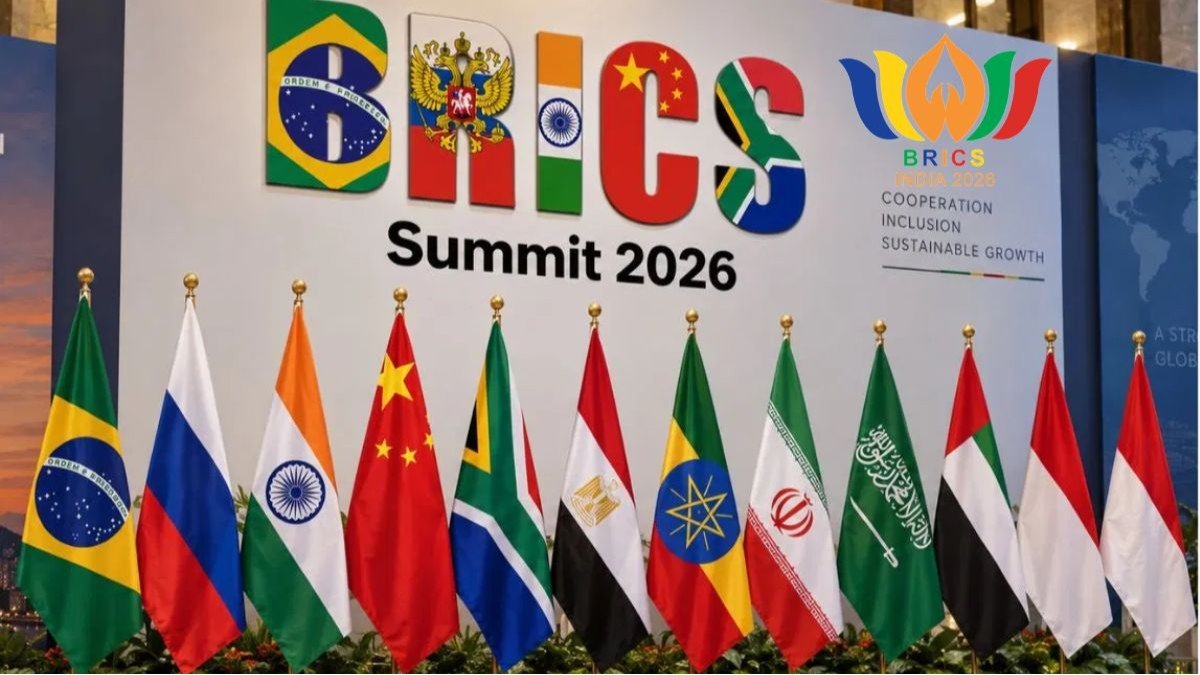
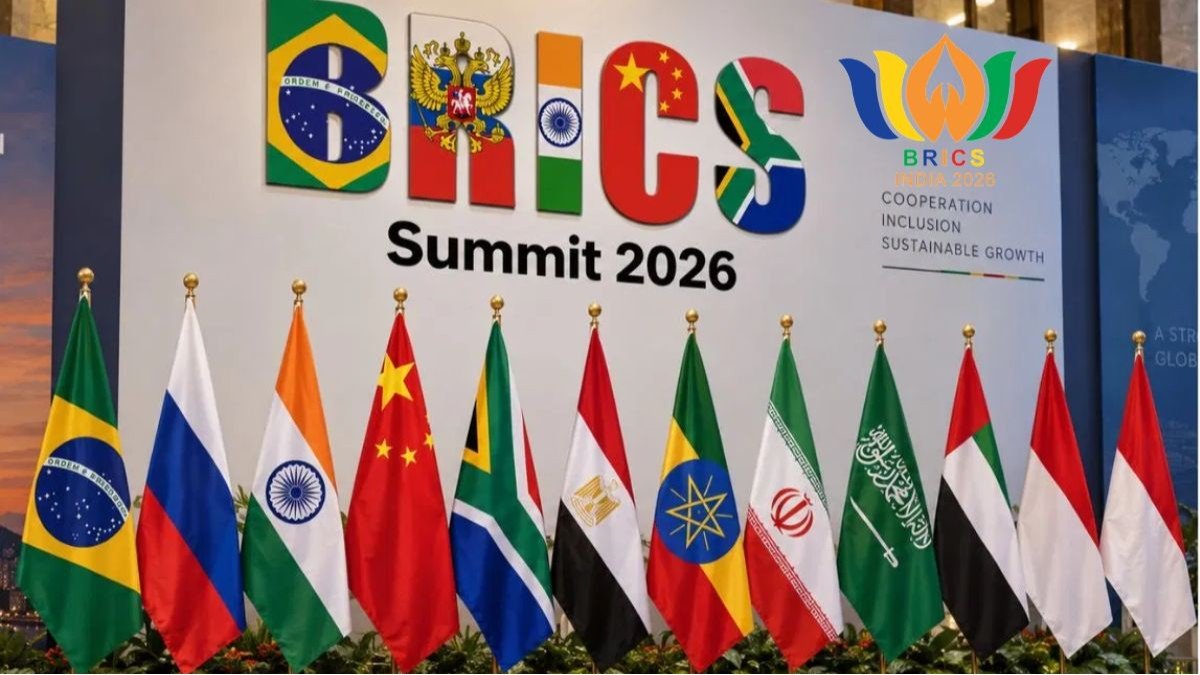
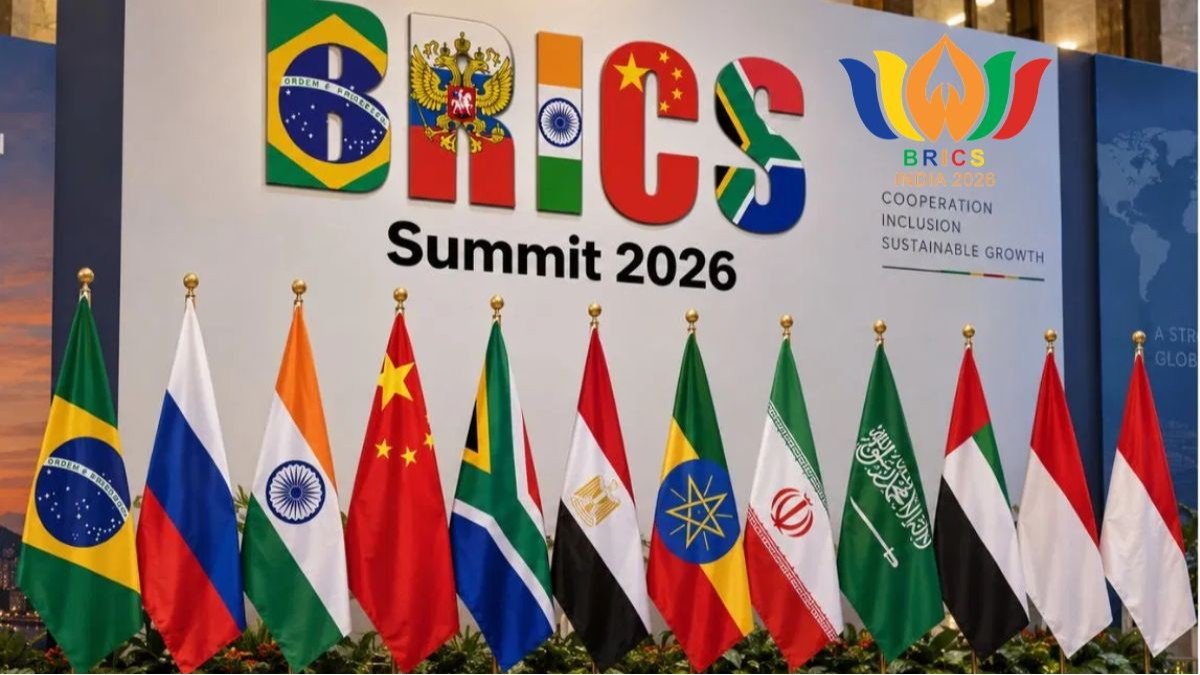
    As India hosts the pivotal BRICS Summit, energy security and economic resilience have surged to the top of the agenda. With BRICS now representing nearly half the world’s population and 40% of global GDP (PPP), the spotlight is on whether the bloc can turn its collective heft into real progress on clean energy and supply chain security. For decades, energy security meant stockpiling oil, gas, or coal. But the clean-energy transition has shifted vulnerabilities across the value chain, exposing new risks in critical minerals and advanced technologies.

    With global markets in flux and demand for key minerals increasing, Indian business and energy sector leaders view the BRICS Summit as a timely platform to transform discussions into meaningful progress and shared achievements.

    Debmalya Sen, President, India Energy Storage Alliance (IESA), said, “With India leading and major energy players like Russia, Iran, and the UAE at the table, the Summit’s agenda promises a shift from dialogue to decisive action. Key advances, like the BRICS Digital Centre of Excellence for Smart Grids and new principles for energy storage, set the stage for accelerated projects, harmonised standards, and stronger critical mineral supply chains. For India’s energy storage sector, this is a strategic inflection point to drive technical cooperation, innovation, and global leadership in clean technology.”

    Today, the global battery market has grown by over 35% in a single year, and just one refining nation now controls 72% of the world’s processed supply of key energy minerals. This shifting landscape is enabling BRICS to rethink its approach.

    Dr. Avishek Kumar, Founder & Director, Sunkonnect, said, “Today, the largest refining country controls 72% of refined supply for key energy minerals, and global battery demand has surged past 1.5 TWh, exposing new vulnerabilities. The goal should not be self-sufficiency, but to diversify strategic dependencies by mapping supply chains for minerals like lithium, graphite, and rare earths, and distributing manufacturing, processing, and recycling across our economies. We must also cut the cost of capital, unlock more than the $30 billion targeted by the New Development Bank, and prioritise local-currency lending.”

    Scaling up clean energy ambitions is not just about resources, it’s about translating strategy into scalable, real-world solutions.

    Kumar M, Founder & CEO, Smart Grid Analytics, said, “The launch of the BRICS Digital Centre of Excellence for Smart Grids and Energy Storage is a step forward, but the focus must now be on translating such initiatives into robust, scalable solutions. With global climate finance needs targeting USD 1.3 trillion by 2035, BRICS must drive mechanisms that lower the cost of capital for clean energy and infrastructure. Streamlining access to concessional finance, accelerating technology co-development, and building resilient supply chains should be at the heart of the Delhi Summit’s agenda.”

    Resource-rich economies can no longer afford to simply export raw materials while value-added processing and manufacturing remain concentrated elsewhere. Instead, the focus is shifting to maximising value at every stage and embedding sustainability into every link of the chain.

    Akhilesh Bagaria, Co-Founder, NavPrakriti, said, “With demand for minerals like lithium and rare earths accelerating, battery demand alone has jumped over 35% in a year; our challenge is not just to secure resources, but to maximise their value at every stage. The focus must now shift to building capacities for recycling, reprocessing, and innovation within BRICS, reducing waste and extending the lifecycle of critical materials. By investing in closed-loop supply chains and supporting policies that foster collaboration across member nations, BRICS can minimise vulnerabilities and set new standards for sustainable energy systems. ”

    Electric mobility is another front where BRICS can set a global example. With member countries seeing rapid uptake of EVs across both consumer and commercial markets, integrating renewable energy, critical minerals, and digital infrastructure is vital for a robust, future-ready ecosystem.

    Sandeep Mukherjee, CEO, BLive, said, “As BRICS nations accelerate the shift to clean transport, it’s essential to address not just the deployment of electric vehicles, but also the entire ecosystem. The Rio de Janeiro Declaration’s focus on benefit sharing and value addition is a timely reminder that BRICS must lead on localising battery manufacturing and recycling, ensuring these opportunities translate into jobs and economic growth. I’m optimistic that this year’s agenda will drive collaboration on grid modernisation, digital innovation, and affordable climate finance, creating a foundation for sustainable mobility and energy resilience that meets the unique needs of our diverse markets.”

    As the Delhi Summit unfolds, the call from industry and energy leaders, BRICS must use its collective power to drive real, measurable progress on diversification, circularity, and energy resilience, moving beyond strategies and statements to practical solutions that will define the next chapter for global growth.
  • BRICS Summit 2026: Energy Leaders Call for Concrete Steps on Energy Security, Circular Economy, and Regional Supply Chains

    BRICS Summit 2026: Energy Leaders Call for Concrete Steps on Energy Security, Circular Economy, and Regional Supply Chains

    As India hosts the pivotal BRICS Summit, energy security and economic resilience have surged to the top of the agenda. With BRICS now representing nearly half the world’s population and 40% of global GDP (PPP), the spotlight is on whether the bloc can turn its collective heft into real progress on clean energy and supply chain security. For decades, energy security meant stockpiling oil, gas, or coal. But the clean-energy transition has shifted vulnerabilities across the value chain, exposing new risks in critical minerals and advanced technologies.

    With global markets in flux and demand for key minerals increasing, Indian business and energy sector leaders view the BRICS Summit as a timely platform to transform discussions into meaningful progress and shared achievements.

    Debmalya Sen, President, India Energy Storage Alliance (IESA), said, “With India leading and major energy players like Russia, Iran, and the UAE at the table, the Summit’s agenda promises a shift from dialogue to decisive action. Key advances, like the BRICS Digital Centre of Excellence for Smart Grids and new principles for energy storage, set the stage for accelerated projects, harmonised standards, and stronger critical mineral supply chains. For India’s energy storage sector, this is a strategic inflection point to drive technical cooperation, innovation, and global leadership in clean technology.”

    Today, the global battery market has grown by over 35% in a single year, and just one refining nation now controls 72% of the world’s processed supply of key energy minerals. This shifting landscape is enabling BRICS to rethink its approach.

    Dr. Avishek Kumar, Founder & Director, Sunkonnect, said, “Today, the largest refining country controls 72% of refined supply for key energy minerals, and global battery demand has surged past 1.5 TWh, exposing new vulnerabilities. The goal should not be self-sufficiency, but to diversify strategic dependencies by mapping supply chains for minerals like lithium, graphite, and rare earths, and distributing manufacturing, processing, and recycling across our economies. We must also cut the cost of capital, unlock more than the $30 billion targeted by the New Development Bank, and prioritise local-currency lending.”

    Scaling up clean energy ambitions is not just about resources, it’s about translating strategy into scalable, real-world solutions.

    Kumar M, Founder & CEO, Smart Grid Analytics, said, “The launch of the BRICS Digital Centre of Excellence for Smart Grids and Energy Storage is a step forward, but the focus must now be on translating such initiatives into robust, scalable solutions. With global climate finance needs targeting USD 1.3 trillion by 2035, BRICS must drive mechanisms that lower the cost of capital for clean energy and infrastructure. Streamlining access to concessional finance, accelerating technology co-development, and building resilient supply chains should be at the heart of the Delhi Summit’s agenda.”

    Resource-rich economies can no longer afford to simply export raw materials while value-added processing and manufacturing remain concentrated elsewhere. Instead, the focus is shifting to maximising value at every stage and embedding sustainability into every link of the chain.

    Akhilesh Bagaria, Co-Founder, NavPrakriti, said, “With demand for minerals like lithium and rare earths accelerating, battery demand alone has jumped over 35% in a year; our challenge is not just to secure resources, but to maximise their value at every stage. The focus must now shift to building capacities for recycling, reprocessing, and innovation within BRICS, reducing waste and extending the lifecycle of critical materials. By investing in closed-loop supply chains and supporting policies that foster collaboration across member nations, BRICS can minimise vulnerabilities and set new standards for sustainable energy systems. ”

    Electric mobility is another front where BRICS can set a global example. With member countries seeing rapid uptake of EVs across both consumer and commercial markets, integrating renewable energy, critical minerals, and digital infrastructure is vital for a robust, future-ready ecosystem.

    Sandeep Mukherjee, CEO, BLive, said, “As BRICS nations accelerate the shift to clean transport, it’s essential to address not just the deployment of electric vehicles, but also the entire ecosystem. The Rio de Janeiro Declaration’s focus on benefit sharing and value addition is a timely reminder that BRICS must lead on localising battery manufacturing and recycling, ensuring these opportunities translate into jobs and economic growth. I’m optimistic that this year’s agenda will drive collaboration on grid modernisation, digital innovation, and affordable climate finance, creating a foundation for sustainable mobility and energy resilience that meets the unique needs of our diverse markets.”

    As the Delhi Summit unfolds, the call from industry and energy leaders, BRICS must use its collective power to drive real, measurable progress on diversification, circularity, and energy resilience, moving beyond strategies and statements to practical solutions that will define the next chapter for global growth.
  • BRICS Summit 2026: Energy Leaders Call for Concrete Steps on Energy Security, Circular Economy, and Regional Supply Chains

    BRICS Summit 2026: Energy Leaders Call for Concrete Steps on Energy Security, Circular Economy, and Regional Supply Chains

    As India hosts the pivotal BRICS Summit, energy security and economic resilience have surged to the top of the agenda. With BRICS now representing nearly half the world’s population and 40% of global GDP (PPP), the spotlight is on whether the bloc can turn its collective heft into real progress on clean energy and supply chain security. For decades, energy security meant stockpiling oil, gas, or coal. But the clean-energy transition has shifted vulnerabilities across the value chain, exposing new risks in critical minerals and advanced technologies.

    With global markets in flux and demand for key minerals increasing, Indian business and energy sector leaders view the BRICS Summit as a timely platform to transform discussions into meaningful progress and shared achievements.

    Debmalya Sen, President, India Energy Storage Alliance (IESA), said, “With India leading and major energy players like Russia, Iran, and the UAE at the table, the Summit’s agenda promises a shift from dialogue to decisive action. Key advances, like the BRICS Digital Centre of Excellence for Smart Grids and new principles for energy storage, set the stage for accelerated projects, harmonised standards, and stronger critical mineral supply chains. For India’s energy storage sector, this is a strategic inflection point to drive technical cooperation, innovation, and global leadership in clean technology.”

    Today, the global battery market has grown by over 35% in a single year, and just one refining nation now controls 72% of the world’s processed supply of key energy minerals. This shifting landscape is enabling BRICS to rethink its approach.

    Dr. Avishek Kumar, Founder & Director, Sunkonnect, said, “Today, the largest refining country controls 72% of refined supply for key energy minerals, and global battery demand has surged past 1.5 TWh, exposing new vulnerabilities. The goal should not be self-sufficiency, but to diversify strategic dependencies by mapping supply chains for minerals like lithium, graphite, and rare earths, and distributing manufacturing, processing, and recycling across our economies. We must also cut the cost of capital, unlock more than the $30 billion targeted by the New Development Bank, and prioritise local-currency lending.”

    Scaling up clean energy ambitions is not just about resources, it’s about translating strategy into scalable, real-world solutions.

    Kumar M, Founder & CEO, Smart Grid Analytics, said, “The launch of the BRICS Digital Centre of Excellence for Smart Grids and Energy Storage is a step forward, but the focus must now be on translating such initiatives into robust, scalable solutions. With global climate finance needs targeting USD 1.3 trillion by 2035, BRICS must drive mechanisms that lower the cost of capital for clean energy and infrastructure. Streamlining access to concessional finance, accelerating technology co-development, and building resilient supply chains should be at the heart of the Delhi Summit’s agenda.”

    Resource-rich economies can no longer afford to simply export raw materials while value-added processing and manufacturing remain concentrated elsewhere. Instead, the focus is shifting to maximising value at every stage and embedding sustainability into every link of the chain.

    Akhilesh Bagaria, Co-Founder, NavPrakriti, said, “With demand for minerals like lithium and rare earths accelerating, battery demand alone has jumped over 35% in a year; our challenge is not just to secure resources, but to maximise their value at every stage. The focus must now shift to building capacities for recycling, reprocessing, and innovation within BRICS, reducing waste and extending the lifecycle of critical materials. By investing in closed-loop supply chains and supporting policies that foster collaboration across member nations, BRICS can minimise vulnerabilities and set new standards for sustainable energy systems. ”

    Electric mobility is another front where BRICS can set a global example. With member countries seeing rapid uptake of EVs across both consumer and commercial markets, integrating renewable energy, critical minerals, and digital infrastructure is vital for a robust, future-ready ecosystem.

    Sandeep Mukherjee, CEO, BLive, said, “As BRICS nations accelerate the shift to clean transport, it’s essential to address not just the deployment of electric vehicles, but also the entire ecosystem. The Rio de Janeiro Declaration’s focus on benefit sharing and value addition is a timely reminder that BRICS must lead on localising battery manufacturing and recycling, ensuring these opportunities translate into jobs and economic growth. I’m optimistic that this year’s agenda will drive collaboration on grid modernisation, digital innovation, and affordable climate finance, creating a foundation for sustainable mobility and energy resilience that meets the unique needs of our diverse markets.”

    As the Delhi Summit unfolds, the call from industry and energy leaders, BRICS must use its collective power to drive real, measurable progress on diversification, circularity, and energy resilience, moving beyond strategies and statements to practical solutions that will define the next chapter for global growth.
  • BRICS Summit 2026: Energy Leaders Call for Concrete Steps on Energy Security, Circular Economy, and Regional Supply Chains

    As India hosts the pivotal BRICS Summit, energy security and economic resilience have surged to the top of the agenda. With BRICS now representing nearly half the world’s population and 40% of global GDP (PPP), the spotlight is on whether the bloc can turn its collective heft into real progress on clean energy and supply chain security. For decades, energy security meant stockpiling oil, gas, or coal. But the clean-energy transition has shifted vulnerabilities across the value chain, exposing new risks in critical minerals and advanced technologies.

    With global markets in flux and demand for key minerals increasing, Indian business and energy sector leaders view the BRICS Summit as a timely platform to transform discussions into meaningful progress and shared achievements.

    Debmalya Sen, President, India Energy Storage Alliance (IESA), said, “With India leading and major energy players like Russia, Iran, and the UAE at the table, the Summit’s agenda promises a shift from dialogue to decisive action. Key advances, like the BRICS Digital Centre of Excellence for Smart Grids and new principles for energy storage, set the stage for accelerated projects, harmonised standards, and stronger critical mineral supply chains. For India’s energy storage sector, this is a strategic inflection point to drive technical cooperation, innovation, and global leadership in clean technology.”

    Today, the global battery market has grown by over 35% in a single year, and just one refining nation now controls 72% of the world’s processed supply of key energy minerals. This shifting landscape is enabling BRICS to rethink its approach.

    Dr. Avishek Kumar, Founder & Director, Sunkonnect, said, “Today, the largest refining country controls 72% of refined supply for key energy minerals, and global battery demand has surged past 1.5 TWh, exposing new vulnerabilities. The goal should not be self-sufficiency, but to diversify strategic dependencies by mapping supply chains for minerals like lithium, graphite, and rare earths, and distributing manufacturing, processing, and recycling across our economies. We must also cut the cost of capital, unlock more than the $30 billion targeted by the New Development Bank, and prioritise local-currency lending.”

    Scaling up clean energy ambitions is not just about resources, it’s about translating strategy into scalable, real-world solutions.

    Kumar M, Founder & CEO, Smart Grid Analytics, said, “The launch of the BRICS Digital Centre of Excellence for Smart Grids and Energy Storage is a step forward, but the focus must now be on translating such initiatives into robust, scalable solutions. With global climate finance needs targeting USD 1.3 trillion by 2035, BRICS must drive mechanisms that lower the cost of capital for clean energy and infrastructure. Streamlining access to concessional finance, accelerating technology co-development, and building resilient supply chains should be at the heart of the Delhi Summit’s agenda.”

    Resource-rich economies can no longer afford to simply export raw materials while value-added processing and manufacturing remain concentrated elsewhere. Instead, the focus is shifting to maximising value at every stage and embedding sustainability into every link of the chain.

    Akhilesh Bagaria, Co-Founder, NavPrakriti, said, “With demand for minerals like lithium and rare earths accelerating, battery demand alone has jumped over 35% in a year; our challenge is not just to secure resources, but to maximise their value at every stage. The focus must now shift to building capacities for recycling, reprocessing, and innovation within BRICS, reducing waste and extending the lifecycle of critical materials. By investing in closed-loop supply chains and supporting policies that foster collaboration across member nations, BRICS can minimise vulnerabilities and set new standards for sustainable energy systems. ”

    Electric mobility is another front where BRICS can set a global example. With member countries seeing rapid uptake of EVs across both consumer and commercial markets, integrating renewable energy, critical minerals, and digital infrastructure is vital for a robust, future-ready ecosystem.

    Sandeep Mukherjee, CEO, BLive, said, “As BRICS nations accelerate the shift to clean transport, it’s essential to address not just the deployment of electric vehicles, but also the entire ecosystem. The Rio de Janeiro Declaration’s focus on benefit sharing and value addition is a timely reminder that BRICS must lead on localising battery manufacturing and recycling, ensuring these opportunities translate into jobs and economic growth. I’m optimistic that this year’s agenda will drive collaboration on grid modernisation, digital innovation, and affordable climate finance, creating a foundation for sustainable mobility and energy resilience that meets the unique needs of our diverse markets.”

    As the Delhi Summit unfolds, the call from industry and energy leaders, BRICS must use its collective power to drive real, measurable progress on diversification, circularity, and energy resilience, moving beyond strategies and statements to practical solutions that will define the next chapter for global growth.
  • SolarEdge Extends Collaboration with Infineon to Enable Solid-State Protection for 800 VDC AI Data Centers

    SolarEdge Extends Collaboration with Infineon to Enable Solid-State Protection for 800 VDC AI Data Centers

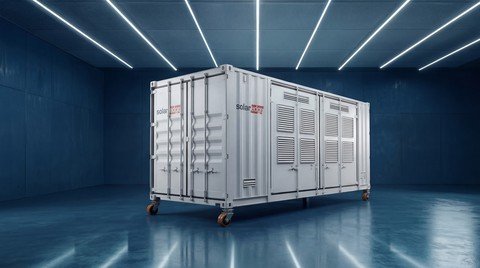
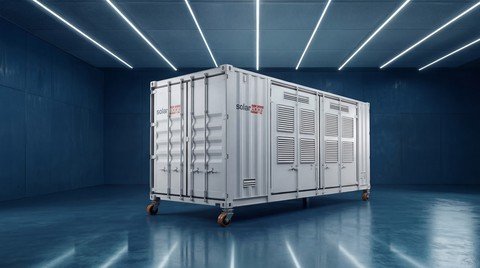
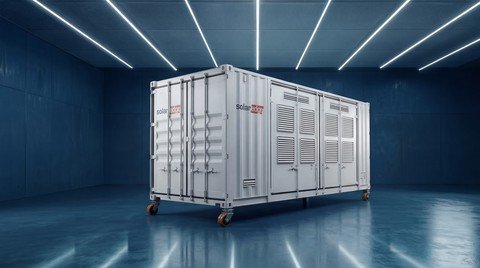
    SolarEdge Technologies, Inc. (NASDAQ: SEDG), a global leader in smart energy, and Infineon Technologies AG (FSE: IFX / OTCQX: IFNNY), a global semiconductor leader in power systems and IoT, today announced an extension of their collaboration to advance solid-state circuit breaker (SSCB) technology for high-voltage DC distribution in AI and hyperscale data centers. The collaboration addresses a key challenge in the adoption of 800 VDC architecture: Safe operation of increasingly power-dense infrastructure requires a very fast fault-isolation to achieve selectivity while maintaining high efficiency.

    Extending the collaboration to solid-state protection addresses a critical gap in the distribution layer between the solid-state transformer (SST) and the compute rack, advancing a comprehensive grid-to-rack solution. SolarEdge is leading the design of its SSCB solution, with Infineon providing its silicon carbide (SiC) JFET technology at the core of the protection devices.

    As rapidly increasing AI compute density drives the industry toward higher-voltage DC distribution, SSCBs address one of the most fundamental challenges in enabling safe and reliable operation. Unlike conventional alternating current (AC) systems, DC protection presents a different engineering challenge. Without a natural current zero, mechanical interruption faces challenges with arcing. It is comparatively slow, and as such requires a different approach to circuit protection than conventional AC systems. SSCBs are designed to interrupt faults within a few microseconds, with no mechanical contacts to separate, while Infineon’s CoolSiC™ JFET devices deliver efficient operation and superior robustness. Together, these capabilities help protect high-value compute equipment and enable more compact, higher-density DC distribution designs.

    The collaboration builds directly on SolarEdge’s SST platform with Infineon SiC components, first announced in November 2025. The SST is designed to enable direct medium-voltage (13.8-34.5 kV) to 800-1500 VDC conversion at over 99% efficiency, collapsing multiple conversion stages into a single solution while reducing physical footprint.

    “High-density AI infrastructure at 800 VDC demands uncompromising efficiency and protection,” said Shuki Nir, Chief Executive Officer of SolarEdge. “Solid-state protection will enable operators to achieve both, delivering ultra-fast and dependable fault isolation without sacrificing conversion performance. Infineon’s silicon carbide technology is what makes it practical at scale.”

    “Today’s data infrastructures have become more vulnerable to electrical faults, thereby driving the demand for smarter, faster and more robust power distribution systems,” said Andreas Weisl, Executive Vice President and Chief Sales Officer of Industrial & Infrastructure at Infineon. “By combining our advanced silicon carbide JFET technology with SolarEdge’s expertise in final power distribution, we are addressing these demands to ensure fast, safe and reliable operations in AI data centers.”

    Building on more than 20 years of leadership in DC-coupled power electronics, SolarEdge is developing an 800 VDC powertrain for AI factories, a DC-native chain that carries power from the medium-voltage grid connection through conversion, distribution and protection to the compute rack. Infineon’s broad portfolio of silicon, silicon carbide and gallium nitride solutions provides that foundation, supporting the decarbonization of AI infrastructure through lower losses, reduced environmental impact, and improved total cost of ownership.

  • SolarEdge Extends Collaboration with Infineon to Enable Solid-State Protection for 800 VDC AI Data Centers

    SolarEdge Extends Collaboration with Infineon to Enable Solid-State Protection for 800 VDC AI Data Centers

    SolarEdge Technologies, Inc. (NASDAQ: SEDG), a global leader in smart energy, and Infineon Technologies AG (FSE: IFX / OTCQX: IFNNY), a global semiconductor leader in power systems and IoT, today announced an extension of their collaboration to advance solid-state circuit breaker (SSCB) technology for high-voltage DC distribution in AI and hyperscale data centers. The collaboration addresses a key challenge in the adoption of 800 VDC architecture: Safe operation of increasingly power-dense infrastructure requires a very fast fault-isolation to achieve selectivity while maintaining high efficiency.

    Extending the collaboration to solid-state protection addresses a critical gap in the distribution layer between the solid-state transformer (SST) and the compute rack, advancing a comprehensive grid-to-rack solution. SolarEdge is leading the design of its SSCB solution, with Infineon providing its silicon carbide (SiC) JFET technology at the core of the protection devices.

    As rapidly increasing AI compute density drives the industry toward higher-voltage DC distribution, SSCBs address one of the most fundamental challenges in enabling safe and reliable operation. Unlike conventional alternating current (AC) systems, DC protection presents a different engineering challenge. Without a natural current zero, mechanical interruption faces challenges with arcing. It is comparatively slow, and as such requires a different approach to circuit protection than conventional AC systems. SSCBs are designed to interrupt faults within a few microseconds, with no mechanical contacts to separate, while Infineon’s CoolSiC™ JFET devices deliver efficient operation and superior robustness. Together, these capabilities help protect high-value compute equipment and enable more compact, higher-density DC distribution designs.

    The collaboration builds directly on SolarEdge’s SST platform with Infineon SiC components, first announced in November 2025. The SST is designed to enable direct medium-voltage (13.8-34.5 kV) to 800-1500 VDC conversion at over 99% efficiency, collapsing multiple conversion stages into a single solution while reducing physical footprint.

    “High-density AI infrastructure at 800 VDC demands uncompromising efficiency and protection,” said Shuki Nir, Chief Executive Officer of SolarEdge. “Solid-state protection will enable operators to achieve both, delivering ultra-fast and dependable fault isolation without sacrificing conversion performance. Infineon’s silicon carbide technology is what makes it practical at scale.”

    “Today’s data infrastructures have become more vulnerable to electrical faults, thereby driving the demand for smarter, faster and more robust power distribution systems,” said Andreas Weisl, Executive Vice President and Chief Sales Officer of Industrial & Infrastructure at Infineon. “By combining our advanced silicon carbide JFET technology with SolarEdge’s expertise in final power distribution, we are addressing these demands to ensure fast, safe and reliable operations in AI data centers.”

    Building on more than 20 years of leadership in DC-coupled power electronics, SolarEdge is developing an 800 VDC powertrain for AI factories, a DC-native chain that carries power from the medium-voltage grid connection through conversion, distribution and protection to the compute rack. Infineon’s broad portfolio of silicon, silicon carbide and gallium nitride solutions provides that foundation, supporting the decarbonization of AI infrastructure through lower losses, reduced environmental impact, and improved total cost of ownership.

  • SolarEdge Extends Collaboration with Infineon to Enable Solid-State Protection for 800 VDC AI Data Centers

    SolarEdge Extends Collaboration with Infineon to Enable Solid-State Protection for 800 VDC AI Data Centers

    SolarEdge Technologies, Inc. (NASDAQ: SEDG), a global leader in smart energy, and Infineon Technologies AG (FSE: IFX / OTCQX: IFNNY), a global semiconductor leader in power systems and IoT, today announced an extension of their collaboration to advance solid-state circuit breaker (SSCB) technology for high-voltage DC distribution in AI and hyperscale data centers. The collaboration addresses a key challenge in the adoption of 800 VDC architecture: Safe operation of increasingly power-dense infrastructure requires a very fast fault-isolation to achieve selectivity while maintaining high efficiency.

    Extending the collaboration to solid-state protection addresses a critical gap in the distribution layer between the solid-state transformer (SST) and the compute rack, advancing a comprehensive grid-to-rack solution. SolarEdge is leading the design of its SSCB solution, with Infineon providing its silicon carbide (SiC) JFET technology at the core of the protection devices.

    As rapidly increasing AI compute density drives the industry toward higher-voltage DC distribution, SSCBs address one of the most fundamental challenges in enabling safe and reliable operation. Unlike conventional alternating current (AC) systems, DC protection presents a different engineering challenge. Without a natural current zero, mechanical interruption faces challenges with arcing. It is comparatively slow, and as such requires a different approach to circuit protection than conventional AC systems. SSCBs are designed to interrupt faults within a few microseconds, with no mechanical contacts to separate, while Infineon’s CoolSiC™ JFET devices deliver efficient operation and superior robustness. Together, these capabilities help protect high-value compute equipment and enable more compact, higher-density DC distribution designs.

    The collaboration builds directly on SolarEdge’s SST platform with Infineon SiC components, first announced in November 2025. The SST is designed to enable direct medium-voltage (13.8-34.5 kV) to 800-1500 VDC conversion at over 99% efficiency, collapsing multiple conversion stages into a single solution while reducing physical footprint.

    “High-density AI infrastructure at 800 VDC demands uncompromising efficiency and protection,” said Shuki Nir, Chief Executive Officer of SolarEdge. “Solid-state protection will enable operators to achieve both, delivering ultra-fast and dependable fault isolation without sacrificing conversion performance. Infineon’s silicon carbide technology is what makes it practical at scale.”

    “Today’s data infrastructures have become more vulnerable to electrical faults, thereby driving the demand for smarter, faster and more robust power distribution systems,” said Andreas Weisl, Executive Vice President and Chief Sales Officer of Industrial & Infrastructure at Infineon. “By combining our advanced silicon carbide JFET technology with SolarEdge’s expertise in final power distribution, we are addressing these demands to ensure fast, safe and reliable operations in AI data centers.”

    Building on more than 20 years of leadership in DC-coupled power electronics, SolarEdge is developing an 800 VDC powertrain for AI factories, a DC-native chain that carries power from the medium-voltage grid connection through conversion, distribution and protection to the compute rack. Infineon’s broad portfolio of silicon, silicon carbide and gallium nitride solutions provides that foundation, supporting the decarbonization of AI infrastructure through lower losses, reduced environmental impact, and improved total cost of ownership.

  • SolarEdge Extends Collaboration with Infineon to Enable Solid-State Protection for 800 VDC AI Data Centers

    SolarEdge Technologies, Inc. (NASDAQ: SEDG), a global leader in smart energy, and Infineon Technologies AG (FSE: IFX / OTCQX: IFNNY), a global semiconductor leader in power systems and IoT, today announced an extension of their collaboration to advance solid-state circuit breaker (SSCB) technology for high-voltage DC distribution in AI and hyperscale data centers. The collaboration addresses a key challenge in the adoption of 800 VDC architecture: Safe operation of increasingly power-dense infrastructure requires a very fast fault-isolation to achieve selectivity while maintaining high efficiency.

    Extending the collaboration to solid-state protection addresses a critical gap in the distribution layer between the solid-state transformer (SST) and the compute rack, advancing a comprehensive grid-to-rack solution. SolarEdge is leading the design of its SSCB solution, with Infineon providing its silicon carbide (SiC) JFET technology at the core of the protection devices.

    As rapidly increasing AI compute density drives the industry toward higher-voltage DC distribution, SSCBs address one of the most fundamental challenges in enabling safe and reliable operation. Unlike conventional alternating current (AC) systems, DC protection presents a different engineering challenge. Without a natural current zero, mechanical interruption faces challenges with arcing. It is comparatively slow, and as such requires a different approach to circuit protection than conventional AC systems. SSCBs are designed to interrupt faults within a few microseconds, with no mechanical contacts to separate, while Infineon’s CoolSiC™ JFET devices deliver efficient operation and superior robustness. Together, these capabilities help protect high-value compute equipment and enable more compact, higher-density DC distribution designs.

    The collaboration builds directly on SolarEdge’s SST platform with Infineon SiC components, first announced in November 2025. The SST is designed to enable direct medium-voltage (13.8-34.5 kV) to 800-1500 VDC conversion at over 99% efficiency, collapsing multiple conversion stages into a single solution while reducing physical footprint.

    “High-density AI infrastructure at 800 VDC demands uncompromising efficiency and protection,” said Shuki Nir, Chief Executive Officer of SolarEdge. “Solid-state protection will enable operators to achieve both, delivering ultra-fast and dependable fault isolation without sacrificing conversion performance. Infineon’s silicon carbide technology is what makes it practical at scale.”

    “Today’s data infrastructures have become more vulnerable to electrical faults, thereby driving the demand for smarter, faster and more robust power distribution systems,” said Andreas Weisl, Executive Vice President and Chief Sales Officer of Industrial & Infrastructure at Infineon. “By combining our advanced silicon carbide JFET technology with SolarEdge’s expertise in final power distribution, we are addressing these demands to ensure fast, safe and reliable operations in AI data centers.”

    Building on more than 20 years of leadership in DC-coupled power electronics, SolarEdge is developing an 800 VDC powertrain for AI factories, a DC-native chain that carries power from the medium-voltage grid connection through conversion, distribution and protection to the compute rack. Infineon’s broad portfolio of silicon, silicon carbide and gallium nitride solutions provides that foundation, supporting the decarbonization of AI infrastructure through lower losses, reduced environmental impact, and improved total cost of ownership.

  • Small Hydro Power Can Play Distinctive Role in India’s Clean Energy Transition: Shripad Yesso Naik

    Small Hydro Power Can Play Distinctive Role in India’s Clean Energy Transition: Shripad Yesso Naik

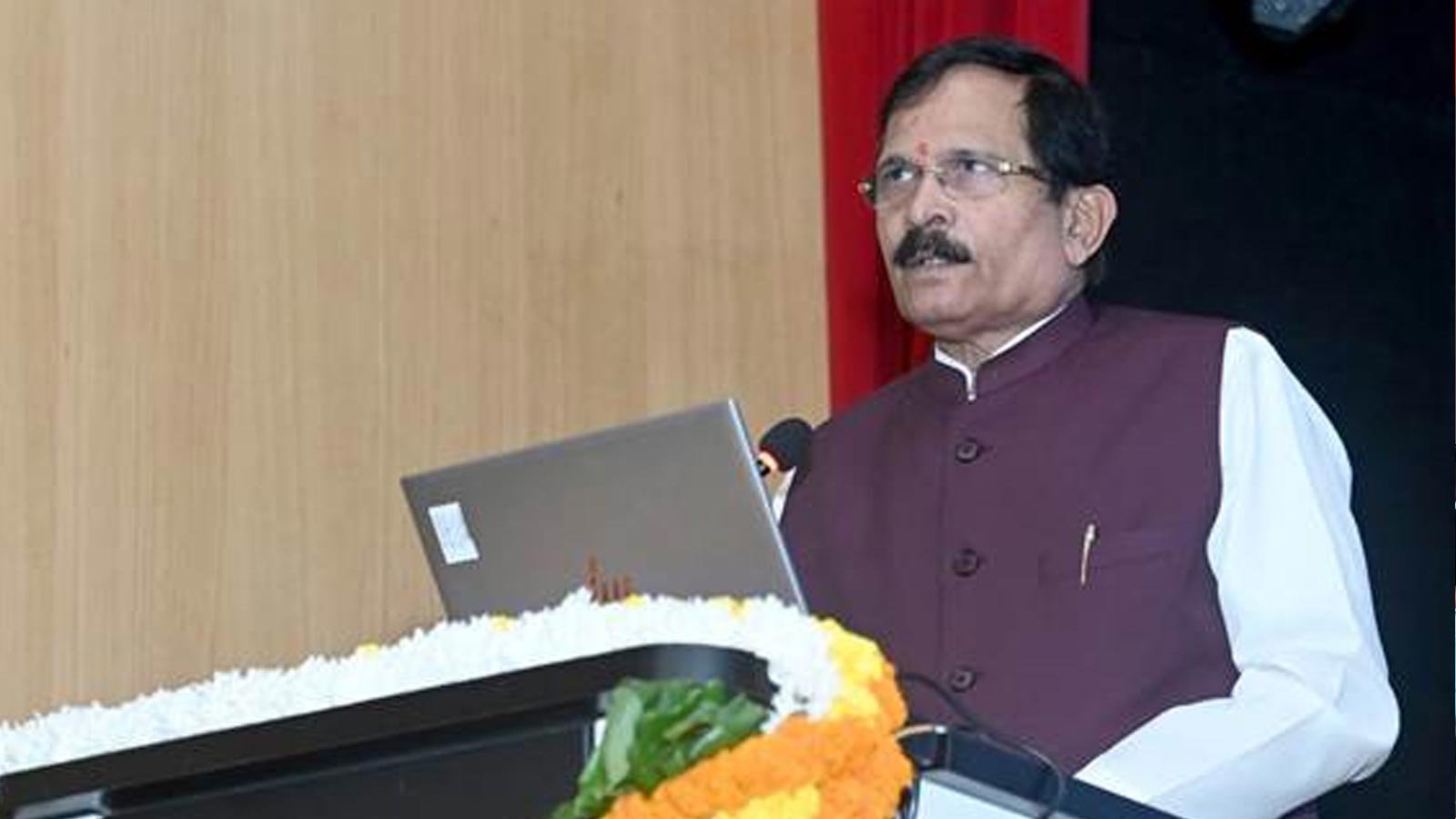
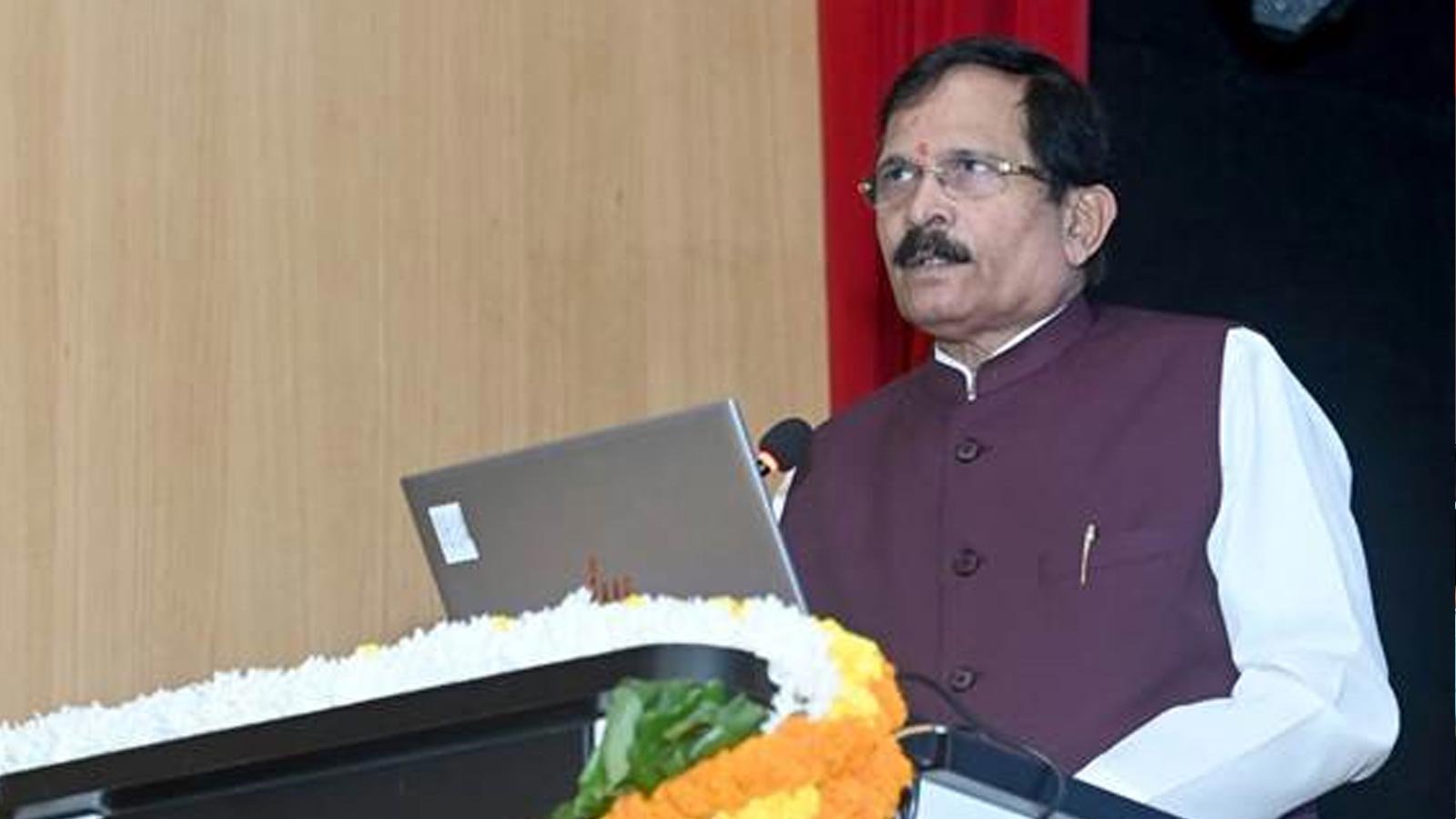
    Small Hydro Power (SHP) can play a significant role in strengthening India’s clean energy transition, energy security and decentralised power generation, particularly in remote and geographically challenging regions, Union Minister of State for New and Renewable Energy and Power Shripad Yesso Naik said.

    Speaking at the curtain-raiser programme for the dedicated SHP session at the Bharat Renewable Energy Summit & Expo 2026 in New Delhi, Naik emphasised the need for a diverse and resilient renewable energy portfolio suited to India’s geography and development needs.

    India has an assessed Small Hydro Power potential of around 21 GW across more than 7,100 identified sites. However, only about 5.2 GW of this potential has been harnessed so far, highlighting significant scope for further development.

    According to Naik, SHP can contribute beyond additional generation capacity by supporting decentralised electricity supply, employment generation and socio-economic development in remote areas. Where technically and environmentally feasible, run-of-river projects can also offer renewable power with relatively lower land requirements and without the large-scale submergence and displacement associated with major reservoir-based projects.

    The Minister highlighted the government’s proposed Small Hydro Power Development Scheme for 2026-27 to 2030-31, which has an outlay of ₹2,584.60 crore. The scheme targets the development of around 1,500 MW of new SHP capacity and seeks to incentivise states to prepare Detailed Project Reports (DPRs) for approximately 200 projects.

    Naik also called for stronger collaboration among the Centre and state governments, project developers, financial institutions, technology providers and investors. He stressed the importance of policy certainty, streamlined approvals, improved ease of doing business, stronger Centre-State coordination and enhanced project bankability.

    MNRE Secretary Santosh Kumar Sarangi identified long project lead times as one of the key challenges facing hydropower development. Delays in forest, environmental and right-of-way clearances can affect project execution timelines, he noted.

    Sarangi also highlighted the need to improve the bankability of SHP projects, given their distinctive cash-flow profiles and requirement for long-term patient capital. He urged the Indian Renewable Energy Development Agency (IREDA) to work with banks and multilateral institutions, including the Asian Development Bank and the World Bank, to facilitate greater access to such financing.

    The dedicated Small Hydro Power session at the Bharat Renewable Energy Summit & Expo 2026 is scheduled for November 2–5 at Bharat Mandapam, New Delhi. The session will focus on policy reforms, investment, financing, technology and partnerships for the development of India’s small hydro sector.

  • Small Hydro Power Can Play Distinctive Role in India’s Clean Energy Transition: Shripad Yesso Naik

    Small Hydro Power Can Play Distinctive Role in India’s Clean Energy Transition: Shripad Yesso Naik

    Small Hydro Power (SHP) can play a significant role in strengthening India’s clean energy transition, energy security and decentralised power generation, particularly in remote and geographically challenging regions, Union Minister of State for New and Renewable Energy and Power Shripad Yesso Naik said.

    Speaking at the curtain-raiser programme for the dedicated SHP session at the Bharat Renewable Energy Summit & Expo 2026 in New Delhi, Naik emphasised the need for a diverse and resilient renewable energy portfolio suited to India’s geography and development needs.

    India has an assessed Small Hydro Power potential of around 21 GW across more than 7,100 identified sites. However, only about 5.2 GW of this potential has been harnessed so far, highlighting significant scope for further development.

    According to Naik, SHP can contribute beyond additional generation capacity by supporting decentralised electricity supply, employment generation and socio-economic development in remote areas. Where technically and environmentally feasible, run-of-river projects can also offer renewable power with relatively lower land requirements and without the large-scale submergence and displacement associated with major reservoir-based projects.

    The Minister highlighted the government’s proposed Small Hydro Power Development Scheme for 2026-27 to 2030-31, which has an outlay of ₹2,584.60 crore. The scheme targets the development of around 1,500 MW of new SHP capacity and seeks to incentivise states to prepare Detailed Project Reports (DPRs) for approximately 200 projects.

    Naik also called for stronger collaboration among the Centre and state governments, project developers, financial institutions, technology providers and investors. He stressed the importance of policy certainty, streamlined approvals, improved ease of doing business, stronger Centre-State coordination and enhanced project bankability.

    MNRE Secretary Santosh Kumar Sarangi identified long project lead times as one of the key challenges facing hydropower development. Delays in forest, environmental and right-of-way clearances can affect project execution timelines, he noted.

    Sarangi also highlighted the need to improve the bankability of SHP projects, given their distinctive cash-flow profiles and requirement for long-term patient capital. He urged the Indian Renewable Energy Development Agency (IREDA) to work with banks and multilateral institutions, including the Asian Development Bank and the World Bank, to facilitate greater access to such financing.

    The dedicated Small Hydro Power session at the Bharat Renewable Energy Summit & Expo 2026 is scheduled for November 2–5 at Bharat Mandapam, New Delhi. The session will focus on policy reforms, investment, financing, technology and partnerships for the development of India’s small hydro sector.