Author: abhishek2019cs034abesit@gmail.com

  • Saatvik Green Energy Subsidiary Applies for ALMM List-II Enlistment for 2.4 GW Solar Cell Facility

    Saatvik Green Energy Subsidiary Applies for ALMM List-II Enlistment for 2.4 GW Solar Cell Facility

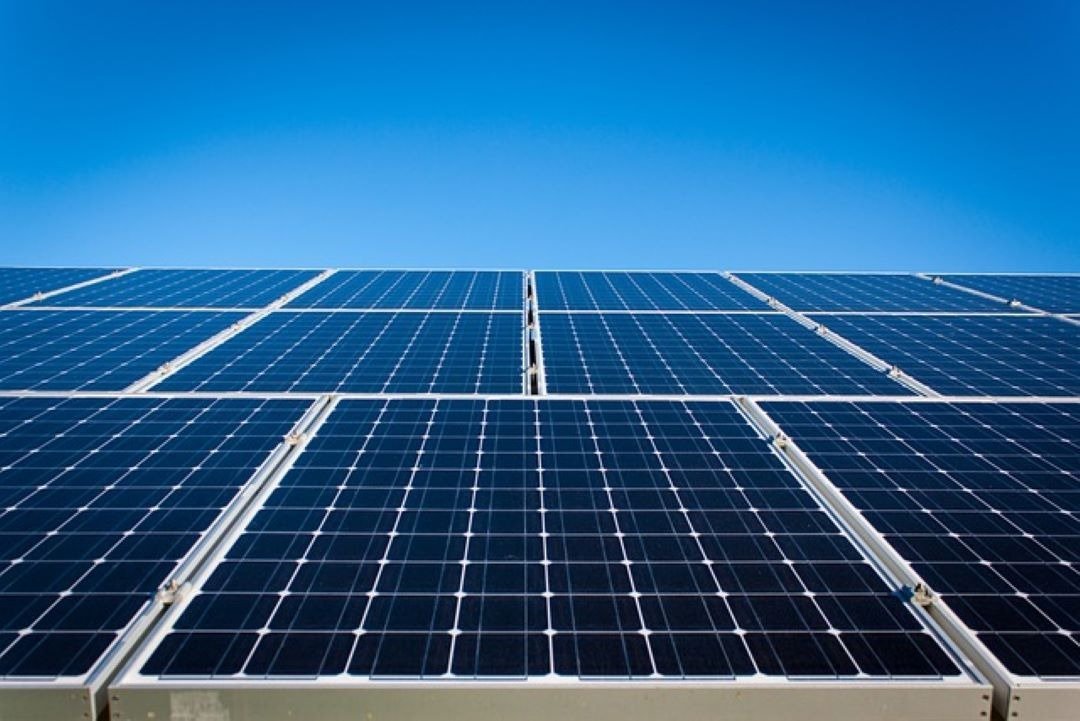
    Saatvik Solar Industries Private Limited, a subsidiary of Saatvik Green Energy Limited, has applied for enlistment under the Approved List of Models and Manufacturers (ALMM) List-II for its 2.4 GW solar cell manufacturing facility in Ganjam, Odisha. The application was filed with the Ministry of New and Renewable Energy (MNRE) on September 1, 2026.

    The application covers monocrystalline bifacial N-TOPCon G12R solar cells under the Domestic Content Requirement (DCR) category. The proposed facility has an applied manufacturing capacity of 2,400 MW and is designed to produce high-efficiency, high-wattage solar cells using advanced N-TOPCon technology.

    The facility, located in Ganjam district of Odisha, is part of Saatvik’s broader strategy to expand its manufacturing capabilities upstream from solar modules into solar cell production. The company currently has 4.86 GW of module manufacturing capacity in Haryana, and the Odisha project is intended to strengthen its integrated solar manufacturing footprint.

    The solar cells proposed under the application will be manufactured under the DCR category, which is particularly relevant for renewable energy projects that are required to source specified components from domestic manufacturers. The ALMM framework maintained by MNRE includes List-I for solar PV modules and List-II for solar PV cells. The first ALMM list for solar PV cells was issued in July 2025 and is updated periodically.

    Saatvik’s Odisha manufacturing project forms part of a larger greenfield integrated facility planned by the company. Phase I comprises 2.4 GW of solar cell manufacturing capacity and 4 GW of module manufacturing capacity, with the company moving towards commissioning and commercialisation of the facility. An ALMM List-II inspection had been planned for September as part of the commissioning process.

    The company has also announced a Phase II expansion involving an additional 3.6 GW of solar cell manufacturing capacity at Gopalpur in Ganjam district. Saatvik Solar Industries signed an MoU with the Industrial Promotion and Investment Corporation of Odisha Limited (IPICOL) for the proposed expansion, with commercial production targeted for FY28.

    The latest ALMM application therefore represents an important regulatory and operational milestone for Saatvik’s Odisha manufacturing programme. Once enlisted, the facility’s eligible products would be positioned to cater to projects requiring compliance with India’s domestic sourcing requirements.

    The development also reflects the company’s efforts to build a more integrated domestic solar manufacturing value chain, covering both solar cells and modules. By adding large-scale N-TOPCon cell manufacturing capacity, Saatvik is seeking to strengthen its control over upstream production while supporting the growing demand for domestically manufactured solar components.

    Saatvik Green Energy is expanding its manufacturing presence in Odisha and increasing its participation across India’s rapidly growing solar PV manufacturing ecosystem.

  • Saatvik Green Energy Subsidiary Applies for ALMM List-II Enlistment for 2.4 GW Solar Cell Facility

    Saatvik Solar Industries Private Limited, a subsidiary of Saatvik Green Energy Limited, has applied for enlistment under the Approved List of Models and Manufacturers (ALMM) List-II for its 2.4 GW solar cell manufacturing facility in Ganjam, Odisha. The application was filed with the Ministry of New and Renewable Energy (MNRE) on September 1, 2026.

    The application covers monocrystalline bifacial N-TOPCon G12R solar cells under the Domestic Content Requirement (DCR) category. The proposed facility has an applied manufacturing capacity of 2,400 MW and is designed to produce high-efficiency, high-wattage solar cells using advanced N-TOPCon technology.

    The facility, located in Ganjam district of Odisha, is part of Saatvik’s broader strategy to expand its manufacturing capabilities upstream from solar modules into solar cell production. The company currently has 4.86 GW of module manufacturing capacity in Haryana, and the Odisha project is intended to strengthen its integrated solar manufacturing footprint.

    The solar cells proposed under the application will be manufactured under the DCR category, which is particularly relevant for renewable energy projects that are required to source specified components from domestic manufacturers. The ALMM framework maintained by MNRE includes List-I for solar PV modules and List-II for solar PV cells. The first ALMM list for solar PV cells was issued in July 2025 and is updated periodically.

    Saatvik’s Odisha manufacturing project forms part of a larger greenfield integrated facility planned by the company. Phase I comprises 2.4 GW of solar cell manufacturing capacity and 4 GW of module manufacturing capacity, with the company moving towards commissioning and commercialisation of the facility. An ALMM List-II inspection had been planned for September as part of the commissioning process.

    The company has also announced a Phase II expansion involving an additional 3.6 GW of solar cell manufacturing capacity at Gopalpur in Ganjam district. Saatvik Solar Industries signed an MoU with the Industrial Promotion and Investment Corporation of Odisha Limited (IPICOL) for the proposed expansion, with commercial production targeted for FY28.

    The latest ALMM application therefore represents an important regulatory and operational milestone for Saatvik’s Odisha manufacturing programme. Once enlisted, the facility’s eligible products would be positioned to cater to projects requiring compliance with India’s domestic sourcing requirements.

    The development also reflects the company’s efforts to build a more integrated domestic solar manufacturing value chain, covering both solar cells and modules. By adding large-scale N-TOPCon cell manufacturing capacity, Saatvik is seeking to strengthen its control over upstream production while supporting the growing demand for domestically manufactured solar components.

    Saatvik Green Energy is expanding its manufacturing presence in Odisha and increasing its participation across India’s rapidly growing solar PV manufacturing ecosystem.
  • Gopalpur Industrial Park Draws ₹65,400 Crore Investment Pipeline in Green Energy, Advanced Manufacturing

    Gopalpur Industrial Park Draws ₹65,400 Crore Investment Pipeline in Green Energy, Advanced Manufacturing

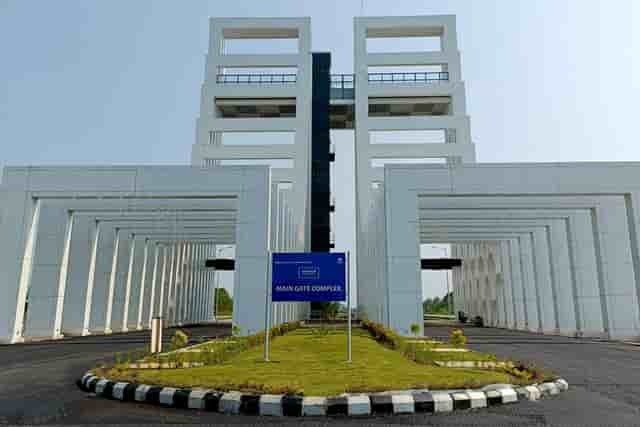
    Gopalpur Industrial Park (GIP) in Odisha’s Ganjam district is emerging as a major hub for green energy and advanced manufacturing in eastern India, with a cumulative investment pipeline of more than ₹65,400 crore. Developed by Tata Steel Special Economic Zone Ltd (TSSEZL), a wholly owned subsidiary of Tata Steel, the industrial park has attracted projects across green hydrogen, renewable energy equipment, speciality chemicals, tyres, mineral processing and food processing.

    One of the latest developments is a proposed 0.4 million tonne per annum Green Ammonia plant along with a jetty-less floating terminal at the industrial park. The proposal follows the signing of a Memorandum of Cooperation between the Odisha government, Japan-based IHI Corporation, ACME Group and TSSEZL. The project is expected to further strengthen Odisha’s clean-energy ecosystem.

    The park is also set to receive a proposed ₹10,000-crore investment from Tata Power Renewable Energy Ltd (TPREL). TSSEZL and TPREL have executed a binding land transfer agreement for the project, which will focus on the manufacturing of solar ingots and wafers. The proposed facility is expected to strengthen Gopalpur’s position as a manufacturing hub for renewable-energy equipment and support India’s clean-energy ambitions.

    Manikanta Naik, Managing Director, TSSEZL, said the company’s vision of developing Gopalpur Industrial Park into a globally competitive industrial destination was taking shape. He highlighted the role of major infrastructure projects for the supply of power and water to the industrial park by the Government of Odisha in supporting its development. He also said TSSEZL remained committed to creating world-class infrastructure and an investor-friendly ecosystem for sustainable industrial growth.

    Spread across nearly 2,970 acres, Gopalpur Industrial Park offers land in both the Special Economic Zone (SEZ) and Domestic Tariff Area (DTA). The park is equipped with internal roads, power and water supply systems, drainage infrastructure, environmental clearances and multimodal connectivity, providing an integrated base for industrial development.

    The park has attracted companies across several sectors. Avaada GreenH2, Ocior Energy, Hygenco, Saatvik Solar Industries, World Green Energy, SRF Ltd, ATC Tires and Tata Steel, among others, have established or announced projects at GIP. These investments are contributing to the development of a broader industrial ecosystem around green energy, advanced manufacturing and related sectors.

    The growing investment pipeline is also expected to generate direct and indirect employment opportunities while strengthening Odisha’s position as a destination for low-carbon manufacturing. The concentration of renewable-energy and advanced-manufacturing projects is gradually transforming Gopalpur into an important industrial cluster on India’s eastern coast.

    Gopalpur Industrial Park was recently recognised with the ‘Smart Industrial Park’ award by Maritime Gateway for excellence in industrial infrastructure and innovation. The award was presented at the Smart Logistics Summit & Awards 2026 in Bhubaneswar.

  • Gopalpur Industrial Park Draws ₹65,400 Crore Investment Pipeline in Green Energy, Advanced Manufacturing

    Gopalpur Industrial Park (GIP) in Odisha’s Ganjam district is emerging as a major hub for green energy and advanced manufacturing in eastern India, with a cumulative investment pipeline of more than ₹65,400 crore. Developed by Tata Steel Special Economic Zone Ltd (TSSEZL), a wholly owned subsidiary of Tata Steel, the industrial park has attracted projects across green hydrogen, renewable energy equipment, speciality chemicals, tyres, mineral processing and food processing.

    One of the latest developments is a proposed 0.4 million tonne per annum Green Ammonia plant along with a jetty-less floating terminal at the industrial park. The proposal follows the signing of a Memorandum of Cooperation between the Odisha government, Japan-based IHI Corporation, ACME Group and TSSEZL. The project is expected to further strengthen Odisha’s clean-energy ecosystem.

    The park is also set to receive a proposed ₹10,000-crore investment from Tata Power Renewable Energy Ltd (TPREL). TSSEZL and TPREL have executed a binding land transfer agreement for the project, which will focus on the manufacturing of solar ingots and wafers. The proposed facility is expected to strengthen Gopalpur’s position as a manufacturing hub for renewable-energy equipment and support India’s clean-energy ambitions.

    Manikanta Naik, Managing Director, TSSEZL, said the company’s vision of developing Gopalpur Industrial Park into a globally competitive industrial destination was taking shape. He highlighted the role of major infrastructure projects for the supply of power and water to the industrial park by the Government of Odisha in supporting its development. He also said TSSEZL remained committed to creating world-class infrastructure and an investor-friendly ecosystem for sustainable industrial growth.

    Spread across nearly 2,970 acres, Gopalpur Industrial Park offers land in both the Special Economic Zone (SEZ) and Domestic Tariff Area (DTA). The park is equipped with internal roads, power and water supply systems, drainage infrastructure, environmental clearances and multimodal connectivity, providing an integrated base for industrial development.

    The park has attracted companies across several sectors. Avaada GreenH2, Ocior Energy, Hygenco, Saatvik Solar Industries, World Green Energy, SRF Ltd, ATC Tires and Tata Steel, among others, have established or announced projects at GIP. These investments are contributing to the development of a broader industrial ecosystem around green energy, advanced manufacturing and related sectors.

    The growing investment pipeline is also expected to generate direct and indirect employment opportunities while strengthening Odisha’s position as a destination for low-carbon manufacturing. The concentration of renewable-energy and advanced-manufacturing projects is gradually transforming Gopalpur into an important industrial cluster on India’s eastern coast.

    Gopalpur Industrial Park was recently recognised with the ‘Smart Industrial Park’ award by Maritime Gateway for excellence in industrial infrastructure and innovation. The award was presented at the Smart Logistics Summit & Awards 2026 in Bhubaneswar.

  • KPI Green Energy Receives LOI for 76.6 MW DC Wind-Solar Hybrid Power Project in Gujarat

    KPI Green Energy Receives LOI for 76.6 MW DC Wind-Solar Hybrid Power Project in Gujarat

    KPI Green Energy Limited has received a Letter of Intent (LOI) for the development of a 33.6/76.6 MW DC Wind-Solar Hybrid Power Project under a Group Captive arrangement in Gujarat. 

    The project will be developed for a domestic private body corporate and will involve the establishment of a Special Purpose Vehicle (SPV) for its development, ownership and operation.

    The hybrid project comprises 33.6 MW of wind capacity and 33.6 MW AC/43 MW DC of solar capacity, aggregating to 33.6/76.6 MW DC. The project is being undertaken under the Group Captive framework as part of KPI Green Energy’s renewable energy business.

    Under the terms disclosed by the company, KPI Green Energy will complete the project’s development, construction and commissioning within 14 months from Stage-2 connectivity, and in any case no later than December 31, 2027. The Energy Supply Agreement will have a 25-year term from the Commencement Date.

    The company said the project strengthens its presence in the commercial and industrial (C&I) and Group Captive renewable energy segments, while further enhancing its capabilities across wind, solar and hybrid power. The LOI also adds to the company’s order book and supports its strategy of expanding through Independent Power Producer (IPP), Group Captive and Engineering, Procurement and Construction (EPC) opportunities.

    According to the regulatory disclosure, the LOI has been awarded by a domestic entity and represents a Group Captive Renewable Energy Partnership.

  • KPI Green Energy Receives LOI for 76.6 MW DC Wind-Solar Hybrid Power Project in Gujarat

    KPI Green Energy Limited has received a Letter of Intent (LOI) for the development of a 33.6/76.6 MW DC Wind-Solar Hybrid Power Project under a Group Captive arrangement in Gujarat. 

    The project will be developed for a domestic private body corporate and will involve the establishment of a Special Purpose Vehicle (SPV) for its development, ownership and operation.

    The hybrid project comprises 33.6 MW of wind capacity and 33.6 MW AC/43 MW DC of solar capacity, aggregating to 33.6/76.6 MW DC. The project is being undertaken under the Group Captive framework as part of KPI Green Energy’s renewable energy business.

    Under the terms disclosed by the company, KPI Green Energy will complete the project’s development, construction and commissioning within 14 months from Stage-2 connectivity, and in any case no later than December 31, 2027. The Energy Supply Agreement will have a 25-year term from the Commencement Date.

    The company said the project strengthens its presence in the commercial and industrial (C&I) and Group Captive renewable energy segments, while further enhancing its capabilities across wind, solar and hybrid power. The LOI also adds to the company’s order book and supports its strategy of expanding through Independent Power Producer (IPP), Group Captive and Engineering, Procurement and Construction (EPC) opportunities.

    According to the regulatory disclosure, the LOI has been awarded by a domestic entity and represents a Group Captive Renewable Energy Partnership.

  • Tata Power Renewable Energy Commissions 100 MW Group Captive Solar Project in Kayathar, Crosses 7 GW Milestone

    Tata Power Renewable Energy Commissions 100 MW Group Captive Solar Project in Kayathar, Crosses 7 GW Milestone

    Tata Power Renewable Energy Limited (TPREL) has commissioned a 100 MW Group Captive Solar Project at Kayathar, Tamil Nadu, taking its utility renewable energy portfolio to 12.3 GW and its operational capacity beyond the 7 GW milestone. 

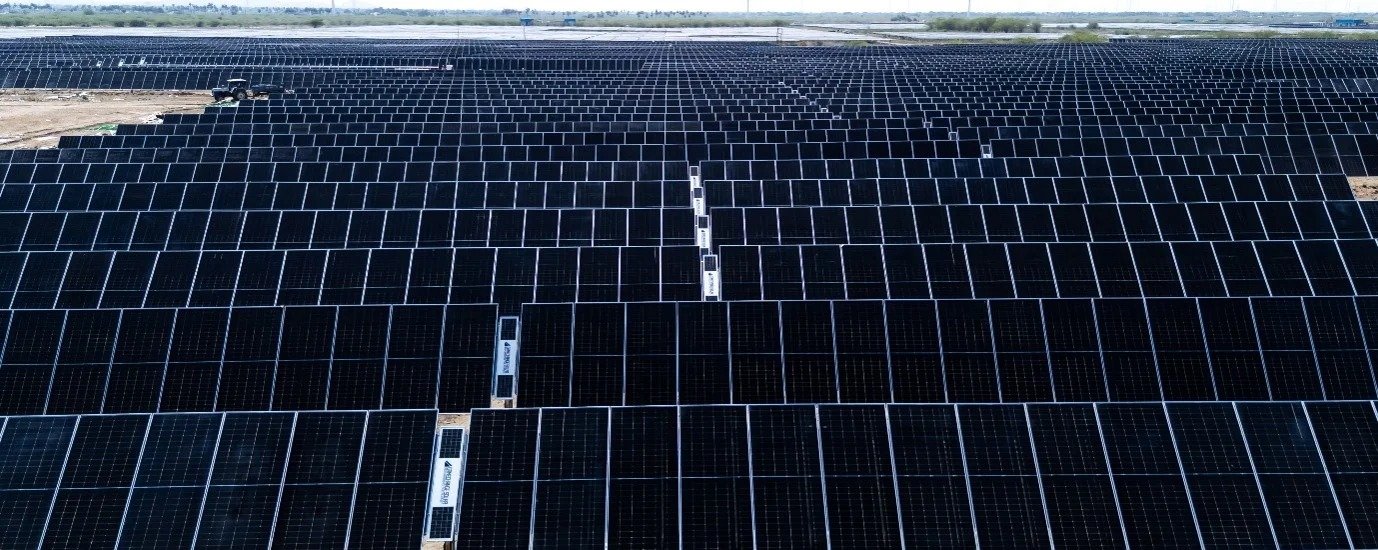
    Tata Power Renewable Energy Limited (TPREL), one of India’s leading renewable energy companies, a subsidiary of The Tata Power Company Limited, has successfully commissioned its 100 MW Group Captive Solar Project (TNGC-2) at Vellalankottai and Nalandhula villages in Kayathar, Tamil Nadu. With this commissioning, TPREL utility portfolio now grows to 12.3 GW and has surpassed the landmark 7 GW operational capacity milestone, reinforcing its position as a leading force in India’s clean energy transition. 

    The project will supply clean power to TP Solar Limited (40.625 MW), Tata Power’s solar manufacturing arm producing high-efficiency solar cells and modules, Tata Electronics Private Limited (53.125 MW), a leading electronics manufacturing company focused on semiconductors, precision engineering and advanced electronics and Tata Realty And Infrastructure Limited (6.25 MW), Tata Group’s real estate and infrastructure development company, reinforcing Tata Group Companies’ commitment to sustainable operations and accelerating India’s clean energy transition. 

    The project is designed to generate 240.63 million units (MUs) of clean electricity annually and is expected to offset approximately 1.5 lakh tonnes of CO₂ emissions per annum. 

    One of the key highlights of the project is the first-of-its-kind deployment of the Flexible Terrain Compatible (FTC) Single Axis Tracker technology in India for a Tata project. Equipped with 2,61,660 Mono PERC bifacial solar modules, the project is engineered to maximise energy generation while improving operational efficiency across varying terrain conditions. 

    The project highlights TPREL’s expertise in executing large-scale solar projects through engineering excellence, best-in-class construction practices and a steadfast focus on quality. The power generated will be transmitted through the Kayathar 400 kV Grid Substation (GSS), ensuring reliable evacuation and efficient delivery of renewable energy to the beneficiary companies. 

    The Company’s 7 GW operational capacity comprise more than 5.7 GW of solar and 1.3 GW of wind energy assets. Further strengthening its growth trajectory, TPREL has an additional 5.3 GW under various stages of development, including 2.2 GW of solar and 3.1 GW of wind projects, which are slated for phased commissioning over the next 6 to 24 months. 

    This project further reinforces TPREL’s position as a leader in India’s renewable energy transition and reflects its continued commitment to delivering innovative, high-quality renewable energy solutions that support the country’s target of achieving 500 GW of non-fossil fuel capacity by 2030. 

    With extensive expertise in large scale renewable energy assets, the company operates a broad portfolio of large-scale projects encompassing utility-scale solar, floating solar, and Battery Energy Storage System (BESS) projects. 

  • Tata Power Renewable Energy Commissions 100 MW Group Captive Solar Project in Kayathar, Crosses 7 GW Milestone

    Tata Power Renewable Energy Limited (TPREL) has commissioned a 100 MW Group Captive Solar Project at Kayathar, Tamil Nadu, taking its utility renewable energy portfolio to 12.3 GW and its operational capacity beyond the 7 GW milestone. 

    Tata Power Renewable Energy Limited (TPREL), one of India’s leading renewable energy companies, a subsidiary of The Tata Power Company Limited, has successfully commissioned its 100 MW Group Captive Solar Project (TNGC-2) at Vellalankottai and Nalandhula villages in Kayathar, Tamil Nadu. With this commissioning, TPREL utility portfolio now grows to 12.3 GW and has surpassed the landmark 7 GW operational capacity milestone, reinforcing its position as a leading force in India’s clean energy transition. 

    The project will supply clean power to TP Solar Limited (40.625 MW), Tata Power’s solar manufacturing arm producing high-efficiency solar cells and modules, Tata Electronics Private Limited (53.125 MW), a leading electronics manufacturing company focused on semiconductors, precision engineering and advanced electronics and Tata Realty And Infrastructure Limited (6.25 MW), Tata Group’s real estate and infrastructure development company, reinforcing Tata Group Companies’ commitment to sustainable operations and accelerating India’s clean energy transition. 

    The project is designed to generate 240.63 million units (MUs) of clean electricity annually and is expected to offset approximately 1.5 lakh tonnes of CO₂ emissions per annum. 

    One of the key highlights of the project is the first-of-its-kind deployment of the Flexible Terrain Compatible (FTC) Single Axis Tracker technology in India for a Tata project. Equipped with 2,61,660 Mono PERC bifacial solar modules, the project is engineered to maximise energy generation while improving operational efficiency across varying terrain conditions. 

    The project highlights TPREL’s expertise in executing large-scale solar projects through engineering excellence, best-in-class construction practices and a steadfast focus on quality. The power generated will be transmitted through the Kayathar 400 kV Grid Substation (GSS), ensuring reliable evacuation and efficient delivery of renewable energy to the beneficiary companies. 

    The Company’s 7 GW operational capacity comprise more than 5.7 GW of solar and 1.3 GW of wind energy assets. Further strengthening its growth trajectory, TPREL has an additional 5.3 GW under various stages of development, including 2.2 GW of solar and 3.1 GW of wind projects, which are slated for phased commissioning over the next 6 to 24 months. 

    This project further reinforces TPREL’s position as a leader in India’s renewable energy transition and reflects its continued commitment to delivering innovative, high-quality renewable energy solutions that support the country’s target of achieving 500 GW of non-fossil fuel capacity by 2030. 

    With extensive expertise in large scale renewable energy assets, the company operates a broad portfolio of large-scale projects encompassing utility-scale solar, floating solar, and Battery Energy Storage System (BESS) projects. 

  • Solis Earns Tier 1 Recognition from Both S&P Global Energy and BloombergNEF

    Solis has been recognized as a Tier 1 global solar inverter manufacturer by both S&P Global Energy and BloombergNEF (BNEF) in their latest Tier 1 rankings, marking another milestone in the company’s continued growth across the global solar and energy storage market.

    The recognition builds on Solis’ first inclusion in the BloombergNEF Tier 1 ranking in 2023 and reflects the company’s sustained performance in product competitiveness, technological innovation and global market presence. Recognition from two of the world’s leading energy research institutions further strengthens Solis’ position among the leading solar inverter manufacturers worldwide.

    More than 20 years of technology development

    Founded in 2005, Solis has spent more than two decades developing power electronics and solar energy technologies. Supported by strong R&D capabilities and a continued focus on core technologies, the company has expanded its expertise beyond solar inverters into energy storage and intelligent energy management.

    Today, Solis provides solutions across residential, commercial and industrial (C&I), and utility-scale applications, supporting everything from distributed solar generation and backup power to energy storage and large-scale renewable energy integration.

    From solar inverters to integrated energy solutions

    As energy systems become increasingly interconnected, the role of the inverter is evolving. Solar generation, energy storage, backup generation and electrical loads increasingly need to work together to provide greater flexibility, reliability and resilience.

    Solis is responding to this shift with solutions designed to integrate solar, energy storage, diesel generation and loads within a coordinated energy system. This reflects the company’s broader evolution from a solar inverter manufacturer into a provider of intelligent solar and energy storage solution.

  • Solis Earns Tier 1 Recognition from Both S&P Global Energy and BloombergNEF

    Solis has been recognized as a Tier 1 global solar inverter manufacturer by both S&P Global Energy and BloombergNEF (BNEF) in their latest Tier 1 rankings, marking another milestone in the company’s continued growth across the global solar and energy storage market.

    The recognition builds on Solis’ first inclusion in the BloombergNEF Tier 1 ranking in 2023 and reflects the company’s sustained performance in product competitiveness, technological innovation and global market presence. Recognition from two of the world’s leading energy research institutions further strengthens Solis’ position among the leading solar inverter manufacturers worldwide.

    More than 20 years of technology development

    Founded in 2005, Solis has spent more than two decades developing power electronics and solar energy technologies. Supported by strong R&D capabilities and a continued focus on core technologies, the company has expanded its expertise beyond solar inverters into energy storage and intelligent energy management.

    Today, Solis provides solutions across residential, commercial and industrial (C&I), and utility-scale applications, supporting everything from distributed solar generation and backup power to energy storage and large-scale renewable energy integration.

    From solar inverters to integrated energy solutions

    As energy systems become increasingly interconnected, the role of the inverter is evolving. Solar generation, energy storage, backup generation and electrical loads increasingly need to work together to provide greater flexibility, reliability and resilience.

    Solis is responding to this shift with solutions designed to integrate solar, energy storage, diesel generation and loads within a coordinated energy system. This reflects the company’s broader evolution from a solar inverter manufacturer into a provider of intelligent solar and energy storage solution.