Category: All News

  • Ola Electric Unveils Shakti Energy Storage Portfolio Across Home, Commercial and Grid-Scale Applications

    Ola Electric Unveils Shakti Energy Storage Portfolio Across Home, Commercial and Grid-Scale Applications

    On India’s 80th Independence Day, Ola Electric unveiled an expansion of its Shakti energy storage portfolio-designed to store energy when it is available and deploy it when it is needed-from keeping a home powered through an outage to managing renewable energy at grid scale.

    Built around indigenous LFP battery technology and the company’s vertically integrated cell-to-system capabilities, Ola Shakti creates a single architecture across three markets: home energy with Shakti Gen2, commercial and infrastructure energy with Shakti Rack, and industrial and utility-scale energy with Mahashakti.

    Bhavish Aggarwal, Chairman and Managing Director, Ola Electric, said, “The use cases of our world-class battery and cell technology will manifest beyond electric mobility. Ola Shakti extends that innovation across every scale-from the home to the grid-helping India store and use clean energy intelligently. It is the natural next step as we leverage our Gigafactory, indigenous LFP cells and nationwide network to deliver reliable, affordable energy storage without incremental capital intensity.”

    Shakti Gen2 serves as the residential entry point, combining battery backup, intelligent energy management and solar storage in one system. The 4.6 kWh model carries an introductory price of INR 99,999 and the 9.2 kWh model INR 1,74,999.

    For businesses, Shakti AC Rack and Shakti DC Rack extend the same storage architecture into commercial applications. The AC Rack integrates battery and inverter into a single system; the DC Rack interfaces directly with compatible DC infrastructure. Both are modular and scheduled for availability from March 2027.

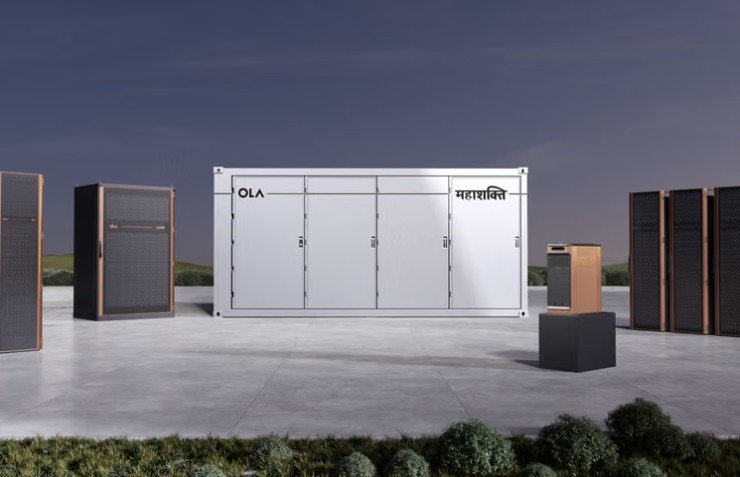
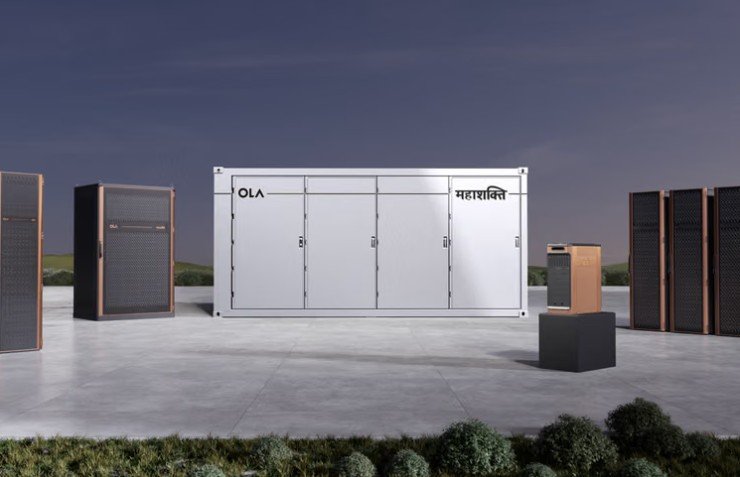
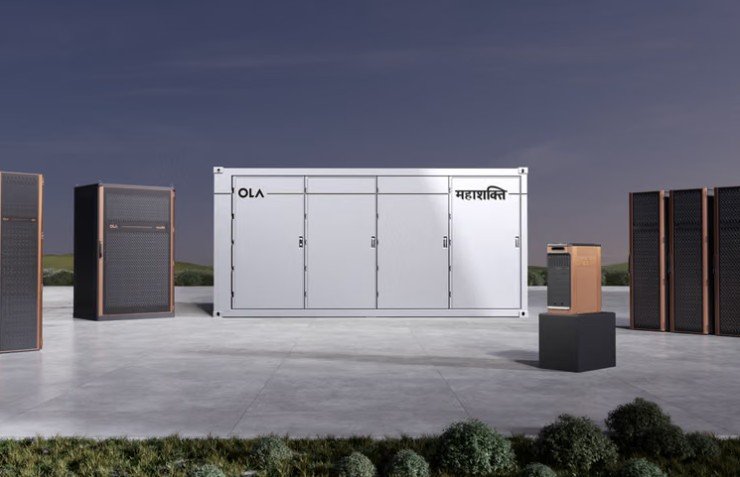
    At the top of the portfolio, Mahashakti moves Ola Shakti into industrial and grid-scale storage. Mahashakti Rack addresses large commercial and industrial loads, while the 6.26 MWh Mahashakti container is designed for utility-scale projects. The architecture can scale from a single container to GWh-scale energy storage plants.

    India faces a significant energy storage opportunity. Central Electricity Authority estimates and industry projections indicate the country will require hundreds of GWh of storage capacity by the early 2030s to support renewable integration, grid reliability and the national goal of 500 GW non-fossil capacity. Ola Electric has already signed an MoU with Axis Energy for the potential deployment of up to 20 GWh of battery energy storage systems by 2032 under the Mahashakti platform-described by the company as one of the largest announced domestic deployments of indigenous battery storage technology.

    Ola Shakti leverages the company’s Krishnagiri Gigafactory, indigenous LFP cell technology (all energy storage products will use LFP) and existing distribution reach. The company has positioned the portfolio as a cell-to-pack vertically integrated offering, aiming to deliver advantages in safety, supply-chain security and total cost of ownership.
  • Ola Electric Unveils Shakti Energy Storage Portfolio Across Home, Commercial and Grid-Scale Applications

    Ola Electric Unveils Shakti Energy Storage Portfolio Across Home, Commercial and Grid-Scale Applications

    On India’s 80th Independence Day, Ola Electric unveiled an expansion of its Shakti energy storage portfolio-designed to store energy when it is available and deploy it when it is needed-from keeping a home powered through an outage to managing renewable energy at grid scale.

    Built around indigenous LFP battery technology and the company’s vertically integrated cell-to-system capabilities, Ola Shakti creates a single architecture across three markets: home energy with Shakti Gen2, commercial and infrastructure energy with Shakti Rack, and industrial and utility-scale energy with Mahashakti.

    Bhavish Aggarwal, Chairman and Managing Director, Ola Electric, said, “The use cases of our world-class battery and cell technology will manifest beyond electric mobility. Ola Shakti extends that innovation across every scale-from the home to the grid-helping India store and use clean energy intelligently. It is the natural next step as we leverage our Gigafactory, indigenous LFP cells and nationwide network to deliver reliable, affordable energy storage without incremental capital intensity.”

    Shakti Gen2 serves as the residential entry point, combining battery backup, intelligent energy management and solar storage in one system. The 4.6 kWh model carries an introductory price of INR 99,999 and the 9.2 kWh model INR 1,74,999.

    For businesses, Shakti AC Rack and Shakti DC Rack extend the same storage architecture into commercial applications. The AC Rack integrates battery and inverter into a single system; the DC Rack interfaces directly with compatible DC infrastructure. Both are modular and scheduled for availability from March 2027.

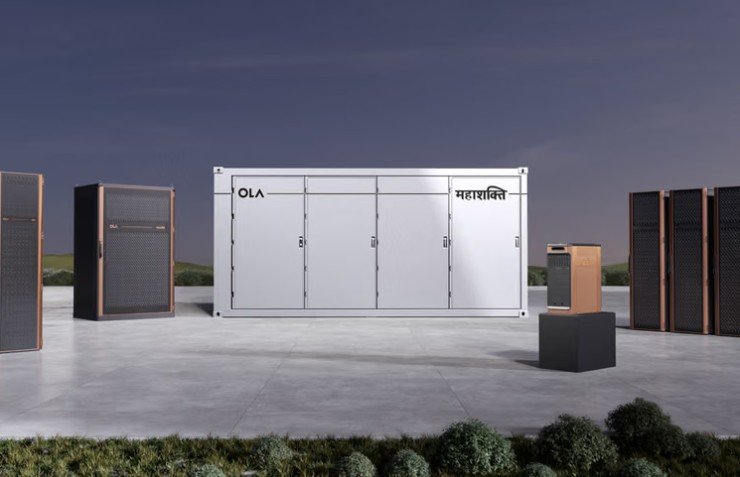
    At the top of the portfolio, Mahashakti moves Ola Shakti into industrial and grid-scale storage. Mahashakti Rack addresses large commercial and industrial loads, while the 6.26 MWh Mahashakti container is designed for utility-scale projects. The architecture can scale from a single container to GWh-scale energy storage plants.

    India faces a significant energy storage opportunity. Central Electricity Authority estimates and industry projections indicate the country will require hundreds of GWh of storage capacity by the early 2030s to support renewable integration, grid reliability and the national goal of 500 GW non-fossil capacity. Ola Electric has already signed an MoU with Axis Energy for the potential deployment of up to 20 GWh of battery energy storage systems by 2032 under the Mahashakti platform-described by the company as one of the largest announced domestic deployments of indigenous battery storage technology.

    Ola Shakti leverages the company’s Krishnagiri Gigafactory, indigenous LFP cell technology (all energy storage products will use LFP) and existing distribution reach. The company has positioned the portfolio as a cell-to-pack vertically integrated offering, aiming to deliver advantages in safety, supply-chain security and total cost of ownership.
  • Ola Electric Unveils Shakti Energy Storage Portfolio Across Home, Commercial and Grid-Scale Applications

    Ola Electric Unveils Shakti Energy Storage Portfolio Across Home, Commercial and Grid-Scale Applications

    On India’s 80th Independence Day, Ola Electric unveiled an expansion of its Shakti energy storage portfolio-designed to store energy when it is available and deploy it when it is needed-from keeping a home powered through an outage to managing renewable energy at grid scale.

    Built around indigenous LFP battery technology and the company’s vertically integrated cell-to-system capabilities, Ola Shakti creates a single architecture across three markets: home energy with Shakti Gen2, commercial and infrastructure energy with Shakti Rack, and industrial and utility-scale energy with Mahashakti.

    Bhavish Aggarwal, Chairman and Managing Director, Ola Electric, said, “The use cases of our world-class battery and cell technology will manifest beyond electric mobility. Ola Shakti extends that innovation across every scale-from the home to the grid-helping India store and use clean energy intelligently. It is the natural next step as we leverage our Gigafactory, indigenous LFP cells and nationwide network to deliver reliable, affordable energy storage without incremental capital intensity.”

    Shakti Gen2 serves as the residential entry point, combining battery backup, intelligent energy management and solar storage in one system. The 4.6 kWh model carries an introductory price of INR 99,999 and the 9.2 kWh model INR 1,74,999.

    For businesses, Shakti AC Rack and Shakti DC Rack extend the same storage architecture into commercial applications. The AC Rack integrates battery and inverter into a single system; the DC Rack interfaces directly with compatible DC infrastructure. Both are modular and scheduled for availability from March 2027.

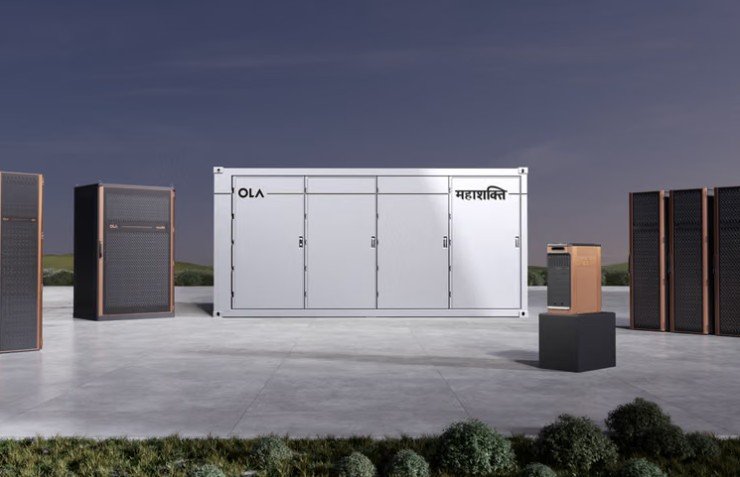
    At the top of the portfolio, Mahashakti moves Ola Shakti into industrial and grid-scale storage. Mahashakti Rack addresses large commercial and industrial loads, while the 6.26 MWh Mahashakti container is designed for utility-scale projects. The architecture can scale from a single container to GWh-scale energy storage plants.

    India faces a significant energy storage opportunity. Central Electricity Authority estimates and industry projections indicate the country will require hundreds of GWh of storage capacity by the early 2030s to support renewable integration, grid reliability and the national goal of 500 GW non-fossil capacity. Ola Electric has already signed an MoU with Axis Energy for the potential deployment of up to 20 GWh of battery energy storage systems by 2032 under the Mahashakti platform-described by the company as one of the largest announced domestic deployments of indigenous battery storage technology.

    Ola Shakti leverages the company’s Krishnagiri Gigafactory, indigenous LFP cell technology (all energy storage products will use LFP) and existing distribution reach. The company has positioned the portfolio as a cell-to-pack vertically integrated offering, aiming to deliver advantages in safety, supply-chain security and total cost of ownership.
  • Ola Electric Unveils Shakti Energy Storage Portfolio Across Home, Commercial and Grid-Scale Applications

    Ola Electric Unveils Shakti Energy Storage Portfolio Across Home, Commercial and Grid-Scale Applications

    On India’s 80th Independence Day, Ola Electric unveiled an expansion of its Shakti energy storage portfolio-designed to store energy when it is available and deploy it when it is needed-from keeping a home powered through an outage to managing renewable energy at grid scale.

    Built around indigenous LFP battery technology and the company’s vertically integrated cell-to-system capabilities, Ola Shakti creates a single architecture across three markets: home energy with Shakti Gen2, commercial and infrastructure energy with Shakti Rack, and industrial and utility-scale energy with Mahashakti.

    Bhavish Aggarwal, Chairman and Managing Director, Ola Electric, said, “The use cases of our world-class battery and cell technology will manifest beyond electric mobility. Ola Shakti extends that innovation across every scale-from the home to the grid-helping India store and use clean energy intelligently. It is the natural next step as we leverage our Gigafactory, indigenous LFP cells and nationwide network to deliver reliable, affordable energy storage without incremental capital intensity.”

    Shakti Gen2 serves as the residential entry point, combining battery backup, intelligent energy management and solar storage in one system. The 4.6 kWh model carries an introductory price of INR 99,999 and the 9.2 kWh model INR 1,74,999.

    For businesses, Shakti AC Rack and Shakti DC Rack extend the same storage architecture into commercial applications. The AC Rack integrates battery and inverter into a single system; the DC Rack interfaces directly with compatible DC infrastructure. Both are modular and scheduled for availability from March 2027.

    At the top of the portfolio, Mahashakti moves Ola Shakti into industrial and grid-scale storage. Mahashakti Rack addresses large commercial and industrial loads, while the 6.26 MWh Mahashakti container is designed for utility-scale projects. The architecture can scale from a single container to GWh-scale energy storage plants.

    India faces a significant energy storage opportunity. Central Electricity Authority estimates and industry projections indicate the country will require hundreds of GWh of storage capacity by the early 2030s to support renewable integration, grid reliability and the national goal of 500 GW non-fossil capacity. Ola Electric has already signed an MoU with Axis Energy for the potential deployment of up to 20 GWh of battery energy storage systems by 2032 under the Mahashakti platform-described by the company as one of the largest announced domestic deployments of indigenous battery storage technology.

    Ola Shakti leverages the company’s Krishnagiri Gigafactory, indigenous LFP cell technology (all energy storage products will use LFP) and existing distribution reach. The company has positioned the portfolio as a cell-to-pack vertically integrated offering, aiming to deliver advantages in safety, supply-chain security and total cost of ownership.
  • Ola Electric Unveils Shakti Energy Storage Portfolio Across Home, Commercial and Grid-Scale Applications

    Ola Electric Unveils Shakti Energy Storage Portfolio Across Home, Commercial and Grid-Scale Applications

    On India’s 80th Independence Day, Ola Electric unveiled an expansion of its Shakti energy storage portfolio-designed to store energy when it is available and deploy it when it is needed-from keeping a home powered through an outage to managing renewable energy at grid scale.

    Built around indigenous LFP battery technology and the company’s vertically integrated cell-to-system capabilities, Ola Shakti creates a single architecture across three markets: home energy with Shakti Gen2, commercial and infrastructure energy with Shakti Rack, and industrial and utility-scale energy with Mahashakti.

    Bhavish Aggarwal, Chairman and Managing Director, Ola Electric, said, “The use cases of our world-class battery and cell technology will manifest beyond electric mobility. Ola Shakti extends that innovation across every scale-from the home to the grid-helping India store and use clean energy intelligently. It is the natural next step as we leverage our Gigafactory, indigenous LFP cells and nationwide network to deliver reliable, affordable energy storage without incremental capital intensity.”

    Shakti Gen2 serves as the residential entry point, combining battery backup, intelligent energy management and solar storage in one system. The 4.6 kWh model carries an introductory price of INR 99,999 and the 9.2 kWh model INR 1,74,999.

    For businesses, Shakti AC Rack and Shakti DC Rack extend the same storage architecture into commercial applications. The AC Rack integrates battery and inverter into a single system; the DC Rack interfaces directly with compatible DC infrastructure. Both are modular and scheduled for availability from March 2027.

    At the top of the portfolio, Mahashakti moves Ola Shakti into industrial and grid-scale storage. Mahashakti Rack addresses large commercial and industrial loads, while the 6.26 MWh Mahashakti container is designed for utility-scale projects. The architecture can scale from a single container to GWh-scale energy storage plants.

    India faces a significant energy storage opportunity. Central Electricity Authority estimates and industry projections indicate the country will require hundreds of GWh of storage capacity by the early 2030s to support renewable integration, grid reliability and the national goal of 500 GW non-fossil capacity. Ola Electric has already signed an MoU with Axis Energy for the potential deployment of up to 20 GWh of battery energy storage systems by 2032 under the Mahashakti platform-described by the company as one of the largest announced domestic deployments of indigenous battery storage technology.

    Ola Shakti leverages the company’s Krishnagiri Gigafactory, indigenous LFP cell technology (all energy storage products will use LFP) and existing distribution reach. The company has positioned the portfolio as a cell-to-pack vertically integrated offering, aiming to deliver advantages in safety, supply-chain security and total cost of ownership.
  • Ola Electric Unveils Shakti Energy Storage Portfolio Across Home, Commercial and Grid-Scale Applications

    On India’s 80th Independence Day, Ola Electric unveiled an expansion of its Shakti energy storage portfolio-designed to store energy when it is available and deploy it when it is needed-from keeping a home powered through an outage to managing renewable energy at grid scale.

    Built around indigenous LFP battery technology and the company’s vertically integrated cell-to-system capabilities, Ola Shakti creates a single architecture across three markets: home energy with Shakti Gen2, commercial and infrastructure energy with Shakti Rack, and industrial and utility-scale energy with Mahashakti.

    Bhavish Aggarwal, Chairman and Managing Director, Ola Electric, said, “The use cases of our world-class battery and cell technology will manifest beyond electric mobility. Ola Shakti extends that innovation across every scale-from the home to the grid-helping India store and use clean energy intelligently. It is the natural next step as we leverage our Gigafactory, indigenous LFP cells and nationwide network to deliver reliable, affordable energy storage without incremental capital intensity.”

    Shakti Gen2 serves as the residential entry point, combining battery backup, intelligent energy management and solar storage in one system. The 4.6 kWh model carries an introductory price of INR 99,999 and the 9.2 kWh model INR 1,74,999.

    For businesses, Shakti AC Rack and Shakti DC Rack extend the same storage architecture into commercial applications. The AC Rack integrates battery and inverter into a single system; the DC Rack interfaces directly with compatible DC infrastructure. Both are modular and scheduled for availability from March 2027.

    At the top of the portfolio, Mahashakti moves Ola Shakti into industrial and grid-scale storage. Mahashakti Rack addresses large commercial and industrial loads, while the 6.26 MWh Mahashakti container is designed for utility-scale projects. The architecture can scale from a single container to GWh-scale energy storage plants.

    India faces a significant energy storage opportunity. Central Electricity Authority estimates and industry projections indicate the country will require hundreds of GWh of storage capacity by the early 2030s to support renewable integration, grid reliability and the national goal of 500 GW non-fossil capacity. Ola Electric has already signed an MoU with Axis Energy for the potential deployment of up to 20 GWh of battery energy storage systems by 2032 under the Mahashakti platform-described by the company as one of the largest announced domestic deployments of indigenous battery storage technology.

    Ola Shakti leverages the company’s Krishnagiri Gigafactory, indigenous LFP cell technology (all energy storage products will use LFP) and existing distribution reach. The company has positioned the portfolio as a cell-to-pack vertically integrated offering, aiming to deliver advantages in safety, supply-chain security and total cost of ownership.
  • Pulse Energy Brings EV Charging into BHIM UPI app Under Unified Bharat eCharge, Connecting 10,000+ Chargers

    Pulse Energy Brings EV Charging into BHIM UPI app Under Unified Bharat eCharge, Connecting 10,000+ Chargers

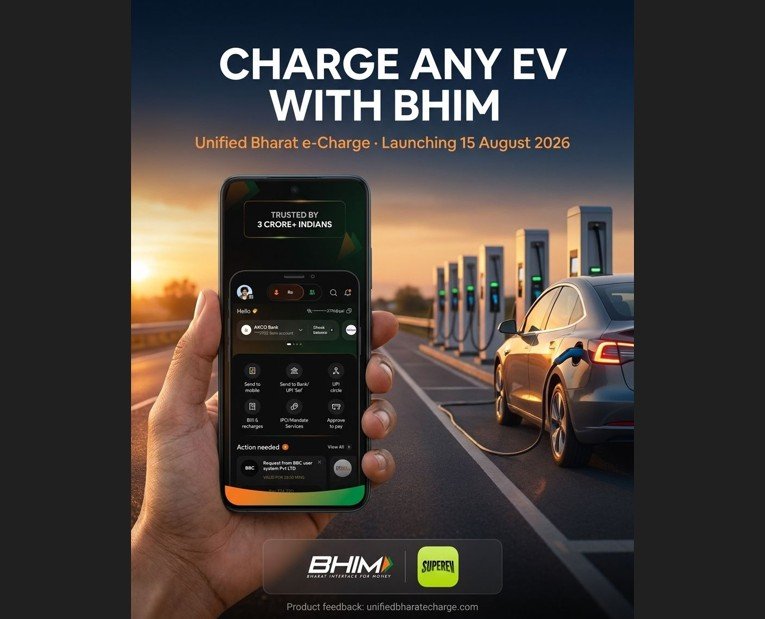
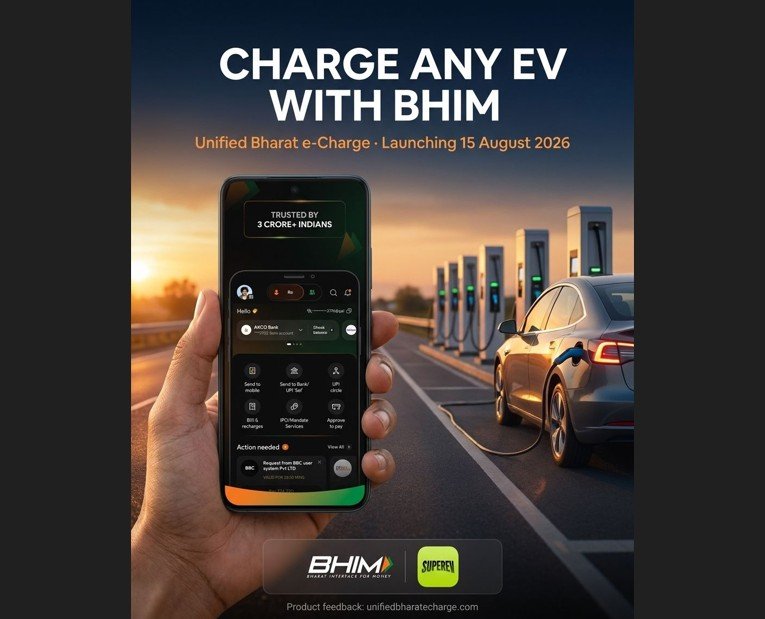
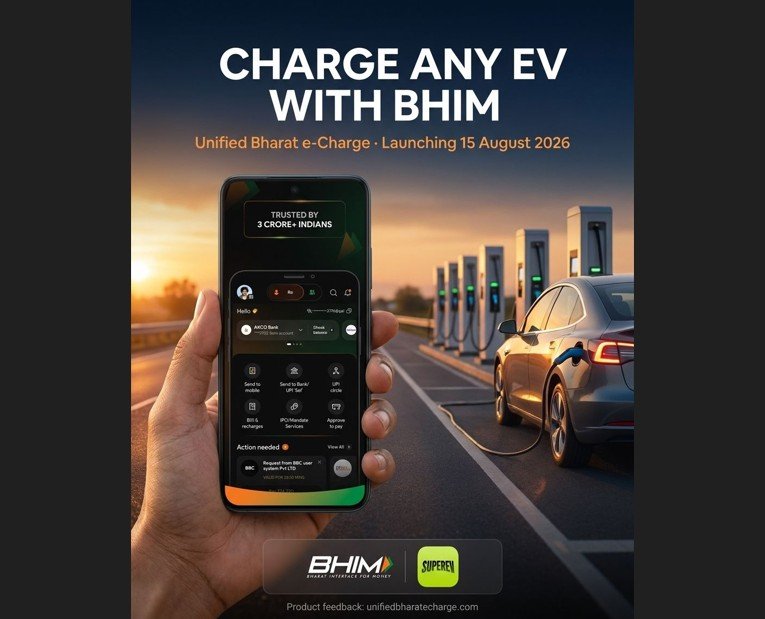
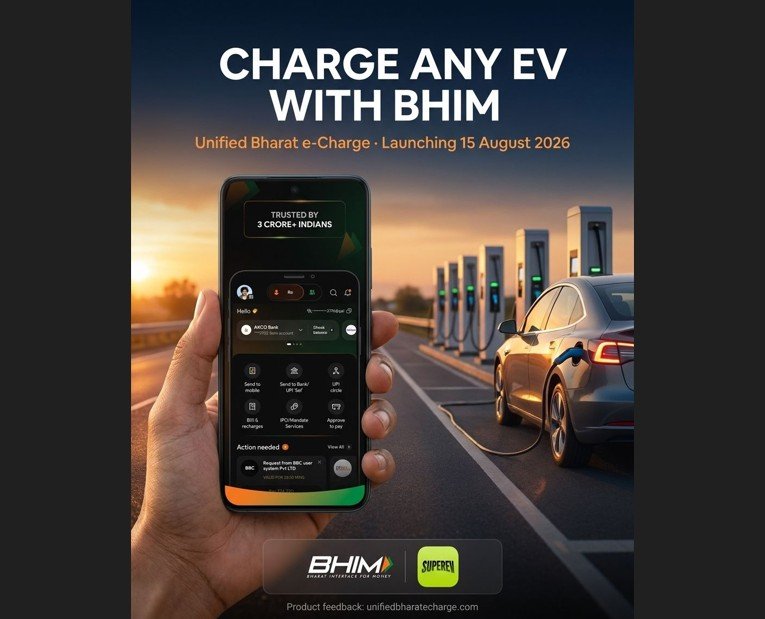
    Pulse Energy, India’s pioneering EV charging technology company, announced its participation as one of the first certified technology enablers for Unified Bharat eCharge (UBC), a nationwide interoperable EV charging network launched by the Ministry of Heavy Industries (MHI), Bharat Heavy Electricals Limited (BHEL) and the National Payments Corporation of India (NPCI). The network will enable electric vehicle users to discover participating chargers and pay for charging through UPI on the BHIM app, without having to download separate applications or maintain operator-specific prepaid wallets.

    For users, the process is designed to be straightforward. An EV driver can open the BHIM app, identify a UBC-enabled charging point, scan the QR code and pay for the charging session directly from their bank account through UPI. There is no requirement to preload money into a charging wallet or create a separate account with every participating charging operator.

    The launch, announced on India’s 80th Independence Day, is aimed at addressing fragmentation in the country’s EV charging ecosystem, where users often have to navigate multiple charging applications, accounts and wallets across different networks. Under UBC, participating charging points can be accessed through a common network, giving EV users a simpler way to find and pay for charging as they travel across cities and highways.

    The initial rollout of Unified Bharat eCharge will be available through the BHIM app, with participating chargers being added across cities and national highways. The network is also expected to be made available through other applications across payments, mobility and automotive, allowing users to access UBC-enabled chargers through platforms they already use.

    Pulse Energy will support these application providers in connecting to the UBC network, extending interoperability beyond the charging infrastructure itself to the consumer applications through which EV users discover and access charging services.

    Pulse Energy is enabling charge point operators to connect their existing charging infrastructure to the UBC network. This allows operators to retain their own charging hardware and brands while making their chargers discoverable and accessible through the interoperable network.

    The company currently works with more than 100+ charge point operator partners and operates a connected network of more than 10,000 EV chargers. Through its role as a technology enabler on UBC, Pulse Energy will support charging operators in integrating with the network and accessing a wider pool of EV users.

    According to Lalitha Nataraj, CEO, NPCI BHIM, “Multiple apps and wallet loading for EV charging is exactly what we wanted to solve for . Discover EV charges on BHIM payments app, charge, pay and go. Simple solution for everyone”

    “EV charging should not require drivers to think about which network they are using before they can plug in. The idea behind UBC is to make charging more accessible by bringing different networks onto a common infrastructure. For users, that means a simpler payment experience, while operators get the opportunity to serve users beyond their own applications,” Said Akhil Jayaprakash, Co-Founder & CEO, Pulse Energy

    Unified Bharat eCharge has been developed as digital public infrastructure using the open Beckn protocol, with the underlying DPI developed by the Network for Humanity (NFH) team. Its open architecture is intended to allow charging operators, technology providers and consumer applications to connect to a common ecosystem rather than operating as isolated networks.

    The initiative brings together participants across India’s EV and digital infrastructure ecosystem, with MHI, BHEL and NPCI supporting the national-level rollout of the network.