Category: All News

  • Rajasthan Crosses 50 GW Renewable Energy Capacity Milestone

    Rajasthan Crosses 50 GW Renewable Energy Capacity Milestone

    Under the visionary leadership of Chief Minister Shri Bhajan Lal Sharma, Rajasthan has created a new milestone in the renewable energy sector. As a result of the state government’s policy to promote renewable energy, Rajasthan’s total installed renewable energy capacity has crossed 50,000 MW. After Gujarat, Rajasthan has become the second state in the country to cross the 50 GW renewable energy mark.

    The achievement has been driven by the state’s continued efforts to encourage investors, particularly in the renewable energy and solar energy sectors. Energy Minister Shri Heeralal Nagar said that with 44,135 MW of installed capacity, Rajasthan ranks first in the country in solar energy, the most significant component of renewable energy. The state contributes approximately 27% of India’s total installed solar energy capacity.

    The state government has implemented the Integrated Clean Energy Policy-2024, which includes various incentives and provisions to promote the sector. The policy has set an ambitious target of developing 125 GW of renewable energy capacity by 2030. To achieve this target, the state is placing special emphasis on the development of solar, wind and hybrid energy projects, along with energy storage capacity.

    As a result, Rajasthan has added 26,552 MW of renewable energy capacity over the past approximately two-and-a-half years, with more than 25,000 MW coming from solar energy.

    Rajasthan Leads in Decentralised Solar Energy

    Rajasthan is not only witnessing the development of large-scale solar projects but is also continuing to lead in decentralised solar energy. The state has made significant progress under the PM-KUSUM scheme.

    Around 5,000 MW of solar power projects under PM-KUSUM Components A and C have already been installed in the state. These projects are helping fulfil the state government’s commitment to providing electricity to the agricultural sector during the daytime.

    Similarly, more than 290,000 rooftop solar systems have been installed under the PM Surya Ghar Muft Bijli Yojana over the past two-and-a-half years. Through these installations, more than 300,000 families have been connected with solar energy, adding 1,128 MW of solar capacity.

    Focus on Battery Energy Storage

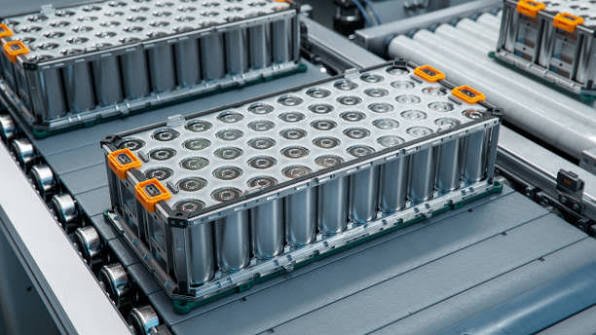
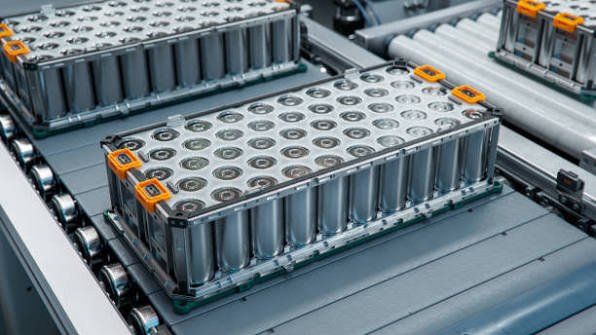
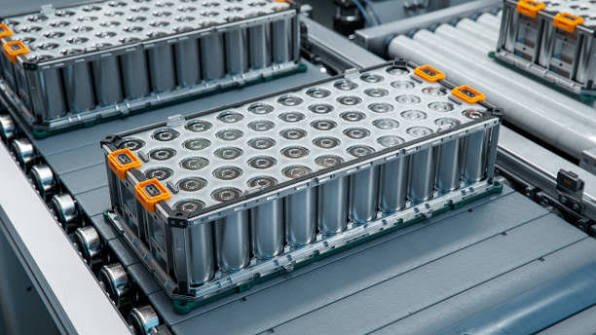
    The state’s power utilities are also rapidly working towards developing battery energy storage capacity. The state generation utility and Rajasthan Renewable Energy Corporation are working on projects involving 12,400 MWh of battery energy storage capacity.

    Meanwhile, the state’s distribution companies are progressing towards developing 172 MW/688 MWh of battery energy storage capacity on a pilot basis.

    Under the PM Surya Ghar scheme, the process has also been initiated to connect 300,000 households with rooftop solar through the ULA model.

    Renewable Energy Capacity Across Different Sources

    Rajasthan currently has 44,135 MW of installed solar energy capacity, 5,541 MW of wind energy capacity, 223 MW of biomass and waste-to-energy capacity, and 436 MW of hydropower capacity.

    The state’s favourable investment environment, strong energy infrastructure, availability of vast land resources and abundant solar potential, along with the government’s commitment to prioritising clean energy, have helped Rajasthan emerge as a major centre of India’s energy transition.

    The achievement of crossing 50,000 MW of renewable energy capacity reflects the strong direction of Rajasthan’s clean energy journey and demonstrates the state government’s long-term commitment to renewable energy development.

  • Rajasthan Crosses 50 GW Renewable Energy Capacity Milestone

    Rajasthan Crosses 50 GW Renewable Energy Capacity Milestone

    Under the visionary leadership of Chief Minister Shri Bhajan Lal Sharma, Rajasthan has created a new milestone in the renewable energy sector. As a result of the state government’s policy to promote renewable energy, Rajasthan’s total installed renewable energy capacity has crossed 50,000 MW. After Gujarat, Rajasthan has become the second state in the country to cross the 50 GW renewable energy mark.

    The achievement has been driven by the state’s continued efforts to encourage investors, particularly in the renewable energy and solar energy sectors. Energy Minister Shri Heeralal Nagar said that with 44,135 MW of installed capacity, Rajasthan ranks first in the country in solar energy, the most significant component of renewable energy. The state contributes approximately 27% of India’s total installed solar energy capacity.

    The state government has implemented the Integrated Clean Energy Policy-2024, which includes various incentives and provisions to promote the sector. The policy has set an ambitious target of developing 125 GW of renewable energy capacity by 2030. To achieve this target, the state is placing special emphasis on the development of solar, wind and hybrid energy projects, along with energy storage capacity.

    As a result, Rajasthan has added 26,552 MW of renewable energy capacity over the past approximately two-and-a-half years, with more than 25,000 MW coming from solar energy.

    Rajasthan Leads in Decentralised Solar Energy

    Rajasthan is not only witnessing the development of large-scale solar projects but is also continuing to lead in decentralised solar energy. The state has made significant progress under the PM-KUSUM scheme.

    Around 5,000 MW of solar power projects under PM-KUSUM Components A and C have already been installed in the state. These projects are helping fulfil the state government’s commitment to providing electricity to the agricultural sector during the daytime.

    Similarly, more than 290,000 rooftop solar systems have been installed under the PM Surya Ghar Muft Bijli Yojana over the past two-and-a-half years. Through these installations, more than 300,000 families have been connected with solar energy, adding 1,128 MW of solar capacity.

    Focus on Battery Energy Storage

    The state’s power utilities are also rapidly working towards developing battery energy storage capacity. The state generation utility and Rajasthan Renewable Energy Corporation are working on projects involving 12,400 MWh of battery energy storage capacity.

    Meanwhile, the state’s distribution companies are progressing towards developing 172 MW/688 MWh of battery energy storage capacity on a pilot basis.

    Under the PM Surya Ghar scheme, the process has also been initiated to connect 300,000 households with rooftop solar through the ULA model.

    Renewable Energy Capacity Across Different Sources

    Rajasthan currently has 44,135 MW of installed solar energy capacity, 5,541 MW of wind energy capacity, 223 MW of biomass and waste-to-energy capacity, and 436 MW of hydropower capacity.

    The state’s favourable investment environment, strong energy infrastructure, availability of vast land resources and abundant solar potential, along with the government’s commitment to prioritising clean energy, have helped Rajasthan emerge as a major centre of India’s energy transition.

    The achievement of crossing 50,000 MW of renewable energy capacity reflects the strong direction of Rajasthan’s clean energy journey and demonstrates the state government’s long-term commitment to renewable energy development.

  • Rajasthan Crosses 50 GW Renewable Energy Capacity Milestone

    Rajasthan Crosses 50 GW Renewable Energy Capacity Milestone

    Under the visionary leadership of Chief Minister Shri Bhajan Lal Sharma, Rajasthan has created a new milestone in the renewable energy sector. As a result of the state government’s policy to promote renewable energy, Rajasthan’s total installed renewable energy capacity has crossed 50,000 MW. After Gujarat, Rajasthan has become the second state in the country to cross the 50 GW renewable energy mark.

    The achievement has been driven by the state’s continued efforts to encourage investors, particularly in the renewable energy and solar energy sectors. Energy Minister Shri Heeralal Nagar said that with 44,135 MW of installed capacity, Rajasthan ranks first in the country in solar energy, the most significant component of renewable energy. The state contributes approximately 27% of India’s total installed solar energy capacity.

    The state government has implemented the Integrated Clean Energy Policy-2024, which includes various incentives and provisions to promote the sector. The policy has set an ambitious target of developing 125 GW of renewable energy capacity by 2030. To achieve this target, the state is placing special emphasis on the development of solar, wind and hybrid energy projects, along with energy storage capacity.

    As a result, Rajasthan has added 26,552 MW of renewable energy capacity over the past approximately two-and-a-half years, with more than 25,000 MW coming from solar energy.

    Rajasthan Leads in Decentralised Solar Energy

    Rajasthan is not only witnessing the development of large-scale solar projects but is also continuing to lead in decentralised solar energy. The state has made significant progress under the PM-KUSUM scheme.

    Around 5,000 MW of solar power projects under PM-KUSUM Components A and C have already been installed in the state. These projects are helping fulfil the state government’s commitment to providing electricity to the agricultural sector during the daytime.

    Similarly, more than 290,000 rooftop solar systems have been installed under the PM Surya Ghar Muft Bijli Yojana over the past two-and-a-half years. Through these installations, more than 300,000 families have been connected with solar energy, adding 1,128 MW of solar capacity.

    Focus on Battery Energy Storage

    The state’s power utilities are also rapidly working towards developing battery energy storage capacity. The state generation utility and Rajasthan Renewable Energy Corporation are working on projects involving 12,400 MWh of battery energy storage capacity.

    Meanwhile, the state’s distribution companies are progressing towards developing 172 MW/688 MWh of battery energy storage capacity on a pilot basis.

    Under the PM Surya Ghar scheme, the process has also been initiated to connect 300,000 households with rooftop solar through the ULA model.

    Renewable Energy Capacity Across Different Sources

    Rajasthan currently has 44,135 MW of installed solar energy capacity, 5,541 MW of wind energy capacity, 223 MW of biomass and waste-to-energy capacity, and 436 MW of hydropower capacity.

    The state’s favourable investment environment, strong energy infrastructure, availability of vast land resources and abundant solar potential, along with the government’s commitment to prioritising clean energy, have helped Rajasthan emerge as a major centre of India’s energy transition.

    The achievement of crossing 50,000 MW of renewable energy capacity reflects the strong direction of Rajasthan’s clean energy journey and demonstrates the state government’s long-term commitment to renewable energy development.

  • Rajasthan Crosses 50 GW Renewable Energy Capacity Milestone

    Rajasthan Crosses 50 GW Renewable Energy Capacity Milestone

    Under the visionary leadership of Chief Minister Shri Bhajan Lal Sharma, Rajasthan has created a new milestone in the renewable energy sector. As a result of the state government’s policy to promote renewable energy, Rajasthan’s total installed renewable energy capacity has crossed 50,000 MW. After Gujarat, Rajasthan has become the second state in the country to cross the 50 GW renewable energy mark.

    The achievement has been driven by the state’s continued efforts to encourage investors, particularly in the renewable energy and solar energy sectors. Energy Minister Shri Heeralal Nagar said that with 44,135 MW of installed capacity, Rajasthan ranks first in the country in solar energy, the most significant component of renewable energy. The state contributes approximately 27% of India’s total installed solar energy capacity.

    The state government has implemented the Integrated Clean Energy Policy-2024, which includes various incentives and provisions to promote the sector. The policy has set an ambitious target of developing 125 GW of renewable energy capacity by 2030. To achieve this target, the state is placing special emphasis on the development of solar, wind and hybrid energy projects, along with energy storage capacity.

    As a result, Rajasthan has added 26,552 MW of renewable energy capacity over the past approximately two-and-a-half years, with more than 25,000 MW coming from solar energy.

    Rajasthan Leads in Decentralised Solar Energy

    Rajasthan is not only witnessing the development of large-scale solar projects but is also continuing to lead in decentralised solar energy. The state has made significant progress under the PM-KUSUM scheme.

    Around 5,000 MW of solar power projects under PM-KUSUM Components A and C have already been installed in the state. These projects are helping fulfil the state government’s commitment to providing electricity to the agricultural sector during the daytime.

    Similarly, more than 290,000 rooftop solar systems have been installed under the PM Surya Ghar Muft Bijli Yojana over the past two-and-a-half years. Through these installations, more than 300,000 families have been connected with solar energy, adding 1,128 MW of solar capacity.

    Focus on Battery Energy Storage

    The state’s power utilities are also rapidly working towards developing battery energy storage capacity. The state generation utility and Rajasthan Renewable Energy Corporation are working on projects involving 12,400 MWh of battery energy storage capacity.

    Meanwhile, the state’s distribution companies are progressing towards developing 172 MW/688 MWh of battery energy storage capacity on a pilot basis.

    Under the PM Surya Ghar scheme, the process has also been initiated to connect 300,000 households with rooftop solar through the ULA model.

    Renewable Energy Capacity Across Different Sources

    Rajasthan currently has 44,135 MW of installed solar energy capacity, 5,541 MW of wind energy capacity, 223 MW of biomass and waste-to-energy capacity, and 436 MW of hydropower capacity.

    The state’s favourable investment environment, strong energy infrastructure, availability of vast land resources and abundant solar potential, along with the government’s commitment to prioritising clean energy, have helped Rajasthan emerge as a major centre of India’s energy transition.

    The achievement of crossing 50,000 MW of renewable energy capacity reflects the strong direction of Rajasthan’s clean energy journey and demonstrates the state government’s long-term commitment to renewable energy development.

  • Rajasthan Crosses 50 GW Renewable Energy Capacity Milestone

    Rajasthan Crosses 50 GW Renewable Energy Capacity Milestone

    Under the visionary leadership of Chief Minister Shri Bhajan Lal Sharma, Rajasthan has created a new milestone in the renewable energy sector. As a result of the state government’s policy to promote renewable energy, Rajasthan’s total installed renewable energy capacity has crossed 50,000 MW. After Gujarat, Rajasthan has become the second state in the country to cross the 50 GW renewable energy mark.

    The achievement has been driven by the state’s continued efforts to encourage investors, particularly in the renewable energy and solar energy sectors. Energy Minister Shri Heeralal Nagar said that with 44,135 MW of installed capacity, Rajasthan ranks first in the country in solar energy, the most significant component of renewable energy. The state contributes approximately 27% of India’s total installed solar energy capacity.

    The state government has implemented the Integrated Clean Energy Policy-2024, which includes various incentives and provisions to promote the sector. The policy has set an ambitious target of developing 125 GW of renewable energy capacity by 2030. To achieve this target, the state is placing special emphasis on the development of solar, wind and hybrid energy projects, along with energy storage capacity.

    As a result, Rajasthan has added 26,552 MW of renewable energy capacity over the past approximately two-and-a-half years, with more than 25,000 MW coming from solar energy.

    Rajasthan Leads in Decentralised Solar Energy

    Rajasthan is not only witnessing the development of large-scale solar projects but is also continuing to lead in decentralised solar energy. The state has made significant progress under the PM-KUSUM scheme.

    Around 5,000 MW of solar power projects under PM-KUSUM Components A and C have already been installed in the state. These projects are helping fulfil the state government’s commitment to providing electricity to the agricultural sector during the daytime.

    Similarly, more than 290,000 rooftop solar systems have been installed under the PM Surya Ghar Muft Bijli Yojana over the past two-and-a-half years. Through these installations, more than 300,000 families have been connected with solar energy, adding 1,128 MW of solar capacity.

    Focus on Battery Energy Storage

    The state’s power utilities are also rapidly working towards developing battery energy storage capacity. The state generation utility and Rajasthan Renewable Energy Corporation are working on projects involving 12,400 MWh of battery energy storage capacity.

    Meanwhile, the state’s distribution companies are progressing towards developing 172 MW/688 MWh of battery energy storage capacity on a pilot basis.

    Under the PM Surya Ghar scheme, the process has also been initiated to connect 300,000 households with rooftop solar through the ULA model.

    Renewable Energy Capacity Across Different Sources

    Rajasthan currently has 44,135 MW of installed solar energy capacity, 5,541 MW of wind energy capacity, 223 MW of biomass and waste-to-energy capacity, and 436 MW of hydropower capacity.

    The state’s favourable investment environment, strong energy infrastructure, availability of vast land resources and abundant solar potential, along with the government’s commitment to prioritising clean energy, have helped Rajasthan emerge as a major centre of India’s energy transition.

    The achievement of crossing 50,000 MW of renewable energy capacity reflects the strong direction of Rajasthan’s clean energy journey and demonstrates the state government’s long-term commitment to renewable energy development.

  • Rajasthan Crosses 50 GW Renewable Energy Capacity Milestone

    Under the visionary leadership of Chief Minister Shri Bhajan Lal Sharma, Rajasthan has created a new milestone in the renewable energy sector. As a result of the state government’s policy to promote renewable energy, Rajasthan’s total installed renewable energy capacity has crossed 50,000 MW. After Gujarat, Rajasthan has become the second state in the country to cross the 50 GW renewable energy mark.

    The achievement has been driven by the state’s continued efforts to encourage investors, particularly in the renewable energy and solar energy sectors. Energy Minister Shri Heeralal Nagar said that with 44,135 MW of installed capacity, Rajasthan ranks first in the country in solar energy, the most significant component of renewable energy. The state contributes approximately 27% of India’s total installed solar energy capacity.

    The state government has implemented the Integrated Clean Energy Policy-2024, which includes various incentives and provisions to promote the sector. The policy has set an ambitious target of developing 125 GW of renewable energy capacity by 2030. To achieve this target, the state is placing special emphasis on the development of solar, wind and hybrid energy projects, along with energy storage capacity.

    As a result, Rajasthan has added 26,552 MW of renewable energy capacity over the past approximately two-and-a-half years, with more than 25,000 MW coming from solar energy.

    Rajasthan Leads in Decentralised Solar Energy

    Rajasthan is not only witnessing the development of large-scale solar projects but is also continuing to lead in decentralised solar energy. The state has made significant progress under the PM-KUSUM scheme.

    Around 5,000 MW of solar power projects under PM-KUSUM Components A and C have already been installed in the state. These projects are helping fulfil the state government’s commitment to providing electricity to the agricultural sector during the daytime.

    Similarly, more than 290,000 rooftop solar systems have been installed under the PM Surya Ghar Muft Bijli Yojana over the past two-and-a-half years. Through these installations, more than 300,000 families have been connected with solar energy, adding 1,128 MW of solar capacity.

    Focus on Battery Energy Storage

    The state’s power utilities are also rapidly working towards developing battery energy storage capacity. The state generation utility and Rajasthan Renewable Energy Corporation are working on projects involving 12,400 MWh of battery energy storage capacity.

    Meanwhile, the state’s distribution companies are progressing towards developing 172 MW/688 MWh of battery energy storage capacity on a pilot basis.

    Under the PM Surya Ghar scheme, the process has also been initiated to connect 300,000 households with rooftop solar through the ULA model.

    Renewable Energy Capacity Across Different Sources

    Rajasthan currently has 44,135 MW of installed solar energy capacity, 5,541 MW of wind energy capacity, 223 MW of biomass and waste-to-energy capacity, and 436 MW of hydropower capacity.

    The state’s favourable investment environment, strong energy infrastructure, availability of vast land resources and abundant solar potential, along with the government’s commitment to prioritising clean energy, have helped Rajasthan emerge as a major centre of India’s energy transition.

    The achievement of crossing 50,000 MW of renewable energy capacity reflects the strong direction of Rajasthan’s clean energy journey and demonstrates the state government’s long-term commitment to renewable energy development.

  • Fujiyama Power Systems Announces Q1 FY27 Financial Results

    Fujiyama Power Systems Announces Q1 FY27 Financial Results

    Fujiyama Power Systems Limited (“Fujiyama” or the “Company”) (BSE: 544613 | NSE: UTLSOLAR), one of India’s leading providers of rooftop solar solutions, offering an extensive portfolio across solar panels, inverters, lithium-ion batteries, chargers and power electronics systems, has announced its unaudited financial results for the quarter ended 30th June 2026.

    For Q1 FY27, the company reported a strong year-on-year improvement in operating performance, with revenue from operations rising 125.3% to ₹1,345.7 crore, compared with ₹597.3 crore in Q1 FY26. EBITDA increased by 140.6% to ₹254.8 crore from ₹105.9 crore, while the EBITDA margin improved to 18.9% from 17.7%. On a quarter-on-quarter basis, revenue grew 49.4% from ₹900.8 crore in Q4 FY26, while EBITDA increased 48.6% from ₹171.5 crore.

    Reported PAT, however, declined 14.5% year-on-year to ₹57.8 crore from ₹67.6 crore and fell 45.6% sequentially from ₹106.3 crore, primarily impacted by the Bawal fire loss provision of ₹107.4 crore, net of tax. Excluding this provision, normalised PAT stood at ₹165.2 crore, registering a 144.5% year-on-year growth and a 55.4% quarter-on-quarter increase. The normalised PAT margin improved to 12.3%, compared with 11.3% in Q1 FY26 and 11.8% in Q4 FY26.

    Key Business Highlights:
    •     Commissioned 2,000 MW solar panel manufacturing capacity at Ratlam, Madhya Pradesh in Q1 FY27
    •     Commissioned 2,000 MW Power Electronics manufacturing capacity at Ratlam in August 2026
    •     The 2,000 MW Lithium-ion battery manufacturing capacity at Ratlam is expected to be commissioned by Q2 FY27
    •     Setting up a 1,200 MW solar cell manufacturing facility at Ratlam with an investment of around Rs. 350 crore

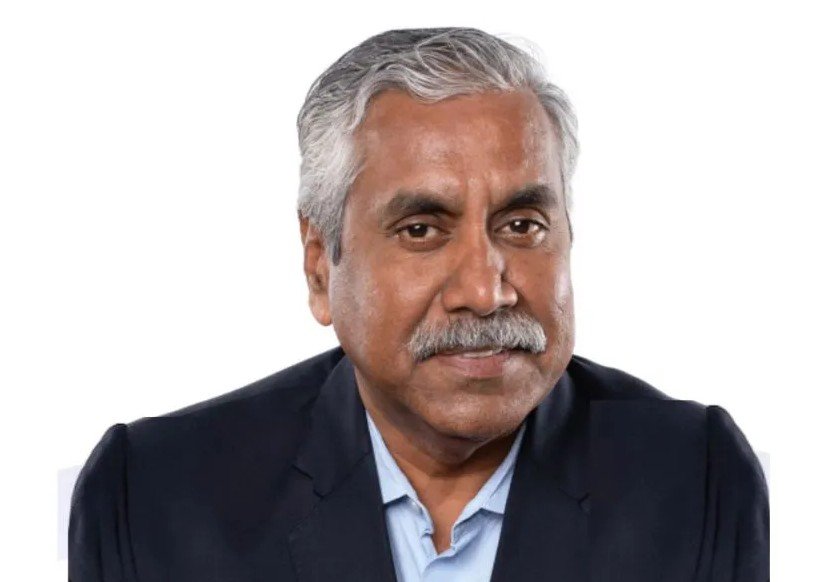
    Commenting on the performance Mr. Pawan Kumar Garg, Chairman and Joint Managing Director, said, “The first quarter of FY2027 marked a positive start to the year for Fujiyama, with higher business scale, continued expansion of the distribution network and progress across the Company’s manufacturing initiatives. The demand environment for residential rooftop solar and power backup solutions remains favourable, supported by increasing solar adoption, policy initiatives and growing awareness across Tier 2 and Tier 3 markets. In this environment, the Company remained focused on expanding its reach, increasing manufacturing capacity and building greater integration across the solar value chain.

    Revenue from Operations increased by 125.3% YoY to Rs. 13,457 million. EBITDA grew by 140.6% YoY to Rs. 2,548 million, while EBITDA margin improved to 18.9% compared with 17.7% in Q1 FY2026. The improvement in profitability was supported by the higher scale of operations and increasing contribution from the Company’s backward integrated manufacturing platform. The performance during the quarter also reflects the growing reach of Fujiyama’s product portfolio and its ability to serve rising demand across its key markets.

    The distribution network recorded one of its largest quarterly expansions during Q1 FY27. The Company added more than 80 distributors, over 1,000 dealers and more than 30 exclusive Shoppes. This took the total channel partner base to over 10,100 as of June 30, 2026. The wider network gives Fujiyama greater access to customers across different markets and supports faster product availability, installation and after sales service. This remains particularly important in the residential rooftop solar segment, where proximity to customers and dependable service are important factors in purchase decisions.

    On the manufacturing front, the Company commissioned its 2,000 MW solar panel manufacturing facility at Ratlam during Q1 FY27. This was followed by the commissioning of the 2,000 MW power electronics manufacturing facility in August 2026. With these additions, the Company’s total solar panel and power electronics manufacturing capacities have increased to 3,568 MW and 4,180 MW, respectively.

    Furthermore, the 2,000 MW lithium-ion battery manufacturing capacity at Ratlam is also on track for commissioning by Q2 FY27. Once completed, the Ratlam complex will bring solar panels, power electronics and batteries under one manufacturing location, further strengthening integration across the Company’s product portfolio and supporting its growing scale of operations.

    The Company also took another step towards increasing backward integration during the quarter by approving the acquisition of an additional 31% stake each in Zayo Energy Private Limited and Zayo Cables Private Limited, taking Fujiyama’s shareholding in both companies from 19% to 50%. Zayo Energy is engaged in manufacturing solar module components like aluminum frame, PV Ribbon wire, busbar and solder wires, while Zayo Cables is engaged in manufacturing solar module components like PV junction box, solar cables and EVA sheet. These businesses are closely linked to Fujiyama’s existing product portfolio. The investments are intended to increase backward integration, strengthen the value chain and provide greater control over components used across the Company’s solar power solutions business.

    Looking ahead, the opportunity in residential rooftop solar remains favourable, supported by government initiatives, rising consumer awareness and increasing adoption. The Company’s focus will remain on ramping up the newly commissioned capacities, expanding market reach and improving integration across operations. We remain committed to providing dependable, high quality solar solutions and creating long term value for all stakeholders.”

  • Fujiyama Power Systems Announces Q1 FY27 Financial Results

    Fujiyama Power Systems Announces Q1 FY27 Financial Results

    Fujiyama Power Systems Limited (“Fujiyama” or the “Company”) (BSE: 544613 | NSE: UTLSOLAR), one of India’s leading providers of rooftop solar solutions, offering an extensive portfolio across solar panels, inverters, lithium-ion batteries, chargers and power electronics systems, has announced its unaudited financial results for the quarter ended 30th June 2026.

    For Q1 FY27, the company reported a strong year-on-year improvement in operating performance, with revenue from operations rising 125.3% to ₹1,345.7 crore, compared with ₹597.3 crore in Q1 FY26. EBITDA increased by 140.6% to ₹254.8 crore from ₹105.9 crore, while the EBITDA margin improved to 18.9% from 17.7%. On a quarter-on-quarter basis, revenue grew 49.4% from ₹900.8 crore in Q4 FY26, while EBITDA increased 48.6% from ₹171.5 crore.

    Reported PAT, however, declined 14.5% year-on-year to ₹57.8 crore from ₹67.6 crore and fell 45.6% sequentially from ₹106.3 crore, primarily impacted by the Bawal fire loss provision of ₹107.4 crore, net of tax. Excluding this provision, normalised PAT stood at ₹165.2 crore, registering a 144.5% year-on-year growth and a 55.4% quarter-on-quarter increase. The normalised PAT margin improved to 12.3%, compared with 11.3% in Q1 FY26 and 11.8% in Q4 FY26.

    Key Business Highlights:
    •     Commissioned 2,000 MW solar panel manufacturing capacity at Ratlam, Madhya Pradesh in Q1 FY27
    •     Commissioned 2,000 MW Power Electronics manufacturing capacity at Ratlam in August 2026
    •     The 2,000 MW Lithium-ion battery manufacturing capacity at Ratlam is expected to be commissioned by Q2 FY27
    •     Setting up a 1,200 MW solar cell manufacturing facility at Ratlam with an investment of around Rs. 350 crore

    Commenting on the performance Mr. Pawan Kumar Garg, Chairman and Joint Managing Director, said, “The first quarter of FY2027 marked a positive start to the year for Fujiyama, with higher business scale, continued expansion of the distribution network and progress across the Company’s manufacturing initiatives. The demand environment for residential rooftop solar and power backup solutions remains favourable, supported by increasing solar adoption, policy initiatives and growing awareness across Tier 2 and Tier 3 markets. In this environment, the Company remained focused on expanding its reach, increasing manufacturing capacity and building greater integration across the solar value chain.

    Revenue from Operations increased by 125.3% YoY to Rs. 13,457 million. EBITDA grew by 140.6% YoY to Rs. 2,548 million, while EBITDA margin improved to 18.9% compared with 17.7% in Q1 FY2026. The improvement in profitability was supported by the higher scale of operations and increasing contribution from the Company’s backward integrated manufacturing platform. The performance during the quarter also reflects the growing reach of Fujiyama’s product portfolio and its ability to serve rising demand across its key markets.

    The distribution network recorded one of its largest quarterly expansions during Q1 FY27. The Company added more than 80 distributors, over 1,000 dealers and more than 30 exclusive Shoppes. This took the total channel partner base to over 10,100 as of June 30, 2026. The wider network gives Fujiyama greater access to customers across different markets and supports faster product availability, installation and after sales service. This remains particularly important in the residential rooftop solar segment, where proximity to customers and dependable service are important factors in purchase decisions.

    On the manufacturing front, the Company commissioned its 2,000 MW solar panel manufacturing facility at Ratlam during Q1 FY27. This was followed by the commissioning of the 2,000 MW power electronics manufacturing facility in August 2026. With these additions, the Company’s total solar panel and power electronics manufacturing capacities have increased to 3,568 MW and 4,180 MW, respectively.

    Furthermore, the 2,000 MW lithium-ion battery manufacturing capacity at Ratlam is also on track for commissioning by Q2 FY27. Once completed, the Ratlam complex will bring solar panels, power electronics and batteries under one manufacturing location, further strengthening integration across the Company’s product portfolio and supporting its growing scale of operations.

    The Company also took another step towards increasing backward integration during the quarter by approving the acquisition of an additional 31% stake each in Zayo Energy Private Limited and Zayo Cables Private Limited, taking Fujiyama’s shareholding in both companies from 19% to 50%. Zayo Energy is engaged in manufacturing solar module components like aluminum frame, PV Ribbon wire, busbar and solder wires, while Zayo Cables is engaged in manufacturing solar module components like PV junction box, solar cables and EVA sheet. These businesses are closely linked to Fujiyama’s existing product portfolio. The investments are intended to increase backward integration, strengthen the value chain and provide greater control over components used across the Company’s solar power solutions business.

    Looking ahead, the opportunity in residential rooftop solar remains favourable, supported by government initiatives, rising consumer awareness and increasing adoption. The Company’s focus will remain on ramping up the newly commissioned capacities, expanding market reach and improving integration across operations. We remain committed to providing dependable, high quality solar solutions and creating long term value for all stakeholders.”

  • Fujiyama Power Systems Announces Q1 FY27 Financial Results

    Fujiyama Power Systems Announces Q1 FY27 Financial Results

    Fujiyama Power Systems Limited (“Fujiyama” or the “Company”) (BSE: 544613 | NSE: UTLSOLAR), one of India’s leading providers of rooftop solar solutions, offering an extensive portfolio across solar panels, inverters, lithium-ion batteries, chargers and power electronics systems, has announced its unaudited financial results for the quarter ended 30th June 2026.

    For Q1 FY27, the company reported a strong year-on-year improvement in operating performance, with revenue from operations rising 125.3% to ₹1,345.7 crore, compared with ₹597.3 crore in Q1 FY26. EBITDA increased by 140.6% to ₹254.8 crore from ₹105.9 crore, while the EBITDA margin improved to 18.9% from 17.7%. On a quarter-on-quarter basis, revenue grew 49.4% from ₹900.8 crore in Q4 FY26, while EBITDA increased 48.6% from ₹171.5 crore.

    Reported PAT, however, declined 14.5% year-on-year to ₹57.8 crore from ₹67.6 crore and fell 45.6% sequentially from ₹106.3 crore, primarily impacted by the Bawal fire loss provision of ₹107.4 crore, net of tax. Excluding this provision, normalised PAT stood at ₹165.2 crore, registering a 144.5% year-on-year growth and a 55.4% quarter-on-quarter increase. The normalised PAT margin improved to 12.3%, compared with 11.3% in Q1 FY26 and 11.8% in Q4 FY26.

    Key Business Highlights:
    •     Commissioned 2,000 MW solar panel manufacturing capacity at Ratlam, Madhya Pradesh in Q1 FY27
    •     Commissioned 2,000 MW Power Electronics manufacturing capacity at Ratlam in August 2026
    •     The 2,000 MW Lithium-ion battery manufacturing capacity at Ratlam is expected to be commissioned by Q2 FY27
    •     Setting up a 1,200 MW solar cell manufacturing facility at Ratlam with an investment of around Rs. 350 crore

    Commenting on the performance Mr. Pawan Kumar Garg, Chairman and Joint Managing Director, said, “The first quarter of FY2027 marked a positive start to the year for Fujiyama, with higher business scale, continued expansion of the distribution network and progress across the Company’s manufacturing initiatives. The demand environment for residential rooftop solar and power backup solutions remains favourable, supported by increasing solar adoption, policy initiatives and growing awareness across Tier 2 and Tier 3 markets. In this environment, the Company remained focused on expanding its reach, increasing manufacturing capacity and building greater integration across the solar value chain.

    Revenue from Operations increased by 125.3% YoY to Rs. 13,457 million. EBITDA grew by 140.6% YoY to Rs. 2,548 million, while EBITDA margin improved to 18.9% compared with 17.7% in Q1 FY2026. The improvement in profitability was supported by the higher scale of operations and increasing contribution from the Company’s backward integrated manufacturing platform. The performance during the quarter also reflects the growing reach of Fujiyama’s product portfolio and its ability to serve rising demand across its key markets.

    The distribution network recorded one of its largest quarterly expansions during Q1 FY27. The Company added more than 80 distributors, over 1,000 dealers and more than 30 exclusive Shoppes. This took the total channel partner base to over 10,100 as of June 30, 2026. The wider network gives Fujiyama greater access to customers across different markets and supports faster product availability, installation and after sales service. This remains particularly important in the residential rooftop solar segment, where proximity to customers and dependable service are important factors in purchase decisions.

    On the manufacturing front, the Company commissioned its 2,000 MW solar panel manufacturing facility at Ratlam during Q1 FY27. This was followed by the commissioning of the 2,000 MW power electronics manufacturing facility in August 2026. With these additions, the Company’s total solar panel and power electronics manufacturing capacities have increased to 3,568 MW and 4,180 MW, respectively.

    Furthermore, the 2,000 MW lithium-ion battery manufacturing capacity at Ratlam is also on track for commissioning by Q2 FY27. Once completed, the Ratlam complex will bring solar panels, power electronics and batteries under one manufacturing location, further strengthening integration across the Company’s product portfolio and supporting its growing scale of operations.

    The Company also took another step towards increasing backward integration during the quarter by approving the acquisition of an additional 31% stake each in Zayo Energy Private Limited and Zayo Cables Private Limited, taking Fujiyama’s shareholding in both companies from 19% to 50%. Zayo Energy is engaged in manufacturing solar module components like aluminum frame, PV Ribbon wire, busbar and solder wires, while Zayo Cables is engaged in manufacturing solar module components like PV junction box, solar cables and EVA sheet. These businesses are closely linked to Fujiyama’s existing product portfolio. The investments are intended to increase backward integration, strengthen the value chain and provide greater control over components used across the Company’s solar power solutions business.

    Looking ahead, the opportunity in residential rooftop solar remains favourable, supported by government initiatives, rising consumer awareness and increasing adoption. The Company’s focus will remain on ramping up the newly commissioned capacities, expanding market reach and improving integration across operations. We remain committed to providing dependable, high quality solar solutions and creating long term value for all stakeholders.”

  • Fujiyama Power Systems Announces Q1 FY27 Financial Results

    Fujiyama Power Systems Announces Q1 FY27 Financial Results

    Fujiyama Power Systems Limited (“Fujiyama” or the “Company”) (BSE: 544613 | NSE: UTLSOLAR), one of India’s leading providers of rooftop solar solutions, offering an extensive portfolio across solar panels, inverters, lithium-ion batteries, chargers and power electronics systems, has announced its unaudited financial results for the quarter ended 30th June 2026.

    For Q1 FY27, the company reported a strong year-on-year improvement in operating performance, with revenue from operations rising 125.3% to ₹1,345.7 crore, compared with ₹597.3 crore in Q1 FY26. EBITDA increased by 140.6% to ₹254.8 crore from ₹105.9 crore, while the EBITDA margin improved to 18.9% from 17.7%. On a quarter-on-quarter basis, revenue grew 49.4% from ₹900.8 crore in Q4 FY26, while EBITDA increased 48.6% from ₹171.5 crore.

    Reported PAT, however, declined 14.5% year-on-year to ₹57.8 crore from ₹67.6 crore and fell 45.6% sequentially from ₹106.3 crore, primarily impacted by the Bawal fire loss provision of ₹107.4 crore, net of tax. Excluding this provision, normalised PAT stood at ₹165.2 crore, registering a 144.5% year-on-year growth and a 55.4% quarter-on-quarter increase. The normalised PAT margin improved to 12.3%, compared with 11.3% in Q1 FY26 and 11.8% in Q4 FY26.

    Key Business Highlights:
    •     Commissioned 2,000 MW solar panel manufacturing capacity at Ratlam, Madhya Pradesh in Q1 FY27
    •     Commissioned 2,000 MW Power Electronics manufacturing capacity at Ratlam in August 2026
    •     The 2,000 MW Lithium-ion battery manufacturing capacity at Ratlam is expected to be commissioned by Q2 FY27
    •     Setting up a 1,200 MW solar cell manufacturing facility at Ratlam with an investment of around Rs. 350 crore

    Commenting on the performance Mr. Pawan Kumar Garg, Chairman and Joint Managing Director, said, “The first quarter of FY2027 marked a positive start to the year for Fujiyama, with higher business scale, continued expansion of the distribution network and progress across the Company’s manufacturing initiatives. The demand environment for residential rooftop solar and power backup solutions remains favourable, supported by increasing solar adoption, policy initiatives and growing awareness across Tier 2 and Tier 3 markets. In this environment, the Company remained focused on expanding its reach, increasing manufacturing capacity and building greater integration across the solar value chain.

    Revenue from Operations increased by 125.3% YoY to Rs. 13,457 million. EBITDA grew by 140.6% YoY to Rs. 2,548 million, while EBITDA margin improved to 18.9% compared with 17.7% in Q1 FY2026. The improvement in profitability was supported by the higher scale of operations and increasing contribution from the Company’s backward integrated manufacturing platform. The performance during the quarter also reflects the growing reach of Fujiyama’s product portfolio and its ability to serve rising demand across its key markets.

    The distribution network recorded one of its largest quarterly expansions during Q1 FY27. The Company added more than 80 distributors, over 1,000 dealers and more than 30 exclusive Shoppes. This took the total channel partner base to over 10,100 as of June 30, 2026. The wider network gives Fujiyama greater access to customers across different markets and supports faster product availability, installation and after sales service. This remains particularly important in the residential rooftop solar segment, where proximity to customers and dependable service are important factors in purchase decisions.

    On the manufacturing front, the Company commissioned its 2,000 MW solar panel manufacturing facility at Ratlam during Q1 FY27. This was followed by the commissioning of the 2,000 MW power electronics manufacturing facility in August 2026. With these additions, the Company’s total solar panel and power electronics manufacturing capacities have increased to 3,568 MW and 4,180 MW, respectively.

    Furthermore, the 2,000 MW lithium-ion battery manufacturing capacity at Ratlam is also on track for commissioning by Q2 FY27. Once completed, the Ratlam complex will bring solar panels, power electronics and batteries under one manufacturing location, further strengthening integration across the Company’s product portfolio and supporting its growing scale of operations.

    The Company also took another step towards increasing backward integration during the quarter by approving the acquisition of an additional 31% stake each in Zayo Energy Private Limited and Zayo Cables Private Limited, taking Fujiyama’s shareholding in both companies from 19% to 50%. Zayo Energy is engaged in manufacturing solar module components like aluminum frame, PV Ribbon wire, busbar and solder wires, while Zayo Cables is engaged in manufacturing solar module components like PV junction box, solar cables and EVA sheet. These businesses are closely linked to Fujiyama’s existing product portfolio. The investments are intended to increase backward integration, strengthen the value chain and provide greater control over components used across the Company’s solar power solutions business.

    Looking ahead, the opportunity in residential rooftop solar remains favourable, supported by government initiatives, rising consumer awareness and increasing adoption. The Company’s focus will remain on ramping up the newly commissioned capacities, expanding market reach and improving integration across operations. We remain committed to providing dependable, high quality solar solutions and creating long term value for all stakeholders.”