Category: All News

  • JSW Energy Signs SHA With Druk Green Power for 920 MW Punatsangchhu-III Hydro Project in Bhutan

    JSW Energy Signs SHA With Druk Green Power for 920 MW Punatsangchhu-III Hydro Project in Bhutan

    JSW Energy has expanded its international footprint by signing a Shareholders’ Agreement for a major hydroelectric project in Bhutan. The agreement, executed on August 12, 2026, involves its wholly owned subsidiary, JSW Neo Energy Limited (JSWNEL), and Druk Green Power Corporation Limited (DGPC). The partnership targets the joint development of the 920 MW Punatsangchhu-III Hydroelectric Project located on the Punatsangchhu River in the Wangdue Phodrang District of Bhutan. This deal represents JSW Energy’s first power generation venture outside India, signaling a strategic move into cross-border renewable energy assets.

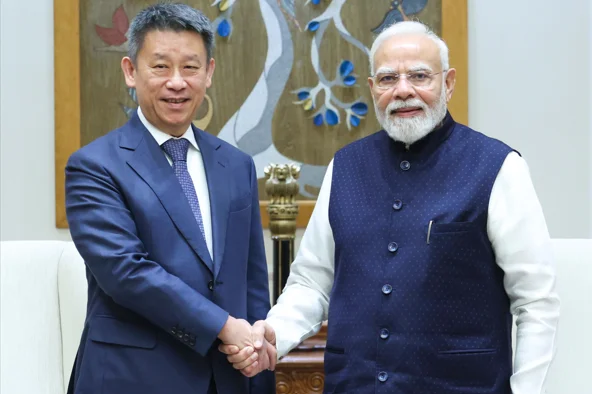
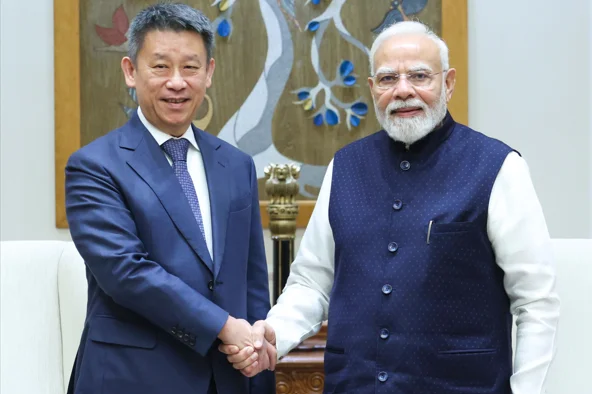
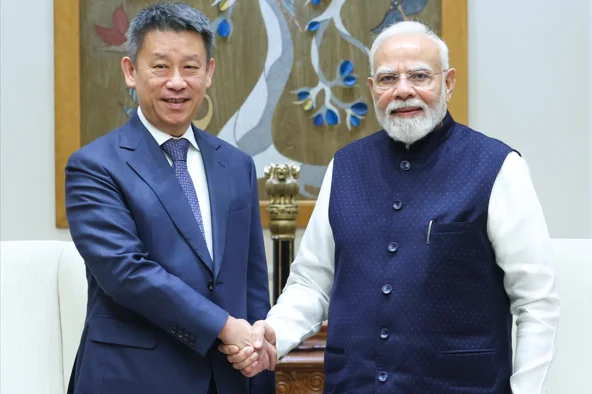
    The project will be structured as a Build-Own-Operate-Transfer (BOOT) scheme through a special purpose joint venture company proposed to be incorporated in Bhutan. Under the terms of the agreement, DGPC, which is wholly owned by the Royal Government of Bhutan, will hold a 51% equity stake in the JV, while JSWNEL will hold the remaining 49%. The signing ceremony was attended by the Prime Minister of Bhutan, underscoring the bilateral significance of the energy cooperation between India and Bhutan.

    JSWNEL will subscribe to its 49% equity stake in cash, with an initial contribution set at BTN 245 million. Any further capital infusion will be determined based on the subsequent development stages of the project. The detailed project report is currently being prepared jointly by DGPC and JSW Energy. 

    Sharad Mahendra, Joint Managing Director and CEO of JSW Energy, stated that the partnership brings together two organizations with deep experience in developing large hydroelectric assets in Himalayan terrain. He noted that the 920 MW addition meaningfully strengthens the company’s hydro portfolio and advances its green transition by adding clean, dispatchable capacity that complements wind and solar generation. Bhutan is recognized as one of the few carbon-negative countries globally, with a power system built entirely on clean hydropower. DGPC brings decades of design, engineering, and operating expertise from its management of Bhutan’s hydropower assets. The project aligns with JSW Energy’s broader vision to achieve carbon neutrality by 2050.

    This acquisition diversifies JSW Energy’s geographic risk while leveraging its existing expertise in hydropower. Currently, JSW Energy reports a total locked-in generation capacity of 32.4 GW, comprising 14.9 GW operational and 13.5 GW under construction across thermal, hydro, and renewables. Within this portfolio, the hydro segment accounts for an operating capacity of 1,781 MW, making JSW Energy the largest private hydropower generator in India. The addition of 920 MW in Bhutan represents a significant expansion of this specific segment, enhancing the proportion of dispatchable renewable energy in its overall mix. The company also maintains a pipeline of 4.0 GW and aims to reach 30 GW of generation capacity and 40 GWh of energy storage capacity by 2030.

  • JSW Energy Signs SHA With Druk Green Power for 920 MW Punatsangchhu-III Hydro Project in Bhutan

    JSW Energy Signs SHA With Druk Green Power for 920 MW Punatsangchhu-III Hydro Project in Bhutan

    JSW Energy has expanded its international footprint by signing a Shareholders’ Agreement for a major hydroelectric project in Bhutan. The agreement, executed on August 12, 2026, involves its wholly owned subsidiary, JSW Neo Energy Limited (JSWNEL), and Druk Green Power Corporation Limited (DGPC). The partnership targets the joint development of the 920 MW Punatsangchhu-III Hydroelectric Project located on the Punatsangchhu River in the Wangdue Phodrang District of Bhutan. This deal represents JSW Energy’s first power generation venture outside India, signaling a strategic move into cross-border renewable energy assets.

    The project will be structured as a Build-Own-Operate-Transfer (BOOT) scheme through a special purpose joint venture company proposed to be incorporated in Bhutan. Under the terms of the agreement, DGPC, which is wholly owned by the Royal Government of Bhutan, will hold a 51% equity stake in the JV, while JSWNEL will hold the remaining 49%. The signing ceremony was attended by the Prime Minister of Bhutan, underscoring the bilateral significance of the energy cooperation between India and Bhutan.

    JSWNEL will subscribe to its 49% equity stake in cash, with an initial contribution set at BTN 245 million. Any further capital infusion will be determined based on the subsequent development stages of the project. The detailed project report is currently being prepared jointly by DGPC and JSW Energy. 

    Sharad Mahendra, Joint Managing Director and CEO of JSW Energy, stated that the partnership brings together two organizations with deep experience in developing large hydroelectric assets in Himalayan terrain. He noted that the 920 MW addition meaningfully strengthens the company’s hydro portfolio and advances its green transition by adding clean, dispatchable capacity that complements wind and solar generation. Bhutan is recognized as one of the few carbon-negative countries globally, with a power system built entirely on clean hydropower. DGPC brings decades of design, engineering, and operating expertise from its management of Bhutan’s hydropower assets. The project aligns with JSW Energy’s broader vision to achieve carbon neutrality by 2050.

    This acquisition diversifies JSW Energy’s geographic risk while leveraging its existing expertise in hydropower. Currently, JSW Energy reports a total locked-in generation capacity of 32.4 GW, comprising 14.9 GW operational and 13.5 GW under construction across thermal, hydro, and renewables. Within this portfolio, the hydro segment accounts for an operating capacity of 1,781 MW, making JSW Energy the largest private hydropower generator in India. The addition of 920 MW in Bhutan represents a significant expansion of this specific segment, enhancing the proportion of dispatchable renewable energy in its overall mix. The company also maintains a pipeline of 4.0 GW and aims to reach 30 GW of generation capacity and 40 GWh of energy storage capacity by 2030.

  • JSW Energy Signs SHA With Druk Green Power for 920 MW Punatsangchhu-III Hydro Project in Bhutan

    JSW Energy Signs SHA With Druk Green Power for 920 MW Punatsangchhu-III Hydro Project in Bhutan

    JSW Energy has expanded its international footprint by signing a Shareholders’ Agreement for a major hydroelectric project in Bhutan. The agreement, executed on August 12, 2026, involves its wholly owned subsidiary, JSW Neo Energy Limited (JSWNEL), and Druk Green Power Corporation Limited (DGPC). The partnership targets the joint development of the 920 MW Punatsangchhu-III Hydroelectric Project located on the Punatsangchhu River in the Wangdue Phodrang District of Bhutan. This deal represents JSW Energy’s first power generation venture outside India, signaling a strategic move into cross-border renewable energy assets.

    The project will be structured as a Build-Own-Operate-Transfer (BOOT) scheme through a special purpose joint venture company proposed to be incorporated in Bhutan. Under the terms of the agreement, DGPC, which is wholly owned by the Royal Government of Bhutan, will hold a 51% equity stake in the JV, while JSWNEL will hold the remaining 49%. The signing ceremony was attended by the Prime Minister of Bhutan, underscoring the bilateral significance of the energy cooperation between India and Bhutan.

    JSWNEL will subscribe to its 49% equity stake in cash, with an initial contribution set at BTN 245 million. Any further capital infusion will be determined based on the subsequent development stages of the project. The detailed project report is currently being prepared jointly by DGPC and JSW Energy. 

    Sharad Mahendra, Joint Managing Director and CEO of JSW Energy, stated that the partnership brings together two organizations with deep experience in developing large hydroelectric assets in Himalayan terrain. He noted that the 920 MW addition meaningfully strengthens the company’s hydro portfolio and advances its green transition by adding clean, dispatchable capacity that complements wind and solar generation. Bhutan is recognized as one of the few carbon-negative countries globally, with a power system built entirely on clean hydropower. DGPC brings decades of design, engineering, and operating expertise from its management of Bhutan’s hydropower assets. The project aligns with JSW Energy’s broader vision to achieve carbon neutrality by 2050.

    This acquisition diversifies JSW Energy’s geographic risk while leveraging its existing expertise in hydropower. Currently, JSW Energy reports a total locked-in generation capacity of 32.4 GW, comprising 14.9 GW operational and 13.5 GW under construction across thermal, hydro, and renewables. Within this portfolio, the hydro segment accounts for an operating capacity of 1,781 MW, making JSW Energy the largest private hydropower generator in India. The addition of 920 MW in Bhutan represents a significant expansion of this specific segment, enhancing the proportion of dispatchable renewable energy in its overall mix. The company also maintains a pipeline of 4.0 GW and aims to reach 30 GW of generation capacity and 40 GWh of energy storage capacity by 2030.

  • JSW Energy Signs SHA With Druk Green Power for 920 MW Punatsangchhu-III Hydro Project in Bhutan

    JSW Energy Signs SHA With Druk Green Power for 920 MW Punatsangchhu-III Hydro Project in Bhutan

    JSW Energy has expanded its international footprint by signing a Shareholders’ Agreement for a major hydroelectric project in Bhutan. The agreement, executed on August 12, 2026, involves its wholly owned subsidiary, JSW Neo Energy Limited (JSWNEL), and Druk Green Power Corporation Limited (DGPC). The partnership targets the joint development of the 920 MW Punatsangchhu-III Hydroelectric Project located on the Punatsangchhu River in the Wangdue Phodrang District of Bhutan. This deal represents JSW Energy’s first power generation venture outside India, signaling a strategic move into cross-border renewable energy assets.

    The project will be structured as a Build-Own-Operate-Transfer (BOOT) scheme through a special purpose joint venture company proposed to be incorporated in Bhutan. Under the terms of the agreement, DGPC, which is wholly owned by the Royal Government of Bhutan, will hold a 51% equity stake in the JV, while JSWNEL will hold the remaining 49%. The signing ceremony was attended by the Prime Minister of Bhutan, underscoring the bilateral significance of the energy cooperation between India and Bhutan.

    JSWNEL will subscribe to its 49% equity stake in cash, with an initial contribution set at BTN 245 million. Any further capital infusion will be determined based on the subsequent development stages of the project. The detailed project report is currently being prepared jointly by DGPC and JSW Energy. 

    Sharad Mahendra, Joint Managing Director and CEO of JSW Energy, stated that the partnership brings together two organizations with deep experience in developing large hydroelectric assets in Himalayan terrain. He noted that the 920 MW addition meaningfully strengthens the company’s hydro portfolio and advances its green transition by adding clean, dispatchable capacity that complements wind and solar generation. Bhutan is recognized as one of the few carbon-negative countries globally, with a power system built entirely on clean hydropower. DGPC brings decades of design, engineering, and operating expertise from its management of Bhutan’s hydropower assets. The project aligns with JSW Energy’s broader vision to achieve carbon neutrality by 2050.

    This acquisition diversifies JSW Energy’s geographic risk while leveraging its existing expertise in hydropower. Currently, JSW Energy reports a total locked-in generation capacity of 32.4 GW, comprising 14.9 GW operational and 13.5 GW under construction across thermal, hydro, and renewables. Within this portfolio, the hydro segment accounts for an operating capacity of 1,781 MW, making JSW Energy the largest private hydropower generator in India. The addition of 920 MW in Bhutan represents a significant expansion of this specific segment, enhancing the proportion of dispatchable renewable energy in its overall mix. The company also maintains a pipeline of 4.0 GW and aims to reach 30 GW of generation capacity and 40 GWh of energy storage capacity by 2030.

  • JSW Energy Signs SHA With Druk Green Power for 920 MW Punatsangchhu-III Hydro Project in Bhutan

    JSW Energy has expanded its international footprint by signing a Shareholders’ Agreement for a major hydroelectric project in Bhutan. The agreement, executed on August 12, 2026, involves its wholly owned subsidiary, JSW Neo Energy Limited (JSWNEL), and Druk Green Power Corporation Limited (DGPC). The partnership targets the joint development of the 920 MW Punatsangchhu-III Hydroelectric Project located on the Punatsangchhu River in the Wangdue Phodrang District of Bhutan. This deal represents JSW Energy’s first power generation venture outside India, signaling a strategic move into cross-border renewable energy assets.

    The project will be structured as a Build-Own-Operate-Transfer (BOOT) scheme through a special purpose joint venture company proposed to be incorporated in Bhutan. Under the terms of the agreement, DGPC, which is wholly owned by the Royal Government of Bhutan, will hold a 51% equity stake in the JV, while JSWNEL will hold the remaining 49%. The signing ceremony was attended by the Prime Minister of Bhutan, underscoring the bilateral significance of the energy cooperation between India and Bhutan.

    JSWNEL will subscribe to its 49% equity stake in cash, with an initial contribution set at BTN 245 million. Any further capital infusion will be determined based on the subsequent development stages of the project. The detailed project report is currently being prepared jointly by DGPC and JSW Energy. 

    Sharad Mahendra, Joint Managing Director and CEO of JSW Energy, stated that the partnership brings together two organizations with deep experience in developing large hydroelectric assets in Himalayan terrain. He noted that the 920 MW addition meaningfully strengthens the company’s hydro portfolio and advances its green transition by adding clean, dispatchable capacity that complements wind and solar generation. Bhutan is recognized as one of the few carbon-negative countries globally, with a power system built entirely on clean hydropower. DGPC brings decades of design, engineering, and operating expertise from its management of Bhutan’s hydropower assets. The project aligns with JSW Energy’s broader vision to achieve carbon neutrality by 2050.

    This acquisition diversifies JSW Energy’s geographic risk while leveraging its existing expertise in hydropower. Currently, JSW Energy reports a total locked-in generation capacity of 32.4 GW, comprising 14.9 GW operational and 13.5 GW under construction across thermal, hydro, and renewables. Within this portfolio, the hydro segment accounts for an operating capacity of 1,781 MW, making JSW Energy the largest private hydropower generator in India. The addition of 920 MW in Bhutan represents a significant expansion of this specific segment, enhancing the proportion of dispatchable renewable energy in its overall mix. The company also maintains a pipeline of 4.0 GW and aims to reach 30 GW of generation capacity and 40 GWh of energy storage capacity by 2030.

  • KPI Green Energy Reports 16% Revenue Growth in Q1 FY27, EBITDA Rises 21%

    KPI Green Energy Reports 16% Revenue Growth in Q1 FY27, EBITDA Rises 21%

    KPI Green Energy Limited has reported a strong start to FY27, with consolidated total income rising 16% year-on-year to ₹710 crore in Q1 FY27, compared with ₹614 crore in Q1 FY26. EBITDA increased 21% to ₹262 crore, up from ₹217 crore a year earlier.

    The company’s revenue from operations stood at ₹694 crore, compared with ₹603 crore in the corresponding quarter of the previous fiscal year. EBITDA margin also improved to 37% from 35% in Q1 FY26.

    However, Profit After Tax (PAT) declined 14% to ₹95 crore, against ₹111 crore in Q1 FY26. KPI Green Energy attributed the decline to higher depreciation and finance costs associated with its growing asset base, with the company stating that the full earnings contribution from these assets is expected to materialise during the year.

    KPI Green Energy continued to expand its renewable energy portfolio during the quarter. The company’s total capacity reached 6.94 GW in June 2026, compared with 4.06 GW in June 2025. During the year, the company commissioned 0.85 GW of pipeline capacity and secured 2.88 GW of fresh orders.

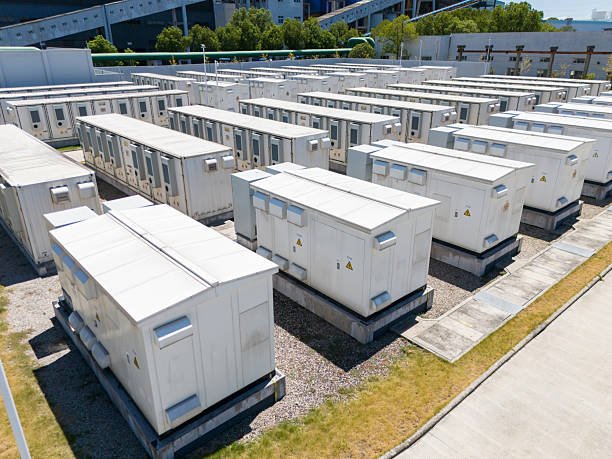
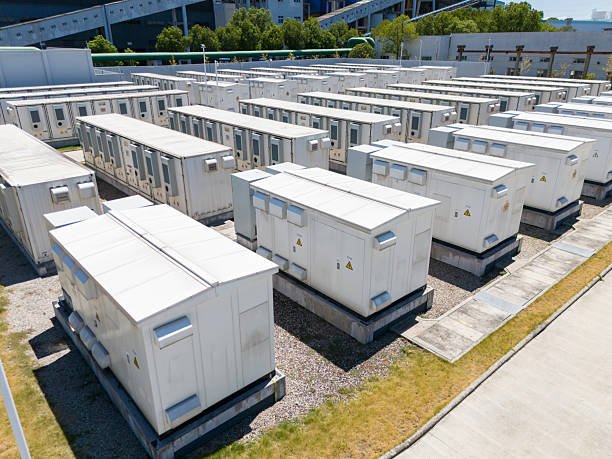
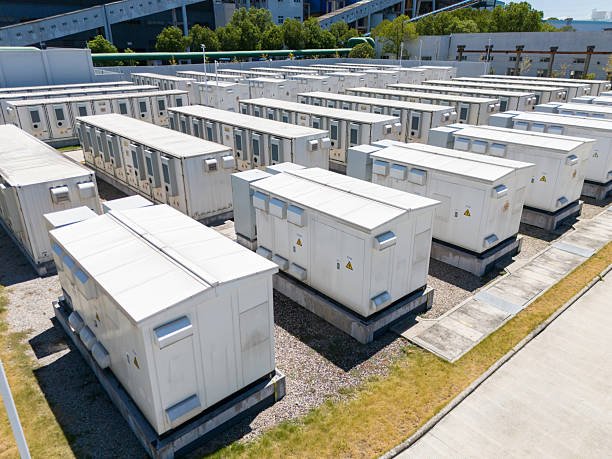
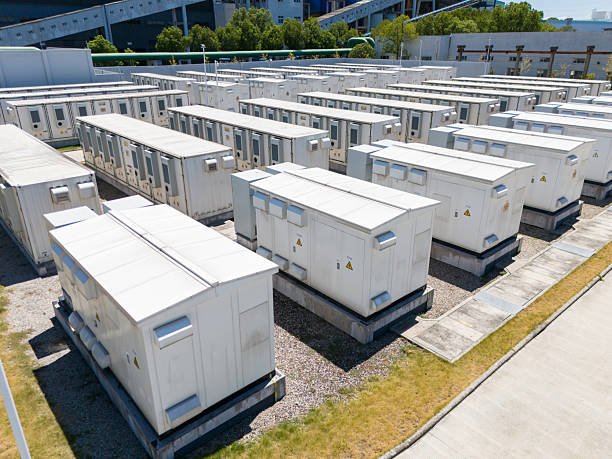
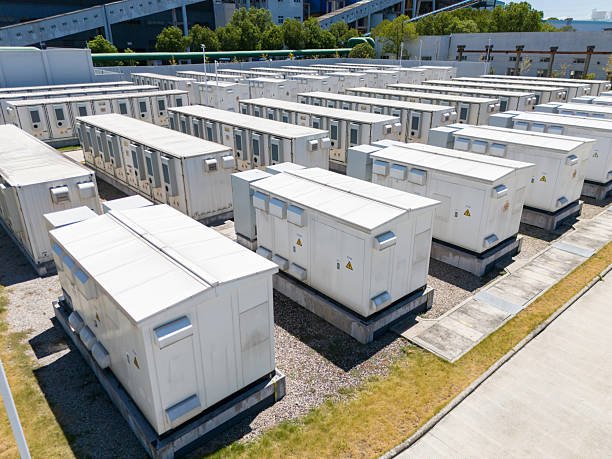
    The company’s portfolio includes both Independent Power Producer (IPP) and Captive Power Producer (CPP) projects across solar, wind, hybrid and battery energy storage systems (BESS). Its IPP portfolio stood at 2.57 GWp, comprising 0.97 GWp commissioned and 1.60 GWp under execution.

    KPI Green Energy expects its IPP portfolio to generate more than 390 million kWh annually at the estimated full run rate. The company is also progressing projects involving hybrid power, wind and BESS, including a 565 MW BESS portfolio across two projects.

    The company has strengthened its project execution platform with an 8,657-acre land bank and approximately 5.10 GW of power evacuation capacity. KPI Green Energy said securing land and grid connectivity upfront is helping reduce execution risk and improve the speed at which its project pipeline can be converted into operational capacity.

    Its geographical presence also expanded during Q1 FY27, with the company entering Rajasthan, while its total number of sites reached 133 across various transmission and distribution utilities.

    KPI Green Energy is also pursuing international opportunities. In Botswana, the company has signed an MoU with the government for 5 GW of renewable energy facilities, with planning for the first 500 MW phase underway. In the UAE, the company is working with partners on renewable energy solutions for data centres and other industries, including a solar-plus-BESS project for a containerized data centre facility.

    The company is further expanding into emerging renewable segments such as BESS, floating solar and energy trading. It has secured a 142 MW EPC order for a floating solar project at Kadana Dam in Gujarat, while a 565 MW / 1,130 MWh BESS agreement has been signed and financial closure is in progress. KPI Green Energy has also secured CERC and GERC trading licences and has begun trading on a pilot basis.

    With its expanding project pipeline, integrated execution capabilities and focus on IPP, CPP, BESS and other renewable platforms, KPI Green Energy is targeting continued capacity expansion as it works toward the KP Group’s 10+ GW renewable energy target by 2030.

  • KPI Green Energy Reports 16% Revenue Growth in Q1 FY27, EBITDA Rises 21%

    KPI Green Energy Reports 16% Revenue Growth in Q1 FY27, EBITDA Rises 21%

    KPI Green Energy Limited has reported a strong start to FY27, with consolidated total income rising 16% year-on-year to ₹710 crore in Q1 FY27, compared with ₹614 crore in Q1 FY26. EBITDA increased 21% to ₹262 crore, up from ₹217 crore a year earlier.

    The company’s revenue from operations stood at ₹694 crore, compared with ₹603 crore in the corresponding quarter of the previous fiscal year. EBITDA margin also improved to 37% from 35% in Q1 FY26.

    However, Profit After Tax (PAT) declined 14% to ₹95 crore, against ₹111 crore in Q1 FY26. KPI Green Energy attributed the decline to higher depreciation and finance costs associated with its growing asset base, with the company stating that the full earnings contribution from these assets is expected to materialise during the year.

    KPI Green Energy continued to expand its renewable energy portfolio during the quarter. The company’s total capacity reached 6.94 GW in June 2026, compared with 4.06 GW in June 2025. During the year, the company commissioned 0.85 GW of pipeline capacity and secured 2.88 GW of fresh orders.

    The company’s portfolio includes both Independent Power Producer (IPP) and Captive Power Producer (CPP) projects across solar, wind, hybrid and battery energy storage systems (BESS). Its IPP portfolio stood at 2.57 GWp, comprising 0.97 GWp commissioned and 1.60 GWp under execution.

    KPI Green Energy expects its IPP portfolio to generate more than 390 million kWh annually at the estimated full run rate. The company is also progressing projects involving hybrid power, wind and BESS, including a 565 MW BESS portfolio across two projects.

    The company has strengthened its project execution platform with an 8,657-acre land bank and approximately 5.10 GW of power evacuation capacity. KPI Green Energy said securing land and grid connectivity upfront is helping reduce execution risk and improve the speed at which its project pipeline can be converted into operational capacity.

    Its geographical presence also expanded during Q1 FY27, with the company entering Rajasthan, while its total number of sites reached 133 across various transmission and distribution utilities.

    KPI Green Energy is also pursuing international opportunities. In Botswana, the company has signed an MoU with the government for 5 GW of renewable energy facilities, with planning for the first 500 MW phase underway. In the UAE, the company is working with partners on renewable energy solutions for data centres and other industries, including a solar-plus-BESS project for a containerized data centre facility.

    The company is further expanding into emerging renewable segments such as BESS, floating solar and energy trading. It has secured a 142 MW EPC order for a floating solar project at Kadana Dam in Gujarat, while a 565 MW / 1,130 MWh BESS agreement has been signed and financial closure is in progress. KPI Green Energy has also secured CERC and GERC trading licences and has begun trading on a pilot basis.

    With its expanding project pipeline, integrated execution capabilities and focus on IPP, CPP, BESS and other renewable platforms, KPI Green Energy is targeting continued capacity expansion as it works toward the KP Group’s 10+ GW renewable energy target by 2030.

  • KPI Green Energy Reports 16% Revenue Growth in Q1 FY27, EBITDA Rises 21%

    KPI Green Energy Reports 16% Revenue Growth in Q1 FY27, EBITDA Rises 21%

    KPI Green Energy Limited has reported a strong start to FY27, with consolidated total income rising 16% year-on-year to ₹710 crore in Q1 FY27, compared with ₹614 crore in Q1 FY26. EBITDA increased 21% to ₹262 crore, up from ₹217 crore a year earlier.

    The company’s revenue from operations stood at ₹694 crore, compared with ₹603 crore in the corresponding quarter of the previous fiscal year. EBITDA margin also improved to 37% from 35% in Q1 FY26.

    However, Profit After Tax (PAT) declined 14% to ₹95 crore, against ₹111 crore in Q1 FY26. KPI Green Energy attributed the decline to higher depreciation and finance costs associated with its growing asset base, with the company stating that the full earnings contribution from these assets is expected to materialise during the year.

    KPI Green Energy continued to expand its renewable energy portfolio during the quarter. The company’s total capacity reached 6.94 GW in June 2026, compared with 4.06 GW in June 2025. During the year, the company commissioned 0.85 GW of pipeline capacity and secured 2.88 GW of fresh orders.

    The company’s portfolio includes both Independent Power Producer (IPP) and Captive Power Producer (CPP) projects across solar, wind, hybrid and battery energy storage systems (BESS). Its IPP portfolio stood at 2.57 GWp, comprising 0.97 GWp commissioned and 1.60 GWp under execution.

    KPI Green Energy expects its IPP portfolio to generate more than 390 million kWh annually at the estimated full run rate. The company is also progressing projects involving hybrid power, wind and BESS, including a 565 MW BESS portfolio across two projects.

    The company has strengthened its project execution platform with an 8,657-acre land bank and approximately 5.10 GW of power evacuation capacity. KPI Green Energy said securing land and grid connectivity upfront is helping reduce execution risk and improve the speed at which its project pipeline can be converted into operational capacity.

    Its geographical presence also expanded during Q1 FY27, with the company entering Rajasthan, while its total number of sites reached 133 across various transmission and distribution utilities.

    KPI Green Energy is also pursuing international opportunities. In Botswana, the company has signed an MoU with the government for 5 GW of renewable energy facilities, with planning for the first 500 MW phase underway. In the UAE, the company is working with partners on renewable energy solutions for data centres and other industries, including a solar-plus-BESS project for a containerized data centre facility.

    The company is further expanding into emerging renewable segments such as BESS, floating solar and energy trading. It has secured a 142 MW EPC order for a floating solar project at Kadana Dam in Gujarat, while a 565 MW / 1,130 MWh BESS agreement has been signed and financial closure is in progress. KPI Green Energy has also secured CERC and GERC trading licences and has begun trading on a pilot basis.

    With its expanding project pipeline, integrated execution capabilities and focus on IPP, CPP, BESS and other renewable platforms, KPI Green Energy is targeting continued capacity expansion as it works toward the KP Group’s 10+ GW renewable energy target by 2030.

  • KPI Green Energy Reports 16% Revenue Growth in Q1 FY27, EBITDA Rises 21%

    KPI Green Energy Reports 16% Revenue Growth in Q1 FY27, EBITDA Rises 21%

    KPI Green Energy Limited has reported a strong start to FY27, with consolidated total income rising 16% year-on-year to ₹710 crore in Q1 FY27, compared with ₹614 crore in Q1 FY26. EBITDA increased 21% to ₹262 crore, up from ₹217 crore a year earlier.

    The company’s revenue from operations stood at ₹694 crore, compared with ₹603 crore in the corresponding quarter of the previous fiscal year. EBITDA margin also improved to 37% from 35% in Q1 FY26.

    However, Profit After Tax (PAT) declined 14% to ₹95 crore, against ₹111 crore in Q1 FY26. KPI Green Energy attributed the decline to higher depreciation and finance costs associated with its growing asset base, with the company stating that the full earnings contribution from these assets is expected to materialise during the year.

    KPI Green Energy continued to expand its renewable energy portfolio during the quarter. The company’s total capacity reached 6.94 GW in June 2026, compared with 4.06 GW in June 2025. During the year, the company commissioned 0.85 GW of pipeline capacity and secured 2.88 GW of fresh orders.

    The company’s portfolio includes both Independent Power Producer (IPP) and Captive Power Producer (CPP) projects across solar, wind, hybrid and battery energy storage systems (BESS). Its IPP portfolio stood at 2.57 GWp, comprising 0.97 GWp commissioned and 1.60 GWp under execution.

    KPI Green Energy expects its IPP portfolio to generate more than 390 million kWh annually at the estimated full run rate. The company is also progressing projects involving hybrid power, wind and BESS, including a 565 MW BESS portfolio across two projects.

    The company has strengthened its project execution platform with an 8,657-acre land bank and approximately 5.10 GW of power evacuation capacity. KPI Green Energy said securing land and grid connectivity upfront is helping reduce execution risk and improve the speed at which its project pipeline can be converted into operational capacity.

    Its geographical presence also expanded during Q1 FY27, with the company entering Rajasthan, while its total number of sites reached 133 across various transmission and distribution utilities.

    KPI Green Energy is also pursuing international opportunities. In Botswana, the company has signed an MoU with the government for 5 GW of renewable energy facilities, with planning for the first 500 MW phase underway. In the UAE, the company is working with partners on renewable energy solutions for data centres and other industries, including a solar-plus-BESS project for a containerized data centre facility.

    The company is further expanding into emerging renewable segments such as BESS, floating solar and energy trading. It has secured a 142 MW EPC order for a floating solar project at Kadana Dam in Gujarat, while a 565 MW / 1,130 MWh BESS agreement has been signed and financial closure is in progress. KPI Green Energy has also secured CERC and GERC trading licences and has begun trading on a pilot basis.

    With its expanding project pipeline, integrated execution capabilities and focus on IPP, CPP, BESS and other renewable platforms, KPI Green Energy is targeting continued capacity expansion as it works toward the KP Group’s 10+ GW renewable energy target by 2030.

  • KPI Green Energy Reports 16% Revenue Growth in Q1 FY27, EBITDA Rises 21%

    KPI Green Energy Reports 16% Revenue Growth in Q1 FY27, EBITDA Rises 21%

    KPI Green Energy Limited has reported a strong start to FY27, with consolidated total income rising 16% year-on-year to ₹710 crore in Q1 FY27, compared with ₹614 crore in Q1 FY26. EBITDA increased 21% to ₹262 crore, up from ₹217 crore a year earlier.

    The company’s revenue from operations stood at ₹694 crore, compared with ₹603 crore in the corresponding quarter of the previous fiscal year. EBITDA margin also improved to 37% from 35% in Q1 FY26.

    However, Profit After Tax (PAT) declined 14% to ₹95 crore, against ₹111 crore in Q1 FY26. KPI Green Energy attributed the decline to higher depreciation and finance costs associated with its growing asset base, with the company stating that the full earnings contribution from these assets is expected to materialise during the year.

    KPI Green Energy continued to expand its renewable energy portfolio during the quarter. The company’s total capacity reached 6.94 GW in June 2026, compared with 4.06 GW in June 2025. During the year, the company commissioned 0.85 GW of pipeline capacity and secured 2.88 GW of fresh orders.

    The company’s portfolio includes both Independent Power Producer (IPP) and Captive Power Producer (CPP) projects across solar, wind, hybrid and battery energy storage systems (BESS). Its IPP portfolio stood at 2.57 GWp, comprising 0.97 GWp commissioned and 1.60 GWp under execution.

    KPI Green Energy expects its IPP portfolio to generate more than 390 million kWh annually at the estimated full run rate. The company is also progressing projects involving hybrid power, wind and BESS, including a 565 MW BESS portfolio across two projects.

    The company has strengthened its project execution platform with an 8,657-acre land bank and approximately 5.10 GW of power evacuation capacity. KPI Green Energy said securing land and grid connectivity upfront is helping reduce execution risk and improve the speed at which its project pipeline can be converted into operational capacity.

    Its geographical presence also expanded during Q1 FY27, with the company entering Rajasthan, while its total number of sites reached 133 across various transmission and distribution utilities.

    KPI Green Energy is also pursuing international opportunities. In Botswana, the company has signed an MoU with the government for 5 GW of renewable energy facilities, with planning for the first 500 MW phase underway. In the UAE, the company is working with partners on renewable energy solutions for data centres and other industries, including a solar-plus-BESS project for a containerized data centre facility.

    The company is further expanding into emerging renewable segments such as BESS, floating solar and energy trading. It has secured a 142 MW EPC order for a floating solar project at Kadana Dam in Gujarat, while a 565 MW / 1,130 MWh BESS agreement has been signed and financial closure is in progress. KPI Green Energy has also secured CERC and GERC trading licences and has begun trading on a pilot basis.

    With its expanding project pipeline, integrated execution capabilities and focus on IPP, CPP, BESS and other renewable platforms, KPI Green Energy is targeting continued capacity expansion as it works toward the KP Group’s 10+ GW renewable energy target by 2030.