Category: All News

  • Bharat Small Reactors Take Centre Stage at the 20th ICC India Energy Summit

    Bharat Small Reactors Take Centre Stage at the 20th ICC India Energy Summit

    Nuclear power moved to the centre of discussions on the second day of the 20th Indian Chamber of Commerce (ICC) India Energy Summit, themed “The Energy Business: The Present, Diversification and the Future,” in New Delhi. A focused panel discussion on nuclear power and Bharat Small Reactors (BSRs) examined the opportunities and challenges associated with scaling up nuclear energy in India.

    India is looking to expand nuclear capacity from about 8.8 GW towards 100 GW, and the discussion stressed turning this vision into a practical framework covering land acquisition, community engagement, water management, component manufacturing and skilled manpower.

    A central theme was the BSR programme, which builds on India’s established 220 MW pressurised heavy water reactor technology to meet industry’s captive power needs, offering energy-intensive sectors round-the-clock, low-carbon electricity, subject to the applicable regulatory framework.

    Highlighting the evolution of India’s nuclear reactor programme, Kishor U Agarwal, Director (Nuclear Strategy & Advisor), Vedanta Power, emphasised that the country’s experience with 220 MW reactors provides a strong engineering foundation for the BSR initiative.

    Agarwal, who spent 36 years at the Nuclear Power Corporation of India Limited (NPCIL) before moving to Vedanta Power, explained that the Government sought a way to bring private industry into nuclear power for its captive needs, which he put at about 65 to 70 gigawatts. The answer was NPCIL’s proven 220 MW reactor, which private partners can build jointly with NPCIL while NPCIL operates the plant.

    “The 220 MW reactor is a proven technology, with the last unit built by NPCIL commencing commercial operations in 2012. Since then, these reactors have demonstrated reliable performance, with all units continuing to operate and deliver power. The Bharat Small Reactor programme therefore builds on decades of operating experience, while standardisation has helped resolve several engineering challenges. The priority now is to strengthen the domestic supply chain and equip Indian industry to support wider deployment,” he said.

    He noted that one Kaiga reactor has operated for over 1,000 days and that a single truckload of fuel can sustain a reactor for about a year. On standardisation, he said, “The engineering has been done so well that anybody who comes can go straight to ordering equipment. Whether it is a nuclear system or a secondary system, it is now standardised.” Only two niche components, currently imported, are not yet made in India, and we expects Indian suppliers to start making them within a year or two. NPCIL is also setting up an engineering division for private industry within months.”

    Prasenjit Pal, Senior Advisor – Nuclear at Bajaj Energy and former Executive Director (Nuclear) at NTPC Parmanu Urja Nigam Ltd. drew on his experience at the Mahi Banswara project in Rajasthan. “Siting a nuclear power project is totally a different cup of tea,” he said. A site must be geotechnically sound, have a major water source, and sit away from seismic faults and military or industrial establishments, which sharply narrows the options. A twin 700 MW project, he noted, needs about 15 lakh cubic metres of concrete and 80 million cubic metres of water a year.

    On regulation, “In nuclear, the regulator is involved right from the siting stage. At every stage the regulator is involved,” he said, listing the Atomic Energy Regulatory Board’s site acceptance, siting, excavation and first pour of concrete clearances.

    Pal said community trust matters as much as engineering. At Mahi Banswara, where investment of about ₹48,000 crore is planned, new schools, roads and solar streetlights gave villages visible proof of the project’s benefits. “The local population has to be with you to enable you to establish a project,” he said. Excavation is about 50 days ahead of schedule, clearance for the first pour of concrete is expected around the middle of next year, and the first unit is targeted for criticality in 2032. “It is a long haul, but we seem to have made a good start.”

    On equipment, Pal noted that “Once the steam is outside the reactor, it is just like any other steam-based power plant,” urging that existing thermal power vendors participate in the non-nuclear island, and called for more agencies able to turn special alloys into reactor components guaranteed for the plant’s lifetime.

    The SHANTI Act, assented to on 20 December 2025, now allows private participation in plant operations, power generation and equipment manufacturing. Challenges remain, including high capital costs, long build times, scarce sites, imported alloys and clarity on tariffs and fuel supply. Over the next five years, the focus shifts from policy to projects: reactors under construction are due by 2031-32, and the government aims for at least five indigenous small modular reactors by 2033, towards 100 GW by 2047.

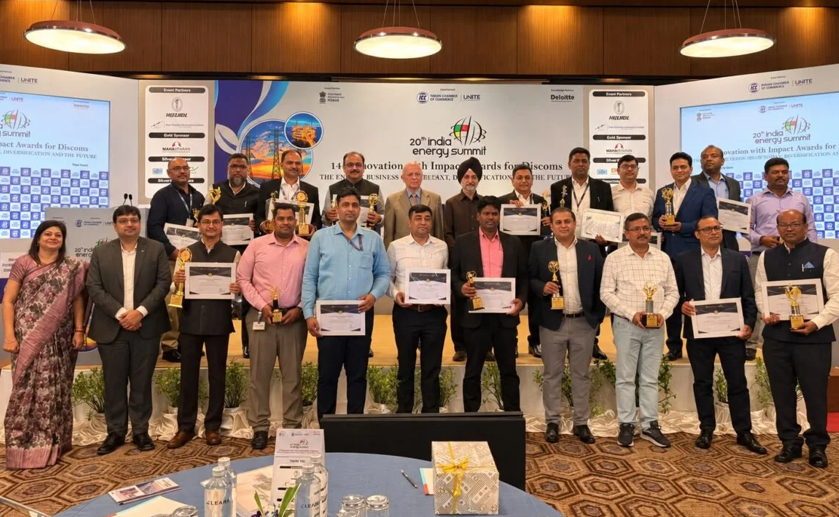
    The day concluded with the ICC Awards, including the Best State Power Utility Awards and the 14th Innovation with Impact Awards for Discoms 2026, recognising consistently performing public- and private-sector power distribution companies from across India. The awardees included Maharashtra State Electricity Distribution Company Limited, Kerala State Electricity Board, BSES Yamuna Power Limited, Northern Power Distribution Company of Telangana Limited, Tata Steel Utilities and Infrastructure Services Limited. The West Bengal State Electricity Distribution Company Limited received a Special Jury Award for Quality and Distribution of Power Supply During Criticalities.

    The summit was organised by the Indian Chamber of Commerce, with Deloitte serving as Knowledge Partner and Award Evaluator.
  • Bharat Small Reactors Take Centre Stage at the 20th ICC India Energy Summit

    Nuclear power moved to the centre of discussions on the second day of the 20th Indian Chamber of Commerce (ICC) India Energy Summit, themed “The Energy Business: The Present, Diversification and the Future,” in New Delhi. A focused panel discussion on nuclear power and Bharat Small Reactors (BSRs) examined the opportunities and challenges associated with scaling up nuclear energy in India.

    India is looking to expand nuclear capacity from about 8.8 GW towards 100 GW, and the discussion stressed turning this vision into a practical framework covering land acquisition, community engagement, water management, component manufacturing and skilled manpower.

    A central theme was the BSR programme, which builds on India’s established 220 MW pressurised heavy water reactor technology to meet industry’s captive power needs, offering energy-intensive sectors round-the-clock, low-carbon electricity, subject to the applicable regulatory framework.

    Highlighting the evolution of India’s nuclear reactor programme, Kishor U Agarwal, Director (Nuclear Strategy & Advisor), Vedanta Power, emphasised that the country’s experience with 220 MW reactors provides a strong engineering foundation for the BSR initiative.

    Agarwal, who spent 36 years at the Nuclear Power Corporation of India Limited (NPCIL) before moving to Vedanta Power, explained that the Government sought a way to bring private industry into nuclear power for its captive needs, which he put at about 65 to 70 gigawatts. The answer was NPCIL’s proven 220 MW reactor, which private partners can build jointly with NPCIL while NPCIL operates the plant.

    “The 220 MW reactor is a proven technology, with the last unit built by NPCIL commencing commercial operations in 2012. Since then, these reactors have demonstrated reliable performance, with all units continuing to operate and deliver power. The Bharat Small Reactor programme therefore builds on decades of operating experience, while standardisation has helped resolve several engineering challenges. The priority now is to strengthen the domestic supply chain and equip Indian industry to support wider deployment,” he said.

    He noted that one Kaiga reactor has operated for over 1,000 days and that a single truckload of fuel can sustain a reactor for about a year. On standardisation, he said, “The engineering has been done so well that anybody who comes can go straight to ordering equipment. Whether it is a nuclear system or a secondary system, it is now standardised.” Only two niche components, currently imported, are not yet made in India, and we expects Indian suppliers to start making them within a year or two. NPCIL is also setting up an engineering division for private industry within months.”

    Prasenjit Pal, Senior Advisor – Nuclear at Bajaj Energy and former Executive Director (Nuclear) at NTPC Parmanu Urja Nigam Ltd. drew on his experience at the Mahi Banswara project in Rajasthan. “Siting a nuclear power project is totally a different cup of tea,” he said. A site must be geotechnically sound, have a major water source, and sit away from seismic faults and military or industrial establishments, which sharply narrows the options. A twin 700 MW project, he noted, needs about 15 lakh cubic metres of concrete and 80 million cubic metres of water a year.

    On regulation, “In nuclear, the regulator is involved right from the siting stage. At every stage the regulator is involved,” he said, listing the Atomic Energy Regulatory Board’s site acceptance, siting, excavation and first pour of concrete clearances.

    Pal said community trust matters as much as engineering. At Mahi Banswara, where investment of about ₹48,000 crore is planned, new schools, roads and solar streetlights gave villages visible proof of the project’s benefits. “The local population has to be with you to enable you to establish a project,” he said. Excavation is about 50 days ahead of schedule, clearance for the first pour of concrete is expected around the middle of next year, and the first unit is targeted for criticality in 2032. “It is a long haul, but we seem to have made a good start.”

    On equipment, Pal noted that “Once the steam is outside the reactor, it is just like any other steam-based power plant,” urging that existing thermal power vendors participate in the non-nuclear island, and called for more agencies able to turn special alloys into reactor components guaranteed for the plant’s lifetime.

    The SHANTI Act, assented to on 20 December 2025, now allows private participation in plant operations, power generation and equipment manufacturing. Challenges remain, including high capital costs, long build times, scarce sites, imported alloys and clarity on tariffs and fuel supply. Over the next five years, the focus shifts from policy to projects: reactors under construction are due by 2031-32, and the government aims for at least five indigenous small modular reactors by 2033, towards 100 GW by 2047.

    The day concluded with the ICC Awards, including the Best State Power Utility Awards and the 14th Innovation with Impact Awards for Discoms 2026, recognising consistently performing public- and private-sector power distribution companies from across India. The awardees included Maharashtra State Electricity Distribution Company Limited, Kerala State Electricity Board, BSES Yamuna Power Limited, Northern Power Distribution Company of Telangana Limited, Tata Steel Utilities and Infrastructure Services Limited. The West Bengal State Electricity Distribution Company Limited received a Special Jury Award for Quality and Distribution of Power Supply During Criticalities.

    The summit was organised by the Indian Chamber of Commerce, with Deloitte serving as Knowledge Partner and Award Evaluator.
  • Organic Recycling Systems Secures Third BPCL Contract for CBG Plant

    Organic Recycling Systems Secures Third BPCL Contract for CBG Plant

    In September 2026, Organic Recycling Systems Limited (ORSL) bagged its third Engineering, Procurement, Construction, Operation and Maintenance (EPCOM) contract from Bharat Petroleum Corporation Limited (BPCL) within a week. The latest order further strengthens ORSL’s presence in India’s growing compressed biogas (CBG) sector.

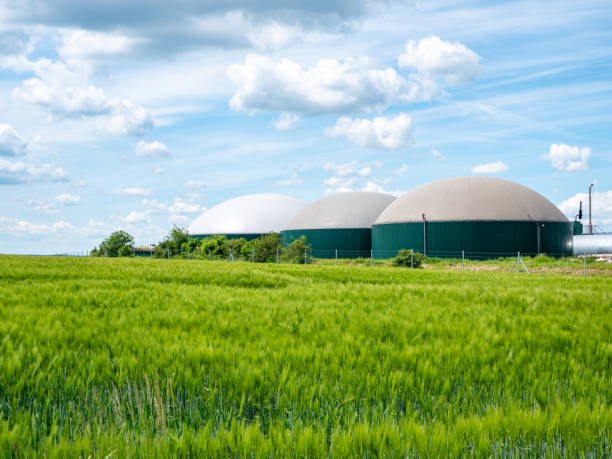
    The latest Letter of Acceptance (LoA), dated September 8, 2026, has been awarded to ORSL’s wholly owned subsidiary, Solapur Bioenergy Systems Pvt. Ltd. (SBESPL). Under the contract, SBESPL is set to develop an organic municipal solid waste-based CBG plant in the region of Kozhikode, Kerala. The project has a total contract value of approximately ₹92.41 crore, including GST. The facility will convert organic municipal solid waste into compressed biogas, supporting India’s efforts to expand renewable and waste-based energy solutions.

    With the latest Kozhikode award, ORSL’s cumulative EPCOM contracts from BPCL have increased to three projects with a combined value of ₹259.71 crore. The projects span Karnataka, Chhattisgarh and Kerala, strengthening ORSL’s geographical footprint in India’s CBG market. BPCL awarded the first two contracts for projects in Mysuru and Raipur on September 3 and September 4, 2026, respectively. Just five days later, ORSL secured the Kozhikode project.

    The series of BPCL contracts highlights a significant step in ORSL’s expansion across India’s waste-to-energy and compressed biogas industry. By developing CBG plants based on organic municipal waste, the projects will be able to support both waste management and renewable energy generation. Additionally, the long-term O&M arrangements can strengthen ORSL’s presence across the complete project lifecycle. With over three BPCL contracts secured within a single week, ORSL is further positioning itself as a key player in India’s expanding CBG and organic waste management infrastructure.

    Importantly, each of the three EPCOM contracts includes a five-year Operations and Maintenance (O&M) mandate. Therefore, once all three plants become operational, the contracts will collectively provide approximately 15 plant-years of contracted O&M operations. This structure allows ORSL to generate recurring, annuity-style operating revenue alongside its EPC project income.

    The global biogas market size was accounted for USD 161.03 billion in 2024 and is anticipated to reach around USD 291.66 billion by 2034, growing at a CAGR of 4.33% from 2025 to 2034. The market is growing due to increasing demand for renewable energy, supportive government policies, and the rising utilization of organic waste for sustainable fuel production.

    According to Precedence Research, the market is expanding due to rising demand for sustainable waste management and renewable energy. Through subsidies, incentives, and renewable energy. Through subsidies, incentives, and renewable energy targets, governments in a number of nations are encouraging the production of biogas. Additionally, market expansion is being supported by the increasing need to cut greenhouse gas emissions and make effective use of organic waste. The use of biogas systems is being further encouraged by the growing production of organic waste from agriculture, municipalities, and industries.

    Technological developments in biogas upgrading are increasing end-use applications and improving fuel quality. Additionally, it is anticipated that growing investments in waste-to-energy and circular economy projects will create a new source of income for market players. In a number of nations, the integration of biogas into natural gas grids is also gaining traction.

  • Organic Recycling Systems Secures Third BPCL Contract for CBG Plant

    In September 2026, Organic Recycling Systems Limited (ORSL) bagged its third Engineering, Procurement, Construction, Operation and Maintenance (EPCOM) contract from Bharat Petroleum Corporation Limited (BPCL) within a week. The latest order further strengthens ORSL’s presence in India’s growing compressed biogas (CBG) sector.

    The latest Letter of Acceptance (LoA), dated September 8, 2026, has been awarded to ORSL’s wholly owned subsidiary, Solapur Bioenergy Systems Pvt. Ltd. (SBESPL). Under the contract, SBESPL is set to develop an organic municipal solid waste-based CBG plant in the region of Kozhikode, Kerala. The project has a total contract value of approximately ₹92.41 crore, including GST. The facility will convert organic municipal solid waste into compressed biogas, supporting India’s efforts to expand renewable and waste-based energy solutions.

    With the latest Kozhikode award, ORSL’s cumulative EPCOM contracts from BPCL have increased to three projects with a combined value of ₹259.71 crore. The projects span Karnataka, Chhattisgarh and Kerala, strengthening ORSL’s geographical footprint in India’s CBG market. BPCL awarded the first two contracts for projects in Mysuru and Raipur on September 3 and September 4, 2026, respectively. Just five days later, ORSL secured the Kozhikode project.

    The series of BPCL contracts highlights a significant step in ORSL’s expansion across India’s waste-to-energy and compressed biogas industry. By developing CBG plants based on organic municipal waste, the projects will be able to support both waste management and renewable energy generation. Additionally, the long-term O&M arrangements can strengthen ORSL’s presence across the complete project lifecycle. With over three BPCL contracts secured within a single week, ORSL is further positioning itself as a key player in India’s expanding CBG and organic waste management infrastructure.

    Importantly, each of the three EPCOM contracts includes a five-year Operations and Maintenance (O&M) mandate. Therefore, once all three plants become operational, the contracts will collectively provide approximately 15 plant-years of contracted O&M operations. This structure allows ORSL to generate recurring, annuity-style operating revenue alongside its EPC project income.

    The global biogas market size was accounted for USD 161.03 billion in 2024 and is anticipated to reach around USD 291.66 billion by 2034, growing at a CAGR of 4.33% from 2025 to 2034. The market is growing due to increasing demand for renewable energy, supportive government policies, and the rising utilization of organic waste for sustainable fuel production.

    According to Precedence Research, the market is expanding due to rising demand for sustainable waste management and renewable energy. Through subsidies, incentives, and renewable energy. Through subsidies, incentives, and renewable energy targets, governments in a number of nations are encouraging the production of biogas. Additionally, market expansion is being supported by the increasing need to cut greenhouse gas emissions and make effective use of organic waste. The use of biogas systems is being further encouraged by the growing production of organic waste from agriculture, municipalities, and industries.

    Technological developments in biogas upgrading are increasing end-use applications and improving fuel quality. Additionally, it is anticipated that growing investments in waste-to-energy and circular economy projects will create a new source of income for market players. In a number of nations, the integration of biogas into natural gas grids is also gaining traction.

  • Replus Engitech Appoints Nishmitha Shetty as Vertical Head – C&I (ESS)

    Replus Engitech Appoints Nishmitha Shetty as Vertical Head – C&I (ESS)

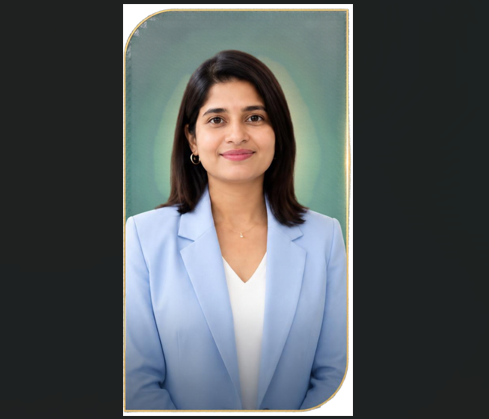
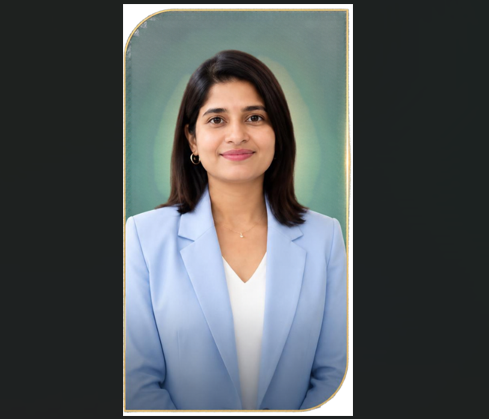
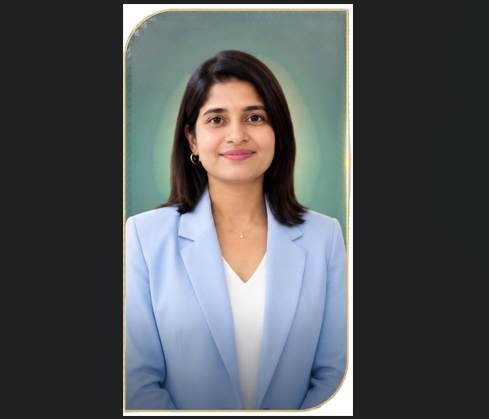
    Replus Engitech Private Limited (Replus), a subsidiary of HEG Advanced Materials Limited (HEGAM), today announced the appointment of Nishmitha Shetty as Vertical Head – Commercial & Industrial (C&I). She will be responsible for driving the growth and expansion of Replus’ C&I Energy Storage Systems business, a strategic focus area for the company.

    Ms. Shetty has more than 15 years of experience in business development, commercial strategy and market expansion across renewable energy, utility solar, Battery Energy Storage Systems (BESS) and electrical infrastructure in India and the Asia Pacific region.

    She joins Replus from Hoymiles, where she served as Utility Business Head (India Region), successfully leading the India and MEA utility business for the company’s BESS and solar inverter portfolio. Prior to this, she spent nearly five years at LONGi Solar Technology, where she developed the company’s utility, open access and C&I solar business in India through close collaboration with EPCs, IPPs and developers. Her diverse experience also includes roles spanning quality, production at manufacturing facilities, marketing, sales and business leadership positioning with esteem entities like Honeywell Building Automation, Sungrow Power Supply and Technocrafts Switchgears (ABB System House).

    Ms. Shetty holds an MBA in Marketing and Operations from Narsee Monjee Institute of Management Studies (NMIMS), Mumbai.

    Hiren Pravin Shah, Managing Director & CEO, Replus Engitech Private Limited, said, “We are delighted to welcome Nishmitha to Replus. Commercial and industrial energy storage is an important growth vertical for us, as businesses across India look for reliable power and greater control over their energy costs. Nishmitha brings deep commercial experience across solar and energy storage, along with strong relationships across the developer and EPC ecosystem. Her leadership will be valuable as we scale our C&I offering across the country.”

    Nishmitha Shetty, Vertical Head – C&I (ESS), Replus Engitech Private Limited, said, “Energy storage is becoming central to how Indian businesses manage their power needs, and the C&I segment offers a significant opportunity. Replus brings together manufacturing, engineering and execution capabilities under one roof, backed by the strength of HEG Advanced Materials. I look forward to working with the team to build a strong C&I business and deliver dependable storage solutions to our customers.”

  • Replus Engitech Appoints Nishmitha Shetty as Vertical Head – C&I (ESS)

    Replus Engitech Private Limited (Replus), a subsidiary of HEG Advanced Materials Limited (HEGAM), today announced the appointment of Nishmitha Shetty as Vertical Head – Commercial & Industrial (C&I). She will be responsible for driving the growth and expansion of Replus’ C&I Energy Storage Systems business, a strategic focus area for the company.

    Ms. Shetty has more than 15 years of experience in business development, commercial strategy and market expansion across renewable energy, utility solar, Battery Energy Storage Systems (BESS) and electrical infrastructure in India and the Asia Pacific region.

    She joins Replus from Hoymiles, where she served as Utility Business Head (India Region), successfully leading the India and MEA utility business for the company’s BESS and solar inverter portfolio. Prior to this, she spent nearly five years at LONGi Solar Technology, where she developed the company’s utility, open access and C&I solar business in India through close collaboration with EPCs, IPPs and developers. Her diverse experience also includes roles spanning quality, production at manufacturing facilities, marketing, sales and business leadership positioning with esteem entities like Honeywell Building Automation, Sungrow Power Supply and Technocrafts Switchgears (ABB System House).

    Ms. Shetty holds an MBA in Marketing and Operations from Narsee Monjee Institute of Management Studies (NMIMS), Mumbai.

    Hiren Pravin Shah, Managing Director & CEO, Replus Engitech Private Limited, said, “We are delighted to welcome Nishmitha to Replus. Commercial and industrial energy storage is an important growth vertical for us, as businesses across India look for reliable power and greater control over their energy costs. Nishmitha brings deep commercial experience across solar and energy storage, along with strong relationships across the developer and EPC ecosystem. Her leadership will be valuable as we scale our C&I offering across the country.”

    Nishmitha Shetty, Vertical Head – C&I (ESS), Replus Engitech Private Limited, said, “Energy storage is becoming central to how Indian businesses manage their power needs, and the C&I segment offers a significant opportunity. Replus brings together manufacturing, engineering and execution capabilities under one roof, backed by the strength of HEG Advanced Materials. I look forward to working with the team to build a strong C&I business and deliver dependable storage solutions to our customers.”