Category: All News

  • Bijliride Scales Franchise Network to 20 Active Partners, Targets 50 as It Expands Across India

    Bijliride Scales Franchise Network to 20 Active Partners, Targets 50 as It Expands Across India

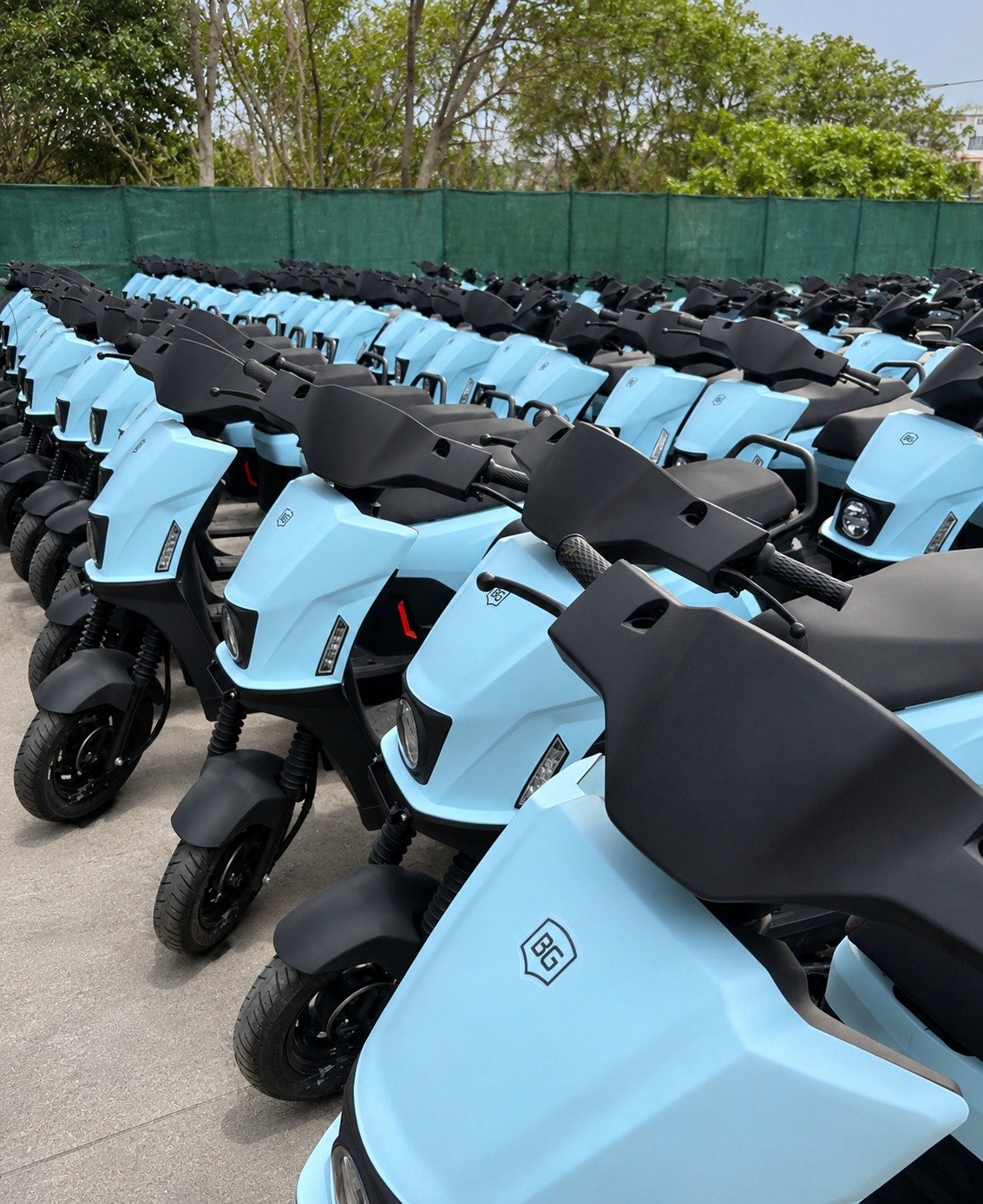
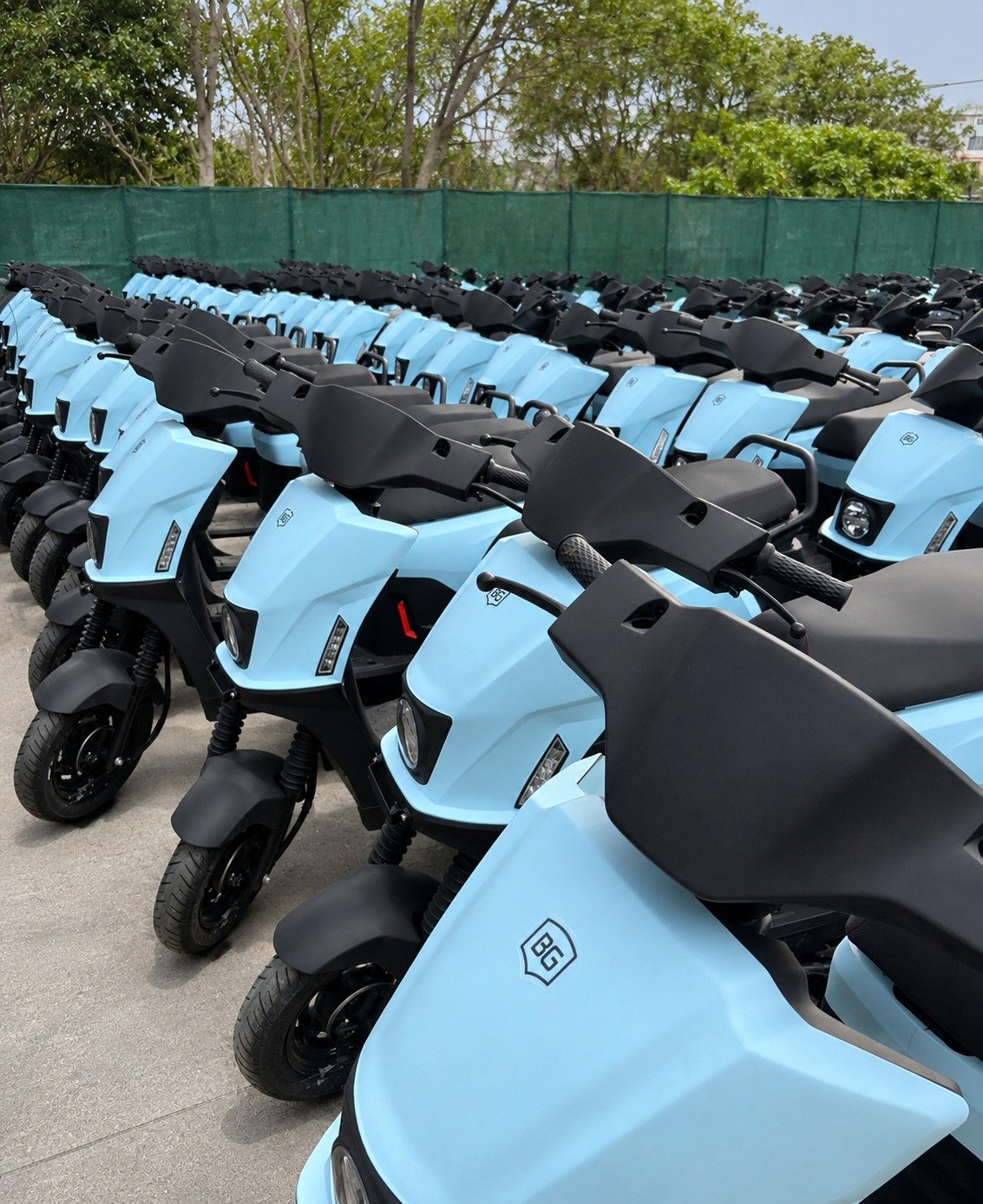
    EV mobility company Bijliride is scaling its franchise-led expansion across India, with 20 active franchise partners currently operating across its network, with a majority currently concentrated in key adoption hubs like Hyderabad and Pune, and another 20 partnerships nearing closure. The company is targeting a network of 50 franchise partners by the end of Q3, as it expands its presence and builds a more distributed EV mobility ecosystem across the country.

    The expansion comes as Bijliride looks to use partnerships as a key route to scale its EV mobility operations across markets. The franchise model enables local partners to establish and operate EV mobility hubs while leveraging Bijliride’s broader ecosystem and operational capabilities. With 20 additional partnerships close to being finalised, the company expects its franchise network to grow significantly in the near term. Moving forward, Phase 2 of this franchise rollout will strategically target the Western and Northern Indian markets to capture the growing regional demand for commercial EV fleets.

    Alongside its existing franchise model, Bijliride is also piloting a Master Franchise Model in Rajasthan and Maharashtra. Under this approach, the company is evaluating market-level partnerships that can help accelerate expansion across a larger geography while maintaining operational standards and consistency. The pilot will allow Bijliride to assess the scalability of the model before potentially extending it to other markets.

    Shivam Sisodiya, Co-Founder & CEO, Bijliride, said: “Franchising is becoming an important part of our strategy to scale EV mobility across India. Having 20 active franchise partners and another 20 partnerships nearing closure gives us a strong base as we work towards our target of 50 franchises. At the same time, we are experimenting with the Master Franchise Model in Rajasthan and Maharashtra to understand how we can accelerate market-level expansion while maintaining the operational standards that are important to us. We believe a combination of local partnerships and a strong central ecosystem can help us build EV mobility infrastructure at scale.”

    The company’s franchise expansion is part of its broader focus on building an accessible and distributed EV ecosystem for delivery riders, gig workers and last-mile mobility users. As Bijliride moves towards its target of 50 franchise partners, it plans to continue evaluating partnership models that can support faster and more efficient expansion across India’s growing EV mobility market.
  • Bijliride Scales Franchise Network to 20 Active Partners, Targets 50 as It Expands Across India

    Bijliride Scales Franchise Network to 20 Active Partners, Targets 50 as It Expands Across India

    EV mobility company Bijliride is scaling its franchise-led expansion across India, with 20 active franchise partners currently operating across its network, with a majority currently concentrated in key adoption hubs like Hyderabad and Pune, and another 20 partnerships nearing closure. The company is targeting a network of 50 franchise partners by the end of Q3, as it expands its presence and builds a more distributed EV mobility ecosystem across the country.

    The expansion comes as Bijliride looks to use partnerships as a key route to scale its EV mobility operations across markets. The franchise model enables local partners to establish and operate EV mobility hubs while leveraging Bijliride’s broader ecosystem and operational capabilities. With 20 additional partnerships close to being finalised, the company expects its franchise network to grow significantly in the near term. Moving forward, Phase 2 of this franchise rollout will strategically target the Western and Northern Indian markets to capture the growing regional demand for commercial EV fleets.

    Alongside its existing franchise model, Bijliride is also piloting a Master Franchise Model in Rajasthan and Maharashtra. Under this approach, the company is evaluating market-level partnerships that can help accelerate expansion across a larger geography while maintaining operational standards and consistency. The pilot will allow Bijliride to assess the scalability of the model before potentially extending it to other markets.

    Shivam Sisodiya, Co-Founder & CEO, Bijliride, said: “Franchising is becoming an important part of our strategy to scale EV mobility across India. Having 20 active franchise partners and another 20 partnerships nearing closure gives us a strong base as we work towards our target of 50 franchises. At the same time, we are experimenting with the Master Franchise Model in Rajasthan and Maharashtra to understand how we can accelerate market-level expansion while maintaining the operational standards that are important to us. We believe a combination of local partnerships and a strong central ecosystem can help us build EV mobility infrastructure at scale.”

    The company’s franchise expansion is part of its broader focus on building an accessible and distributed EV ecosystem for delivery riders, gig workers and last-mile mobility users. As Bijliride moves towards its target of 50 franchise partners, it plans to continue evaluating partnership models that can support faster and more efficient expansion across India’s growing EV mobility market.
  • Bijliride Scales Franchise Network to 20 Active Partners, Targets 50 as It Expands Across India

    EV mobility company Bijliride is scaling its franchise-led expansion across India, with 20 active franchise partners currently operating across its network, with a majority currently concentrated in key adoption hubs like Hyderabad and Pune, and another 20 partnerships nearing closure. The company is targeting a network of 50 franchise partners by the end of Q3, as it expands its presence and builds a more distributed EV mobility ecosystem across the country.

    The expansion comes as Bijliride looks to use partnerships as a key route to scale its EV mobility operations across markets. The franchise model enables local partners to establish and operate EV mobility hubs while leveraging Bijliride’s broader ecosystem and operational capabilities. With 20 additional partnerships close to being finalised, the company expects its franchise network to grow significantly in the near term. Moving forward, Phase 2 of this franchise rollout will strategically target the Western and Northern Indian markets to capture the growing regional demand for commercial EV fleets.

    Alongside its existing franchise model, Bijliride is also piloting a Master Franchise Model in Rajasthan and Maharashtra. Under this approach, the company is evaluating market-level partnerships that can help accelerate expansion across a larger geography while maintaining operational standards and consistency. The pilot will allow Bijliride to assess the scalability of the model before potentially extending it to other markets.

    Shivam Sisodiya, Co-Founder & CEO, Bijliride, said: “Franchising is becoming an important part of our strategy to scale EV mobility across India. Having 20 active franchise partners and another 20 partnerships nearing closure gives us a strong base as we work towards our target of 50 franchises. At the same time, we are experimenting with the Master Franchise Model in Rajasthan and Maharashtra to understand how we can accelerate market-level expansion while maintaining the operational standards that are important to us. We believe a combination of local partnerships and a strong central ecosystem can help us build EV mobility infrastructure at scale.”

    The company’s franchise expansion is part of its broader focus on building an accessible and distributed EV ecosystem for delivery riders, gig workers and last-mile mobility users. As Bijliride moves towards its target of 50 franchise partners, it plans to continue evaluating partnership models that can support faster and more efficient expansion across India’s growing EV mobility market.
  • Kshema Power Targets 10 Wind Turbine Foundations a Month with Dedicated In-House Batching Plants

    Kshema Power Targets 10 Wind Turbine Foundations a Month with Dedicated In-House Batching Plants

    Kshema Power has strengthened its renewable energy project execution capabilities with the successful commissioning of two dedicated in-house batching plants in Madhya Pradesh. The facilities mark an important step in the company’s strategy to ensure an uninterrupted supply of high-quality concrete for wind turbine foundation construction, while improving execution efficiency and schedule adherence.

    Wind turbine foundation construction is among the most time-sensitive activities in a wind energy project, requiring large volumes of high-quality concrete within a defined window to ensure structural integrity and timely completion. Projects in remote or geographically dispersed locations often face challenges when concrete is sourced externally, including limited supplier availability, transportation constraints, and variations in supply and quality, all of which can affect construction schedules.

    To address this, Kshema Power has set up a dedicated in-house batching plant to cater specifically to the concrete requirements of its wind energy projects. By bringing concrete production closer to the project site and under its direct operational control, the company has strengthened supply reliability and reduced dependency on external suppliers.

    The dedicated facility allows Kshema Power to plan and produce concrete in line with each project’s foundation construction schedule, and to better coordinate material procurement, production, transportation, manpower, and equipment deployment. This integrated approach reduces the risk of interruptions from external supply dependencies and allows the company to respond more effectively to changes in construction priorities.

    Managing production in-house also gives Kshema Power greater control over material handling, mix preparation, batching, and quality monitoring, ensuring that concrete supplied for turbine foundations consistently meets project specifications. The facility is therefore not just a production unit but part of the company’s integrated project execution system, connecting material availability, quality control, logistics, and construction under one coordinated framework.

    The dedicated batching capability is expected to meaningfully improve the pace of wind turbine foundation construction by ensuring uninterrupted casting operations. With this enhanced capacity, Kshema Power is targeting completion of up to 10 wind turbine foundations every month, supporting better schedule adherence as it manages large-scale renewable energy projects.

    “Reliable access to quality construction materials is essential for timely renewable energy project execution. Our dedicated in-house batching plant strengthens our supply chain resilience by reducing dependency on external suppliers and giving us greater control over the availability, quality, and timely supply of concrete. With this capability, we are targeting the completion of 10 wind turbine foundations every month, supporting better schedule adherence and improved execution efficiency. This strategic investment strengthens our ability to deliver large-scale renewable energy projects with greater speed, reliability, and operational excellence,” said Mr. V. N. Kalyanasundaram, Senior Vice President – Supply Chain, Kshema Power.

    The in-house batching plant is a significant addition to Kshema Power’s project execution infrastructure, reflecting the company’s focus on building capabilities that address critical project requirements internally. By investing in dedicated infrastructure, Kshema Power is strengthening its ability to manage the complete execution cycle—from material availability and concrete production to foundation construction and scheduling—with greater predictability.

    As the company continues to scale its renewable energy portfolio, this integrated approach will help build greater resilience into project execution, reduce avoidable delays, and support consistent quality across projects, reinforcing Kshema Power’s position as a trusted EPC partner in India’s clean energy transition.

  • Kshema Power Targets 10 Wind Turbine Foundations a Month with Dedicated In-House Batching Plants

    Kshema Power has strengthened its renewable energy project execution capabilities with the successful commissioning of two dedicated in-house batching plants in Madhya Pradesh. The facilities mark an important step in the company’s strategy to ensure an uninterrupted supply of high-quality concrete for wind turbine foundation construction, while improving execution efficiency and schedule adherence.

    Wind turbine foundation construction is among the most time-sensitive activities in a wind energy project, requiring large volumes of high-quality concrete within a defined window to ensure structural integrity and timely completion. Projects in remote or geographically dispersed locations often face challenges when concrete is sourced externally, including limited supplier availability, transportation constraints, and variations in supply and quality, all of which can affect construction schedules.

    To address this, Kshema Power has set up a dedicated in-house batching plant to cater specifically to the concrete requirements of its wind energy projects. By bringing concrete production closer to the project site and under its direct operational control, the company has strengthened supply reliability and reduced dependency on external suppliers.

    The dedicated facility allows Kshema Power to plan and produce concrete in line with each project’s foundation construction schedule, and to better coordinate material procurement, production, transportation, manpower, and equipment deployment. This integrated approach reduces the risk of interruptions from external supply dependencies and allows the company to respond more effectively to changes in construction priorities.

    Managing production in-house also gives Kshema Power greater control over material handling, mix preparation, batching, and quality monitoring, ensuring that concrete supplied for turbine foundations consistently meets project specifications. The facility is therefore not just a production unit but part of the company’s integrated project execution system, connecting material availability, quality control, logistics, and construction under one coordinated framework.

    The dedicated batching capability is expected to meaningfully improve the pace of wind turbine foundation construction by ensuring uninterrupted casting operations. With this enhanced capacity, Kshema Power is targeting completion of up to 10 wind turbine foundations every month, supporting better schedule adherence as it manages large-scale renewable energy projects.

    “Reliable access to quality construction materials is essential for timely renewable energy project execution. Our dedicated in-house batching plant strengthens our supply chain resilience by reducing dependency on external suppliers and giving us greater control over the availability, quality, and timely supply of concrete. With this capability, we are targeting the completion of 10 wind turbine foundations every month, supporting better schedule adherence and improved execution efficiency. This strategic investment strengthens our ability to deliver large-scale renewable energy projects with greater speed, reliability, and operational excellence,” said Mr. V. N. Kalyanasundaram, Senior Vice President – Supply Chain, Kshema Power.

    The in-house batching plant is a significant addition to Kshema Power’s project execution infrastructure, reflecting the company’s focus on building capabilities that address critical project requirements internally. By investing in dedicated infrastructure, Kshema Power is strengthening its ability to manage the complete execution cycle—from material availability and concrete production to foundation construction and scheduling—with greater predictability.

    As the company continues to scale its renewable energy portfolio, this integrated approach will help build greater resilience into project execution, reduce avoidable delays, and support consistent quality across projects, reinforcing Kshema Power’s position as a trusted EPC partner in India’s clean energy transition.

  • ACME Solar Commissions Phase-I of 300 MWh BESS Project in Rajasthan

    ACME Solar Commissions Phase-I of 300 MWh BESS Project in Rajasthan

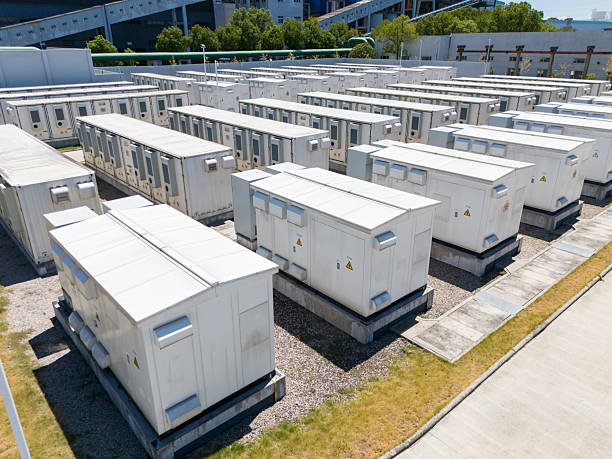
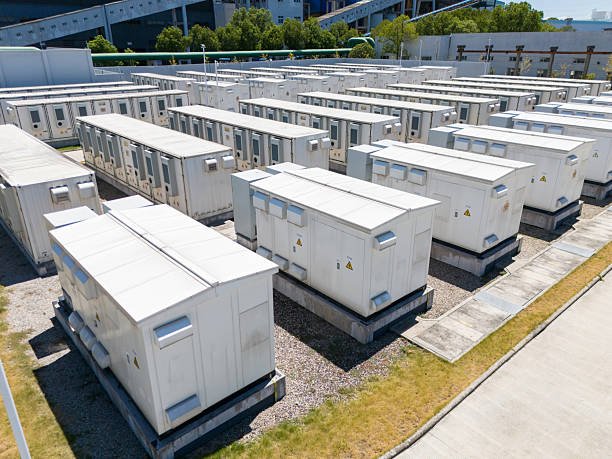
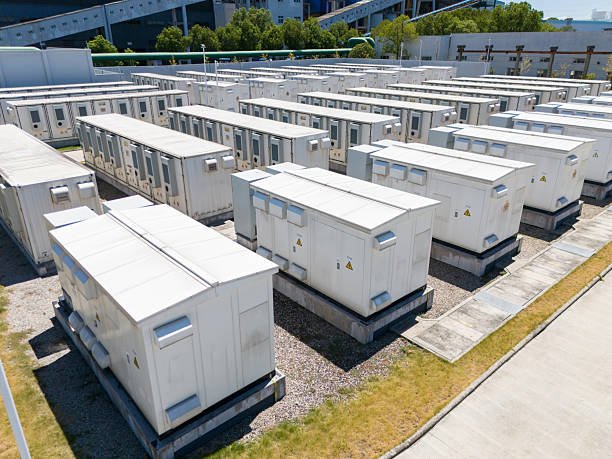
    ACME Solar Holdings has commissioned Phase-I of its Battery Energy Storage System (BESS) project in Rajasthan, marking a significant step in the development of its renewable energy infrastructure.

    The commissioned BESS has a capacity of 53.63 MW/300 MWh and forms part of the larger 300 MW/1,581 MWh Firm and Dispatchable Renewable Energy (FDRE) project located in Village Kelan, Bikaner district, Rajasthan.

    The commissioning was executed by ACME Greentech Seventh Private Limited on September 14, 2026. The Commercial Operation Date (COD) for the commissioned BESS capacity has been set for September 16, 2026.

    According to the company, only the BESS component of the project has been commissioned at this stage, while the associated renewable energy generation component remains under development.

    The phased commissioning enables ACME Solar to operationalise part of the project while work continues on the broader renewable energy infrastructure.

    The overall FDRE project has a planned capacity of 300 MW of renewable energy generation integrated with 1,581 MWh of energy storage. The project is being developed to support reliable and dispatchable renewable power.

    The company disclosed the development under Regulation 30 of the SEBI (Listing Obligations and Disclosure Requirements) Regulations, 2015, to the BSE and NSE.