Category: Policy

  • Tamil Nadu Creates Five New Renewable Energy Zones to Accelerate Green Energy Projects

    Tamil Nadu Creates Five New Renewable Energy Zones to Accelerate Green Energy Projects

    Chennai: The Tamil Nadu government has approved the establishment of five new Renewable Energy Zones (REZs) as part of a major administrative reform aimed at accelerating the development of wind and solar energy projects across the state. The initiative is expected to improve project implementation, simplify approvals, and strengthen Tamil Nadu’s position as a leader in India’s clean energy transition.

    The newly created Renewable Energy Zones replace the state’s previous circular office structure with a more streamlined and investor-friendly framework designed to enhance efficiency and facilitate faster project execution.

    Administrative Reform to Boost Renewable Energy

    According to the state government, the reorganization is intended to simplify project approvals while improving coordination between government departments and renewable energy developers.

    The reform also supports Tamil Nadu’s long-term renewable energy strategy by creating a more efficient administrative system capable of handling the rapid expansion of solar and wind energy projects.

    Focus on Battery Energy Storage

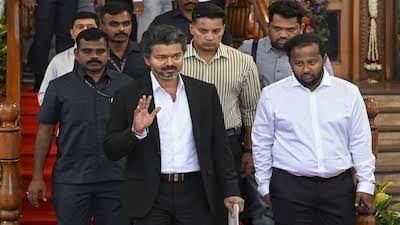
    Tamil Nadu’s Minister for Energy Resources and Law, Nirmal Kumar, said the new Renewable Energy Zones will not only enhance renewable power generation but also support emerging technologies such as Battery Energy Storage Systems (BESS).

    The initiative is expected to strengthen the state’s renewable energy ecosystem while improving services for investors seeking to develop clean energy infrastructure.

    Faster Approvals for Renewable Energy Projects

    Under the revised administrative structure, Deputy Executive Engineers will oversee project management, implementation, and monitoring within each Renewable Energy Zone.

    The Tamil Nadu Electricity Board headquarters in Chennai will also receive additional responsibilities to strengthen project oversight and coordination.

    The new framework is expected to:

    • Reduce project approval timelines.
    • Improve technical evaluation processes.
    • Strengthen grid infrastructure coordination.
    • Enhance investor support through a single-window clearance system.
    • Improve overall project execution efficiency.

    Supporting Tamil Nadu’s 2030 Clean Energy Vision

    Tamil Nadu has consistently ranked among India’s leading renewable energy states, particularly in wind power generation. The creation of dedicated Renewable Energy Zones reflects the state’s continued efforts to expand renewable capacity while attracting greater domestic and international investment.

    By simplifying administrative procedures and strengthening institutional support, the government aims to accelerate renewable energy deployment and move closer to its ambitious 2030 clean energy targets.

    Outlook

    The establishment of five Renewable Energy Zones marks an important policy initiative for Tamil Nadu’s renewable energy sector. The reforms are expected to improve ease of doing business, reduce implementation delays, encourage investments in wind, solar and battery storage projects, and reinforce the state’s leadership in India’s transition toward a cleaner and more sustainable energy future.
  • MNRE Extends ALMM Framework to Solar Ingots and Wafers from June 1, 2028

    MNRE Extends ALMM Framework to Solar Ingots and Wafers from June 1, 2028

    New Delhi: The Ministry of New and Renewable Energy (MNRE) has expanded the Approved List of Models and Manufacturers (ALMM) framework to include solar ingots and wafers, marking a significant step toward strengthening India’s domestic solar manufacturing ecosystem. The newly introduced ALMM List-III will become effective from June 1, 2028, making the use of approved wafers mandatory for eligible solar projects across the country.

    The move is aimed at promoting self-reliance in the solar value chain, improving supply chain resilience, reducing dependence on imports, and ensuring higher quality standards for solar manufacturing in India.

    ALMM List-III to Cover Solar Ingots and Wafers

    Under the revised framework, all solar projects, including net metering and open access installations, will be required to use wafers listed under ALMM List-III from June 1, 2028.

    Additionally, bids submitted after the notified cut-off date under the Electricity Act must mandatorily utilize ALMM List-III compliant solar wafers, ensuring wider adoption of domestically approved components.

    Boost to Domestic Solar Manufacturing

    Union Minister for New and Renewable Energy Pralhad Joshi described the decision as a major milestone in strengthening India’s solar manufacturing capabilities.

    According to the minister, extending ALMM to ingots and wafers will:

    • Increase domestic manufacturing capacity.
    • Strengthen India’s solar supply chain.
    • Reduce reliance on imported solar components.
    • Improve quality standards across the solar value chain.
    • Support the vision of Atmanirbhar Bharat in renewable energy.

    Capacity Requirements for Manufacturers

    The ministry stated that the first ALMM List-III will only be notified after at least three independent manufacturers become operational with a combined production capacity of 15 GW within the country.

    To qualify for inclusion, manufacturers must also maintain equivalent solar ingot production capacity, encouraging upstream integration and strengthening India’s complete solar manufacturing ecosystem.

    Existing Projects Protected

    To ensure a smooth transition, the government has introduced grandfathering provisions, allowing projects already under implementation to continue without disruption.

    The ministry also clarified that the existing Domestic Content Requirement (DCR) norms will remain unchanged under the new policy.

    Supporting India’s Renewable Energy Goals

    The expansion of the ALMM framework aligns with India’s ambitious target of achieving 500 GW of non-fossil fuel energy capacity by 2030.

    By encouraging domestic production of critical solar components such as ingots and wafers, the government aims to build a more resilient and globally competitive renewable energy manufacturing industry while reducing import dependency and accelerating the country’s clean energy transition.

    Outlook

    The inclusion of solar ingots and wafers under the ALMM framework represents another significant policy initiative to deepen domestic manufacturing across India’s solar supply chain. Industry stakeholders are expected to benefit from greater policy certainty, improved investment opportunities, and enhanced local value addition, supporting India’s long-term goal of becoming a global renewable energy manufacturing hub.

  • Can Bangladesh Achieve Its 20% Renewable Energy Target by 2030?

    Can Bangladesh Achieve Its 20% Renewable Energy Target by 2030?

    Dhaka, Bangladesh: Bangladesh has renewed its commitment to expanding clean energy by setting a target to generate 20% of its electricity from renewable sources by 2030, backed by fiscal reforms introduced in the FY27 national budget. While the new incentives mark a significant policy shift, experts caution that achieving the target will require major investments, regulatory certainty, and rapid infrastructure upgrades.

    The FY27 budget removes several import duties, regulatory duties, and advance taxes on solar panels, inverters, battery storage systems, and other renewable energy components until 2031. These measures are intended to reduce the cost of clean energy technologies and encourage private sector investment after years of tax policies that favored fossil fuel infrastructure.

    Renewable Capacity Remains Well Below Target

    Bangladesh currently operates approximately 1,700 MW of renewable energy capacity compared to more than 30,000 MW of total installed power generation capacity. According to the Institute for Energy Economics and Financial Analysis (IEEFA), the country will need to add nearly 760 MW of renewable capacity every year through 2030 to have a realistic chance of meeting its target.

    Energy analysts note that the government’s objective could be interpreted either as 20% of installed capacity or 20% of actual electricity consumption, with the latter representing a far more ambitious challenge.

    Rooftop Solar and Utility Projects Offer Hope

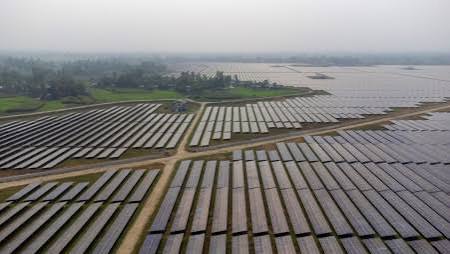
    Experts point to two major initiatives that could accelerate renewable deployment: the National Rooftop Solar Programme, targeting around 3,300 MW, and utility-scale renewable projects expected to contribute another 5,500 MW of installed capacity.

    Together, these projects could add nearly 8,800 MW of renewable generation, although actual electricity production will be lower because of solar capacity factors.

    Investment and Policy Stability Remain Critical

    Industry experts emphasize that fiscal incentives alone will not be enough to attract the level of investment required.

    They argue that investors need long-term policy certainty, timely payments, and confidence that renewable energy contracts will not face abrupt cancellations or regulatory reversals. Bangladesh also continues to face financing challenges due to its sovereign credit rating and the cancellation of several renewable energy projects in recent years.

    The IEEFA estimates Bangladesh will require between $933 million and $980 million in renewable energy investment annually until 2030 to remain on track toward its clean energy goals.

    Grid Infrastructure and Financing Pose Major Challenges

    Beyond financing, Bangladesh’s electricity grid requires significant modernization to integrate higher levels of renewable generation.

    Experts highlight the need for smart-grid technologies, battery energy storage systems, and improved transmission infrastructure. Meanwhile, access to affordable financing remains limited, making rooftop solar projects financially challenging for many businesses despite recent tax relief measures.

    Bangladesh’s geographical constraints also limit the expansion of large utility-scale solar farms. As a result, rooftop solar, floating solar installations, and distributed renewable energy systems are increasingly viewed as the country’s most practical pathway for expanding clean energy capacity.

    Outlook

    The FY27 budget represents one of Bangladesh’s strongest policy moves toward renewable energy by removing long-standing fiscal barriers for clean energy technologies. However, experts agree that achieving the 20% renewable electricity target by 2030 will depend on consistent policy implementation, stronger investor confidence, affordable financing, modern grid infrastructure, and continued private sector participation. If these challenges are successfully addressed, Bangladesh could significantly accelerate its clean energy transition over the coming years.