Category: Renewable Energy

  • Apple to Invest ₹100 Crore in India’s Renewable Energy Infrastructure with CleanMax

    Apple to Invest ₹100 Crore in India’s Renewable Energy Infrastructure with CleanMax

    New Delhi: Global technology company Apple has announced an investment of ₹100 crore to support the expansion of renewable energy infrastructure in India, reinforcing its commitment to sustainability and its global goal of achieving carbon neutrality across its entire business by 2030.

    The investment will be made in partnership with CleanMax, one of India’s leading renewable energy developers, to build more than 150 MW of new renewable energy capacity across the country.

    150 MW Renewable Energy Capacity Planned

    According to Apple, the planned renewable energy projects will generate enough clean electricity to power nearly 1.5 lakh Indian households annually. The company also indicated that the capacity could be expanded further in the coming years as renewable energy demand grows.

    The initiative is designed to strengthen renewable energy adoption across Apple’s manufacturing and supply chain operations in India while supporting the country’s transition to cleaner sources of power.

    Supporting Apple’s Carbon Neutrality Goals

    The investment forms part of Apple’s broader environmental strategy to become carbon neutral across its entire footprint by 2030, including its products, operations, and global supply chain.

    Commenting on the initiative, Sarah Chandler, Apple’s Vice President of Environment and Supply Chain Innovation, said the company’s environmental commitments continue to drive innovation across its global operations.

    She added that Apple is proud to expand its investments in India’s clean energy economy while helping protect the country’s natural resources.

    Expanding Renewable Energy Partnership with CleanMax

    Apple has previously collaborated with CleanMax on rooftop solar projects that supply 100% renewable electricity to its corporate offices and retail stores in India.

    The latest investment further strengthens the partnership and demonstrates Apple’s continued focus on increasing renewable energy use throughout its Indian operations.

    Focus on Circular Economy and Plastic Reduction

    Alongside its renewable energy investment, Apple also announced new sustainability partnerships aimed at addressing environmental challenges beyond clean power generation.

    The company will work with WWF-India to support recycling initiatives, improve waste management systems, increase material recovery, and reduce plastic leakage into ecosystems.

    In addition, Apple is partnering with Acumen to provide grants and mentorship to early-stage green enterprises working in sectors such as:

    • Waste management
    • Regenerative agriculture
    • Circular economy solutions
    • Sustainable resource management

    These initiatives are intended to encourage innovation while supporting environmentally responsible business models across India.

    Outlook

    Apple’s ₹100 crore investment highlights the growing role of global technology companies in accelerating India’s clean energy transition. By expanding renewable energy infrastructure, supporting sustainable supply chains, and promoting circular economy initiatives, the company is contributing to India’s renewable energy ambitions while advancing its own carbon neutrality roadmap for 2030. The partnership with CleanMax is expected to further strengthen renewable energy deployment and encourage greater private-sector participation in India’s green economy.


  • 90% of India’s Renewable Energy Portfolio Faces High Climate Risk by 2030

    90% of India’s Renewable Energy Portfolio Faces High Climate Risk by 2030

    As India rapidly scales up its clean energy infrastructure to meet ambitious national targets, a glaring blind spot has emerged: extreme weather.

    According to a new report released by Zurich Kotak General Insurance and Zurich Resilience Solutions, nearly 90% of India’s planned renewable energy portfolio could face high or critical climate risks by 2030. The findings underscore an urgent need to bake climate resilience into the development and construction phases of clean energy projects.

    A $55 Billion Portfolio Under Threat

    The comprehensive study assessed 871 planned renewable energy sites across India’s top ten renewable-producing states. Together, these sites account for approximately 267 GW of planned generation capacity.

    The data reveals a highly concentrated exposure to severe climate hazards, including tornadoes, wildfires, extreme floods, and hailstorms. Of the assessed assets, 90% were classified as high or critical risk, with a staggering 66% expected to reach the “critical” risk category by 2030.

    Currently, this equates to roughly $55 billion worth of renewable energy infrastructure exposed to severe operational disruptions and physical damage over the coming years.

    Solar Energy Faces the Highest Vulnerability

    Solar energy dominates India’s renewable energy pipeline, accounting for nearly 70% of the planned capacity and the vast majority of project sites. While wind and hydropower projects also contribute significantly, solar installations face some of the most pronounced near-term climate exposures.

    The report highlights that while developers routinely account for high wind speeds, other hazards are often overlooked. For instance, in prime solar hubs like Rajasthan and Gujarat, hailstorms pose a massive threat. Hail strikes can cause microscopic fractures in solar panels, quietly degrading their efficiency and eating into long-term revenue. Furthermore, prolonged droughts in arid regions lead to heavy dust accumulation, forcing operators into costly, water-intensive cleaning cycles.

    The Financial Case for Early Resilience

    The report stresses that these climate risks are entirely manageable if project developers take proactive steps. Early adaptation is not just an environmental necessity; it is a financial imperative.

    Experts estimate that a targeted resilience investment of roughly $4.6 billion—equivalent to just 2% of the portfolio’s total replacement cost—could slash projected climate-related losses by nearly half, dropping them from $55 billion to $27 billion. This represents an estimated six-fold return on investment for every dollar spent on resilience measures.

    5 Key Interventions for the Future

    To safeguard India’s green energy transition, the report outlines five priority recommendations for developers and policymakers:

    1. Mandatory Climate Risk Screening: Integrate rigorous climate risk assessments during the initial project planning and approval stages.
    2. Stress-Testing Assets: Regularly stress-test high-risk infrastructure against localized climate projections.
    3. Hazard-Specific Safeguards: Incorporate specific resilience measures (e.g., hail-resistant modules or elevated substations) into standard procurement contracts.
    4. Protecting Supporting Infrastructure: Extend resilience planning beyond the primary assets to include vital supporting infrastructure, such as grid connections and access roads.
    5. Unlocking Capital: Use verified resilience assessments to attract secure financing and improve insurability.

    As India works toward its goal of increasing non-fossil fuel electricity generation capacity to 60% by 2035, the message from the insurance and risk sector is clear: long-term success requires treating climate resilience as a standard component of green growth, rather than an optional added cost.

  • TruAlt Bioenergy Secures INR 150 Crore PM JI-VAN Support for SAF Project

    TruAlt Bioenergy Secures INR 150 Crore PM JI-VAN Support for SAF Project

    TruAlt Bioenergy has announced that it has received approval for financial assistance of INR 150 crore under the Government of India’s PM JI-VAN Yojana for its proposed commercial-scale Sustainable Aviation Fuel (SAF) project.

    The approval has been granted by the Centre for High Technology (CHT) under the Ministry of Petroleum and Natural Gas (MoPNG). The approved financial assistance of INR 150 crore is expected to incentivise approximately 7-10 percent of th project’s capital expenditure, thereby enhancing project viability, stated the company.

    The PM JI-VAN Yojana is a flagship initiative of the Government of India aimed at accelerating the commercialisation of advanced biofuels. Through targeted financial support, the scheme promotes technological innovation, utilisation of renewable feedstocks and agricultural residue and the development of indigenous low-carbon fuel technologies.

    The proposed SAF facility, with a planned production capacity of 10 crore litres per annum, is expected to play a pivotal role in advancing India’s energy transition and aviation decarbonisation objectives. The project will contribute to the development of a domestic SAF ecosystem, strengthen indigenous production of low-carbon aviation fuels, reduce dependence on imported fossil fuels, and support India’s long-term net-zero ambitions.

    Commenting on the development, Vijay Nirani, Managing Director, TruAlt Bioenergy, said, “This milestone represents far more than the development of a new facility, as the world accelerates towards decarbonising aviation, Sustainable Aviation Fuel will become an indispensable pillar of the future energy landscape. At TruAlt, we are committed to building globally competitive, indigenous solutions that strengthen India’s energy security while advancing climate goals.”

    The financial assistance will be released in accordance with project milestones and the terms of the Memorandum of Agreement to be executed with the Centre for High Technology.

    With an installed ethanol production capacity of 2,000 KLPD and integrated operations across the biofuels value chain, TruAlt will continue to expand its portfolio across ethanol, compressed biogas (CBG), sustainable aviation fuel and other future fuels, stated the company.

  • TruAlt Bioenergy Secures INR 150 Crore PM JI-VAN Support for SAF Project

    TruAlt Bioenergy Secures INR 150 Crore PM JI-VAN Support for SAF Project

    TruAlt Bioenergy has announced that it has received approval for financial assistance of INR 150 crore under the Government of India’s PM JI-VAN Yojana for its proposed commercial-scale Sustainable Aviation Fuel (SAF) project.

    The approval has been granted by the Centre for High Technology (CHT) under the Ministry of Petroleum and Natural Gas (MoPNG). The approved financial assistance of INR 150 crore is expected to incentivise approximately 7-10 percent of th project’s capital expenditure, thereby enhancing project viability, stated the company.

    The PM JI-VAN Yojana is a flagship initiative of the Government of India aimed at accelerating the commercialisation of advanced biofuels. Through targeted financial support, the scheme promotes technological innovation, utilisation of renewable feedstocks and agricultural residue and the development of indigenous low-carbon fuel technologies.

    The proposed SAF facility, with a planned production capacity of 10 crore litres per annum, is expected to play a pivotal role in advancing India’s energy transition and aviation decarbonisation objectives. The project will contribute to the development of a domestic SAF ecosystem, strengthen indigenous production of low-carbon aviation fuels, reduce dependence on imported fossil fuels, and support India’s long-term net-zero ambitions.

    Commenting on the development, Vijay Nirani, Managing Director, TruAlt Bioenergy, said, “This milestone represents far more than the development of a new facility, as the world accelerates towards decarbonising aviation, Sustainable Aviation Fuel will become an indispensable pillar of the future energy landscape. At TruAlt, we are committed to building globally competitive, indigenous solutions that strengthen India’s energy security while advancing climate goals.”

    The financial assistance will be released in accordance with project milestones and the terms of the Memorandum of Agreement to be executed with the Centre for High Technology.

    With an installed ethanol production capacity of 2,000 KLPD and integrated operations across the biofuels value chain, TruAlt will continue to expand its portfolio across ethanol, compressed biogas (CBG), sustainable aviation fuel and other future fuels, stated the company.

  • TruAlt Bioenergy Secures INR 150 Crore PM JI-VAN Support for SAF Project

    TruAlt Bioenergy Secures INR 150 Crore PM JI-VAN Support for SAF Project

    TruAlt Bioenergy has announced that it has received approval for financial assistance of INR 150 crore under the Government of India’s PM JI-VAN Yojana for its proposed commercial-scale Sustainable Aviation Fuel (SAF) project.

    The approval has been granted by the Centre for High Technology (CHT) under the Ministry of Petroleum and Natural Gas (MoPNG). The approved financial assistance of INR 150 crore is expected to incentivise approximately 7-10 percent of th project’s capital expenditure, thereby enhancing project viability, stated the company.

    The PM JI-VAN Yojana is a flagship initiative of the Government of India aimed at accelerating the commercialisation of advanced biofuels. Through targeted financial support, the scheme promotes technological innovation, utilisation of renewable feedstocks and agricultural residue and the development of indigenous low-carbon fuel technologies.

    The proposed SAF facility, with a planned production capacity of 10 crore litres per annum, is expected to play a pivotal role in advancing India’s energy transition and aviation decarbonisation objectives. The project will contribute to the development of a domestic SAF ecosystem, strengthen indigenous production of low-carbon aviation fuels, reduce dependence on imported fossil fuels, and support India’s long-term net-zero ambitions.

    Commenting on the development, Vijay Nirani, Managing Director, TruAlt Bioenergy, said, “This milestone represents far more than the development of a new facility, as the world accelerates towards decarbonising aviation, Sustainable Aviation Fuel will become an indispensable pillar of the future energy landscape. At TruAlt, we are committed to building globally competitive, indigenous solutions that strengthen India’s energy security while advancing climate goals.”

    The financial assistance will be released in accordance with project milestones and the terms of the Memorandum of Agreement to be executed with the Centre for High Technology.

    With an installed ethanol production capacity of 2,000 KLPD and integrated operations across the biofuels value chain, TruAlt will continue to expand its portfolio across ethanol, compressed biogas (CBG), sustainable aviation fuel and other future fuels, stated the company.

  • TruAlt Bioenergy Secures INR 150 Crore PM JI-VAN Support for SAF Project

    TruAlt Bioenergy Secures INR 150 Crore PM JI-VAN Support for SAF Project

    TruAlt Bioenergy has announced that it has received approval for financial assistance of INR 150 crore under the Government of India’s PM JI-VAN Yojana for its proposed commercial-scale Sustainable Aviation Fuel (SAF) project.

    The approval has been granted by the Centre for High Technology (CHT) under the Ministry of Petroleum and Natural Gas (MoPNG). The approved financial assistance of INR 150 crore is expected to incentivise approximately 7-10 percent of th project’s capital expenditure, thereby enhancing project viability, stated the company.

    The PM JI-VAN Yojana is a flagship initiative of the Government of India aimed at accelerating the commercialisation of advanced biofuels. Through targeted financial support, the scheme promotes technological innovation, utilisation of renewable feedstocks and agricultural residue and the development of indigenous low-carbon fuel technologies.

    The proposed SAF facility, with a planned production capacity of 10 crore litres per annum, is expected to play a pivotal role in advancing India’s energy transition and aviation decarbonisation objectives. The project will contribute to the development of a domestic SAF ecosystem, strengthen indigenous production of low-carbon aviation fuels, reduce dependence on imported fossil fuels, and support India’s long-term net-zero ambitions.

    Commenting on the development, Vijay Nirani, Managing Director, TruAlt Bioenergy, said, “This milestone represents far more than the development of a new facility, as the world accelerates towards decarbonising aviation, Sustainable Aviation Fuel will become an indispensable pillar of the future energy landscape. At TruAlt, we are committed to building globally competitive, indigenous solutions that strengthen India’s energy security while advancing climate goals.”

    The financial assistance will be released in accordance with project milestones and the terms of the Memorandum of Agreement to be executed with the Centre for High Technology.

    With an installed ethanol production capacity of 2,000 KLPD and integrated operations across the biofuels value chain, TruAlt will continue to expand its portfolio across ethanol, compressed biogas (CBG), sustainable aviation fuel and other future fuels, stated the company.

  • TruAlt Bioenergy Secures INR 150 Crore PM JI-VAN Support for SAF Project

    TruAlt Bioenergy Secures INR 150 Crore PM JI-VAN Support for SAF Project

    TruAlt Bioenergy has announced that it has received approval for financial assistance of INR 150 crore under the Government of India’s PM JI-VAN Yojana for its proposed commercial-scale Sustainable Aviation Fuel (SAF) project.

    The approval has been granted by the Centre for High Technology (CHT) under the Ministry of Petroleum and Natural Gas (MoPNG). The approved financial assistance of INR 150 crore is expected to incentivise approximately 7-10 percent of th project’s capital expenditure, thereby enhancing project viability, stated the company.

    The PM JI-VAN Yojana is a flagship initiative of the Government of India aimed at accelerating the commercialisation of advanced biofuels. Through targeted financial support, the scheme promotes technological innovation, utilisation of renewable feedstocks and agricultural residue and the development of indigenous low-carbon fuel technologies.

    The proposed SAF facility, with a planned production capacity of 10 crore litres per annum, is expected to play a pivotal role in advancing India’s energy transition and aviation decarbonisation objectives. The project will contribute to the development of a domestic SAF ecosystem, strengthen indigenous production of low-carbon aviation fuels, reduce dependence on imported fossil fuels, and support India’s long-term net-zero ambitions.

    Commenting on the development, Vijay Nirani, Managing Director, TruAlt Bioenergy, said, “This milestone represents far more than the development of a new facility, as the world accelerates towards decarbonising aviation, Sustainable Aviation Fuel will become an indispensable pillar of the future energy landscape. At TruAlt, we are committed to building globally competitive, indigenous solutions that strengthen India’s energy security while advancing climate goals.”

    The financial assistance will be released in accordance with project milestones and the terms of the Memorandum of Agreement to be executed with the Centre for High Technology.

    With an installed ethanol production capacity of 2,000 KLPD and integrated operations across the biofuels value chain, TruAlt will continue to expand its portfolio across ethanol, compressed biogas (CBG), sustainable aviation fuel and other future fuels, stated the company.

  • Pattern Energy’s SunZia Project Becomes Fully Operational as Largest RE Infrastructure Project in US History

    Pattern Energy’s SunZia Project Becomes Fully Operational as Largest RE Infrastructure Project in US History

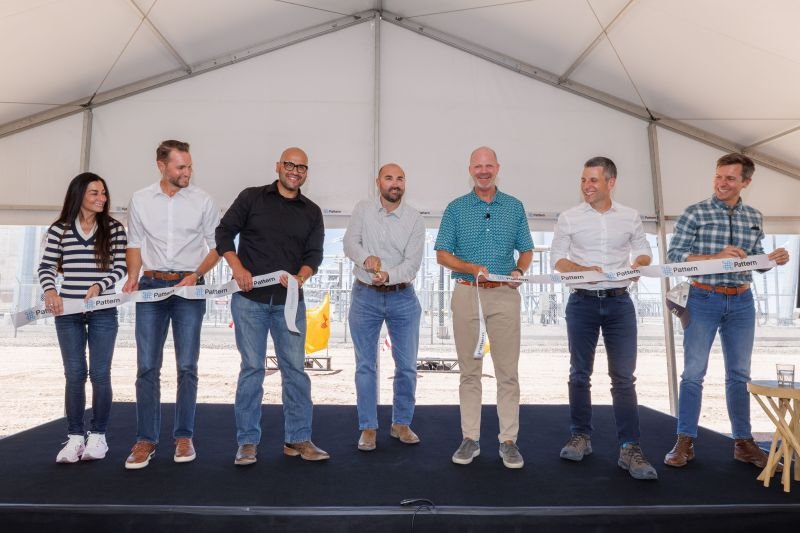
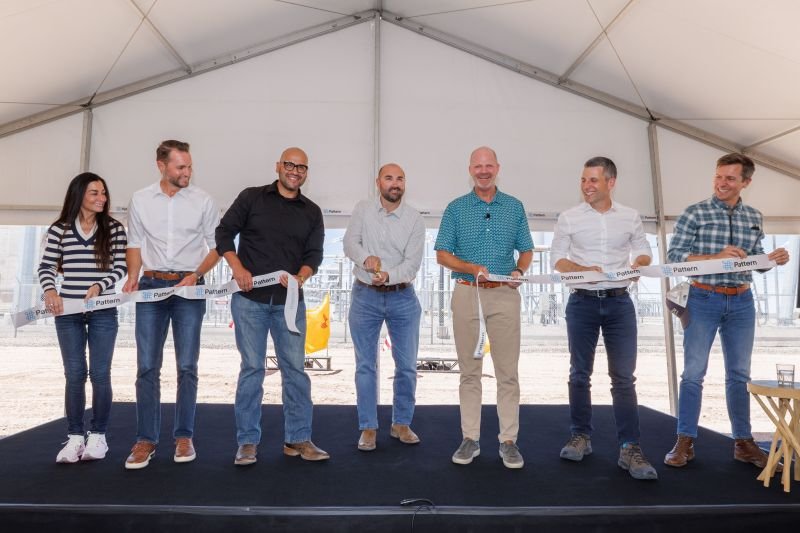
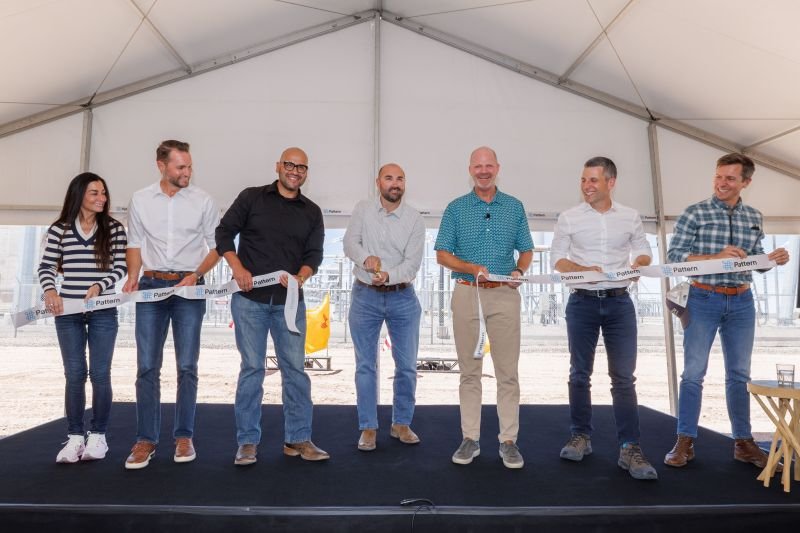
    Pattern Energy Group (Pattern Energy), a leader in clean energy and transmission infrastructure, announced that SunZia, the largest renewable energy infrastructure project in U.S. history is fully operational. The SunZia project can generate and deliver more power than the Hoover Dam and supply affordable, reliable energy to the western United States.

    “SunZia proves that we can still build the consequential infrastructure this country needs,” said Hunter Armistead, CEO of Pattern Energy. “We did this the right way, we did it on time and on budget – in genuine partnership with the local communities and landowners who trusted us, with the environmental stewardship this unique landscape deserves, and with the determination to see something through that many thought was too big and too complex to finish.”

    The approximately 3,650-megawatt (MW) wind project and 550-mile high-voltage direct current (HVDC) transmission line that comprise SunZia are generating and delivering affordable, American-made energy from New Mexico to Arizona and to customers across the western grid. At full capacity, the project can deliver enough energy to power approximately one million American homes annually.

    “SunZia becoming fully operational is a milestone more than 18 years in the making and one that I’ve been fighting for since I first came to Congress,” said U.S. Senator Martin Heinrich of New Mexico. “Through a whole series of obstacles spanning over a decade and a half, we kept working to move it forward because we knew what it could mean for America’s energy future and New Mexico’s role in leading it. Now, New Mexico is home to one of the largest energy infrastructure projects in the Western Hemisphere.”

    SunZia is meeting surging energy demand with new interregional transmission infrastructure that can deliver reliable, affordable energy. The project helps solve one of the central challenges facing the energy sector: not only building energy generation, but also the grid infrastructure needed to deliver that power.

    At the center of that solution is SunZia’s HVDC transmission system, which moves large amounts of electricity efficiently across long distances. With major converter stations at each end of the line converting power for delivery and then back for use on the grid, SunZia is deploying one of the first major HVDC systems built in the United States in a generation — advanced infrastructure that can help define how America delivers power at scale.

    “Large-scale transmission is essential to meeting the West’s growing energy needs and strengthening reliability across the grid,” said Elliot Mainzer, President and CEO of the California Independent System Operator (ISO). “Projects of this scale help deliver energy reliably to areas of rising demand, improve the movement of power across states and support a more resilient, flexible and affordable electric system. SunZia represents the kind of long-term infrastructure investment needed to serve customers today and prepare the grid for the future.”

    Construction on SunZia began in September 2023 and more than 2,000 quality jobs were supported at peak construction. The project will also create more than 100 permanent operations jobs in New Mexico and Arizona. The facility will invest over $20 billion in New Mexico and Arizona communities including $1.3 billion in direct payments to local governments, schools, counties and private landowners over the first 30 years of operations.

    “The benefits of this project will be felt in our communities for years to come,” said Barbara Sultemeier, Board Member for the Corona Landowner’s Association through the Lincoln County Community Foundation. “SunZia is supporting local jobs, strengthening the local tax base and creating long-term investment that can help support schools, public services, landowners and families across the region. For communities like ours, that kind of sustained economic impact matters.”

    SunZia also demonstrates what private industry can deliver when it takes on complex infrastructure challenges with discipline and responsibility. The fully contracted project advanced through years of development, permitting, financing, construction and community engagement, requiring close coordination among private companies, local governments, state and federal agencies, landowners and energy customers.

    “The result is historic energy infrastructure that will power millions of American homes and businesses for decades to come. This project sets a new standard for what is possible — and we intend to keep building on it,” said Hunter Armistead.

  • Pattern Energy’s SunZia Project Becomes Fully Operational as Largest RE Infrastructure Project in US History

    Pattern Energy’s SunZia Project Becomes Fully Operational as Largest RE Infrastructure Project in US History

    Pattern Energy Group (Pattern Energy), a leader in clean energy and transmission infrastructure, announced that SunZia, the largest renewable energy infrastructure project in U.S. history is fully operational. The SunZia project can generate and deliver more power than the Hoover Dam and supply affordable, reliable energy to the western United States.

    “SunZia proves that we can still build the consequential infrastructure this country needs,” said Hunter Armistead, CEO of Pattern Energy. “We did this the right way, we did it on time and on budget – in genuine partnership with the local communities and landowners who trusted us, with the environmental stewardship this unique landscape deserves, and with the determination to see something through that many thought was too big and too complex to finish.”

    The approximately 3,650-megawatt (MW) wind project and 550-mile high-voltage direct current (HVDC) transmission line that comprise SunZia are generating and delivering affordable, American-made energy from New Mexico to Arizona and to customers across the western grid. At full capacity, the project can deliver enough energy to power approximately one million American homes annually.

    “SunZia becoming fully operational is a milestone more than 18 years in the making and one that I’ve been fighting for since I first came to Congress,” said U.S. Senator Martin Heinrich of New Mexico. “Through a whole series of obstacles spanning over a decade and a half, we kept working to move it forward because we knew what it could mean for America’s energy future and New Mexico’s role in leading it. Now, New Mexico is home to one of the largest energy infrastructure projects in the Western Hemisphere.”

    SunZia is meeting surging energy demand with new interregional transmission infrastructure that can deliver reliable, affordable energy. The project helps solve one of the central challenges facing the energy sector: not only building energy generation, but also the grid infrastructure needed to deliver that power.

    At the center of that solution is SunZia’s HVDC transmission system, which moves large amounts of electricity efficiently across long distances. With major converter stations at each end of the line converting power for delivery and then back for use on the grid, SunZia is deploying one of the first major HVDC systems built in the United States in a generation — advanced infrastructure that can help define how America delivers power at scale.

    “Large-scale transmission is essential to meeting the West’s growing energy needs and strengthening reliability across the grid,” said Elliot Mainzer, President and CEO of the California Independent System Operator (ISO). “Projects of this scale help deliver energy reliably to areas of rising demand, improve the movement of power across states and support a more resilient, flexible and affordable electric system. SunZia represents the kind of long-term infrastructure investment needed to serve customers today and prepare the grid for the future.”

    Construction on SunZia began in September 2023 and more than 2,000 quality jobs were supported at peak construction. The project will also create more than 100 permanent operations jobs in New Mexico and Arizona. The facility will invest over $20 billion in New Mexico and Arizona communities including $1.3 billion in direct payments to local governments, schools, counties and private landowners over the first 30 years of operations.

    “The benefits of this project will be felt in our communities for years to come,” said Barbara Sultemeier, Board Member for the Corona Landowner’s Association through the Lincoln County Community Foundation. “SunZia is supporting local jobs, strengthening the local tax base and creating long-term investment that can help support schools, public services, landowners and families across the region. For communities like ours, that kind of sustained economic impact matters.”

    SunZia also demonstrates what private industry can deliver when it takes on complex infrastructure challenges with discipline and responsibility. The fully contracted project advanced through years of development, permitting, financing, construction and community engagement, requiring close coordination among private companies, local governments, state and federal agencies, landowners and energy customers.

    “The result is historic energy infrastructure that will power millions of American homes and businesses for decades to come. This project sets a new standard for what is possible — and we intend to keep building on it,” said Hunter Armistead.

  • Pattern Energy’s SunZia Project Becomes Fully Operational as Largest RE Infrastructure Project in US History

    Pattern Energy’s SunZia Project Becomes Fully Operational as Largest RE Infrastructure Project in US History

    Pattern Energy Group (Pattern Energy), a leader in clean energy and transmission infrastructure, announced that SunZia, the largest renewable energy infrastructure project in U.S. history is fully operational. The SunZia project can generate and deliver more power than the Hoover Dam and supply affordable, reliable energy to the western United States.

    “SunZia proves that we can still build the consequential infrastructure this country needs,” said Hunter Armistead, CEO of Pattern Energy. “We did this the right way, we did it on time and on budget – in genuine partnership with the local communities and landowners who trusted us, with the environmental stewardship this unique landscape deserves, and with the determination to see something through that many thought was too big and too complex to finish.”

    The approximately 3,650-megawatt (MW) wind project and 550-mile high-voltage direct current (HVDC) transmission line that comprise SunZia are generating and delivering affordable, American-made energy from New Mexico to Arizona and to customers across the western grid. At full capacity, the project can deliver enough energy to power approximately one million American homes annually.

    “SunZia becoming fully operational is a milestone more than 18 years in the making and one that I’ve been fighting for since I first came to Congress,” said U.S. Senator Martin Heinrich of New Mexico. “Through a whole series of obstacles spanning over a decade and a half, we kept working to move it forward because we knew what it could mean for America’s energy future and New Mexico’s role in leading it. Now, New Mexico is home to one of the largest energy infrastructure projects in the Western Hemisphere.”

    SunZia is meeting surging energy demand with new interregional transmission infrastructure that can deliver reliable, affordable energy. The project helps solve one of the central challenges facing the energy sector: not only building energy generation, but also the grid infrastructure needed to deliver that power.

    At the center of that solution is SunZia’s HVDC transmission system, which moves large amounts of electricity efficiently across long distances. With major converter stations at each end of the line converting power for delivery and then back for use on the grid, SunZia is deploying one of the first major HVDC systems built in the United States in a generation — advanced infrastructure that can help define how America delivers power at scale.

    “Large-scale transmission is essential to meeting the West’s growing energy needs and strengthening reliability across the grid,” said Elliot Mainzer, President and CEO of the California Independent System Operator (ISO). “Projects of this scale help deliver energy reliably to areas of rising demand, improve the movement of power across states and support a more resilient, flexible and affordable electric system. SunZia represents the kind of long-term infrastructure investment needed to serve customers today and prepare the grid for the future.”

    Construction on SunZia began in September 2023 and more than 2,000 quality jobs were supported at peak construction. The project will also create more than 100 permanent operations jobs in New Mexico and Arizona. The facility will invest over $20 billion in New Mexico and Arizona communities including $1.3 billion in direct payments to local governments, schools, counties and private landowners over the first 30 years of operations.

    “The benefits of this project will be felt in our communities for years to come,” said Barbara Sultemeier, Board Member for the Corona Landowner’s Association through the Lincoln County Community Foundation. “SunZia is supporting local jobs, strengthening the local tax base and creating long-term investment that can help support schools, public services, landowners and families across the region. For communities like ours, that kind of sustained economic impact matters.”

    SunZia also demonstrates what private industry can deliver when it takes on complex infrastructure challenges with discipline and responsibility. The fully contracted project advanced through years of development, permitting, financing, construction and community engagement, requiring close coordination among private companies, local governments, state and federal agencies, landowners and energy customers.

    “The result is historic energy infrastructure that will power millions of American homes and businesses for decades to come. This project sets a new standard for what is possible — and we intend to keep building on it,” said Hunter Armistead.