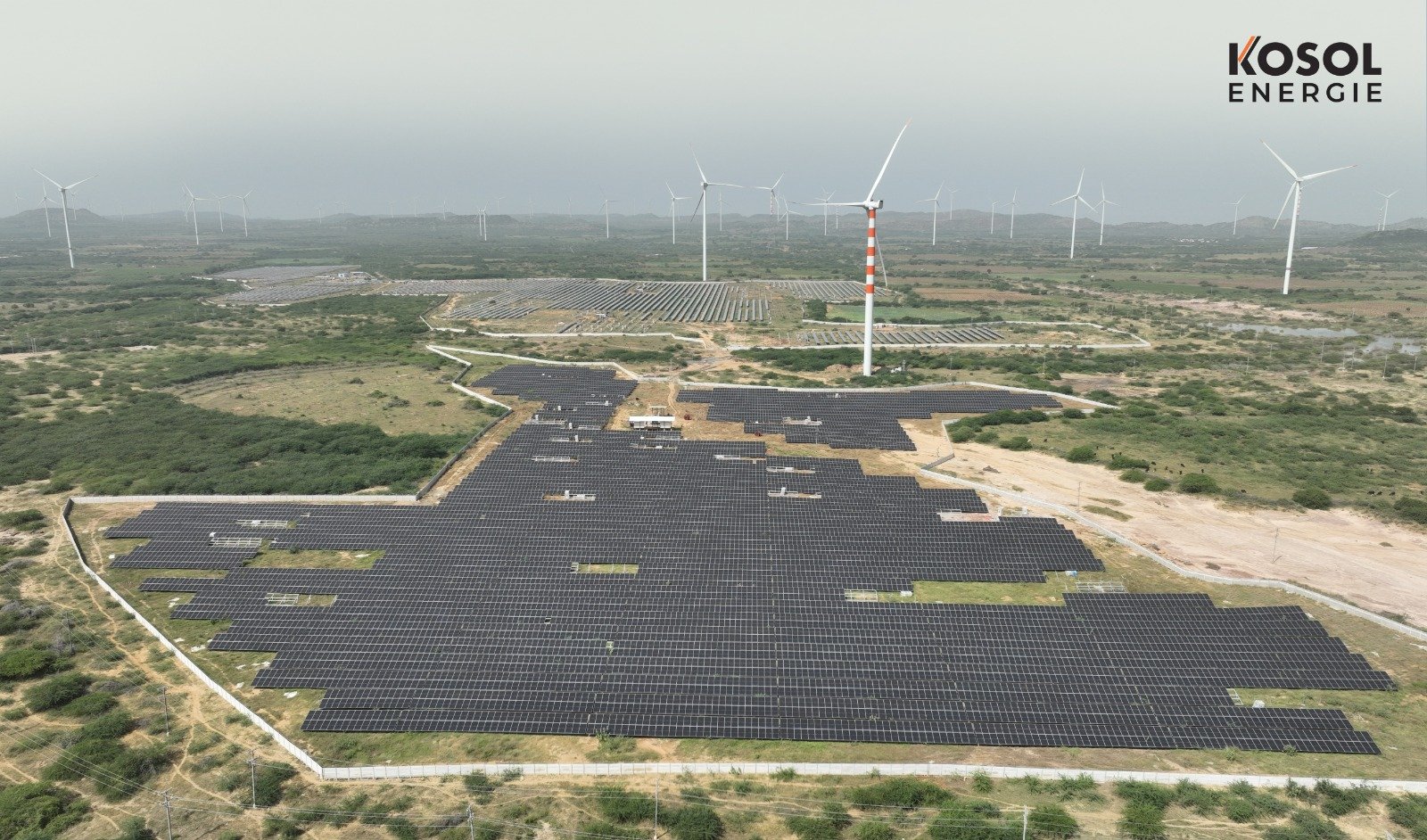
Odisha has unveiled an ambitious clean energy roadmap targeting 11 GW of renewable energy capacity by 2030, positioning itself as a premier destination for green investments in India.
To back this vision, the state government has approved 16 clean energy projects totaling nearly ₹2 lakh crore in investments, alongside massive upgrades to its electrical grid infrastructure.
A Massive Influx of Clean Energy Capital
Speaking at the Energy Conclave 2026 in Bhubaneswar—organized by the Confederation of Indian Industry (CII) and the Department of Energy—Deputy Chief Minister Kanak Vardhan Singh Deo highlighted surging investor confidence.
Beyond the approved ₹2 lakh crore project pipeline, Odisha drew an additional ₹67,000 crore in renewable energy proposals during its investors’ meet in February. These proposals represent approximately 6.7 GW of capacity across multiple technologies, including:
- Solar power
- Wind energy
- Pumped storage hydro projects
- Hybrid energy systems
These developments are foundational to the state’s Vision 2047, which aims to secure long-term sustainable and inclusive economic growth.
Upgrading Grid Reliability and Infrastructure
Integrating a massive influx of variable green power requires major infrastructure updates. The state is directing approximately ₹30,000 crore toward expanding its transmission network.
As part of this broader initiative, Vishal Kumar Dev, Additional Chief Secretary of the Energy Department, announced an immediate ₹4,500 crore allocation specifically aimed at boosting transmission and distribution reliability.
Furthermore, to combat grid flexibility challenges and manage peak loads, Odisha is actively developing battery energy storage projects at six strategic locations across the state.
Beyond Solar and Wind: Green Hydrogen and Innovation
Odisha’s extensive coastline and heavily built-out industrial corridors make it uniquely suited for next-generation clean fuels. The state is leveraging its geographical advantages to attract investments in green hydrogen and green ammonia production, aimed directly at decarbonizing heavy manufacturing sectors like steel and aluminum.
To fuel this transition, Odisha is establishing a clean energy innovation ecosystem, fostering active research collaborations with local Indian Institutes of Technology (IITs) and prominent research institutions in Singapore.
Looking Ahead: Global Energy Leaders Summit 2026
To foster deeper global ties among project developers, financiers, and technology innovators, officials announced that Bhubaneswar will soon play host to the Global Energy Leaders Summit 2026.
With clear policy frameworks and major grid investments underway, Odisha is rapidly transforming into a heavy-hitting hub for green manufacturing and industrial decarbonization over the next four years.