Blog

  • Kshema Power Secures Order for 315 MW Wind Project Transmission Infrastructure in Karnataka

    Kshema Power Secures Order for 315 MW Wind Project Transmission Infrastructure in Karnataka

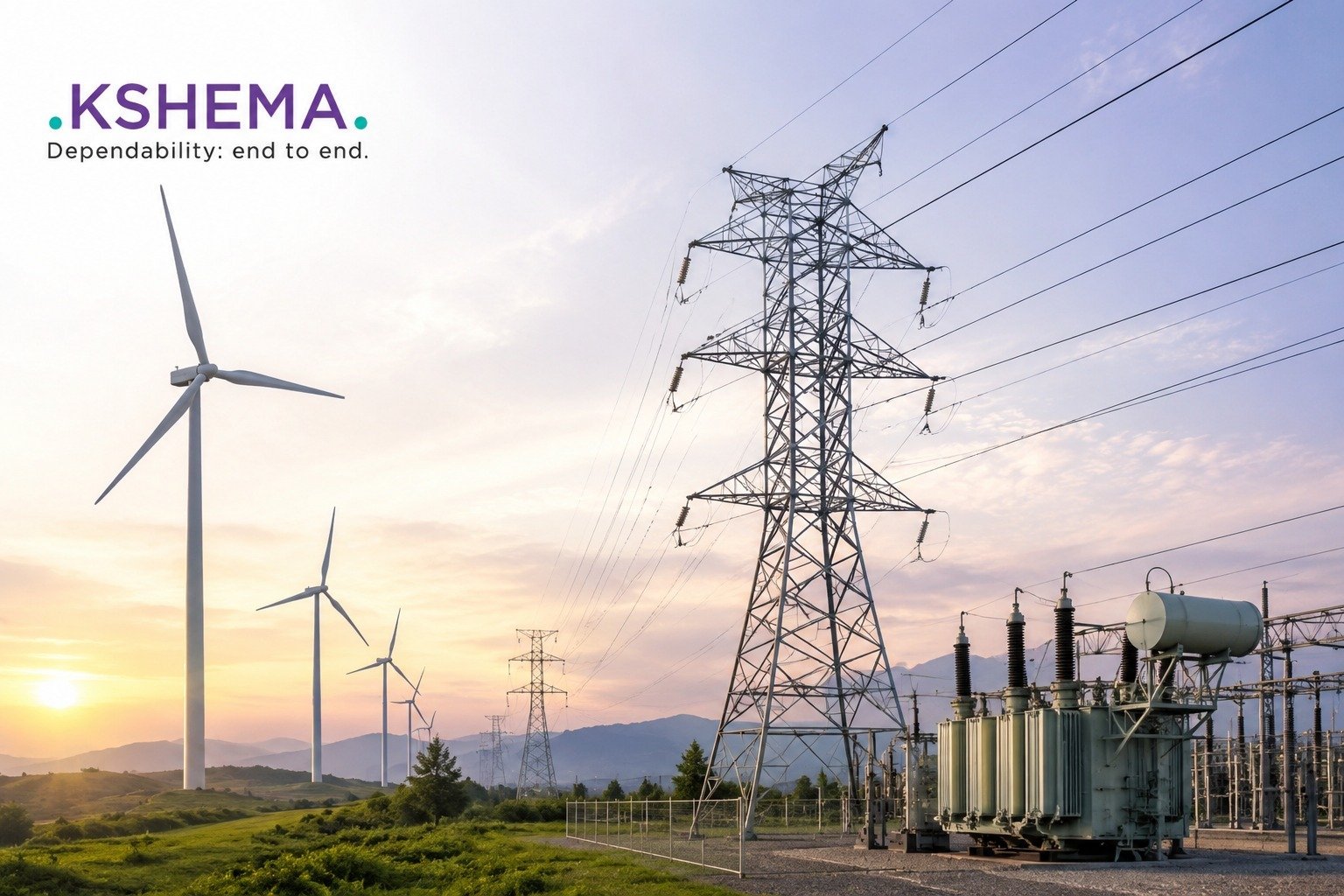
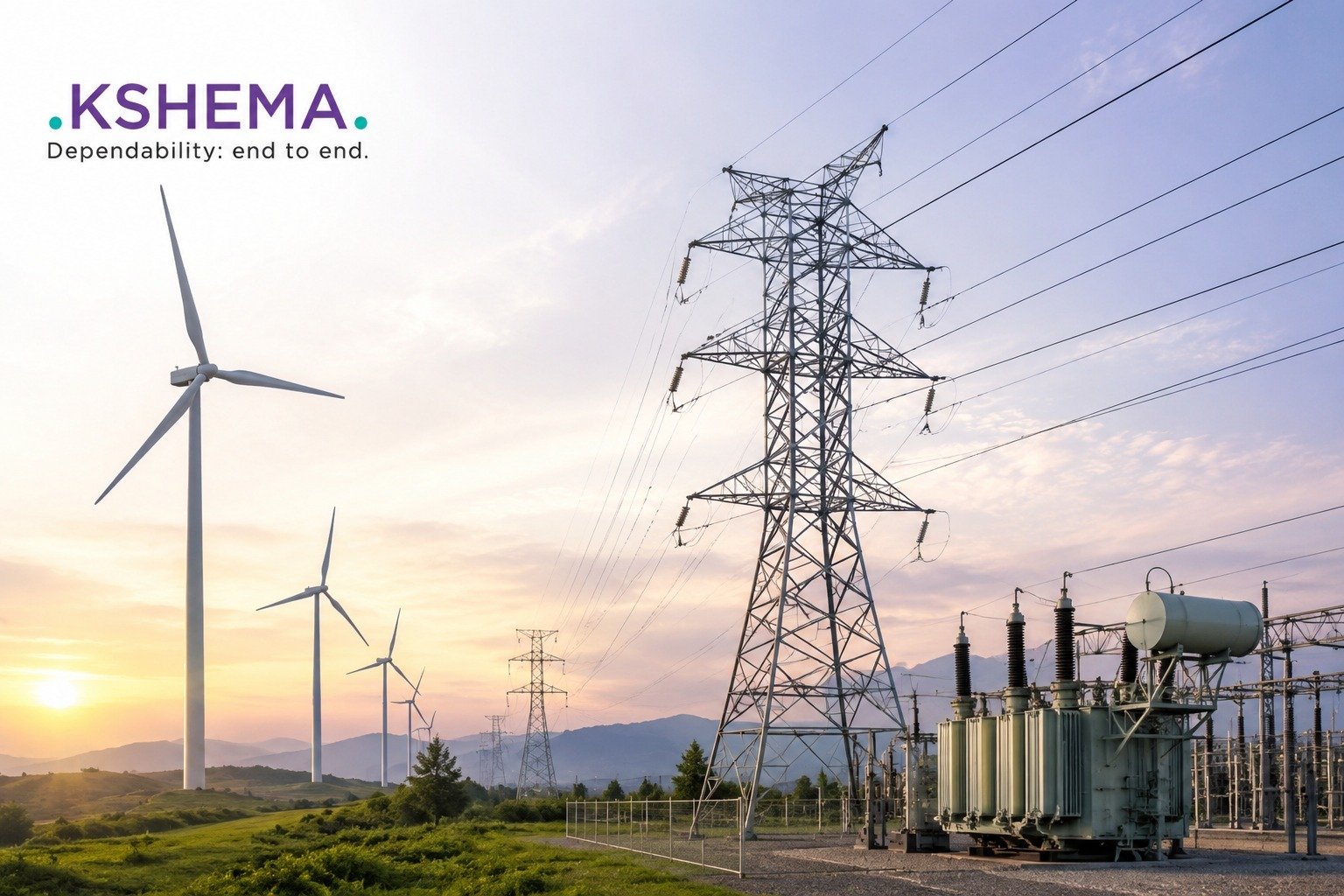
    Kshema Power, a renewable energy EPC company, has secured an order from an Independent Power Producer (IPP) for the development of critical transmission infrastructure for a 315 MW wind power project in Karnataka.

    The order includes the supply, civil works, erection and commissioning of approximately 33 km of 220 kV Single Circuit Transmission Line on Double Circuit Towers and Multi-Circuit Towers, along with the supply, civil works, erection and commissioning of unit substations and 33 kV transmission line infrastructure.

    Karnataka ranks third among Indian states at close to 8,900 MW, and evacuation infrastructure is increasingly the constraint on how quickly new capacity reaches the grid. The Central Electricity Authority’s National Electricity Plan (Transmission) envisages over 191,000 circuit kilometres of new transmission lines and an investment of more than INR 9.15 lakh crore through 2032 to support 500 GW of non-fossil capacity by 2030.

    While generation capacity continues to expand, the ability to evacuate, transmit and integrate renewable power reliably into the grid will be equally critical to achieving the country’s long-term clean energy ambitions.

    Dr. Sateesh Basant, Managing Director, Kshema Power, said, “India’s renewable energy journey is entering a phase where transmission infrastructure will play an increasingly decisive role. Adding generation capacity is only one part of the equation; ensuring that renewable power can be evacuated and delivered reliably to the grid is equally important. This project reflects our commitment to building the infrastructure that enables renewable energy to move from generation to consumption efficiently and reliably.”

    With an integrated scope covering procurement of required approvals for high-voltage transmission, substation infrastructure, electrical balance of plant, civil works, erection and commissioning, the project further strengthens Kshema Power’s capabilities as an end-to-end EPC partner for large-scale renewable energy projects.

    The company has executed over 5.2 GW of renewable energy infrastructure globally, including 4,500 plus MW of wind EPC, 2,000 plus km of power transmission lines and 2,400 plus MVA of substation capacity. The company continues to focus on delivering reliable and future-ready infrastructure that supports the integration of renewable energy into India’s evolving power network.
  • Kshema Power Secures Order for 315 MW Wind Project Transmission Infrastructure in Karnataka

    Kshema Power Secures Order for 315 MW Wind Project Transmission Infrastructure in Karnataka

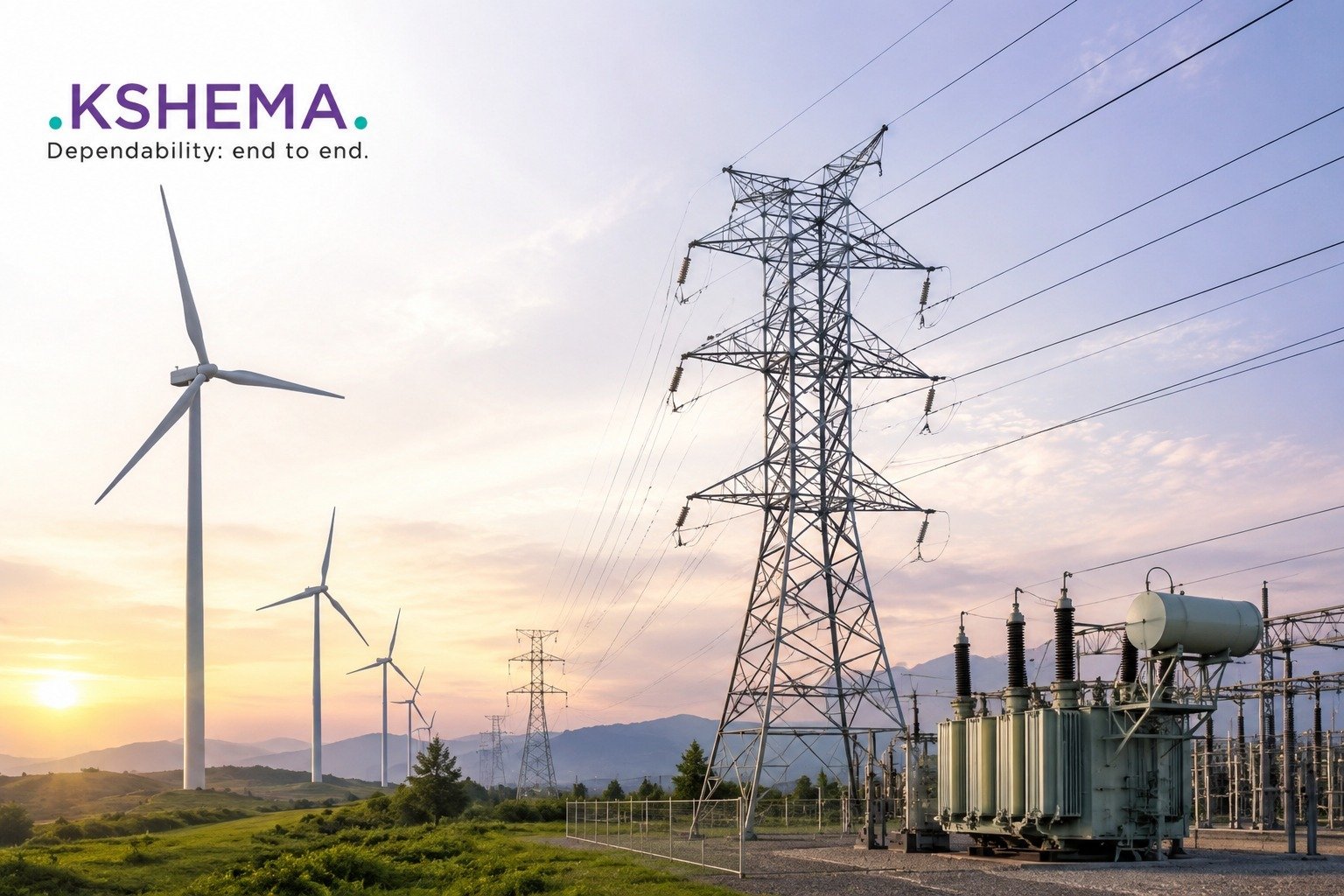
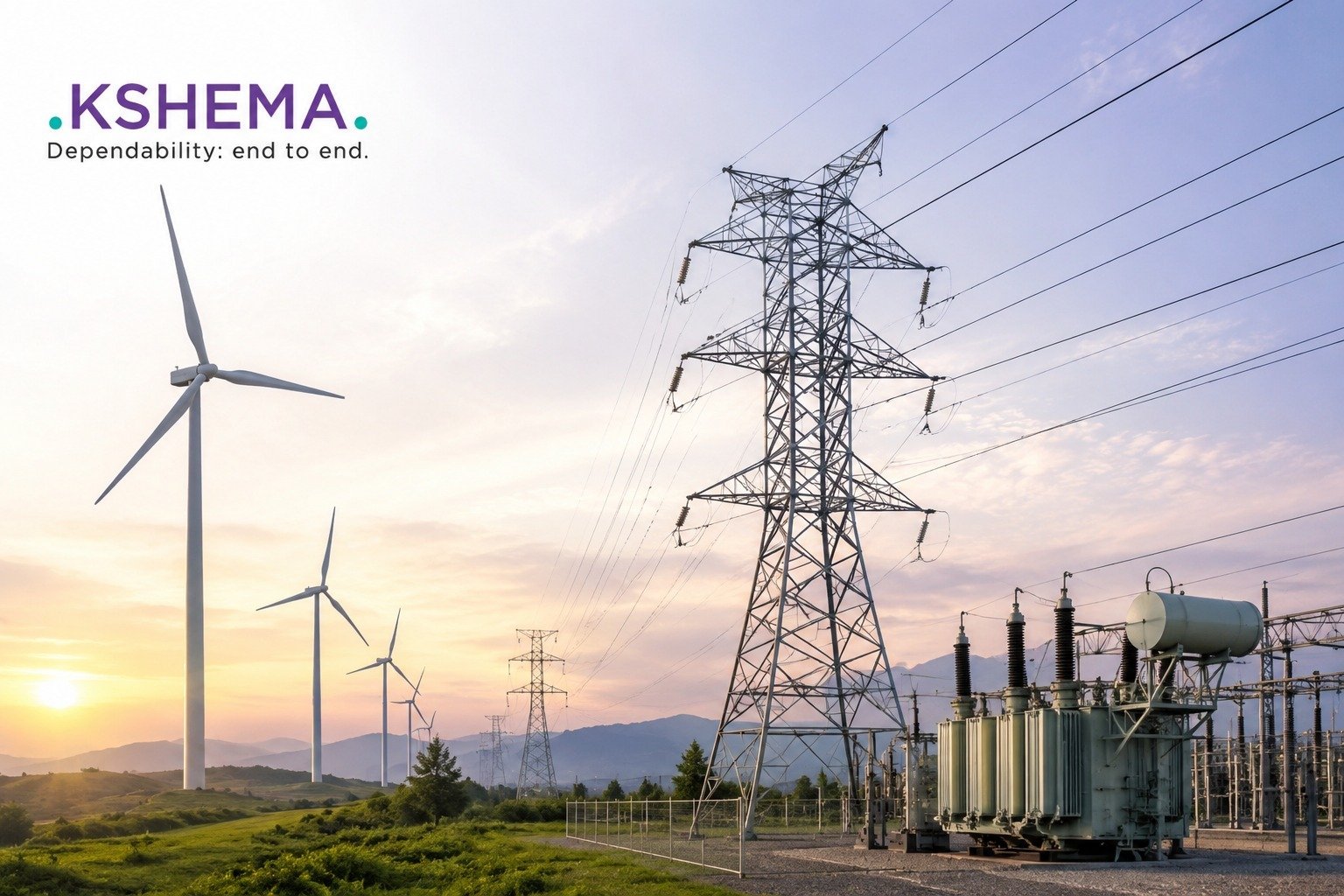
    Kshema Power, a renewable energy EPC company, has secured an order from an Independent Power Producer (IPP) for the development of critical transmission infrastructure for a 315 MW wind power project in Karnataka.

    The order includes the supply, civil works, erection and commissioning of approximately 33 km of 220 kV Single Circuit Transmission Line on Double Circuit Towers and Multi-Circuit Towers, along with the supply, civil works, erection and commissioning of unit substations and 33 kV transmission line infrastructure.

    Karnataka ranks third among Indian states at close to 8,900 MW, and evacuation infrastructure is increasingly the constraint on how quickly new capacity reaches the grid. The Central Electricity Authority’s National Electricity Plan (Transmission) envisages over 191,000 circuit kilometres of new transmission lines and an investment of more than INR 9.15 lakh crore through 2032 to support 500 GW of non-fossil capacity by 2030.

    While generation capacity continues to expand, the ability to evacuate, transmit and integrate renewable power reliably into the grid will be equally critical to achieving the country’s long-term clean energy ambitions.

    Dr. Sateesh Basant, Managing Director, Kshema Power, said, “India’s renewable energy journey is entering a phase where transmission infrastructure will play an increasingly decisive role. Adding generation capacity is only one part of the equation; ensuring that renewable power can be evacuated and delivered reliably to the grid is equally important. This project reflects our commitment to building the infrastructure that enables renewable energy to move from generation to consumption efficiently and reliably.”

    With an integrated scope covering procurement of required approvals for high-voltage transmission, substation infrastructure, electrical balance of plant, civil works, erection and commissioning, the project further strengthens Kshema Power’s capabilities as an end-to-end EPC partner for large-scale renewable energy projects.

    The company has executed over 5.2 GW of renewable energy infrastructure globally, including 4,500 plus MW of wind EPC, 2,000 plus km of power transmission lines and 2,400 plus MVA of substation capacity. The company continues to focus on delivering reliable and future-ready infrastructure that supports the integration of renewable energy into India’s evolving power network.
  • Kshema Power Secures Order for 315 MW Wind Project Transmission Infrastructure in Karnataka

    Kshema Power Secures Order for 315 MW Wind Project Transmission Infrastructure in Karnataka

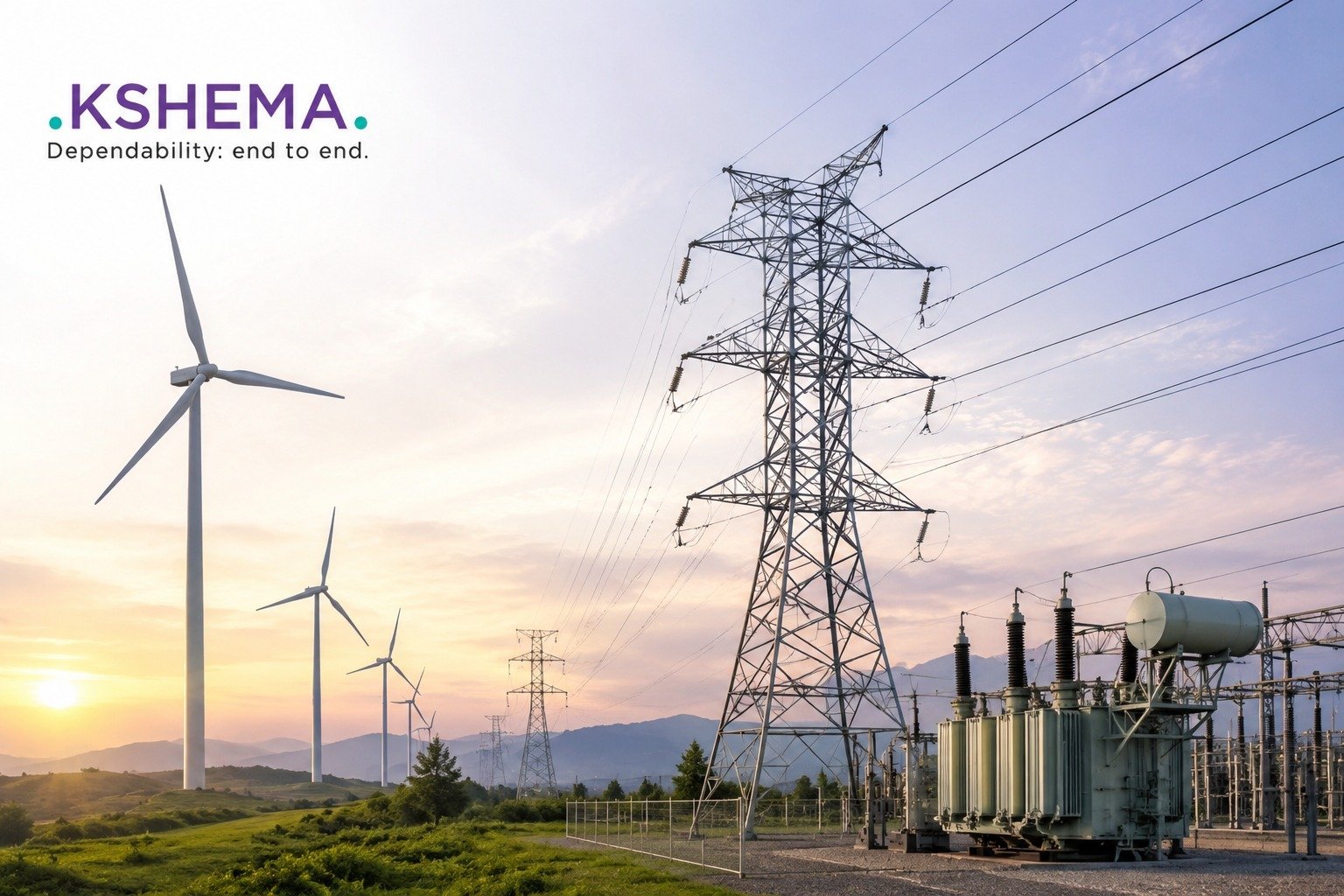
    Kshema Power, a renewable energy EPC company, has secured an order from an Independent Power Producer (IPP) for the development of critical transmission infrastructure for a 315 MW wind power project in Karnataka.

    The order includes the supply, civil works, erection and commissioning of approximately 33 km of 220 kV Single Circuit Transmission Line on Double Circuit Towers and Multi-Circuit Towers, along with the supply, civil works, erection and commissioning of unit substations and 33 kV transmission line infrastructure.

    Karnataka ranks third among Indian states at close to 8,900 MW, and evacuation infrastructure is increasingly the constraint on how quickly new capacity reaches the grid. The Central Electricity Authority’s National Electricity Plan (Transmission) envisages over 191,000 circuit kilometres of new transmission lines and an investment of more than INR 9.15 lakh crore through 2032 to support 500 GW of non-fossil capacity by 2030.

    While generation capacity continues to expand, the ability to evacuate, transmit and integrate renewable power reliably into the grid will be equally critical to achieving the country’s long-term clean energy ambitions.

    Dr. Sateesh Basant, Managing Director, Kshema Power, said, “India’s renewable energy journey is entering a phase where transmission infrastructure will play an increasingly decisive role. Adding generation capacity is only one part of the equation; ensuring that renewable power can be evacuated and delivered reliably to the grid is equally important. This project reflects our commitment to building the infrastructure that enables renewable energy to move from generation to consumption efficiently and reliably.”

    With an integrated scope covering procurement of required approvals for high-voltage transmission, substation infrastructure, electrical balance of plant, civil works, erection and commissioning, the project further strengthens Kshema Power’s capabilities as an end-to-end EPC partner for large-scale renewable energy projects.

    The company has executed over 5.2 GW of renewable energy infrastructure globally, including 4,500 plus MW of wind EPC, 2,000 plus km of power transmission lines and 2,400 plus MVA of substation capacity. The company continues to focus on delivering reliable and future-ready infrastructure that supports the integration of renewable energy into India’s evolving power network.
  • Kshema Power Secures Order for 315 MW Wind Project Transmission Infrastructure in Karnataka

    Kshema Power Secures Order for 315 MW Wind Project Transmission Infrastructure in Karnataka

    Kshema Power, a renewable energy EPC company, has secured an order from an Independent Power Producer (IPP) for the development of critical transmission infrastructure for a 315 MW wind power project in Karnataka.

    The order includes the supply, civil works, erection and commissioning of approximately 33 km of 220 kV Single Circuit Transmission Line on Double Circuit Towers and Multi-Circuit Towers, along with the supply, civil works, erection and commissioning of unit substations and 33 kV transmission line infrastructure.

    Karnataka ranks third among Indian states at close to 8,900 MW, and evacuation infrastructure is increasingly the constraint on how quickly new capacity reaches the grid. The Central Electricity Authority’s National Electricity Plan (Transmission) envisages over 191,000 circuit kilometres of new transmission lines and an investment of more than INR 9.15 lakh crore through 2032 to support 500 GW of non-fossil capacity by 2030.

    While generation capacity continues to expand, the ability to evacuate, transmit and integrate renewable power reliably into the grid will be equally critical to achieving the country’s long-term clean energy ambitions.

    Dr. Sateesh Basant, Managing Director, Kshema Power, said, “India’s renewable energy journey is entering a phase where transmission infrastructure will play an increasingly decisive role. Adding generation capacity is only one part of the equation; ensuring that renewable power can be evacuated and delivered reliably to the grid is equally important. This project reflects our commitment to building the infrastructure that enables renewable energy to move from generation to consumption efficiently and reliably.”

    With an integrated scope covering procurement of required approvals for high-voltage transmission, substation infrastructure, electrical balance of plant, civil works, erection and commissioning, the project further strengthens Kshema Power’s capabilities as an end-to-end EPC partner for large-scale renewable energy projects.

    The company has executed over 5.2 GW of renewable energy infrastructure globally, including 4,500 plus MW of wind EPC, 2,000 plus km of power transmission lines and 2,400 plus MVA of substation capacity. The company continues to focus on delivering reliable and future-ready infrastructure that supports the integration of renewable energy into India’s evolving power network.
  • Kshema Power Secures Order for 315 MW Wind Project Transmission Infrastructure in Karnataka

    Kshema Power Secures Order for 315 MW Wind Project Transmission Infrastructure in Karnataka

    Kshema Power, a renewable energy EPC company, has secured an order from an Independent Power Producer (IPP) for the development of critical transmission infrastructure for a 315 MW wind power project in Karnataka.

    The order includes the supply, civil works, erection and commissioning of approximately 33 km of 220 kV Single Circuit Transmission Line on Double Circuit Towers and Multi-Circuit Towers, along with the supply, civil works, erection and commissioning of unit substations and 33 kV transmission line infrastructure.

    Karnataka ranks third among Indian states at close to 8,900 MW, and evacuation infrastructure is increasingly the constraint on how quickly new capacity reaches the grid. The Central Electricity Authority’s National Electricity Plan (Transmission) envisages over 191,000 circuit kilometres of new transmission lines and an investment of more than INR 9.15 lakh crore through 2032 to support 500 GW of non-fossil capacity by 2030.

    While generation capacity continues to expand, the ability to evacuate, transmit and integrate renewable power reliably into the grid will be equally critical to achieving the country’s long-term clean energy ambitions.

    Dr. Sateesh Basant, Managing Director, Kshema Power, said, “India’s renewable energy journey is entering a phase where transmission infrastructure will play an increasingly decisive role. Adding generation capacity is only one part of the equation; ensuring that renewable power can be evacuated and delivered reliably to the grid is equally important. This project reflects our commitment to building the infrastructure that enables renewable energy to move from generation to consumption efficiently and reliably.”

    With an integrated scope covering procurement of required approvals for high-voltage transmission, substation infrastructure, electrical balance of plant, civil works, erection and commissioning, the project further strengthens Kshema Power’s capabilities as an end-to-end EPC partner for large-scale renewable energy projects.

    The company has executed over 5.2 GW of renewable energy infrastructure globally, including 4,500 plus MW of wind EPC, 2,000 plus km of power transmission lines and 2,400 plus MVA of substation capacity. The company continues to focus on delivering reliable and future-ready infrastructure that supports the integration of renewable energy into India’s evolving power network.
  • Kshema Power Secures Order for 315 MW Wind Project Transmission Infrastructure in Karnataka

    Kshema Power, a renewable energy EPC company, has secured an order from an Independent Power Producer (IPP) for the development of critical transmission infrastructure for a 315 MW wind power project in Karnataka.

    The order includes the supply, civil works, erection and commissioning of approximately 33 km of 220 kV Single Circuit Transmission Line on Double Circuit Towers and Multi-Circuit Towers, along with the supply, civil works, erection and commissioning of unit substations and 33 kV transmission line infrastructure.

    Karnataka ranks third among Indian states at close to 8,900 MW, and evacuation infrastructure is increasingly the constraint on how quickly new capacity reaches the grid. The Central Electricity Authority’s National Electricity Plan (Transmission) envisages over 191,000 circuit kilometres of new transmission lines and an investment of more than INR 9.15 lakh crore through 2032 to support 500 GW of non-fossil capacity by 2030.

    While generation capacity continues to expand, the ability to evacuate, transmit and integrate renewable power reliably into the grid will be equally critical to achieving the country’s long-term clean energy ambitions.

    Dr. Sateesh Basant, Managing Director, Kshema Power, said, “India’s renewable energy journey is entering a phase where transmission infrastructure will play an increasingly decisive role. Adding generation capacity is only one part of the equation; ensuring that renewable power can be evacuated and delivered reliably to the grid is equally important. This project reflects our commitment to building the infrastructure that enables renewable energy to move from generation to consumption efficiently and reliably.”

    With an integrated scope covering procurement of required approvals for high-voltage transmission, substation infrastructure, electrical balance of plant, civil works, erection and commissioning, the project further strengthens Kshema Power’s capabilities as an end-to-end EPC partner for large-scale renewable energy projects.

    The company has executed over 5.2 GW of renewable energy infrastructure globally, including 4,500 plus MW of wind EPC, 2,000 plus km of power transmission lines and 2,400 plus MVA of substation capacity. The company continues to focus on delivering reliable and future-ready infrastructure that supports the integration of renewable energy into India’s evolving power network.
  • HRTC to Set Up 99 EV Charging Points at 80 Locations in Himachal Pradesh

    HRTC to Set Up 99 EV Charging Points at 80 Locations in Himachal Pradesh

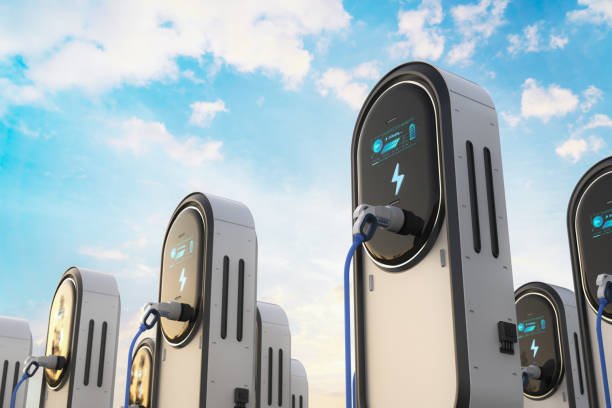
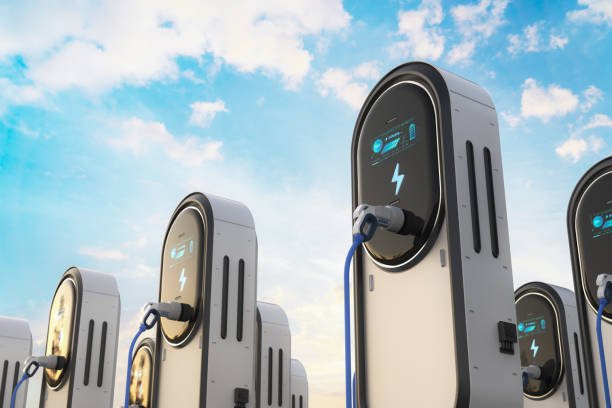
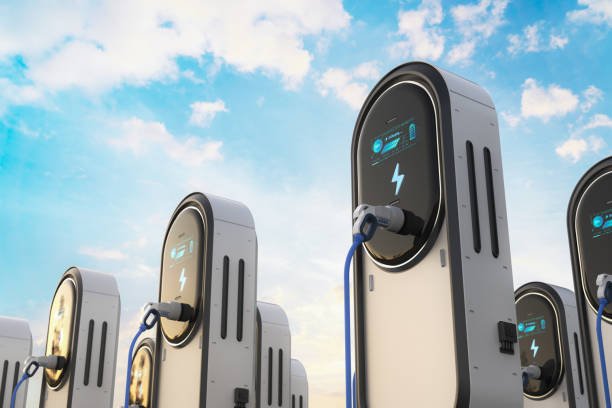
    The Himachal Road Transport Corporation (HRTC) is establishing 99 electric vehicle charging points at 80 locations across Himachal Pradesh at a cost of INR 122 crore to support the operation of its electric bus fleet.

    Of the 80 locations, charging stations have already been installed at 34 sites, while work at another 21 locations is expected to be completed within the next month. Work on establishing charging stations at the remaining 25 locations is also underway, stated Himachal Pradesh Deputy Chief Minister Mukesh Agnihotri while presiding over a review meeting with senior officials of HRTC.

    The charging infrastructure is being developed at HRTC bus stands and workshops to support electric buses operating on various routes across the state. The facilities will use 180 kW fast CCS-2 chargers.

    Agnihotri said that the charging infrastructure is being developed in phases alongside the expansion of HRTC’s electric bus fleet. The charging stations are being installed not only in major cities but also at bus stands and workshops in different parts of the state.

    HRTC currently has 297 electric buses in its fleet, operating on both short- and long-distance routes. According to the corporation, its operation is reducing diesel expenditure by approximately INR 15-16 per kilometre.

    An electric bus generally has a range of around 180 km on a single charge. However, HRTC is operating an electric bus on the approximately 270-km Haroli-Chandigarh route on a single charge. On the approximately 250-km Shimla-Chandigarh-Shimla route, an electric bus completes the journey with around 25 percent battery charge remaining.

    HRTC plans to establish charging stations at additional locations in the future based on operational requirements.

  • HRTC to Set Up 99 EV Charging Points at 80 Locations in Himachal Pradesh

    HRTC to Set Up 99 EV Charging Points at 80 Locations in Himachal Pradesh

    The Himachal Road Transport Corporation (HRTC) is establishing 99 electric vehicle charging points at 80 locations across Himachal Pradesh at a cost of INR 122 crore to support the operation of its electric bus fleet.

    Of the 80 locations, charging stations have already been installed at 34 sites, while work at another 21 locations is expected to be completed within the next month. Work on establishing charging stations at the remaining 25 locations is also underway, stated Himachal Pradesh Deputy Chief Minister Mukesh Agnihotri while presiding over a review meeting with senior officials of HRTC.

    The charging infrastructure is being developed at HRTC bus stands and workshops to support electric buses operating on various routes across the state. The facilities will use 180 kW fast CCS-2 chargers.

    Agnihotri said that the charging infrastructure is being developed in phases alongside the expansion of HRTC’s electric bus fleet. The charging stations are being installed not only in major cities but also at bus stands and workshops in different parts of the state.

    HRTC currently has 297 electric buses in its fleet, operating on both short- and long-distance routes. According to the corporation, its operation is reducing diesel expenditure by approximately INR 15-16 per kilometre.

    An electric bus generally has a range of around 180 km on a single charge. However, HRTC is operating an electric bus on the approximately 270-km Haroli-Chandigarh route on a single charge. On the approximately 250-km Shimla-Chandigarh-Shimla route, an electric bus completes the journey with around 25 percent battery charge remaining.

    HRTC plans to establish charging stations at additional locations in the future based on operational requirements.

  • HRTC to Set Up 99 EV Charging Points at 80 Locations in Himachal Pradesh

    HRTC to Set Up 99 EV Charging Points at 80 Locations in Himachal Pradesh

    The Himachal Road Transport Corporation (HRTC) is establishing 99 electric vehicle charging points at 80 locations across Himachal Pradesh at a cost of INR 122 crore to support the operation of its electric bus fleet.

    Of the 80 locations, charging stations have already been installed at 34 sites, while work at another 21 locations is expected to be completed within the next month. Work on establishing charging stations at the remaining 25 locations is also underway, stated Himachal Pradesh Deputy Chief Minister Mukesh Agnihotri while presiding over a review meeting with senior officials of HRTC.

    The charging infrastructure is being developed at HRTC bus stands and workshops to support electric buses operating on various routes across the state. The facilities will use 180 kW fast CCS-2 chargers.

    Agnihotri said that the charging infrastructure is being developed in phases alongside the expansion of HRTC’s electric bus fleet. The charging stations are being installed not only in major cities but also at bus stands and workshops in different parts of the state.

    HRTC currently has 297 electric buses in its fleet, operating on both short- and long-distance routes. According to the corporation, its operation is reducing diesel expenditure by approximately INR 15-16 per kilometre.

    An electric bus generally has a range of around 180 km on a single charge. However, HRTC is operating an electric bus on the approximately 270-km Haroli-Chandigarh route on a single charge. On the approximately 250-km Shimla-Chandigarh-Shimla route, an electric bus completes the journey with around 25 percent battery charge remaining.

    HRTC plans to establish charging stations at additional locations in the future based on operational requirements.

  • HRTC to Set Up 99 EV Charging Points at 80 Locations in Himachal Pradesh

    The Himachal Road Transport Corporation (HRTC) is establishing 99 electric vehicle charging points at 80 locations across Himachal Pradesh at a cost of INR 122 crore to support the operation of its electric bus fleet.

    Of the 80 locations, charging stations have already been installed at 34 sites, while work at another 21 locations is expected to be completed within the next month. Work on establishing charging stations at the remaining 25 locations is also underway, stated Himachal Pradesh Deputy Chief Minister Mukesh Agnihotri while presiding over a review meeting with senior officials of HRTC.

    The charging infrastructure is being developed at HRTC bus stands and workshops to support electric buses operating on various routes across the state. The facilities will use 180 kW fast CCS-2 chargers.

    Agnihotri said that the charging infrastructure is being developed in phases alongside the expansion of HRTC’s electric bus fleet. The charging stations are being installed not only in major cities but also at bus stands and workshops in different parts of the state.

    HRTC currently has 297 electric buses in its fleet, operating on both short- and long-distance routes. According to the corporation, its operation is reducing diesel expenditure by approximately INR 15-16 per kilometre.

    An electric bus generally has a range of around 180 km on a single charge. However, HRTC is operating an electric bus on the approximately 270-km Haroli-Chandigarh route on a single charge. On the approximately 250-km Shimla-Chandigarh-Shimla route, an electric bus completes the journey with around 25 percent battery charge remaining.

    HRTC plans to establish charging stations at additional locations in the future based on operational requirements.