
Blog

  • Credence Expands ALMM-Approved Manufacturing Capacity to 2,291 MW, Introduces 745 W High-Efficiency Solar Modules

    Credence Expands ALMM-Approved Manufacturing Capacity to 2,291 MW, Introduces 745 W High-Efficiency Solar Modules

    Credence has achieved a significant milestone in its growth journey with the expansion of its manufacturing capacity under the Approved List of Models and Manufacturers (ALMM). The company is now officially listed with a total manufacturing capacity of 2,291 MW, strengthening its position among India’s rapidly expanding solar module manufacturers.

    Further reinforcing its technological capabilities, Credence has introduced high-efficiency solar modules with power output of up to 745 W—the highest-wattage modules the company has manufactured since its inception. The addition reflects Credence’s continued focus on innovation, advanced manufacturing, and delivering next-generation solar solutions for utility-scale, commercial and industrial applications.

    The updated ALMM listing enhances the company’s manufacturing credentials while reaffirming its commitment to supporting India’s clean energy transition through reliable, high-quality, domestically manufactured solar products. With expanded production capacity and an advanced product portfolio, Credence is well-positioned to address the growing demand for high-performance solar modules across the country.

    Commenting on the achievement, the company said the milestone marks another important step in its mission to build a stronger and more sustainable energy future. It added that continued investments in manufacturing excellence, product innovation and advanced technologies will enable Credence to deliver efficient, reliable and future-ready solar solutions to customers.

    As India’s renewable energy sector continues to accelerate, Credence said it remains focused on further expanding its manufacturing capabilities, adopting cutting-edge technologies and contributing to the country’s vision of energy security and sustainable growth through clean energy.


  • Credence Expands ALMM-Approved Manufacturing Capacity to 2,291 MW, Introduces 745 W High-Efficiency Solar Modules

    Credence Expands ALMM-Approved Manufacturing Capacity to 2,291 MW, Introduces 745 W High-Efficiency Solar Modules

    Credence has achieved a significant milestone in its growth journey with the expansion of its manufacturing capacity under the Approved List of Models and Manufacturers (ALMM). The company is now officially listed with a total manufacturing capacity of 2,291 MW, strengthening its position among India’s rapidly expanding solar module manufacturers.

    Further reinforcing its technological capabilities, Credence has introduced high-efficiency solar modules with power output of up to 745 W—the highest-wattage modules the company has manufactured since its inception. The addition reflects Credence’s continued focus on innovation, advanced manufacturing, and delivering next-generation solar solutions for utility-scale, commercial and industrial applications.

    The updated ALMM listing enhances the company’s manufacturing credentials while reaffirming its commitment to supporting India’s clean energy transition through reliable, high-quality, domestically manufactured solar products. With expanded production capacity and an advanced product portfolio, Credence is well-positioned to address the growing demand for high-performance solar modules across the country.

    Commenting on the achievement, the company said the milestone marks another important step in its mission to build a stronger and more sustainable energy future. It added that continued investments in manufacturing excellence, product innovation and advanced technologies will enable Credence to deliver efficient, reliable and future-ready solar solutions to customers.

    As India’s renewable energy sector continues to accelerate, Credence said it remains focused on further expanding its manufacturing capabilities, adopting cutting-edge technologies and contributing to the country’s vision of energy security and sustainable growth through clean energy.
  • Credence Expands ALMM-Approved Manufacturing Capacity to 2,291 MW, Introduces 745 W High-Efficiency Solar Modules

    Credence Expands ALMM-Approved Manufacturing Capacity to 2,291 MW, Introduces 745 W High-Efficiency Solar Modules

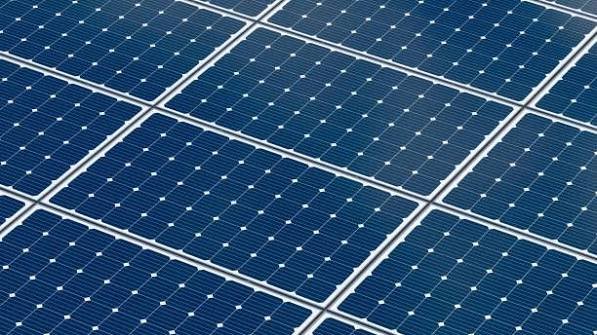
    Credence has achieved a significant milestone in its growth journey with the expansion of its manufacturing capacity under the Approved List of Models and Manufacturers (ALMM). The company is now officially listed with a total manufacturing capacity of 2,291 MW, strengthening its position among India’s rapidly expanding solar module manufacturers.

    Further reinforcing its technological capabilities, Credence has introduced high-efficiency solar modules with power output of up to 745 W—the highest-wattage modules the company has manufactured since its inception. The addition reflects Credence’s continued focus on innovation, advanced manufacturing, and delivering next-generation solar solutions for utility-scale, commercial and industrial applications.

    The updated ALMM listing enhances the company’s manufacturing credentials while reaffirming its commitment to supporting India’s clean energy transition through reliable, high-quality, domestically manufactured solar products. With expanded production capacity and an advanced product portfolio, Credence is well-positioned to address the growing demand for high-performance solar modules across the country.

    Commenting on the achievement, the company said the milestone marks another important step in its mission to build a stronger and more sustainable energy future. It added that continued investments in manufacturing excellence, product innovation and advanced technologies will enable Credence to deliver efficient, reliable and future-ready solar solutions to customers.

    As India’s renewable energy sector continues to accelerate, Credence said it remains focused on further expanding its manufacturing capabilities, adopting cutting-edge technologies and contributing to the country’s vision of energy security and sustainable growth through clean energy.
  • Credence Expands ALMM-Approved Manufacturing Capacity to 2,291 MW, Introduces 745 W High-Efficiency Solar Modules

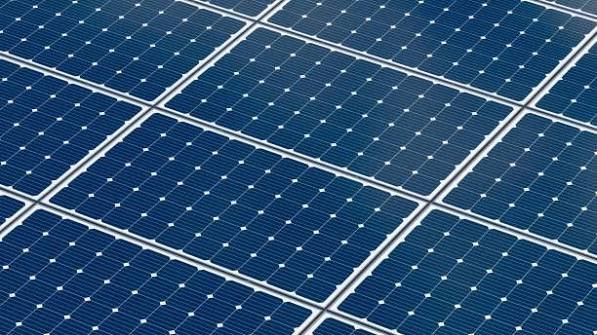
    Credence has achieved a significant milestone in its growth journey with the expansion of its manufacturing capacity under the Approved List of Models and Manufacturers (ALMM). The company is now officially listed with a total manufacturing capacity of 2,291 MW, strengthening its position among India’s rapidly expanding solar module manufacturers.

    Further reinforcing its technological capabilities, Credence has introduced high-efficiency solar modules with power output of up to 745 W—the highest-wattage modules the company has manufactured since its inception. The addition reflects Credence’s continued focus on innovation, advanced manufacturing, and delivering next-generation solar solutions for utility-scale, commercial and industrial applications.

    The updated ALMM listing enhances the company’s manufacturing credentials while reaffirming its commitment to supporting India’s clean energy transition through reliable, high-quality, domestically manufactured solar products. With expanded production capacity and an advanced product portfolio, Credence is well-positioned to address the growing demand for high-performance solar modules across the country.

    Commenting on the achievement, the company said the milestone marks another important step in its mission to build a stronger and more sustainable energy future. It added that continued investments in manufacturing excellence, product innovation and advanced technologies will enable Credence to deliver efficient, reliable and future-ready solar solutions to customers.

    As India’s renewable energy sector continues to accelerate, Credence said it remains focused on further expanding its manufacturing capabilities, adopting cutting-edge technologies and contributing to the country’s vision of energy security and sustainable growth through clean energy.
  • Credence Expands ALMM-Approved Manufacturing Capacity to 2,291 MW, Introduces 745 W High-Efficiency Solar Modules

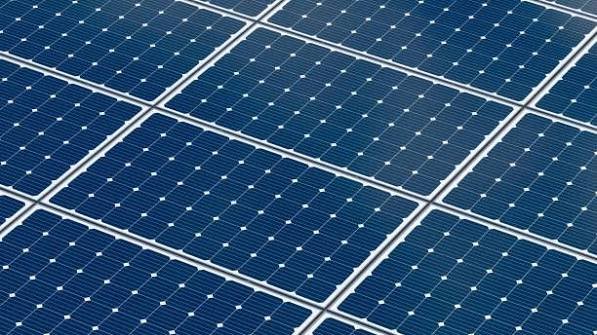
    Credence has achieved a significant milestone in its growth journey with the expansion of its manufacturing capacity under the Approved List of Models and Manufacturers (ALMM). The company is now officially listed with a total manufacturing capacity of 2,291 MW, strengthening its position among India’s rapidly expanding solar module manufacturers.

    Further reinforcing its technological capabilities, Credence has introduced high-efficiency solar modules with power output of up to 745 W—the highest-wattage modules the company has manufactured since its inception. The addition reflects Credence’s continued focus on innovation, advanced manufacturing, and delivering next-generation solar solutions for utility-scale, commercial and industrial applications.

    The updated ALMM listing enhances the company’s manufacturing credentials while reaffirming its commitment to supporting India’s clean energy transition through reliable, high-quality, domestically manufactured solar products. With expanded production capacity and an advanced product portfolio, Credence is well-positioned to address the growing demand for high-performance solar modules across the country.

    Commenting on the achievement, the company said the milestone marks another important step in its mission to build a stronger and more sustainable energy future. It added that continued investments in manufacturing excellence, product innovation and advanced technologies will enable Credence to deliver efficient, reliable and future-ready solar solutions to customers.

    As India’s renewable energy sector continues to accelerate, Credence said it remains focused on further expanding its manufacturing capabilities, adopting cutting-edge technologies and contributing to the country’s vision of energy security and sustainable growth through clean energy.

  • MNRE Invites Stakeholder Feedback on Standardised Nomenclature for ALMM Solar PV Cell Models

    MNRE Invites Stakeholder Feedback on Standardised Nomenclature for ALMM Solar PV Cell Models

    The Ministry of New and Renewable Energy (MNRE) has invited comments from stakeholders on a proposal to introduce a standardised 14-digit alphanumeric nomenclature for Solar PV Cell Models listed under the Approved List of Models and Manufacturers (ALMM) List-II. The initiative aims to establish a uniform identification system for solar PV cells, improving product traceability, transparency and technical identification across the solar manufacturing value chain.

    In an Office Memorandum issued on August 3, 2026, the ministry noted that ALMM List-II currently contains model names submitted by individual manufacturers. However, in the absence of a prescribed naming standard, manufacturers use their own proprietary model naming conventions, resulting in considerable variation across the industry and making it difficult to identify the technical characteristics of solar PV cells through their model names.

    To address this challenge, MNRE has proposed a standardised coding framework that would assign every ALMM-listed solar PV cell model a unique 14-digit alphanumeric identifier incorporating key technical specifications of the product. According to the ministry, the new system is intended to bring greater uniformity in product identification while enhancing traceability throughout the manufacturing and supply chain.

    Under the proposed structure, the identification code will include information related to the origin of the wafer, ingot and polysilicon, indicating whether each component is of domestic or foreign origin. The nomenclature will also specify the cell technology, such as Mono PERC, TOPCon, HJT or Back Contact, along with the wafer size, number of busbars, and a manufacturer-specific identifier covering brand, revision, variant or other unique product details.

    To illustrate the proposed framework, the ministry has shared sample model codes demonstrating how the alphanumeric sequence can communicate the complete technical profile of a solar PV cell. For instance, a code can identify whether the wafer and ingot are domestically sourced while the polysilicon is imported, specify the use of TOPCon technology, indicate the wafer size and busbar configuration, and include a manufacturer-specific reference.

    MNRE stated that the proposed nomenclature is expected to serve as the unique identification number for every solar PV cell model enlisted under ALMM List-II. Besides facilitating model identification, the ministry believes the system will promote greater traceability of solar PV cells across the value chain and could serve as a common product identifier for regulatory, commercial and other industry purposes. It also noted that clearly identifying the domestic or foreign origin of cell components would help distinguish between products covered under ALMM List-I and ALMM List-I(a) based on their Bill of Materials (BoM).

    The ministry has invited comments and suggestions from manufacturers, industry associations and other stakeholders on the proposed standardised nomenclature.

  • MNRE Invites Stakeholder Feedback on Standardised Nomenclature for ALMM Solar PV Cell Models

    MNRE Invites Stakeholder Feedback on Standardised Nomenclature for ALMM Solar PV Cell Models

    The Ministry of New and Renewable Energy (MNRE) has invited comments from stakeholders on a proposal to introduce a standardised 14-digit alphanumeric nomenclature for Solar PV Cell Models listed under the Approved List of Models and Manufacturers (ALMM) List-II. The initiative aims to establish a uniform identification system for solar PV cells, improving product traceability, transparency and technical identification across the solar manufacturing value chain.

    In an Office Memorandum issued on August 3, 2026, the ministry noted that ALMM List-II currently contains model names submitted by individual manufacturers. However, in the absence of a prescribed naming standard, manufacturers use their own proprietary model naming conventions, resulting in considerable variation across the industry and making it difficult to identify the technical characteristics of solar PV cells through their model names.

    To address this challenge, MNRE has proposed a standardised coding framework that would assign every ALMM-listed solar PV cell model a unique 14-digit alphanumeric identifier incorporating key technical specifications of the product. According to the ministry, the new system is intended to bring greater uniformity in product identification while enhancing traceability throughout the manufacturing and supply chain.

    Under the proposed structure, the identification code will include information related to the origin of the wafer, ingot and polysilicon, indicating whether each component is of domestic or foreign origin. The nomenclature will also specify the cell technology, such as Mono PERC, TOPCon, HJT or Back Contact, along with the wafer size, number of busbars, and a manufacturer-specific identifier covering brand, revision, variant or other unique product details.

    To illustrate the proposed framework, the ministry has shared sample model codes demonstrating how the alphanumeric sequence can communicate the complete technical profile of a solar PV cell. For instance, a code can identify whether the wafer and ingot are domestically sourced while the polysilicon is imported, specify the use of TOPCon technology, indicate the wafer size and busbar configuration, and include a manufacturer-specific reference.

    MNRE stated that the proposed nomenclature is expected to serve as the unique identification number for every solar PV cell model enlisted under ALMM List-II. Besides facilitating model identification, the ministry believes the system will promote greater traceability of solar PV cells across the value chain and could serve as a common product identifier for regulatory, commercial and other industry purposes. It also noted that clearly identifying the domestic or foreign origin of cell components would help distinguish between products covered under ALMM List-I and ALMM List-I(a) based on their Bill of Materials (BoM).

    The ministry has invited comments and suggestions from manufacturers, industry associations and other stakeholders on the proposed standardised nomenclature.

  • MNRE Invites Stakeholder Feedback on Standardised Nomenclature for ALMM Solar PV Cell Models

    MNRE Invites Stakeholder Feedback on Standardised Nomenclature for ALMM Solar PV Cell Models

    The Ministry of New and Renewable Energy (MNRE) has invited comments from stakeholders on a proposal to introduce a standardised 14-digit alphanumeric nomenclature for Solar PV Cell Models listed under the Approved List of Models and Manufacturers (ALMM) List-II. The initiative aims to establish a uniform identification system for solar PV cells, improving product traceability, transparency and technical identification across the solar manufacturing value chain.

    In an Office Memorandum issued on August 3, 2026, the ministry noted that ALMM List-II currently contains model names submitted by individual manufacturers. However, in the absence of a prescribed naming standard, manufacturers use their own proprietary model naming conventions, resulting in considerable variation across the industry and making it difficult to identify the technical characteristics of solar PV cells through their model names.

    To address this challenge, MNRE has proposed a standardised coding framework that would assign every ALMM-listed solar PV cell model a unique 14-digit alphanumeric identifier incorporating key technical specifications of the product. According to the ministry, the new system is intended to bring greater uniformity in product identification while enhancing traceability throughout the manufacturing and supply chain.

    Under the proposed structure, the identification code will include information related to the origin of the wafer, ingot and polysilicon, indicating whether each component is of domestic or foreign origin. The nomenclature will also specify the cell technology, such as Mono PERC, TOPCon, HJT or Back Contact, along with the wafer size, number of busbars, and a manufacturer-specific identifier covering brand, revision, variant or other unique product details.

    To illustrate the proposed framework, the ministry has shared sample model codes demonstrating how the alphanumeric sequence can communicate the complete technical profile of a solar PV cell. For instance, a code can identify whether the wafer and ingot are domestically sourced while the polysilicon is imported, specify the use of TOPCon technology, indicate the wafer size and busbar configuration, and include a manufacturer-specific reference.

    MNRE stated that the proposed nomenclature is expected to serve as the unique identification number for every solar PV cell model enlisted under ALMM List-II. Besides facilitating model identification, the ministry believes the system will promote greater traceability of solar PV cells across the value chain and could serve as a common product identifier for regulatory, commercial and other industry purposes. It also noted that clearly identifying the domestic or foreign origin of cell components would help distinguish between products covered under ALMM List-I and ALMM List-I(a) based on their Bill of Materials (BoM).

    The ministry has invited comments and suggestions from manufacturers, industry associations and other stakeholders on the proposed standardised nomenclature.

  • MNRE Invites Stakeholder Feedback on Standardised Nomenclature for ALMM Solar PV Cell Models

    The Ministry of New and Renewable Energy (MNRE) has invited comments from stakeholders on a proposal to introduce a standardised 14-digit alphanumeric nomenclature for Solar PV Cell Models listed under the Approved List of Models and Manufacturers (ALMM) List-II. The initiative aims to establish a uniform identification system for solar PV cells, improving product traceability, transparency and technical identification across the solar manufacturing value chain.

    In an Office Memorandum issued on August 3, 2026, the ministry noted that ALMM List-II currently contains model names submitted by individual manufacturers. However, in the absence of a prescribed naming standard, manufacturers use their own proprietary model naming conventions, resulting in considerable variation across the industry and making it difficult to identify the technical characteristics of solar PV cells through their model names.

    To address this challenge, MNRE has proposed a standardised coding framework that would assign every ALMM-listed solar PV cell model a unique 14-digit alphanumeric identifier incorporating key technical specifications of the product. According to the ministry, the new system is intended to bring greater uniformity in product identification while enhancing traceability throughout the manufacturing and supply chain.

    Under the proposed structure, the identification code will include information related to the origin of the wafer, ingot and polysilicon, indicating whether each component is of domestic or foreign origin. The nomenclature will also specify the cell technology, such as Mono PERC, TOPCon, HJT or Back Contact, along with the wafer size, number of busbars, and a manufacturer-specific identifier covering brand, revision, variant or other unique product details.

    To illustrate the proposed framework, the ministry has shared sample model codes demonstrating how the alphanumeric sequence can communicate the complete technical profile of a solar PV cell. For instance, a code can identify whether the wafer and ingot are domestically sourced while the polysilicon is imported, specify the use of TOPCon technology, indicate the wafer size and busbar configuration, and include a manufacturer-specific reference.

    MNRE stated that the proposed nomenclature is expected to serve as the unique identification number for every solar PV cell model enlisted under ALMM List-II. Besides facilitating model identification, the ministry believes the system will promote greater traceability of solar PV cells across the value chain and could serve as a common product identifier for regulatory, commercial and other industry purposes. It also noted that clearly identifying the domestic or foreign origin of cell components would help distinguish between products covered under ALMM List-I and ALMM List-I(a) based on their Bill of Materials (BoM).

    The ministry has invited comments and suggestions from manufacturers, industry associations and other stakeholders on the proposed standardised nomenclature.

  • MNRE Invites Stakeholder Feedback on Standardised Nomenclature for ALMM Solar PV Cell Models

    The Ministry of New and Renewable Energy (MNRE) has invited comments from stakeholders on a proposal to introduce a standardised 14-digit alphanumeric nomenclature for Solar PV Cell Models listed under the Approved List of Models and Manufacturers (ALMM) List-II. The initiative aims to establish a uniform identification system for solar PV cells, improving product traceability, transparency and technical identification across the solar manufacturing value chain.

    In an Office Memorandum issued on August 3, 2026, the ministry noted that ALMM List-II currently contains model names submitted by individual manufacturers. However, in the absence of a prescribed naming standard, manufacturers use their own proprietary model naming conventions, resulting in considerable variation across the industry and making it difficult to identify the technical characteristics of solar PV cells through their model names.

    To address this challenge, MNRE has proposed a standardised coding framework that would assign every ALMM-listed solar PV cell model a unique 14-digit alphanumeric identifier incorporating key technical specifications of the product. According to the ministry, the new system is intended to bring greater uniformity in product identification while enhancing traceability throughout the manufacturing and supply chain.

    Under the proposed structure, the identification code will include information related to the origin of the wafer, ingot and polysilicon, indicating whether each component is of domestic or foreign origin. The nomenclature will also specify the cell technology, such as Mono PERC, TOPCon, HJT or Back Contact, along with the wafer size, number of busbars, and a manufacturer-specific identifier covering brand, revision, variant or other unique product details.

    To illustrate the proposed framework, the ministry has shared sample model codes demonstrating how the alphanumeric sequence can communicate the complete technical profile of a solar PV cell. For instance, a code can identify whether the wafer and ingot are domestically sourced while the polysilicon is imported, specify the use of TOPCon technology, indicate the wafer size and busbar configuration, and include a manufacturer-specific reference.

    MNRE stated that the proposed nomenclature is expected to serve as the unique identification number for every solar PV cell model enlisted under ALMM List-II. Besides facilitating model identification, the ministry believes the system will promote greater traceability of solar PV cells across the value chain and could serve as a common product identifier for regulatory, commercial and other industry purposes. It also noted that clearly identifying the domestic or foreign origin of cell components would help distinguish between products covered under ALMM List-I and ALMM List-I(a) based on their Bill of Materials (BoM).

    The ministry has invited comments and suggestions from manufacturers, industry associations and other stakeholders on the proposed standardised nomenclature.