Blog

  • Solfin Launches Performance-Linked Lease in Himachal Pradesh and Punjab

    Solfin Launches Performance-Linked Lease in Himachal Pradesh and Punjab

    Solfin Sustainable Finance Private Limited (“Solfin”), a green-focused non-banking financial company, today launched its Performance-Linked Lease (PLL) in Himachal Pradesh and Punjab. The first projects under the offering have been commissioned for The Sukhjit Starch & Chemicals Limited (“Sukhjit”). Sukhjit is a leading manufacturer of starch, related chemicals, and various by-products catering to a wide spectrum of industries.

    PLL lets commercial and industrial (C&I) businesses adopt solar with minimal upfront capital. Customers pay according to the power the system generates, while Solfin looks after the asset’s performance and maintenance.

    The projects bring together Solfin as financier, Waaree Energies Limited as technology provider and The BrightQ Solutions as the engineering, procurement and construction (EPC) partner.

    Mr. Puneet Sardana, Senior Vice President – Operations, The Sukhjit Starch & Chemicals Limited, said: “The performance-linked model enabled us to expand our use of solar energy without making a significant upfront investment or assuming the risks associated with power generation and maintenance. Efficient energy management through an environmentally friendly solution was an important priority for Sukhjit. We are pleased to partner with Solfin and Waaree on this initiative.”

    Mr. Gaurav Arora, Director & CEO, The BrightQ Solutions, said: “We are proud to announce the successful installation and commissioning of a solar power project at Sukhjit’s premises.This project was delivered through a strategic collaboration between The BrightQ Solutions (EPC partner), Solfin (financier), and Waaree (technology provider).”

    A conventional solar loan has fixed EMIs. Under PLL, customer payments are linked directly to the power the system generates. Solfin offers lease tenures up to 10 years,but the customer does not have to wait for the tenure to be over to realise savings. Electricity cost savings more than offset lease payments, and customers also benefit from tax savings arising from accelerated depreciation. At the end of the tenure, ownership passes to the customer, who then keeps the full savings from the system. 

    PLL is designed for larger C&I solar installations. It also gives businesses an alternative to long-term power purchase agreements (PPAs) and capex projects. 

    Mr. Kunal Kuba, Head of Sales, Solfin, said: “Sukhjit shows the appeal of solar priced on performance, with no significant upfront capex and no long-term power contract. We plan to scale PLL across industrial markets.”

    Solfin plans to expand PLL across India’s industrial clusters, starting with businesses that use a lot of power during the day.
  • Solfin Launches Performance-Linked Lease in Himachal Pradesh and Punjab

    Solfin Sustainable Finance Private Limited (“Solfin”), a green-focused non-banking financial company, today launched its Performance-Linked Lease (PLL) in Himachal Pradesh and Punjab. The first projects under the offering have been commissioned for The Sukhjit Starch & Chemicals Limited (“Sukhjit”). Sukhjit is a leading manufacturer of starch, related chemicals, and various by-products catering to a wide spectrum of industries.

    PLL lets commercial and industrial (C&I) businesses adopt solar with minimal upfront capital. Customers pay according to the power the system generates, while Solfin looks after the asset’s performance and maintenance.

    The projects bring together Solfin as financier, Waaree Energies Limited as technology provider and The BrightQ Solutions as the engineering, procurement and construction (EPC) partner.

    Mr. Puneet Sardana, Senior Vice President – Operations, The Sukhjit Starch & Chemicals Limited, said: “The performance-linked model enabled us to expand our use of solar energy without making a significant upfront investment or assuming the risks associated with power generation and maintenance. Efficient energy management through an environmentally friendly solution was an important priority for Sukhjit. We are pleased to partner with Solfin and Waaree on this initiative.”

    Mr. Gaurav Arora, Director & CEO, The BrightQ Solutions, said: “We are proud to announce the successful installation and commissioning of a solar power project at Sukhjit’s premises.This project was delivered through a strategic collaboration between The BrightQ Solutions (EPC partner), Solfin (financier), and Waaree (technology provider).”

    A conventional solar loan has fixed EMIs. Under PLL, customer payments are linked directly to the power the system generates. Solfin offers lease tenures up to 10 years,but the customer does not have to wait for the tenure to be over to realise savings. Electricity cost savings more than offset lease payments, and customers also benefit from tax savings arising from accelerated depreciation. At the end of the tenure, ownership passes to the customer, who then keeps the full savings from the system. 

    PLL is designed for larger C&I solar installations. It also gives businesses an alternative to long-term power purchase agreements (PPAs) and capex projects. 

    Mr. Kunal Kuba, Head of Sales, Solfin, said: “Sukhjit shows the appeal of solar priced on performance, with no significant upfront capex and no long-term power contract. We plan to scale PLL across industrial markets.”

    Solfin plans to expand PLL across India’s industrial clusters, starting with businesses that use a lot of power during the day.
  • North Star Renewable Energy Appoints Shivanand Nimbargi as MD and CEO

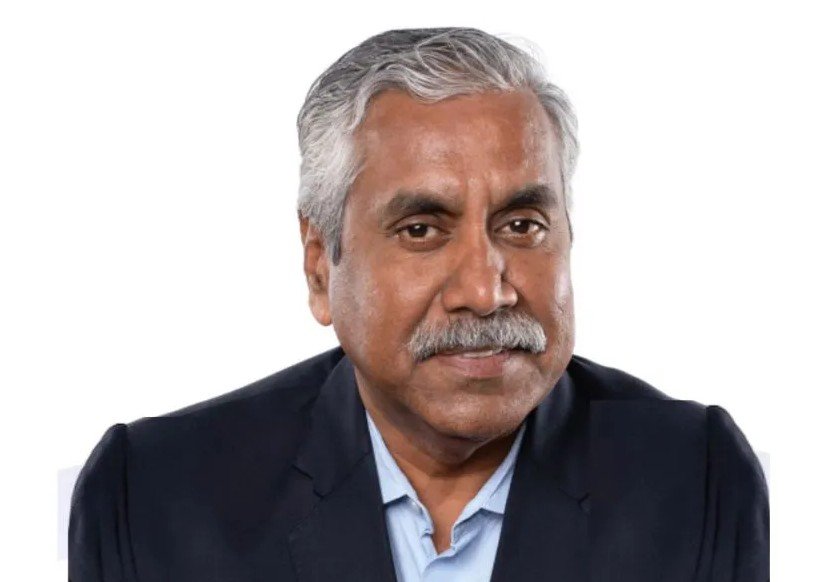
    North Star Renewable Energy Appoints Shivanand Nimbargi as MD and CEO

    North Star Renewable Energy has appointed Shivanand Nimbargi as its Managing Director and Chief Executive Officer, with the mandate to lead the company’s renewable energy platform and project development activities in India.

    Nimbargi brings more than three decades of experience across the energy, transport and infrastructure sectors. Prior to joining North Star, he served as Managing Director and CEO of Ayana Renewable Power, a renewable energy platform established by British International Investment (BII) in 2018.

    North Star was established in 2026 as a joint venture between BII and Copenhagen Infrastructure Partners (CIP), through its Growth Markets Fund II, to invest in and develop renewable energy opportunities in India. The platform combines BII’s long-term investment experience in emerging markets with CIP’s expertise in renewable energy infrastructure.

    The company plans to develop projects across solar, wind, hybrid renewable energy and energy storage. Its portfolio is expected to generate more than 4 million MWh of clean electricity annually and avoid around 4 million tonnes of carbon emissions each year.

    North Star is also a key platform within British Climate Partners (BCP), BII’s £1.1 billion climate finance initiative focused on supporting decarbonisation in coal-dependent economies, including India, through increased mobilisation of private capital.

    Commenting on his appointment, Nimbargi said he was joining North Star at an important stage in India’s energy transition and highlighted the role of long-term capital and partnerships in building sustainable energy platforms.

    The appointment comes as North Star works to establish and scale its renewable energy platform in India, with a focus on developing projects and attracting investment across the country’s growing clean energy sector.

  • North Star Renewable Energy Appoints Shivanand Nimbargi as MD and CEO

    North Star Renewable Energy Appoints Shivanand Nimbargi as MD and CEO

    North Star Renewable Energy has appointed Shivanand Nimbargi as its Managing Director and Chief Executive Officer, with the mandate to lead the company’s renewable energy platform and project development activities in India.

    Nimbargi brings more than three decades of experience across the energy, transport and infrastructure sectors. Prior to joining North Star, he served as Managing Director and CEO of Ayana Renewable Power, a renewable energy platform established by British International Investment (BII) in 2018.

    North Star was established in 2026 as a joint venture between BII and Copenhagen Infrastructure Partners (CIP), through its Growth Markets Fund II, to invest in and develop renewable energy opportunities in India. The platform combines BII’s long-term investment experience in emerging markets with CIP’s expertise in renewable energy infrastructure.

    The company plans to develop projects across solar, wind, hybrid renewable energy and energy storage. Its portfolio is expected to generate more than 4 million MWh of clean electricity annually and avoid around 4 million tonnes of carbon emissions each year.

    North Star is also a key platform within British Climate Partners (BCP), BII’s £1.1 billion climate finance initiative focused on supporting decarbonisation in coal-dependent economies, including India, through increased mobilisation of private capital.

    Commenting on his appointment, Nimbargi said he was joining North Star at an important stage in India’s energy transition and highlighted the role of long-term capital and partnerships in building sustainable energy platforms.

    The appointment comes as North Star works to establish and scale its renewable energy platform in India, with a focus on developing projects and attracting investment across the country’s growing clean energy sector.

  • North Star Renewable Energy Appoints Shivanand Nimbargi as MD and CEO

    North Star Renewable Energy Appoints Shivanand Nimbargi as MD and CEO

    North Star Renewable Energy has appointed Shivanand Nimbargi as its Managing Director and Chief Executive Officer, with the mandate to lead the company’s renewable energy platform and project development activities in India.

    Nimbargi brings more than three decades of experience across the energy, transport and infrastructure sectors. Prior to joining North Star, he served as Managing Director and CEO of Ayana Renewable Power, a renewable energy platform established by British International Investment (BII) in 2018.

    North Star was established in 2026 as a joint venture between BII and Copenhagen Infrastructure Partners (CIP), through its Growth Markets Fund II, to invest in and develop renewable energy opportunities in India. The platform combines BII’s long-term investment experience in emerging markets with CIP’s expertise in renewable energy infrastructure.

    The company plans to develop projects across solar, wind, hybrid renewable energy and energy storage. Its portfolio is expected to generate more than 4 million MWh of clean electricity annually and avoid around 4 million tonnes of carbon emissions each year.

    North Star is also a key platform within British Climate Partners (BCP), BII’s £1.1 billion climate finance initiative focused on supporting decarbonisation in coal-dependent economies, including India, through increased mobilisation of private capital.

    Commenting on his appointment, Nimbargi said he was joining North Star at an important stage in India’s energy transition and highlighted the role of long-term capital and partnerships in building sustainable energy platforms.

    The appointment comes as North Star works to establish and scale its renewable energy platform in India, with a focus on developing projects and attracting investment across the country’s growing clean energy sector.

  • North Star Renewable Energy Appoints Shivanand Nimbargi as MD and CEO

    North Star Renewable Energy has appointed Shivanand Nimbargi as its Managing Director and Chief Executive Officer, with the mandate to lead the company’s renewable energy platform and project development activities in India.

    Nimbargi brings more than three decades of experience across the energy, transport and infrastructure sectors. Prior to joining North Star, he served as Managing Director and CEO of Ayana Renewable Power, a renewable energy platform established by British International Investment (BII) in 2018.

    North Star was established in 2026 as a joint venture between BII and Copenhagen Infrastructure Partners (CIP), through its Growth Markets Fund II, to invest in and develop renewable energy opportunities in India. The platform combines BII’s long-term investment experience in emerging markets with CIP’s expertise in renewable energy infrastructure.

    The company plans to develop projects across solar, wind, hybrid renewable energy and energy storage. Its portfolio is expected to generate more than 4 million MWh of clean electricity annually and avoid around 4 million tonnes of carbon emissions each year.

    North Star is also a key platform within British Climate Partners (BCP), BII’s £1.1 billion climate finance initiative focused on supporting decarbonisation in coal-dependent economies, including India, through increased mobilisation of private capital.

    Commenting on his appointment, Nimbargi said he was joining North Star at an important stage in India’s energy transition and highlighted the role of long-term capital and partnerships in building sustainable energy platforms.

    The appointment comes as North Star works to establish and scale its renewable energy platform in India, with a focus on developing projects and attracting investment across the country’s growing clean energy sector.

  • Exide Energy Solutions Commissions 6 GWh Lithium-Ion Cell Manufacturing Facility

    Exide Energy Solutions Commissions 6 GWh Lithium-Ion Cell Manufacturing Facility

    Exide Industries’ material subsidiary, Exide Energy Solutions Limited (EESL), has commissioned Phase-I of its lithium-ion cell manufacturing facility at Devanahalli, Bengaluru, Karnataka.

    The first phase of the facility has a manufacturing capacity of 6 GWh and was commissioned on September 23, 2026. The development marks a significant step in EESL’s expansion into advanced lithium-ion cell manufacturing.

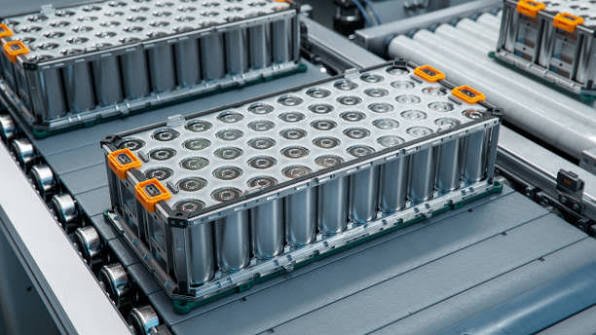
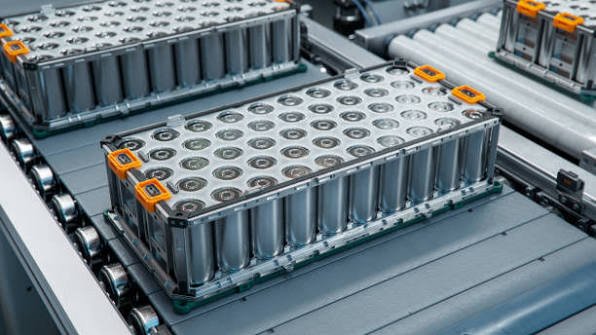
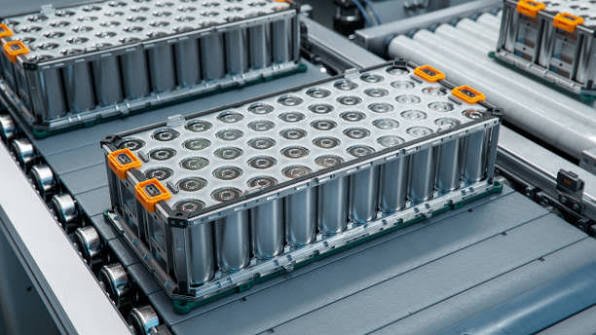
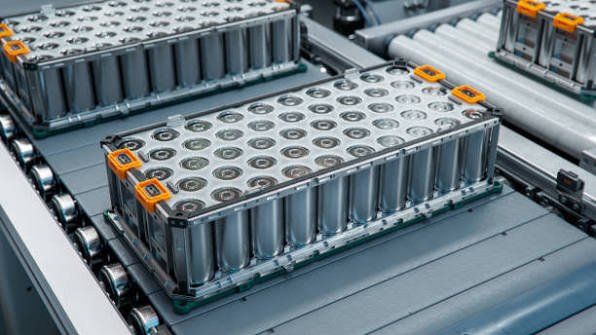
    The facility has been designed to manufacture advanced lithium-ion cells across multiple chemistries and form factors. These capabilities will enable EESL to cater to applications across electric mobility and energy storage.

    Exide Energy Solutions plans to use the domestically manufactured cells to support the growing requirements of electric vehicle and stationary energy storage applications. The company has previously indicated that the overall lithium-ion cell manufacturing project is planned to scale to 12 GWh across two phases.

    The initial production is expected to include lithium iron phosphate (LFP) cells for battery-pack applications, while the company is also developing capabilities for nickel manganese cobalt (NMC) cells. EESL’s existing battery module and pack facility in Gujarat provides an established base for its lithium-ion business.

    The commissioning strengthens Exide Industries’ capabilities beyond its traditional lead-acid battery business and supports its plans to participate in India’s expanding electric mobility and energy storage markets.

    With the first 6 GWh phase now commissioned, EESL is positioned to progress from facility commissioning towards production ramp-up and customer applications across the mobility and energy storage segments.

  • Exide Energy Solutions Commissions 6 GWh Lithium-Ion Cell Manufacturing Facility

    Exide Energy Solutions Commissions 6 GWh Lithium-Ion Cell Manufacturing Facility

    Exide Industries’ material subsidiary, Exide Energy Solutions Limited (EESL), has commissioned Phase-I of its lithium-ion cell manufacturing facility at Devanahalli, Bengaluru, Karnataka.

    The first phase of the facility has a manufacturing capacity of 6 GWh and was commissioned on September 23, 2026. The development marks a significant step in EESL’s expansion into advanced lithium-ion cell manufacturing.

    The facility has been designed to manufacture advanced lithium-ion cells across multiple chemistries and form factors. These capabilities will enable EESL to cater to applications across electric mobility and energy storage.

    Exide Energy Solutions plans to use the domestically manufactured cells to support the growing requirements of electric vehicle and stationary energy storage applications. The company has previously indicated that the overall lithium-ion cell manufacturing project is planned to scale to 12 GWh across two phases.

    The initial production is expected to include lithium iron phosphate (LFP) cells for battery-pack applications, while the company is also developing capabilities for nickel manganese cobalt (NMC) cells. EESL’s existing battery module and pack facility in Gujarat provides an established base for its lithium-ion business.

    The commissioning strengthens Exide Industries’ capabilities beyond its traditional lead-acid battery business and supports its plans to participate in India’s expanding electric mobility and energy storage markets.

    With the first 6 GWh phase now commissioned, EESL is positioned to progress from facility commissioning towards production ramp-up and customer applications across the mobility and energy storage segments.

  • Exide Energy Solutions Commissions 6 GWh Lithium-Ion Cell Manufacturing Facility

    Exide Energy Solutions Commissions 6 GWh Lithium-Ion Cell Manufacturing Facility

    Exide Industries’ material subsidiary, Exide Energy Solutions Limited (EESL), has commissioned Phase-I of its lithium-ion cell manufacturing facility at Devanahalli, Bengaluru, Karnataka.

    The first phase of the facility has a manufacturing capacity of 6 GWh and was commissioned on September 23, 2026. The development marks a significant step in EESL’s expansion into advanced lithium-ion cell manufacturing.

    The facility has been designed to manufacture advanced lithium-ion cells across multiple chemistries and form factors. These capabilities will enable EESL to cater to applications across electric mobility and energy storage.

    Exide Energy Solutions plans to use the domestically manufactured cells to support the growing requirements of electric vehicle and stationary energy storage applications. The company has previously indicated that the overall lithium-ion cell manufacturing project is planned to scale to 12 GWh across two phases.

    The initial production is expected to include lithium iron phosphate (LFP) cells for battery-pack applications, while the company is also developing capabilities for nickel manganese cobalt (NMC) cells. EESL’s existing battery module and pack facility in Gujarat provides an established base for its lithium-ion business.

    The commissioning strengthens Exide Industries’ capabilities beyond its traditional lead-acid battery business and supports its plans to participate in India’s expanding electric mobility and energy storage markets.

    With the first 6 GWh phase now commissioned, EESL is positioned to progress from facility commissioning towards production ramp-up and customer applications across the mobility and energy storage segments.

  • Exide Energy Solutions Commissions 6 GWh Lithium-Ion Cell Manufacturing Facility

    Exide Energy Solutions Commissions 6 GWh Lithium-Ion Cell Manufacturing Facility

    Exide Industries’ material subsidiary, Exide Energy Solutions Limited (EESL), has commissioned Phase-I of its lithium-ion cell manufacturing facility at Devanahalli, Bengaluru, Karnataka.

    The first phase of the facility has a manufacturing capacity of 6 GWh and was commissioned on September 23, 2026. The development marks a significant step in EESL’s expansion into advanced lithium-ion cell manufacturing.

    The facility has been designed to manufacture advanced lithium-ion cells across multiple chemistries and form factors. These capabilities will enable EESL to cater to applications across electric mobility and energy storage.

    Exide Energy Solutions plans to use the domestically manufactured cells to support the growing requirements of electric vehicle and stationary energy storage applications. The company has previously indicated that the overall lithium-ion cell manufacturing project is planned to scale to 12 GWh across two phases.

    The initial production is expected to include lithium iron phosphate (LFP) cells for battery-pack applications, while the company is also developing capabilities for nickel manganese cobalt (NMC) cells. EESL’s existing battery module and pack facility in Gujarat provides an established base for its lithium-ion business.

    The commissioning strengthens Exide Industries’ capabilities beyond its traditional lead-acid battery business and supports its plans to participate in India’s expanding electric mobility and energy storage markets.

    With the first 6 GWh phase now commissioned, EESL is positioned to progress from facility commissioning towards production ramp-up and customer applications across the mobility and energy storage segments.