Blog

  • Synchro Electricals Completes First Data Centre Project with LK Enersys

    Synchro Electricals has marked a new milestone with the successful execution of its first data centre project in collaboration with LK Enersys, delivering a complete power distribution solution designed for critical infrastructure applications.

    The project includes a 4000A Main LT Panel, 800 kVAR APFC Panel, 4000A AMF Panel, and 1600A Isolation Panel, providing an integrated power distribution setup for data centre operations.

    The panels have been manufactured in compliance with IEC 61439-1/2 standards and Form 3B specifications. The equipment has been engineered to address the requirements of critical data centre infrastructure, where power reliability, safety and operational continuity are key considerations.

    Through the project, Synchro Electricals and LK Enersys have collaborated on the delivery of dependable electrical infrastructure for applications where uninterrupted power availability is essential.

    The project represents Synchro Electricals’ entry into the data centre segment and adds to its capabilities in delivering low-voltage power distribution solutions for critical infrastructure applications.

  • Hero Motors Raises ₹299.99 Crore from Anchor Investors Ahead of IPO

    Hero Motors Raises ₹299.99 Crore from Anchor Investors Ahead of IPO

    Hero Motors has raised ₹299.99 crore from anchor investors ahead of its maiden Initial Public Offering (IPO), which opens for public subscription on September 16, 2026.

    The company has allocated 3,57,14,284 equity shares at ₹84 per share to anchor investors. The allocation includes participation from institutions such as ICICI Prudential Life Insurance, 3P India Equity Fund 1M, Edelweiss Life Insurance Company, Societe Generale – ODI and ASAS Global Fund Incorporated VCC Sub Fund.

    Among equity-oriented schemes, shares were allocated to ICICI Prudential Smallcap Fund, Kotak Mahindra Trustee A/C Kotak MNC Fund and JM Financial Mutual Fund – JM Flexi Cap Fund, among others. Of the total anchor allocation, 2,91,64,441 shares were allocated to seven domestic mutual funds through 16 schemes.

    Hero Motors has fixed the IPO price band at ₹79–₹84 per equity share, with a face value of ₹10 per share. The IPO will open on September 16 and close on September 18, 2026. Investors can bid for a minimum of 178 shares and in multiples thereof.

    The fresh issue proceeds will include ₹190 crore for repayment, prepayment or redemption of certain borrowings and ₹200 crore for capital expenditure related to capacity expansion at the company’s Gautam Buddha Nagar facility in Uttar Pradesh. The proceeds will also support inorganic growth initiatives, strategic activities and general corporate purposes.

    ICICI Securities, DAM Capital Advisors and JM Financial are the book-running lead managers for the issue, while KFin Technologies is the registrar. The equity shares are proposed to be listed on the NSE and BSE.

    Under the IPO’s allocation framework, not more than 50% of the net offer will be available to Qualified Institutional Buyers (QIBs), not less than 15% to Non-Institutional Bidders (NIIs), and not less than 35% to Retail Individual Bidders (RIIs).

  • Hero Motors Raises ₹299.99 Crore from Anchor Investors Ahead of IPO

    Hero Motors Raises ₹299.99 Crore from Anchor Investors Ahead of IPO

    Hero Motors has raised ₹299.99 crore from anchor investors ahead of its maiden Initial Public Offering (IPO), which opens for public subscription on September 16, 2026.

    The company has allocated 3,57,14,284 equity shares at ₹84 per share to anchor investors. The allocation includes participation from institutions such as ICICI Prudential Life Insurance, 3P India Equity Fund 1M, Edelweiss Life Insurance Company, Societe Generale – ODI and ASAS Global Fund Incorporated VCC Sub Fund.

    Among equity-oriented schemes, shares were allocated to ICICI Prudential Smallcap Fund, Kotak Mahindra Trustee A/C Kotak MNC Fund and JM Financial Mutual Fund – JM Flexi Cap Fund, among others. Of the total anchor allocation, 2,91,64,441 shares were allocated to seven domestic mutual funds through 16 schemes.

    Hero Motors has fixed the IPO price band at ₹79–₹84 per equity share, with a face value of ₹10 per share. The IPO will open on September 16 and close on September 18, 2026. Investors can bid for a minimum of 178 shares and in multiples thereof.

    The fresh issue proceeds will include ₹190 crore for repayment, prepayment or redemption of certain borrowings and ₹200 crore for capital expenditure related to capacity expansion at the company’s Gautam Buddha Nagar facility in Uttar Pradesh. The proceeds will also support inorganic growth initiatives, strategic activities and general corporate purposes.

    ICICI Securities, DAM Capital Advisors and JM Financial are the book-running lead managers for the issue, while KFin Technologies is the registrar. The equity shares are proposed to be listed on the NSE and BSE.

    Under the IPO’s allocation framework, not more than 50% of the net offer will be available to Qualified Institutional Buyers (QIBs), not less than 15% to Non-Institutional Bidders (NIIs), and not less than 35% to Retail Individual Bidders (RIIs).

  • Hero Motors Raises ₹299.99 Crore from Anchor Investors Ahead of IPO

    Hero Motors Raises ₹299.99 Crore from Anchor Investors Ahead of IPO

    Hero Motors has raised ₹299.99 crore from anchor investors ahead of its maiden Initial Public Offering (IPO), which opens for public subscription on September 16, 2026.

    The company has allocated 3,57,14,284 equity shares at ₹84 per share to anchor investors. The allocation includes participation from institutions such as ICICI Prudential Life Insurance, 3P India Equity Fund 1M, Edelweiss Life Insurance Company, Societe Generale – ODI and ASAS Global Fund Incorporated VCC Sub Fund.

    Among equity-oriented schemes, shares were allocated to ICICI Prudential Smallcap Fund, Kotak Mahindra Trustee A/C Kotak MNC Fund and JM Financial Mutual Fund – JM Flexi Cap Fund, among others. Of the total anchor allocation, 2,91,64,441 shares were allocated to seven domestic mutual funds through 16 schemes.

    Hero Motors has fixed the IPO price band at ₹79–₹84 per equity share, with a face value of ₹10 per share. The IPO will open on September 16 and close on September 18, 2026. Investors can bid for a minimum of 178 shares and in multiples thereof.

    The fresh issue proceeds will include ₹190 crore for repayment, prepayment or redemption of certain borrowings and ₹200 crore for capital expenditure related to capacity expansion at the company’s Gautam Buddha Nagar facility in Uttar Pradesh. The proceeds will also support inorganic growth initiatives, strategic activities and general corporate purposes.

    ICICI Securities, DAM Capital Advisors and JM Financial are the book-running lead managers for the issue, while KFin Technologies is the registrar. The equity shares are proposed to be listed on the NSE and BSE.

    Under the IPO’s allocation framework, not more than 50% of the net offer will be available to Qualified Institutional Buyers (QIBs), not less than 15% to Non-Institutional Bidders (NIIs), and not less than 35% to Retail Individual Bidders (RIIs).

  • Hero Motors Raises ₹299.99 Crore from Anchor Investors Ahead of IPO

    Hero Motors has raised ₹299.99 crore from anchor investors ahead of its maiden Initial Public Offering (IPO), which opens for public subscription on September 16, 2026.

    The company has allocated 3,57,14,284 equity shares at ₹84 per share to anchor investors. The allocation includes participation from institutions such as ICICI Prudential Life Insurance, 3P India Equity Fund 1M, Edelweiss Life Insurance Company, Societe Generale – ODI and ASAS Global Fund Incorporated VCC Sub Fund.

    Among equity-oriented schemes, shares were allocated to ICICI Prudential Smallcap Fund, Kotak Mahindra Trustee A/C Kotak MNC Fund and JM Financial Mutual Fund – JM Flexi Cap Fund, among others. Of the total anchor allocation, 2,91,64,441 shares were allocated to seven domestic mutual funds through 16 schemes.

    Hero Motors has fixed the IPO price band at ₹79–₹84 per equity share, with a face value of ₹10 per share. The IPO will open on September 16 and close on September 18, 2026. Investors can bid for a minimum of 178 shares and in multiples thereof.

    The fresh issue proceeds will include ₹190 crore for repayment, prepayment or redemption of certain borrowings and ₹200 crore for capital expenditure related to capacity expansion at the company’s Gautam Buddha Nagar facility in Uttar Pradesh. The proceeds will also support inorganic growth initiatives, strategic activities and general corporate purposes.

    ICICI Securities, DAM Capital Advisors and JM Financial are the book-running lead managers for the issue, while KFin Technologies is the registrar. The equity shares are proposed to be listed on the NSE and BSE.

    Under the IPO’s allocation framework, not more than 50% of the net offer will be available to Qualified Institutional Buyers (QIBs), not less than 15% to Non-Institutional Bidders (NIIs), and not less than 35% to Retail Individual Bidders (RIIs).

  • Bijliride Scales Franchise Network to 20 Active Partners, Targets 50 as It Expands Across India

    Bijliride Scales Franchise Network to 20 Active Partners, Targets 50 as It Expands Across India

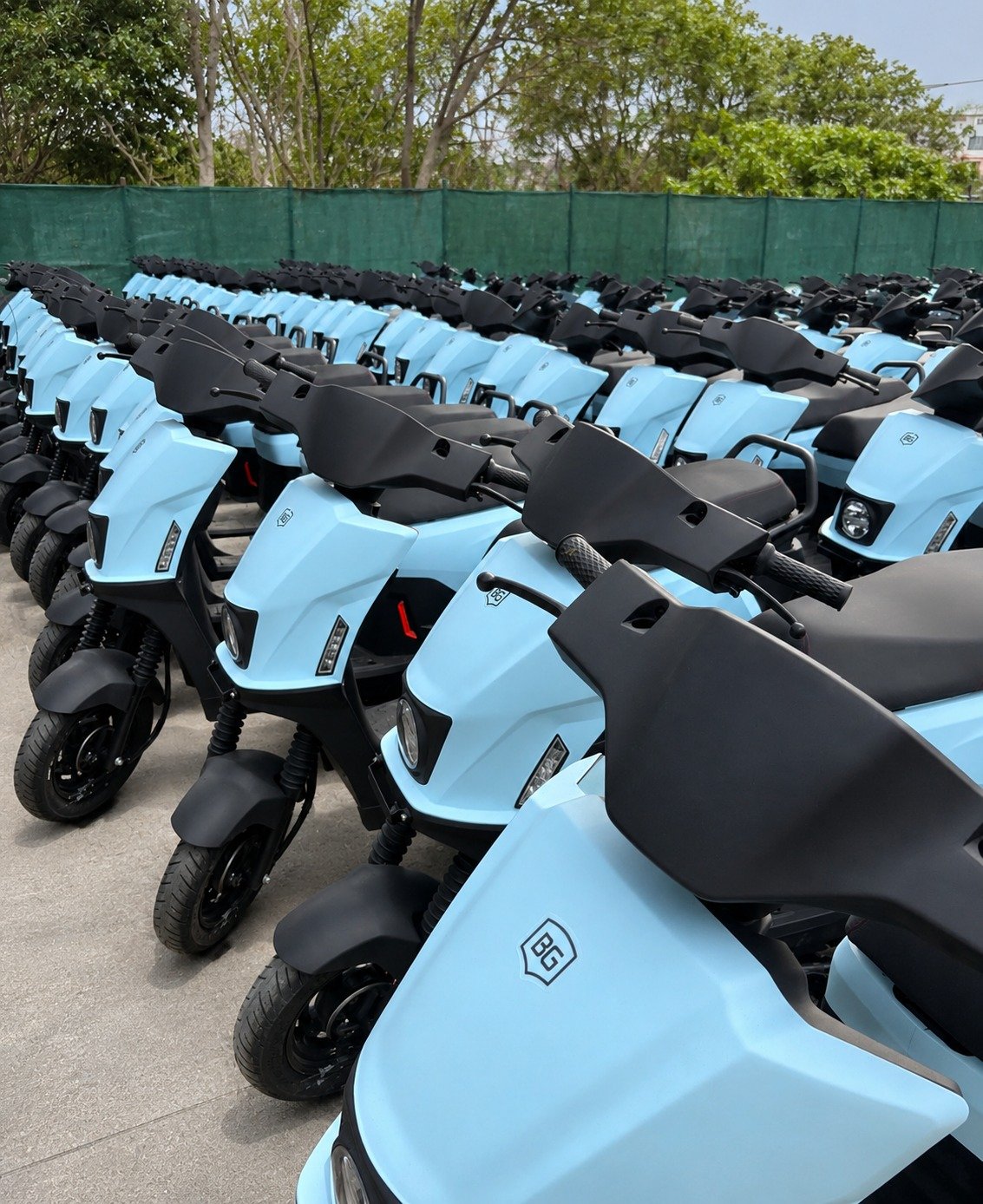
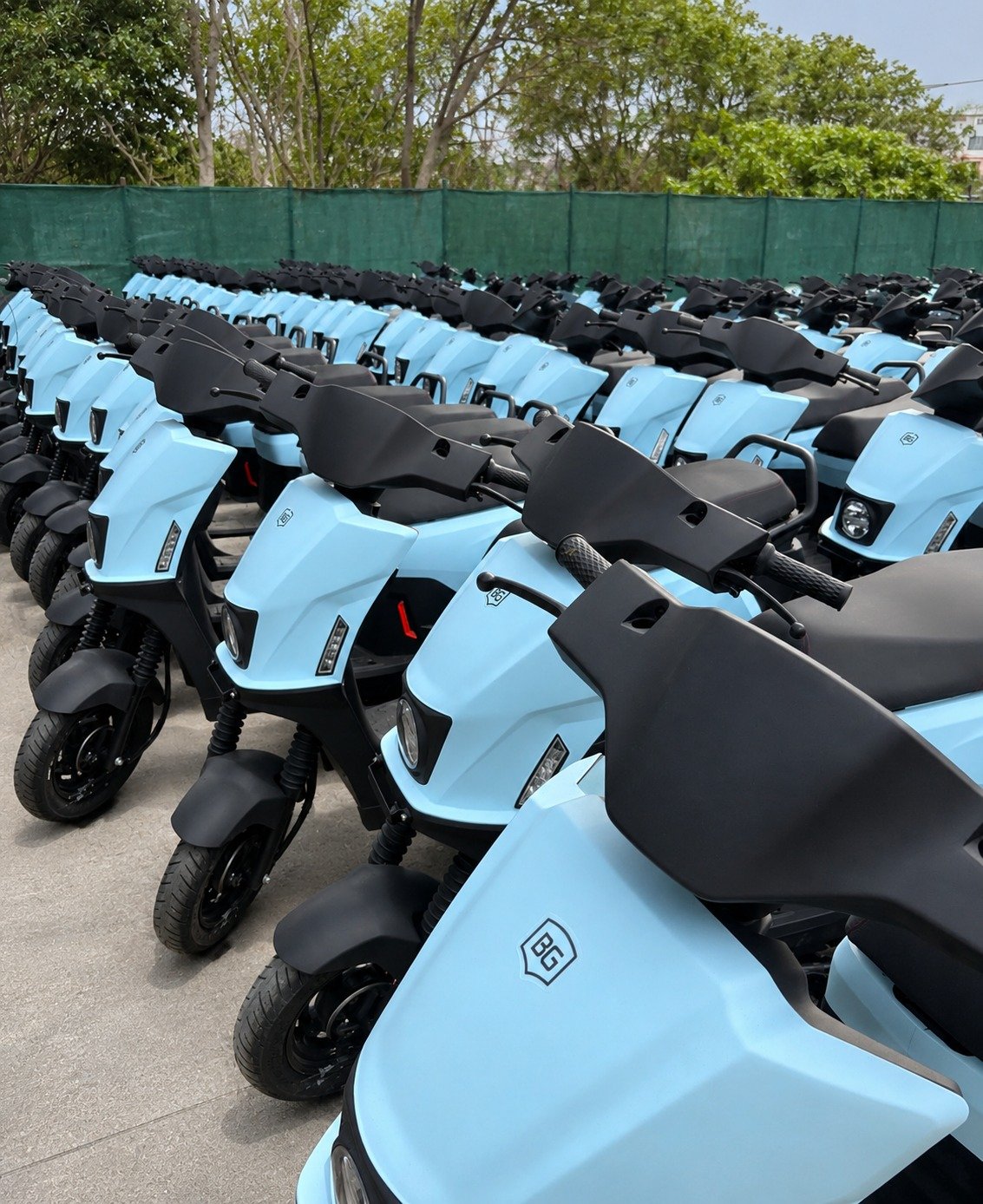
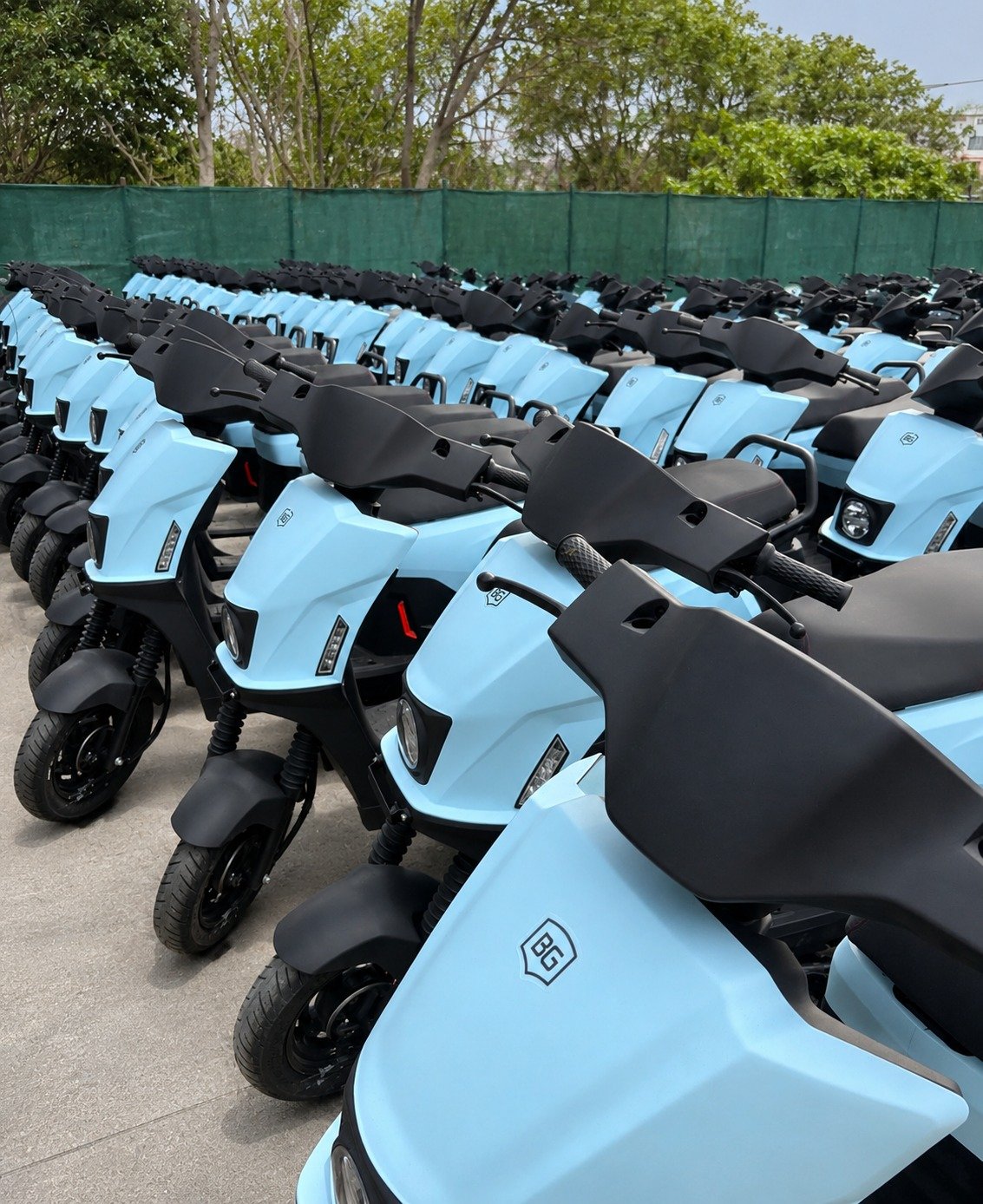
    EV mobility company Bijliride is scaling its franchise-led expansion across India, with 20 active franchise partners currently operating across its network, with a majority currently concentrated in key adoption hubs like Hyderabad and Pune, and another 20 partnerships nearing closure. The company is targeting a network of 50 franchise partners by the end of Q3, as it expands its presence and builds a more distributed EV mobility ecosystem across the country.

    The expansion comes as Bijliride looks to use partnerships as a key route to scale its EV mobility operations across markets. The franchise model enables local partners to establish and operate EV mobility hubs while leveraging Bijliride’s broader ecosystem and operational capabilities. With 20 additional partnerships close to being finalised, the company expects its franchise network to grow significantly in the near term. Moving forward, Phase 2 of this franchise rollout will strategically target the Western and Northern Indian markets to capture the growing regional demand for commercial EV fleets.

    Alongside its existing franchise model, Bijliride is also piloting a Master Franchise Model in Rajasthan and Maharashtra. Under this approach, the company is evaluating market-level partnerships that can help accelerate expansion across a larger geography while maintaining operational standards and consistency. The pilot will allow Bijliride to assess the scalability of the model before potentially extending it to other markets.

    Shivam Sisodiya, Co-Founder & CEO, Bijliride, said: “Franchising is becoming an important part of our strategy to scale EV mobility across India. Having 20 active franchise partners and another 20 partnerships nearing closure gives us a strong base as we work towards our target of 50 franchises. At the same time, we are experimenting with the Master Franchise Model in Rajasthan and Maharashtra to understand how we can accelerate market-level expansion while maintaining the operational standards that are important to us. We believe a combination of local partnerships and a strong central ecosystem can help us build EV mobility infrastructure at scale.”

    The company’s franchise expansion is part of its broader focus on building an accessible and distributed EV ecosystem for delivery riders, gig workers and last-mile mobility users. As Bijliride moves towards its target of 50 franchise partners, it plans to continue evaluating partnership models that can support faster and more efficient expansion across India’s growing EV mobility market.

  • Bijliride Scales Franchise Network to 20 Active Partners, Targets 50 as It Expands Across India

    Bijliride Scales Franchise Network to 20 Active Partners, Targets 50 as It Expands Across India

    EV mobility company Bijliride is scaling its franchise-led expansion across India, with 20 active franchise partners currently operating across its network, with a majority currently concentrated in key adoption hubs like Hyderabad and Pune, and another 20 partnerships nearing closure. The company is targeting a network of 50 franchise partners by the end of Q3, as it expands its presence and builds a more distributed EV mobility ecosystem across the country.

    The expansion comes as Bijliride looks to use partnerships as a key route to scale its EV mobility operations across markets. The franchise model enables local partners to establish and operate EV mobility hubs while leveraging Bijliride’s broader ecosystem and operational capabilities. With 20 additional partnerships close to being finalised, the company expects its franchise network to grow significantly in the near term. Moving forward, Phase 2 of this franchise rollout will strategically target the Western and Northern Indian markets to capture the growing regional demand for commercial EV fleets.

    Alongside its existing franchise model, Bijliride is also piloting a Master Franchise Model in Rajasthan and Maharashtra. Under this approach, the company is evaluating market-level partnerships that can help accelerate expansion across a larger geography while maintaining operational standards and consistency. The pilot will allow Bijliride to assess the scalability of the model before potentially extending it to other markets.

    Shivam Sisodiya, Co-Founder & CEO, Bijliride, said: “Franchising is becoming an important part of our strategy to scale EV mobility across India. Having 20 active franchise partners and another 20 partnerships nearing closure gives us a strong base as we work towards our target of 50 franchises. At the same time, we are experimenting with the Master Franchise Model in Rajasthan and Maharashtra to understand how we can accelerate market-level expansion while maintaining the operational standards that are important to us. We believe a combination of local partnerships and a strong central ecosystem can help us build EV mobility infrastructure at scale.”

    The company’s franchise expansion is part of its broader focus on building an accessible and distributed EV ecosystem for delivery riders, gig workers and last-mile mobility users. As Bijliride moves towards its target of 50 franchise partners, it plans to continue evaluating partnership models that can support faster and more efficient expansion across India’s growing EV mobility market.

  • Bijliride Scales Franchise Network to 20 Active Partners, Targets 50 as It Expands Across India

    Bijliride Scales Franchise Network to 20 Active Partners, Targets 50 as It Expands Across India

    EV mobility company Bijliride is scaling its franchise-led expansion across India, with 20 active franchise partners currently operating across its network, with a majority currently concentrated in key adoption hubs like Hyderabad and Pune, and another 20 partnerships nearing closure. The company is targeting a network of 50 franchise partners by the end of Q3, as it expands its presence and builds a more distributed EV mobility ecosystem across the country.

    The expansion comes as Bijliride looks to use partnerships as a key route to scale its EV mobility operations across markets. The franchise model enables local partners to establish and operate EV mobility hubs while leveraging Bijliride’s broader ecosystem and operational capabilities. With 20 additional partnerships close to being finalised, the company expects its franchise network to grow significantly in the near term. Moving forward, Phase 2 of this franchise rollout will strategically target the Western and Northern Indian markets to capture the growing regional demand for commercial EV fleets.

    Alongside its existing franchise model, Bijliride is also piloting a Master Franchise Model in Rajasthan and Maharashtra. Under this approach, the company is evaluating market-level partnerships that can help accelerate expansion across a larger geography while maintaining operational standards and consistency. The pilot will allow Bijliride to assess the scalability of the model before potentially extending it to other markets.

    Shivam Sisodiya, Co-Founder & CEO, Bijliride, said: “Franchising is becoming an important part of our strategy to scale EV mobility across India. Having 20 active franchise partners and another 20 partnerships nearing closure gives us a strong base as we work towards our target of 50 franchises. At the same time, we are experimenting with the Master Franchise Model in Rajasthan and Maharashtra to understand how we can accelerate market-level expansion while maintaining the operational standards that are important to us. We believe a combination of local partnerships and a strong central ecosystem can help us build EV mobility infrastructure at scale.”

    The company’s franchise expansion is part of its broader focus on building an accessible and distributed EV ecosystem for delivery riders, gig workers and last-mile mobility users. As Bijliride moves towards its target of 50 franchise partners, it plans to continue evaluating partnership models that can support faster and more efficient expansion across India’s growing EV mobility market.

  • Bijliride Scales Franchise Network to 20 Active Partners, Targets 50 as It Expands Across India

    EV mobility company Bijliride is scaling its franchise-led expansion across India, with 20 active franchise partners currently operating across its network, with a majority currently concentrated in key adoption hubs like Hyderabad and Pune, and another 20 partnerships nearing closure. The company is targeting a network of 50 franchise partners by the end of Q3, as it expands its presence and builds a more distributed EV mobility ecosystem across the country.

    The expansion comes as Bijliride looks to use partnerships as a key route to scale its EV mobility operations across markets. The franchise model enables local partners to establish and operate EV mobility hubs while leveraging Bijliride’s broader ecosystem and operational capabilities. With 20 additional partnerships close to being finalised, the company expects its franchise network to grow significantly in the near term. Moving forward, Phase 2 of this franchise rollout will strategically target the Western and Northern Indian markets to capture the growing regional demand for commercial EV fleets.

    Alongside its existing franchise model, Bijliride is also piloting a Master Franchise Model in Rajasthan and Maharashtra. Under this approach, the company is evaluating market-level partnerships that can help accelerate expansion across a larger geography while maintaining operational standards and consistency. The pilot will allow Bijliride to assess the scalability of the model before potentially extending it to other markets.

    Shivam Sisodiya, Co-Founder & CEO, Bijliride, said: “Franchising is becoming an important part of our strategy to scale EV mobility across India. Having 20 active franchise partners and another 20 partnerships nearing closure gives us a strong base as we work towards our target of 50 franchises. At the same time, we are experimenting with the Master Franchise Model in Rajasthan and Maharashtra to understand how we can accelerate market-level expansion while maintaining the operational standards that are important to us. We believe a combination of local partnerships and a strong central ecosystem can help us build EV mobility infrastructure at scale.”

    The company’s franchise expansion is part of its broader focus on building an accessible and distributed EV ecosystem for delivery riders, gig workers and last-mile mobility users. As Bijliride moves towards its target of 50 franchise partners, it plans to continue evaluating partnership models that can support faster and more efficient expansion across India’s growing EV mobility market.

  • Kshema Power Targets 10 Wind Turbine Foundations a Month with Dedicated In-House Batching Plants

    Kshema Power Targets 10 Wind Turbine Foundations a Month with Dedicated In-House Batching Plants

    Kshema Power has strengthened its renewable energy project execution capabilities with the successful commissioning of two dedicated in-house batching plants in Madhya Pradesh. The facilities mark an important step in the company’s strategy to ensure an uninterrupted supply of high-quality concrete for wind turbine foundation construction, while improving execution efficiency and schedule adherence.

    Wind turbine foundation construction is among the most time-sensitive activities in a wind energy project, requiring large volumes of high-quality concrete within a defined window to ensure structural integrity and timely completion. Projects in remote or geographically dispersed locations often face challenges when concrete is sourced externally, including limited supplier availability, transportation constraints, and variations in supply and quality, all of which can affect construction schedules.

    To address this, Kshema Power has set up a dedicated in-house batching plant to cater specifically to the concrete requirements of its wind energy projects. By bringing concrete production closer to the project site and under its direct operational control, the company has strengthened supply reliability and reduced dependency on external suppliers.

    The dedicated facility allows Kshema Power to plan and produce concrete in line with each project’s foundation construction schedule, and to better coordinate material procurement, production, transportation, manpower, and equipment deployment. This integrated approach reduces the risk of interruptions from external supply dependencies and allows the company to respond more effectively to changes in construction priorities.

    Managing production in-house also gives Kshema Power greater control over material handling, mix preparation, batching, and quality monitoring, ensuring that concrete supplied for turbine foundations consistently meets project specifications. The facility is therefore not just a production unit but part of the company’s integrated project execution system, connecting material availability, quality control, logistics, and construction under one coordinated framework.

    The dedicated batching capability is expected to meaningfully improve the pace of wind turbine foundation construction by ensuring uninterrupted casting operations. With this enhanced capacity, Kshema Power is targeting completion of up to 10 wind turbine foundations every month, supporting better schedule adherence as it manages large-scale renewable energy projects.

    “Reliable access to quality construction materials is essential for timely renewable energy project execution. Our dedicated in-house batching plant strengthens our supply chain resilience by reducing dependency on external suppliers and giving us greater control over the availability, quality, and timely supply of concrete. With this capability, we are targeting the completion of 10 wind turbine foundations every month, supporting better schedule adherence and improved execution efficiency. This strategic investment strengthens our ability to deliver large-scale renewable energy projects with greater speed, reliability, and operational excellence,” said Mr. V. N. Kalyanasundaram, Senior Vice President – Supply Chain, Kshema Power.

    The in-house batching plant is a significant addition to Kshema Power’s project execution infrastructure, reflecting the company’s focus on building capabilities that address critical project requirements internally. By investing in dedicated infrastructure, Kshema Power is strengthening its ability to manage the complete execution cycle—from material availability and concrete production to foundation construction and scheduling—with greater predictability.

    As the company continues to scale its renewable energy portfolio, this integrated approach will help build greater resilience into project execution, reduce avoidable delays, and support consistent quality across projects, reinforcing Kshema Power’s position as a trusted EPC partner in India’s clean energy transition.