Blog

  • ENGIE, European Energy Partner on 150 MW Green Hydrogen Project in Denmark

    ENGIE, European Energy Partner on 150 MW Green Hydrogen Project in Denmark

    ENGIE and European Energy have entered into a cooperation agreement to advance the development of a large-scale renewable hydrogen project in Denmark.

    The project is designed to support the emerging European hydrogen market and contribute to the development of cross-border hydrogen infrastructure connecting Denmark and Germany. Located in Aabenraa Municipality, it will be developed near Kassø, home to the world’s first industrial-scale e-methanol plant. This existing installation is owned by Mitsui & Co. Ltd. and European Energy. The new facility will have an electrolyser capacity of up to 150 MW and is intended to connect to the future Danish-German Hydrogen Backbone infrastructure. The hydrogen produced at the site is expected to supply industrial and mobility demand in Germany and support the decarbonisation of hard-to-abate sectors while building business resilience within EU.

    The agreement establishes a framework for collaboration between the parties during the next stages of project development, including technical studies, work related to hydrogen transport. Under this agreement, ENGIE reserves the marketing right of more than 20.000 tons of renewable hydrogen per annum. The project reflects the continued maturation of the European hydrogen sector, in which renewable power production, hydrogen infrastructure, and industrial and mobility demand for green hydrogen are increasingly being developed in parallel. The project’s targeted commercial operation date is aligned with the expected commissioning of Denmark’s hydrogen backbone infrastructure around 2030.

    “We are enthusiastic about starting this collaboration with European Energy, as our two companies have strong complementarities, both geographically and across the electricity and hydrogen value chains. As a major midstreamer in Europe in both natural gas and electricity, ENGIE aims to support its clients in their decarbonization journey and to offer them renewable or low-carbon hydrogen at competitive prices. The Kassø project, developed by European Energy, a pioneering partner in the large-scale production of renewable hydrogen, will therefore enable ENGIE to strengthen its offering to its German clients from 2030 onwards,” said Henri Domenach, Managing Director of Energy Management at ENGIE.

    “We are excited to enter into cooperation with ENGIE on this next journey into making green hydrogen. This will play an important role in connecting renewable energy production with industrial decarbonisation across Europe. Through our experience with the existing Kassø facility and the production of green fuels, we believe that we are well-positioned to be able to make a great project. With ENGIE’s large expertise into connecting production and demand of renewable energy, a cooperation between ENGIE and European Energy will benefit both parties,” said Rene Alcaraz Frederiksen, EVP and Head of Power-to-X at European Energy.

  • India Needs 10 GWh of BESS to Prevent Renewable Energy Curtailment: Ember

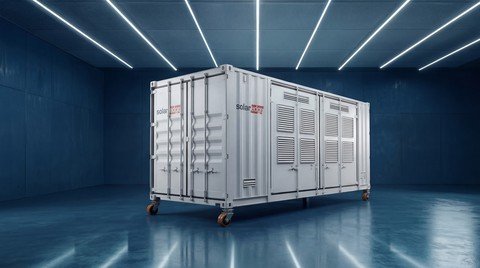
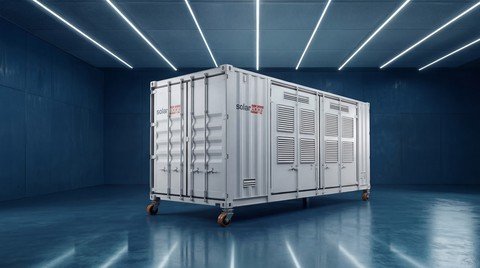
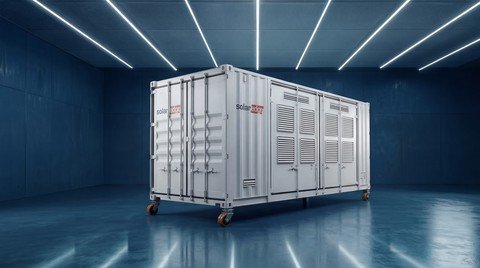
    India needs around 10 GWh of battery energy storage capacity immediately to prevent renewable energy curtailment caused by the operational limitations of coal-fired power plants, according to a new analysis by energy think tank Ember.

    The report estimates that India curtailed nearly 2.1 TWh of renewable energy during FY26 because coal-fired generating units could not reduce output below their minimum technical load (MTL), forcing grid operators to cut solar and wind generation despite available clean power.

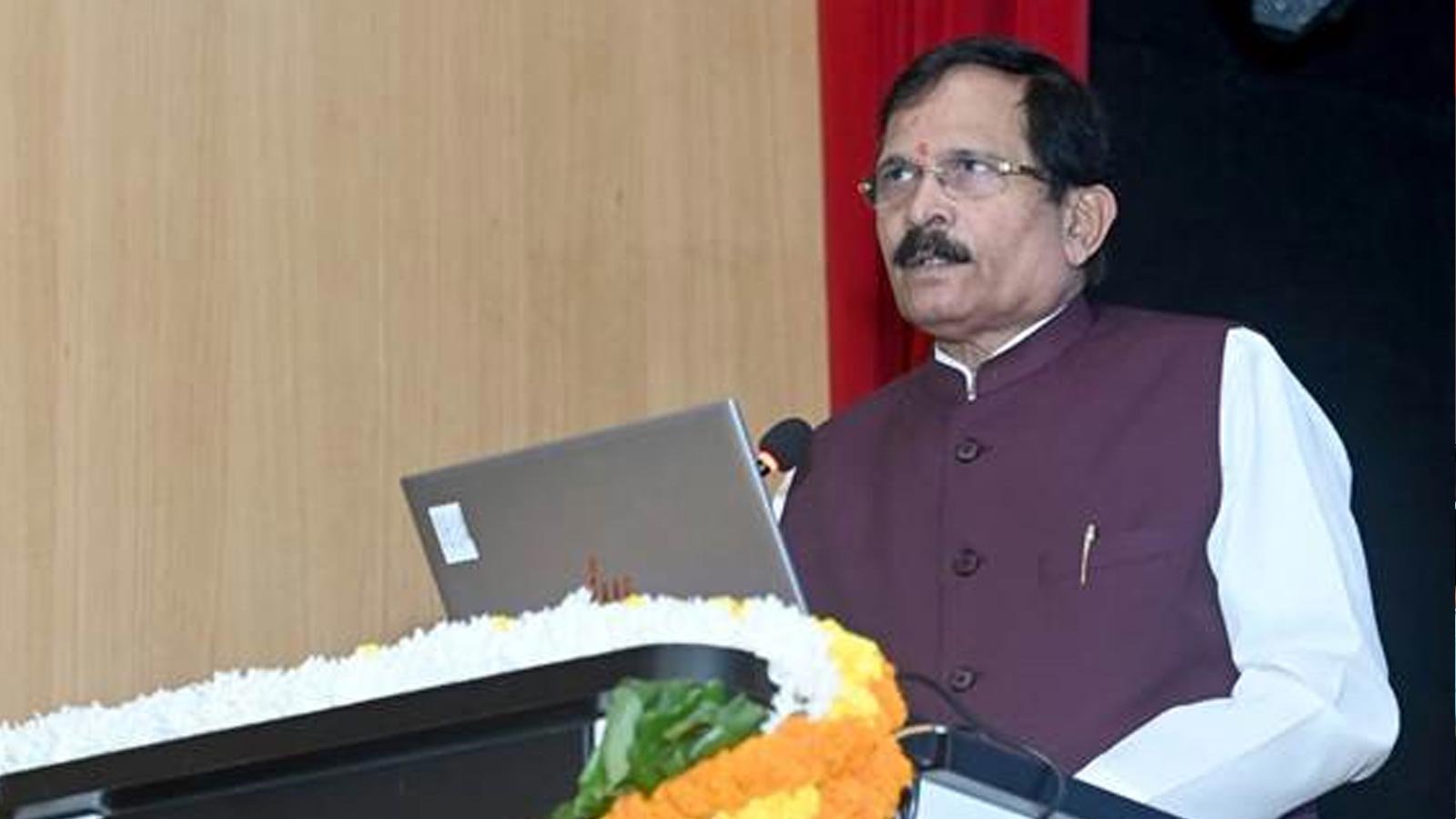
  • Union Minister Shri Pralhad Joshi Launches Suzlon’s S175 (5 MW) – India’s Tallest and Most Powerful Wind Turbine

    Suzlon announced the launch of India’s tallest wind turbine powerhouse, the S175 (5 MW), following its successful commissioning at Vijayanagar, Karnataka.

    The launch of S175 represents a strategic step forward in unlocking the next phase of wind growth in India. As India’s first FDRE-ready turbine, it unlocks new wind frontiers and will enable wind energy to play a larger role in India’s energy transition.

    As India’s most powerful turbine yet, S175 has been engineered on over 30 years of operational insights from Suzlon’s existing 15.5 GW turbine fleet. The integration of proven reliability and next-generation turbine technology helps it deliver higher energy generation and improved project economics for low to medium-wind regimes in India.

    With a 175-meter rotor, a 160-meter hybrid lattice tower, and a 247.5-meter blade tip height, the S175 accesses stronger, steadier wind layers for enhanced energy capture. Its advanced aerodynamics, carbon girder blade technology, and intelligent control systems deliver superior performance, making it FDRE-ready and enabling seamless participation in hybrid, RTC, and firm power solutions.

    Shri Pralhad Joshi, Union Cabinet Minister for New and Renewable Energy, said, “Suzlon has been the pride of India for the last 30 years, consistently delivering next-generation innovations that have helped in paving the growth of the entire wind energy sector. The launch of the S175 5 MW turbine will go a long way in ensuring that we meet our wind energy ambitions – both domestically and globally. This next-generation turbine reflects India’s growing strength in advanced clean energy innovation.”

    Girish Tanti, Executive Vice Chairman, Suzlon Group, said, “For over three decades, Suzlon’s relentless pursuit of excellence has ensured that we deliver market-defining product innovations to India and the world. We have always believed that the best technology is not only advanced but is also purpose-built for the market it serves. The S175 embodies this philosophy and is engineered by our R&D teams specifically for Indian wind conditions, grid realities and operating environments.

    He further added, “Its biggest breakthrough lies not just in significantly increasing energy generation but in its ability to make previously unviable wind sites viable, expanding the wind addressable markets.”

  • HVR Solar Signs Global MoUs to Establish 1.2 GW TOPCon Solar Cell Manufacturing Facility in Uttar Pradesh

    HVR Solar Signs Global MoUs to Establish 1.2 GW TOPCon Solar Cell Manufacturing Facility in Uttar Pradesh

    GEMINI API ERROR: Array ( [code] => 404 [message] => models/gemini-1.5-flash is not found for API version v1beta, or is not supported for generateContent. Call ModelService.ListModels to see the list of available models and their supported methods. [status] => NOT_FOUND )

    HVR Solar Ltd has announced the signing of multiple strategic Memorandums of Understanding (MoUs) with global technology partners to establish a 1.2 GW TOPCon solar cell manufacturing facility in Uttar Pradesh, marking a significant step in the company’s expansion across the solar value chain.

    The agreements were formalized during SNEC PV Power Expo 2026 in Shanghai and are aimed at accelerating the development of advanced solar cell manufacturing capabilities in India. The proposed facility will be located in Amroha, Uttar Pradesh, and is expected to strengthen the country’s domestic solar supply chain while reducing dependence on imported solar cells.

    As part of the initiative, HVR Solar has partnered with international technology providers for the supply of TOPCon solar cell manufacturing equipment, chemical and gas utility systems, and production-line integration services. The company said the project will leverage advanced TOPCon technology, which is widely recognized for its higher efficiency and improved performance compared to earlier solar cell technologies.

    The upcoming manufacturing facility is expected to support India’s clean energy ambitions by enhancing local manufacturing capacity, promoting technological self-reliance, and creating more than 500 direct employment opportunities in the region.

    The move aligns with the government’s push to expand domestic solar manufacturing and strengthen the renewable energy ecosystem under the vision of an Atmanirbhar Bharat. HVR Solar’s latest investment also reflects the growing momentum within India’s solar manufacturing sector as developers and manufacturers seek to build integrated, globally competitive supply chains.

  • JSW Energy to Acquire 300 MW Maruti Clean Coal & Power Limited, Strengthening Thermal Portfolio

    JSW Energy Limited (“the Company”), has signed a definitive agreement with Kolahai Infotech Private Limited and SFI Parcel Services Private Limited to acquire 100% equity shares of Maruti Clean Coal & Power Limited (“MCCPL”). The transaction is subject to receipt of the necessary regulatory and customary approvals under the definitive agreements. Upon consummation of the transaction, MCCPL will become a wholly-owned subsidiary of the Company

    MCCPL owns and operates a 300 MW thermal power plant at Korba, Chhattisgarh. The plant has a longterm Power Purchase Agreement (PPA) of 195 MW (net) with Rajasthan discoms, routed through PTC India, with a residual PPA life of ~14 years. In addition, the plant provides 5% power at variable cost to the Chhattisgarh discom, while the balance ~64 MW capacity is sold in the merchant market. Coal is secured through a long-term Fuel Supply Agreement with SECL, and linkage under the SHAKTI scheme.

    The transaction values MCCPL at an Enterprise Value of approximately ₹1,410 crore, subject to customary closing adjustments as per the definitive agreements. The acquired asset’s estimated FY26 EBITDA stood at ~₹279 crore. This operating asset is EBITDA and PAT-accretive, while also reducing the Company’s net leverage and strengthening overall balance sheet resilience.

    Beyond the immediate financial benefits, the asset offers potential upside through optimisation of logistics and O&M costs. Its proximity to JSW Energy’s Mahanadi thermal plant further unlocks operational synergies, strengthening the Company’s regional thermal footprint.

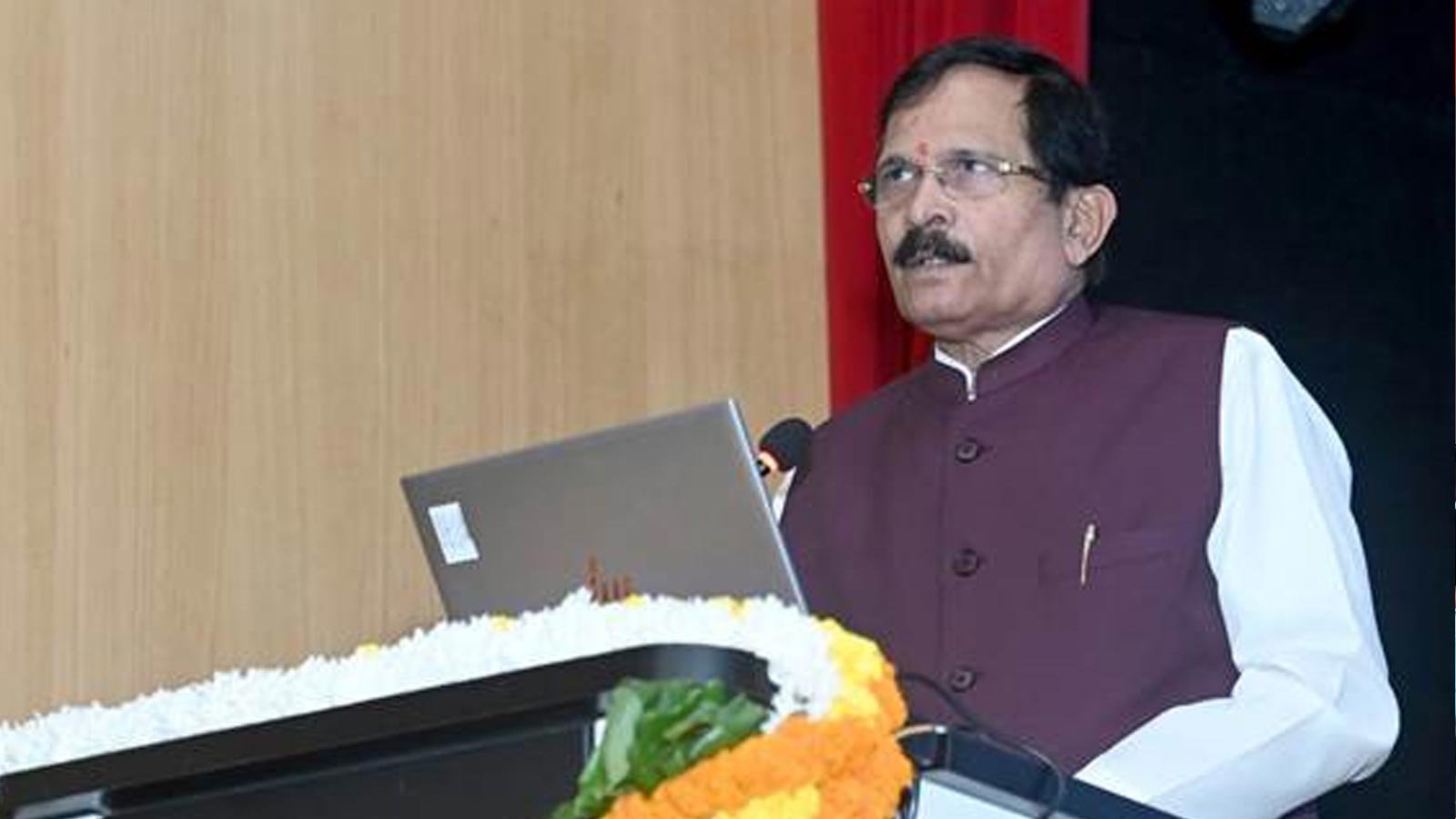
    Mr. Sharad Mahendra, Joint Managing Director and CEO of JSW Energy, said, “This acquisition reflects our disciplined ‘Build vs. Buy’ approach, where we pursue calibrated value accretive inorganic opportunities. MCCPL has an operating asset that is earnings accretive from day one, strengthening both our thermal portfolio and our cash flows. As we fortify our thermal generation capacity, we remain proud to play our part in powering India’s growth and supporting the nation’s energy security. This transaction is another step in building a balanced, resilient portfolio that delivers sustainable returns while meeting the country’s rising energy needs”.

    JSW Energy currently operates an installed thermal capacity of 5,658 MW, with a further 3,200 MW under construction at its Salboni Thermal Power Plant and a pipeline of 1,800 MW for brownfield expansion at Mahanadi. This operating asset acquisition further strengthens the Company’s installed thermal portfolio. Post closure, the Company’s total installed and locked-in thermal capacity will reach 5,958 MW and 10,958 MW, respectively.

    JSW Energy has a current total locked-in generation capacity of 32.1 GW, comprising 13.9 GW operational and 13.6 GW under construction across thermal, hydro, and renewables, with a pipeline of 4.6 GW. The company also has 29.6 GWh of locked-in energy storage capacity, comprising pumped hydro storage of 26.4 GWh and battery energy storage systems of 3.2 GWh. The company aims to reach 30 GW of generation capacity and 40 GWh of energy storage capacity by 2030, and to achieve carbon neutrality by 2050.

  • Honeywell Technology Chosen for Brazil Renewable Fuels Project

    Honeywell Technology Chosen for Brazil Renewable Fuels Project

    Honeywell has been selected to provide its advanced processing technology and automation solutions for a major renewable fuels facility being developed by Acelen Renewables in Bahia, Brazil. The project is designed to produce Sustainable Aviation Fuel (SAF) and renewable diesel, supporting the global transition toward cleaner transportation fuels.

    The company announced that the facility will utilize Honeywell’s Ecofining™ technology, along with integrated pumps, compressors, control systems, and plant safety solutions to improve production efficiency and operational reliability.

    Supporting the Growth of Sustainable Aviation Fuel

    Demand for Sustainable Aviation Fuel is expected to rise significantly as the aviation industry works to reduce carbon emissions. Industry projections indicate that global SAF demand could approach 500,000 barrels per day over the next decade, encouraging refiners and energy companies to accelerate investments in renewable fuel production.

    The Bahia facility aims to strengthen Brazil’s renewable fuel industry while contributing to the growing supply of lower-carbon aviation fuels.

    Ecofining Technology to Convert Waste into Clean Fuel

    Honeywell’s Ecofining process, developed in partnership with Italian energy company Eni, converts waste-based feedstocks—including used cooking oil, animal fats, and greases—into renewable diesel and Sustainable Aviation Fuel.

    According to Honeywell, fuels produced using this technology can reduce greenhouse gas emissions by up to 80% compared to conventional fossil-based jet fuel when blended appropriately.

    Modular Plant Design to Reduce Costs

    Honeywell said the renewable fuels project will also benefit from its modular plant construction approach, which is designed to shorten project development timelines, simplify installation, and reduce capital costs compared with traditional plant construction methods.

    The company has deployed more than 1,500 modular process units worldwide across multiple industrial sectors, demonstrating the scalability of its engineering solutions.

    Advanced Automation for Efficient Operations

    The Bahia facility will incorporate Honeywell’s Experion Process Knowledge System (PKS), an advanced automation platform that integrates plant monitoring, process control, and operational safety into a unified system. The digital platform is expected to enhance production efficiency while improving plant reliability.

    Driving Brazil’s Renewable Energy Transition

    Acelen Renewables said the project reflects its commitment to producing sustainable fuels while balancing environmental responsibility with economic growth. Honeywell believes advanced process technologies and automation will help renewable fuel producers improve operational efficiency, reduce production costs, and expand the use of lower-cost renewable feedstocks.

    As investment in Sustainable Aviation Fuel continues to grow globally, projects like the Bahia renewable fuels facility are expected to play a key role in decarbonizing the aviation sector and supporting cleaner energy systems.

  • India Needs 10 GWh Battery Storage to Prevent Renewable Energy Curtailment: Ember

    India Needs 10 GWh Battery Storage to Prevent Renewable Energy Curtailment: Ember

    India requires an immediate deployment of nearly 10 GWh of battery energy storage to prevent renewable electricity from being wasted as coal-fired power plants struggle to operate below their minimum technical limits, according to a new analysis released by global energy think tank Ember.

    The report highlights that India’s rapidly growing solar capacity is producing large amounts of electricity during midday, but the grid is increasingly forced to curtail renewable generation because coal power plants cannot reduce output beyond their minimum technical load (MTL). Since coal plants must remain operational to meet evening demand and provide essential grid reserves, excess renewable electricity is often discarded instead of being utilized.

    Over 2 TWh of Renewable Energy Curtailed

    According to Ember’s analysis, India curtailed approximately 2.1 TWh of renewable electricity during FY 2025-26, representing around 1.3% of the country’s total renewable generation. The study estimates that 10 GWh of battery storage would have been sufficient to store the surplus midday renewable electricity and release it later during peak demand, eliminating the need for curtailment caused by coal plant operating constraints.

    Coal Fleet Faces Increasing Operational Pressure

    The report explains that coal power stations continue to provide most of India’s grid flexibility and ancillary services. However, with the rapid expansion of solar power, coal plants are now forced to ramp down significantly during daylight hours and quickly increase generation again after sunset.

    On March 6, 2026, solar and wind together contributed nearly 41% of India’s electricity generation during midday, leading coal generation to decline by almost 49 GW within six hours before ramping up by 51 GW in the evening as solar output dropped.

    Such frequent deep cycling was never part of the original design of India’s coal fleet, placing additional operational stress on these plants.

    Structural Constraint Behind Renewable Curtailment

    Ember notes that most coal plants cannot safely operate below approximately 55% of their rated capacity. Once this technical threshold is reached, further increases in renewable generation cannot be accommodated, forcing grid operators to curtail clean electricity instead.

    By April 2026, coal plants were operating at their minimum technical load during more than half of all midday dispatch intervals. Renewable curtailment accounted for nearly 37% of the grid’s down-regulation requirements, a sharp increase from almost negligible levels a year earlier.

    The report describes this as a structural challenge, where renewable energy is curtailed simply because coal plants must remain online, even before considering reserve requirements or transmission constraints.

    Solar Capacity Continues to Expand

    India added approximately 24 GW of new solar capacity between October 2025 and April 2026, increasing the country’s total installed solar capacity to around 154 GW.

    Despite April typically being outside the peak renewable curtailment season, curtailed solar and wind generation returned to nearly 4% during peak daylight hours, indicating that grid flexibility challenges are becoming more pronounced as renewable deployment accelerates.

    Battery Storage Seen as the Immediate Solution

    The report concludes that large-scale battery energy storage systems will play a critical role in balancing India’s power system by storing excess daytime renewable electricity and supplying it during evening demand peaks. Expanding battery storage capacity could significantly reduce renewable energy wastage, improve grid reliability, and support India’s long-term clean energy transition while reducing operational stress on conventional coal-fired power plants.

  • Organic Recycling Systems Launches Hard Biomass Gasification Pilot Under Sanjeevak 2.0

    Organic Recycling Systems Launches Hard Biomass Gasification Pilot Under Sanjeevak 2.0

    Organic Recycling Systems has announced that the company is now also targeting the largely untapped challenge of hard biomass residues such as coconut, cashew and groundnut shells through its Sanjeevak 2.0 initiative.

    Its NABL-accredited ORS Research and Innovation Centre (ORS-RIC) in Mahape, Navi Mumbai, has commenced a pilot study for a 10 kg/h Downdraft Gasification System, a thermochemical technology that converts hard biomass feedstocks into clean syngas and high-grade biochar through controlled partial oxidation.

    The downdraft configuration is specifically chosen for its low tar formation, a key advantage over alternative biomass conversion technologies. Additionally, it has an autothermal design, which means the reactor sustains its own process heat once ignited, requiring no external fuel source during operation, stated the company.

    ORS-RIC is currently conducting trials across four hard biomass feedstocks: tender coconut shells, brown coconut shells, cashew nut shells, and groundnut shells. The study is focused on mapping and optimising key process parameters to maximise charcoal mass yield while ensuring high fixed-carbon content. The pilot is in its parameter optimisation phase, no yield or quality results are being reported at this stage, stated the company.

    Speaking on the development, Yashas Bhand, Whole Time Director, Organic Recycling Systems, said, “Hard biomass waste like coconut shells and groundnut shells represents a significant and largely unaddressed category of agricultural residue in India. Downdraft gasification offers a pathway to convert them into high-grade biochar and clean syngas. ORS-RIC is conducting this study systematically mapping parameters before scaling and if the results are promising, ORSL will look to commercialise this technology.”

    Dr. Manju Tanwar, Head Research & Development, ORS Research and Innovation Centre (ORS-RIC), added, “Hard biomass feedstocks present unique thermochemical challenges due to their density, structure, and composition. Through this pilot study, we are systematically evaluating the impact of key operating parameters such as equivalence ratio, residence time, and extraction volume on the gasification process. Our objective at this stage is to develop a robust process framework, generate reliable operating data, and identify the optimal conditions required for future scale-up and commercial deployment.”

    If the pilot succeeds and the technology is commercialised, ORSL projects that it could reduce fuel and electricity costs, along with the potential to market the technology to multiple stakeholders facing the issues of hard biomass waste.

    The downdraft gasification pilot adds to ORS-RIC’s expanding research portfolio, which currently includes over 7 innovations in development across biochar, advanced catalysts, carbon membranes, CO2 utilisation, and microalgae-based treatment systems, stated the company.

  • Hello world!

    Welcome to WordPress. This is your first post. Edit or delete it, then start writing!