Blog

  • WattPower Introduces 506KTL Grid-Forming Inverter

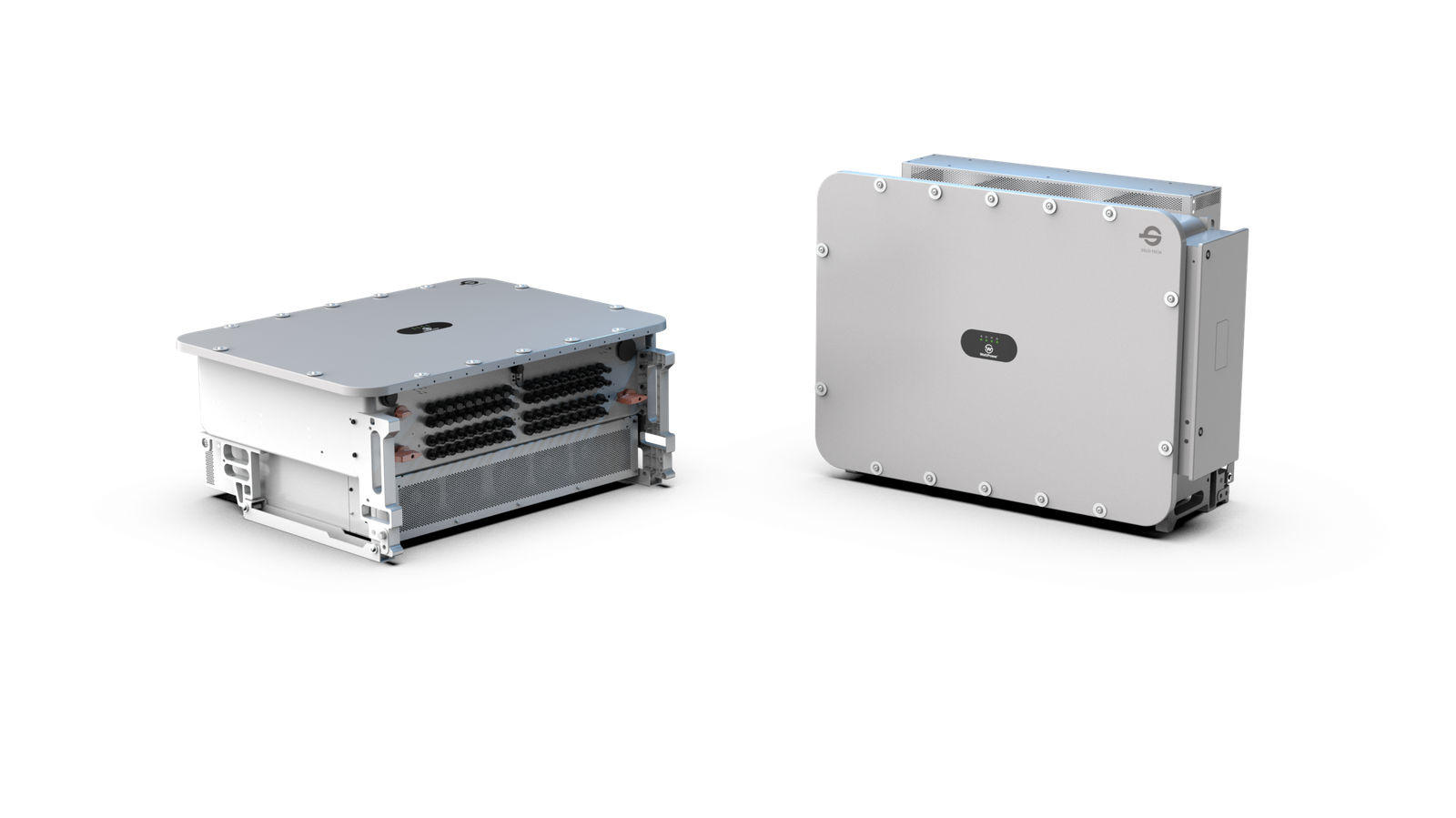
    WattPower, a leading solar inverter and energy storage solutions provider, has introduced its Advanced 506KTL Grid-Forming Utility-Scale Inverter, designed to help EPCs and renewable energy developers build grid-ready, future-proof solar projects. As utilities adopt stricter grid codes and renewable penetration continues to rise, the new inverter enables developers to improve project reliability, strengthen grid compliance and deliver stable plant performance under increasingly complex grid conditions.

    Utility-scale solar projects today are expected to do far more than generate electricity. They must remain stable during grid disturbances, operate reliably in weak-grid environments and meet evolving regulatory requirements without compromising plant performance. The WattPower 506KTL addresses these challenges through its advanced Grid-Forming architecture, enabling EPCs and developers to reduce project risks, minimise solar curtailment, enhance grid stability and improve long-term operational performance.

    Built to provide 1000V AC, the WattPower 506KTL Smart String Inverter is engineered to improve project returns for utility-scale developers. By reducing inverter count and associated balance-of-system costs while improving plant availability through advanced Grid-Forming capabilities, the inverter helps lower lifetime operating costs, maximise energy generation and enhance the overall return on investment across the project’s lifecycle.

    Commenting on the new product, Divya Prakash Choraria, CEO and Co-founder of WattPower, said, “The 506KTL represents an important step in our journey to develop technology that delivers greater value across the life of a solar asset. We built it with a clear focus on asset optimisation, starting with product life, reliability and performance. For us, innovation is not simply about building a more powerful inverter, but about creating technology that enables every asset to perform better, for a long period of time.”

    Complementing its Grid-Forming architecture, the WattPower 506KTL integrates a suite of next-generation technologies designed to maximise operational efficiency and long-term reliability. AI-enabled intelligence delivers real-time monitoring and intelligent plant optimisation, while the hybrid cooling system ensures superior thermal management for demanding utility-scale applications. The inverter also incorporates an Anti-Icing Fan to maintain dependable performance across diverse climatic conditions and SSLD2 protection technology to enhance equipment safety, operational reliability and long-term resilience, helping developers maximise plant uptime throughout the project lifecycle.

    By introducing the WattPower 506KTL Grid-Forming Utility-Scale Inverter, which is available for pre-orders, WattPower continues to expand its portfolio of dependable utility-scale solutions, reaffirming its commitment to delivering innovative technologies that help developers build reliable, high-performance and grid-ready renewable energy projects.
  • WattPower Introduces 506KTL Grid-Forming Inverter

    WattPower, a leading solar inverter and energy storage solutions provider, has introduced its Advanced 506KTL Grid-Forming Utility-Scale Inverter, designed to help EPCs and renewable energy developers build grid-ready, future-proof solar projects. As utilities adopt stricter grid codes and renewable penetration continues to rise, the new inverter enables developers to improve project reliability, strengthen grid compliance and deliver stable plant performance under increasingly complex grid conditions.

    Utility-scale solar projects today are expected to do far more than generate electricity. They must remain stable during grid disturbances, operate reliably in weak-grid environments and meet evolving regulatory requirements without compromising plant performance. The WattPower 506KTL addresses these challenges through its advanced Grid-Forming architecture, enabling EPCs and developers to reduce project risks, minimise solar curtailment, enhance grid stability and improve long-term operational performance.

    Built to provide 1000V AC, the WattPower 506KTL Smart String Inverter is engineered to improve project returns for utility-scale developers. By reducing inverter count and associated balance-of-system costs while improving plant availability through advanced Grid-Forming capabilities, the inverter helps lower lifetime operating costs, maximise energy generation and enhance the overall return on investment across the project’s lifecycle.

    Commenting on the new product, Divya Prakash Choraria, CEO and Co-founder of WattPower, said, “The 506KTL represents an important step in our journey to develop technology that delivers greater value across the life of a solar asset. We built it with a clear focus on asset optimisation, starting with product life, reliability and performance. For us, innovation is not simply about building a more powerful inverter, but about creating technology that enables every asset to perform better, for a long period of time.”

    Complementing its Grid-Forming architecture, the WattPower 506KTL integrates a suite of next-generation technologies designed to maximise operational efficiency and long-term reliability. AI-enabled intelligence delivers real-time monitoring and intelligent plant optimisation, while the hybrid cooling system ensures superior thermal management for demanding utility-scale applications. The inverter also incorporates an Anti-Icing Fan to maintain dependable performance across diverse climatic conditions and SSLD2 protection technology to enhance equipment safety, operational reliability and long-term resilience, helping developers maximise plant uptime throughout the project lifecycle.

    By introducing the WattPower 506KTL Grid-Forming Utility-Scale Inverter, which is available for pre-orders, WattPower continues to expand its portfolio of dependable utility-scale solutions, reaffirming its commitment to delivering innovative technologies that help developers build reliable, high-performance and grid-ready renewable energy projects.
  • WattPower Introduces 506KTL Grid-Forming Inverter

    WattPower Introduces 506KTL Grid-Forming Inverter

    WattPower, a leading solar inverter and energy storage solutions provider, has introduced its Advanced 506KTL Grid-Forming Utility-Scale Inverter, designed to help EPCs and renewable energy developers build grid-ready, future-proof solar projects. As utilities adopt stricter grid codes and renewable penetration continues to rise, the new inverter enables developers to improve project reliability, strengthen grid compliance and deliver stable plant performance under increasingly complex grid conditions.

    Utility-scale solar projects today are expected to do far more than generate electricity. They must remain stable during grid disturbances, operate reliably in weak-grid environments and meet evolving regulatory requirements without compromising plant performance. The WattPower 506KTL addresses these challenges through its advanced Grid-Forming architecture, enabling EPCs and developers to reduce project risks, minimise solar curtailment, enhance grid stability and improve long-term operational performance.

    Built to provide 1000V AC, the WattPower 506KTL Smart String Inverter is engineered to improve project returns for utility-scale developers. By reducing inverter count and associated balance-of-system costs while improving plant availability through advanced Grid-Forming capabilities, the inverter helps lower lifetime operating costs, maximise energy generation and enhance the overall return on investment across the project’s lifecycle.

    Commenting on the new product, Divya Prakash Choraria, CEO and Co-founder of WattPower, said, “The 506KTL represents an important step in our journey to develop technology that delivers greater value across the life of a solar asset. We built it with a clear focus on asset optimisation, starting with product life, reliability and performance. For us, innovation is not simply about building a more powerful inverter, but about creating technology that enables every asset to perform better, for a long period of time.”

    Complementing its Grid-Forming architecture, the WattPower 506KTL integrates a suite of next-generation technologies designed to maximise operational efficiency and long-term reliability. AI-enabled intelligence delivers real-time monitoring and intelligent plant optimisation, while the hybrid cooling system ensures superior thermal management for demanding utility-scale applications. The inverter also incorporates an Anti-Icing Fan to maintain dependable performance across diverse climatic conditions and SSLD2 protection technology to enhance equipment safety, operational reliability and long-term resilience, helping developers maximise plant uptime throughout the project lifecycle.

    By introducing the WattPower 506KTL Grid-Forming Utility-Scale Inverter, which is available for pre-orders, WattPower continues to expand its portfolio of dependable utility-scale solutions, reaffirming its commitment to delivering innovative technologies that help developers build reliable, high-performance and grid-ready renewable energy projects.
  • WattPower Introduces 506KTL Grid-Forming Inverter

    WattPower, a leading solar inverter and energy storage solutions provider, has introduced its Advanced 506KTL Grid-Forming Utility-Scale Inverter, designed to help EPCs and renewable energy developers build grid-ready, future-proof solar projects. As utilities adopt stricter grid codes and renewable penetration continues to rise, the new inverter enables developers to improve project reliability, strengthen grid compliance and deliver stable plant performance under increasingly complex grid conditions.

    Utility-scale solar projects today are expected to do far more than generate electricity. They must remain stable during grid disturbances, operate reliably in weak-grid environments and meet evolving regulatory requirements without compromising plant performance. The WattPower 506KTL addresses these challenges through its advanced Grid-Forming architecture, enabling EPCs and developers to reduce project risks, minimise solar curtailment, enhance grid stability and improve long-term operational performance.

    Built to provide 1000V AC, the WattPower 506KTL Smart String Inverter is engineered to improve project returns for utility-scale developers. By reducing inverter count and associated balance-of-system costs while improving plant availability through advanced Grid-Forming capabilities, the inverter helps lower lifetime operating costs, maximise energy generation and enhance the overall return on investment across the project’s lifecycle.

    Commenting on the new product, Divya Prakash Choraria, CEO and Co-founder of WattPower, said, “The 506KTL represents an important step in our journey to develop technology that delivers greater value across the life of a solar asset. We built it with a clear focus on asset optimisation, starting with product life, reliability and performance. For us, innovation is not simply about building a more powerful inverter, but about creating technology that enables every asset to perform better, for a long period of time.”

    Complementing its Grid-Forming architecture, the WattPower 506KTL integrates a suite of next-generation technologies designed to maximise operational efficiency and long-term reliability. AI-enabled intelligence delivers real-time monitoring and intelligent plant optimisation, while the hybrid cooling system ensures superior thermal management for demanding utility-scale applications. The inverter also incorporates an Anti-Icing Fan to maintain dependable performance across diverse climatic conditions and SSLD2 protection technology to enhance equipment safety, operational reliability and long-term resilience, helping developers maximise plant uptime throughout the project lifecycle.

    By introducing the WattPower 506KTL Grid-Forming Utility-Scale Inverter, which is available for pre-orders, WattPower continues to expand its portfolio of dependable utility-scale solutions, reaffirming its commitment to delivering innovative technologies that help developers build reliable, high-performance and grid-ready renewable energy projects.

  • Windergy India 2026: India’s Wind Sector Targets 100 GW by 2030

    Windergy India 2026: India’s Wind Sector Targets 100 GW by 2030

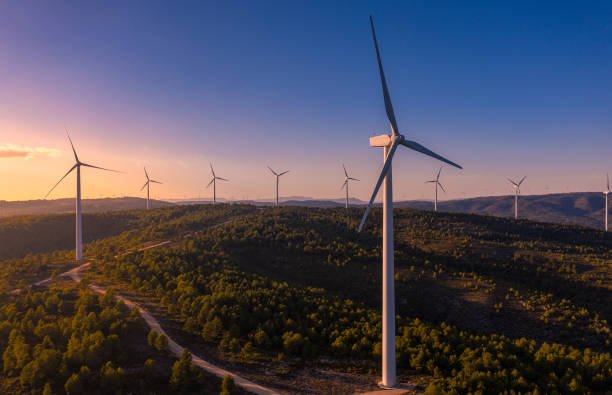
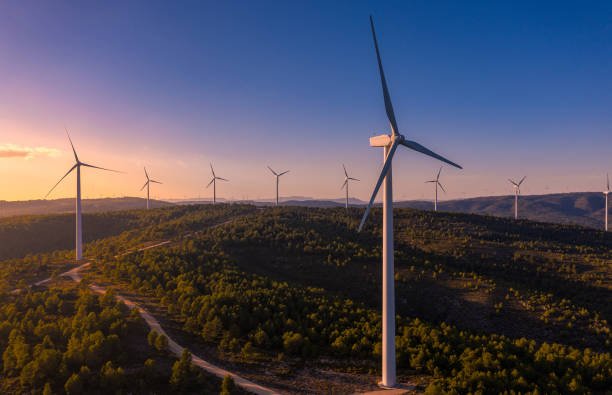
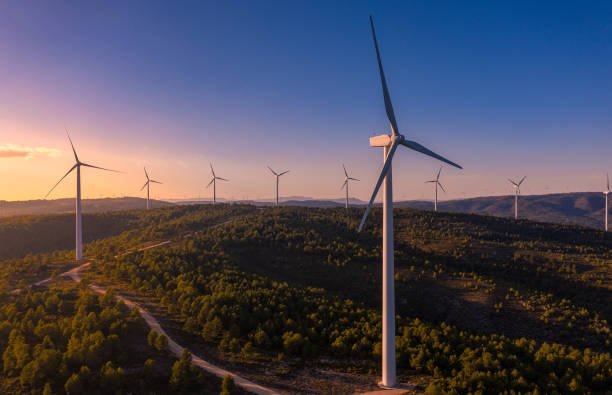
    India’s wind energy sector, now as much an industrial and export story as a clean-power one will be in focus at the Chennai press conference and curtain raiser of Windergy India 2026: Wind – Powering India’s Energy Resilience, ahead of the 8th edition of the country’s flagship wind platform, to be held 7–9 October 2026 at the Chennai Trade Centre.

    The show lands on record momentum of wind capacity addition. India added 6.05 GW of wind capacity in FY2025-26, its best year, taking cumulative installed capacity to 58.14 GW as of 31 July 2026. The industry is targeting 100 GW by 2030, against a live pipeline of roughly 43 GW under construction.

    “India has made significant strides in wind energy capacity, having nearly doubled in just five years to reach around 58 GW of installed capacity. To sustain this momentum towards 100 GW by 2030, we need to focus equally on manufacturing depth and supply chain resilience. Tamil Nadu’s role in this journey has been significant, and India has made commendable progress in indigenization, with domestic value addition now estimated at 70-80%, but strengthening capability in high-value components such as gearboxes, specialised bearings, and materials will be critical to closing the remaining gap and building a truly self-reliant wind manufacturing ecosystem,” said Dr. Saravanan Manickam, Vice Chairman cum Secretary, IWTMA.

    Manufacturing depth is the Chennai story’s centrepiece. Domestic turbine-making capacity has grown to 24 GW annually, up from 12 GW in 2020-21, and wind equipment exports crossed ₹12,000 crore in FY2025-26, up nearly 50%. Tamil Nadu — home to a dense base of component manufacturers remains central to this build-out.

    “Building critical components for wind turbines is about far more than production, it is about engineering the backbone of the next generation of renewable energy infrastructure. That means investing in advanced production technologies, deepening the domestic supplier ecosystem, and building skilled engineering talent that can innovate, not just manufacture. India’s real opportunity lies in creating technologies from India that meet global standards, not merely assembling them here,” said Mr. Pandu Chillakuru, Whole-time Director, Flender Drives Private Limited, and Executive Committee Member, IWTMA.

    “As component manufacturers scale up to meet India’s wind ambitions, the focus must remain on standardization, vertical integration, and process discipline that can deliver dependable, high-performance components at volume. Strengthening the local supply chain in this way is what will support both the industry’s growth and India’s position in the global wind value chain,” added Mr. Murali Sivaperumal, Executive Committee Member, IWTMA, and Business Director – Region India and AP Service, ZF Wind Power Coimbatore Private Limited.

    Repowering is a further opportunity for the state, with 7.4 GW of Tamil Nadu’s ageing wind fleet  out of 25.4 GW nationally  eligible for upgrade, part of an estimated ₹1.4–1.5 lakh crore national opportunity. Offshore wind also features Tamil Nadu prominently, with 500 MW of the government’s first 1 GW VGF-backed offshore capacity earmarked off the state’s coast, alongside Gujarat.

    “India’s next phase of wind growth must be supported by a resilient and globally competitive domestic manufacturing ecosystem. As the industry transitions towards higher-rated turbines, we need to accelerate indigenisation across critical components while simultaneously building the manufacturing capacity required to meet growing demand. This will require coordinated efforts across OEMs, component manufacturers, technology providers and government, with a focus on strengthening supply chains, developing domestic capabilities and enabling scale. Windergy India 2026 provides an excellent platform to bring the ecosystem together.” said Mr. Aditya Pyasi, CEO, IWTMA.

    “Windergy India, international trade fair and conference, has grown into a platform that brings the entire wind ecosystem together. As India works towards its capacity targets, we will keep doing our part to give this industry the platform it needs to connect and grow,” said Mr. Pradeep Devaiah, Chairman & CEO, PDA Ventures Pvt Ltd.

  • Windergy India 2026: India’s Wind Sector Targets 100 GW by 2030

    Windergy India 2026: India’s Wind Sector Targets 100 GW by 2030

    India’s wind energy sector, now as much an industrial and export story as a clean-power one will be in focus at the Chennai press conference and curtain raiser of Windergy India 2026: Wind – Powering India’s Energy Resilience, ahead of the 8th edition of the country’s flagship wind platform, to be held 7–9 October 2026 at the Chennai Trade Centre.

    The show lands on record momentum of wind capacity addition. India added 6.05 GW of wind capacity in FY2025-26, its best year, taking cumulative installed capacity to 58.14 GW as of 31 July 2026. The industry is targeting 100 GW by 2030, against a live pipeline of roughly 43 GW under construction.

    “India has made significant strides in wind energy capacity, having nearly doubled in just five years to reach around 58 GW of installed capacity. To sustain this momentum towards 100 GW by 2030, we need to focus equally on manufacturing depth and supply chain resilience. Tamil Nadu’s role in this journey has been significant, and India has made commendable progress in indigenization, with domestic value addition now estimated at 70-80%, but strengthening capability in high-value components such as gearboxes, specialised bearings, and materials will be critical to closing the remaining gap and building a truly self-reliant wind manufacturing ecosystem,” said Dr. Saravanan Manickam, Vice Chairman cum Secretary, IWTMA.

    Manufacturing depth is the Chennai story’s centrepiece. Domestic turbine-making capacity has grown to 24 GW annually, up from 12 GW in 2020-21, and wind equipment exports crossed ₹12,000 crore in FY2025-26, up nearly 50%. Tamil Nadu — home to a dense base of component manufacturers remains central to this build-out.

    “Building critical components for wind turbines is about far more than production, it is about engineering the backbone of the next generation of renewable energy infrastructure. That means investing in advanced production technologies, deepening the domestic supplier ecosystem, and building skilled engineering talent that can innovate, not just manufacture. India’s real opportunity lies in creating technologies from India that meet global standards, not merely assembling them here,” said Mr. Pandu Chillakuru, Whole-time Director, Flender Drives Private Limited, and Executive Committee Member, IWTMA.

    “As component manufacturers scale up to meet India’s wind ambitions, the focus must remain on standardization, vertical integration, and process discipline that can deliver dependable, high-performance components at volume. Strengthening the local supply chain in this way is what will support both the industry’s growth and India’s position in the global wind value chain,” added Mr. Murali Sivaperumal, Executive Committee Member, IWTMA, and Business Director – Region India and AP Service, ZF Wind Power Coimbatore Private Limited.

    Repowering is a further opportunity for the state, with 7.4 GW of Tamil Nadu’s ageing wind fleet  out of 25.4 GW nationally  eligible for upgrade, part of an estimated ₹1.4–1.5 lakh crore national opportunity. Offshore wind also features Tamil Nadu prominently, with 500 MW of the government’s first 1 GW VGF-backed offshore capacity earmarked off the state’s coast, alongside Gujarat.

    “India’s next phase of wind growth must be supported by a resilient and globally competitive domestic manufacturing ecosystem. As the industry transitions towards higher-rated turbines, we need to accelerate indigenisation across critical components while simultaneously building the manufacturing capacity required to meet growing demand. This will require coordinated efforts across OEMs, component manufacturers, technology providers and government, with a focus on strengthening supply chains, developing domestic capabilities and enabling scale. Windergy India 2026 provides an excellent platform to bring the ecosystem together.” said Mr. Aditya Pyasi, CEO, IWTMA.

    “Windergy India, international trade fair and conference, has grown into a platform that brings the entire wind ecosystem together. As India works towards its capacity targets, we will keep doing our part to give this industry the platform it needs to connect and grow,” said Mr. Pradeep Devaiah, Chairman & CEO, PDA Ventures Pvt Ltd.

  • Windergy India 2026: India’s Wind Sector Targets 100 GW by 2030

    Windergy India 2026: India’s Wind Sector Targets 100 GW by 2030

    India’s wind energy sector, now as much an industrial and export story as a clean-power one will be in focus at the Chennai press conference and curtain raiser of Windergy India 2026: Wind – Powering India’s Energy Resilience, ahead of the 8th edition of the country’s flagship wind platform, to be held 7–9 October 2026 at the Chennai Trade Centre.

    The show lands on record momentum of wind capacity addition. India added 6.05 GW of wind capacity in FY2025-26, its best year, taking cumulative installed capacity to 58.14 GW as of 31 July 2026. The industry is targeting 100 GW by 2030, against a live pipeline of roughly 43 GW under construction.

    “India has made significant strides in wind energy capacity, having nearly doubled in just five years to reach around 58 GW of installed capacity. To sustain this momentum towards 100 GW by 2030, we need to focus equally on manufacturing depth and supply chain resilience. Tamil Nadu’s role in this journey has been significant, and India has made commendable progress in indigenization, with domestic value addition now estimated at 70-80%, but strengthening capability in high-value components such as gearboxes, specialised bearings, and materials will be critical to closing the remaining gap and building a truly self-reliant wind manufacturing ecosystem,” said Dr. Saravanan Manickam, Vice Chairman cum Secretary, IWTMA.

    Manufacturing depth is the Chennai story’s centrepiece. Domestic turbine-making capacity has grown to 24 GW annually, up from 12 GW in 2020-21, and wind equipment exports crossed ₹12,000 crore in FY2025-26, up nearly 50%. Tamil Nadu — home to a dense base of component manufacturers remains central to this build-out.

    “Building critical components for wind turbines is about far more than production, it is about engineering the backbone of the next generation of renewable energy infrastructure. That means investing in advanced production technologies, deepening the domestic supplier ecosystem, and building skilled engineering talent that can innovate, not just manufacture. India’s real opportunity lies in creating technologies from India that meet global standards, not merely assembling them here,” said Mr. Pandu Chillakuru, Whole-time Director, Flender Drives Private Limited, and Executive Committee Member, IWTMA.

    “As component manufacturers scale up to meet India’s wind ambitions, the focus must remain on standardization, vertical integration, and process discipline that can deliver dependable, high-performance components at volume. Strengthening the local supply chain in this way is what will support both the industry’s growth and India’s position in the global wind value chain,” added Mr. Murali Sivaperumal, Executive Committee Member, IWTMA, and Business Director – Region India and AP Service, ZF Wind Power Coimbatore Private Limited.

    Repowering is a further opportunity for the state, with 7.4 GW of Tamil Nadu’s ageing wind fleet  out of 25.4 GW nationally  eligible for upgrade, part of an estimated ₹1.4–1.5 lakh crore national opportunity. Offshore wind also features Tamil Nadu prominently, with 500 MW of the government’s first 1 GW VGF-backed offshore capacity earmarked off the state’s coast, alongside Gujarat.

    “India’s next phase of wind growth must be supported by a resilient and globally competitive domestic manufacturing ecosystem. As the industry transitions towards higher-rated turbines, we need to accelerate indigenisation across critical components while simultaneously building the manufacturing capacity required to meet growing demand. This will require coordinated efforts across OEMs, component manufacturers, technology providers and government, with a focus on strengthening supply chains, developing domestic capabilities and enabling scale. Windergy India 2026 provides an excellent platform to bring the ecosystem together.” said Mr. Aditya Pyasi, CEO, IWTMA.

    “Windergy India, international trade fair and conference, has grown into a platform that brings the entire wind ecosystem together. As India works towards its capacity targets, we will keep doing our part to give this industry the platform it needs to connect and grow,” said Mr. Pradeep Devaiah, Chairman & CEO, PDA Ventures Pvt Ltd.

  • Windergy India 2026: India’s Wind Sector Targets 100 GW by 2030

    India’s wind energy sector, now as much an industrial and export story as a clean-power one will be in focus at the Chennai press conference and curtain raiser of Windergy India 2026: Wind – Powering India’s Energy Resilience, ahead of the 8th edition of the country’s flagship wind platform, to be held 7–9 October 2026 at the Chennai Trade Centre.

    The show lands on record momentum of wind capacity addition. India added 6.05 GW of wind capacity in FY2025-26, its best year, taking cumulative installed capacity to 58.14 GW as of 31 July 2026. The industry is targeting 100 GW by 2030, against a live pipeline of roughly 43 GW under construction.

    “India has made significant strides in wind energy capacity, having nearly doubled in just five years to reach around 58 GW of installed capacity. To sustain this momentum towards 100 GW by 2030, we need to focus equally on manufacturing depth and supply chain resilience. Tamil Nadu’s role in this journey has been significant, and India has made commendable progress in indigenization, with domestic value addition now estimated at 70-80%, but strengthening capability in high-value components such as gearboxes, specialised bearings, and materials will be critical to closing the remaining gap and building a truly self-reliant wind manufacturing ecosystem,” said Dr. Saravanan Manickam, Vice Chairman cum Secretary, IWTMA.

    Manufacturing depth is the Chennai story’s centrepiece. Domestic turbine-making capacity has grown to 24 GW annually, up from 12 GW in 2020-21, and wind equipment exports crossed ₹12,000 crore in FY2025-26, up nearly 50%. Tamil Nadu — home to a dense base of component manufacturers remains central to this build-out.

    “Building critical components for wind turbines is about far more than production, it is about engineering the backbone of the next generation of renewable energy infrastructure. That means investing in advanced production technologies, deepening the domestic supplier ecosystem, and building skilled engineering talent that can innovate, not just manufacture. India’s real opportunity lies in creating technologies from India that meet global standards, not merely assembling them here,” said Mr. Pandu Chillakuru, Whole-time Director, Flender Drives Private Limited, and Executive Committee Member, IWTMA.

    “As component manufacturers scale up to meet India’s wind ambitions, the focus must remain on standardization, vertical integration, and process discipline that can deliver dependable, high-performance components at volume. Strengthening the local supply chain in this way is what will support both the industry’s growth and India’s position in the global wind value chain,” added Mr. Murali Sivaperumal, Executive Committee Member, IWTMA, and Business Director – Region India and AP Service, ZF Wind Power Coimbatore Private Limited.

    Repowering is a further opportunity for the state, with 7.4 GW of Tamil Nadu’s ageing wind fleet  out of 25.4 GW nationally  eligible for upgrade, part of an estimated ₹1.4–1.5 lakh crore national opportunity. Offshore wind also features Tamil Nadu prominently, with 500 MW of the government’s first 1 GW VGF-backed offshore capacity earmarked off the state’s coast, alongside Gujarat.

    “India’s next phase of wind growth must be supported by a resilient and globally competitive domestic manufacturing ecosystem. As the industry transitions towards higher-rated turbines, we need to accelerate indigenisation across critical components while simultaneously building the manufacturing capacity required to meet growing demand. This will require coordinated efforts across OEMs, component manufacturers, technology providers and government, with a focus on strengthening supply chains, developing domestic capabilities and enabling scale. Windergy India 2026 provides an excellent platform to bring the ecosystem together.” said Mr. Aditya Pyasi, CEO, IWTMA.

    “Windergy India, international trade fair and conference, has grown into a platform that brings the entire wind ecosystem together. As India works towards its capacity targets, we will keep doing our part to give this industry the platform it needs to connect and grow,” said Mr. Pradeep Devaiah, Chairman & CEO, PDA Ventures Pvt Ltd.

  • NLC India Plans ₹4,000 Crore IPO for Renewables Arm in FY27

    NLC India Plans ₹4,000 Crore IPO for Renewables Arm in FY27

    NLC India is preparing to list its wholly owned renewable energy subsidiary, NLC India Renewables Limited (NIRL), through an initial public offering of around ₹4,000 crore in FY27.

    As part of the preparations for the proposed listing, NLC India has executed an addendum to its existing Business Transfer Agreement to transfer 708.96 MW of renewable energy assets to NIRL. The agreement was signed on September 3, 2026, and covers renewable energy assets at different stages of construction and operation, including a 4 MW green hydrogen project.

    The assets will be transferred to NIRL through a slump sale at book value. According to the company, the assets proposed for transfer had a net worth of ₹925.08 crore as of March 31, 2026. The operational renewable assets generated ₹41.16 crore in revenue from operations during FY26, accounting for around 0.24 per cent of NLC India’s consolidated revenue of ₹17,489.53 crore.

    Under the proposed transaction, NIRL will settle the consideration either through cash payment or by acknowledging the debt. The transfer is expected to be completed within three months from the date of the agreement.

    NLC India had earlier received in-principle approval for the proposed listing of NIRL. The renewable energy arm is being positioned as a dedicated platform for the company’s growing clean energy portfolio ahead of the proposed IPO.

    The asset transfer is also aligned with NLC India’s broader renewable energy expansion plans. The company has set a target of reaching 6 GW of renewable energy capacity by 2030, with the consolidation of its renewable assets under NIRL forming part of this strategy.

    NIRL has been expanding its project portfolio across solar, wind and energy storage. The subsidiary recently secured a 200 MW wind power capacity through SJVN’s auction and has also been involved in the development of large-scale renewable and storage projects.

  • NLC India Plans ₹4,000 Crore IPO for Renewables Arm in FY27

    NLC India Plans ₹4,000 Crore IPO for Renewables Arm in FY27

    NLC India is preparing to list its wholly owned renewable energy subsidiary, NLC India Renewables Limited (NIRL), through an initial public offering of around ₹4,000 crore in FY27.

    As part of the preparations for the proposed listing, NLC India has executed an addendum to its existing Business Transfer Agreement to transfer 708.96 MW of renewable energy assets to NIRL. The agreement was signed on September 3, 2026, and covers renewable energy assets at different stages of construction and operation, including a 4 MW green hydrogen project.

    The assets will be transferred to NIRL through a slump sale at book value. According to the company, the assets proposed for transfer had a net worth of ₹925.08 crore as of March 31, 2026. The operational renewable assets generated ₹41.16 crore in revenue from operations during FY26, accounting for around 0.24 per cent of NLC India’s consolidated revenue of ₹17,489.53 crore.

    Under the proposed transaction, NIRL will settle the consideration either through cash payment or by acknowledging the debt. The transfer is expected to be completed within three months from the date of the agreement.

    NLC India had earlier received in-principle approval for the proposed listing of NIRL. The renewable energy arm is being positioned as a dedicated platform for the company’s growing clean energy portfolio ahead of the proposed IPO.

    The asset transfer is also aligned with NLC India’s broader renewable energy expansion plans. The company has set a target of reaching 6 GW of renewable energy capacity by 2030, with the consolidation of its renewable assets under NIRL forming part of this strategy.

    NIRL has been expanding its project portfolio across solar, wind and energy storage. The subsidiary recently secured a 200 MW wind power capacity through SJVN’s auction and has also been involved in the development of large-scale renewable and storage projects.