Author: abhishek2019cs034abesit@gmail.com

  • ReNew Announces Results for First Quarter of Fiscal Year 2027 (Q1 FY27), Ended June 30, 2026

    ReNew Announces Results for First Quarter of Fiscal Year 2027 (Q1 FY27), Ended June 30, 2026

    ReNew Energy Global Plc announced its unaudited consolidated IFRS results for Q1 FY27.

    Operating Highlights:

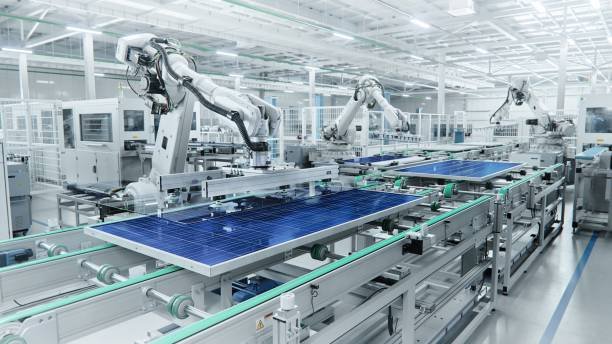
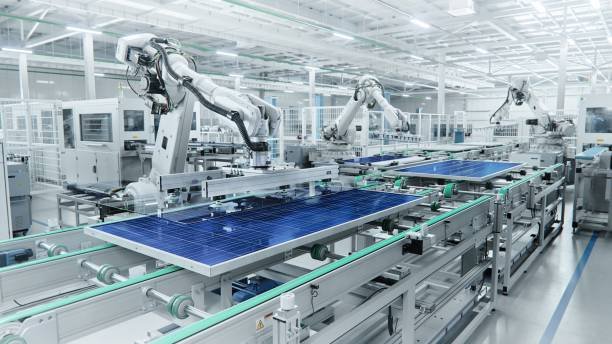
    • As of June 30, 2026, the Company’s portfolio consisted of ~20.5 GW (including 1.7 GW/6.2 GWh of BESS). Additionally, ReNew has 6.4 GW of solar module and 2.5 GW of solar cell manufacturing capacities and is expanding its solar cells manufacturing capacity by another 4 GW, which is expected to be operational by December 2026.

    • The Company’s commissioned capacity has increased 17% year-over-year to ~13.1 GW (including 100 MW/250 MWh of BESS) as of June 30, 2026. Subsequently, the Company commissioned 466 MW of solar, increasing commissioned capacity as of date to ~13.5 GW, net of the 100 MW sold as part of our capital recycling strategy.

    • Total Income (or total revenue) for Q1 FY27 was INR 47,864 million (US$ 506 million), compared to INR 41,182 million (US$ 435 million) for Q1 FY26. Net profit for Q1 FY27 was INR 5,953 million (US$ 63 million), compared to INR 5,131 million (US$ 54 million) for Q1 FY26. Adjusted EBITDA for Q1 FY27 was INR 30,392 million (US$ 321 million), compared to INR 27,220 million (US$ 288 million) in Q1 FY26.

    • Revenue from the sale of power for Q1 FY27 was INR 26,749 million (US$ 283 million), compared to INR 25,473 million (US$ 269 million) for Q1 FY26.

    • Total Income (or total revenue) for Q1 FY27 from external sales of our solar module and cell manufacturing operations was INR 16,777 million (US$ 177 million), compared to INR 13,223 million (US$ 140 million) for Q1 FY26. Net profit and Adjusted EBITDA for Q1 FY27 from external sales of our solar module and cell manufacturing operations were INR 3,914 million (US$ 41 million) and INR 5,651 million (US$ 60 million), respectively, compared to INR 3,562 million (US$ 38 million) and INR 5,292 million (US$ 56 million), respectively for Q1 FY26.

    FY 27 Guidance

    The Company continues to expect to complete the construction of 1.6 to 2.4 GW by the fiscal year ending March 31, 2027 (“FY27”). The Company’s Adjusted EBITDA and Cash Flow to Equity guidance for FY27 are subject to weather and resource availability being similar to FY26. The Company continues to anticipate net gains from asset sales, which is part of ReNew’s capital recycling strategy, and has included INR 1–2 billion related to asset sales in the Adjusted EBITDA. The Company continues to expect external sales from our module and cell manufacturing operations and has included INR 10–12 billion of Adjusted EBITDA against such sales in this guidance.


  • ReNew Announces Results for First Quarter of Fiscal Year 2027 (Q1 FY27), Ended June 30, 2026

    ReNew Announces Results for First Quarter of Fiscal Year 2027 (Q1 FY27), Ended June 30, 2026

    ReNew Energy Global Plc announced its unaudited consolidated IFRS results for Q1 FY27.

    Operating Highlights:

    • As of June 30, 2026, the Company’s portfolio consisted of ~20.5 GW (including 1.7 GW/6.2 GWh of BESS). Additionally, ReNew has 6.4 GW of solar module and 2.5 GW of solar cell manufacturing capacities and is expanding its solar cells manufacturing capacity by another 4 GW, which is expected to be operational by December 2026.

    • The Company’s commissioned capacity has increased 17% year-over-year to ~13.1 GW (including 100 MW/250 MWh of BESS) as of June 30, 2026. Subsequently, the Company commissioned 466 MW of solar, increasing commissioned capacity as of date to ~13.5 GW, net of the 100 MW sold as part of our capital recycling strategy.

    • Total Income (or total revenue) for Q1 FY27 was INR 47,864 million (US$ 506 million), compared to INR 41,182 million (US$ 435 million) for Q1 FY26. Net profit for Q1 FY27 was INR 5,953 million (US$ 63 million), compared to INR 5,131 million (US$ 54 million) for Q1 FY26. Adjusted EBITDA for Q1 FY27 was INR 30,392 million (US$ 321 million), compared to INR 27,220 million (US$ 288 million) in Q1 FY26.

    • Revenue from the sale of power for Q1 FY27 was INR 26,749 million (US$ 283 million), compared to INR 25,473 million (US$ 269 million) for Q1 FY26.

    • Total Income (or total revenue) for Q1 FY27 from external sales of our solar module and cell manufacturing operations was INR 16,777 million (US$ 177 million), compared to INR 13,223 million (US$ 140 million) for Q1 FY26. Net profit and Adjusted EBITDA for Q1 FY27 from external sales of our solar module and cell manufacturing operations were INR 3,914 million (US$ 41 million) and INR 5,651 million (US$ 60 million), respectively, compared to INR 3,562 million (US$ 38 million) and INR 5,292 million (US$ 56 million), respectively for Q1 FY26.

    FY 27 Guidance

    The Company continues to expect to complete the construction of 1.6 to 2.4 GW by the fiscal year ending March 31, 2027 (“FY27”). The Company’s Adjusted EBITDA and Cash Flow to Equity guidance for FY27 are subject to weather and resource availability being similar to FY26. The Company continues to anticipate net gains from asset sales, which is part of ReNew’s capital recycling strategy, and has included INR 1–2 billion related to asset sales in the Adjusted EBITDA. The Company continues to expect external sales from our module and cell manufacturing operations and has included INR 10–12 billion of Adjusted EBITDA against such sales in this guidance.
  • ReNew Announces Results for First Quarter of Fiscal Year 2027 (Q1 FY27), Ended June 30, 2026

    ReNew Announces Results for First Quarter of Fiscal Year 2027 (Q1 FY27), Ended June 30, 2026

    ReNew Energy Global Plc announced its unaudited consolidated IFRS results for Q1 FY27.

    Operating Highlights:

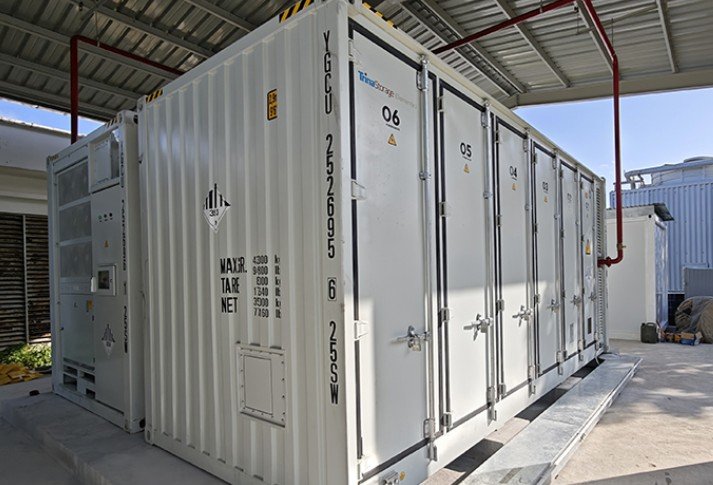
    • As of June 30, 2026, the Company’s portfolio consisted of ~20.5 GW (including 1.7 GW/6.2 GWh of BESS). Additionally, ReNew has 6.4 GW of solar module and 2.5 GW of solar cell manufacturing capacities and is expanding its solar cells manufacturing capacity by another 4 GW, which is expected to be operational by December 2026.

    • The Company’s commissioned capacity has increased 17% year-over-year to ~13.1 GW (including 100 MW/250 MWh of BESS) as of June 30, 2026. Subsequently, the Company commissioned 466 MW of solar, increasing commissioned capacity as of date to ~13.5 GW, net of the 100 MW sold as part of our capital recycling strategy.

    • Total Income (or total revenue) for Q1 FY27 was INR 47,864 million (US$ 506 million), compared to INR 41,182 million (US$ 435 million) for Q1 FY26. Net profit for Q1 FY27 was INR 5,953 million (US$ 63 million), compared to INR 5,131 million (US$ 54 million) for Q1 FY26. Adjusted EBITDA for Q1 FY27 was INR 30,392 million (US$ 321 million), compared to INR 27,220 million (US$ 288 million) in Q1 FY26.

    • Revenue from the sale of power for Q1 FY27 was INR 26,749 million (US$ 283 million), compared to INR 25,473 million (US$ 269 million) for Q1 FY26.

    • Total Income (or total revenue) for Q1 FY27 from external sales of our solar module and cell manufacturing operations was INR 16,777 million (US$ 177 million), compared to INR 13,223 million (US$ 140 million) for Q1 FY26. Net profit and Adjusted EBITDA for Q1 FY27 from external sales of our solar module and cell manufacturing operations were INR 3,914 million (US$ 41 million) and INR 5,651 million (US$ 60 million), respectively, compared to INR 3,562 million (US$ 38 million) and INR 5,292 million (US$ 56 million), respectively for Q1 FY26.

    FY 27 Guidance

    The Company continues to expect to complete the construction of 1.6 to 2.4 GW by the fiscal year ending March 31, 2027 (“FY27”). The Company’s Adjusted EBITDA and Cash Flow to Equity guidance for FY27 are subject to weather and resource availability being similar to FY26. The Company continues to anticipate net gains from asset sales, which is part of ReNew’s capital recycling strategy, and has included INR 1–2 billion related to asset sales in the Adjusted EBITDA. The Company continues to expect external sales from our module and cell manufacturing operations and has included INR 10–12 billion of Adjusted EBITDA against such sales in this guidance.
  • ReNew Announces Results for First Quarter of Fiscal Year 2027 (Q1 FY27), Ended June 30, 2026

    ReNew Energy Global Plc announced its unaudited consolidated IFRS results for Q1 FY27.

    Operating Highlights:

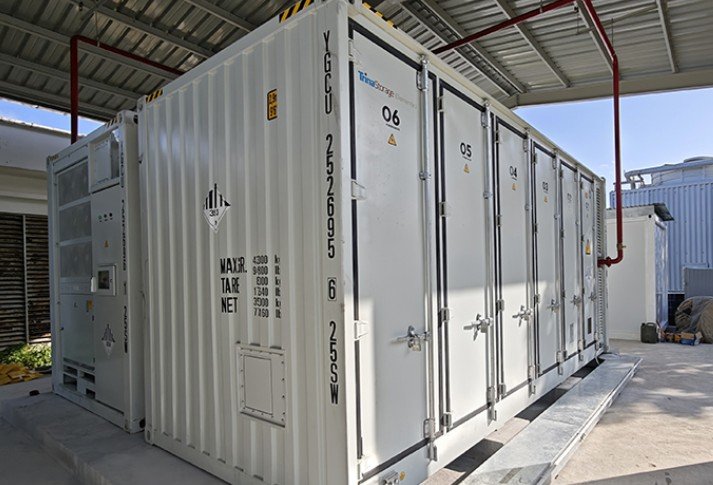
    • As of June 30, 2026, the Company’s portfolio consisted of ~20.5 GW (including 1.7 GW/6.2 GWh of BESS). Additionally, ReNew has 6.4 GW of solar module and 2.5 GW of solar cell manufacturing capacities and is expanding its solar cells manufacturing capacity by another 4 GW, which is expected to be operational by December 2026.

    • The Company’s commissioned capacity has increased 17% year-over-year to ~13.1 GW (including 100 MW/250 MWh of BESS) as of June 30, 2026. Subsequently, the Company commissioned 466 MW of solar, increasing commissioned capacity as of date to ~13.5 GW, net of the 100 MW sold as part of our capital recycling strategy.

    • Total Income (or total revenue) for Q1 FY27 was INR 47,864 million (US$ 506 million), compared to INR 41,182 million (US$ 435 million) for Q1 FY26. Net profit for Q1 FY27 was INR 5,953 million (US$ 63 million), compared to INR 5,131 million (US$ 54 million) for Q1 FY26. Adjusted EBITDA for Q1 FY27 was INR 30,392 million (US$ 321 million), compared to INR 27,220 million (US$ 288 million) in Q1 FY26.

    • Revenue from the sale of power for Q1 FY27 was INR 26,749 million (US$ 283 million), compared to INR 25,473 million (US$ 269 million) for Q1 FY26.

    • Total Income (or total revenue) for Q1 FY27 from external sales of our solar module and cell manufacturing operations was INR 16,777 million (US$ 177 million), compared to INR 13,223 million (US$ 140 million) for Q1 FY26. Net profit and Adjusted EBITDA for Q1 FY27 from external sales of our solar module and cell manufacturing operations were INR 3,914 million (US$ 41 million) and INR 5,651 million (US$ 60 million), respectively, compared to INR 3,562 million (US$ 38 million) and INR 5,292 million (US$ 56 million), respectively for Q1 FY26.

    FY 27 Guidance

    The Company continues to expect to complete the construction of 1.6 to 2.4 GW by the fiscal year ending March 31, 2027 (“FY27”). The Company’s Adjusted EBITDA and Cash Flow to Equity guidance for FY27 are subject to weather and resource availability being similar to FY26. The Company continues to anticipate net gains from asset sales, which is part of ReNew’s capital recycling strategy, and has included INR 1–2 billion related to asset sales in the Adjusted EBITDA. The Company continues to expect external sales from our module and cell manufacturing operations and has included INR 10–12 billion of Adjusted EBITDA against such sales in this guidance.
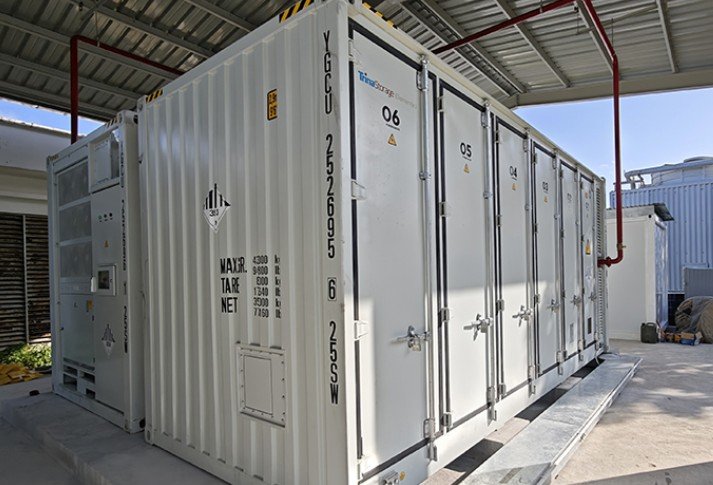
  • Trinasolar Powers Solar and Storage Project in Phu Quoc, Supporting Vietnam’s Growing Energy Storage Market

    Trinasolar Powers Solar and Storage Project in Phu Quoc, Supporting Vietnam’s Growing Energy Storage Market

    Trinasolar, a global leader in smart PV and energy storage solutions, has supplied a 3MWp solar PV system using its Vertex N 725W (NEG21C.20) modules, together with a 10MWh Trina Storage Elementa 2 battery energy storage system (BESS) for Corona Resort in Phu Quoc, Vietnam.

    The project is developed by Nam Viet Green Energy JSC. Nam Viet is one of Vietnam’s leading renewable energy companies, specializing in the development, investment, design, engineering, procurement, construction, and installation of renewable energy systems. The project is expected to be connected to the grid and begin commercial operations in mid-September.

    The project comes as Vietnam faces growing electricity demand and an increasing need to improve the flexibility and resilience of its power system. Vietnam aims to develop 10,000–16,300 MW of battery energy storage system (BESS) capacity by 2030, equivalent to approximately 5.5–6.9% of the country’s total power capacity, reflecting the growing role of BESS in integrating renewable energy, managing fluctuations in power generation and strengthening energy security.

    The development is particularly relevant to Phu Quoc, one of Vietnam’s leading tourism destinations, where the continued expansion of hospitality, entertainment and tourism infrastructure is driving increasing demand for reliable electricity. As one of Vietnam’s largest integrated resort destinations, Corona Resort faces significant and growing energy demand across its tourism, hospitality and entertainment operations. The solar-plus-storage solution helps address these energy needs by increasing the utilization of renewable power, improving energy flexibility and strengthening the resilience of its power supply.

    The project initially had 5.5 MWp of modules installed, with the 3MWp n-type i-TOPCon Vertex N modules and 10MWh AC-coupled Trina Storage Elementa 2 added later, demonstrating how existing solar assets can be expanded with BESS to help strengthen the resilience of local power supply.

    By combining daytime solar generation with greater energy flexibility provided by energy storage, commercial and industrial users can improve energy cost management and create additional commercial value. The integrated PV+BESS system enables greater utilization of onsite solar generation, reduces peak electricity demand, enhances energy resilience, and improves overall operating efficiency.

    “This project demonstrates how advanced PV and battery storage technologies can be successfully integrated into a large-scale commercial facility in Vietnam,” said a representative from Nam Viet Green Energy JSC. “Trinasolar went beyond its role as a technology supplier, drawing on its expertise across PV and energy storage to advise on the BESS configuration and operating approach. This helped us develop a solution aligned with the project’s technical and commercial requirements.”

    The Phu Quoc project also highlights an emerging opportunity in Vietnam’s renewable energy market: using energy storage to unlock greater value from existing solar investments, rather than focusing solely on adding new generation capacity.

    “Enhancing existing solar assets with energy storage is one of the emerging pathways in Vietnam’s renewable energy market,” said Elva Wang, Group Director of Southeast, South and Central Asia, Trinasolar Asia Pacific. “These projects can present challenges from early-stage system planning to integration and delivery, making close collaboration between technology providers, EPCs and customers essential. By bringing PV and BESS together through bankable products, system-level understanding and regional execution experience, Trinasolar is helping partners in Vietnam develop PV+BESS projects for both generation and flexibility.”

    As Vietnam moves toward a more flexible and resilient power system, projects such as the Phu Quoc installation demonstrate how solar-plus-storage can support the country’s growing commercial and industrial energy needs while accelerating the transition toward a more sustainable energy future.

  • Trinasolar Powers Solar and Storage Project in Phu Quoc, Supporting Vietnam’s Growing Energy Storage Market

    Trinasolar Powers Solar and Storage Project in Phu Quoc, Supporting Vietnam’s Growing Energy Storage Market

    Trinasolar, a global leader in smart PV and energy storage solutions, has supplied a 3MWp solar PV system using its Vertex N 725W (NEG21C.20) modules, together with a 10MWh Trina Storage Elementa 2 battery energy storage system (BESS) for Corona Resort in Phu Quoc, Vietnam.

    The project is developed by Nam Viet Green Energy JSC. Nam Viet is one of Vietnam’s leading renewable energy companies, specializing in the development, investment, design, engineering, procurement, construction, and installation of renewable energy systems. The project is expected to be connected to the grid and begin commercial operations in mid-September.

    The project comes as Vietnam faces growing electricity demand and an increasing need to improve the flexibility and resilience of its power system. Vietnam aims to develop 10,000–16,300 MW of battery energy storage system (BESS) capacity by 2030, equivalent to approximately 5.5–6.9% of the country’s total power capacity, reflecting the growing role of BESS in integrating renewable energy, managing fluctuations in power generation and strengthening energy security.

    The development is particularly relevant to Phu Quoc, one of Vietnam’s leading tourism destinations, where the continued expansion of hospitality, entertainment and tourism infrastructure is driving increasing demand for reliable electricity. As one of Vietnam’s largest integrated resort destinations, Corona Resort faces significant and growing energy demand across its tourism, hospitality and entertainment operations. The solar-plus-storage solution helps address these energy needs by increasing the utilization of renewable power, improving energy flexibility and strengthening the resilience of its power supply.

    The project initially had 5.5 MWp of modules installed, with the 3MWp n-type i-TOPCon Vertex N modules and 10MWh AC-coupled Trina Storage Elementa 2 added later, demonstrating how existing solar assets can be expanded with BESS to help strengthen the resilience of local power supply.

    By combining daytime solar generation with greater energy flexibility provided by energy storage, commercial and industrial users can improve energy cost management and create additional commercial value. The integrated PV+BESS system enables greater utilization of onsite solar generation, reduces peak electricity demand, enhances energy resilience, and improves overall operating efficiency.

    “This project demonstrates how advanced PV and battery storage technologies can be successfully integrated into a large-scale commercial facility in Vietnam,” said a representative from Nam Viet Green Energy JSC. “Trinasolar went beyond its role as a technology supplier, drawing on its expertise across PV and energy storage to advise on the BESS configuration and operating approach. This helped us develop a solution aligned with the project’s technical and commercial requirements.”

    The Phu Quoc project also highlights an emerging opportunity in Vietnam’s renewable energy market: using energy storage to unlock greater value from existing solar investments, rather than focusing solely on adding new generation capacity.

    “Enhancing existing solar assets with energy storage is one of the emerging pathways in Vietnam’s renewable energy market,” said Elva Wang, Group Director of Southeast, South and Central Asia, Trinasolar Asia Pacific. “These projects can present challenges from early-stage system planning to integration and delivery, making close collaboration between technology providers, EPCs and customers essential. By bringing PV and BESS together through bankable products, system-level understanding and regional execution experience, Trinasolar is helping partners in Vietnam develop PV+BESS projects for both generation and flexibility.”

    As Vietnam moves toward a more flexible and resilient power system, projects such as the Phu Quoc installation demonstrate how solar-plus-storage can support the country’s growing commercial and industrial energy needs while accelerating the transition toward a more sustainable energy future.

  • Trinasolar Powers Solar and Storage Project in Phu Quoc, Supporting Vietnam’s Growing Energy Storage Market

    Trinasolar Powers Solar and Storage Project in Phu Quoc, Supporting Vietnam’s Growing Energy Storage Market

    Trinasolar, a global leader in smart PV and energy storage solutions, has supplied a 3MWp solar PV system using its Vertex N 725W (NEG21C.20) modules, together with a 10MWh Trina Storage Elementa 2 battery energy storage system (BESS) for Corona Resort in Phu Quoc, Vietnam.

    The project is developed by Nam Viet Green Energy JSC. Nam Viet is one of Vietnam’s leading renewable energy companies, specializing in the development, investment, design, engineering, procurement, construction, and installation of renewable energy systems. The project is expected to be connected to the grid and begin commercial operations in mid-September.

    The project comes as Vietnam faces growing electricity demand and an increasing need to improve the flexibility and resilience of its power system. Vietnam aims to develop 10,000–16,300 MW of battery energy storage system (BESS) capacity by 2030, equivalent to approximately 5.5–6.9% of the country’s total power capacity, reflecting the growing role of BESS in integrating renewable energy, managing fluctuations in power generation and strengthening energy security.

    The development is particularly relevant to Phu Quoc, one of Vietnam’s leading tourism destinations, where the continued expansion of hospitality, entertainment and tourism infrastructure is driving increasing demand for reliable electricity. As one of Vietnam’s largest integrated resort destinations, Corona Resort faces significant and growing energy demand across its tourism, hospitality and entertainment operations. The solar-plus-storage solution helps address these energy needs by increasing the utilization of renewable power, improving energy flexibility and strengthening the resilience of its power supply.

    The project initially had 5.5 MWp of modules installed, with the 3MWp n-type i-TOPCon Vertex N modules and 10MWh AC-coupled Trina Storage Elementa 2 added later, demonstrating how existing solar assets can be expanded with BESS to help strengthen the resilience of local power supply.

    By combining daytime solar generation with greater energy flexibility provided by energy storage, commercial and industrial users can improve energy cost management and create additional commercial value. The integrated PV+BESS system enables greater utilization of onsite solar generation, reduces peak electricity demand, enhances energy resilience, and improves overall operating efficiency.

    “This project demonstrates how advanced PV and battery storage technologies can be successfully integrated into a large-scale commercial facility in Vietnam,” said a representative from Nam Viet Green Energy JSC. “Trinasolar went beyond its role as a technology supplier, drawing on its expertise across PV and energy storage to advise on the BESS configuration and operating approach. This helped us develop a solution aligned with the project’s technical and commercial requirements.”

    The Phu Quoc project also highlights an emerging opportunity in Vietnam’s renewable energy market: using energy storage to unlock greater value from existing solar investments, rather than focusing solely on adding new generation capacity.

    “Enhancing existing solar assets with energy storage is one of the emerging pathways in Vietnam’s renewable energy market,” said Elva Wang, Group Director of Southeast, South and Central Asia, Trinasolar Asia Pacific. “These projects can present challenges from early-stage system planning to integration and delivery, making close collaboration between technology providers, EPCs and customers essential. By bringing PV and BESS together through bankable products, system-level understanding and regional execution experience, Trinasolar is helping partners in Vietnam develop PV+BESS projects for both generation and flexibility.”

    As Vietnam moves toward a more flexible and resilient power system, projects such as the Phu Quoc installation demonstrate how solar-plus-storage can support the country’s growing commercial and industrial energy needs while accelerating the transition toward a more sustainable energy future.

  • Trinasolar Powers Solar and Storage Project in Phu Quoc, Supporting Vietnam’s Growing Energy Storage Market

    Trinasolar, a global leader in smart PV and energy storage solutions, has supplied a 3MWp solar PV system using its Vertex N 725W (NEG21C.20) modules, together with a 10MWh Trina Storage Elementa 2 battery energy storage system (BESS) for Corona Resort in Phu Quoc, Vietnam.

    The project is developed by Nam Viet Green Energy JSC. Nam Viet is one of Vietnam’s leading renewable energy companies, specializing in the development, investment, design, engineering, procurement, construction, and installation of renewable energy systems. The project is expected to be connected to the grid and begin commercial operations in mid-September.

    The project comes as Vietnam faces growing electricity demand and an increasing need to improve the flexibility and resilience of its power system. Vietnam aims to develop 10,000–16,300 MW of battery energy storage system (BESS) capacity by 2030, equivalent to approximately 5.5–6.9% of the country’s total power capacity, reflecting the growing role of BESS in integrating renewable energy, managing fluctuations in power generation and strengthening energy security.

    The development is particularly relevant to Phu Quoc, one of Vietnam’s leading tourism destinations, where the continued expansion of hospitality, entertainment and tourism infrastructure is driving increasing demand for reliable electricity. As one of Vietnam’s largest integrated resort destinations, Corona Resort faces significant and growing energy demand across its tourism, hospitality and entertainment operations. The solar-plus-storage solution helps address these energy needs by increasing the utilization of renewable power, improving energy flexibility and strengthening the resilience of its power supply.

    The project initially had 5.5 MWp of modules installed, with the 3MWp n-type i-TOPCon Vertex N modules and 10MWh AC-coupled Trina Storage Elementa 2 added later, demonstrating how existing solar assets can be expanded with BESS to help strengthen the resilience of local power supply.

    By combining daytime solar generation with greater energy flexibility provided by energy storage, commercial and industrial users can improve energy cost management and create additional commercial value. The integrated PV+BESS system enables greater utilization of onsite solar generation, reduces peak electricity demand, enhances energy resilience, and improves overall operating efficiency.

    “This project demonstrates how advanced PV and battery storage technologies can be successfully integrated into a large-scale commercial facility in Vietnam,” said a representative from Nam Viet Green Energy JSC. “Trinasolar went beyond its role as a technology supplier, drawing on its expertise across PV and energy storage to advise on the BESS configuration and operating approach. This helped us develop a solution aligned with the project’s technical and commercial requirements.”

    The Phu Quoc project also highlights an emerging opportunity in Vietnam’s renewable energy market: using energy storage to unlock greater value from existing solar investments, rather than focusing solely on adding new generation capacity.

    “Enhancing existing solar assets with energy storage is one of the emerging pathways in Vietnam’s renewable energy market,” said Elva Wang, Group Director of Southeast, South and Central Asia, Trinasolar Asia Pacific. “These projects can present challenges from early-stage system planning to integration and delivery, making close collaboration between technology providers, EPCs and customers essential. By bringing PV and BESS together through bankable products, system-level understanding and regional execution experience, Trinasolar is helping partners in Vietnam develop PV+BESS projects for both generation and flexibility.”

    As Vietnam moves toward a more flexible and resilient power system, projects such as the Phu Quoc installation demonstrate how solar-plus-storage can support the country’s growing commercial and industrial energy needs while accelerating the transition toward a more sustainable energy future.

  • Websol Energy Shifts INR 3,538 Crore 4 GW Solar Manufacturing Project to West Bengal

    Websol Energy Shifts INR 3,538 Crore 4 GW Solar Manufacturing Project to West Bengal

    Kolkata-based solar cell and module manufacturer Websol Energy System has decided to shift the location of its proposed 4 GW integrated solar cell and module manufacturing project from Andhra Pradesh to West Bengal, citing operational synergies and a more conducive manufacturing environment in its home state.

    The project was earlier proposed to be developed by Websol Renewables, a subsidiary of Websol Energy System, at an investment of INR 3,538 crore at MPSEZ, Naidupeta, in Andhra Pradesh. It received government approval in January 2026 following the company’s MoU with Andhra Pradesh Economic Development Board (APEDB) on November 15, 2025.

    During the company’s Q1 FY27 investor call, the management stated that it has shortlisted land near its existing manufacturing facility at Falta, West Bengal, and is awaiting the required approvals. The company said that there has been no change in its planned capacity, project cost or overall execution strategy, and remains confident of implementing the 4 GW capacity in phases.

    “We believe that the environment in West Bengal has become increasingly constructive for solar manufacturing and our three decades of operating experience at Falta provides us with a strong advantage in this context. So, accordingly, we have shortlisted land close to our current facility and are currently awaiting the requisite approvals for the same,” said Sanjana Khaitan, Executive Director, Websol Energy System.

    The company expects the relocation to provide synergies in infrastructure, skilled manpower, supply chain and operational resources. It also expects lower land-related expenditure compared with the Andhra Pradesh proposal, although the exact savings will be disclosed after the land details are finalised. Falling equipment costs could also reduce the overall project cost, the management said.

    The company had previously indicated that the 4 GW expansion would be executed in phases. Khaitan informed that the groundwork relating to the project layout, equipment and technical teams has already been completed, while machinery has a lead time of around four to six months.

    On the project timeline, the company expects to receive land approval in August 2026, with construction targeted to begin around mid-September 2026. Construction is expected to take approximately nine months, while equipment ordering is planned around December, with deliveries expected by April-May and around two months allocated for trials, stated Khaitan.

    Separately, Websol is upgrading one of its existing mono PERC cell lines to TOPCon. On completion, that line will have 750 MW of TOPCon capacity, taking Websol’s overall cell manufacturing capacity to 1.3 GW. The upgrade is expected to be completed by March 2027 at an estimated capital expenditure of INR 270 crore. Khaitan stated that the company is capable of funding the project through internal accruals; however, it may also evaluate debt financing to optimise its liquidity position.

  • Websol Energy Shifts INR 3,538 Crore 4 GW Solar Manufacturing Project to West Bengal

    Websol Energy Shifts INR 3,538 Crore 4 GW Solar Manufacturing Project to West Bengal

    Kolkata-based solar cell and module manufacturer Websol Energy System has decided to shift the location of its proposed 4 GW integrated solar cell and module manufacturing project from Andhra Pradesh to West Bengal, citing operational synergies and a more conducive manufacturing environment in its home state.

    The project was earlier proposed to be developed by Websol Renewables, a subsidiary of Websol Energy System, at an investment of INR 3,538 crore at MPSEZ, Naidupeta, in Andhra Pradesh. It received government approval in January 2026 following the company’s MoU with Andhra Pradesh Economic Development Board (APEDB) on November 15, 2025.

    During the company’s Q1 FY27 investor call, the management stated that it has shortlisted land near its existing manufacturing facility at Falta, West Bengal, and is awaiting the required approvals. The company said that there has been no change in its planned capacity, project cost or overall execution strategy, and remains confident of implementing the 4 GW capacity in phases.

    “We believe that the environment in West Bengal has become increasingly constructive for solar manufacturing and our three decades of operating experience at Falta provides us with a strong advantage in this context. So, accordingly, we have shortlisted land close to our current facility and are currently awaiting the requisite approvals for the same,” said Sanjana Khaitan, Executive Director, Websol Energy System.

    The company expects the relocation to provide synergies in infrastructure, skilled manpower, supply chain and operational resources. It also expects lower land-related expenditure compared with the Andhra Pradesh proposal, although the exact savings will be disclosed after the land details are finalised. Falling equipment costs could also reduce the overall project cost, the management said.

    The company had previously indicated that the 4 GW expansion would be executed in phases. Khaitan informed that the groundwork relating to the project layout, equipment and technical teams has already been completed, while machinery has a lead time of around four to six months.

    On the project timeline, the company expects to receive land approval in August 2026, with construction targeted to begin around mid-September 2026. Construction is expected to take approximately nine months, while equipment ordering is planned around December, with deliveries expected by April-May and around two months allocated for trials, stated Khaitan.

    Separately, Websol is upgrading one of its existing mono PERC cell lines to TOPCon. On completion, that line will have 750 MW of TOPCon capacity, taking Websol’s overall cell manufacturing capacity to 1.3 GW. The upgrade is expected to be completed by March 2027 at an estimated capital expenditure of INR 270 crore. Khaitan stated that the company is capable of funding the project through internal accruals; however, it may also evaluate debt financing to optimise its liquidity position.