Author: abhishek2019cs034abesit@gmail.com

  • Oriana Power Secures 900 MW/1,800 MWh BESS Awards from MSEDCL

    Oriana Power Limited has received two Letters of Award (LOAs) from Maharashtra State Electricity Distribution Co. Ltd. (MSEDCL) for setting up an aggregate 900 MW/1,800 MWh Battery Energy Storage System (BESS) capacity in Maharashtra.

    The two awards, dated September 18, 2026, comprise 500 MW/1,000 MWh and 400 MW/800 MWh BESS projects. The 500 MW/1,000 MWh project will be developed at MSETCL substations, while the 400 MW/800 MWh project will be established at MSEDCL substations.

    Under the first award, Oriana Power will receive a tariff of Rs. 2,38,000 per MW per month, excluding GST, for the 500 MW/1,000 MWh capacity. The second award, covering 400 MW/800 MWh, carries a tariff of Rs. 2,40,000 per MW per month, excluding GST.

    The company has secured the combined 900 MW/1,800 MWh capacity from the total tendered capacity of 2,000 MW/4,000 MWh floated by MSEDCL.

    The aggregate consideration from the two projects is estimated at approximately Rs. 3,870 crore over the 15-year term of the respective Battery Energy Storage Purchase Agreements (BESPAs), excluding GST. The estimated Viability Gap Funding (VGF) is Rs. 324 crore, based on the current estimated project cost.

    The 500 MW/1,000 MWh award represents an estimated value of Rs. 2,142 crore, or approximately Rs. 142.80 crore annually, while the 400 MW/800 MWh award is valued at approximately Rs. 1,728 crore, or Rs. 115.20 crore annually, over their respective 15-year terms.

    The BESS projects are being awarded under tariff-based global competitive bidding with VGF support under the Power System Development Fund (PSDF) scheme. Each BESS agreement will remain in force for 15 years from the respective Commercial Operation Date.

  • CM Shri Fadnavis Praises Avaada Superfactory at Nagpur as Among Asia’s Best, Urges Investment in the Region

    CM Shri Fadnavis Praises Avaada Superfactory at Nagpur as Among Asia’s Best, Urges Investment in the Region

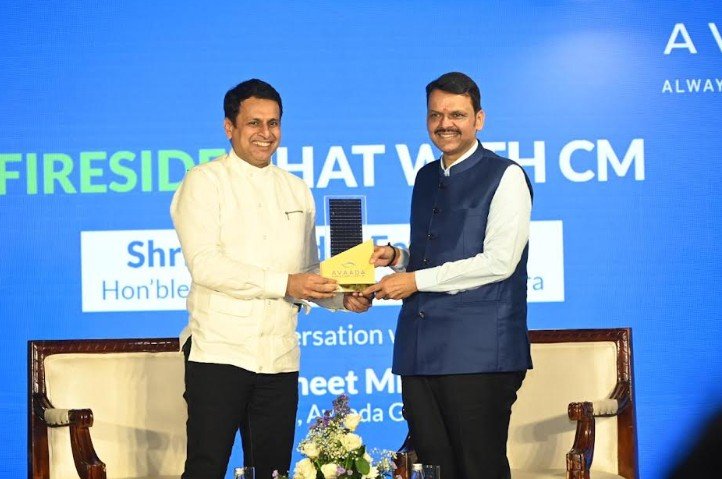
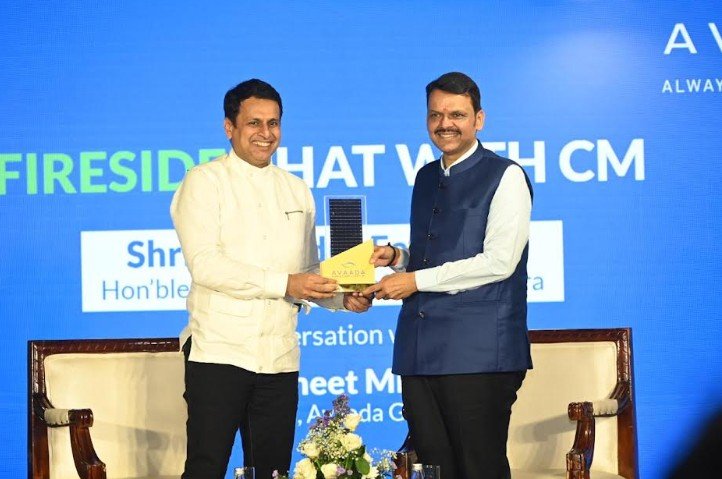
    Hon’ble Chief Minister of Maharashtra Shri Devendra Fadnavis praised Avaada Superfactory at Nagpur as among Asia’s best during a visit to the facility and urged entrepreneurs to invest in Nagpur and Chhatrapati Sambhajinagar. In a fireside conversation with Mr Vineet Mittal, Chairman, Avaada Group, that was attended by more than 60 entrepreneurs, he credited Avaada’s investment which has helped generate further interest in solar module manufacturing in Nagpur.

    Recalling his participation in its groundbreaking ceremony, Shri Fadnavis said he had not imagined the scale and quality of the factory that would take shape. He described the Superfactory as “absolutely amazing” and praised it as one of India’s best. He congratulated Vineet Mittal and the Avaada team on establishing the Superfactory.

    The Chief Minister said that seeing commitments made through MoU translate into functioning factories, and seeing Maharashtra and India become part of global supply chains, gave him the energy to continue his work in public life.

    “Thanks to Vineet ji and the investment he has made, there is now considerable interest in solar modules in Nagpur. If all the other investors complete their investments on time, Nagpur will have the country’s largest solar module ecosystem,” Shri Fadnavis said.

    “The next big thing is Chhatrapati Sambhajinagar and Nagpur. If you are not investing here, you are missing something,” Shri Fadnavis said.

    To mark the visit, Vineet Mittal presented the Chief Minister with a commemorative memento incorporating the first solar cell manufactured at Avaada Superfactory in Nagpur. The memento symbolised the facility’s progress from an investment commitment to solar cell production in Maharashtra.

    Outlining investment opportunities in the region, Shri Fadnavis described plans for an approximately 2,000-acre New Nagpur development along Samruddhi Mahamarg. Planned as a central business district comparable in concept to Mumbai’s Bandra Kurla Complex, it would provide modern infrastructure for global capability centres, advanced manufacturing and smart industry. He said approximately half the land acquisition had been completed, with the remainder targeted for completion within three months.

    He also highlighted growing industrial activity in Chhatrapati Sambhajinagar and Jalna, particularly in electric vehicles, and the expansion of the Butibori industrial area. He encouraged entrepreneurs to consider opportunities beyond Mumbai and Pune as improved connectivity opens up new locations for manufacturing and services.

    The Chief Minister described Samruddhi Mahamarg as a foundation for industrial development across Vidarbha, Marathwada and North Maharashtra. He outlined a proposed rail freight corridor connecting JNPT and Vadhavan Port with inland industrial centres to improve the movement of goods and access to global markets. He also referred to wider infrastructure and urban development plans, including Mumbai 3 and Mumbai 4, intended to support new investment and improve connectivity.

    On industrial competitiveness, Shri Fadnavis emphasised the importance of affordable electricity. He said the five-year tariff proposal provided for tariffs to decline each year and highlighted the potential of solar power and battery energy storage systems, including systems expected to be produced by companies such as Avaada, to support reliable and more affordable electricity.

    The Chief Minister also discussed Mumbai’s redevelopment ambitions, describing a model that groups slum areas into 19 clusters. He outlined a target to redevelop 80% of these areas over the next decade, with a focus on a more structured process and building residents’ confidence.

    Reflecting on public leadership, Shri Fadnavis said that decisions required conviction, execution and tangible public benefit. He cited Samruddhi Mahamarg as an example of pursuing long-term economic gains despite initial opposition.

    Asked about the affection behind being addressed as “Devendra Bhau”, he said public trust was both humbling and a significant responsibility. “And now, after all these years of working, entire Maharashtra has become family,” he said.

    He stressed on the importance of remaining grounded and listening to honest feedback, including from old friends who still speak to him without being influenced by his office. On work–life balance, he acknowledged the demands his schedule places on his wife and daughter and thanked them for their understanding and support.

    Mr Vineet Mittal, Chairman, Avaada Group, said, “An MoU creates an expectation; a working factory fulfils a commitment. The Chief Minister’s encouragement belongs to the entire team that built Avaada’s Nagpur Superfactory. His message to the entrepreneurs present was equally clear: examine the opportunities emerging in Vidarbha and Marathwada. At Avaada, we are committed to translating that opportunity into manufacturing capability, skilled employment and stronger domestic supply chains.”

    Avaada Electro, the solar PV manufacturing arm of Avaada Group, operates 8.5 GW of N-Type TOPCon glass-to-glass module manufacturing capacity across Nagpur and Dadri. At Nagpur, 3 GW of N-Type TOPCon solar cell manufacturing capacity is operational, with another 3 GW in an advanced stage of commissioning and expected to become operational in the quarter ending September 30, 2026. Avaada Electro also plans to establish 3 GW of ingot and wafer manufacturing capacity at Nagpur, extending its manufacturing operations into earlier stages of the solar value chain. The company’s manufacturing expansion aims to strengthen domestic supply chains and increase value addition in India.
  • CM Shri Fadnavis Praises Avaada Superfactory at Nagpur as Among Asia’s Best, Urges Investment in the Region

    CM Shri Fadnavis Praises Avaada Superfactory at Nagpur as Among Asia’s Best, Urges Investment in the Region

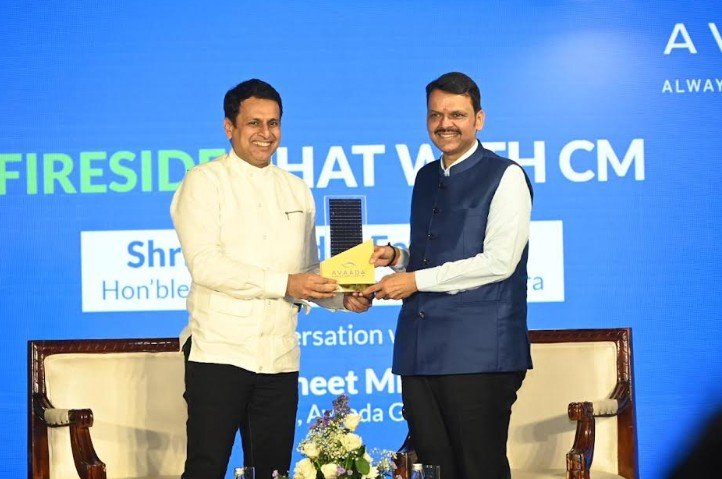
    Hon’ble Chief Minister of Maharashtra Shri Devendra Fadnavis praised Avaada Superfactory at Nagpur as among Asia’s best during a visit to the facility and urged entrepreneurs to invest in Nagpur and Chhatrapati Sambhajinagar. In a fireside conversation with Mr Vineet Mittal, Chairman, Avaada Group, that was attended by more than 60 entrepreneurs, he credited Avaada’s investment which has helped generate further interest in solar module manufacturing in Nagpur.

    Recalling his participation in its groundbreaking ceremony, Shri Fadnavis said he had not imagined the scale and quality of the factory that would take shape. He described the Superfactory as “absolutely amazing” and praised it as one of India’s best. He congratulated Vineet Mittal and the Avaada team on establishing the Superfactory.

    The Chief Minister said that seeing commitments made through MoU translate into functioning factories, and seeing Maharashtra and India become part of global supply chains, gave him the energy to continue his work in public life.

    “Thanks to Vineet ji and the investment he has made, there is now considerable interest in solar modules in Nagpur. If all the other investors complete their investments on time, Nagpur will have the country’s largest solar module ecosystem,” Shri Fadnavis said.

    “The next big thing is Chhatrapati Sambhajinagar and Nagpur. If you are not investing here, you are missing something,” Shri Fadnavis said.

    To mark the visit, Vineet Mittal presented the Chief Minister with a commemorative memento incorporating the first solar cell manufactured at Avaada Superfactory in Nagpur. The memento symbolised the facility’s progress from an investment commitment to solar cell production in Maharashtra.

    Outlining investment opportunities in the region, Shri Fadnavis described plans for an approximately 2,000-acre New Nagpur development along Samruddhi Mahamarg. Planned as a central business district comparable in concept to Mumbai’s Bandra Kurla Complex, it would provide modern infrastructure for global capability centres, advanced manufacturing and smart industry. He said approximately half the land acquisition had been completed, with the remainder targeted for completion within three months.

    He also highlighted growing industrial activity in Chhatrapati Sambhajinagar and Jalna, particularly in electric vehicles, and the expansion of the Butibori industrial area. He encouraged entrepreneurs to consider opportunities beyond Mumbai and Pune as improved connectivity opens up new locations for manufacturing and services.

    The Chief Minister described Samruddhi Mahamarg as a foundation for industrial development across Vidarbha, Marathwada and North Maharashtra. He outlined a proposed rail freight corridor connecting JNPT and Vadhavan Port with inland industrial centres to improve the movement of goods and access to global markets. He also referred to wider infrastructure and urban development plans, including Mumbai 3 and Mumbai 4, intended to support new investment and improve connectivity.

    On industrial competitiveness, Shri Fadnavis emphasised the importance of affordable electricity. He said the five-year tariff proposal provided for tariffs to decline each year and highlighted the potential of solar power and battery energy storage systems, including systems expected to be produced by companies such as Avaada, to support reliable and more affordable electricity.

    The Chief Minister also discussed Mumbai’s redevelopment ambitions, describing a model that groups slum areas into 19 clusters. He outlined a target to redevelop 80% of these areas over the next decade, with a focus on a more structured process and building residents’ confidence.

    Reflecting on public leadership, Shri Fadnavis said that decisions required conviction, execution and tangible public benefit. He cited Samruddhi Mahamarg as an example of pursuing long-term economic gains despite initial opposition.

    Asked about the affection behind being addressed as “Devendra Bhau”, he said public trust was both humbling and a significant responsibility. “And now, after all these years of working, entire Maharashtra has become family,” he said.

    He stressed on the importance of remaining grounded and listening to honest feedback, including from old friends who still speak to him without being influenced by his office. On work–life balance, he acknowledged the demands his schedule places on his wife and daughter and thanked them for their understanding and support.

    Mr Vineet Mittal, Chairman, Avaada Group, said, “An MoU creates an expectation; a working factory fulfils a commitment. The Chief Minister’s encouragement belongs to the entire team that built Avaada’s Nagpur Superfactory. His message to the entrepreneurs present was equally clear: examine the opportunities emerging in Vidarbha and Marathwada. At Avaada, we are committed to translating that opportunity into manufacturing capability, skilled employment and stronger domestic supply chains.”

    Avaada Electro, the solar PV manufacturing arm of Avaada Group, operates 8.5 GW of N-Type TOPCon glass-to-glass module manufacturing capacity across Nagpur and Dadri. At Nagpur, 3 GW of N-Type TOPCon solar cell manufacturing capacity is operational, with another 3 GW in an advanced stage of commissioning and expected to become operational in the quarter ending September 30, 2026. Avaada Electro also plans to establish 3 GW of ingot and wafer manufacturing capacity at Nagpur, extending its manufacturing operations into earlier stages of the solar value chain. The company’s manufacturing expansion aims to strengthen domestic supply chains and increase value addition in India.
  • CM Shri Fadnavis Praises Avaada Superfactory at Nagpur as Among Asia’s Best, Urges Investment in the Region

    CM Shri Fadnavis Praises Avaada Superfactory at Nagpur as Among Asia’s Best, Urges Investment in the Region

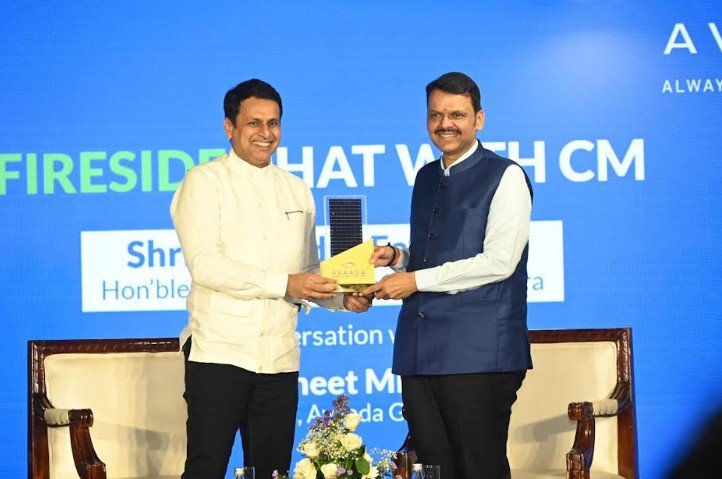
    Hon’ble Chief Minister of Maharashtra Shri Devendra Fadnavis praised Avaada Superfactory at Nagpur as among Asia’s best during a visit to the facility and urged entrepreneurs to invest in Nagpur and Chhatrapati Sambhajinagar. In a fireside conversation with Mr Vineet Mittal, Chairman, Avaada Group, that was attended by more than 60 entrepreneurs, he credited Avaada’s investment which has helped generate further interest in solar module manufacturing in Nagpur.

    Recalling his participation in its groundbreaking ceremony, Shri Fadnavis said he had not imagined the scale and quality of the factory that would take shape. He described the Superfactory as “absolutely amazing” and praised it as one of India’s best. He congratulated Vineet Mittal and the Avaada team on establishing the Superfactory.

    The Chief Minister said that seeing commitments made through MoU translate into functioning factories, and seeing Maharashtra and India become part of global supply chains, gave him the energy to continue his work in public life.

    “Thanks to Vineet ji and the investment he has made, there is now considerable interest in solar modules in Nagpur. If all the other investors complete their investments on time, Nagpur will have the country’s largest solar module ecosystem,” Shri Fadnavis said.

    “The next big thing is Chhatrapati Sambhajinagar and Nagpur. If you are not investing here, you are missing something,” Shri Fadnavis said.

    To mark the visit, Vineet Mittal presented the Chief Minister with a commemorative memento incorporating the first solar cell manufactured at Avaada Superfactory in Nagpur. The memento symbolised the facility’s progress from an investment commitment to solar cell production in Maharashtra.

    Outlining investment opportunities in the region, Shri Fadnavis described plans for an approximately 2,000-acre New Nagpur development along Samruddhi Mahamarg. Planned as a central business district comparable in concept to Mumbai’s Bandra Kurla Complex, it would provide modern infrastructure for global capability centres, advanced manufacturing and smart industry. He said approximately half the land acquisition had been completed, with the remainder targeted for completion within three months.

    He also highlighted growing industrial activity in Chhatrapati Sambhajinagar and Jalna, particularly in electric vehicles, and the expansion of the Butibori industrial area. He encouraged entrepreneurs to consider opportunities beyond Mumbai and Pune as improved connectivity opens up new locations for manufacturing and services.

    The Chief Minister described Samruddhi Mahamarg as a foundation for industrial development across Vidarbha, Marathwada and North Maharashtra. He outlined a proposed rail freight corridor connecting JNPT and Vadhavan Port with inland industrial centres to improve the movement of goods and access to global markets. He also referred to wider infrastructure and urban development plans, including Mumbai 3 and Mumbai 4, intended to support new investment and improve connectivity.

    On industrial competitiveness, Shri Fadnavis emphasised the importance of affordable electricity. He said the five-year tariff proposal provided for tariffs to decline each year and highlighted the potential of solar power and battery energy storage systems, including systems expected to be produced by companies such as Avaada, to support reliable and more affordable electricity.

    The Chief Minister also discussed Mumbai’s redevelopment ambitions, describing a model that groups slum areas into 19 clusters. He outlined a target to redevelop 80% of these areas over the next decade, with a focus on a more structured process and building residents’ confidence.

    Reflecting on public leadership, Shri Fadnavis said that decisions required conviction, execution and tangible public benefit. He cited Samruddhi Mahamarg as an example of pursuing long-term economic gains despite initial opposition.

    Asked about the affection behind being addressed as “Devendra Bhau”, he said public trust was both humbling and a significant responsibility. “And now, after all these years of working, entire Maharashtra has become family,” he said.

    He stressed on the importance of remaining grounded and listening to honest feedback, including from old friends who still speak to him without being influenced by his office. On work–life balance, he acknowledged the demands his schedule places on his wife and daughter and thanked them for their understanding and support.

    Mr Vineet Mittal, Chairman, Avaada Group, said, “An MoU creates an expectation; a working factory fulfils a commitment. The Chief Minister’s encouragement belongs to the entire team that built Avaada’s Nagpur Superfactory. His message to the entrepreneurs present was equally clear: examine the opportunities emerging in Vidarbha and Marathwada. At Avaada, we are committed to translating that opportunity into manufacturing capability, skilled employment and stronger domestic supply chains.”

    Avaada Electro, the solar PV manufacturing arm of Avaada Group, operates 8.5 GW of N-Type TOPCon glass-to-glass module manufacturing capacity across Nagpur and Dadri. At Nagpur, 3 GW of N-Type TOPCon solar cell manufacturing capacity is operational, with another 3 GW in an advanced stage of commissioning and expected to become operational in the quarter ending September 30, 2026. Avaada Electro also plans to establish 3 GW of ingot and wafer manufacturing capacity at Nagpur, extending its manufacturing operations into earlier stages of the solar value chain. The company’s manufacturing expansion aims to strengthen domestic supply chains and increase value addition in India.
  • CM Shri Fadnavis Praises Avaada Superfactory at Nagpur as Among Asia’s Best, Urges Investment in the Region

    CM Shri Fadnavis Praises Avaada Superfactory at Nagpur as Among Asia’s Best, Urges Investment in the Region

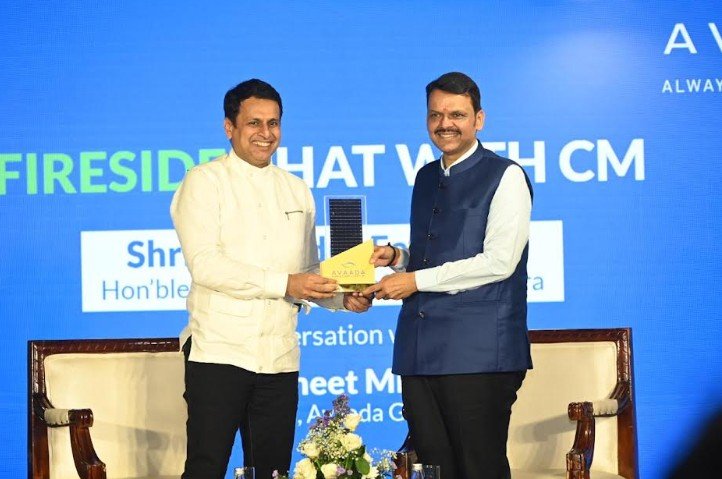
    Hon’ble Chief Minister of Maharashtra Shri Devendra Fadnavis praised Avaada Superfactory at Nagpur as among Asia’s best during a visit to the facility and urged entrepreneurs to invest in Nagpur and Chhatrapati Sambhajinagar. In a fireside conversation with Mr Vineet Mittal, Chairman, Avaada Group, that was attended by more than 60 entrepreneurs, he credited Avaada’s investment which has helped generate further interest in solar module manufacturing in Nagpur.

    Recalling his participation in its groundbreaking ceremony, Shri Fadnavis said he had not imagined the scale and quality of the factory that would take shape. He described the Superfactory as “absolutely amazing” and praised it as one of India’s best. He congratulated Vineet Mittal and the Avaada team on establishing the Superfactory.

    The Chief Minister said that seeing commitments made through MoU translate into functioning factories, and seeing Maharashtra and India become part of global supply chains, gave him the energy to continue his work in public life.

    “Thanks to Vineet ji and the investment he has made, there is now considerable interest in solar modules in Nagpur. If all the other investors complete their investments on time, Nagpur will have the country’s largest solar module ecosystem,” Shri Fadnavis said.

    “The next big thing is Chhatrapati Sambhajinagar and Nagpur. If you are not investing here, you are missing something,” Shri Fadnavis said.

    To mark the visit, Vineet Mittal presented the Chief Minister with a commemorative memento incorporating the first solar cell manufactured at Avaada Superfactory in Nagpur. The memento symbolised the facility’s progress from an investment commitment to solar cell production in Maharashtra.

    Outlining investment opportunities in the region, Shri Fadnavis described plans for an approximately 2,000-acre New Nagpur development along Samruddhi Mahamarg. Planned as a central business district comparable in concept to Mumbai’s Bandra Kurla Complex, it would provide modern infrastructure for global capability centres, advanced manufacturing and smart industry. He said approximately half the land acquisition had been completed, with the remainder targeted for completion within three months.

    He also highlighted growing industrial activity in Chhatrapati Sambhajinagar and Jalna, particularly in electric vehicles, and the expansion of the Butibori industrial area. He encouraged entrepreneurs to consider opportunities beyond Mumbai and Pune as improved connectivity opens up new locations for manufacturing and services.

    The Chief Minister described Samruddhi Mahamarg as a foundation for industrial development across Vidarbha, Marathwada and North Maharashtra. He outlined a proposed rail freight corridor connecting JNPT and Vadhavan Port with inland industrial centres to improve the movement of goods and access to global markets. He also referred to wider infrastructure and urban development plans, including Mumbai 3 and Mumbai 4, intended to support new investment and improve connectivity.

    On industrial competitiveness, Shri Fadnavis emphasised the importance of affordable electricity. He said the five-year tariff proposal provided for tariffs to decline each year and highlighted the potential of solar power and battery energy storage systems, including systems expected to be produced by companies such as Avaada, to support reliable and more affordable electricity.

    The Chief Minister also discussed Mumbai’s redevelopment ambitions, describing a model that groups slum areas into 19 clusters. He outlined a target to redevelop 80% of these areas over the next decade, with a focus on a more structured process and building residents’ confidence.

    Reflecting on public leadership, Shri Fadnavis said that decisions required conviction, execution and tangible public benefit. He cited Samruddhi Mahamarg as an example of pursuing long-term economic gains despite initial opposition.

    Asked about the affection behind being addressed as “Devendra Bhau”, he said public trust was both humbling and a significant responsibility. “And now, after all these years of working, entire Maharashtra has become family,” he said.

    He stressed on the importance of remaining grounded and listening to honest feedback, including from old friends who still speak to him without being influenced by his office. On work–life balance, he acknowledged the demands his schedule places on his wife and daughter and thanked them for their understanding and support.

    Mr Vineet Mittal, Chairman, Avaada Group, said, “An MoU creates an expectation; a working factory fulfils a commitment. The Chief Minister’s encouragement belongs to the entire team that built Avaada’s Nagpur Superfactory. His message to the entrepreneurs present was equally clear: examine the opportunities emerging in Vidarbha and Marathwada. At Avaada, we are committed to translating that opportunity into manufacturing capability, skilled employment and stronger domestic supply chains.”

    Avaada Electro, the solar PV manufacturing arm of Avaada Group, operates 8.5 GW of N-Type TOPCon glass-to-glass module manufacturing capacity across Nagpur and Dadri. At Nagpur, 3 GW of N-Type TOPCon solar cell manufacturing capacity is operational, with another 3 GW in an advanced stage of commissioning and expected to become operational in the quarter ending September 30, 2026. Avaada Electro also plans to establish 3 GW of ingot and wafer manufacturing capacity at Nagpur, extending its manufacturing operations into earlier stages of the solar value chain. The company’s manufacturing expansion aims to strengthen domestic supply chains and increase value addition in India.
  • CM Shri Fadnavis Praises Avaada Superfactory at Nagpur as Among Asia’s Best, Urges Investment in the Region

    CM Shri Fadnavis Praises Avaada Superfactory at Nagpur as Among Asia’s Best, Urges Investment in the Region

    Hon’ble Chief Minister of Maharashtra Shri Devendra Fadnavis praised Avaada Superfactory at Nagpur as among Asia’s best during a visit to the facility and urged entrepreneurs to invest in Nagpur and Chhatrapati Sambhajinagar. In a fireside conversation with Mr Vineet Mittal, Chairman, Avaada Group, that was attended by more than 60 entrepreneurs, he credited Avaada’s investment which has helped generate further interest in solar module manufacturing in Nagpur.

    Recalling his participation in its groundbreaking ceremony, Shri Fadnavis said he had not imagined the scale and quality of the factory that would take shape. He described the Superfactory as “absolutely amazing” and praised it as one of India’s best. He congratulated Vineet Mittal and the Avaada team on establishing the Superfactory.

    The Chief Minister said that seeing commitments made through MoU translate into functioning factories, and seeing Maharashtra and India become part of global supply chains, gave him the energy to continue his work in public life.

    “Thanks to Vineet ji and the investment he has made, there is now considerable interest in solar modules in Nagpur. If all the other investors complete their investments on time, Nagpur will have the country’s largest solar module ecosystem,” Shri Fadnavis said.

    “The next big thing is Chhatrapati Sambhajinagar and Nagpur. If you are not investing here, you are missing something,” Shri Fadnavis said.

    To mark the visit, Vineet Mittal presented the Chief Minister with a commemorative memento incorporating the first solar cell manufactured at Avaada Superfactory in Nagpur. The memento symbolised the facility’s progress from an investment commitment to solar cell production in Maharashtra.

    Outlining investment opportunities in the region, Shri Fadnavis described plans for an approximately 2,000-acre New Nagpur development along Samruddhi Mahamarg. Planned as a central business district comparable in concept to Mumbai’s Bandra Kurla Complex, it would provide modern infrastructure for global capability centres, advanced manufacturing and smart industry. He said approximately half the land acquisition had been completed, with the remainder targeted for completion within three months.

    He also highlighted growing industrial activity in Chhatrapati Sambhajinagar and Jalna, particularly in electric vehicles, and the expansion of the Butibori industrial area. He encouraged entrepreneurs to consider opportunities beyond Mumbai and Pune as improved connectivity opens up new locations for manufacturing and services.

    The Chief Minister described Samruddhi Mahamarg as a foundation for industrial development across Vidarbha, Marathwada and North Maharashtra. He outlined a proposed rail freight corridor connecting JNPT and Vadhavan Port with inland industrial centres to improve the movement of goods and access to global markets. He also referred to wider infrastructure and urban development plans, including Mumbai 3 and Mumbai 4, intended to support new investment and improve connectivity.

    On industrial competitiveness, Shri Fadnavis emphasised the importance of affordable electricity. He said the five-year tariff proposal provided for tariffs to decline each year and highlighted the potential of solar power and battery energy storage systems, including systems expected to be produced by companies such as Avaada, to support reliable and more affordable electricity.

    The Chief Minister also discussed Mumbai’s redevelopment ambitions, describing a model that groups slum areas into 19 clusters. He outlined a target to redevelop 80% of these areas over the next decade, with a focus on a more structured process and building residents’ confidence.

    Reflecting on public leadership, Shri Fadnavis said that decisions required conviction, execution and tangible public benefit. He cited Samruddhi Mahamarg as an example of pursuing long-term economic gains despite initial opposition.

    Asked about the affection behind being addressed as “Devendra Bhau”, he said public trust was both humbling and a significant responsibility. “And now, after all these years of working, entire Maharashtra has become family,” he said.

    He stressed on the importance of remaining grounded and listening to honest feedback, including from old friends who still speak to him without being influenced by his office. On work–life balance, he acknowledged the demands his schedule places on his wife and daughter and thanked them for their understanding and support.

    Mr Vineet Mittal, Chairman, Avaada Group, said, “An MoU creates an expectation; a working factory fulfils a commitment. The Chief Minister’s encouragement belongs to the entire team that built Avaada’s Nagpur Superfactory. His message to the entrepreneurs present was equally clear: examine the opportunities emerging in Vidarbha and Marathwada. At Avaada, we are committed to translating that opportunity into manufacturing capability, skilled employment and stronger domestic supply chains.”

    Avaada Electro, the solar PV manufacturing arm of Avaada Group, operates 8.5 GW of N-Type TOPCon glass-to-glass module manufacturing capacity across Nagpur and Dadri. At Nagpur, 3 GW of N-Type TOPCon solar cell manufacturing capacity is operational, with another 3 GW in an advanced stage of commissioning and expected to become operational in the quarter ending September 30, 2026. Avaada Electro also plans to establish 3 GW of ingot and wafer manufacturing capacity at Nagpur, extending its manufacturing operations into earlier stages of the solar value chain. The company’s manufacturing expansion aims to strengthen domestic supply chains and increase value addition in India.
  • CM Shri Fadnavis Praises Avaada Superfactory at Nagpur as Among Asia’s Best, Urges Investment in the Region

    Hon’ble Chief Minister of Maharashtra Shri Devendra Fadnavis praised Avaada Superfactory at Nagpur as among Asia’s best during a visit to the facility and urged entrepreneurs to invest in Nagpur and Chhatrapati Sambhajinagar. In a fireside conversation with Mr Vineet Mittal, Chairman, Avaada Group, that was attended by more than 60 entrepreneurs, he credited Avaada’s investment which has helped generate further interest in solar module manufacturing in Nagpur.

    Recalling his participation in its groundbreaking ceremony, Shri Fadnavis said he had not imagined the scale and quality of the factory that would take shape. He described the Superfactory as “absolutely amazing” and praised it as one of India’s best. He congratulated Vineet Mittal and the Avaada team on establishing the Superfactory.

    The Chief Minister said that seeing commitments made through MoU translate into functioning factories, and seeing Maharashtra and India become part of global supply chains, gave him the energy to continue his work in public life.

    “Thanks to Vineet ji and the investment he has made, there is now considerable interest in solar modules in Nagpur. If all the other investors complete their investments on time, Nagpur will have the country’s largest solar module ecosystem,” Shri Fadnavis said.

    “The next big thing is Chhatrapati Sambhajinagar and Nagpur. If you are not investing here, you are missing something,” Shri Fadnavis said.

    To mark the visit, Vineet Mittal presented the Chief Minister with a commemorative memento incorporating the first solar cell manufactured at Avaada Superfactory in Nagpur. The memento symbolised the facility’s progress from an investment commitment to solar cell production in Maharashtra.

    Outlining investment opportunities in the region, Shri Fadnavis described plans for an approximately 2,000-acre New Nagpur development along Samruddhi Mahamarg. Planned as a central business district comparable in concept to Mumbai’s Bandra Kurla Complex, it would provide modern infrastructure for global capability centres, advanced manufacturing and smart industry. He said approximately half the land acquisition had been completed, with the remainder targeted for completion within three months.

    He also highlighted growing industrial activity in Chhatrapati Sambhajinagar and Jalna, particularly in electric vehicles, and the expansion of the Butibori industrial area. He encouraged entrepreneurs to consider opportunities beyond Mumbai and Pune as improved connectivity opens up new locations for manufacturing and services.

    The Chief Minister described Samruddhi Mahamarg as a foundation for industrial development across Vidarbha, Marathwada and North Maharashtra. He outlined a proposed rail freight corridor connecting JNPT and Vadhavan Port with inland industrial centres to improve the movement of goods and access to global markets. He also referred to wider infrastructure and urban development plans, including Mumbai 3 and Mumbai 4, intended to support new investment and improve connectivity.

    On industrial competitiveness, Shri Fadnavis emphasised the importance of affordable electricity. He said the five-year tariff proposal provided for tariffs to decline each year and highlighted the potential of solar power and battery energy storage systems, including systems expected to be produced by companies such as Avaada, to support reliable and more affordable electricity.

    The Chief Minister also discussed Mumbai’s redevelopment ambitions, describing a model that groups slum areas into 19 clusters. He outlined a target to redevelop 80% of these areas over the next decade, with a focus on a more structured process and building residents’ confidence.

    Reflecting on public leadership, Shri Fadnavis said that decisions required conviction, execution and tangible public benefit. He cited Samruddhi Mahamarg as an example of pursuing long-term economic gains despite initial opposition.

    Asked about the affection behind being addressed as “Devendra Bhau”, he said public trust was both humbling and a significant responsibility. “And now, after all these years of working, entire Maharashtra has become family,” he said.

    He stressed on the importance of remaining grounded and listening to honest feedback, including from old friends who still speak to him without being influenced by his office. On work–life balance, he acknowledged the demands his schedule places on his wife and daughter and thanked them for their understanding and support.

    Mr Vineet Mittal, Chairman, Avaada Group, said, “An MoU creates an expectation; a working factory fulfils a commitment. The Chief Minister’s encouragement belongs to the entire team that built Avaada’s Nagpur Superfactory. His message to the entrepreneurs present was equally clear: examine the opportunities emerging in Vidarbha and Marathwada. At Avaada, we are committed to translating that opportunity into manufacturing capability, skilled employment and stronger domestic supply chains.”

    Avaada Electro, the solar PV manufacturing arm of Avaada Group, operates 8.5 GW of N-Type TOPCon glass-to-glass module manufacturing capacity across Nagpur and Dadri. At Nagpur, 3 GW of N-Type TOPCon solar cell manufacturing capacity is operational, with another 3 GW in an advanced stage of commissioning and expected to become operational in the quarter ending September 30, 2026. Avaada Electro also plans to establish 3 GW of ingot and wafer manufacturing capacity at Nagpur, extending its manufacturing operations into earlier stages of the solar value chain. The company’s manufacturing expansion aims to strengthen domestic supply chains and increase value addition in India.
  • Delhi Govt to Install Free Solar Panels on 2.25 Lakh Homes Under PM Surya Ghar Scheme

    Delhi Govt to Install Free Solar Panels on 2.25 Lakh Homes Under PM Surya Ghar Scheme

    The Delhi government will install rooftop solar panels of up to 3 kW capacity at 2.25 lakh homes under the PM Surya Ghar: Muft Bijli Yojana, with the government bearing the entire installation cost.

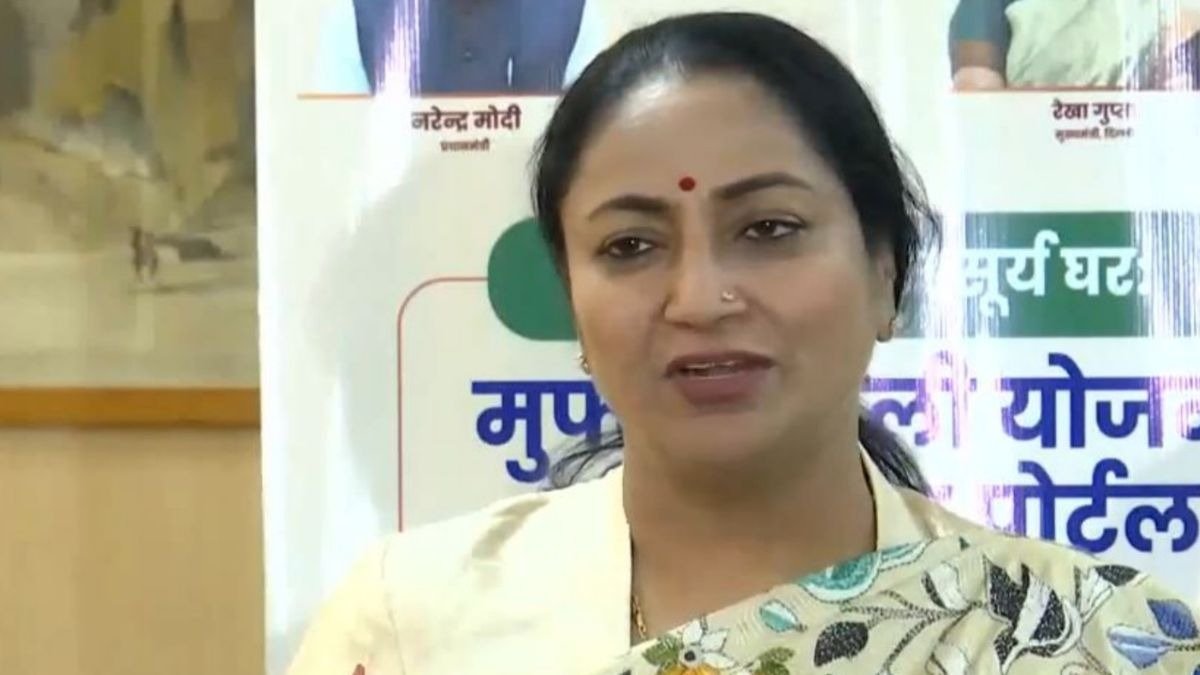
    Delhi Chief Minister Rekha Gupta on Monday launched a dedicated portal through which residents can register for the scheme. Applications and allotments will be processed on a first-come, first-served basis.

    Gupta said consumers covered under the initiative will not have to pay any amount for installing solar panels up to 3 kW capacity. The programme is aimed at expanding rooftop solar adoption and increasing green energy generation across the national capital.

    Eligible residents can now submit their applications online through the dedicated Delhi solar portal. The platform also provides information related to rooftop solar installations and available subsidy provisions.

    The central PM Surya Ghar scheme provides financial assistance of ₹30,000 per kW for the first 2 kW and ₹18,000 per kW for an additional capacity up to 3 kW, with the central subsidy capped at ₹78,000.

    Delhi’s initiative provides additional support at the state level, allowing eligible households to install rooftop solar systems without bearing the installation cost under the announced programme.

    The PM Surya Ghar: Muft Bijli Yojana was launched by the Centre in February 2024 with an overall outlay of ₹75,021 crore. The scheme aims to enable rooftop solar installations in one crore households across the country and provide free electricity of up to 300 units per month to participating households.

    A 3 kW rooftop solar system can generate more than 300 units of electricity a month on average, according to the Union government. The national programme is expected to add 30 GW of residential rooftop solar capacity over its lifetime.

    The Delhi government’s dedicated solar portal will serve as the registration platform for residents seeking to participate in the programme, while installations for the targeted 2.25 lakh homes will be taken up according to the order of applications received.

  • Delhi Govt to Install Free Solar Panels on 2.25 Lakh Homes Under PM Surya Ghar Scheme

    The Delhi government will install rooftop solar panels of up to 3 kW capacity at 2.25 lakh homes under the PM Surya Ghar: Muft Bijli Yojana, with the government bearing the entire installation cost.

    Delhi Chief Minister Rekha Gupta on Monday launched a dedicated portal through which residents can register for the scheme. Applications and allotments will be processed on a first-come, first-served basis.

    Gupta said consumers covered under the initiative will not have to pay any amount for installing solar panels up to 3 kW capacity. The programme is aimed at expanding rooftop solar adoption and increasing green energy generation across the national capital.

    Eligible residents can now submit their applications online through the dedicated Delhi solar portal. The platform also provides information related to rooftop solar installations and available subsidy provisions.

    The central PM Surya Ghar scheme provides financial assistance of ₹30,000 per kW for the first 2 kW and ₹18,000 per kW for an additional capacity up to 3 kW, with the central subsidy capped at ₹78,000.

    Delhi’s initiative provides additional support at the state level, allowing eligible households to install rooftop solar systems without bearing the installation cost under the announced programme.

    The PM Surya Ghar: Muft Bijli Yojana was launched by the Centre in February 2024 with an overall outlay of ₹75,021 crore. The scheme aims to enable rooftop solar installations in one crore households across the country and provide free electricity of up to 300 units per month to participating households.

    A 3 kW rooftop solar system can generate more than 300 units of electricity a month on average, according to the Union government. The national programme is expected to add 30 GW of residential rooftop solar capacity over its lifetime.

    The Delhi government’s dedicated solar portal will serve as the registration platform for residents seeking to participate in the programme, while installations for the targeted 2.25 lakh homes will be taken up according to the order of applications received.

  • Pace Digitek Arm Wins ₹488 Crore BESS Order from NTPC GE Power Services

    Pace Digitek Arm Wins ₹488 Crore BESS Order from NTPC GE Power Services

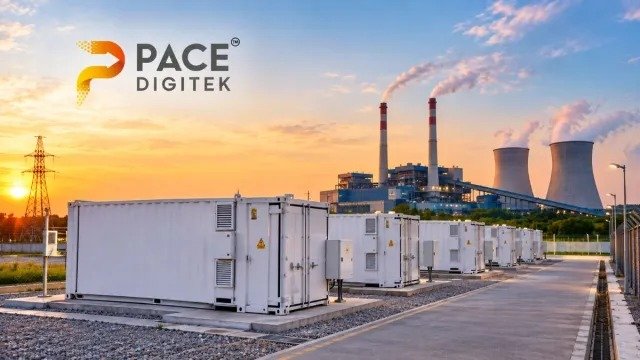
    Lineage Power Private Limited (LPPL), a material subsidiary of Pace Digitek Limited, has secured an order worth ₹488.46 crore, including GST, from NTPC GE Power Services Private Limited (NGSL) for a Battery Energy Storage System (BESS) project at the Barh Super Thermal Power Project (STPP) in Bihar.

    The project covers NTPC’s Stage I and Stage II at Barh STPP. Under the Letter of Award, LPPL will supply, deliver, test and supervise the erection, testing and commissioning of BESS containers along with Battery Management Systems (BMS) and Energy Management Systems (EMS).

    The order covers 5.015 MWh of BESS containers, according to the company’s regulatory filing. The contract also includes a Comprehensive Maintenance Contract (CMC) for 12 years, comprising five years of Annual Maintenance Services and a further seven-year extended warranty for the battery containers.

    The project is scheduled for completion by December 31, 2026.

    LPPL is being developed as a product-led BESS business covering manufacturing, product supply, system integration and lifecycle support. The latest order adds to Pace Digitek’s growing presence across the battery energy storage value chain.

    Pace Digitek operationalised 2.5 GWh of BESS manufacturing capacity in 2025 and has since expanded it to 5 GWh. The company plans to further increase its manufacturing capacity towards 10 GWh by the third quarter of FY27.

    The company has delivered BESS containers representing more than 1.5 GWh of capacity so far. It is also working on localisation, system integration and lifecycle service capabilities as it expands its energy-storage business.

    Pace Digitek is also evaluating opportunities in the commercial and industrial segment alongside its utility-scale BESS business, particularly among power-intensive customers.

    Commenting on the order, Venugopalrao Maddisetty, Chairman and Managing Director, Pace Digitek, said the contract strengthens LPPL’s position as a product-led BESS business by bringing together product supply, commissioning and long-term lifecycle support.

    The latest contract follows another BESS order secured by LPPL from Kalpa Power and comes as Pace Digitek continues to scale its manufacturing capacity and expand its participation across the energy-storage segment.