Author: abhishek2019cs034abesit@gmail.com

  • Global Biofuels Alliance Launches Flagship Fellowship to Nurture Next-Generation Clean Energy Leaders and Accelerate Net-Zero Goals

    The Global Biofuels Alliance (GBA), a prominent multi-stakeholder alliance comprising 34 member countries and 14 international organizations, announced the upcoming Inaugural Global Biofuel Champion Fellowship (GBCF) Award Ceremony.

    Scheduled for Tuesday, June 30, 2026, at the Juniper Hall, India Habitat Centre, New Delhi, this premier global hybrid convening will stream live to an international audience of institutional partners, industry leaders, and global academia.

    The GBCF initiative addresses critical biofuel challenges through intensive research engagement and by nurturing a pool of dynamic young biofuel leaders. Dr. Neeraj Mittal, Interim DG of the GBA and Secretary of the Ministry of Petroleum and Natural Gas (MoPNG), will grace the event as the Guest of Honour and deliver a keynote address focusing on the Alliance’s tangible progress and its commitment to bioenergy innovation. Reflecting the high global stakes of the convening, diplomatic delegates from multiple countries have already formally confirmed their attendance.

    A primary highlight of the ceremony will be the formal induction of 15 exceptional early-career researchers into the GBA ecosystem. Selected through a rigorous, multi-stage evaluation process overseen by a world-class 5-member Jury Committee and an 8-member Mentors Committee – comprising eminent scholars from institutions like the University of Sheffield, Imperial College London, and IIT Madras – these fellows will receive a lump-sum research grant of up to US $15,000. Moving beyond traditional academia, these researchers will be officially assigned as Ambassadors of the Global Biofuels Alliance for the next two years to advocate for the global adoption of biofuels. During the ceremony’s “Voices of the Champions” segment, selected fellows will deliver rapid-fire overviews of the real-world, implementable solutions they are developing for the industry.

    “The GBCF Event represents a pivotal moment for our community,” noted the Secretariat ahead of the launch. The programming is engineered to deliver immediate, high-impact discourse on the global energy transition, featuring a specialized Fireside Dialogue titled “The Flex-Fuel Horizon: Scaling Blending Mandates through Collaborative Global Research.” This high-level panel will feature prominent technical and industry experts unpacking innovative business models and applied research necessary to scale operations as global governments push past blending targets into advanced flex-fuel regimes.

    The 60-minute formal proceedings, commencing at 4:00 PM IST, will open with an inspiring video montage illustrating the GBA’s historical trajectory, its core value add to member states, and the capacity of the GBCF to accelerate the global energy transition. Following the virtual and in-person awards presentation, the event will transition at 5:00 PM IST into a curated Networking Hour and High Tea. This session will facilitate vital bilateral dialogues, allowing locally based diplomats, industry representatives, and institutional partners to collaborate directly with GBA leadership.

  • Reliance Accelerates Clean Energy Expansion with Major Investments Across Renewables and Advanced Energy Technologies

    Reliance Industries is accelerating its investments across renewable energy, advanced materials, and alternative fuels as it positions itself to capitalize on India’s growing energy demand and strengthen the country’s energy security.

    Speaking at the company’s Annual General Meeting (AGM), Chairman Mukesh Ambani outlined Reliance’s long-term energy strategy, which combines conventional energy resources with emerging clean technologies. The strategy encompasses solar power, battery storage, wind energy, green hydrogen, compressed biogas, bioenergy, and underground coal gasification, aimed at supporting India’s transition to a more sustainable and self-reliant energy ecosystem.

    Ambani highlighted India’s continued dependence on imported energy as a key challenge, noting that reducing reliance on overseas fuel supplies is critical for enhancing long-term energy security and economic resilience. In line with this objective, Reliance plans to continue investing in oil and gas exploration and production while simultaneously expanding its clean energy portfolio.

    The company’s joint venture with BP currently contributes nearly 30% of India’s domestic natural gas production, while Reliance’s Jamnagar refinery complex remains one of the country’s most significant refining assets. Despite volatility in global energy markets, the refinery maintained strong operational performance and increased domestic LPG supplies to help address import-related shortages.

    On the renewable energy front, Reliance has commenced solar photovoltaic manufacturing at its Dhirubhai Ambani Green Energy Giga Complex in Jamnagar. The facility has already begun producing nearly 1 GW of heterojunction solar modules and forms part of the company’s vision to establish a fully integrated solar manufacturing ecosystem with an annual capacity of 20 GW, covering polysilicon, wafers, cells, and modules.

    The company is also making significant progress in battery manufacturing. The first phase of its 40 GWh battery cell manufacturing facility is expected to become operational this year. Reliance plans to expand the facility’s capacity to 120 GWh annually, positioning the company among the world’s leading producers of lithium iron phosphate (LFP) batteries.

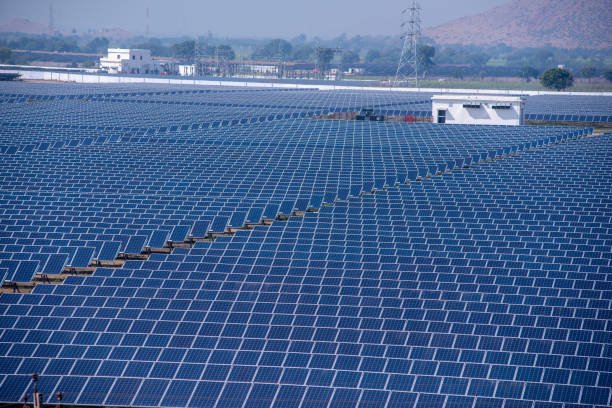
    In addition, Reliance is developing a large-scale renewable energy project spanning approximately 550,000 acres in Gujarat’s Kutch region. The integrated project, combining solar generation and battery energy storage systems, is expected to generate over 40 billion units of clean electricity annually upon completion—equivalent to nearly 3% of India’s current power consumption.

    The company is also leveraging digital technologies to enhance operational efficiency. According to Executive Director Anant Ambani, Reliance is integrating automation and artificial intelligence into its refining operations with the goal of transforming the Jamnagar complex into a fully autonomous refinery.

    Through these investments, Reliance aims to play a pivotal role in India’s energy transition while strengthening its position across both traditional and next-generation energy sectors.

  • CtrlS Secures INR 7,000 Crore Commitment from CPP Investments to Scale Datacenter Infrastructure in India

    CtrlS Datacenters Ltd. announced a strategic partnership with Canada Pension Plan Investment Board (CPP Investments). CPP Investments will invest up to INR 7,000 crore (C$1 billion) to help fund CtrlS’ upcoming growth in India’s fast-growing digital infrastructure sector.

    As part of the partnership, CPP Investments will invest INR 4,000 crore (C$588 million) to acquire an 8.2% stake in CtrlS, signalling confidence in the company’s market leadership, operational excellence, and long-term growth plans. In addition, CPP Investments and CtrlS will form a joint venture to develop hyperscale datacenter campuses across India. CPP Investments has committed up to INR 3,000 crore (C$441 million) to the joint venture and will hold 48% equity ownership, with CtrlS owning 52%.

    The partnership aims to speed up the development of next-generation datacenter infrastructure to meet rising demand from hyperscalers, cloud services, AI applications, and India’s rapidly expanding digital economy.

    Commenting on the partnership, Sridhar Pinnapureddy, Founder & CEO, CtrlS Datacenters, said, “India’s AI moment is not on the horizon, it is already here. The demand signals from hyperscalers, cloud service providers, and enterprises are clear and unmistakable. Over the years, CtrlS has focused on reliability, sustainability, and long-term growth. Our partnership with CPP Investments reinforces these values. Together, we are not merely expanding capacity but also establishing the benchmark for AI-ready infrastructure in one of the world’s most significant digital markets.”

    Sridhar added, “This investment reflects the confidence global investors have in CtrlS’ leadership position, execution capabilities, and the significant opportunity ahead.”

    “As one of the world’s fastest growing digital markets, India represents an important pillar of our global datacenter strategy,” said Max Biagosch, Senior Managing Director and Global Head of Real Assets at CPP Investments. “Demand for datacenter infrastructure in India continues to accelerate, driven by hyperscale expansion, strong domestic cloud growth and emerging AI-led demand. This partnership with CtrlS positions us to scale high-quality infrastructure and deliver long-term value for CPP contributors and beneficiaries.”

    Biagosch added, “This investment builds on more than a decade of investing in India and the strength of our local platform. With an established presence on the ground, we continue to focus on investing alongside high-quality partners such as CtrlS and executing with discipline over the long term.”

    Since making its first direct investment in 2017, CPP Investments has actively invested in the global datacenter sector, building a diversified portfolio of datacenter assets and joint ventures across major international hubs, including Asia Pacific. CPP Investments made its first investment in India in 2009 and opened its Mumbai office in 2015. As of March 31, 2026, CPP Investments held over INR 1,850 billion (C$27 billion) in net assets in India, making it one of the country’s largest international institutional investors.

    The partnership reinforces CtrlS’ leadership in India’s digital infrastructure sector and supports its near-term strategy of building sustainable, world-class datacenter campuses across India. As AI and cloud adoption grow, CtrlS is committed to providing scalable, resilient, and future-ready infrastructure for India’s next phase of growth.

  • Resonia Wins Kurnool IV REZ Transmission Project in Telangana from Ministry of Power

    Resonia Ltd., a leading power transmission infrastructure company, has been awarded a major ISTS project in Telangana from the Ministry of Power under the Kurnool IV REZ Power Transmission Limited project. The project will significantly strengthen transmission connectivity between Andhra Pradesh and Telangana, enhance grid flexibility and support the large-scale integration of renewable energy from the Kurnool Renewable Energy Zone (REZ).

    Spanning approximately 120 km, the project is designed to enable the evacuation of around 3 GW of renewable energy envisaged under Kurnool IV REZ Phase II. The scope includes the establishment of a 765/400 kV Doma substation, augmentation of the existing Kurnool-IV pooling station, and development of associated high-capacity transmission infrastructure. This includes LILO of the Kurnool-IV – Bidar 765 kV double-circuit line at Doma along with two 400 kV double-circuit lines connecting Doma substation to existing Shadnagar and Kethiredipally substations of TGTRANSCO. 

    Commenting on the development, Prashant Sinha, CEO, Resonia Ltd, said, “This project marks an important milestone for Resonia and underscores the growing need for robust interstate transmission infrastructure in India’s energy transition journey. As renewable energy capacity scales rapidly, resilient and high-capacity transmission systems are critical for seamless power evacuation and grid stability. Through the Kurnool IV REZ project, we are enabling efficient clean energy integration while supporting regional and national decarbonisation goals. This win reflects our strong execution capabilities and our commitment to building future-ready transmission networks for the country.” 

    This order win further reinforces its role as a key enabler of India’s clean energy transition, supporting grid resilience, large-scale renewable integration, and reliable power delivery across interstate networks. 

  • Tigo Energy Delivers New GO Optimized Energy Storage System to European Residential Market Share

    Tigo Energy, Inc. announced that the GO Battery, as part of the GO Optimized ESS, is now shipping for European market customers, fulfilling the preorder commitments made when the product was introduced in April 2026. The Company will showcase live system demonstrations of the GO Optimized ESS at Intersolar Europe 2026, taking place June 23–25 at Messe München in Munich, Germany, at booth B3.140. Weiss-Blau GmbH, a member of the Tigo Installer Loyalty Program, will join Tigo at the show as one of the first installation companies to deploy the system in the European residential market.

    The GO Battery’s modular architecture, built on 3.68kWh units configurable from 7.3kWh to 47.9kWh, is designed to give installers flexible sizing options for the full range of European residential applications, from compact apartments to larger homes with higher energy demands. Backward-compatible with all Tigo inverters sold in the European market, the GO Battery supports both single-phase and three-phase configurations and is designed to operate in temperatures as low as -30°C.

    The system uses Lithium Iron Phosphate (LFP) chemistry, features an IP65 enclosure rating for indoor and outdoor installation, and complies with European grid standards, including VDE-AR-E2510 and CEI 0-21, CE certification, and the IEC 62619 safety standard. Unit-level visibility and remote diagnostics through the Tigo EI platform help installers manage deployed systems and reduce service calls.

    “As a participant in the Tigo Installer Loyalty Program, we’ve had the opportunity to work closely with the Tigo team as the GO Optimized ESS entered the European market,” said Georg Kreitmair, managing director at Weiss-Blau GmbH. “The combination of modular battery storage, integrated energy management, and compatibility across the broader Tigo ecosystem gives us a flexible platform for residential projects of different sizes and energy requirements. From commissioning to ongoing system visibility through the Tigo EI platform, the system is designed in a way that helps simplify deployment for installers while giving homeowners more control over how they produce, store, and use energy.”

    The GO Optimized ESS integrates the GO Battery with the Tigo EI Inverter, TS4 Flex MLPE optimization products, the GO EV Charger, GO Junction for heat pump integration, and the Tigo Energy Intelligence (EI) platform, helping give installers a single, connected ecosystem that covers solar production, storage, e-mobility, and home heating. Installers deploying the GO Optimized ESS for the first time can benefit from the Tigo Green Glove program, which provides a professional system design review, puts technical experts on standby during installation, and creates a direct feedback loop with the Tigo team. Installer onboarding is further supported through Tigo Academy training, and the Tigo Installer Loyalty Program recognizes installers across Certified, Advanced, and Elite tiers based on monitored system volume and training completion, providing progressively greater access to marketing support, early product access, and data resources.

    “It is great to see solar installers in Europe embrace the new GO Optimized ESS, and particularly when those companies also take advantage of the benefits of the Tigo Installer Loyalty Program,” said Jing Tian, chief growth and revenue officer at Tigo. “This is a big year in terms of the products and services Tigo is bringing to the European market, and I think that installers like Weiss-Blau GmbH, who are taking full advantage of them, will benefit significantly. As always, the entire Tigo team stands by to work with our many European collaborators to drive solar and energy technology further into the market.”

  • Envision Energy and AMEA Power Sign Agreement for Egypt’s Amunet II 500MW Wind Project

    During the Africa Energy Forum (AEF) 2026, Envision Energy, a global leader in green technology, announced an agreement with AMEA Power, one of the fastest-growing renewable energy companies in the region, for the Amunet II 500MW wind project in Egypt.

    The announcement follows the successful commissioning of AMEA Power’s 500MW Wind Power Plant in Ras Ghareb, Egypt, in June 2025. As the largest wind farm in Africa, the project demonstrated AMEA Power’s ability to successfully develop and commission utility-scale renewable energy projects at pace and scale. Delivered in collaboration with Envision Energy, it reinforced investor confidence in the bankability and scalability of large-scale renewable energy developments while establishing a strong foundation for continued collaboration between the two companies.

    Amunet II is AMEA Power’s second utility-scale wind project in Egypt. Upon completion, the company’s combined wind power capacity in the country will reach 1GW, supporting Egypt’s renewable energy ambitions and accelerating its transition towards a cleaner, and more diversified energy mix.

    “From Amunet I to Amunet II, our partnership with AMEA Power has evolved into a strategic collaboration built on trust, innovation and long-term value creation,” said Kane Xu, Senior Vice President of Envision Energy. “The project demonstrates the scalability of our partnership model and the value of global collaboration in advancing the energy transition. Today, Egypt is increasingly playing a key role in the global energy transition. Envision will continue to leverage our leading technologies and global execution capabilities to deliver reliable and efficient clean energy solutions across Egypt and the wider MENA region, supporting a more sustainable energy future.”

    “The successful delivery of our 500MW wind project in Ras Ghareb, Egypt, demonstrated what can be achieved when strong partners share a common vision and commitment to execution. The Amunet II project marks the next phase of our collaboration with Envision Energy and reflects our continued confidence in Egypt’s renewable energy sector. Together, these projects will bring our wind portfolio in Egypt to 1GW, supporting the country’s energy transition while creating lasting economic and social value,” said Hussain Al Nowais, Chairman of AMEA Power.

  • Avaada Group Unveils Series of Public Art Installations ‘Solar in Full Bloom’ Celebrating Sustainability in Heart of Mumbai

    Avaada Group, one of India’s leading integrated energy transition conglomerates, unveiled ‘Solar in Full Bloom’, a series of striking public art installations brought to life by renowned artist Sangeeta Babani, at the prominent junction adjoining Juhu Garden and Linking Road, Mumbai.

    The installations were inaugurated by Shri Ashish Shelar, Minister of Information Technology & Cultural Affairs, Government of Maharashtra, in the presence of renowned actor and director, Shri Anupam Kher, Ms Hetal Gala, Chairman, Market & Garden Committee and Ms Sindoor Mittal, Vice Chairperson of Avaada Group, among others.

    Inspired by the transformative power of solar energy, ‘Solar in Full Bloom’, reimagines public space through a contemporary artistic lens, blending aesthetics with environmental awareness. The installation symbolizes the convergence of clean energy, urban life, and collective responsibility towards building a more sustainable future.

    Speaking on the occasion, Ms. Sindoor Mittal, said, “At Avaada, we believe sustainability must move beyond infrastructure and technology to become part of the social and cultural fabric of our cities. These public art installations will serve as a conversation starter, encouraging citizens to reflect on their relationship with nature, clean energy, and the future we collectively wish to create. Through initiatives like these, we hope to inspire greater environmental consciousness and foster a deeper connection between communities and the sustainability agenda.”

    The initiative reflects Avaada Group’s broader commitment to promoting sustainability through innovative avenues that engage citizens, spark dialogue, and inspire action. The company recently organised the Avaada Bharat Uday Yatra, a first-of-its-kind nationwide movement aimed at fostering greater public participation in India’s clean energy transition and sustainable development journey.

  • KOEL Secures 192 MW Order from HyperNext for Hyperscale Data Centre Power Systems

    Kirloskar Oil Engines Limited (KOEL), one of India’s leading manufacturers of power generation solutions, announced a significant order from HyperNext, a next-generation digital infrastructure company focused on delivering hyperscale-ready, AI-enabled data center solutions.

    The order comprises 192 MW, 96 units of KOEL’s 2500 kVA Optiprime™ Dual Core power systems, representing one of the largest deployments of high-capacity power systems for hyperscale data centres in India.

    The collaboration highlights the convergence of two organizations focused on powering India’s digital future—HyperNext through advanced data center infrastructure and KOEL through innovative power generation technologies.

    The Optiprime™ platform combines multiple high-performance cores into a single integrated power system, delivering industry-leading power density, operational efficiency, and reliability. Designed specifically for hyperscale and mission-critical environments, these Uptime™ certified power systems support demanding digital infrastructure requirements.

    The deployment will support HyperNext’s mission to build resilient, scalable, and energy-efficient digital infrastructure capable of meeting the rapidly growing demands of cloud computing, artificial intelligence, and mission-critical enterprise workloads.

    HyperNext has emerged as an innovative force in the digital infrastructure sector, developing future-ready data center ecosystems designed to support AI workloads, hyperscale cloud deployments, and enterprise digital transformation initiatives. The company’s focus on sustainability, operational excellence, and advanced technology architecture aligns closely with KOEL’s commitment to delivering reliable and efficient power solutions.

    Harsh Macwann, Group CEO, HyperNext, said, “As we continue to expand our digital infrastructure footprint, reliability and performance remain central to our design philosophy. KOEL’s Optiprime™ solution offers the scale, engineering sophistication, and proven operational performance required for our mission-critical environments. Being India’s first data centre with an 800VDC power architecture, this partnership reflects our shared commitment to enabling the next generation of digital infrastructure while maintaining the highest standards of operational resilience.”

    The collaboration highlights the convergence of two organizations focused on powering India’s digital future—HyperNext through advanced data center infrastructure and KOEL through innovative power generation technologies.

    The Optiprime™ platform combines multiple high-performance cores into a single integrated power system, delivering industry-leading power density, operational efficiency, and reliability. Designed specifically for hyperscale and mission-critical environments, these Uptime™ certified, DCCP (Data Centre Continuous Power) power systems platform enables data centre operators to optimize footprint utilization while ensuring uninterrupted power availability.

    “This order reflects the growing confidence that digital infrastructure leaders place in KOEL’s engineering capabilities and our ability to deliver reliable, high-performance power solutions at scale,” said Madan Patil, President- Global Powergen Business, Kirloskar Oil Engines Limited.

    “As AI and cloud adoption accelerate globally, data centers require robust and resilient backup power systems that can support ever-increasing energy demands. Our Optiprime™ platform has been developed precisely to address these challenges, delivering exceptional performance, reliability, and operational efficiency for Hyperscale data centres.”

    With decades of manufacturing excellence and a growing portfolio of solutions tailored for mission-critical applications, KOEL continues to strengthen its position as a trusted partner for hyperscale data centers, cloud service providers, colocation operators, and enterprise customers across India and global markets.

    As digital transformation, AI adoption, and data-intensive applications continue to drive unprecedented growth in infrastructure demand, partnerships such as this demonstrate the critical role of reliable power systems in enabling the digital economy.

  • CII Gujarat Conference on Cost Optimization for Industries using Renewable Energy

    CII Gujarat Renewable Energy Panel and CII Gujarat Textile Panel are jointly organising a Conference on “Cost Optimization for Industries using Renewable Energy – Practical Solutions & Business Opportunities through Solar Energy” on Friday, 19 June 2026 at Hotel Novotel, Ahmedabad from 1000 hrs to 1330 hrs.

    With rising power costs and increasing focus on sustainable industrial operations, renewable energy particularly solar power is emerging as a key solution for industries to optimise operational expenses, improve energy efficiency, and strengthen long-term competitiveness.

    The conference is being organised to create awareness among industries, particularly MSMEs and manufacturing enterprises, on practical renewable energy solutions that can help optimise energy costs, improve competitiveness and support sustainable industrial growth. The programme will bring together industry leaders, business owners, plant heads, energy managers, solar developers, EPC companies, technology providers and policy experts to discuss practical solar adoption models, cost-saving opportunities, policy framework, financing options, industrial use cases and emerging opportunities in the renewable energy sector.

    The programme is expected to witness participation from business owners, plant heads, operations teams, energy managers, sustainability professionals and key decision-makers from manufacturing and allied sectors across Gujarat.

  • “We are focused on building energy systems that combine generation, storage, flexibility and reliability”, said Mr. Ratul Puri, Chairman, Hindustan Power

    Q 1. Hindustan Power has been a pioneer in India’s renewable energy sector. Can you take us through the company’s journey and some of the key milestones that have shaped its growth?
    India’s energy landscape has witnessed a remarkable transformation over the past two decades and Hindustan Power has been an integral part of that journey since its early stages. We entered the renewable energy sector when solar power was still an emerging technology and long before it became a central pillar of India’s energy transition.

    Some of our early defining achievements include developing India’s first 5 MW solar power project (2010) and Asia’s first 30 MW solar PV project (2011). These projects were important not only because they broke new ground technologically, but because they demonstrated that large-scale renewable energy could be commercially viable and contribute meaningfully to the country’s energy mix.

    As the sector evolved, so did our vision. We expanded our presence across renewable energy, transitional power generation and supporting infrastructure, building capabilities that allow us to address both sustainability and energy security requirements. In recent times, we have strengthened our focus on battery energy storage and integrated energy solutions, recognising that the future of the sector will be shaped by the reliable delivery of clean energy.

    Today, as we work towards building a 5 GW energy portfolio, our focus remains steadfast on creating scalable, future ready infrastructure that supports India’s economic growth while contributing to a more sustainable and resilient energy ecosystem.

     Q 2. The company developed India’s first 5 MW solar plant and Asia’s first 30 MW solar PV project. How have these early achievements influenced your long-term strategy in clean energy? 
    Those projects were significant in terms of their scale at the time and in demonstrating that renewable energy could transition from concept to commercial viability. They gave us first-hand experience in developing, financing and operating large clean energy assets in a market that was still finding its footing.

    More importantly, those early projects taught us that energy transitions are never static. Technologies evolve, customer expectations change and grid requirements become more complex. That understanding continues to shape our strategy today.

    We are moving beyond a capacity-focused approach to renewables. We are focused on building energy systems that combine generation, storage, flexibility and reliability. The lessons from our early investments in solar energy taught us the value of staying ahead of technology cycles and anticipating future trends rather than simply responding to where the market stands today. That perspective continues to guide our investments and strategic priorities as the energy landscape evolves.

    Q 3.  As India accelerates its energy transition, what opportunities do you see for renewable energy developers in supporting the country’s sustainability and energy security goals?
    India’s energy transition presents one of the most significant opportunities globally. As the country pursues rapid economic growth, industrial expansion and digital transformation, the demand for reliable, affordable and sustainable energy will continue to rise, creating substantial opportunities for renewable energy developers.

    The opportunity today extends far beyond adding renewable energy capacity. Developers are increasingly becoming partners in strengthening energy security by delivering integrated energy solutions that enhance reliability, support grid stability and reduce dependence on imported fuels.

    We are also witnessing new demand drivers emerge from manufacturing, digital infrastructure and data centres. These sectors require large volumes of clean electricity delivered consistently and competitively. Renewable energy developers that can combine scale, technology and execution excellence will play a critical role in supporting India’s sustainability goals while strengthening the country’s long-term energy resilience and energy security.

     Q 4.  Hindustan Power is actively expanding into solar-plus-storage solutions. How do you see battery energy storage transforming the renewable energy landscape in India? 
    Battery energy storage is set to become one of the defining technologies of India’s energy transition. Over the past decade, the focus was largely on adding renewable generation capacity. The future of the energy transition will be defined by aligning clean energy availability with consumer demand and usage patterns.

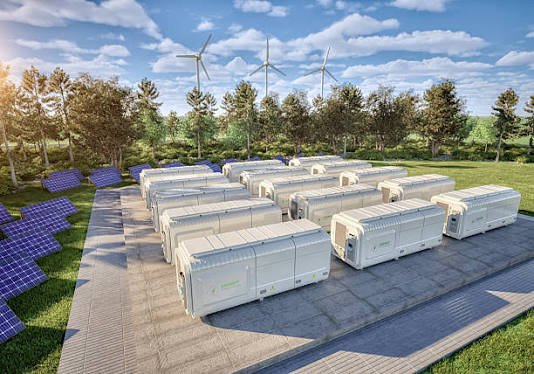
    In many ways, storage is becoming the bridge between renewable energy generation and grid reliability. As renewable penetration increases, storage will play a critical role in balancing supply and demand, supporting grid stability and enabling round-the-clock clean power. It will also help cut down curtailment, manage peak demand and accelerate the adoption of renewable power on demand.

    At Hindustan Power, we see storage as a strategic growth area and a key enabler of the future electricity system. As of 2025, we had expanded our battery storage portfolio to more than 750 MWh across multiple states, including projects with SECI, SJVN and BSPGCL. These investments reflect our belief that solar-plus-storage will increasingly become the preferred model for delivering reliable, flexible and scalable clean energy in India.

    Q 5.  The company operates across renewable and transitional energy businesses. How do you balance reliability, affordability, and sustainability while planning future projects?
    Energy transition is often discussed in terms of sustainability, but long-term success will also be defined by reliability and affordability. These three objectives are interconnected and cannot be pursued in isolation.

    Our planning approach is guided by a simple principle: every energy system must be able to provide dependable power at competitive costs while progressively reducing its environmental footprint. This requires a balanced portfolio approach that combines renewable energy growth with technologies and infrastructure capable of supporting grid stability.

    As India’s power demand continues to grow, the transition must support economic development, industrial competitiveness and energy security. We therefore view renewable energy, energy storage and enabling infrastructure as complementary elements of an integrated energy ecosystem that can deliver sustainable, reliable and affordable power at scale.

     Q 6.  Innovation and large-scale project execution have been central to Hindustan Power’s success. What recent technological advancements or project developments are you most excited about?
    One of the most exciting developments in the energy sector today is the convergence of renewable energy, battery storage and advanced power infrastructure. The industry is moving beyond standalone generation assets towards integrated energy systems that can deliver cleaner, more reliable and more flexible power.

    From Hindustan Power’s perspective, the rapid scale-up of our battery energy storage portfolio is particularly encouraging. Storage is transforming the economics and operational capabilities of renewable energy by enabling firm and dispatchable power, which will become increasingly important as electricity demand continues to rise across industries, mobility and digital infrastructure.

    Equally exciting is the pace at which solar-plus-storage projects are moving from concept to commercial deployment. We are seeing growing acceptance of dispatchable renewable power models across utilities and state agencies, creating opportunities to build energy infrastructure that combines clean generation with reliability and grid support.

    We are also encouraged by advancements in ultra-supercritical generation technology, digital asset optimisation and predictive operational systems that are improving efficiency across the power value chain. As the energy landscape evolves, competitive advantage will come from combining diverse technologies to deliver cleaner, more reliable and more efficient energy solutions.

     Q 7. Hindustan Power recently signed a 25-year Power Supply Agreement with MP Power Management Company for supplying 800 MW from its upcoming Anuppur project. How does this milestone align with the company’s long-term growth strategy and vision for India’s evolving power sector?
    The agreement is a significant achievement.in our growth journey and reflects our long-term commitment to build large-scale power infrastructure that supports India’s development ambitions. The project will supply 800 MW of power to Madhya Pradesh under a 25-year agreement, providing long-term visibility while helping meet the state’s growing electricity requirements. It represents a significant addition to our long-term infrastructure portfolio and demonstrates our confidence in India’s rapidly evolving energy markets.

    From a strategic perspective, the project reflects our belief that India’s energy transition will require both renewable energy expansion and dependable power infrastructure capable of supporting economic growth, industrialisation and rising electricity demand. Reliable baseload power will continue to play an important role as the country scales renewable energy and storage capacity.

    The Anuppur project also builds on our established presence in Madhya Pradesh and demonstrates confidence in our ability to develop and operate large, technologically advanced energy assets. As India enters what I often describe as the “era of electricity”, projects of this scale will be essential in ensuring that energy security, affordability and sustainability progress together.