Author: abhishek2019cs034abesit@gmail.com

  • WeWork India to Develop 10 MWp Solar Power Plant in Karnataka

    WeWork India to Develop 10 MWp Solar Power Plant in Karnataka

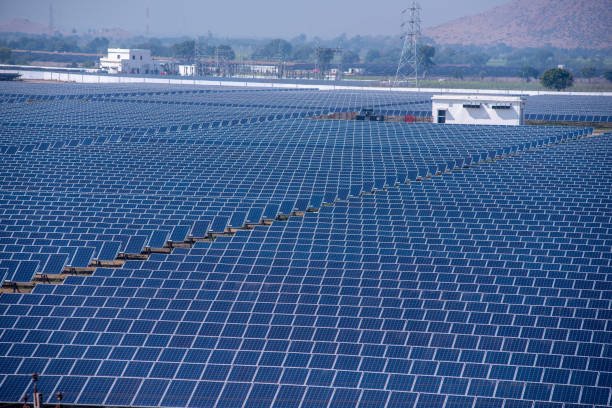
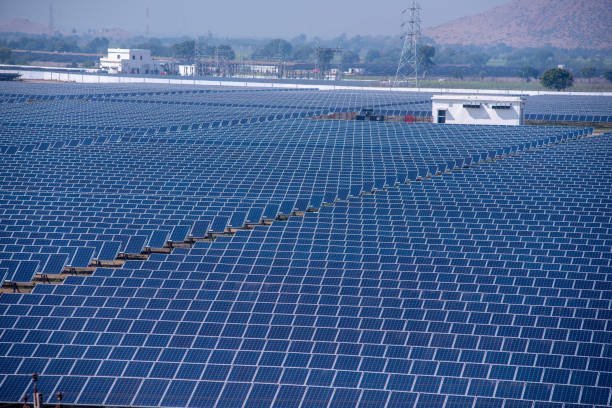
    WeWork India Management Limited, the industry leader in the flexible workspace sector, today announced plans to develop a 10 MWp (DC) ground-mounted solar power plant in Karnataka, marking a significant milestone in its goal to transition towards 100% renewable electricity by March 2028.

    Targeted for commissioning in FY27, the plant is expected to generate approximately 15–16 million units of clean electricity annually. Once operational, it is expected to increase the share of renewable electricity across WeWork India’s portfolio from close to 40% currently to approximately 50%, bringing the company closer to its 100% renewable electricity goal. Nearly 80% of the plant’s output will support WeWork India’s operations, including 10 centres in Bengaluru. The remaining 20% of the plant’s output will be used for their future growth.

    Karnataka is a strategic location for the investment, with Bengaluru representing WeWork India’s largest market at 30 operational centres. The state accounts for approximately 30% of the company’s total electricity consumption across its portfolio, making it a natural market to drive renewable energy adoption at scale. The solar plant will enable WeWork India to meet a meaningful share of this demand through renewable power, while reducing its reliance on conventional grid electricity.

    Commenting on the development, Karan Virwani, Managing Director & CEO, WeWork India, said, “Bengaluru is our largest market, making it the natural starting point for an investment of this scale. As we grow, we want a greater share of that growth to be powered by clean energy, but we also want sustainability to make strong business sense. Building our own renewable generation capacity allows us to do both – reduce the carbon footprint of our operations while creating greater certainty over energy costs for the next 25 years. This is the kind of long-term investment we believe can make sustainability an integral part of how we scale, rather than an initiative that sits alongside the business.”

    This investment also reflects WeWork India’s approach towards combining sustainability outcomes with disciplined capital allocation. With a design life of 25 years, the solar plant will provide greater long-term visibility over electricity costs for a significant part of its Bengaluru operations, helping insulate the portfolio from fluctuations in grid tariffs. Solar power is expected to provide electricity at a more competitive cost over the life of the asset, translating into operating efficiencies at the centres it serves. By combining owned renewable generation, captive consumption and open access, WeWork India is creating a more diversified energy sourcing model designed to deliver both lower-carbon operations and greater cost certainty.

    The project is part of WeWork India’s broader effort to embed sustainability into the growth and operation of its portfolio. As enterprises increasingly look to reduce the environmental footprint of their operations and supply chains, access to workspaces powered by cleaner energy can also help support their wider sustainability ambitions. Expected to be commissioned by Q1 2027, the solar plant marks WeWork India’s progression from renewable electricity procurement towards direct investment in renewable generation capacity. As the company scales its portfolio, this approach is intended to ensure that growth is accompanied by a more resilient, efficient and lower-carbon energy model.
  • WeWork India to Develop 10 MWp Solar Power Plant in Karnataka

    WeWork India to Develop 10 MWp Solar Power Plant in Karnataka

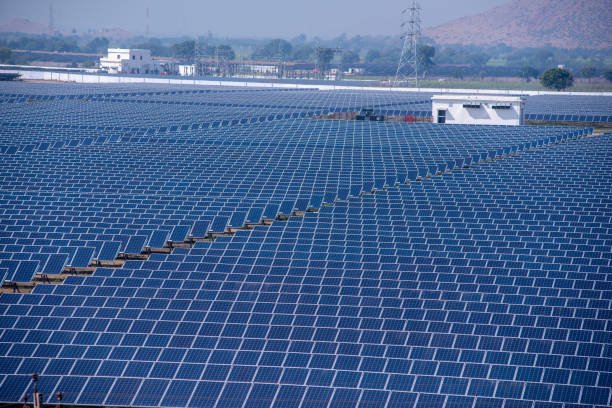
    WeWork India Management Limited, the industry leader in the flexible workspace sector, today announced plans to develop a 10 MWp (DC) ground-mounted solar power plant in Karnataka, marking a significant milestone in its goal to transition towards 100% renewable electricity by March 2028.

    Targeted for commissioning in FY27, the plant is expected to generate approximately 15–16 million units of clean electricity annually. Once operational, it is expected to increase the share of renewable electricity across WeWork India’s portfolio from close to 40% currently to approximately 50%, bringing the company closer to its 100% renewable electricity goal. Nearly 80% of the plant’s output will support WeWork India’s operations, including 10 centres in Bengaluru. The remaining 20% of the plant’s output will be used for their future growth.

    Karnataka is a strategic location for the investment, with Bengaluru representing WeWork India’s largest market at 30 operational centres. The state accounts for approximately 30% of the company’s total electricity consumption across its portfolio, making it a natural market to drive renewable energy adoption at scale. The solar plant will enable WeWork India to meet a meaningful share of this demand through renewable power, while reducing its reliance on conventional grid electricity.

    Commenting on the development, Karan Virwani, Managing Director & CEO, WeWork India, said, “Bengaluru is our largest market, making it the natural starting point for an investment of this scale. As we grow, we want a greater share of that growth to be powered by clean energy, but we also want sustainability to make strong business sense. Building our own renewable generation capacity allows us to do both – reduce the carbon footprint of our operations while creating greater certainty over energy costs for the next 25 years. This is the kind of long-term investment we believe can make sustainability an integral part of how we scale, rather than an initiative that sits alongside the business.”

    This investment also reflects WeWork India’s approach towards combining sustainability outcomes with disciplined capital allocation. With a design life of 25 years, the solar plant will provide greater long-term visibility over electricity costs for a significant part of its Bengaluru operations, helping insulate the portfolio from fluctuations in grid tariffs. Solar power is expected to provide electricity at a more competitive cost over the life of the asset, translating into operating efficiencies at the centres it serves. By combining owned renewable generation, captive consumption and open access, WeWork India is creating a more diversified energy sourcing model designed to deliver both lower-carbon operations and greater cost certainty.

    The project is part of WeWork India’s broader effort to embed sustainability into the growth and operation of its portfolio. As enterprises increasingly look to reduce the environmental footprint of their operations and supply chains, access to workspaces powered by cleaner energy can also help support their wider sustainability ambitions. Expected to be commissioned by Q1 2027, the solar plant marks WeWork India’s progression from renewable electricity procurement towards direct investment in renewable generation capacity. As the company scales its portfolio, this approach is intended to ensure that growth is accompanied by a more resilient, efficient and lower-carbon energy model.
  • WeWork India to Develop 10 MWp Solar Power Plant in Karnataka

    WeWork India to Develop 10 MWp Solar Power Plant in Karnataka

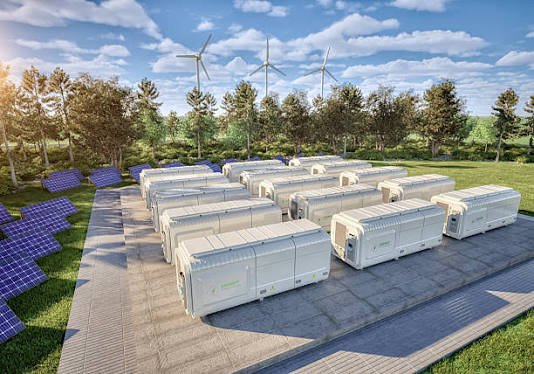
    WeWork India Management Limited, the industry leader in the flexible workspace sector, today announced plans to develop a 10 MWp (DC) ground-mounted solar power plant in Karnataka, marking a significant milestone in its goal to transition towards 100% renewable electricity by March 2028.

    Targeted for commissioning in FY27, the plant is expected to generate approximately 15–16 million units of clean electricity annually. Once operational, it is expected to increase the share of renewable electricity across WeWork India’s portfolio from close to 40% currently to approximately 50%, bringing the company closer to its 100% renewable electricity goal. Nearly 80% of the plant’s output will support WeWork India’s operations, including 10 centres in Bengaluru. The remaining 20% of the plant’s output will be used for their future growth.

    Karnataka is a strategic location for the investment, with Bengaluru representing WeWork India’s largest market at 30 operational centres. The state accounts for approximately 30% of the company’s total electricity consumption across its portfolio, making it a natural market to drive renewable energy adoption at scale. The solar plant will enable WeWork India to meet a meaningful share of this demand through renewable power, while reducing its reliance on conventional grid electricity.

    Commenting on the development, Karan Virwani, Managing Director & CEO, WeWork India, said, “Bengaluru is our largest market, making it the natural starting point for an investment of this scale. As we grow, we want a greater share of that growth to be powered by clean energy, but we also want sustainability to make strong business sense. Building our own renewable generation capacity allows us to do both – reduce the carbon footprint of our operations while creating greater certainty over energy costs for the next 25 years. This is the kind of long-term investment we believe can make sustainability an integral part of how we scale, rather than an initiative that sits alongside the business.”

    This investment also reflects WeWork India’s approach towards combining sustainability outcomes with disciplined capital allocation. With a design life of 25 years, the solar plant will provide greater long-term visibility over electricity costs for a significant part of its Bengaluru operations, helping insulate the portfolio from fluctuations in grid tariffs. Solar power is expected to provide electricity at a more competitive cost over the life of the asset, translating into operating efficiencies at the centres it serves. By combining owned renewable generation, captive consumption and open access, WeWork India is creating a more diversified energy sourcing model designed to deliver both lower-carbon operations and greater cost certainty.

    The project is part of WeWork India’s broader effort to embed sustainability into the growth and operation of its portfolio. As enterprises increasingly look to reduce the environmental footprint of their operations and supply chains, access to workspaces powered by cleaner energy can also help support their wider sustainability ambitions. Expected to be commissioned by Q1 2027, the solar plant marks WeWork India’s progression from renewable electricity procurement towards direct investment in renewable generation capacity. As the company scales its portfolio, this approach is intended to ensure that growth is accompanied by a more resilient, efficient and lower-carbon energy model.
  • WeWork India to Develop 10 MWp Solar Power Plant in Karnataka

    WeWork India Management Limited, the industry leader in the flexible workspace sector, today announced plans to develop a 10 MWp (DC) ground-mounted solar power plant in Karnataka, marking a significant milestone in its goal to transition towards 100% renewable electricity by March 2028.

    Targeted for commissioning in FY27, the plant is expected to generate approximately 15–16 million units of clean electricity annually. Once operational, it is expected to increase the share of renewable electricity across WeWork India’s portfolio from close to 40% currently to approximately 50%, bringing the company closer to its 100% renewable electricity goal. Nearly 80% of the plant’s output will support WeWork India’s operations, including 10 centres in Bengaluru. The remaining 20% of the plant’s output will be used for their future growth.

    Karnataka is a strategic location for the investment, with Bengaluru representing WeWork India’s largest market at 30 operational centres. The state accounts for approximately 30% of the company’s total electricity consumption across its portfolio, making it a natural market to drive renewable energy adoption at scale. The solar plant will enable WeWork India to meet a meaningful share of this demand through renewable power, while reducing its reliance on conventional grid electricity.

    Commenting on the development, Karan Virwani, Managing Director & CEO, WeWork India, said, “Bengaluru is our largest market, making it the natural starting point for an investment of this scale. As we grow, we want a greater share of that growth to be powered by clean energy, but we also want sustainability to make strong business sense. Building our own renewable generation capacity allows us to do both – reduce the carbon footprint of our operations while creating greater certainty over energy costs for the next 25 years. This is the kind of long-term investment we believe can make sustainability an integral part of how we scale, rather than an initiative that sits alongside the business.”

    This investment also reflects WeWork India’s approach towards combining sustainability outcomes with disciplined capital allocation. With a design life of 25 years, the solar plant will provide greater long-term visibility over electricity costs for a significant part of its Bengaluru operations, helping insulate the portfolio from fluctuations in grid tariffs. Solar power is expected to provide electricity at a more competitive cost over the life of the asset, translating into operating efficiencies at the centres it serves. By combining owned renewable generation, captive consumption and open access, WeWork India is creating a more diversified energy sourcing model designed to deliver both lower-carbon operations and greater cost certainty.

    The project is part of WeWork India’s broader effort to embed sustainability into the growth and operation of its portfolio. As enterprises increasingly look to reduce the environmental footprint of their operations and supply chains, access to workspaces powered by cleaner energy can also help support their wider sustainability ambitions. Expected to be commissioned by Q1 2027, the solar plant marks WeWork India’s progression from renewable electricity procurement towards direct investment in renewable generation capacity. As the company scales its portfolio, this approach is intended to ensure that growth is accompanied by a more resilient, efficient and lower-carbon energy model.
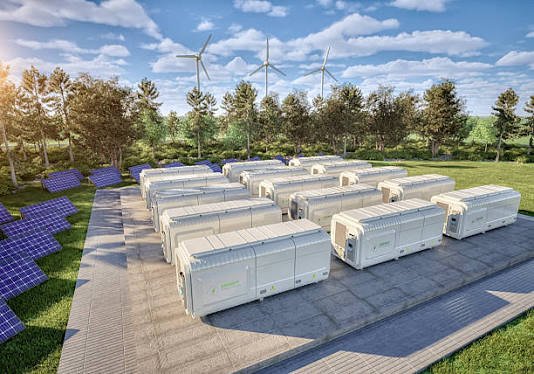
  • L&T Renewables Business Wins Order for Battery Energy Storage System in the Middle East

    L&T Renewables Business Wins Order for Battery Energy Storage System in the Middle East

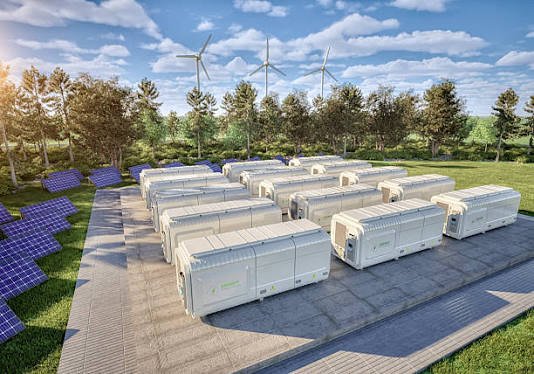
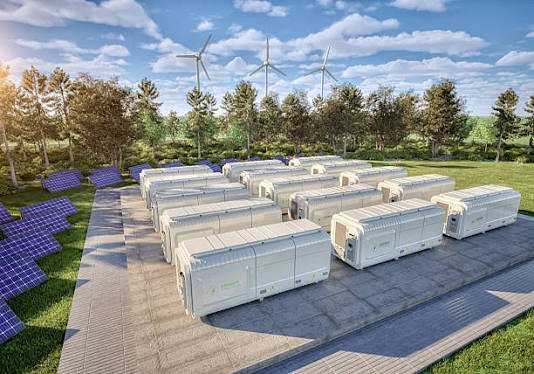
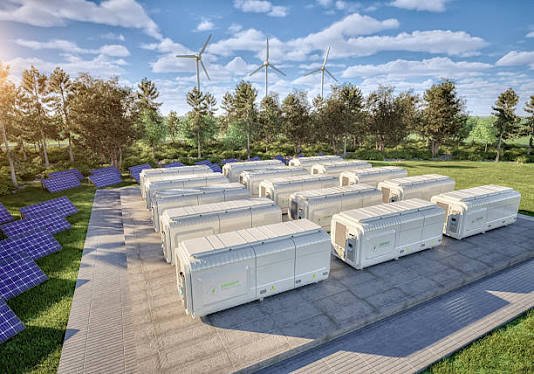
    The Renewables business vertical of L&T has won a major order to develop three Battery Energy Storage System (BESS) projects for a notable client in the Middle East.

    In addition to the storage facilities, the scope of the packages also involves grid interconnections, including pooling substations and underground cables.

    The three projects will collectively contribute to 6 gigawatt-hour of storage capacity, marking one of the most impactful advancements in grid modernisation and renewable energy integration across the Middle East region. This positions L&T as a key EPC player in the fast‑growing energy storage sector.

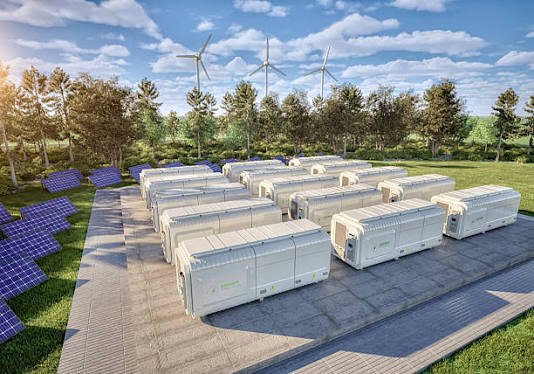
    The projects feature a 4-hour Battery Energy Storage System (BESS) each, capable of storing and dispatching energy, to support grid stability and renewable energy integration.

    This enables effective energy shifting, allowing surplus clean energy generated during off-peak periods to be stored and delivered during peak demand hours. The advanced BESS solution will incorporate liquid cooling technology, ensuring higher power density, enhanced safety and extended operational life.

    Such projects entail stringent requirements with respect to plant performance, workforce mobilisation, safety, quality and timeline. The order stands as a testament to the enduring trust and confidence that clients place in L&T, backed by proven engineering excellence and project management expertise.

  • L&T Renewables Business Wins Order for Battery Energy Storage System in the Middle East

    L&T Renewables Business Wins Order for Battery Energy Storage System in the Middle East

    The Renewables business vertical of L&T has won a major order to develop three Battery Energy Storage System (BESS) projects for a notable client in the Middle East.

    In addition to the storage facilities, the scope of the packages also involves grid interconnections, including pooling substations and underground cables.

    The three projects will collectively contribute to 6 gigawatt-hour of storage capacity, marking one of the most impactful advancements in grid modernisation and renewable energy integration across the Middle East region. This positions L&T as a key EPC player in the fast‑growing energy storage sector.

    The projects feature a 4-hour Battery Energy Storage System (BESS) each, capable of storing and dispatching energy, to support grid stability and renewable energy integration.

    This enables effective energy shifting, allowing surplus clean energy generated during off-peak periods to be stored and delivered during peak demand hours. The advanced BESS solution will incorporate liquid cooling technology, ensuring higher power density, enhanced safety and extended operational life.

    Such projects entail stringent requirements with respect to plant performance, workforce mobilisation, safety, quality and timeline. The order stands as a testament to the enduring trust and confidence that clients place in L&T, backed by proven engineering excellence and project management expertise.

  • L&T Renewables Business Wins Order for Battery Energy Storage System in the Middle East

    L&T Renewables Business Wins Order for Battery Energy Storage System in the Middle East

    The Renewables business vertical of L&T has won a major order to develop three Battery Energy Storage System (BESS) projects for a notable client in the Middle East.

    In addition to the storage facilities, the scope of the packages also involves grid interconnections, including pooling substations and underground cables.

    The three projects will collectively contribute to 6 gigawatt-hour of storage capacity, marking one of the most impactful advancements in grid modernisation and renewable energy integration across the Middle East region. This positions L&T as a key EPC player in the fast‑growing energy storage sector.

    The projects feature a 4-hour Battery Energy Storage System (BESS) each, capable of storing and dispatching energy, to support grid stability and renewable energy integration.

    This enables effective energy shifting, allowing surplus clean energy generated during off-peak periods to be stored and delivered during peak demand hours. The advanced BESS solution will incorporate liquid cooling technology, ensuring higher power density, enhanced safety and extended operational life.

    Such projects entail stringent requirements with respect to plant performance, workforce mobilisation, safety, quality and timeline. The order stands as a testament to the enduring trust and confidence that clients place in L&T, backed by proven engineering excellence and project management expertise.

  • L&T Renewables Business Wins Order for Battery Energy Storage System in the Middle East

    L&T Renewables Business Wins Order for Battery Energy Storage System in the Middle East

    The Renewables business vertical of L&T has won a major order to develop three Battery Energy Storage System (BESS) projects for a notable client in the Middle East.

    In addition to the storage facilities, the scope of the packages also involves grid interconnections, including pooling substations and underground cables.

    The three projects will collectively contribute to 6 gigawatt-hour of storage capacity, marking one of the most impactful advancements in grid modernisation and renewable energy integration across the Middle East region. This positions L&T as a key EPC player in the fast‑growing energy storage sector.

    The projects feature a 4-hour Battery Energy Storage System (BESS) each, capable of storing and dispatching energy, to support grid stability and renewable energy integration.

    This enables effective energy shifting, allowing surplus clean energy generated during off-peak periods to be stored and delivered during peak demand hours. The advanced BESS solution will incorporate liquid cooling technology, ensuring higher power density, enhanced safety and extended operational life.

    Such projects entail stringent requirements with respect to plant performance, workforce mobilisation, safety, quality and timeline. The order stands as a testament to the enduring trust and confidence that clients place in L&T, backed by proven engineering excellence and project management expertise.

  • L&T Renewables Business Wins Order for Battery Energy Storage System in the Middle East

    L&T Renewables Business Wins Order for Battery Energy Storage System in the Middle East

    The Renewables business vertical of L&T has won a major order to develop three Battery Energy Storage System (BESS) projects for a notable client in the Middle East.

    In addition to the storage facilities, the scope of the packages also involves grid interconnections, including pooling substations and underground cables.

    The three projects will collectively contribute to 6 gigawatt-hour of storage capacity, marking one of the most impactful advancements in grid modernisation and renewable energy integration across the Middle East region. This positions L&T as a key EPC player in the fast‑growing energy storage sector.

    The projects feature a 4-hour Battery Energy Storage System (BESS) each, capable of storing and dispatching energy, to support grid stability and renewable energy integration.

    This enables effective energy shifting, allowing surplus clean energy generated during off-peak periods to be stored and delivered during peak demand hours. The advanced BESS solution will incorporate liquid cooling technology, ensuring higher power density, enhanced safety and extended operational life.

    Such projects entail stringent requirements with respect to plant performance, workforce mobilisation, safety, quality and timeline. The order stands as a testament to the enduring trust and confidence that clients place in L&T, backed by proven engineering excellence and project management expertise.

  • L&T Renewables Business Wins Order for Battery Energy Storage System in the Middle East

    L&T Renewables Business Wins Order for Battery Energy Storage System in the Middle East

    The Renewables business vertical of L&T has won a major order to develop three Battery Energy Storage System (BESS) projects for a notable client in the Middle East.

    In addition to the storage facilities, the scope of the packages also involves grid interconnections, including pooling substations and underground cables.

    The three projects will collectively contribute to 6 gigawatt-hour of storage capacity, marking one of the most impactful advancements in grid modernisation and renewable energy integration across the Middle East region. This positions L&T as a key EPC player in the fast‑growing energy storage sector.

    The projects feature a 4-hour Battery Energy Storage System (BESS) each, capable of storing and dispatching energy, to support grid stability and renewable energy integration.

    This enables effective energy shifting, allowing surplus clean energy generated during off-peak periods to be stored and delivered during peak demand hours. The advanced BESS solution will incorporate liquid cooling technology, ensuring higher power density, enhanced safety and extended operational life.

    Such projects entail stringent requirements with respect to plant performance, workforce mobilisation, safety, quality and timeline. The order stands as a testament to the enduring trust and confidence that clients place in L&T, backed by proven engineering excellence and project management expertise.