Author: abhishek2019cs034abesit@gmail.com

  • Vikram Solar Secures 124 MW Module Supply Order for Andhra Pradesh Project

    Vikram Solar Secures 124 MW Module Supply Order for Andhra Pradesh Project

    Vikram Solar Limited has secured a 124 MW solar module supply order from Capital Energy Private Limited for a project in Anantapur, Andhra Pradesh, according to a corporate disclosure filed with the BSE and NSE on September 11, 2026, under Regulation 30 of the SEBI Listing Obligations and Disclosure Requirements Regulations, 2015.

    Under the contract, Vikram Solar will supply high-efficiency G12R TOPCon solar modules with rated capacities ranging from 620 Wp to 630 Wp. Module deliveries are scheduled to begin in October 2026 and are expected to be completed by the end of the third quarter of 2026, as stated in the disclosure.

    The order is a one-time contract between Vikram Solar and Capital Energy Private Limited, a domestic entity. The company stated that neither the promoter nor the promoter group has any interest in Capital Energy, and the transaction does not qualify as a related-party transaction.

    The order comes as Vikram Solar continues to expand its manufacturing capabilities. The company has recently increased its solar PV module manufacturing capacity to 15.5 GW.

    Headquartered in Kolkata, Vikram Solar supplies solar modules to domestic and international markets and exports to 39 countries. The company has a distribution network comprising more than 119 distributors and over 750 dealers.

  • Vikram Solar Secures 124 MW Module Supply Order for Andhra Pradesh Project

    Vikram Solar Limited has secured a 124 MW solar module supply order from Capital Energy Private Limited for a project in Anantapur, Andhra Pradesh, according to a corporate disclosure filed with the BSE and NSE on September 11, 2026, under Regulation 30 of the SEBI Listing Obligations and Disclosure Requirements Regulations, 2015.

    Under the contract, Vikram Solar will supply high-efficiency G12R TOPCon solar modules with rated capacities ranging from 620 Wp to 630 Wp. Module deliveries are scheduled to begin in October 2026 and are expected to be completed by the end of the third quarter of 2026, as stated in the disclosure.

    The order is a one-time contract between Vikram Solar and Capital Energy Private Limited, a domestic entity. The company stated that neither the promoter nor the promoter group has any interest in Capital Energy, and the transaction does not qualify as a related-party transaction.

    The order comes as Vikram Solar continues to expand its manufacturing capabilities. The company has recently increased its solar PV module manufacturing capacity to 15.5 GW.

    Headquartered in Kolkata, Vikram Solar supplies solar modules to domestic and international markets and exports to 39 countries. The company has a distribution network comprising more than 119 distributors and over 750 dealers.

  • DEE Development Engineers’ Order Book Rises to INR 2,436 Crore in August 2026

    DEE Development Engineers’ Order Book Rises to INR 2,436 Crore in August 2026

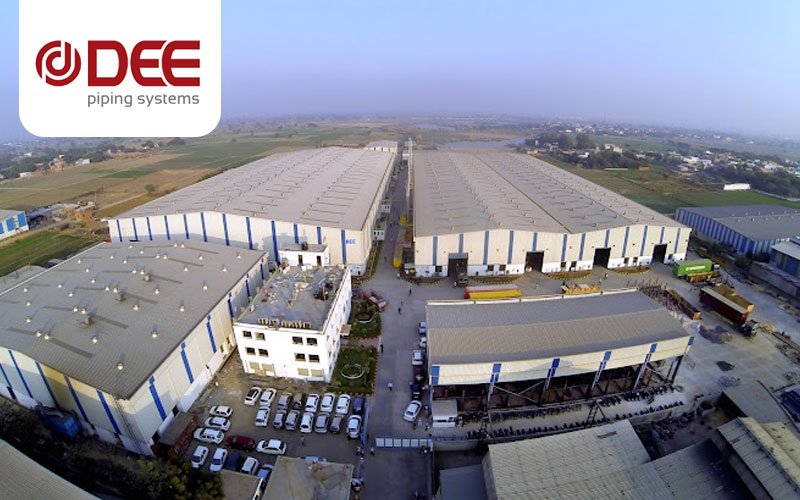
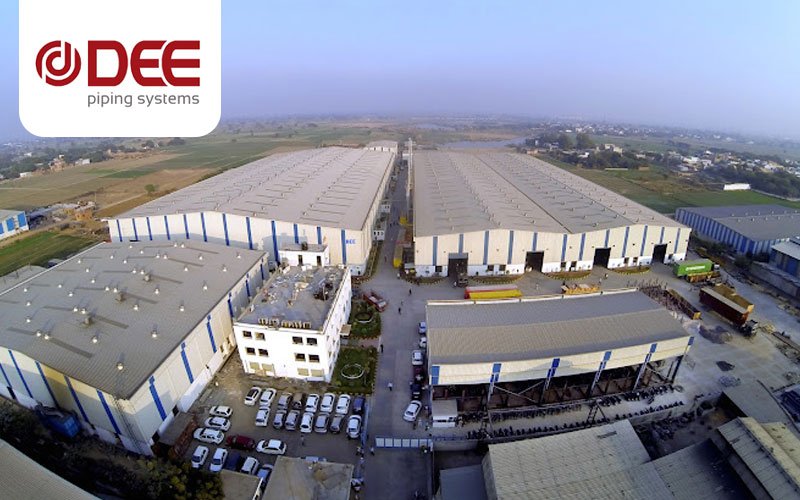
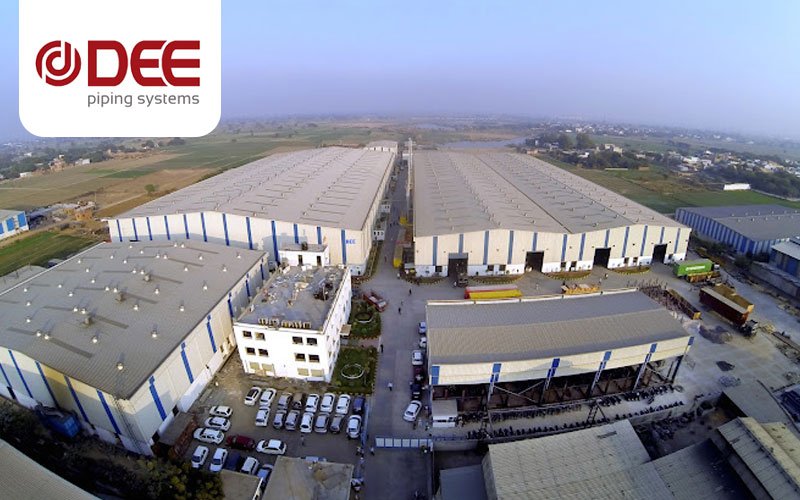
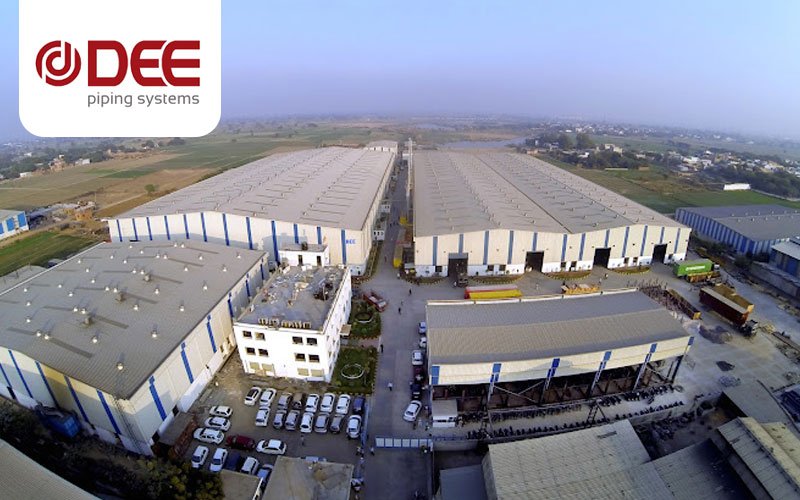
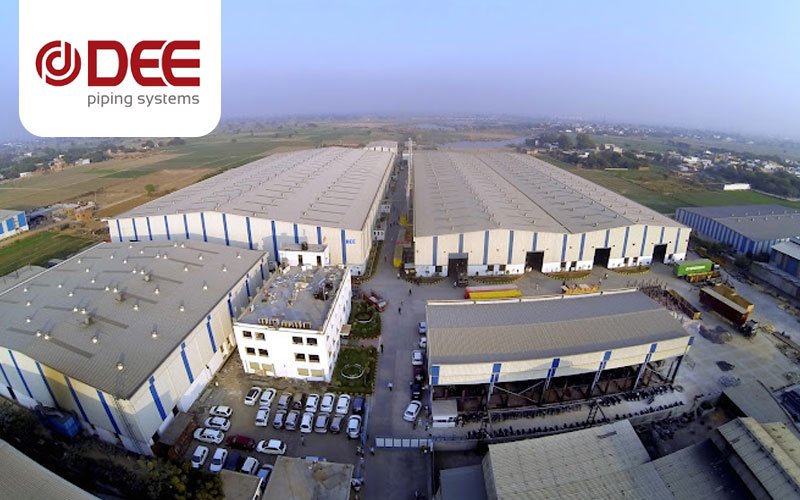
    DEE Development Engineers Limited reported a closing order book of ₹2,435.61 crore as on 31 August 2026, reflecting continued demand for its engineering, piping and fabrication capabilities across key end markets. The company recorded order inflows of ₹94.18 crore during August 2026, including amendments and currency fluctuations, while order execution stood at ₹87.37 crore during the month.

    With the August additions, DEE’s cumulative order inflow for FY2026-27 reached ₹955.46 crore, including amendments and currency fluctuations, while cumulative order execution stood at ₹461.55 crore as of 31 August 2026. The company’s core piping business continued to account for the majority of the order book, with power and oil & gas remaining the key customer industries across its operations.

    During August, DEE India recorded order inflows across its power, oil & gas and other segments, while DEE Thailand continued to add orders in the power segment. DEE Fabricom India, the company’s heavy fabrication business, also continued execution of its power-sector projects. The company’s manufacturing and operating footprint across India and Thailand continues to support its participation in domestic and international projects.

    Commenting on the development, Mr. K. L. Bansal, Chairman and Managing Director, DEE Development Engineers Limited, said: “The outlook for specialised engineering remains constructive, supported by sustained investments in power, renewables, oil & gas and industrial infrastructure. CRISIL expects India’s capital-goods sector to grow by 12–14% in FY27, while power-sector investments are projected to increase by 15–20%. With an order book of nearly ₹2,436 crore and an expanded manufacturing footprint, DEE is well positioned to participate in this opportunity. As project execution typically gathers momentum in the second half, our focus remains on disciplined delivery, higher utilisation, cash generation and profitable growth.”

    For the non-core business, the projected FY27 revenue from its power generation and pellet businesses is approximately ₹47.71 crore, including ₹23.4 crore from the pellet plant. The company’s order book continues to provide execution visibility across its core businesses, supported by its integrated manufacturing capabilities in process piping, heavy fabrication and seamless pipes. Alongside its core engineering operations, the company is also progressing its non-core power generation and biomass pellet businesses.

  • DEE Development Engineers’ Order Book Rises to INR 2,436 Crore in August 2026

    DEE Development Engineers’ Order Book Rises to INR 2,436 Crore in August 2026

    DEE Development Engineers Limited reported a closing order book of ₹2,435.61 crore as on 31 August 2026, reflecting continued demand for its engineering, piping and fabrication capabilities across key end markets. The company recorded order inflows of ₹94.18 crore during August 2026, including amendments and currency fluctuations, while order execution stood at ₹87.37 crore during the month.

    With the August additions, DEE’s cumulative order inflow for FY2026-27 reached ₹955.46 crore, including amendments and currency fluctuations, while cumulative order execution stood at ₹461.55 crore as of 31 August 2026. The company’s core piping business continued to account for the majority of the order book, with power and oil & gas remaining the key customer industries across its operations.

    During August, DEE India recorded order inflows across its power, oil & gas and other segments, while DEE Thailand continued to add orders in the power segment. DEE Fabricom India, the company’s heavy fabrication business, also continued execution of its power-sector projects. The company’s manufacturing and operating footprint across India and Thailand continues to support its participation in domestic and international projects.

    Commenting on the development, Mr. K. L. Bansal, Chairman and Managing Director, DEE Development Engineers Limited, said: “The outlook for specialised engineering remains constructive, supported by sustained investments in power, renewables, oil & gas and industrial infrastructure. CRISIL expects India’s capital-goods sector to grow by 12–14% in FY27, while power-sector investments are projected to increase by 15–20%. With an order book of nearly ₹2,436 crore and an expanded manufacturing footprint, DEE is well positioned to participate in this opportunity. As project execution typically gathers momentum in the second half, our focus remains on disciplined delivery, higher utilisation, cash generation and profitable growth.”

    For the non-core business, the projected FY27 revenue from its power generation and pellet businesses is approximately ₹47.71 crore, including ₹23.4 crore from the pellet plant. The company’s order book continues to provide execution visibility across its core businesses, supported by its integrated manufacturing capabilities in process piping, heavy fabrication and seamless pipes. Alongside its core engineering operations, the company is also progressing its non-core power generation and biomass pellet businesses.

  • DEE Development Engineers’ Order Book Rises to INR 2,436 Crore in August 2026

    DEE Development Engineers’ Order Book Rises to INR 2,436 Crore in August 2026

    DEE Development Engineers Limited reported a closing order book of ₹2,435.61 crore as on 31 August 2026, reflecting continued demand for its engineering, piping and fabrication capabilities across key end markets. The company recorded order inflows of ₹94.18 crore during August 2026, including amendments and currency fluctuations, while order execution stood at ₹87.37 crore during the month.

    With the August additions, DEE’s cumulative order inflow for FY2026-27 reached ₹955.46 crore, including amendments and currency fluctuations, while cumulative order execution stood at ₹461.55 crore as of 31 August 2026. The company’s core piping business continued to account for the majority of the order book, with power and oil & gas remaining the key customer industries across its operations.

    During August, DEE India recorded order inflows across its power, oil & gas and other segments, while DEE Thailand continued to add orders in the power segment. DEE Fabricom India, the company’s heavy fabrication business, also continued execution of its power-sector projects. The company’s manufacturing and operating footprint across India and Thailand continues to support its participation in domestic and international projects.

    Commenting on the development, Mr. K. L. Bansal, Chairman and Managing Director, DEE Development Engineers Limited, said: “The outlook for specialised engineering remains constructive, supported by sustained investments in power, renewables, oil & gas and industrial infrastructure. CRISIL expects India’s capital-goods sector to grow by 12–14% in FY27, while power-sector investments are projected to increase by 15–20%. With an order book of nearly ₹2,436 crore and an expanded manufacturing footprint, DEE is well positioned to participate in this opportunity. As project execution typically gathers momentum in the second half, our focus remains on disciplined delivery, higher utilisation, cash generation and profitable growth.”

    For the non-core business, the projected FY27 revenue from its power generation and pellet businesses is approximately ₹47.71 crore, including ₹23.4 crore from the pellet plant. The company’s order book continues to provide execution visibility across its core businesses, supported by its integrated manufacturing capabilities in process piping, heavy fabrication and seamless pipes. Alongside its core engineering operations, the company is also progressing its non-core power generation and biomass pellet businesses.

  • DEE Development Engineers’ Order Book Rises to INR 2,436 Crore in August 2026

    DEE Development Engineers’ Order Book Rises to INR 2,436 Crore in August 2026

    DEE Development Engineers Limited reported a closing order book of ₹2,435.61 crore as on 31 August 2026, reflecting continued demand for its engineering, piping and fabrication capabilities across key end markets. The company recorded order inflows of ₹94.18 crore during August 2026, including amendments and currency fluctuations, while order execution stood at ₹87.37 crore during the month.

    With the August additions, DEE’s cumulative order inflow for FY2026-27 reached ₹955.46 crore, including amendments and currency fluctuations, while cumulative order execution stood at ₹461.55 crore as of 31 August 2026. The company’s core piping business continued to account for the majority of the order book, with power and oil & gas remaining the key customer industries across its operations.

    During August, DEE India recorded order inflows across its power, oil & gas and other segments, while DEE Thailand continued to add orders in the power segment. DEE Fabricom India, the company’s heavy fabrication business, also continued execution of its power-sector projects. The company’s manufacturing and operating footprint across India and Thailand continues to support its participation in domestic and international projects.

    Commenting on the development, Mr. K. L. Bansal, Chairman and Managing Director, DEE Development Engineers Limited, said: “The outlook for specialised engineering remains constructive, supported by sustained investments in power, renewables, oil & gas and industrial infrastructure. CRISIL expects India’s capital-goods sector to grow by 12–14% in FY27, while power-sector investments are projected to increase by 15–20%. With an order book of nearly ₹2,436 crore and an expanded manufacturing footprint, DEE is well positioned to participate in this opportunity. As project execution typically gathers momentum in the second half, our focus remains on disciplined delivery, higher utilisation, cash generation and profitable growth.”

    For the non-core business, the projected FY27 revenue from its power generation and pellet businesses is approximately ₹47.71 crore, including ₹23.4 crore from the pellet plant. The company’s order book continues to provide execution visibility across its core businesses, supported by its integrated manufacturing capabilities in process piping, heavy fabrication and seamless pipes. Alongside its core engineering operations, the company is also progressing its non-core power generation and biomass pellet businesses.

  • DEE Development Engineers’ Order Book Rises to INR 2,436 Crore in August 2026

    DEE Development Engineers’ Order Book Rises to INR 2,436 Crore in August 2026

    DEE Development Engineers Limited reported a closing order book of ₹2,435.61 crore as on 31 August 2026, reflecting continued demand for its engineering, piping and fabrication capabilities across key end markets. The company recorded order inflows of ₹94.18 crore during August 2026, including amendments and currency fluctuations, while order execution stood at ₹87.37 crore during the month.

    With the August additions, DEE’s cumulative order inflow for FY2026-27 reached ₹955.46 crore, including amendments and currency fluctuations, while cumulative order execution stood at ₹461.55 crore as of 31 August 2026. The company’s core piping business continued to account for the majority of the order book, with power and oil & gas remaining the key customer industries across its operations.

    During August, DEE India recorded order inflows across its power, oil & gas and other segments, while DEE Thailand continued to add orders in the power segment. DEE Fabricom India, the company’s heavy fabrication business, also continued execution of its power-sector projects. The company’s manufacturing and operating footprint across India and Thailand continues to support its participation in domestic and international projects.

    Commenting on the development, Mr. K. L. Bansal, Chairman and Managing Director, DEE Development Engineers Limited, said: “The outlook for specialised engineering remains constructive, supported by sustained investments in power, renewables, oil & gas and industrial infrastructure. CRISIL expects India’s capital-goods sector to grow by 12–14% in FY27, while power-sector investments are projected to increase by 15–20%. With an order book of nearly ₹2,436 crore and an expanded manufacturing footprint, DEE is well positioned to participate in this opportunity. As project execution typically gathers momentum in the second half, our focus remains on disciplined delivery, higher utilisation, cash generation and profitable growth.”

    For the non-core business, the projected FY27 revenue from its power generation and pellet businesses is approximately ₹47.71 crore, including ₹23.4 crore from the pellet plant. The company’s order book continues to provide execution visibility across its core businesses, supported by its integrated manufacturing capabilities in process piping, heavy fabrication and seamless pipes. Alongside its core engineering operations, the company is also progressing its non-core power generation and biomass pellet businesses.

  • DEE Development Engineers’ Order Book Rises to INR 2,436 Crore in August 2026

    DEE Development Engineers Limited reported a closing order book of ₹2,435.61 crore as on 31 August 2026, reflecting continued demand for its engineering, piping and fabrication capabilities across key end markets. The company recorded order inflows of ₹94.18 crore during August 2026, including amendments and currency fluctuations, while order execution stood at ₹87.37 crore during the month.

    With the August additions, DEE’s cumulative order inflow for FY2026-27 reached ₹955.46 crore, including amendments and currency fluctuations, while cumulative order execution stood at ₹461.55 crore as of 31 August 2026. The company’s core piping business continued to account for the majority of the order book, with power and oil & gas remaining the key customer industries across its operations.

    During August, DEE India recorded order inflows across its power, oil & gas and other segments, while DEE Thailand continued to add orders in the power segment. DEE Fabricom India, the company’s heavy fabrication business, also continued execution of its power-sector projects. The company’s manufacturing and operating footprint across India and Thailand continues to support its participation in domestic and international projects.

    Commenting on the development, Mr. K. L. Bansal, Chairman and Managing Director, DEE Development Engineers Limited, said: “The outlook for specialised engineering remains constructive, supported by sustained investments in power, renewables, oil & gas and industrial infrastructure. CRISIL expects India’s capital-goods sector to grow by 12–14% in FY27, while power-sector investments are projected to increase by 15–20%. With an order book of nearly ₹2,436 crore and an expanded manufacturing footprint, DEE is well positioned to participate in this opportunity. As project execution typically gathers momentum in the second half, our focus remains on disciplined delivery, higher utilisation, cash generation and profitable growth.”

    For the non-core business, the projected FY27 revenue from its power generation and pellet businesses is approximately ₹47.71 crore, including ₹23.4 crore from the pellet plant. The company’s order book continues to provide execution visibility across its core businesses, supported by its integrated manufacturing capabilities in process piping, heavy fabrication and seamless pipes. Alongside its core engineering operations, the company is also progressing its non-core power generation and biomass pellet businesses.

  • The Future of Business Is Solar-Powered: Why Renewable Energy Is Becoming a Competitive Advantage

    The Future of Business Is Solar-Powered: Why Renewable Energy Is Becoming a Competitive Advantage

    Solar has always made sense for the environment. Today, it makes just as much sense on the balance sheet too. In states like Maharashtra and Tamil Nadu, industrial grid tariffs now sit at Rs. 8 to 14 per unit, while solar can deliver the same power at under Rs. 2.80. When the numbers line up this clearly, solar is no longer just a sustainability decision. It is simply the smarter way to run a business.

    The payback math has also moved. A commercial rooftop project in India now typically pays for itself in 3 to 4 years on electricity savings alone. Add accelerated depreciation, which lets companies write off up to 40% of the asset value in the very first year, plus GST input credit, and that payback period compresses further, in some cases to under 3 years. For a manufacturer paying double-digit grid tariffs, that is a better return than most capital projects on the table.

    What makes this moment different is that the pressure is not coming from one direction. It is coming from several at the same time.

    Exporters are feeling it first. Since January 2026, the European Union’s Carbon Border Adjustment Mechanism has been charging Indian steel, aluminium, and cement exporters for the carbon embedded in what they ship to Europe. A producer running on renewable power has a lower bill under this mechanism. Nobody in that finance department is calling this a sustainability initiative anymore. It has become a market access question, decided in the finance department, not the CSR office.

    The grid itself is changing the terms, too. Karnataka now sources over 57% of its installed capacity from renewables. In June 2026, its electricity regulator proposed new rules requiring any distributed solar system above 10 kilowatts to include battery storage covering at least a fifth of its output. Other states are expected to follow a similar direction as their own renewable share grows. Solar is moving from something you switch on during the day to something that has to behave like firm, dispatchable power. Companies that treat their solar investment as a one-time purchase, rather than a system that needs to evolve with these rules, will find themselves retrofitting sooner than they expect.

    The old excuse, that a business does not have the balance sheet appetite for a large upfront solar investment has also weakened. Group captive structures now let a consortium of companies jointly hold a stake in a shared solar plant and split both the output and the savings. The barrier that used to keep mid-sized companies on the sidelines has narrowed considerably.

    None of this means every company needs to become an energy expert overnight. It means the cost gap, the carbon costs on exports, the tightening grid rules, and the easier ways to buy clean power now all point toward the same conclusion, from different directions and for different reasons. That kind of alignment rarely happens by accident. The companies moving first are not doing it for the sustainability report anymore. They are doing it because, once you add it all up, solar has simply become the smarter way to run a business.

    – Mayank Garg, CEO, Aroma Solar

  • The Future of Business Is Solar-Powered: Why Renewable Energy Is Becoming a Competitive Advantage

    The Future of Business Is Solar-Powered: Why Renewable Energy Is Becoming a Competitive Advantage

    Solar has always made sense for the environment. Today, it makes just as much sense on the balance sheet too. In states like Maharashtra and Tamil Nadu, industrial grid tariffs now sit at Rs. 8 to 14 per unit, while solar can deliver the same power at under Rs. 2.80. When the numbers line up this clearly, solar is no longer just a sustainability decision. It is simply the smarter way to run a business.

    The payback math has also moved. A commercial rooftop project in India now typically pays for itself in 3 to 4 years on electricity savings alone. Add accelerated depreciation, which lets companies write off up to 40% of the asset value in the very first year, plus GST input credit, and that payback period compresses further, in some cases to under 3 years. For a manufacturer paying double-digit grid tariffs, that is a better return than most capital projects on the table.

    What makes this moment different is that the pressure is not coming from one direction. It is coming from several at the same time.

    Exporters are feeling it first. Since January 2026, the European Union’s Carbon Border Adjustment Mechanism has been charging Indian steel, aluminium, and cement exporters for the carbon embedded in what they ship to Europe. A producer running on renewable power has a lower bill under this mechanism. Nobody in that finance department is calling this a sustainability initiative anymore. It has become a market access question, decided in the finance department, not the CSR office.

    The grid itself is changing the terms, too. Karnataka now sources over 57% of its installed capacity from renewables. In June 2026, its electricity regulator proposed new rules requiring any distributed solar system above 10 kilowatts to include battery storage covering at least a fifth of its output. Other states are expected to follow a similar direction as their own renewable share grows. Solar is moving from something you switch on during the day to something that has to behave like firm, dispatchable power. Companies that treat their solar investment as a one-time purchase, rather than a system that needs to evolve with these rules, will find themselves retrofitting sooner than they expect.

    The old excuse, that a business does not have the balance sheet appetite for a large upfront solar investment has also weakened. Group captive structures now let a consortium of companies jointly hold a stake in a shared solar plant and split both the output and the savings. The barrier that used to keep mid-sized companies on the sidelines has narrowed considerably.

    None of this means every company needs to become an energy expert overnight. It means the cost gap, the carbon costs on exports, the tightening grid rules, and the easier ways to buy clean power now all point toward the same conclusion, from different directions and for different reasons. That kind of alignment rarely happens by accident. The companies moving first are not doing it for the sustainability report anymore. They are doing it because, once you add it all up, solar has simply become the smarter way to run a business.

    – Mayank Garg, CEO, Aroma Solar