Author: abhishek2019cs034abesit@gmail.com

  • Cathode Power Expands Manufacturing Capacity to Power India’s Solar Future

    Cathode Power Expands Manufacturing Capacity to Power India’s Solar Future

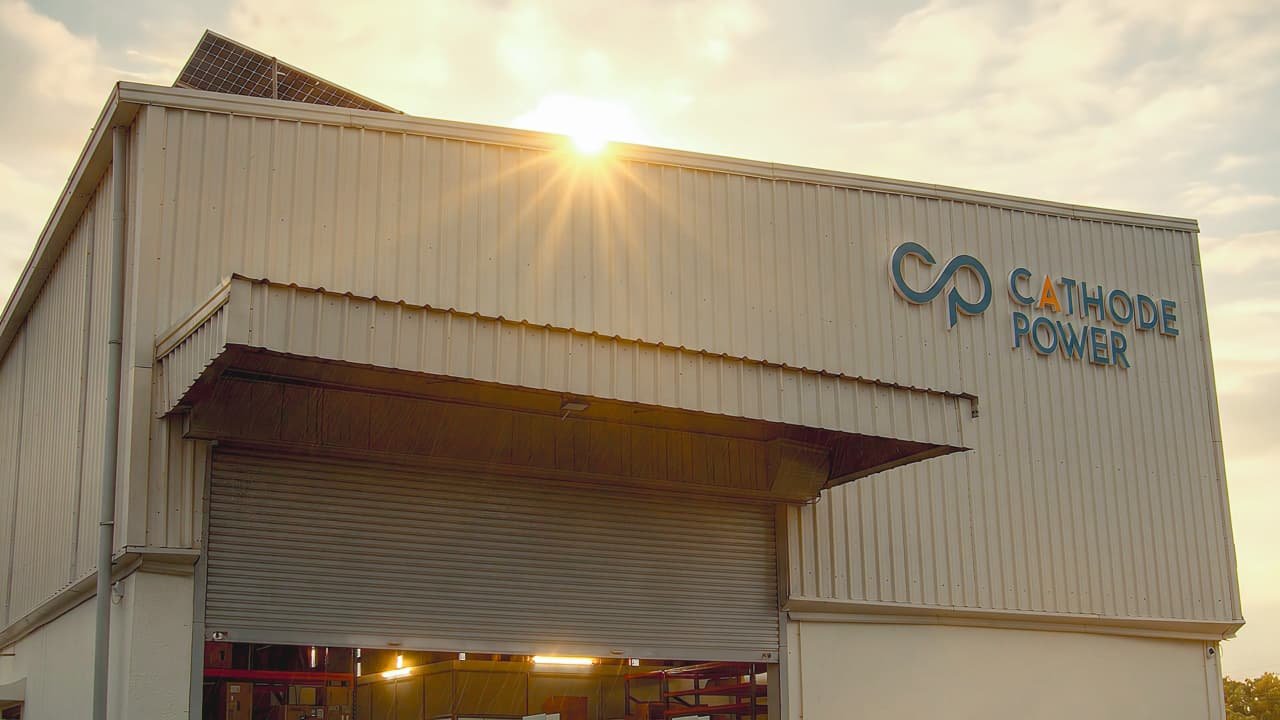
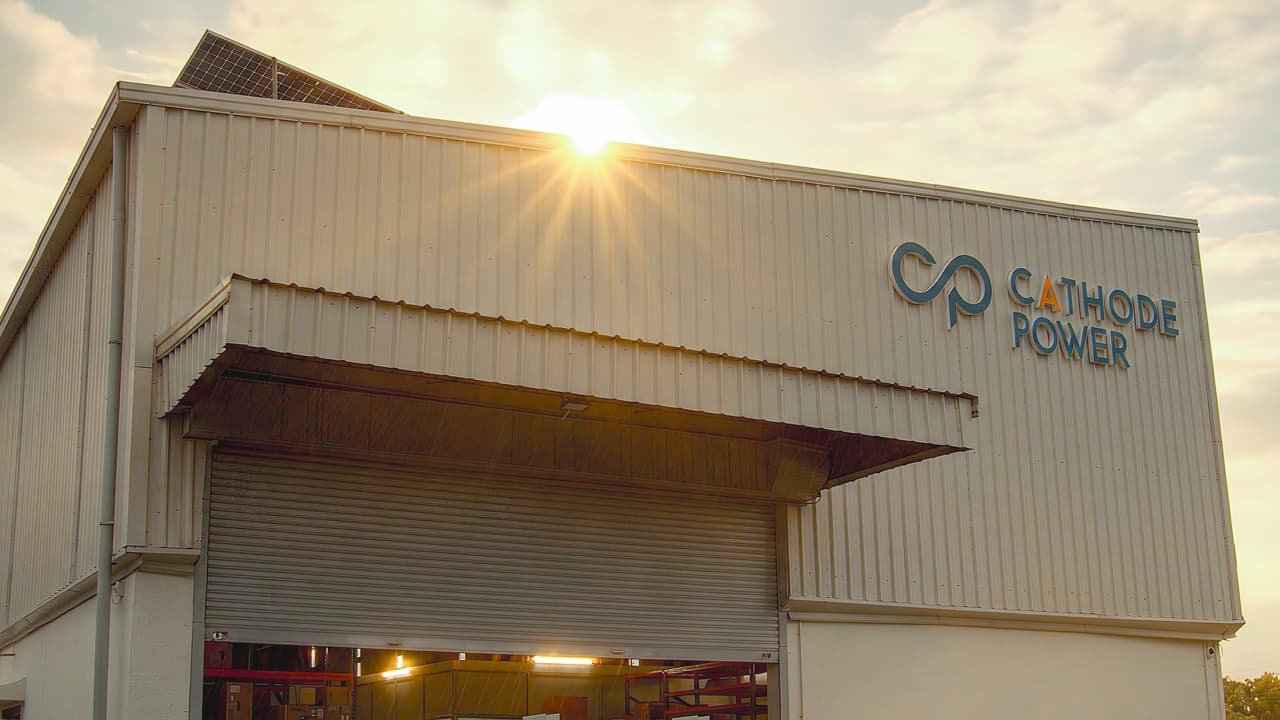
    Cathode Power Pvt. Ltd. has inaugurated its expanded manufacturing facility in Vadodara, marking an important milestone in the company’s growth journey. With an enhanced annual production capacity of up to six lakh solar inverters, the facility will help meet the growing demand for reliable, efficient and technologically advanced solar solutions across India.

    The expanded unit features upgraded manufacturing processes, advanced testing infrastructure and strengthened quality-control systems. It will support the production of Cathode Power’s on-grid, hybrid and micro-inverter solutions for residential, commercial and industrial applications.

    This expansion will enable faster production, consistent product quality and improved delivery timelines for EPC companies, installers, distributors and customers. It will also strengthen the company’s research and development capabilities, supporting next-generation technologies focused on higher efficiency, intelligent monitoring, enhanced safety and dependable performance under Indian environmental and grid conditions.

    Commenting on the expansion, Mr Harsh Patel, Co-Founder of Cathode Power Pvt. Ltd., said, “Our vision is to establish Cathode Power as a globally recognised Indian solar technology brand. This expansion is not only about increasing production—it is about developing smarter technologies, maintaining world-class quality and making advanced solar solutions accessible across India. We remain committed to empowering our partners and customers while contributing meaningfully to India’s clean-energy mission.”

    The expanded facility will also create employment opportunities, support local suppliers and contribute to the Make in India and Atmanirbhar Bharat initiatives. Through continuous innovation and customer-focused development, Cathode Power aims to help build a greener, sustainable and energy-independent future for India.
  • Cathode Power Expands Manufacturing Capacity to Power India’s Solar Future

    Cathode Power Expands Manufacturing Capacity to Power India’s Solar Future

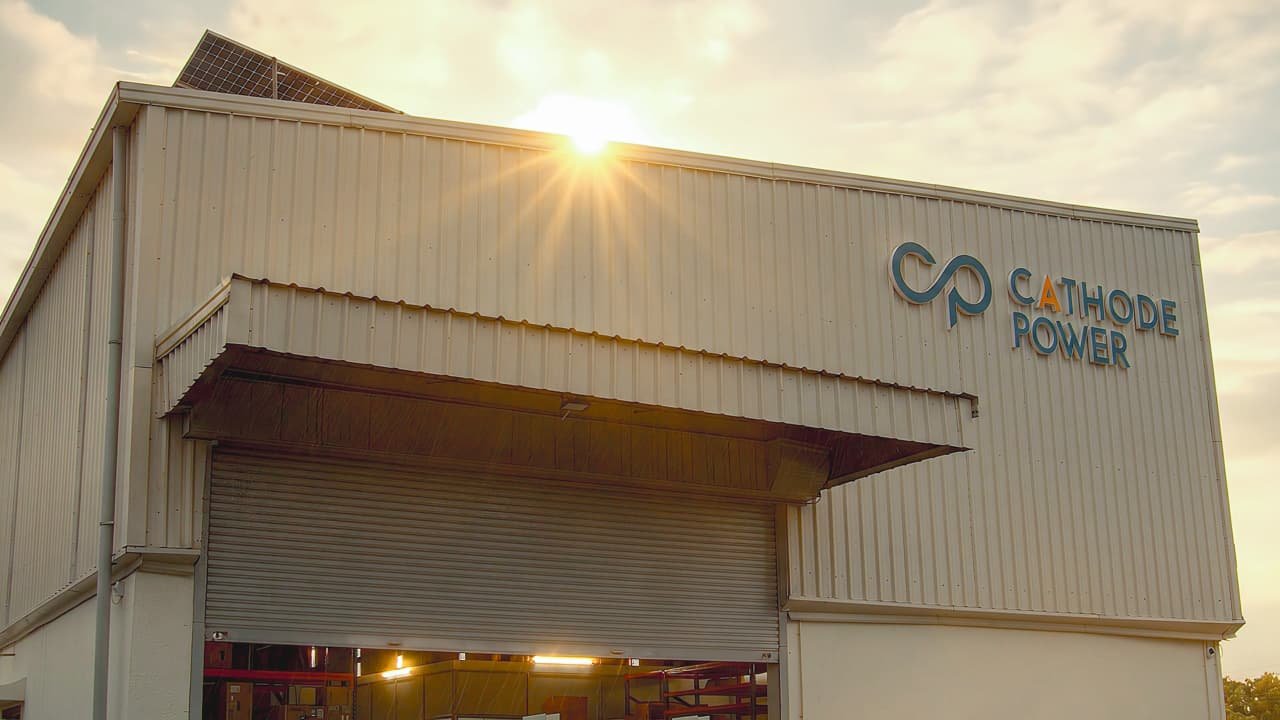
    Cathode Power Pvt. Ltd. has inaugurated its expanded manufacturing facility in Vadodara, marking an important milestone in the company’s growth journey. With an enhanced annual production capacity of up to six lakh solar inverters, the facility will help meet the growing demand for reliable, efficient and technologically advanced solar solutions across India.

    The expanded unit features upgraded manufacturing processes, advanced testing infrastructure and strengthened quality-control systems. It will support the production of Cathode Power’s on-grid, hybrid and micro-inverter solutions for residential, commercial and industrial applications.

    This expansion will enable faster production, consistent product quality and improved delivery timelines for EPC companies, installers, distributors and customers. It will also strengthen the company’s research and development capabilities, supporting next-generation technologies focused on higher efficiency, intelligent monitoring, enhanced safety and dependable performance under Indian environmental and grid conditions.

    Commenting on the expansion, Mr Harsh Patel, Co-Founder of Cathode Power Pvt. Ltd., said, “Our vision is to establish Cathode Power as a globally recognised Indian solar technology brand. This expansion is not only about increasing production—it is about developing smarter technologies, maintaining world-class quality and making advanced solar solutions accessible across India. We remain committed to empowering our partners and customers while contributing meaningfully to India’s clean-energy mission.”

    The expanded facility will also create employment opportunities, support local suppliers and contribute to the Make in India and Atmanirbhar Bharat initiatives. Through continuous innovation and customer-focused development, Cathode Power aims to help build a greener, sustainable and energy-independent future for India.
  • Cathode Power Expands Manufacturing Capacity to Power India’s Solar Future

    Cathode Power Expands Manufacturing Capacity to Power India’s Solar Future

    Cathode Power Pvt. Ltd. has inaugurated its expanded manufacturing facility in Vadodara, marking an important milestone in the company’s growth journey. With an enhanced annual production capacity of up to six lakh solar inverters, the facility will help meet the growing demand for reliable, efficient and technologically advanced solar solutions across India.

    The expanded unit features upgraded manufacturing processes, advanced testing infrastructure and strengthened quality-control systems. It will support the production of Cathode Power’s on-grid, hybrid and micro-inverter solutions for residential, commercial and industrial applications.

    This expansion will enable faster production, consistent product quality and improved delivery timelines for EPC companies, installers, distributors and customers. It will also strengthen the company’s research and development capabilities, supporting next-generation technologies focused on higher efficiency, intelligent monitoring, enhanced safety and dependable performance under Indian environmental and grid conditions.

    Commenting on the expansion, Mr Harsh Patel, Co-Founder of Cathode Power Pvt. Ltd., said, “Our vision is to establish Cathode Power as a globally recognised Indian solar technology brand. This expansion is not only about increasing production—it is about developing smarter technologies, maintaining world-class quality and making advanced solar solutions accessible across India. We remain committed to empowering our partners and customers while contributing meaningfully to India’s clean-energy mission.”

    The expanded facility will also create employment opportunities, support local suppliers and contribute to the Make in India and Atmanirbhar Bharat initiatives. Through continuous innovation and customer-focused development, Cathode Power aims to help build a greener, sustainable and energy-independent future for India.
  • Cathode Power Expands Manufacturing Capacity to Power India’s Solar Future

    Cathode Power Pvt. Ltd. has inaugurated its expanded manufacturing facility in Vadodara, marking an important milestone in the company’s growth journey. With an enhanced annual production capacity of up to six lakh solar inverters, the facility will help meet the growing demand for reliable, efficient and technologically advanced solar solutions across India.

    The expanded unit features upgraded manufacturing processes, advanced testing infrastructure and strengthened quality-control systems. It will support the production of Cathode Power’s on-grid, hybrid and micro-inverter solutions for residential, commercial and industrial applications.

    This expansion will enable faster production, consistent product quality and improved delivery timelines for EPC companies, installers, distributors and customers. It will also strengthen the company’s research and development capabilities, supporting next-generation technologies focused on higher efficiency, intelligent monitoring, enhanced safety and dependable performance under Indian environmental and grid conditions.

    Commenting on the expansion, Mr Harsh Patel, Co-Founder of Cathode Power Pvt. Ltd., said, “Our vision is to establish Cathode Power as a globally recognised Indian solar technology brand. This expansion is not only about increasing production—it is about developing smarter technologies, maintaining world-class quality and making advanced solar solutions accessible across India. We remain committed to empowering our partners and customers while contributing meaningfully to India’s clean-energy mission.”

    The expanded facility will also create employment opportunities, support local suppliers and contribute to the Make in India and Atmanirbhar Bharat initiatives. Through continuous innovation and customer-focused development, Cathode Power aims to help build a greener, sustainable and energy-independent future for India.
  • Leanwatts Raises USD 2 Million Seed Funding to Scale Power Electronics Manufacturing

    Leanwatts Raises USD 2 Million Seed Funding to Scale Power Electronics Manufacturing

    Power electronics startup Leanwatts has raised approximately USD 2 million (INR 18.15 crore) in seed funding across two tranches, led by Trivest Partners, with participation from angel investors Abraham George and Alok Rungta. The investor group brings together seasoned investment professionals and alumni from institutions including IIT Kanpur and IIM Ahmedabad.

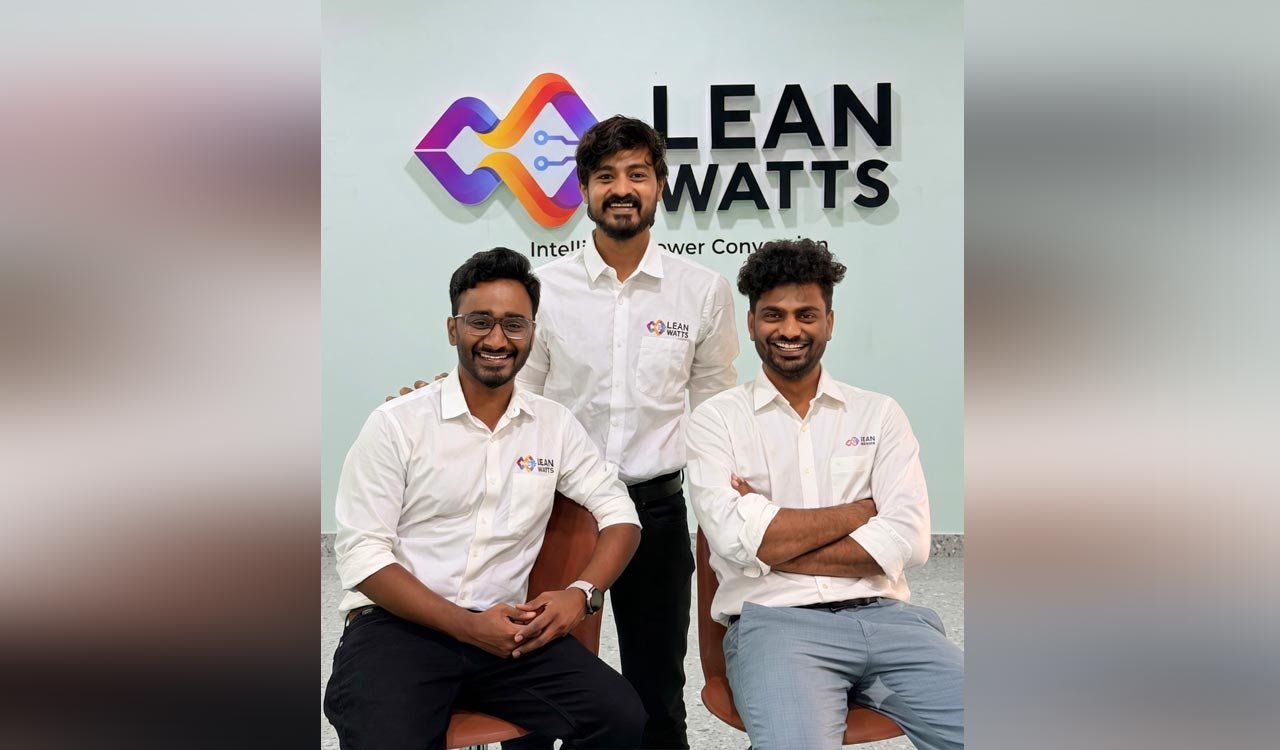
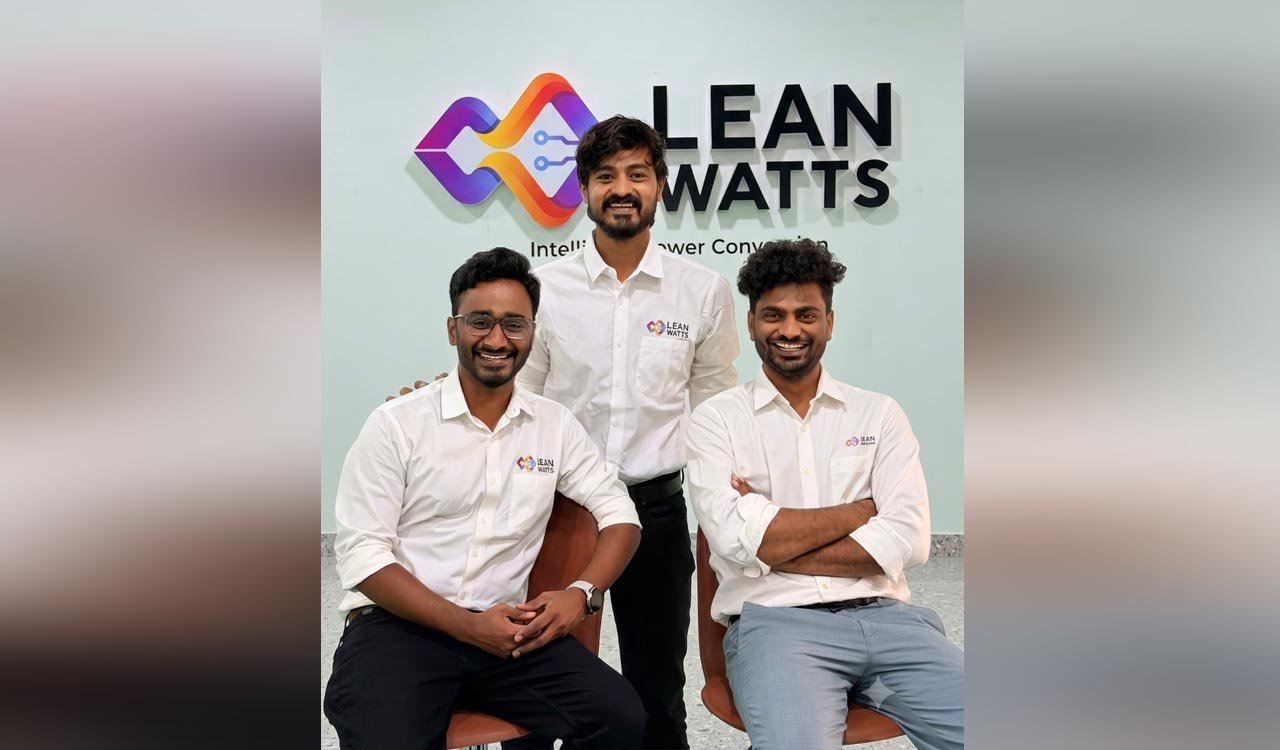
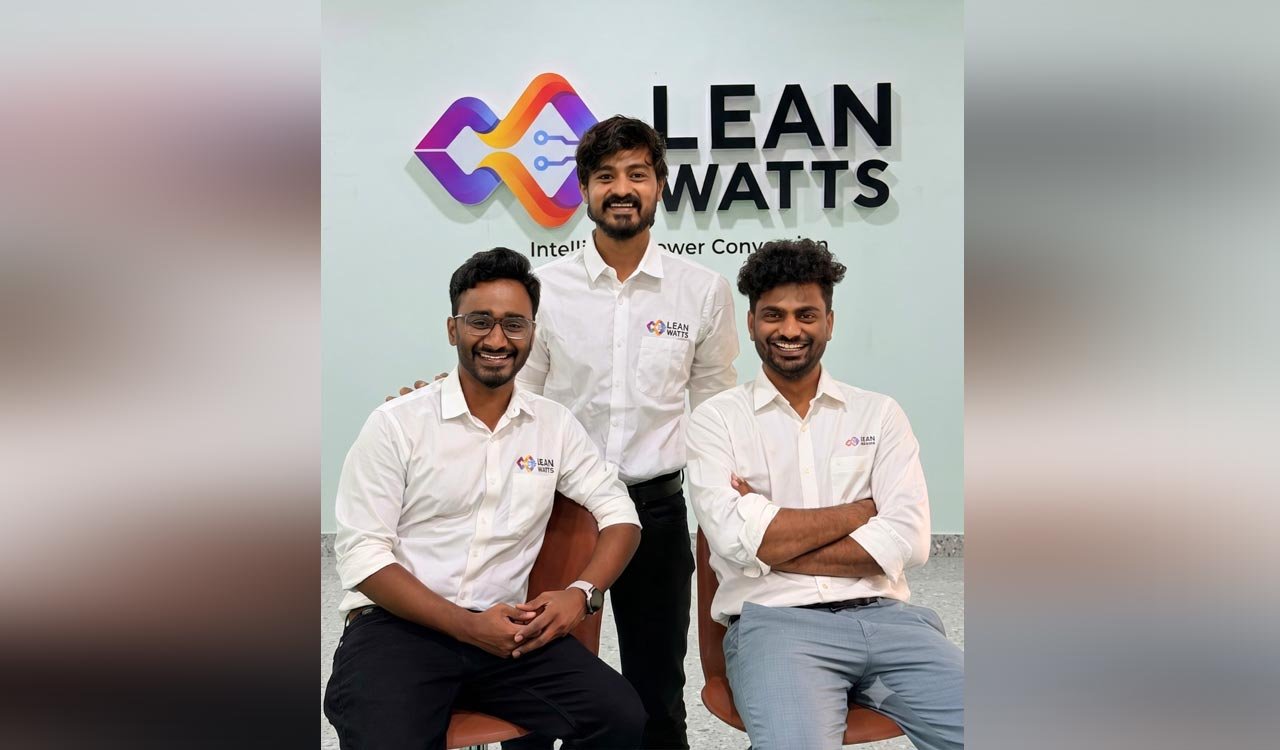
    Founded in October 2023, Leanwatts is led by Pradeep Chowdary and Abhilash Reddy, alumni of BITS Pilani, and Sujith Kumar, an alumnus of NIT Surathkal and IIM Udaipur. The founding team brings together complementary strengths across product engineering, market access, manufacturing execution, sourcing depth and commercial discipline.

    From its manufacturing facility in Hyderabad, Leanwatts develops and manufactures power electronics products with in-house capabilities across hardware design, embedded firmware and software, product engineering, validation, testing and quality.
    The company started with EV charging and currently offers high-efficiency, high-power-density portable and onboard chargers ranging from 500W to 6.6kW, serving electric two-wheelers, L2 and L5 vehicles and e-tractors. It is expanding its technology platforms into public charging solutions, rectifiers, power modules, hybrid inverters and broader power conversion applications for the energy ecosystem.

    Sujith Kumar, Co-Founder, Leanwatts, said, “India’s EV and energy transition creates an opportunity to build globally competitive power electronics companies from here. But products for India have to be engineered around Indian realities our grid conditions, operating environments and the diverse requirements of OEMs. We believe deep engineering and a customer-first approach have to go together.”

    Leanwatts is also collaborating with engineering institutions on industry-oriented R&D programmes, aimed at strengthening specialised engineering capacity and contributing to the development of India’s power electronics ecosystem.

    Pradeep Chowdary, Co-Founder, Leanwatts, said, “For India to lead in power electronics, R&D cannot be treated as a one-time project, or simply as a department; it has to be continuously nurtured as a culture. At Leanwatts, we are investing in our laboratories, engineers and ability to industrialise efficient architectures, cost-effective designs, advanced materials and emerging technologies, with the objective of building technological capability that compounds over the long term.”

    Abhilash Reddy, Co-Founder, Leanwatts, added, “As we scale, our focus is on strengthening our supply chain, increasing localisation and continuing to invest in manufacturing capability. The new capital will allow us to accelerate this journey and build the capabilities required to reliably scale India-engineered power electronics.”

    Leanwatts is targeting an annualised revenue run-rate of approximately INR 60 crore (USD 6.25 million) by March 2027, driven by the scale-up of existing EV programmes and expansion into new power electronics applications.

  • Leanwatts Raises USD 2 Million Seed Funding to Scale Power Electronics Manufacturing

    Leanwatts Raises USD 2 Million Seed Funding to Scale Power Electronics Manufacturing

    Power electronics startup Leanwatts has raised approximately USD 2 million (INR 18.15 crore) in seed funding across two tranches, led by Trivest Partners, with participation from angel investors Abraham George and Alok Rungta. The investor group brings together seasoned investment professionals and alumni from institutions including IIT Kanpur and IIM Ahmedabad.

    Founded in October 2023, Leanwatts is led by Pradeep Chowdary and Abhilash Reddy, alumni of BITS Pilani, and Sujith Kumar, an alumnus of NIT Surathkal and IIM Udaipur. The founding team brings together complementary strengths across product engineering, market access, manufacturing execution, sourcing depth and commercial discipline.

    From its manufacturing facility in Hyderabad, Leanwatts develops and manufactures power electronics products with in-house capabilities across hardware design, embedded firmware and software, product engineering, validation, testing and quality.
    The company started with EV charging and currently offers high-efficiency, high-power-density portable and onboard chargers ranging from 500W to 6.6kW, serving electric two-wheelers, L2 and L5 vehicles and e-tractors. It is expanding its technology platforms into public charging solutions, rectifiers, power modules, hybrid inverters and broader power conversion applications for the energy ecosystem.

    Sujith Kumar, Co-Founder, Leanwatts, said, “India’s EV and energy transition creates an opportunity to build globally competitive power electronics companies from here. But products for India have to be engineered around Indian realities our grid conditions, operating environments and the diverse requirements of OEMs. We believe deep engineering and a customer-first approach have to go together.”

    Leanwatts is also collaborating with engineering institutions on industry-oriented R&D programmes, aimed at strengthening specialised engineering capacity and contributing to the development of India’s power electronics ecosystem.

    Pradeep Chowdary, Co-Founder, Leanwatts, said, “For India to lead in power electronics, R&D cannot be treated as a one-time project, or simply as a department; it has to be continuously nurtured as a culture. At Leanwatts, we are investing in our laboratories, engineers and ability to industrialise efficient architectures, cost-effective designs, advanced materials and emerging technologies, with the objective of building technological capability that compounds over the long term.”

    Abhilash Reddy, Co-Founder, Leanwatts, added, “As we scale, our focus is on strengthening our supply chain, increasing localisation and continuing to invest in manufacturing capability. The new capital will allow us to accelerate this journey and build the capabilities required to reliably scale India-engineered power electronics.”

    Leanwatts is targeting an annualised revenue run-rate of approximately INR 60 crore (USD 6.25 million) by March 2027, driven by the scale-up of existing EV programmes and expansion into new power electronics applications.

  • Leanwatts Raises USD 2 Million Seed Funding to Scale Power Electronics Manufacturing

    Leanwatts Raises USD 2 Million Seed Funding to Scale Power Electronics Manufacturing

    Power electronics startup Leanwatts has raised approximately USD 2 million (INR 18.15 crore) in seed funding across two tranches, led by Trivest Partners, with participation from angel investors Abraham George and Alok Rungta. The investor group brings together seasoned investment professionals and alumni from institutions including IIT Kanpur and IIM Ahmedabad.

    Founded in October 2023, Leanwatts is led by Pradeep Chowdary and Abhilash Reddy, alumni of BITS Pilani, and Sujith Kumar, an alumnus of NIT Surathkal and IIM Udaipur. The founding team brings together complementary strengths across product engineering, market access, manufacturing execution, sourcing depth and commercial discipline.

    From its manufacturing facility in Hyderabad, Leanwatts develops and manufactures power electronics products with in-house capabilities across hardware design, embedded firmware and software, product engineering, validation, testing and quality.
    The company started with EV charging and currently offers high-efficiency, high-power-density portable and onboard chargers ranging from 500W to 6.6kW, serving electric two-wheelers, L2 and L5 vehicles and e-tractors. It is expanding its technology platforms into public charging solutions, rectifiers, power modules, hybrid inverters and broader power conversion applications for the energy ecosystem.

    Sujith Kumar, Co-Founder, Leanwatts, said, “India’s EV and energy transition creates an opportunity to build globally competitive power electronics companies from here. But products for India have to be engineered around Indian realities our grid conditions, operating environments and the diverse requirements of OEMs. We believe deep engineering and a customer-first approach have to go together.”

    Leanwatts is also collaborating with engineering institutions on industry-oriented R&D programmes, aimed at strengthening specialised engineering capacity and contributing to the development of India’s power electronics ecosystem.

    Pradeep Chowdary, Co-Founder, Leanwatts, said, “For India to lead in power electronics, R&D cannot be treated as a one-time project, or simply as a department; it has to be continuously nurtured as a culture. At Leanwatts, we are investing in our laboratories, engineers and ability to industrialise efficient architectures, cost-effective designs, advanced materials and emerging technologies, with the objective of building technological capability that compounds over the long term.”

    Abhilash Reddy, Co-Founder, Leanwatts, added, “As we scale, our focus is on strengthening our supply chain, increasing localisation and continuing to invest in manufacturing capability. The new capital will allow us to accelerate this journey and build the capabilities required to reliably scale India-engineered power electronics.”

    Leanwatts is targeting an annualised revenue run-rate of approximately INR 60 crore (USD 6.25 million) by March 2027, driven by the scale-up of existing EV programmes and expansion into new power electronics applications.

  • Leanwatts Raises USD 2 Million Seed Funding to Scale Power Electronics Manufacturing

    Power electronics startup Leanwatts has raised approximately USD 2 million (INR 18.15 crore) in seed funding across two tranches, led by Trivest Partners, with participation from angel investors Abraham George and Alok Rungta. The investor group brings together seasoned investment professionals and alumni from institutions including IIT Kanpur and IIM Ahmedabad.

    Founded in October 2023, Leanwatts is led by Pradeep Chowdary and Abhilash Reddy, alumni of BITS Pilani, and Sujith Kumar, an alumnus of NIT Surathkal and IIM Udaipur. The founding team brings together complementary strengths across product engineering, market access, manufacturing execution, sourcing depth and commercial discipline.

    From its manufacturing facility in Hyderabad, Leanwatts develops and manufactures power electronics products with in-house capabilities across hardware design, embedded firmware and software, product engineering, validation, testing and quality.
    The company started with EV charging and currently offers high-efficiency, high-power-density portable and onboard chargers ranging from 500W to 6.6kW, serving electric two-wheelers, L2 and L5 vehicles and e-tractors. It is expanding its technology platforms into public charging solutions, rectifiers, power modules, hybrid inverters and broader power conversion applications for the energy ecosystem.

    Sujith Kumar, Co-Founder, Leanwatts, said, “India’s EV and energy transition creates an opportunity to build globally competitive power electronics companies from here. But products for India have to be engineered around Indian realities our grid conditions, operating environments and the diverse requirements of OEMs. We believe deep engineering and a customer-first approach have to go together.”

    Leanwatts is also collaborating with engineering institutions on industry-oriented R&D programmes, aimed at strengthening specialised engineering capacity and contributing to the development of India’s power electronics ecosystem.

    Pradeep Chowdary, Co-Founder, Leanwatts, said, “For India to lead in power electronics, R&D cannot be treated as a one-time project, or simply as a department; it has to be continuously nurtured as a culture. At Leanwatts, we are investing in our laboratories, engineers and ability to industrialise efficient architectures, cost-effective designs, advanced materials and emerging technologies, with the objective of building technological capability that compounds over the long term.”

    Abhilash Reddy, Co-Founder, Leanwatts, added, “As we scale, our focus is on strengthening our supply chain, increasing localisation and continuing to invest in manufacturing capability. The new capital will allow us to accelerate this journey and build the capabilities required to reliably scale India-engineered power electronics.”

    Leanwatts is targeting an annualised revenue run-rate of approximately INR 60 crore (USD 6.25 million) by March 2027, driven by the scale-up of existing EV programmes and expansion into new power electronics applications.

  • India Crosses 290 GW Renewable Capacity, Focus Shifts to Green Skills and Climate Action

    India Crosses 290 GW Renewable Capacity, Focus Shifts to Green Skills and Climate Action

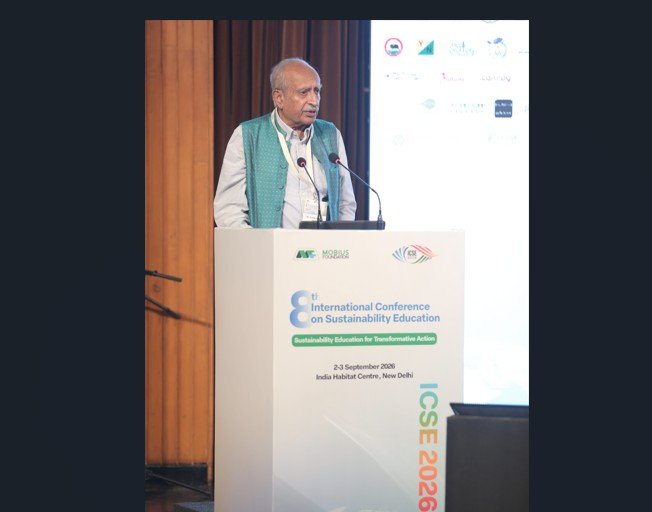
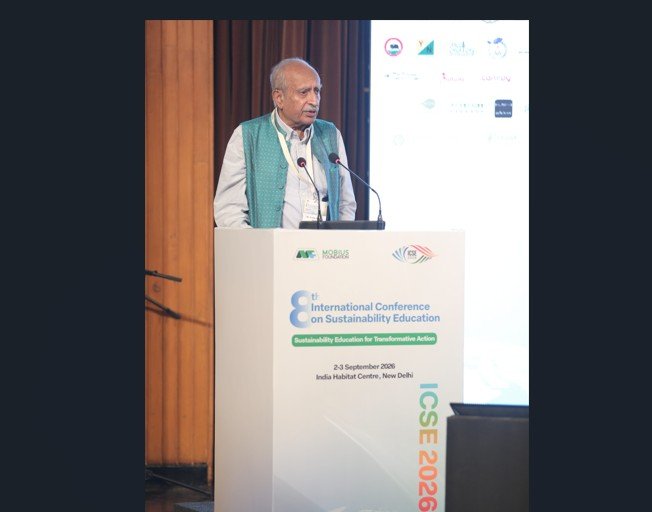
    India’s renewable energy capacity has crossed 290 GW, while the country achieved 50 percent of its installed electricity capacity from non-fossil sources in 2025, five years ahead of its 2030 target. However, experts at the 8th International Conference on Sustainability Education (ICSE) 2026 emphasised that translating these gains into sustained climate action will require stronger implementation, green skills and a workforce equipped for the emerging clean-energy economy.

    Speaking at the inaugural session of ICSE 2026, Mr. Pradip Burman, Chairman, Mobius Foundation, highlighted India’s progress on its clean-energy commitments while underscoring the need to bridge the gap between ambition and implementation.

    “In 2025, India achieved 50 percent of its installed electricity capacity from non-fossil sources, five years ahead of the 2030 target. Our renewable energy capacity has now crossed 290 gigawatts. This is significant progress, but the journey is far from over,” said Mr. Burman.

    The discussions at ICSE 2026 highlighted that India’s energy transition will require capabilities extending beyond renewable energy deployment. Green jobs, critical minerals, e-waste and battery recycling, sustainable technologies and innovation emerged as important areas for building the skills and systems needed to support a low-carbon economy.

    Ms. Priyanka Sharma, President and CEO, Mobius Foundation, said sustainability has evolved from being primarily an environmental conversation to one that encompasses economic growth, livelihoods, work and well-being. Sustainability is no longer simply an environmental conversation. It is a conversation about how we live, how we learn, how we work, how we create prosperity and ultimately how we create well-being and wellness for people and the planet.”

    The need to prepare young people for the emerging green economy was also emphasised during the conference. As India expands its clean-energy ecosystem, sustainability education and practical green skills will play an increasingly important role in preparing the workforce for opportunities across renewable energy, resource efficiency, circular economy and clean technologies.

    Dr. Vibha Dhawan, Director General, The Energy and Resources Institute (TERI), highlighted the need to rethink existing systems and infrastructure through a sustainability lens. She pointed to school transportation as one example where infrastructure and policy choices can influence emissions and contribute to more sustainable mobility systems.

    The conference also examined the role and limitations of technology in addressing the climate crisis. Prof. Bhaskar Vira, Pro-Vice-Chancellor for Education and Environmental Sustainability, University of Cambridge, cautioned against relying on technology alone to solve environmental challenges and emphasised the importance of enabling citizens to actively participate in the transformations required for a sustainable future.

    The discussions come at a time when India’s energy transition is creating new requirements across the clean-energy value chain, from renewable energy and sustainable mobility to critical minerals, battery recycling and green jobs. ICSE 2026 is bringing together policymakers, educators, scientists, industry leaders and young people to examine how education can support this transition and convert sustainability commitments into meaningful action.

    The two-day conference features sessions on climate action, green skills, technology and innovation, biodiversity and sustainable livelihoods, alongside dedicated youth programming bringing students and young climate leaders into the sustainability conversation.

  • India Crosses 290 GW Renewable Capacity, Focus Shifts to Green Skills and Climate Action

    India Crosses 290 GW Renewable Capacity, Focus Shifts to Green Skills and Climate Action

    India’s renewable energy capacity has crossed 290 GW, while the country achieved 50 percent of its installed electricity capacity from non-fossil sources in 2025, five years ahead of its 2030 target. However, experts at the 8th International Conference on Sustainability Education (ICSE) 2026 emphasised that translating these gains into sustained climate action will require stronger implementation, green skills and a workforce equipped for the emerging clean-energy economy.

    Speaking at the inaugural session of ICSE 2026, Mr. Pradip Burman, Chairman, Mobius Foundation, highlighted India’s progress on its clean-energy commitments while underscoring the need to bridge the gap between ambition and implementation.

    “In 2025, India achieved 50 percent of its installed electricity capacity from non-fossil sources, five years ahead of the 2030 target. Our renewable energy capacity has now crossed 290 gigawatts. This is significant progress, but the journey is far from over,” said Mr. Burman.

    The discussions at ICSE 2026 highlighted that India’s energy transition will require capabilities extending beyond renewable energy deployment. Green jobs, critical minerals, e-waste and battery recycling, sustainable technologies and innovation emerged as important areas for building the skills and systems needed to support a low-carbon economy.

    Ms. Priyanka Sharma, President and CEO, Mobius Foundation, said sustainability has evolved from being primarily an environmental conversation to one that encompasses economic growth, livelihoods, work and well-being. Sustainability is no longer simply an environmental conversation. It is a conversation about how we live, how we learn, how we work, how we create prosperity and ultimately how we create well-being and wellness for people and the planet.”

    The need to prepare young people for the emerging green economy was also emphasised during the conference. As India expands its clean-energy ecosystem, sustainability education and practical green skills will play an increasingly important role in preparing the workforce for opportunities across renewable energy, resource efficiency, circular economy and clean technologies.

    Dr. Vibha Dhawan, Director General, The Energy and Resources Institute (TERI), highlighted the need to rethink existing systems and infrastructure through a sustainability lens. She pointed to school transportation as one example where infrastructure and policy choices can influence emissions and contribute to more sustainable mobility systems.

    The conference also examined the role and limitations of technology in addressing the climate crisis. Prof. Bhaskar Vira, Pro-Vice-Chancellor for Education and Environmental Sustainability, University of Cambridge, cautioned against relying on technology alone to solve environmental challenges and emphasised the importance of enabling citizens to actively participate in the transformations required for a sustainable future.

    The discussions come at a time when India’s energy transition is creating new requirements across the clean-energy value chain, from renewable energy and sustainable mobility to critical minerals, battery recycling and green jobs. ICSE 2026 is bringing together policymakers, educators, scientists, industry leaders and young people to examine how education can support this transition and convert sustainability commitments into meaningful action.

    The two-day conference features sessions on climate action, green skills, technology and innovation, biodiversity and sustainable livelihoods, alongside dedicated youth programming bringing students and young climate leaders into the sustainability conversation.