Category: All News

  • Actis Launches Yeltica Energy With 2 GW+ Renewable Energy Target in Mexico

    Actis Launches Yeltica Energy With 2 GW+ Renewable Energy Target in Mexico

    Actis, a leading growth market investor in sustainable infrastructure, announced the launch of Yeltica Energy, a new greenfield renewable energy platform in Mexico targeting 2GW+ of generation capacity.

    Actis is one of the largest private energy investors in Mexico, having previously owned and exited Zuma Energia, Saavi Energia and Atlas Renewable Energy in the country and currently owning 3.2GW gas platform Valia Energia. Since inception, the firm has owned 7.3GW of generation capacity in the market.

    Yeltica Energy is anchored by three solar-plus-storage projects, totalling approximately 330MWp of solar PV and 255MWh of battery storage, awarded under the first Mixed Investment Tender run by Mexico’s state utility, the Comisión Federal de Electricidad (CFE).

    The three projects benefit from contracted 25-year, US dollar-denominated and inflation-indexed cash flows thanks to PPAs with an investment-grade anchor offtaker in CFE.

    Yeltica Energy will look to scale beyond its anchor portfolio towards 2GW+ of solar, wind and battery storage capacity. It intends to grow through further participation in Mexico’s public tenders and through proprietary origination with developers and offtakers.

    CEO José Luis García has more than 25 years’ experience in the energy sector, having previously held the role of CEO at Zelestra LATAM, where he built and divested a 1GW+ renewables platform across Chile, Peru and Colombia, and that of CEO at former Actis business Zuma Energia, where he developed and built 800MW+ of wind and solar assets in Mexico.

    As part of its Plan Mexico reforms, Mexico looks to attract investment to its power sector. Its Power Sector Development Plan (PLADESE) 2025-2039 calls for around 75GW of gross new generation capacity, approximately 80% of it from clean sources. This framework will see CFE and private investors partner together to meet rising energy demand driven by industrialisation and nearshoring.

    Mexico is targeting a 38% renewable electricity share by 2030, up from c.20% today, as it seeks to add 32GW of new generation capacity by this date with 22GW coming from renewables.

    Alberto Estefan, Managing Director, Energy Infrastructure at Actis, commented: “Mexico is one of the most compelling infrastructure markets in Latin America from our perspective. In energy in particular, rising demand and a policy framework that looks to mobilise private capital is creating strong opportunities for investors. We have deep roots in this market and the on-the-ground expertise to build and operate the critical, clean power to support Mexico’s growth and energy security.”

    José Luis García, Chief Executive Officer of Yeltica Energy, added: “It’s an exciting moment for Mexican energy and there’s positive momentum. I have built in this market before, alongside Actis at Zuma, and returning to that partnership was an easy decision – the firm takes a long-term view, backs the team, and is interested in construction and operations, beyond capital deployment. Yeltica Energy begins with an anchor portfolio and a strong pipeline – a great start to meet our ambitions.”

    In addition to Actis’ long track record in Mexican energy, the firm is also investing in the country’s data centers through Latin American hyperscale platforms Terranova and NextStream.
  • Actis Launches Yeltica Energy With 2 GW+ Renewable Energy Target in Mexico

    Actis Launches Yeltica Energy With 2 GW+ Renewable Energy Target in Mexico

    Actis, a leading growth market investor in sustainable infrastructure, announced the launch of Yeltica Energy, a new greenfield renewable energy platform in Mexico targeting 2GW+ of generation capacity.

    Actis is one of the largest private energy investors in Mexico, having previously owned and exited Zuma Energia, Saavi Energia and Atlas Renewable Energy in the country and currently owning 3.2GW gas platform Valia Energia. Since inception, the firm has owned 7.3GW of generation capacity in the market.

    Yeltica Energy is anchored by three solar-plus-storage projects, totalling approximately 330MWp of solar PV and 255MWh of battery storage, awarded under the first Mixed Investment Tender run by Mexico’s state utility, the Comisión Federal de Electricidad (CFE).

    The three projects benefit from contracted 25-year, US dollar-denominated and inflation-indexed cash flows thanks to PPAs with an investment-grade anchor offtaker in CFE.

    Yeltica Energy will look to scale beyond its anchor portfolio towards 2GW+ of solar, wind and battery storage capacity. It intends to grow through further participation in Mexico’s public tenders and through proprietary origination with developers and offtakers.

    CEO José Luis García has more than 25 years’ experience in the energy sector, having previously held the role of CEO at Zelestra LATAM, where he built and divested a 1GW+ renewables platform across Chile, Peru and Colombia, and that of CEO at former Actis business Zuma Energia, where he developed and built 800MW+ of wind and solar assets in Mexico.

    As part of its Plan Mexico reforms, Mexico looks to attract investment to its power sector. Its Power Sector Development Plan (PLADESE) 2025-2039 calls for around 75GW of gross new generation capacity, approximately 80% of it from clean sources. This framework will see CFE and private investors partner together to meet rising energy demand driven by industrialisation and nearshoring.

    Mexico is targeting a 38% renewable electricity share by 2030, up from c.20% today, as it seeks to add 32GW of new generation capacity by this date with 22GW coming from renewables.

    Alberto Estefan, Managing Director, Energy Infrastructure at Actis, commented: “Mexico is one of the most compelling infrastructure markets in Latin America from our perspective. In energy in particular, rising demand and a policy framework that looks to mobilise private capital is creating strong opportunities for investors. We have deep roots in this market and the on-the-ground expertise to build and operate the critical, clean power to support Mexico’s growth and energy security.”

    José Luis García, Chief Executive Officer of Yeltica Energy, added: “It’s an exciting moment for Mexican energy and there’s positive momentum. I have built in this market before, alongside Actis at Zuma, and returning to that partnership was an easy decision – the firm takes a long-term view, backs the team, and is interested in construction and operations, beyond capital deployment. Yeltica Energy begins with an anchor portfolio and a strong pipeline – a great start to meet our ambitions.”

    In addition to Actis’ long track record in Mexican energy, the firm is also investing in the country’s data centers through Latin American hyperscale platforms Terranova and NextStream.
  • Actis Launches Yeltica Energy With 2 GW+ Renewable Energy Target in Mexico

    Actis Launches Yeltica Energy With 2 GW+ Renewable Energy Target in Mexico

    Actis, a leading growth market investor in sustainable infrastructure, announced the launch of Yeltica Energy, a new greenfield renewable energy platform in Mexico targeting 2GW+ of generation capacity.

    Actis is one of the largest private energy investors in Mexico, having previously owned and exited Zuma Energia, Saavi Energia and Atlas Renewable Energy in the country and currently owning 3.2GW gas platform Valia Energia. Since inception, the firm has owned 7.3GW of generation capacity in the market.

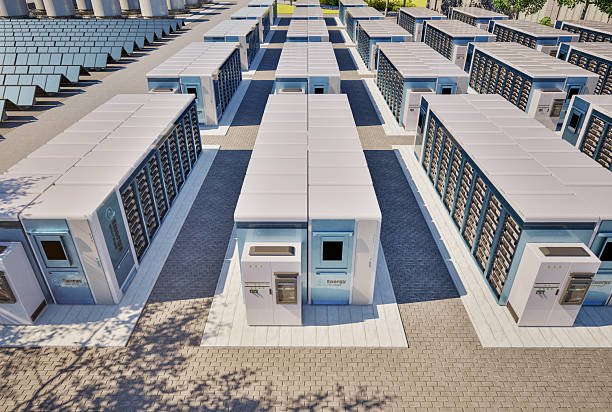
    Yeltica Energy is anchored by three solar-plus-storage projects, totalling approximately 330MWp of solar PV and 255MWh of battery storage, awarded under the first Mixed Investment Tender run by Mexico’s state utility, the Comisión Federal de Electricidad (CFE).

    The three projects benefit from contracted 25-year, US dollar-denominated and inflation-indexed cash flows thanks to PPAs with an investment-grade anchor offtaker in CFE.

    Yeltica Energy will look to scale beyond its anchor portfolio towards 2GW+ of solar, wind and battery storage capacity. It intends to grow through further participation in Mexico’s public tenders and through proprietary origination with developers and offtakers.

    CEO José Luis García has more than 25 years’ experience in the energy sector, having previously held the role of CEO at Zelestra LATAM, where he built and divested a 1GW+ renewables platform across Chile, Peru and Colombia, and that of CEO at former Actis business Zuma Energia, where he developed and built 800MW+ of wind and solar assets in Mexico.

    As part of its Plan Mexico reforms, Mexico looks to attract investment to its power sector. Its Power Sector Development Plan (PLADESE) 2025-2039 calls for around 75GW of gross new generation capacity, approximately 80% of it from clean sources. This framework will see CFE and private investors partner together to meet rising energy demand driven by industrialisation and nearshoring.

    Mexico is targeting a 38% renewable electricity share by 2030, up from c.20% today, as it seeks to add 32GW of new generation capacity by this date with 22GW coming from renewables.

    Alberto Estefan, Managing Director, Energy Infrastructure at Actis, commented: “Mexico is one of the most compelling infrastructure markets in Latin America from our perspective. In energy in particular, rising demand and a policy framework that looks to mobilise private capital is creating strong opportunities for investors. We have deep roots in this market and the on-the-ground expertise to build and operate the critical, clean power to support Mexico’s growth and energy security.”

    José Luis García, Chief Executive Officer of Yeltica Energy, added: “It’s an exciting moment for Mexican energy and there’s positive momentum. I have built in this market before, alongside Actis at Zuma, and returning to that partnership was an easy decision – the firm takes a long-term view, backs the team, and is interested in construction and operations, beyond capital deployment. Yeltica Energy begins with an anchor portfolio and a strong pipeline – a great start to meet our ambitions.”

    In addition to Actis’ long track record in Mexican energy, the firm is also investing in the country’s data centers through Latin American hyperscale platforms Terranova and NextStream.
  • Actis Launches Yeltica Energy With 2 GW+ Renewable Energy Target in Mexico

    Actis, a leading growth market investor in sustainable infrastructure, announced the launch of Yeltica Energy, a new greenfield renewable energy platform in Mexico targeting 2GW+ of generation capacity.

    Actis is one of the largest private energy investors in Mexico, having previously owned and exited Zuma Energia, Saavi Energia and Atlas Renewable Energy in the country and currently owning 3.2GW gas platform Valia Energia. Since inception, the firm has owned 7.3GW of generation capacity in the market.

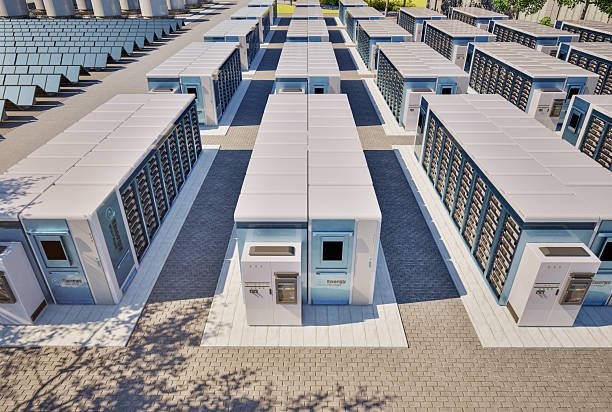
    Yeltica Energy is anchored by three solar-plus-storage projects, totalling approximately 330MWp of solar PV and 255MWh of battery storage, awarded under the first Mixed Investment Tender run by Mexico’s state utility, the Comisión Federal de Electricidad (CFE).

    The three projects benefit from contracted 25-year, US dollar-denominated and inflation-indexed cash flows thanks to PPAs with an investment-grade anchor offtaker in CFE.

    Yeltica Energy will look to scale beyond its anchor portfolio towards 2GW+ of solar, wind and battery storage capacity. It intends to grow through further participation in Mexico’s public tenders and through proprietary origination with developers and offtakers.

    CEO José Luis García has more than 25 years’ experience in the energy sector, having previously held the role of CEO at Zelestra LATAM, where he built and divested a 1GW+ renewables platform across Chile, Peru and Colombia, and that of CEO at former Actis business Zuma Energia, where he developed and built 800MW+ of wind and solar assets in Mexico.

    As part of its Plan Mexico reforms, Mexico looks to attract investment to its power sector. Its Power Sector Development Plan (PLADESE) 2025-2039 calls for around 75GW of gross new generation capacity, approximately 80% of it from clean sources. This framework will see CFE and private investors partner together to meet rising energy demand driven by industrialisation and nearshoring.

    Mexico is targeting a 38% renewable electricity share by 2030, up from c.20% today, as it seeks to add 32GW of new generation capacity by this date with 22GW coming from renewables.

    Alberto Estefan, Managing Director, Energy Infrastructure at Actis, commented: “Mexico is one of the most compelling infrastructure markets in Latin America from our perspective. In energy in particular, rising demand and a policy framework that looks to mobilise private capital is creating strong opportunities for investors. We have deep roots in this market and the on-the-ground expertise to build and operate the critical, clean power to support Mexico’s growth and energy security.”

    José Luis García, Chief Executive Officer of Yeltica Energy, added: “It’s an exciting moment for Mexican energy and there’s positive momentum. I have built in this market before, alongside Actis at Zuma, and returning to that partnership was an easy decision – the firm takes a long-term view, backs the team, and is interested in construction and operations, beyond capital deployment. Yeltica Energy begins with an anchor portfolio and a strong pipeline – a great start to meet our ambitions.”

    In addition to Actis’ long track record in Mexican energy, the firm is also investing in the country’s data centers through Latin American hyperscale platforms Terranova and NextStream.
  • GK Energy Secures 150 MW/300 MWh BESS Award from MSEDCL

    GK Energy Secures 150 MW/300 MWh BESS Award from MSEDCL

    GK Energy has received a Letter of Award (LoA) from Maharashtra State Electricity Distribution Company Limited (MSEDCL) to develop a 150 MW/300 MWh Battery Energy Storage System (BESS) in Maharashtra.

    The project will be developed with Viability Gap Funding (VGF) support and is aimed at strengthening energy storage capacity as Maharashtra continues to integrate renewable energy into its power system.

    Under the award, the project is scheduled to be commissioned within 18 months from the signing of the Battery Energy Storage Purchase Agreement (BESPA).

    The tariff for the project has been fixed at ₹2,38,000 per MW per month. Based on this tariff, GK Energy is expected to generate annual revenue of approximately ₹42.84 crore, excluding GST, for a period of 15 years from the commencement of commercial operations.

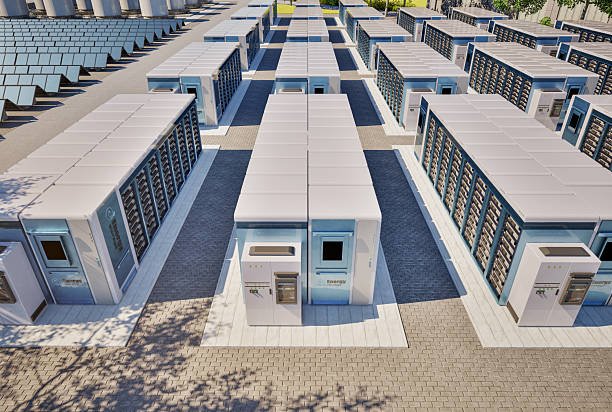
    The project will comprise 150 MW of power capacity and 300 MWh of energy storage capacity, providing two hours of storage duration. The BESS is expected to support the integration of renewable generation and provide greater flexibility to the electricity system.

    The award adds to GK Energy’s activities in the renewable energy and energy infrastructure sector. The company has traditionally been involved in decentralised clean-energy solutions, including solar-powered agricultural pumping systems, rooftop solar installations and distributed renewable energy projects.

    The MSEDCL award also expands GK Energy’s presence in the rapidly developing Indian BESS market, where battery storage is increasingly being deployed to address renewable intermittency, peak demand and grid flexibility requirements.

    The project will have both an execution component and recurring revenue over the long-term contract period. The company has stated that the transaction does not involve its promoter group and is not a related-party transaction.

    The development comes as utilities and renewable energy companies increasingly use BESS projects to complement solar and wind generation. By providing the ability to store electricity and dispatch it when required, battery storage can help improve the flexibility of power procurement and renewable energy integration.

    With the 150 MW/300 MWh award from MSEDCL, GK Energy is set to expand its portfolio beyond distributed renewable energy applications into utility-scale energy storage.

  • GK Energy Secures 150 MW/300 MWh BESS Award from MSEDCL

    GK Energy has received a Letter of Award (LoA) from Maharashtra State Electricity Distribution Company Limited (MSEDCL) to develop a 150 MW/300 MWh Battery Energy Storage System (BESS) in Maharashtra.

    The project will be developed with Viability Gap Funding (VGF) support and is aimed at strengthening energy storage capacity as Maharashtra continues to integrate renewable energy into its power system.

    Under the award, the project is scheduled to be commissioned within 18 months from the signing of the Battery Energy Storage Purchase Agreement (BESPA).

    The tariff for the project has been fixed at ₹2,38,000 per MW per month. Based on this tariff, GK Energy is expected to generate annual revenue of approximately ₹42.84 crore, excluding GST, for a period of 15 years from the commencement of commercial operations.

    The project will comprise 150 MW of power capacity and 300 MWh of energy storage capacity, providing two hours of storage duration. The BESS is expected to support the integration of renewable generation and provide greater flexibility to the electricity system.

    The award adds to GK Energy’s activities in the renewable energy and energy infrastructure sector. The company has traditionally been involved in decentralised clean-energy solutions, including solar-powered agricultural pumping systems, rooftop solar installations and distributed renewable energy projects.

    The MSEDCL award also expands GK Energy’s presence in the rapidly developing Indian BESS market, where battery storage is increasingly being deployed to address renewable intermittency, peak demand and grid flexibility requirements.

    The project will have both an execution component and recurring revenue over the long-term contract period. The company has stated that the transaction does not involve its promoter group and is not a related-party transaction.

    The development comes as utilities and renewable energy companies increasingly use BESS projects to complement solar and wind generation. By providing the ability to store electricity and dispatch it when required, battery storage can help improve the flexibility of power procurement and renewable energy integration.

    With the 150 MW/300 MWh award from MSEDCL, GK Energy is set to expand its portfolio beyond distributed renewable energy applications into utility-scale energy storage.

  • SECI Proposes Scaling Contract-for-Difference Framework from 1 GWh Pilot to 10 GW

    SECI Proposes Scaling Contract-for-Difference Framework from 1 GWh Pilot to 10 GW

    Solar Energy Corporation of India Limited (SECI) has initiated a 1 GWh pilot tender for peak power supply under a Contract-for-Difference (CfD) construct and proposed scaling the framework to 10 GW for the Indian power market.

    The initiative is aimed at exploring market-linked contracting mechanisms that can support reliable renewable power supply during periods of peak electricity demand while enabling greater flexibility in power procurement.

    Under the pilot, SECI is seeking to test the CfD construct for 1 GWh of peak power supply, with the objective of enabling renewable power to be available when demand is high. The initiative comes as India’s power system continues to integrate increasing volumes of renewable energy and energy storage.

    Building on the pilot, SECI has proposed a 10 GW CfD framework for the Indian power market. The proposed scale-up is intended to examine how the mechanism could contribute to deeper, more flexible and efficient power markets.

    The proposed framework could support greater flexibility in power procurement and facilitate the integration of renewable energy and storage. It could also help improve market participation and the utilisation of available generation resources through market-linked contracting arrangements.

    The initiative could create opportunities for a broader range of participants across the power sector, including renewable energy and storage developers, generators, traders, power exchanges, distribution companies (DISCOMs) and large consumers.

    SECI said the proposed construct could also enable new contracting and participation models, potentially creating additional avenues for ecosystem development as India’s power market evolves.

    The CfD initiative is part of SECI’s broader efforts to explore innovative market mechanisms and support the development of more efficient power markets. The proposed framework is intended to complement the changing structure of India’s electricity sector while supporting the increasing integration of renewable energy and energy storage.

    SECI has also indicated that continued policy guidance from the Ministry of New and Renewable Energy (MNRE) and other stakeholders will be important as the potential scale-up of the CfD construct is explored.

    The move from a 1 GWh pilot towards a proposed 10 GW framework represents an effort to examine how market-linked mechanisms can evolve alongside India’s growing renewable energy capacity and the increasing need for flexible, reliable and efficient power procurement.