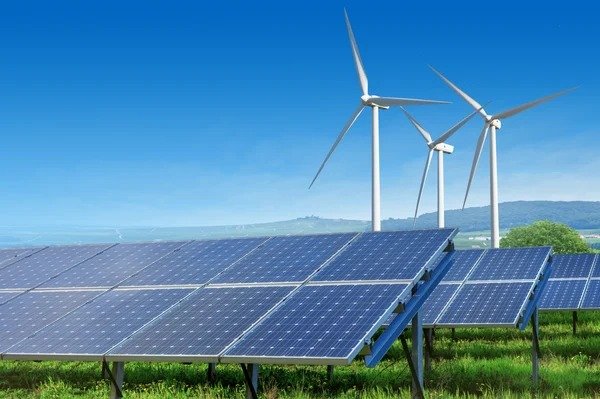
India’s installed renewable energy capacity has increased from 76.38 GW in March 2014 to 288.58 GW as of June 30, 2026, reflecting the country’s accelerated transition towards clean energy, Minister of State for New and Renewable Energy Shripad Yesso Naik informed the Rajya Sabha.
Responding to a parliamentary question, Naik said the growth has been supported by a series of policy measures introduced by the government, including 100% Foreign Direct Investment (FDI) under the automatic route, waiver of Inter-State Transmission System (ISTS) charges for eligible renewable energy projects, renewable purchase obligations (RPOs), competitive bidding for renewable power procurement, and the establishment of Ultra Mega Renewable Energy Power Parks (UMREPPs) across the country.
The minister also highlighted flagship initiatives such as the PM Surya Ghar: Muft Bijli Yojana, PM-KUSUM, the National Green Hydrogen Mission, and the promotion of offshore wind energy and battery energy storage systems as key drivers of renewable energy deployment. He noted that the government continues to implement measures aimed at strengthening grid infrastructure, facilitating project development and attracting investments into the sector.
Naik reiterated that the government remains committed to achieving its long-term clean energy objectives, including the target of 500 GW of non-fossil fuel-based installed electricity capacity by 2030, while supporting India’s broader climate commitments and energy transition goals.
Leave a Reply