Blog

  • MC²+ Ignite to Select 30 Energy Deep-Tech Startups, Offer Up to ₹2 Crore in Milestone-Linked Funding

    MC²+, an energy innovation platform led by the Ministry of Petroleum & Natural Gas (MoPNG) and backed by India’s energy majors, has launched MC²+ Ignite, a sector-specific accelerator programme designed to help deep-tech startups move from technology development and laboratory validation to industrial pilots and commercial deployment.

    The inaugural cohort will comprise approximately 30 startups, with selected companies eligible for up to ₹2 crore each in milestone-linked convertible funding. Beyond capital, the programme will provide startups access to R&D infrastructure, technical expertise, industry mentors, pilot opportunities and potential commercial pathways through participating energy companies.

    MC²+ is a Section 8 not-for-profit energy innovation platform led by the Ministry of Petroleum & Natural Gas and backed by India’s energy majors, created to help translate energy and industrial deep-tech innovations from the laboratory into real-world deployment. Its model brings together four critical elements that startups often struggle to access independently: infrastructure, capital, mentorship and market access.

    The platform brings together energy companies, research institutions, startups and innovators to address industry problem statements and create pathways for promising technologies to be tested, piloted and ultimately commercialised.

    MC²+ Ignite is the platform’s structured accelerator programme, focused on building a pipeline of deep-tech ventures for India’s energy sector.

    The programme is designed to address a critical gap in India’s deep-tech ecosystem. While early-stage funding is increasingly available, startups often struggle to access the operating assets, industrial pilot sites, industry customers and growth capital required to move from proof-of-concept to commercial deployment.

    MC²+ Ignite will operate through a decentralised acceleration and innovation model, with a hub in Delhi and nodes within the R&D centres of participating companies in the Indian oil and gas sector. This will enable participating startups to work closer to real industrial environments and access pilot sites for technology validation.

    MC²+ has partnered with premier institutions including IIT Madras, IIT Kanpur, IIT Kharagpur, C-CAMP and Venture Center, Pune, giving startups access to infrastructure, laboratories and mentoring capabilities across India.

    The objective is to create a direct interface between industry problem statements, scientific research, startup innovation and commercial deployment—reducing the distance between a technology being developed in a laboratory and its adoption in the energy sector.

    Speaking at the launch of MC²+ Ignite at IIT Madras, Dr. Neeraj Mittal, Secretary, Ministry of Petroleum & Natural Gas and Chairman, MC² Foundation, said the platform was created to address duplication and fragmentation in energy-sector R&D and establish stronger links between industry requirements, research institutions and startups.

    “Several of our companies can be working on the very same catalyst at the same time. That is duplication of work, of investment and of bureaucracy and it comes with no direct interface to the institutions where the research is actually happening.”

    Dr. Mittal also emphasised the need for Indian energy technologies to be developed with global markets in mind.

    “We cannot become a Viksit Bharat by focusing on the Indian market alone. We have to produce at a global scale – that is how costs come down.”

    For startups participating in the programme, MC² Foundation intends to support the technology journey beyond funding, including technical and managerial mentorship, access to capital and a pathway towards industry adoption.

    “We will be with you through the entire cycle – mentorship that is both technical and managerial, help with funds, and the visibility that a PSU will procure your product when it is ready. You should not have to worry about whether a market exists.”

    Applications for the inaugural MC²+ Ignite cohort opened on 5 August 2026 and will close on 31 August 2026. Approximately 30 selected startups will be announced on 15 September 2026.
  • Lloyds Metals to Procure 65.59 MW Renewable Power from Gentari India

    Lloyds Metals to Procure 65.59 MW Renewable Power from Gentari India

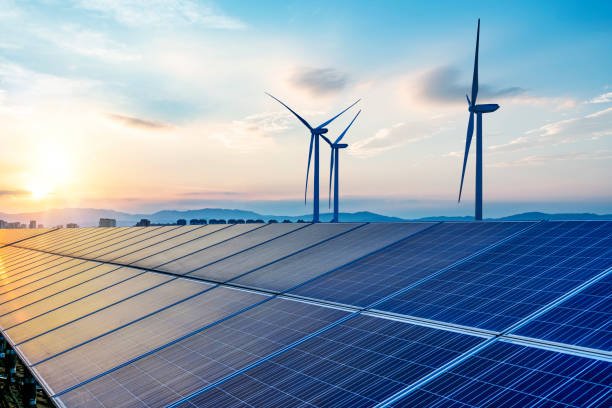
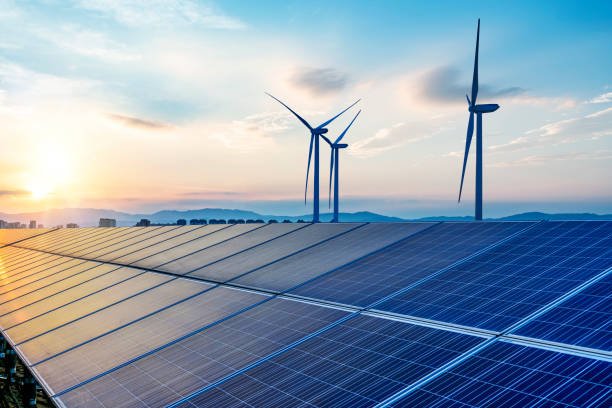
    Lloyds Metals and Energy has approved plans to procure 65.59 MW of renewable power from Gentari India under a group captive structure, comprising 48 MW of wind and 17.59 MW of solar capacity.

    As part of the arrangement, Lloyds Metals will acquire a minimum 26% equity stake in three renewable energy SPVs, with a total proposed investment of up to ₹48.02 crore. The move is aimed at increasing the share of renewable power in the company’s operations and supporting its long-term energy requirements.

    The investment includes up to ₹29.66 crore in Amplus Green One Power, linked to a 36 MW wind project, and up to ₹9.89 crore in Amplus Energy One for a 12 MW wind project. For solar power, the company will invest up to ₹8.47 crore in Amplus Ceres Solar, associated with a 17.59 MW AC (26.47 MWp) solar project.

    The proposed acquisitions and associated power purchase agreements remain subject to applicable regulatory approvals, including open-access requirements in Maharashtra. Lloyds Metals expects to complete the transactions by the end of FY27.

    The group captive procurement forms part of Lloyds Metals’ broader efforts to increase renewable energy use across its operations and reduce dependence on conventional power sources.

  • Lloyds Metals to Procure 65.59 MW Renewable Power from Gentari India

    Lloyds Metals to Procure 65.59 MW Renewable Power from Gentari India

    Lloyds Metals and Energy has approved plans to procure 65.59 MW of renewable power from Gentari India under a group captive structure, comprising 48 MW of wind and 17.59 MW of solar capacity.

    As part of the arrangement, Lloyds Metals will acquire a minimum 26% equity stake in three renewable energy SPVs, with a total proposed investment of up to ₹48.02 crore. The move is aimed at increasing the share of renewable power in the company’s operations and supporting its long-term energy requirements.

    The investment includes up to ₹29.66 crore in Amplus Green One Power, linked to a 36 MW wind project, and up to ₹9.89 crore in Amplus Energy One for a 12 MW wind project. For solar power, the company will invest up to ₹8.47 crore in Amplus Ceres Solar, associated with a 17.59 MW AC (26.47 MWp) solar project.

    The proposed acquisitions and associated power purchase agreements remain subject to applicable regulatory approvals, including open-access requirements in Maharashtra. Lloyds Metals expects to complete the transactions by the end of FY27.

    The group captive procurement forms part of Lloyds Metals’ broader efforts to increase renewable energy use across its operations and reduce dependence on conventional power sources.

  • Lloyds Metals to Procure 65.59 MW Renewable Power from Gentari India

    Lloyds Metals to Procure 65.59 MW Renewable Power from Gentari India

    Lloyds Metals and Energy has approved plans to procure 65.59 MW of renewable power from Gentari India under a group captive structure, comprising 48 MW of wind and 17.59 MW of solar capacity.

    As part of the arrangement, Lloyds Metals will acquire a minimum 26% equity stake in three renewable energy SPVs, with a total proposed investment of up to ₹48.02 crore. The move is aimed at increasing the share of renewable power in the company’s operations and supporting its long-term energy requirements.

    The investment includes up to ₹29.66 crore in Amplus Green One Power, linked to a 36 MW wind project, and up to ₹9.89 crore in Amplus Energy One for a 12 MW wind project. For solar power, the company will invest up to ₹8.47 crore in Amplus Ceres Solar, associated with a 17.59 MW AC (26.47 MWp) solar project.

    The proposed acquisitions and associated power purchase agreements remain subject to applicable regulatory approvals, including open-access requirements in Maharashtra. Lloyds Metals expects to complete the transactions by the end of FY27.

    The group captive procurement forms part of Lloyds Metals’ broader efforts to increase renewable energy use across its operations and reduce dependence on conventional power sources.

  • Lloyds Metals to Procure 65.59 MW Renewable Power from Gentari India

    Lloyds Metals to Procure 65.59 MW Renewable Power from Gentari India

    Lloyds Metals and Energy has approved plans to procure 65.59 MW of renewable power from Gentari India under a group captive structure, comprising 48 MW of wind and 17.59 MW of solar capacity.

    As part of the arrangement, Lloyds Metals will acquire a minimum 26% equity stake in three renewable energy SPVs, with a total proposed investment of up to ₹48.02 crore. The move is aimed at increasing the share of renewable power in the company’s operations and supporting its long-term energy requirements.

    The investment includes up to ₹29.66 crore in Amplus Green One Power, linked to a 36 MW wind project, and up to ₹9.89 crore in Amplus Energy One for a 12 MW wind project. For solar power, the company will invest up to ₹8.47 crore in Amplus Ceres Solar, associated with a 17.59 MW AC (26.47 MWp) solar project.

    The proposed acquisitions and associated power purchase agreements remain subject to applicable regulatory approvals, including open-access requirements in Maharashtra. Lloyds Metals expects to complete the transactions by the end of FY27.

    The group captive procurement forms part of Lloyds Metals’ broader efforts to increase renewable energy use across its operations and reduce dependence on conventional power sources.

  • Lloyds Metals to Procure 65.59 MW Renewable Power from Gentari India

    Lloyds Metals and Energy has approved plans to procure 65.59 MW of renewable power from Gentari India under a group captive structure, comprising 48 MW of wind and 17.59 MW of solar capacity.

    As part of the arrangement, Lloyds Metals will acquire a minimum 26% equity stake in three renewable energy SPVs, with a total proposed investment of up to ₹48.02 crore. The move is aimed at increasing the share of renewable power in the company’s operations and supporting its long-term energy requirements.

    The investment includes up to ₹29.66 crore in Amplus Green One Power, linked to a 36 MW wind project, and up to ₹9.89 crore in Amplus Energy One for a 12 MW wind project. For solar power, the company will invest up to ₹8.47 crore in Amplus Ceres Solar, associated with a 17.59 MW AC (26.47 MWp) solar project.

    The proposed acquisitions and associated power purchase agreements remain subject to applicable regulatory approvals, including open-access requirements in Maharashtra. Lloyds Metals expects to complete the transactions by the end of FY27.

    The group captive procurement forms part of Lloyds Metals’ broader efforts to increase renewable energy use across its operations and reduce dependence on conventional power sources.

  • IWTMA Unveils Report Highlighting State Best Practices to Enable 10 GW Annual Wind Capacity Additions

    IWTMA Unveils Report Highlighting State Best Practices to Enable 10 GW Annual Wind Capacity Additions

    The Indian Wind Turbine Manufacturers Association (IWTMA) has released its report, “Learning from States: Policy Harmony for 10 GW Annual Wind Capacity Additions,” identifying state-level policy and regulatory practices that can be scaled across India to accelerate wind project execution and support the national target of 100 GW of wind capacity by 2030.

    India’s wind sector has entered a critical phase of growth. FY2025-26 recorded 6.1 GW of new wind capacity; the highest annual addition in the sector’s history, taking cumulative installed capacity to 55 GW (March 2026). The development pipeline includes 43 GW under construction, 25.8 GW awarded during FY2023-25 and a further 7.6 GW awarded in FY2025-26. To reach 100 GW by 2030, however, India will need to scale annual installations to approximately 10 GW for the remainder of the decade.

    The report finds that achieving this scale will depend not only on the project pipeline, but also on addressing state-level execution bottlenecks, particularly in transmission readiness and connectivity allocation, land acquisition and Right of Way, regulatory approvals, and timely execution of power sale agreements.

    The study assesses eight major wind-producing and emerging states – Karnataka, Maharashtra, Gujarat, Rajasthan, Andhra Pradesh, Madhya Pradesh, Tamil Nadu and Telangana across nine critical areas of the wind project lifecycle. These are grouped under two frameworks: Demand Enablement, covering demand assessment and energy planning, grid planning, utility allocation and RPO compliance, and C&I/Open Access; and Project Execution & Clearance, covering project registration, land acquisition, grid connectivity, Right of Way and commissioning.

    The assessment shows that several states have already developed practices that can provide a blueprint for wider adoption. Under Demand Enablement, the report identifies measures including taluka-level GIS-based wind resource assessment, explicit wind targets within state renewable energy plans, five-year rolling transmission plans, publication of substation-level evacuation capacity, wind-specific RPO trajectories and time-bound Green Energy Open Access approvals.

    Commenting on the report, Shri Santosh Kumar Sarangi, Secretary, Ministry of New and Renewable Energy, Government of India, said, “As India’s renewable energy landscape evolves, the role of State Governments becomes increasingly important. While national policies provide strategic direction, it is often at the state level that projects are conceptualized, developed, and implemented. State-level policies therefore serve as powerful instruments for attracting investments, facilitating project development, enabling infrastructure creation, and addressing region-specific challenges.”

    Shri Girish Tanti, Chairman, Indian Wind Turbine Manufacturers Association (IWTMA), said, “India’s renewable energy journey continues to make significant progress, driven by the collective commitment of Central and State Governments, developers, and industry stakeholders. As we advance towards 500 GW of non-fossil fuel-based capacity by 2030, wind energy remains a cornerstone of India’s energy transition.” He added that the report aims to strengthen the regulatory foundations required for sustained, large-scale wind energy deployment.

    For Project Execution & Clearance, the report recommends unified single-window registration, end-to-end digital project tracking, clearly defined land allotment frameworks, online and time-bound land-use conversion, digital grid-connectivity applications with transparent eligibility and queue management, online Right of Way approvals, and standardised digital processes for electrical safety approvals, synchronisation and commissioning.

    The state-level assessment highlights clear areas of leadership. Gujarat emerges as the strongest performer under the Demand Enablement framework, with leading practices across long-term energy planning, transmission planning, procurement and RPO implementation, as well as C&I and Open Access processes. Under Project Execution & Clearance, Maharashtra records best-practice performance across 12 parameters, followed by Gujarat across 11 parameters, demonstrating the value of integrated digital platforms and defined approval processes in reducing project-development friction.

    The report also identifies specific practices with potential for national replication. These include five-year rolling State Transmission Utility plans with substation build-out, publication of available grid margins for renewable energy integration, Green Energy Open Access approvals within 15 days through single-window portals, connectivity grants within 30 days subject to feasibility, and defined timelines and digital workflows for land, Right of Way and commissioning approvals.

    With Central and State agencies already planning more than 152 GW of transmission evacuation infrastructure by 2030, the report argues that coordinated implementation of these measures can help translate India’s substantial wind project pipeline into commissioned capacity. Greater alignment of state-level regulations and approval processes can reduce development timelines and transaction costs, improve project visibility and strengthen investor confidence.

    The report is intended to serve as a practical reference for policymakers, regulators, state agencies, developers and investors, enabling states to benchmark their frameworks against proven practices elsewhere and adopt measures suited to their respective markets.

    As India moves towards its 100 GW wind target by 2030, the report concludes that policy harmonisation and replication of proven state-level practices will be central to bridging the gap between project ambition and execution and establishing a predictable framework capable of supporting 10 GW of annual wind capacity additions.

  • IWTMA Unveils Report Highlighting State Best Practices to Enable 10 GW Annual Wind Capacity Additions

    IWTMA Unveils Report Highlighting State Best Practices to Enable 10 GW Annual Wind Capacity Additions

    The Indian Wind Turbine Manufacturers Association (IWTMA) has released its report, “Learning from States: Policy Harmony for 10 GW Annual Wind Capacity Additions,” identifying state-level policy and regulatory practices that can be scaled across India to accelerate wind project execution and support the national target of 100 GW of wind capacity by 2030.

    India’s wind sector has entered a critical phase of growth. FY2025-26 recorded 6.1 GW of new wind capacity; the highest annual addition in the sector’s history, taking cumulative installed capacity to 55 GW (March 2026). The development pipeline includes 43 GW under construction, 25.8 GW awarded during FY2023-25 and a further 7.6 GW awarded in FY2025-26. To reach 100 GW by 2030, however, India will need to scale annual installations to approximately 10 GW for the remainder of the decade.

    The report finds that achieving this scale will depend not only on the project pipeline, but also on addressing state-level execution bottlenecks, particularly in transmission readiness and connectivity allocation, land acquisition and Right of Way, regulatory approvals, and timely execution of power sale agreements.

    The study assesses eight major wind-producing and emerging states – Karnataka, Maharashtra, Gujarat, Rajasthan, Andhra Pradesh, Madhya Pradesh, Tamil Nadu and Telangana across nine critical areas of the wind project lifecycle. These are grouped under two frameworks: Demand Enablement, covering demand assessment and energy planning, grid planning, utility allocation and RPO compliance, and C&I/Open Access; and Project Execution & Clearance, covering project registration, land acquisition, grid connectivity, Right of Way and commissioning.

    The assessment shows that several states have already developed practices that can provide a blueprint for wider adoption. Under Demand Enablement, the report identifies measures including taluka-level GIS-based wind resource assessment, explicit wind targets within state renewable energy plans, five-year rolling transmission plans, publication of substation-level evacuation capacity, wind-specific RPO trajectories and time-bound Green Energy Open Access approvals.

    Commenting on the report, Shri Santosh Kumar Sarangi, Secretary, Ministry of New and Renewable Energy, Government of India, said, “As India’s renewable energy landscape evolves, the role of State Governments becomes increasingly important. While national policies provide strategic direction, it is often at the state level that projects are conceptualized, developed, and implemented. State-level policies therefore serve as powerful instruments for attracting investments, facilitating project development, enabling infrastructure creation, and addressing region-specific challenges.”

    Shri Girish Tanti, Chairman, Indian Wind Turbine Manufacturers Association (IWTMA), said, “India’s renewable energy journey continues to make significant progress, driven by the collective commitment of Central and State Governments, developers, and industry stakeholders. As we advance towards 500 GW of non-fossil fuel-based capacity by 2030, wind energy remains a cornerstone of India’s energy transition.” He added that the report aims to strengthen the regulatory foundations required for sustained, large-scale wind energy deployment.

    For Project Execution & Clearance, the report recommends unified single-window registration, end-to-end digital project tracking, clearly defined land allotment frameworks, online and time-bound land-use conversion, digital grid-connectivity applications with transparent eligibility and queue management, online Right of Way approvals, and standardised digital processes for electrical safety approvals, synchronisation and commissioning.

    The state-level assessment highlights clear areas of leadership. Gujarat emerges as the strongest performer under the Demand Enablement framework, with leading practices across long-term energy planning, transmission planning, procurement and RPO implementation, as well as C&I and Open Access processes. Under Project Execution & Clearance, Maharashtra records best-practice performance across 12 parameters, followed by Gujarat across 11 parameters, demonstrating the value of integrated digital platforms and defined approval processes in reducing project-development friction.

    The report also identifies specific practices with potential for national replication. These include five-year rolling State Transmission Utility plans with substation build-out, publication of available grid margins for renewable energy integration, Green Energy Open Access approvals within 15 days through single-window portals, connectivity grants within 30 days subject to feasibility, and defined timelines and digital workflows for land, Right of Way and commissioning approvals.

    With Central and State agencies already planning more than 152 GW of transmission evacuation infrastructure by 2030, the report argues that coordinated implementation of these measures can help translate India’s substantial wind project pipeline into commissioned capacity. Greater alignment of state-level regulations and approval processes can reduce development timelines and transaction costs, improve project visibility and strengthen investor confidence.

    The report is intended to serve as a practical reference for policymakers, regulators, state agencies, developers and investors, enabling states to benchmark their frameworks against proven practices elsewhere and adopt measures suited to their respective markets.

    As India moves towards its 100 GW wind target by 2030, the report concludes that policy harmonisation and replication of proven state-level practices will be central to bridging the gap between project ambition and execution and establishing a predictable framework capable of supporting 10 GW of annual wind capacity additions.

  • IWTMA Unveils Report Highlighting State Best Practices to Enable 10 GW Annual Wind Capacity Additions

    IWTMA Unveils Report Highlighting State Best Practices to Enable 10 GW Annual Wind Capacity Additions

    The Indian Wind Turbine Manufacturers Association (IWTMA) has released its report, “Learning from States: Policy Harmony for 10 GW Annual Wind Capacity Additions,” identifying state-level policy and regulatory practices that can be scaled across India to accelerate wind project execution and support the national target of 100 GW of wind capacity by 2030.

    India’s wind sector has entered a critical phase of growth. FY2025-26 recorded 6.1 GW of new wind capacity; the highest annual addition in the sector’s history, taking cumulative installed capacity to 55 GW (March 2026). The development pipeline includes 43 GW under construction, 25.8 GW awarded during FY2023-25 and a further 7.6 GW awarded in FY2025-26. To reach 100 GW by 2030, however, India will need to scale annual installations to approximately 10 GW for the remainder of the decade.

    The report finds that achieving this scale will depend not only on the project pipeline, but also on addressing state-level execution bottlenecks, particularly in transmission readiness and connectivity allocation, land acquisition and Right of Way, regulatory approvals, and timely execution of power sale agreements.

    The study assesses eight major wind-producing and emerging states – Karnataka, Maharashtra, Gujarat, Rajasthan, Andhra Pradesh, Madhya Pradesh, Tamil Nadu and Telangana across nine critical areas of the wind project lifecycle. These are grouped under two frameworks: Demand Enablement, covering demand assessment and energy planning, grid planning, utility allocation and RPO compliance, and C&I/Open Access; and Project Execution & Clearance, covering project registration, land acquisition, grid connectivity, Right of Way and commissioning.

    The assessment shows that several states have already developed practices that can provide a blueprint for wider adoption. Under Demand Enablement, the report identifies measures including taluka-level GIS-based wind resource assessment, explicit wind targets within state renewable energy plans, five-year rolling transmission plans, publication of substation-level evacuation capacity, wind-specific RPO trajectories and time-bound Green Energy Open Access approvals.

    Commenting on the report, Shri Santosh Kumar Sarangi, Secretary, Ministry of New and Renewable Energy, Government of India, said, “As India’s renewable energy landscape evolves, the role of State Governments becomes increasingly important. While national policies provide strategic direction, it is often at the state level that projects are conceptualized, developed, and implemented. State-level policies therefore serve as powerful instruments for attracting investments, facilitating project development, enabling infrastructure creation, and addressing region-specific challenges.”

    Shri Girish Tanti, Chairman, Indian Wind Turbine Manufacturers Association (IWTMA), said, “India’s renewable energy journey continues to make significant progress, driven by the collective commitment of Central and State Governments, developers, and industry stakeholders. As we advance towards 500 GW of non-fossil fuel-based capacity by 2030, wind energy remains a cornerstone of India’s energy transition.” He added that the report aims to strengthen the regulatory foundations required for sustained, large-scale wind energy deployment.

    For Project Execution & Clearance, the report recommends unified single-window registration, end-to-end digital project tracking, clearly defined land allotment frameworks, online and time-bound land-use conversion, digital grid-connectivity applications with transparent eligibility and queue management, online Right of Way approvals, and standardised digital processes for electrical safety approvals, synchronisation and commissioning.

    The state-level assessment highlights clear areas of leadership. Gujarat emerges as the strongest performer under the Demand Enablement framework, with leading practices across long-term energy planning, transmission planning, procurement and RPO implementation, as well as C&I and Open Access processes. Under Project Execution & Clearance, Maharashtra records best-practice performance across 12 parameters, followed by Gujarat across 11 parameters, demonstrating the value of integrated digital platforms and defined approval processes in reducing project-development friction.

    The report also identifies specific practices with potential for national replication. These include five-year rolling State Transmission Utility plans with substation build-out, publication of available grid margins for renewable energy integration, Green Energy Open Access approvals within 15 days through single-window portals, connectivity grants within 30 days subject to feasibility, and defined timelines and digital workflows for land, Right of Way and commissioning approvals.

    With Central and State agencies already planning more than 152 GW of transmission evacuation infrastructure by 2030, the report argues that coordinated implementation of these measures can help translate India’s substantial wind project pipeline into commissioned capacity. Greater alignment of state-level regulations and approval processes can reduce development timelines and transaction costs, improve project visibility and strengthen investor confidence.

    The report is intended to serve as a practical reference for policymakers, regulators, state agencies, developers and investors, enabling states to benchmark their frameworks against proven practices elsewhere and adopt measures suited to their respective markets.

    As India moves towards its 100 GW wind target by 2030, the report concludes that policy harmonisation and replication of proven state-level practices will be central to bridging the gap between project ambition and execution and establishing a predictable framework capable of supporting 10 GW of annual wind capacity additions.

  • IWTMA Unveils Report Highlighting State Best Practices to Enable 10 GW Annual Wind Capacity Additions

    The Indian Wind Turbine Manufacturers Association (IWTMA) has released its report, “Learning from States: Policy Harmony for 10 GW Annual Wind Capacity Additions,” identifying state-level policy and regulatory practices that can be scaled across India to accelerate wind project execution and support the national target of 100 GW of wind capacity by 2030.

    India’s wind sector has entered a critical phase of growth. FY2025-26 recorded 6.1 GW of new wind capacity; the highest annual addition in the sector’s history, taking cumulative installed capacity to 55 GW (March 2026). The development pipeline includes 43 GW under construction, 25.8 GW awarded during FY2023-25 and a further 7.6 GW awarded in FY2025-26. To reach 100 GW by 2030, however, India will need to scale annual installations to approximately 10 GW for the remainder of the decade.

    The report finds that achieving this scale will depend not only on the project pipeline, but also on addressing state-level execution bottlenecks, particularly in transmission readiness and connectivity allocation, land acquisition and Right of Way, regulatory approvals, and timely execution of power sale agreements.

    The study assesses eight major wind-producing and emerging states – Karnataka, Maharashtra, Gujarat, Rajasthan, Andhra Pradesh, Madhya Pradesh, Tamil Nadu and Telangana across nine critical areas of the wind project lifecycle. These are grouped under two frameworks: Demand Enablement, covering demand assessment and energy planning, grid planning, utility allocation and RPO compliance, and C&I/Open Access; and Project Execution & Clearance, covering project registration, land acquisition, grid connectivity, Right of Way and commissioning.

    The assessment shows that several states have already developed practices that can provide a blueprint for wider adoption. Under Demand Enablement, the report identifies measures including taluka-level GIS-based wind resource assessment, explicit wind targets within state renewable energy plans, five-year rolling transmission plans, publication of substation-level evacuation capacity, wind-specific RPO trajectories and time-bound Green Energy Open Access approvals.

    Commenting on the report, Shri Santosh Kumar Sarangi, Secretary, Ministry of New and Renewable Energy, Government of India, said, “As India’s renewable energy landscape evolves, the role of State Governments becomes increasingly important. While national policies provide strategic direction, it is often at the state level that projects are conceptualized, developed, and implemented. State-level policies therefore serve as powerful instruments for attracting investments, facilitating project development, enabling infrastructure creation, and addressing region-specific challenges.”

    Shri Girish Tanti, Chairman, Indian Wind Turbine Manufacturers Association (IWTMA), said, “India’s renewable energy journey continues to make significant progress, driven by the collective commitment of Central and State Governments, developers, and industry stakeholders. As we advance towards 500 GW of non-fossil fuel-based capacity by 2030, wind energy remains a cornerstone of India’s energy transition.” He added that the report aims to strengthen the regulatory foundations required for sustained, large-scale wind energy deployment.

    For Project Execution & Clearance, the report recommends unified single-window registration, end-to-end digital project tracking, clearly defined land allotment frameworks, online and time-bound land-use conversion, digital grid-connectivity applications with transparent eligibility and queue management, online Right of Way approvals, and standardised digital processes for electrical safety approvals, synchronisation and commissioning.

    The state-level assessment highlights clear areas of leadership. Gujarat emerges as the strongest performer under the Demand Enablement framework, with leading practices across long-term energy planning, transmission planning, procurement and RPO implementation, as well as C&I and Open Access processes. Under Project Execution & Clearance, Maharashtra records best-practice performance across 12 parameters, followed by Gujarat across 11 parameters, demonstrating the value of integrated digital platforms and defined approval processes in reducing project-development friction.

    The report also identifies specific practices with potential for national replication. These include five-year rolling State Transmission Utility plans with substation build-out, publication of available grid margins for renewable energy integration, Green Energy Open Access approvals within 15 days through single-window portals, connectivity grants within 30 days subject to feasibility, and defined timelines and digital workflows for land, Right of Way and commissioning approvals.

    With Central and State agencies already planning more than 152 GW of transmission evacuation infrastructure by 2030, the report argues that coordinated implementation of these measures can help translate India’s substantial wind project pipeline into commissioned capacity. Greater alignment of state-level regulations and approval processes can reduce development timelines and transaction costs, improve project visibility and strengthen investor confidence.

    The report is intended to serve as a practical reference for policymakers, regulators, state agencies, developers and investors, enabling states to benchmark their frameworks against proven practices elsewhere and adopt measures suited to their respective markets.

    As India moves towards its 100 GW wind target by 2030, the report concludes that policy harmonisation and replication of proven state-level practices will be central to bridging the gap between project ambition and execution and establishing a predictable framework capable of supporting 10 GW of annual wind capacity additions.