Blog

  • CII Gujarat Conference on Cost Optimization for Industries using Renewable Energy

    CII Gujarat Renewable Energy Panel and CII Gujarat Textile Panel are jointly organising a Conference on “Cost Optimization for Industries using Renewable Energy – Practical Solutions & Business Opportunities through Solar Energy” on Friday, 19 June 2026 at Hotel Novotel, Ahmedabad from 1000 hrs to 1330 hrs.

    With rising power costs and increasing focus on sustainable industrial operations, renewable energy particularly solar power is emerging as a key solution for industries to optimise operational expenses, improve energy efficiency, and strengthen long-term competitiveness.

    The conference is being organised to create awareness among industries, particularly MSMEs and manufacturing enterprises, on practical renewable energy solutions that can help optimise energy costs, improve competitiveness and support sustainable industrial growth. The programme will bring together industry leaders, business owners, plant heads, energy managers, solar developers, EPC companies, technology providers and policy experts to discuss practical solar adoption models, cost-saving opportunities, policy framework, financing options, industrial use cases and emerging opportunities in the renewable energy sector.

    The programme is expected to witness participation from business owners, plant heads, operations teams, energy managers, sustainability professionals and key decision-makers from manufacturing and allied sectors across Gujarat.

  • “We are focused on building energy systems that combine generation, storage, flexibility and reliability”, said Mr. Ratul Puri, Chairman, Hindustan Power

    Q 1. Hindustan Power has been a pioneer in India’s renewable energy sector. Can you take us through the company’s journey and some of the key milestones that have shaped its growth?
    India’s energy landscape has witnessed a remarkable transformation over the past two decades and Hindustan Power has been an integral part of that journey since its early stages. We entered the renewable energy sector when solar power was still an emerging technology and long before it became a central pillar of India’s energy transition.

    Some of our early defining achievements include developing India’s first 5 MW solar power project (2010) and Asia’s first 30 MW solar PV project (2011). These projects were important not only because they broke new ground technologically, but because they demonstrated that large-scale renewable energy could be commercially viable and contribute meaningfully to the country’s energy mix.

    As the sector evolved, so did our vision. We expanded our presence across renewable energy, transitional power generation and supporting infrastructure, building capabilities that allow us to address both sustainability and energy security requirements. In recent times, we have strengthened our focus on battery energy storage and integrated energy solutions, recognising that the future of the sector will be shaped by the reliable delivery of clean energy.

    Today, as we work towards building a 5 GW energy portfolio, our focus remains steadfast on creating scalable, future ready infrastructure that supports India’s economic growth while contributing to a more sustainable and resilient energy ecosystem.

     Q 2. The company developed India’s first 5 MW solar plant and Asia’s first 30 MW solar PV project. How have these early achievements influenced your long-term strategy in clean energy? 
    Those projects were significant in terms of their scale at the time and in demonstrating that renewable energy could transition from concept to commercial viability. They gave us first-hand experience in developing, financing and operating large clean energy assets in a market that was still finding its footing.

    More importantly, those early projects taught us that energy transitions are never static. Technologies evolve, customer expectations change and grid requirements become more complex. That understanding continues to shape our strategy today.

    We are moving beyond a capacity-focused approach to renewables. We are focused on building energy systems that combine generation, storage, flexibility and reliability. The lessons from our early investments in solar energy taught us the value of staying ahead of technology cycles and anticipating future trends rather than simply responding to where the market stands today. That perspective continues to guide our investments and strategic priorities as the energy landscape evolves.

    Q 3.  As India accelerates its energy transition, what opportunities do you see for renewable energy developers in supporting the country’s sustainability and energy security goals?
    India’s energy transition presents one of the most significant opportunities globally. As the country pursues rapid economic growth, industrial expansion and digital transformation, the demand for reliable, affordable and sustainable energy will continue to rise, creating substantial opportunities for renewable energy developers.

    The opportunity today extends far beyond adding renewable energy capacity. Developers are increasingly becoming partners in strengthening energy security by delivering integrated energy solutions that enhance reliability, support grid stability and reduce dependence on imported fuels.

    We are also witnessing new demand drivers emerge from manufacturing, digital infrastructure and data centres. These sectors require large volumes of clean electricity delivered consistently and competitively. Renewable energy developers that can combine scale, technology and execution excellence will play a critical role in supporting India’s sustainability goals while strengthening the country’s long-term energy resilience and energy security.

     Q 4.  Hindustan Power is actively expanding into solar-plus-storage solutions. How do you see battery energy storage transforming the renewable energy landscape in India? 
    Battery energy storage is set to become one of the defining technologies of India’s energy transition. Over the past decade, the focus was largely on adding renewable generation capacity. The future of the energy transition will be defined by aligning clean energy availability with consumer demand and usage patterns.

    In many ways, storage is becoming the bridge between renewable energy generation and grid reliability. As renewable penetration increases, storage will play a critical role in balancing supply and demand, supporting grid stability and enabling round-the-clock clean power. It will also help cut down curtailment, manage peak demand and accelerate the adoption of renewable power on demand.

    At Hindustan Power, we see storage as a strategic growth area and a key enabler of the future electricity system. As of 2025, we had expanded our battery storage portfolio to more than 750 MWh across multiple states, including projects with SECI, SJVN and BSPGCL. These investments reflect our belief that solar-plus-storage will increasingly become the preferred model for delivering reliable, flexible and scalable clean energy in India.

    Q 5.  The company operates across renewable and transitional energy businesses. How do you balance reliability, affordability, and sustainability while planning future projects?
    Energy transition is often discussed in terms of sustainability, but long-term success will also be defined by reliability and affordability. These three objectives are interconnected and cannot be pursued in isolation.

    Our planning approach is guided by a simple principle: every energy system must be able to provide dependable power at competitive costs while progressively reducing its environmental footprint. This requires a balanced portfolio approach that combines renewable energy growth with technologies and infrastructure capable of supporting grid stability.

    As India’s power demand continues to grow, the transition must support economic development, industrial competitiveness and energy security. We therefore view renewable energy, energy storage and enabling infrastructure as complementary elements of an integrated energy ecosystem that can deliver sustainable, reliable and affordable power at scale.

     Q 6.  Innovation and large-scale project execution have been central to Hindustan Power’s success. What recent technological advancements or project developments are you most excited about?
    One of the most exciting developments in the energy sector today is the convergence of renewable energy, battery storage and advanced power infrastructure. The industry is moving beyond standalone generation assets towards integrated energy systems that can deliver cleaner, more reliable and more flexible power.

    From Hindustan Power’s perspective, the rapid scale-up of our battery energy storage portfolio is particularly encouraging. Storage is transforming the economics and operational capabilities of renewable energy by enabling firm and dispatchable power, which will become increasingly important as electricity demand continues to rise across industries, mobility and digital infrastructure.

    Equally exciting is the pace at which solar-plus-storage projects are moving from concept to commercial deployment. We are seeing growing acceptance of dispatchable renewable power models across utilities and state agencies, creating opportunities to build energy infrastructure that combines clean generation with reliability and grid support.

    We are also encouraged by advancements in ultra-supercritical generation technology, digital asset optimisation and predictive operational systems that are improving efficiency across the power value chain. As the energy landscape evolves, competitive advantage will come from combining diverse technologies to deliver cleaner, more reliable and more efficient energy solutions.

     Q 7. Hindustan Power recently signed a 25-year Power Supply Agreement with MP Power Management Company for supplying 800 MW from its upcoming Anuppur project. How does this milestone align with the company’s long-term growth strategy and vision for India’s evolving power sector?
    The agreement is a significant achievement.in our growth journey and reflects our long-term commitment to build large-scale power infrastructure that supports India’s development ambitions. The project will supply 800 MW of power to Madhya Pradesh under a 25-year agreement, providing long-term visibility while helping meet the state’s growing electricity requirements. It represents a significant addition to our long-term infrastructure portfolio and demonstrates our confidence in India’s rapidly evolving energy markets.

    From a strategic perspective, the project reflects our belief that India’s energy transition will require both renewable energy expansion and dependable power infrastructure capable of supporting economic growth, industrialisation and rising electricity demand. Reliable baseload power will continue to play an important role as the country scales renewable energy and storage capacity.

    The Anuppur project also builds on our established presence in Madhya Pradesh and demonstrates confidence in our ability to develop and operate large, technologically advanced energy assets. As India enters what I often describe as the “era of electricity”, projects of this scale will be essential in ensuring that energy security, affordability and sustainability progress together.

  • SECI And MahaGenco REL Join Hands To Develop 5 GW Renewable Energy Pipeline Across India

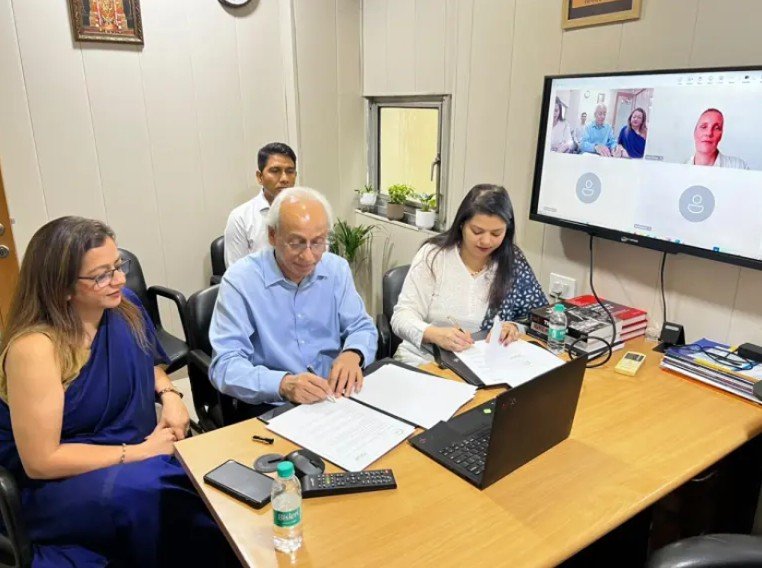
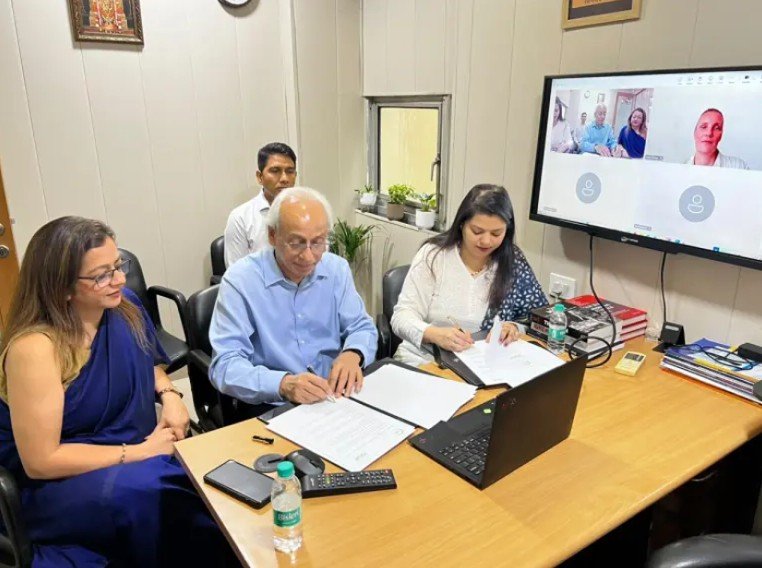
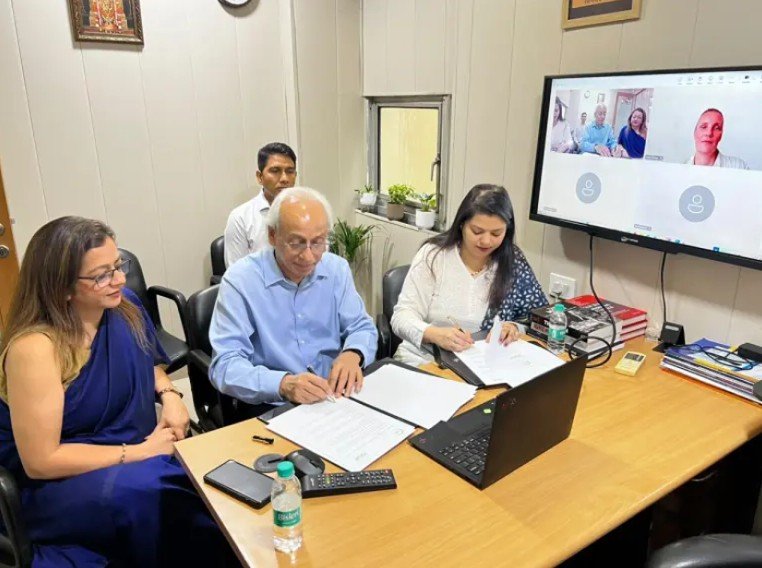
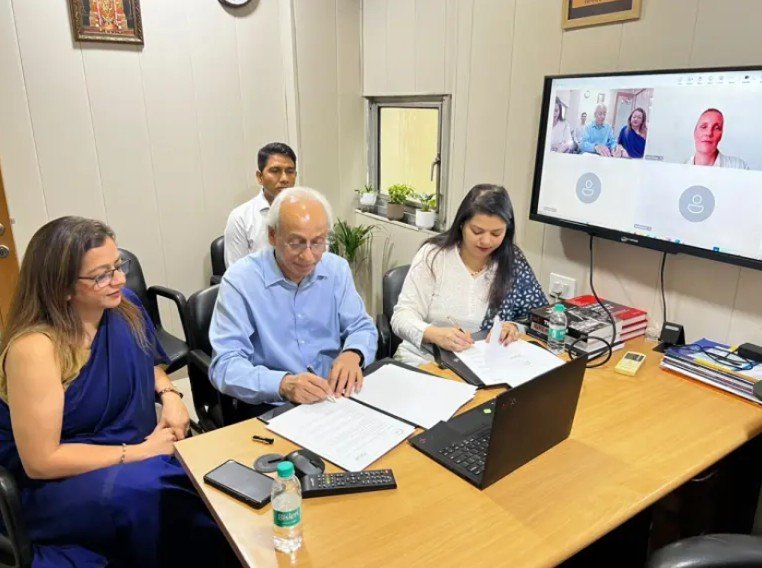
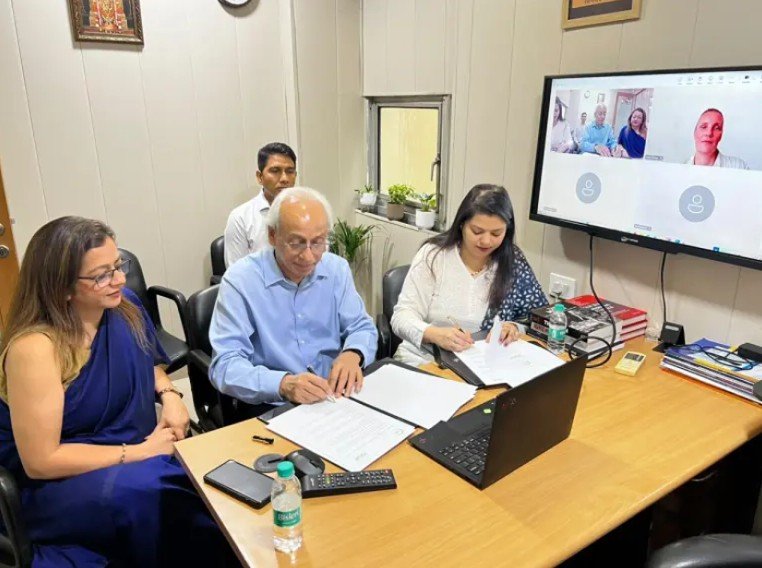
    SECI and MahaGenco Renewable Energy Limited (MahaGenco REL), a wholly owned subsidiary of Maharashtra State Power Generation Company Limited (MAHAGENCO), have signed a Memorandum of Understanding (MoU) to explore and develop renewable energy projects and emerging clean energy technologies across Maharashtra and other parts of India.

    The agreement was signed by Sivakumar V. Vepakomma, Director (Power Systems) at SECI, and Abhay Harne, Director (Projects) at MAHAGENCO, in the presence of Akash Tripathi, Managing Director of SECI, along with senior officials from both organizations.

    Under the partnership, the two entities will work together on several clean energy initiatives. These include the development of Firm and Dispatchable Renewable Energy (FDRE) projects, Round-the-Clock (RTC) renewable power solutions, Battery Energy Storage Systems (BESS), Pumped Storage Projects (PSP), Green Hydrogen, and Green Ammonia. The collaboration will also cover power trading activities and project monitoring consultancy services.

    The partnership is expected to support the expansion of renewable energy infrastructure and strengthen the adoption of advanced clean energy technologies. According to the agreement, the potential project pipeline could reach up to 5 GW, making it a significant step toward enhancing India’s renewable energy capacity.

    By combining SECI’s experience in renewable energy development and power trading with MahaGenco REL’s project execution capabilities, the two organizations aim to accelerate the country’s clean energy transition. The collaboration is also expected to contribute to India’s long-term sustainability goals and support the nation’s commitment to achieving its Net Zero targets in the coming decades.

  • ACME to Invest USD 4.2 Billion in Expansion of Green Hydrogen and Ammonia Project in Oman

    ACME to Invest USD 4.2 Billion in Expansion of Green Hydrogen and Ammonia Project in Oman

    ACME Group has announced plans to invest approximately USD 4.2 billion in the expansion of its green hydrogen and green ammonia project in Duqm, Oman, reinforcing its commitment to large-scale clean fuel production and supporting Oman’s ambition to become a global green hydrogen hub.

    The investment will fund the second and third phases of the project, following the signing of an investment agreement with Oman’s Public Authority for Special Economic Zones and Free Zones (OPAZ). The expansion forms part of a broader renewable energy development program being advanced within the Special Economic Zone at Duqm.

    Under the expansion plan, each phase is expected to produce around 71,000 tonnes of green hydrogen and 400,000 tonnes of green ammonia annually. Once both phases are operational, the project’s cumulative production capacity is projected to reach 142,000 tonnes of green hydrogen and 800,000 tonnes of green ammonia per year. Commercial operations for Phase 2 and Phase 3 are targeted to commence in 2030 and 2033, respectively.

    The project builds upon ACME’s first phase in Duqm, which is currently under development and is expected to produce 100,000 tonnes of green ammonia annually. The overall development is set to play a significant role in advancing Oman’s national green hydrogen strategy and expanding the country’s renewable energy value chain.

    According to industry estimates, the investment further strengthens Oman’s position as an emerging destination for green hydrogen investments, while supporting global efforts to decarbonize hard-to-abate sectors through the production of sustainable fuels and green ammonia for domestic and export markets.

    The expansion marks another major milestone for ACME’s international clean energy portfolio and underscores the growing momentum of large-scale green hydrogen and ammonia projects across the Middle East.

  • UltraTech Deploys 45 Electric Heavy-Duty Trucks for Clinker Transportation in Northern India

    UltraTech Deploys 45 Electric Heavy-Duty Trucks for Clinker Transportation in Northern India

    UltraTech Cement Limited, the world’s largest cement company by sales volume and capacity, excluding China, has commenced deployment of 45 electric heavy-duty trucks in partnership with Energy In Motion (EIM).

    The fleet will transport clinker from Kotputli Cement Works, UltraTech’s integrated manufacturing unit in Rajasthan, to its grinding units, Dadri Cement Works and Sikandarabad Cement Works, located in the Delhi-NCR region, over a 250-kilometre lead distance, traversing the states of Rajasthan, Haryana, and Uttar Pradesh. The deployment of these 45 electric trucks further strengthens UltraTech’s existing fleet of over 750 green trucks.

    This deployment follows the signing of a transport service contract between UltraTech, EIM and a logistics service provider. The deployment is among the largest of its kind in the cement sector in northern India and marks a significant step in establishing the viability of long-haul electric heavy-duty trucking in the country.

    The fleet, comprising 45 electric trucks, each of 55-tonne capacity, is projected to reduce over 8,900 tons of CO2 emissions annually, displacing the equivalent of about 2.9 million litres of diesel per year. The initiative supports India’s push towards zero-emission commercial transportation, a priority articulated by the Government of India across its EV and logistics policy frameworks.

    Speaking on the development, K C Jhanwar, Managing Director, UltraTech Cement Limited, said, “India’s ambition for clean, energy-secure transportation demands industry action, and UltraTech is committed to being at the forefront. This deployment reflects our belief that decarbonizing logistics is as strategic as decarbonizing production. By shifting long-haul clinker movement to electric, we are aligning with the country’s stated objective to reduce dependence on imported fossil fuels, while building a supply chain that is resilient, responsible, and future-ready.”

    UltraTech has been a pioneer in advancing sustainable transport in the cement sector. The company was among the first in India to introduce ‘Green Logistics’, deploying CNG trucks in 2021, LNG trucks in 2022, and electric trucks in 2024. The Company continues to partner closely with its logistics providers to transition from diesel to cleaner fuels. As of FY26, UltraTech operates 638 CNG trucks, 32 LNG trucks, and 89 electric trucks across its various manufacturing units.

  • Fluence Unveils FY2025 Sustainability Report, Strengthens Climate Transparency and ESG Commitments

    Fluence Energy, an intelligent energy storage systems, services and asset optimisation software company, released its fiscal year 2025 Sustainability Report (the “Report”), covering the period from October 1, 2024, to September 30, 2025.

    Currently, in its fourth year of publication, the Report outlines Fluence’s progress across a wide range of Environmental, Social and Governance (ESG) initiatives and presents the Company’s sustainability roadmap, which includes plans to strengthen transparency, improve environmental performance across its value chain and advance responsible and resilient business practices.

    Julian Nebreda, President and Chief Executive Officer, Fluence, said, “Our mission to transform the way we power our world has never been more urgent, as the need for reliable, flexible and resilient grids grows stronger every day. Energy storage is playing an increasingly pivotal role in meeting new power demands across global markets, including from the digital infrastructure driving artificial intelligence. We are helping our customers address mission-critical requirements for power quality, reliability and cybersecurity, while delivering solutions that support faster grid integration, greater energy efficiency and more sustainable outcomes for the communities we serve.”

    Dhanya Rajeswaran, Global VP and Country Managing Director, India, Fluence, added, “As Fluence establishes its first operational emissions baseline and strengthens global climate disclosures, our Global Innovation Centre in Bangalore plays a critical role in enabling this transformation. Through our engineering and technology teams, we are not just building software; we are designing intelligent energy storage systems that power a cleaner, more resilient grid across nearly 50 markets worldwide. True sustainability requires data-driven accountability, and Fluence is proud to be the engine driving that innovation forward.”

    Fluence established its first baseline for Scope 1 and Scope 2 greenhouse gas emissions, creating a clear benchmark to measure and track the company’s operational climate performance. The company also completed its second report aligned with the Task Force on Climate-related Financial Disclosures (TCFD), providing stakeholders with greater transparency into its climate strategy, risk management approach and long-term resilience planning.

    Further strengthening its sustainability credentials, Fluence received a Commitment Badge in its first EcoVadis assessment, recognising the company’s progress and transparency across its sustainability initiatives. In addition, Fluence was recognised by Corporate Knights as the most sustainable corporation in the United States and ranked fourth globally among the world’s most sustainable companies.

  • Hexa Climate Signs 160 MW FDRE Power Purchase Agreement with NHPC

    Hexa Climate has signed a Power Purchase Agreement (PPA) with NHPC for a 160 MW Firm and Dispatchable Renewable Energy (FDRE) project, marking a significant step toward strengthening India’s round-the-clock clean energy supply.

    The project comprises 80 MW of base contracted capacity along with an additional 80 MW under the green-shoe option. Designed to provide reliable renewable power beyond daylight hours, the FDRE project will deliver clean electricity on demand, supporting grid stability and reducing dependence on conventional fossil fuel-based generation.

    With an annual capacity utilization factor (CUF) of 65%, the project stands out among renewable energy assets, enabling it to qualify as firm and dispatchable power. The tariff for the project was discovered through a competitive bidding process at ₹4.33 per kWh and has received regulatory adoption from both the Central Electricity Regulatory Commission (CERC) and the Punjab State Electricity Regulatory Commission (PSERC).

    The project will operate under a 25-year agreement and is connected through the Interstate Transmission System (ISTS). NHPC will serve as the intermediary procurer, while Punjab State Power Corporation Limited (PSPCL) will be the end distribution utility procuring the power.

    According to Hexa Climate, the project is expected to avoid approximately 747,000 tonnes of carbon dioxide emissions annually, translating to nearly 18.7 million tonnes of avoided emissions over its operational lifetime. The environmental impact is comparable to removing around 160,000 cars from the road each year.

    The company highlighted the regulatory approvals from both central and state authorities as a strong validation of the project’s commercial and operational viability. Hexa Climate also acknowledged NHPC for facilitating a collaborative procurement process and credited its internal teams for driving the project through regulatory, commercial, and execution milestones.

    The agreement underscores the growing role of FDRE projects in India’s energy transition, providing dispatchable renewable power that can support energy security while accelerating decarbonization goals.

  • Tata Power Launches ‘Vidyut Dhaara’ to Showcase the Human Impact of Energy Beyond the Grid

    Tata Power Launches ‘Vidyut Dhaara’ to Showcase the Human Impact of Energy Beyond the Grid

    Tata Power has unveiled ‘Vidyut Dhaara’, a new purpose-led storytelling initiative that highlights how energy creates impact far beyond powering homes, businesses, and industries. The initiative reflects the company’s commitment to empowering communities, enabling livelihoods, fostering inclusion, and driving sustainable development across India.

    Conceived as a unified expression of Tata Power’s social impact journey, Vidyut Dhaara aligns with the company’s vision of empowering a billion lives through sustainable, affordable, and innovative energy solutions. It showcases how the flow of energy extends into classrooms, entrepreneurial ventures, skill development programs, and community-led sustainability efforts.

    At the heart of the initiative is an original film and title song that illustrate how energy transforms lives beyond the electricity grid. The film follows Dhaara, a young protagonist whose journey takes viewers through classrooms, workshops, fields, and communities, revealing the many ways energy fuels opportunity, resilience, inclusion, and environmental stewardship.

    The narrative highlights several of Tata Power’s flagship social initiatives, including the Tata Power Skill Development Institute (TPSDI), which equips youth with skills for green jobs and the power sector; Anokha Dhaaga, the company’s entrepreneurship and livelihood development program; Pay Autention, a pioneering initiative focused on neurodiversity awareness and inclusion; and Club Enerji, Tata Power’s long-running sustainability and energy literacy program for students.

    To bring the concept to life, Tata Power collaborated with Swarathma, the contemporary folk-rock band known for socially conscious storytelling. The partnership resulted in an original musical composition that serves as the emotional and narrative thread of the film.

    The initiative also reinforces Tata Power’s broader clean energy ambitions. The company has committed to increasing the share of clean and green energy capacity in its portfolio to 70% by 2030, reflecting its long-term focus on sustainability and renewable energy development.

    According to Tata Power, Vidyut Dhaara represents the intersection of business purpose and community progress, emphasizing that the transition to cleaner energy and the creation of more inclusive, empowered communities are interconnected goals. The initiative carries forward the legacy of founder Jamsetji Tata, whose philosophy held that businesses serve as trustees of the communities in which they operate.

    Through Vidyut Dhaara, Tata Power seeks to demonstrate how energy can power not only infrastructure and economic growth, but also aspirations, opportunities, and sustainable futures for generations to come.

  • Tata Power Launches ‘Vidyut Dhaara’ to Showcase the Human Impact of Energy Beyond the Grid

    Tata Power Launches ‘Vidyut Dhaara’ to Showcase the Human Impact of Energy Beyond the Grid

    Tata Power has unveiled ‘Vidyut Dhaara’, a new purpose-led storytelling initiative that highlights how energy creates impact far beyond powering homes, businesses, and industries. The initiative reflects the company’s commitment to empowering communities, enabling livelihoods, fostering inclusion, and driving sustainable development across India.

    Conceived as a unified expression of Tata Power’s social impact journey, Vidyut Dhaara aligns with the company’s vision of empowering a billion lives through sustainable, affordable, and innovative energy solutions. It showcases how the flow of energy extends into classrooms, entrepreneurial ventures, skill development programs, and community-led sustainability efforts.

    At the heart of the initiative is an original film and title song that illustrate how energy transforms lives beyond the electricity grid. The film follows Dhaara, a young protagonist whose journey takes viewers through classrooms, workshops, fields, and communities, revealing the many ways energy fuels opportunity, resilience, inclusion, and environmental stewardship.

    The narrative highlights several of Tata Power’s flagship social initiatives, including the Tata Power Skill Development Institute (TPSDI), which equips youth with skills for green jobs and the power sector; Anokha Dhaaga, the company’s entrepreneurship and livelihood development program; Pay Autention, a pioneering initiative focused on neurodiversity awareness and inclusion; and Club Enerji, Tata Power’s long-running sustainability and energy literacy program for students.

    To bring the concept to life, Tata Power collaborated with Swarathma, the contemporary folk-rock band known for socially conscious storytelling. The partnership resulted in an original musical composition that serves as the emotional and narrative thread of the film.

    The initiative also reinforces Tata Power’s broader clean energy ambitions. The company has committed to increasing the share of clean and green energy capacity in its portfolio to 70% by 2030, reflecting its long-term focus on sustainability and renewable energy development.

    According to Tata Power, Vidyut Dhaara represents the intersection of business purpose and community progress, emphasizing that the transition to cleaner energy and the creation of more inclusive, empowered communities are interconnected goals. The initiative carries forward the legacy of founder Jamsetji Tata, whose philosophy held that businesses serve as trustees of the communities in which they operate.

    Through Vidyut Dhaara, Tata Power seeks to demonstrate how energy can power not only infrastructure and economic growth, but also aspirations, opportunities, and sustainable futures for generations to come.

  • Tata Power Launches ‘Vidyut Dhaara’ to Showcase the Human Impact of Energy Beyond the Grid

    Tata Power Launches ‘Vidyut Dhaara’ to Showcase the Human Impact of Energy Beyond the Grid

    Tata Power has unveiled ‘Vidyut Dhaara’, a new purpose-led storytelling initiative that highlights how energy creates impact far beyond powering homes, businesses, and industries. The initiative reflects the company’s commitment to empowering communities, enabling livelihoods, fostering inclusion, and driving sustainable development across India.

    Conceived as a unified expression of Tata Power’s social impact journey, Vidyut Dhaara aligns with the company’s vision of empowering a billion lives through sustainable, affordable, and innovative energy solutions. It showcases how the flow of energy extends into classrooms, entrepreneurial ventures, skill development programs, and community-led sustainability efforts.

    At the heart of the initiative is an original film and title song that illustrate how energy transforms lives beyond the electricity grid. The film follows Dhaara, a young protagonist whose journey takes viewers through classrooms, workshops, fields, and communities, revealing the many ways energy fuels opportunity, resilience, inclusion, and environmental stewardship.

    The narrative highlights several of Tata Power’s flagship social initiatives, including the Tata Power Skill Development Institute (TPSDI), which equips youth with skills for green jobs and the power sector; Anokha Dhaaga, the company’s entrepreneurship and livelihood development program; Pay Autention, a pioneering initiative focused on neurodiversity awareness and inclusion; and Club Enerji, Tata Power’s long-running sustainability and energy literacy program for students.

    To bring the concept to life, Tata Power collaborated with Swarathma, the contemporary folk-rock band known for socially conscious storytelling. The partnership resulted in an original musical composition that serves as the emotional and narrative thread of the film.

    The initiative also reinforces Tata Power’s broader clean energy ambitions. The company has committed to increasing the share of clean and green energy capacity in its portfolio to 70% by 2030, reflecting its long-term focus on sustainability and renewable energy development.

    According to Tata Power, Vidyut Dhaara represents the intersection of business purpose and community progress, emphasizing that the transition to cleaner energy and the creation of more inclusive, empowered communities are interconnected goals. The initiative carries forward the legacy of founder Jamsetji Tata, whose philosophy held that businesses serve as trustees of the communities in which they operate.

    Through Vidyut Dhaara, Tata Power seeks to demonstrate how energy can power not only infrastructure and economic growth, but also aspirations, opportunities, and sustainable futures for generations to come.