Blog

  • RAYZON Solar and Caelux Partner to Scale Next-Generation Solar Tech for “Make in India” Initiative

    RAYZON Solar Limited (Rayzon Solar), a leading Indian solar manufacturer, and Caelux Corporation (Caelux), a global leader in perovskite solar technology, today announced a monumental five-year, 5 GW partnership to integrate Caelux’s energy-producing solar glass with RAYZON Solar’s advanced TOPCon modules. Supporting the country’s “Make in India” vision through local manufacturing, this partnership will enable next-generation perovskite-plus-silicon modules with record-breaking efficiencies of 28%.

    From Technology Integration to Commercial Deployment: Caelux’s energy-producing solar glass replaces the conventional top glass in a module with a second power-generating perovskite layer, also known as a Hybrid Tandem module. This creates modules with significantly greater power density than conventional silicon-only modules, accelerating the deployment of more clean energy.

    Chirag Nakrani, Co-Founder & Managing Director, RAYZON Solar Limited, said, “We are dedicated to fulfilling India’s vision of establishing world-class, high-quality solar manufacturing at scale. By partnering with Caelux, we are furthering our technology leadership and strengthening India’s position at the forefront of next-generation solar manufacturing. Leveraging its 11.3 GW large-scale bifacial manufacturing platform, RAYZON Solar will overlay Caelux’s energy-producing glass on its TOPCon technology to produce the highest power density modules available.  As India is one of the top solar manufacturing countries in the world, it is a strategic destination for us. This partnership is a critical step in Caelux’s growth trajectory as we look to scale our technology globally,” said Scott Graybeal, CEO, Caelux Corporation. “We are honoured to partner with RAYZON Solar, an award-winning and globally-respected solar module manufacturer.”

    The companies are currently collaborating on early deployments, and commercial volumes are expected to be available by 2028 and eligible for India’s government-tendered utility market.

    Building India’s Domestic Clean Energy Manufacturing Ecosystem: India is experiencing dramatic growth in both solar deployment and manufacturing due to the Production Linked Incentives Schemes from India’s Ministry of New and Renewable Energy (MNRE) combined with the Approved List of Models and Manufacturers (ALMM) listing requirements.

    “This partnership accelerates our capability to domestically manufacture at the efficiency frontier and at the scale India needs to meet its ambitious clean energy goals of 500 GW by 2030,” said Amit Barve, CEO, Rayzon Solar Limited.

    With facilities in Kim and Kosamba, Surat, Rayzon Solar’s ALMM-listed manufacturing platform provides the scale needed to commercialize the next-generation modules.  

    “Having spent my career supporting both downstream project development and solar manufacturing, I am excited about the massive impact that this partnership will have for the Indian solar market,” said Vish Iyer, Managing Director, India & West Asia, Caelux Corporation.

  • RAYZON Solar and Caelux Partner to Scale Next-Generation Solar Tech for “Make in India” Initiative

    RAYZON Solar Limited (Rayzon Solar), a leading Indian solar manufacturer, and Caelux Corporation (Caelux), a global leader in perovskite solar technology, today announced a monumental five-year, 5 GW partnership to integrate Caelux’s energy-producing solar glass with RAYZON Solar’s advanced TOPCon modules. Supporting the country’s “Make in India” vision through local manufacturing, this partnership will enable next-generation perovskite-plus-silicon modules with record-breaking efficiencies of 28%.

    From Technology Integration to Commercial Deployment: Caelux’s energy-producing solar glass replaces the conventional top glass in a module with a second power-generating perovskite layer, also known as a Hybrid Tandem module. This creates modules with significantly greater power density than conventional silicon-only modules, accelerating the deployment of more clean energy.

    Chirag Nakrani, Co-Founder & Managing Director, RAYZON Solar Limited, said, “We are dedicated to fulfilling India’s vision of establishing world-class, high-quality solar manufacturing at scale. By partnering with Caelux, we are furthering our technology leadership and strengthening India’s position at the forefront of next-generation solar manufacturing. Leveraging its 11.3 GW large-scale bifacial manufacturing platform, RAYZON Solar will overlay Caelux’s energy-producing glass on its TOPCon technology to produce the highest power density modules available.  As India is one of the top solar manufacturing countries in the world, it is a strategic destination for us. This partnership is a critical step in Caelux’s growth trajectory as we look to scale our technology globally,” said Scott Graybeal, CEO, Caelux Corporation. “We are honoured to partner with RAYZON Solar, an award-winning and globally-respected solar module manufacturer.”

    The companies are currently collaborating on early deployments, and commercial volumes are expected to be available by 2028 and eligible for India’s government-tendered utility market.

    Building India’s Domestic Clean Energy Manufacturing Ecosystem: India is experiencing dramatic growth in both solar deployment and manufacturing due to the Production Linked Incentives Schemes from India’s Ministry of New and Renewable Energy (MNRE) combined with the Approved List of Models and Manufacturers (ALMM) listing requirements.

    “This partnership accelerates our capability to domestically manufacture at the efficiency frontier and at the scale India needs to meet its ambitious clean energy goals of 500 GW by 2030,” said Amit Barve, CEO, Rayzon Solar Limited.

    With facilities in Kim and Kosamba, Surat, Rayzon Solar’s ALMM-listed manufacturing platform provides the scale needed to commercialize the next-generation modules.  

    “Having spent my career supporting both downstream project development and solar manufacturing, I am excited about the massive impact that this partnership will have for the Indian solar market,” said Vish Iyer, Managing Director, India & West Asia, Caelux Corporation.

  • Adani Green Energy’s FY26 EBITDA Rises 23% to ₹10,865 Crore on Strong Capacity Addition

    Adani Green Energy’s FY26 EBITDA Rises 23% to ₹10,865 Crore on Strong Capacity Addition

    Adani Green Energy Ltd. (AGEL) reported a 23% year-on-year increase in EBITDA from power supply to ₹10,865 crore in FY26, supported by robust renewable capacity additions and higher energy generation during the year. Revenue from power supply rose 22% to ₹11,602 crore, while operational renewable energy capacity expanded 35% year-on-year to 19.3 GW.

    The company added 5.1 GW of greenfield renewable energy capacity during FY26, compared with 3.3 GW in the previous year, marking its highest-ever annual capacity addition. Most of the new capacity was commissioned at resource-rich locations in Khavda, Gujarat, and Rajasthan, contributing to higher power generation and operational performance.

    Energy sales during the year increased 34% to 37,567 million units, while the company maintained an EBITDA margin of 91%. Cash profit also rose 11% year-on-year to ₹5,399 crore, reflecting strong cash generation from its operating portfolio.

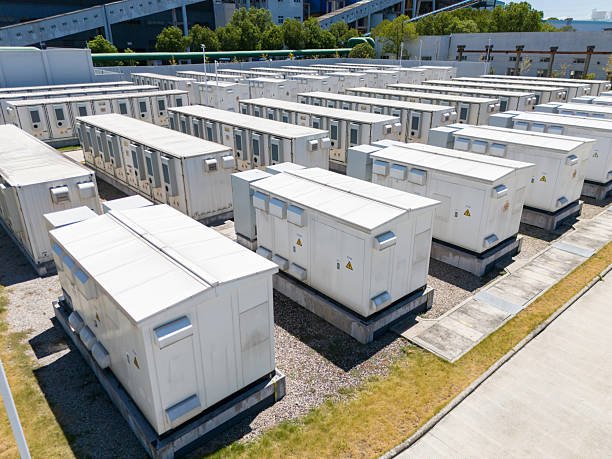
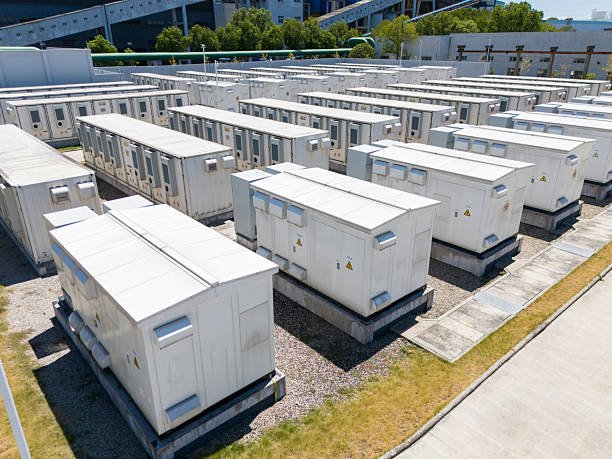
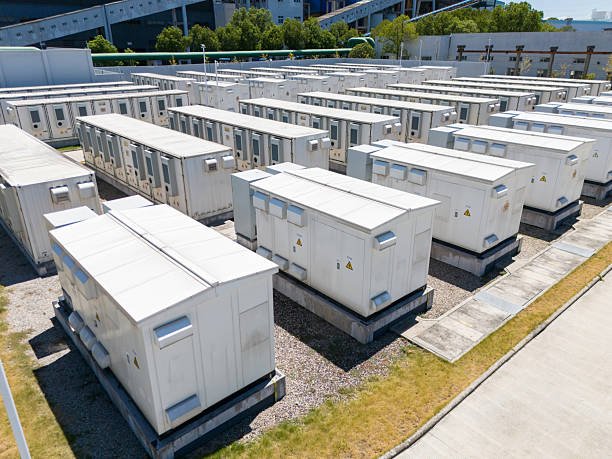
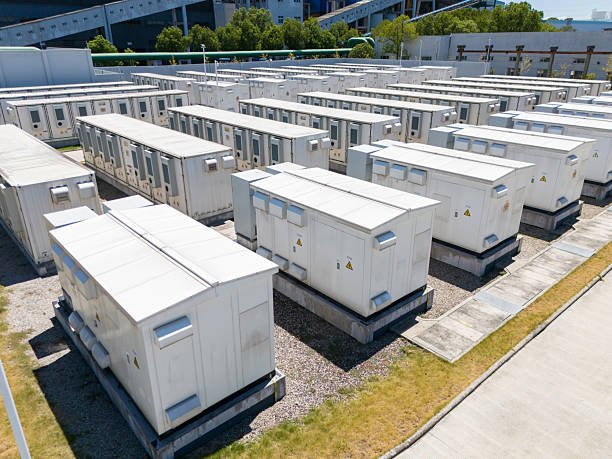
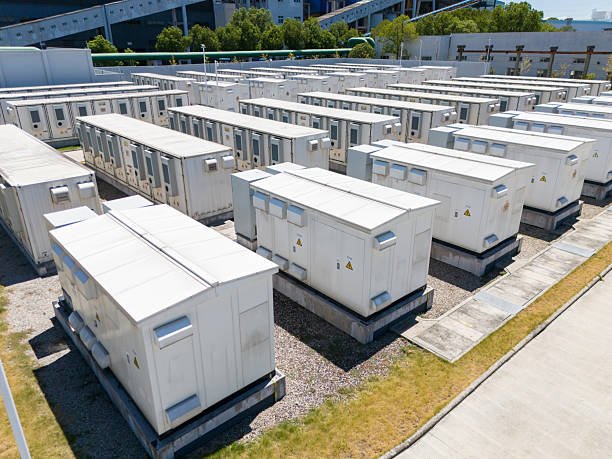
    AGEL also expanded its energy storage portfolio by installing 1,376 MWh of Battery Energy Storage System (BESS) capacity at Khavda, one of the world’s largest single-location deployments. The company is targeting more than 10,000 MWh of BESS capacity by FY27 to strengthen the integration of renewable energy into the grid.

    Commenting on the performance, Sagar Adani, Executive Director, Adani Green Energy, said FY26 was a landmark year for the company, driven by record greenfield capacity addition and continued progress at the Khavda renewable energy project. He noted that the expansion reinforces AGEL’s leadership in India’s renewable energy sector and supports its long-term growth strategy.

  • Adani Green Energy’s FY26 EBITDA Rises 23% to ₹10,865 Crore on Strong Capacity Addition

    Adani Green Energy Ltd. (AGEL) reported a 23% year-on-year increase in EBITDA from power supply to ₹10,865 crore in FY26, supported by robust renewable capacity additions and higher energy generation during the year. Revenue from power supply rose 22% to ₹11,602 crore, while operational renewable energy capacity expanded 35% year-on-year to 19.3 GW.

    The company added 5.1 GW of greenfield renewable energy capacity during FY26, compared with 3.3 GW in the previous year, marking its highest-ever annual capacity addition. Most of the new capacity was commissioned at resource-rich locations in Khavda, Gujarat, and Rajasthan, contributing to higher power generation and operational performance.

    Energy sales during the year increased 34% to 37,567 million units, while the company maintained an EBITDA margin of 91%. Cash profit also rose 11% year-on-year to ₹5,399 crore, reflecting strong cash generation from its operating portfolio.

    AGEL also expanded its energy storage portfolio by installing 1,376 MWh of Battery Energy Storage System (BESS) capacity at Khavda, one of the world’s largest single-location deployments. The company is targeting more than 10,000 MWh of BESS capacity by FY27 to strengthen the integration of renewable energy into the grid.

    Commenting on the performance, Sagar Adani, Executive Director, Adani Green Energy, said FY26 was a landmark year for the company, driven by record greenfield capacity addition and continued progress at the Khavda renewable energy project. He noted that the expansion reinforces AGEL’s leadership in India’s renewable energy sector and supports its long-term growth strategy.

  • Adani Green Energy’s FY26 EBITDA Rises 23% to ₹10,865 Crore on Strong Capacity Addition

    Adani Green Energy Ltd. (AGEL) reported a 23% year-on-year increase in EBITDA from power supply to ₹10,865 crore in FY26, supported by robust renewable capacity additions and higher energy generation during the year. Revenue from power supply rose 22% to ₹11,602 crore, while operational renewable energy capacity expanded 35% year-on-year to 19.3 GW.

    The company added 5.1 GW of greenfield renewable energy capacity during FY26, compared with 3.3 GW in the previous year, marking its highest-ever annual capacity addition. Most of the new capacity was commissioned at resource-rich locations in Khavda, Gujarat, and Rajasthan, contributing to higher power generation and operational performance.

    Energy sales during the year increased 34% to 37,567 million units, while the company maintained an EBITDA margin of 91%. Cash profit also rose 11% year-on-year to ₹5,399 crore, reflecting strong cash generation from its operating portfolio.

    AGEL also expanded its energy storage portfolio by installing 1,376 MWh of Battery Energy Storage System (BESS) capacity at Khavda, one of the world’s largest single-location deployments. The company is targeting more than 10,000 MWh of BESS capacity by FY27 to strengthen the integration of renewable energy into the grid.

    Commenting on the performance, Sagar Adani, Executive Director, Adani Green Energy, said FY26 was a landmark year for the company, driven by record greenfield capacity addition and continued progress at the Khavda renewable energy project. He noted that the expansion reinforces AGEL’s leadership in India’s renewable energy sector and supports its long-term growth strategy.

  • Nextpower Completes Acquisition of Prevalon Energy, Launches Advanced Energy Storage Business

    Nextpower Completes Acquisition of Prevalon Energy, Launches Advanced Energy Storage Business

    Nextpower has completed its previously announced acquisition of Prevalon Energy, a U.S.-headquartered provider of large-scale battery energy storage systems (BESS), power stabilization solutions, and lifecycle services.

    This acquisition marks another milestone in Nextpower’s strategy to provide end-to-end solutions spanning power plant design, deployment, optimization, and long-term operations. With the addition of energy storage, Nextpower’s integrated platform extends beyond solar with a proven portfolio of BESS, energy management software, and power control technologies and lifecycle services supporting grid-connected storage, hybrid power plants, AI data center infrastructure, and other critical power applications. The business brings a proven track record with more than 6 GWh of energy storage systems deployed worldwide.

    “We are very pleased to welcome the talented Prevalon team to Nextpower. The team will continue to be run by Tom Cornell, who led Prevalon as CEO since its founding,” said Dan Shugar, founder and CEO of Nextpower. “Reliable energy storage is foundational to designing, building, and operating critical energy infrastructure. The addition of Prevalon expands our ability to serve utility-scale customers and data centers with a broader portfolio of proven technologies from a trusted, bankable partner. It also provides Nextpower with a significant foothold in one of the fastest growing segments of the global power industry.

    “As demand for electricity accelerates, utilities, power producers, data center developers, and grid operators need accountable, bankable partners that can deliver reliable, dispatchable power at unprecedented scale and speed. With our customer-centric approach, reputation for high-quality execution, and proven ability to rapidly scale, Nextpower is uniquely positioned to serve both continued growth of utility-scale solar and the rapidly growing energy storage market.”

  • Nextpower Completes Acquisition of Prevalon Energy, Launches Advanced Energy Storage Business

    Nextpower has completed its previously announced acquisition of Prevalon Energy, a U.S.-headquartered provider of large-scale battery energy storage systems (BESS), power stabilization solutions, and lifecycle services.

    This acquisition marks another milestone in Nextpower’s strategy to provide end-to-end solutions spanning power plant design, deployment, optimization, and long-term operations. With the addition of energy storage, Nextpower’s integrated platform extends beyond solar with a proven portfolio of BESS, energy management software, and power control technologies and lifecycle services supporting grid-connected storage, hybrid power plants, AI data center infrastructure, and other critical power applications. The business brings a proven track record with more than 6 GWh of energy storage systems deployed worldwide.

    “We are very pleased to welcome the talented Prevalon team to Nextpower. The team will continue to be run by Tom Cornell, who led Prevalon as CEO since its founding,” said Dan Shugar, founder and CEO of Nextpower. “Reliable energy storage is foundational to designing, building, and operating critical energy infrastructure. The addition of Prevalon expands our ability to serve utility-scale customers and data centers with a broader portfolio of proven technologies from a trusted, bankable partner. It also provides Nextpower with a significant foothold in one of the fastest growing segments of the global power industry.

    “As demand for electricity accelerates, utilities, power producers, data center developers, and grid operators need accountable, bankable partners that can deliver reliable, dispatchable power at unprecedented scale and speed. With our customer-centric approach, reputation for high-quality execution, and proven ability to rapidly scale, Nextpower is uniquely positioned to serve both continued growth of utility-scale solar and the rapidly growing energy storage market.”

  • Nextpower Completes Acquisition of Prevalon Energy, Launches Advanced Energy Storage Business

    Nextpower has completed its previously announced acquisition of Prevalon Energy, a U.S.-headquartered provider of large-scale battery energy storage systems (BESS), power stabilization solutions, and lifecycle services.

    This acquisition marks another milestone in Nextpower’s strategy to provide end-to-end solutions spanning power plant design, deployment, optimization, and long-term operations. With the addition of energy storage, Nextpower’s integrated platform extends beyond solar with a proven portfolio of BESS, energy management software, and power control technologies and lifecycle services supporting grid-connected storage, hybrid power plants, AI data center infrastructure, and other critical power applications. The business brings a proven track record with more than 6 GWh of energy storage systems deployed worldwide.

    “We are very pleased to welcome the talented Prevalon team to Nextpower. The team will continue to be run by Tom Cornell, who led Prevalon as CEO since its founding,” said Dan Shugar, founder and CEO of Nextpower. “Reliable energy storage is foundational to designing, building, and operating critical energy infrastructure. The addition of Prevalon expands our ability to serve utility-scale customers and data centers with a broader portfolio of proven technologies from a trusted, bankable partner. It also provides Nextpower with a significant foothold in one of the fastest growing segments of the global power industry.

    “As demand for electricity accelerates, utilities, power producers, data center developers, and grid operators need accountable, bankable partners that can deliver reliable, dispatchable power at unprecedented scale and speed. With our customer-centric approach, reputation for high-quality execution, and proven ability to rapidly scale, Nextpower is uniquely positioned to serve both continued growth of utility-scale solar and the rapidly growing energy storage market.”

  • India’s Renewable Energy Capacity Rises to 288.58 GW from 76.38 GW Since 2014: Government

    India’s Renewable Energy Capacity Rises to 288.58 GW from 76.38 GW Since 2014: Government

    India’s installed renewable energy capacity has increased from 76.38 GW in March 2014 to 288.58 GW as of June 30, 2026, reflecting the country’s accelerated transition towards clean energy, Minister of State for New and Renewable Energy Shripad Yesso Naik informed the Rajya Sabha.

    Responding to a parliamentary question, Naik said the growth has been supported by a series of policy measures introduced by the government, including 100% Foreign Direct Investment (FDI) under the automatic route, waiver of Inter-State Transmission System (ISTS) charges for eligible renewable energy projects, renewable purchase obligations (RPOs), competitive bidding for renewable power procurement, and the establishment of Ultra Mega Renewable Energy Power Parks (UMREPPs) across the country.

    The minister also highlighted flagship initiatives such as the PM Surya Ghar: Muft Bijli Yojana, PM-KUSUM, the National Green Hydrogen Mission, and the promotion of offshore wind energy and battery energy storage systems as key drivers of renewable energy deployment. He noted that the government continues to implement measures aimed at strengthening grid infrastructure, facilitating project development and attracting investments into the sector.

    Naik reiterated that the government remains committed to achieving its long-term clean energy objectives, including the target of 500 GW of non-fossil fuel-based installed electricity capacity by 2030, while supporting India’s broader climate commitments and energy transition goals.

  • India’s Renewable Energy Capacity Rises to 288.58 GW from 76.38 GW Since 2014: Government

    India’s installed renewable energy capacity has increased from 76.38 GW in March 2014 to 288.58 GW as of June 30, 2026, reflecting the country’s accelerated transition towards clean energy, Minister of State for New and Renewable Energy Shripad Yesso Naik informed the Rajya Sabha.

    Responding to a parliamentary question, Naik said the growth has been supported by a series of policy measures introduced by the government, including 100% Foreign Direct Investment (FDI) under the automatic route, waiver of Inter-State Transmission System (ISTS) charges for eligible renewable energy projects, renewable purchase obligations (RPOs), competitive bidding for renewable power procurement, and the establishment of Ultra Mega Renewable Energy Power Parks (UMREPPs) across the country.

    The minister also highlighted flagship initiatives such as the PM Surya Ghar: Muft Bijli Yojana, PM-KUSUM, the National Green Hydrogen Mission, and the promotion of offshore wind energy and battery energy storage systems as key drivers of renewable energy deployment. He noted that the government continues to implement measures aimed at strengthening grid infrastructure, facilitating project development and attracting investments into the sector.

    Naik reiterated that the government remains committed to achieving its long-term clean energy objectives, including the target of 500 GW of non-fossil fuel-based installed electricity capacity by 2030, while supporting India’s broader climate commitments and energy transition goals.