Blog

  • Hexa Renewables Japan Signs Corporate PPA To Supply Solar Power To Ebara’s Kumamoto Plant

    Hexa Renewables Japan Signs Corporate PPA To Supply Solar Power To Ebara’s Kumamoto Plant

    HEXA Renewables Japan Co., Ltd. has finalized an off-site corporate Power Purchase Agreement (PPA) with energy retailer Ebara Environmental Plant Co., Ltd. to supply renewable solar electricity to Ebara Corporation’s manufacturing facility in Kumamoto, Japan.

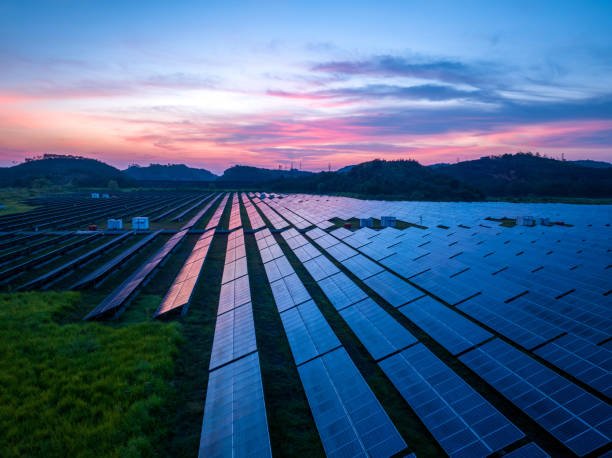
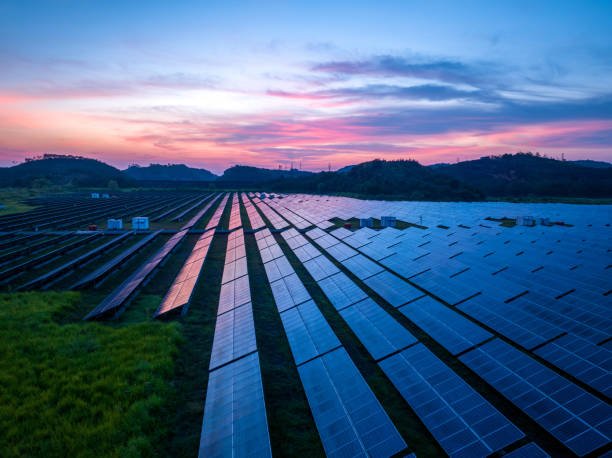
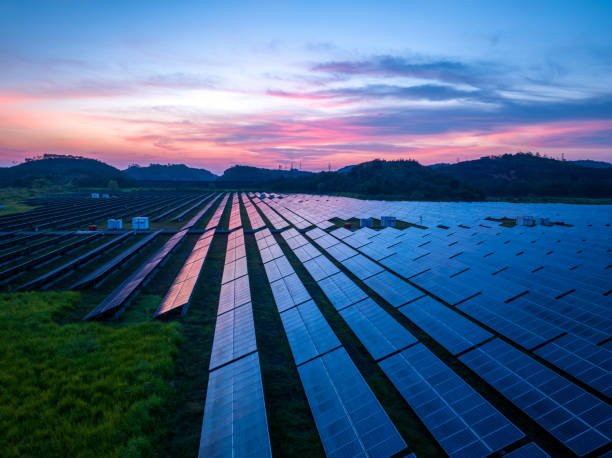
    Under the agreement, electricity will be generated at a high-voltage solar power plant located in Arao City, Kumamoto Prefecture. The project will operate under a non-FIT model, allowing the renewable electricity to be supplied through a corporate power procurement arrangement rather than Japan’s Feed-in Tariff scheme.

    The solar power generated at the Arao City facility will be delivered to Ebara Corporation’s Kumamoto Plant through Ebara Environmental Plant. The agreement also covers the transfer of environmental attributes and sustainability credentials associated with the renewable electricity. This will enable the participating companies to account for the environmental benefits linked to the clean power supply.

    The operation and management of the solar generation facility will be handled by HEXA Energy Services G.K. through its group company, HEXA Renewables Japan. Both companies are part of I Squared Capital, a global infrastructure investment firm with operations and assets across more than 70 countries.

    The corporate PPA is expected to support Ebara Corporation’s efforts to increase renewable electricity consumption at its manufacturing operations while contributing to regional decarbonization efforts in Kumamoto.

    The arrangement reflects the growing use of off-site corporate PPAs in Japan as companies seek long-term access to renewable electricity and environmental attributes. Such agreements are becoming an important mechanism for industrial consumers to reduce emissions associated with electricity consumption and advance sustainability targets.

    The initiative also supports Japan’s broader efforts to expand renewable energy use and reduce greenhouse gas emissions. By connecting renewable generation with industrial electricity demand, the project demonstrates how corporate procurement can contribute to the development of clean energy infrastructure.
  • Hexa Renewables Japan Signs Corporate PPA To Supply Solar Power To Ebara’s Kumamoto Plant

    Hexa Renewables Japan Signs Corporate PPA To Supply Solar Power To Ebara’s Kumamoto Plant

    HEXA Renewables Japan Co., Ltd. has finalized an off-site corporate Power Purchase Agreement (PPA) with energy retailer Ebara Environmental Plant Co., Ltd. to supply renewable solar electricity to Ebara Corporation’s manufacturing facility in Kumamoto, Japan.

    Under the agreement, electricity will be generated at a high-voltage solar power plant located in Arao City, Kumamoto Prefecture. The project will operate under a non-FIT model, allowing the renewable electricity to be supplied through a corporate power procurement arrangement rather than Japan’s Feed-in Tariff scheme.

    The solar power generated at the Arao City facility will be delivered to Ebara Corporation’s Kumamoto Plant through Ebara Environmental Plant. The agreement also covers the transfer of environmental attributes and sustainability credentials associated with the renewable electricity. This will enable the participating companies to account for the environmental benefits linked to the clean power supply.

    The operation and management of the solar generation facility will be handled by HEXA Energy Services G.K. through its group company, HEXA Renewables Japan. Both companies are part of I Squared Capital, a global infrastructure investment firm with operations and assets across more than 70 countries.

    The corporate PPA is expected to support Ebara Corporation’s efforts to increase renewable electricity consumption at its manufacturing operations while contributing to regional decarbonization efforts in Kumamoto.

    The arrangement reflects the growing use of off-site corporate PPAs in Japan as companies seek long-term access to renewable electricity and environmental attributes. Such agreements are becoming an important mechanism for industrial consumers to reduce emissions associated with electricity consumption and advance sustainability targets.

    The initiative also supports Japan’s broader efforts to expand renewable energy use and reduce greenhouse gas emissions. By connecting renewable generation with industrial electricity demand, the project demonstrates how corporate procurement can contribute to the development of clean energy infrastructure.
  • Hexa Renewables Japan Signs Corporate PPA To Supply Solar Power To Ebara’s Kumamoto Plant

    Hexa Renewables Japan Signs Corporate PPA To Supply Solar Power To Ebara’s Kumamoto Plant

    HEXA Renewables Japan Co., Ltd. has finalized an off-site corporate Power Purchase Agreement (PPA) with energy retailer Ebara Environmental Plant Co., Ltd. to supply renewable solar electricity to Ebara Corporation’s manufacturing facility in Kumamoto, Japan.

    Under the agreement, electricity will be generated at a high-voltage solar power plant located in Arao City, Kumamoto Prefecture. The project will operate under a non-FIT model, allowing the renewable electricity to be supplied through a corporate power procurement arrangement rather than Japan’s Feed-in Tariff scheme.

    The solar power generated at the Arao City facility will be delivered to Ebara Corporation’s Kumamoto Plant through Ebara Environmental Plant. The agreement also covers the transfer of environmental attributes and sustainability credentials associated with the renewable electricity. This will enable the participating companies to account for the environmental benefits linked to the clean power supply.

    The operation and management of the solar generation facility will be handled by HEXA Energy Services G.K. through its group company, HEXA Renewables Japan. Both companies are part of I Squared Capital, a global infrastructure investment firm with operations and assets across more than 70 countries.

    The corporate PPA is expected to support Ebara Corporation’s efforts to increase renewable electricity consumption at its manufacturing operations while contributing to regional decarbonization efforts in Kumamoto.

    The arrangement reflects the growing use of off-site corporate PPAs in Japan as companies seek long-term access to renewable electricity and environmental attributes. Such agreements are becoming an important mechanism for industrial consumers to reduce emissions associated with electricity consumption and advance sustainability targets.

    The initiative also supports Japan’s broader efforts to expand renewable energy use and reduce greenhouse gas emissions. By connecting renewable generation with industrial electricity demand, the project demonstrates how corporate procurement can contribute to the development of clean energy infrastructure.
  • Hexa Renewables Japan Signs Corporate PPA To Supply Solar Power To Ebara’s Kumamoto Plant

    HEXA Renewables Japan Co., Ltd. has finalized an off-site corporate Power Purchase Agreement (PPA) with energy retailer Ebara Environmental Plant Co., Ltd. to supply renewable solar electricity to Ebara Corporation’s manufacturing facility in Kumamoto, Japan.

    Under the agreement, electricity will be generated at a high-voltage solar power plant located in Arao City, Kumamoto Prefecture. The project will operate under a non-FIT model, allowing the renewable electricity to be supplied through a corporate power procurement arrangement rather than Japan’s Feed-in Tariff scheme.

    The solar power generated at the Arao City facility will be delivered to Ebara Corporation’s Kumamoto Plant through Ebara Environmental Plant. The agreement also covers the transfer of environmental attributes and sustainability credentials associated with the renewable electricity. This will enable the participating companies to account for the environmental benefits linked to the clean power supply.

    The operation and management of the solar generation facility will be handled by HEXA Energy Services G.K. through its group company, HEXA Renewables Japan. Both companies are part of I Squared Capital, a global infrastructure investment firm with operations and assets across more than 70 countries.

    The corporate PPA is expected to support Ebara Corporation’s efforts to increase renewable electricity consumption at its manufacturing operations while contributing to regional decarbonization efforts in Kumamoto.

    The arrangement reflects the growing use of off-site corporate PPAs in Japan as companies seek long-term access to renewable electricity and environmental attributes. Such agreements are becoming an important mechanism for industrial consumers to reduce emissions associated with electricity consumption and advance sustainability targets.

    The initiative also supports Japan’s broader efforts to expand renewable energy use and reduce greenhouse gas emissions. By connecting renewable generation with industrial electricity demand, the project demonstrates how corporate procurement can contribute to the development of clean energy infrastructure.
  • GEON Commissions 10 MW/20 MWh BESS Project in Rajasthan’s Phalodi

    GEON Commissions 10 MW/20 MWh BESS Project in Rajasthan’s Phalodi

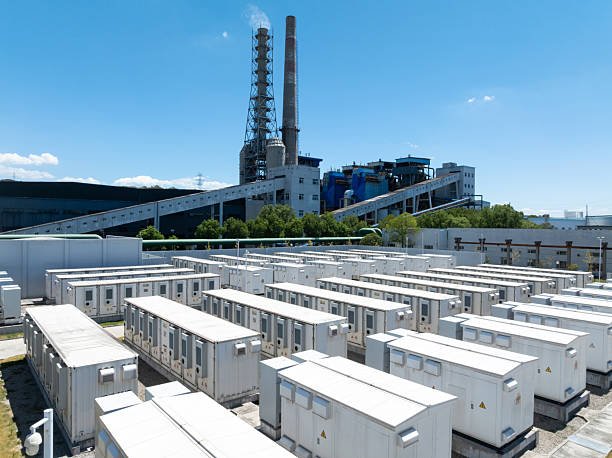
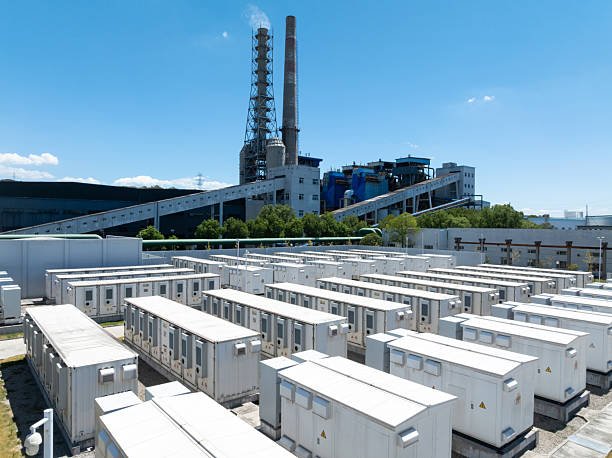
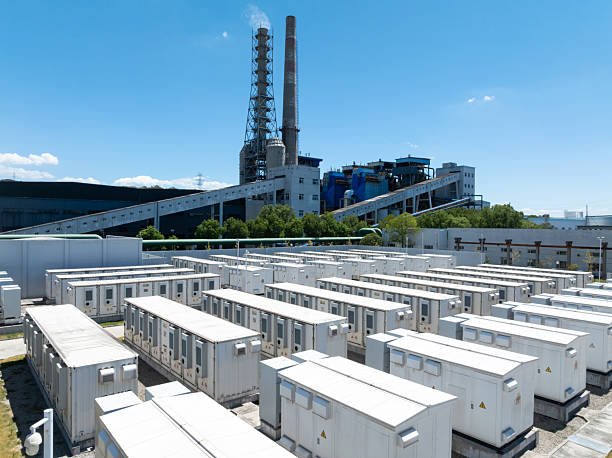
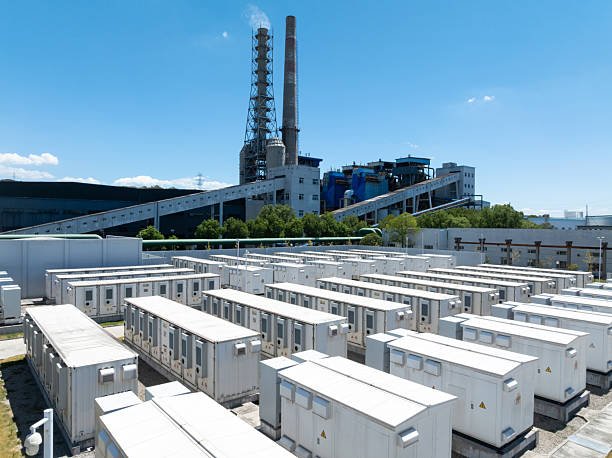
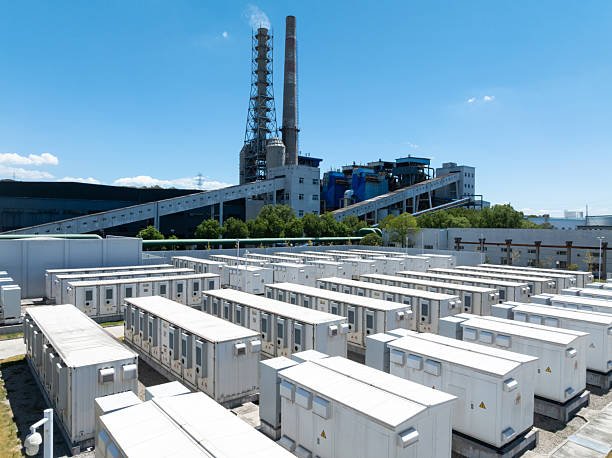
    Cleantech company GEON has commissioned a 10 MW/20 MWh utility-scale Battery Energy Storage System (BESS) in Phalodi, Rajasthan, adding new energy storage capacity to the state’s renewable energy ecosystem.

    Known as GEON BESS Project-2, the facility was commissioned on September 2, 2026, for a renewable energy Independent Power Producer (IPP). The project is among the early storage assets to receive regulatory approval under the Rajasthan Electricity Regulatory Commission (RERC) Green Energy Open Access Regulations, 2025.

    The BESS has been developed to support renewable power integration and utilisation through open access arrangements. GEON managed the project’s end-to-end execution, covering key technical components including battery system containerisation, Power Conversion Systems (PCS) and Energy Management Systems (EMS).

    Before commissioning, the project underwent multiple stages of testing, including factory acceptance testing, pre-commissioning and site acceptance testing.

    The Phalodi BESS is designed to support commercial and industrial consumers in managing electricity demand and improving the economics of renewable power procurement. By storing electricity generated from clean energy sources and discharging it during periods of higher demand, the system can help reduce dependence on peak-period grid electricity.

    The project can also provide an alternative to conventional grid banking arrangements, giving industrial consumers greater flexibility in managing their electricity supply. Similar BESS systems can be deployed at industrial facilities or at off-site open access generation hubs depending on consumer requirements.

    With renewable energy capacity continuing to expand across India, energy storage is gaining importance for managing variable generation and supporting reliable power supply. The Phalodi project highlights the potential role of BESS in open access markets and in helping commercial and industrial consumers access more flexible, lower-carbon electricity.

    GEON said scalable energy storage infrastructure can help businesses optimise power procurement, manage peak demand and support the transition towards reliable, round-the-clock renewable energy.

  • GEON Commissions 10 MW/20 MWh BESS Project in Rajasthan’s Phalodi

    GEON Commissions 10 MW/20 MWh BESS Project in Rajasthan’s Phalodi

    Cleantech company GEON has commissioned a 10 MW/20 MWh utility-scale Battery Energy Storage System (BESS) in Phalodi, Rajasthan, adding new energy storage capacity to the state’s renewable energy ecosystem.

    Known as GEON BESS Project-2, the facility was commissioned on September 2, 2026, for a renewable energy Independent Power Producer (IPP). The project is among the early storage assets to receive regulatory approval under the Rajasthan Electricity Regulatory Commission (RERC) Green Energy Open Access Regulations, 2025.

    The BESS has been developed to support renewable power integration and utilisation through open access arrangements. GEON managed the project’s end-to-end execution, covering key technical components including battery system containerisation, Power Conversion Systems (PCS) and Energy Management Systems (EMS).

    Before commissioning, the project underwent multiple stages of testing, including factory acceptance testing, pre-commissioning and site acceptance testing.

    The Phalodi BESS is designed to support commercial and industrial consumers in managing electricity demand and improving the economics of renewable power procurement. By storing electricity generated from clean energy sources and discharging it during periods of higher demand, the system can help reduce dependence on peak-period grid electricity.

    The project can also provide an alternative to conventional grid banking arrangements, giving industrial consumers greater flexibility in managing their electricity supply. Similar BESS systems can be deployed at industrial facilities or at off-site open access generation hubs depending on consumer requirements.

    With renewable energy capacity continuing to expand across India, energy storage is gaining importance for managing variable generation and supporting reliable power supply. The Phalodi project highlights the potential role of BESS in open access markets and in helping commercial and industrial consumers access more flexible, lower-carbon electricity.

    GEON said scalable energy storage infrastructure can help businesses optimise power procurement, manage peak demand and support the transition towards reliable, round-the-clock renewable energy.

  • GEON Commissions 10 MW/20 MWh BESS Project in Rajasthan’s Phalodi

    GEON Commissions 10 MW/20 MWh BESS Project in Rajasthan’s Phalodi

    Cleantech company GEON has commissioned a 10 MW/20 MWh utility-scale Battery Energy Storage System (BESS) in Phalodi, Rajasthan, adding new energy storage capacity to the state’s renewable energy ecosystem.

    Known as GEON BESS Project-2, the facility was commissioned on September 2, 2026, for a renewable energy Independent Power Producer (IPP). The project is among the early storage assets to receive regulatory approval under the Rajasthan Electricity Regulatory Commission (RERC) Green Energy Open Access Regulations, 2025.

    The BESS has been developed to support renewable power integration and utilisation through open access arrangements. GEON managed the project’s end-to-end execution, covering key technical components including battery system containerisation, Power Conversion Systems (PCS) and Energy Management Systems (EMS).

    Before commissioning, the project underwent multiple stages of testing, including factory acceptance testing, pre-commissioning and site acceptance testing.

    The Phalodi BESS is designed to support commercial and industrial consumers in managing electricity demand and improving the economics of renewable power procurement. By storing electricity generated from clean energy sources and discharging it during periods of higher demand, the system can help reduce dependence on peak-period grid electricity.

    The project can also provide an alternative to conventional grid banking arrangements, giving industrial consumers greater flexibility in managing their electricity supply. Similar BESS systems can be deployed at industrial facilities or at off-site open access generation hubs depending on consumer requirements.

    With renewable energy capacity continuing to expand across India, energy storage is gaining importance for managing variable generation and supporting reliable power supply. The Phalodi project highlights the potential role of BESS in open access markets and in helping commercial and industrial consumers access more flexible, lower-carbon electricity.

    GEON said scalable energy storage infrastructure can help businesses optimise power procurement, manage peak demand and support the transition towards reliable, round-the-clock renewable energy.

  • GEON Commissions 10 MW/20 MWh BESS Project in Rajasthan’s Phalodi

    GEON Commissions 10 MW/20 MWh BESS Project in Rajasthan’s Phalodi

    Cleantech company GEON has commissioned a 10 MW/20 MWh utility-scale Battery Energy Storage System (BESS) in Phalodi, Rajasthan, adding new energy storage capacity to the state’s renewable energy ecosystem.

    Known as GEON BESS Project-2, the facility was commissioned on September 2, 2026, for a renewable energy Independent Power Producer (IPP). The project is among the early storage assets to receive regulatory approval under the Rajasthan Electricity Regulatory Commission (RERC) Green Energy Open Access Regulations, 2025.

    The BESS has been developed to support renewable power integration and utilisation through open access arrangements. GEON managed the project’s end-to-end execution, covering key technical components including battery system containerisation, Power Conversion Systems (PCS) and Energy Management Systems (EMS).

    Before commissioning, the project underwent multiple stages of testing, including factory acceptance testing, pre-commissioning and site acceptance testing.

    The Phalodi BESS is designed to support commercial and industrial consumers in managing electricity demand and improving the economics of renewable power procurement. By storing electricity generated from clean energy sources and discharging it during periods of higher demand, the system can help reduce dependence on peak-period grid electricity.

    The project can also provide an alternative to conventional grid banking arrangements, giving industrial consumers greater flexibility in managing their electricity supply. Similar BESS systems can be deployed at industrial facilities or at off-site open access generation hubs depending on consumer requirements.

    With renewable energy capacity continuing to expand across India, energy storage is gaining importance for managing variable generation and supporting reliable power supply. The Phalodi project highlights the potential role of BESS in open access markets and in helping commercial and industrial consumers access more flexible, lower-carbon electricity.

    GEON said scalable energy storage infrastructure can help businesses optimise power procurement, manage peak demand and support the transition towards reliable, round-the-clock renewable energy.

  • GEON Commissions 10 MW/20 MWh BESS Project in Rajasthan’s Phalodi

    GEON Commissions 10 MW/20 MWh BESS Project in Rajasthan’s Phalodi

    Cleantech company GEON has commissioned a 10 MW/20 MWh utility-scale Battery Energy Storage System (BESS) in Phalodi, Rajasthan, adding new energy storage capacity to the state’s renewable energy ecosystem.

    Known as GEON BESS Project-2, the facility was commissioned on September 2, 2026, for a renewable energy Independent Power Producer (IPP). The project is among the early storage assets to receive regulatory approval under the Rajasthan Electricity Regulatory Commission (RERC) Green Energy Open Access Regulations, 2025.

    The BESS has been developed to support renewable power integration and utilisation through open access arrangements. GEON managed the project’s end-to-end execution, covering key technical components including battery system containerisation, Power Conversion Systems (PCS) and Energy Management Systems (EMS).

    Before commissioning, the project underwent multiple stages of testing, including factory acceptance testing, pre-commissioning and site acceptance testing.

    The Phalodi BESS is designed to support commercial and industrial consumers in managing electricity demand and improving the economics of renewable power procurement. By storing electricity generated from clean energy sources and discharging it during periods of higher demand, the system can help reduce dependence on peak-period grid electricity.

    The project can also provide an alternative to conventional grid banking arrangements, giving industrial consumers greater flexibility in managing their electricity supply. Similar BESS systems can be deployed at industrial facilities or at off-site open access generation hubs depending on consumer requirements.

    With renewable energy capacity continuing to expand across India, energy storage is gaining importance for managing variable generation and supporting reliable power supply. The Phalodi project highlights the potential role of BESS in open access markets and in helping commercial and industrial consumers access more flexible, lower-carbon electricity.

    GEON said scalable energy storage infrastructure can help businesses optimise power procurement, manage peak demand and support the transition towards reliable, round-the-clock renewable energy.

  • GEON Commissions 10 MW/20 MWh BESS Project in Rajasthan’s Phalodi

    Cleantech company GEON has commissioned a 10 MW/20 MWh utility-scale Battery Energy Storage System (BESS) in Phalodi, Rajasthan, adding new energy storage capacity to the state’s renewable energy ecosystem.

    Known as GEON BESS Project-2, the facility was commissioned on September 2, 2026, for a renewable energy Independent Power Producer (IPP). The project is among the early storage assets to receive regulatory approval under the Rajasthan Electricity Regulatory Commission (RERC) Green Energy Open Access Regulations, 2025.

    The BESS has been developed to support renewable power integration and utilisation through open access arrangements. GEON managed the project’s end-to-end execution, covering key technical components including battery system containerisation, Power Conversion Systems (PCS) and Energy Management Systems (EMS).

    Before commissioning, the project underwent multiple stages of testing, including factory acceptance testing, pre-commissioning and site acceptance testing.

    The Phalodi BESS is designed to support commercial and industrial consumers in managing electricity demand and improving the economics of renewable power procurement. By storing electricity generated from clean energy sources and discharging it during periods of higher demand, the system can help reduce dependence on peak-period grid electricity.

    The project can also provide an alternative to conventional grid banking arrangements, giving industrial consumers greater flexibility in managing their electricity supply. Similar BESS systems can be deployed at industrial facilities or at off-site open access generation hubs depending on consumer requirements.

    With renewable energy capacity continuing to expand across India, energy storage is gaining importance for managing variable generation and supporting reliable power supply. The Phalodi project highlights the potential role of BESS in open access markets and in helping commercial and industrial consumers access more flexible, lower-carbon electricity.

    GEON said scalable energy storage infrastructure can help businesses optimise power procurement, manage peak demand and support the transition towards reliable, round-the-clock renewable energy.