Runaya, a Vedanta company specialising in advanced technological solutions for the circular economy and critical metal recovery, achieved 55 percent women representation, marking a step in fostering diversity and inclusion across the organisation. Women are already playing a pivotal role across Runaya, leading several important functions including Operations, Finance, Human Resources, Legal, Commercial, ESG and Corporate Communications.
This representation marks a step towards advancing women into leadership and decision-making roles in manufacturing by creating pathways for growth across functions. With NITI Aayog highlighting the scope to further extend women’s participation in this sector and other non-traditional sectors, Runaya recognises diversity as a catalyst for business transformation; strengthening an inclusive ecosystem through initiatives such as the Spouse Hiring Initiative, talent mobility and workplace support. Equal Shift Access, including night shifts, along with dedicated safety and transport arrangements, welfare support and accommodation at Vedanta townships, help create an enabling environment for women to build and sustain long-term careers.
At Runaya, several first-generation professionals have progressed into leadership roles, backed by cross-functional moves, greater responsibility and continuous learning. From employees pursuing higher education alongside their careers to a Graduate Engineer Trainee who has risen to Head of Commercial for Runaya’s Recycling business, these journeys demonstrate how the company turns opportunity into capability.
Naivedya Agarwal, Managing Director, Runaya, said, “Manufacturing has recognised the need for inclusion for years, but meaningful change requires creating equal access to opportunity and leadership. Our 60 percent representation target is deliberate and reflects our belief that diversity strengthens not just the workforce, but the quality of work we deliver. As the manufacturing and critical metals sector grows phenomenally, diverse perspectives are enriching how we solve problems, innovate, and respond to a rapidly evolving industry. By building equal pathways to leadership, we are creating a workforce that is more agile, capable, and ready to shape India’s next phase of industrial growth.”
Blog
-
Runaya Achieves 55% Women Representation Across Organisation
-
Runaya Achieves 55% Women Representation Across Organisation
Runaya, a Vedanta company specialising in advanced technological solutions for the circular economy and critical metal recovery, achieved 55 percent women representation, marking a step in fostering diversity and inclusion across the organisation. Women are already playing a pivotal role across Runaya, leading several important functions including Operations, Finance, Human Resources, Legal, Commercial, ESG and Corporate Communications.
This representation marks a step towards advancing women into leadership and decision-making roles in manufacturing by creating pathways for growth across functions. With NITI Aayog highlighting the scope to further extend women’s participation in this sector and other non-traditional sectors, Runaya recognises diversity as a catalyst for business transformation; strengthening an inclusive ecosystem through initiatives such as the Spouse Hiring Initiative, talent mobility and workplace support. Equal Shift Access, including night shifts, along with dedicated safety and transport arrangements, welfare support and accommodation at Vedanta townships, help create an enabling environment for women to build and sustain long-term careers.
At Runaya, several first-generation professionals have progressed into leadership roles, backed by cross-functional moves, greater responsibility and continuous learning. From employees pursuing higher education alongside their careers to a Graduate Engineer Trainee who has risen to Head of Commercial for Runaya’s Recycling business, these journeys demonstrate how the company turns opportunity into capability.
Naivedya Agarwal, Managing Director, Runaya, said, “Manufacturing has recognised the need for inclusion for years, but meaningful change requires creating equal access to opportunity and leadership. Our 60 percent representation target is deliberate and reflects our belief that diversity strengthens not just the workforce, but the quality of work we deliver. As the manufacturing and critical metals sector grows phenomenally, diverse perspectives are enriching how we solve problems, innovate, and respond to a rapidly evolving industry. By building equal pathways to leadership, we are creating a workforce that is more agile, capable, and ready to shape India’s next phase of industrial growth.” -
Trina Storage to Supply BESS for Major West Australia Solar and BESS
Trina Storage, Trinasolar’s utility energy storage business, has been selected to supply the battery energy storage system (BESS) for Stage One of Frontier Energy’s Waroona Renewable Energy Project in Western Australia.
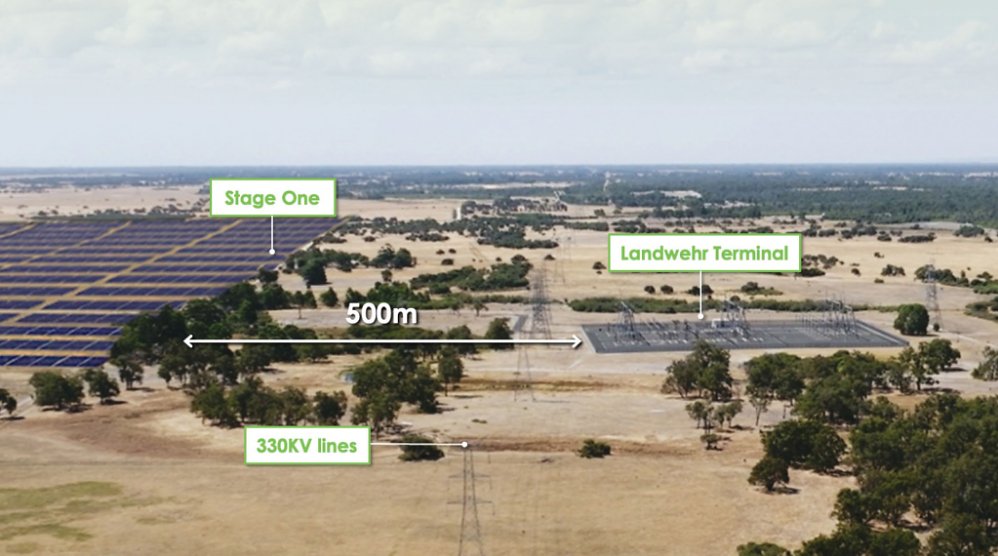
Located 120 kilometres south of Perth, Waroona Stage One comprises a 132MW solar facility paired with an 81.5MW / 6.9-hour BESS and is one of the largest solar and battery hybrid projects on Western Australia’s main electricity grid. First generation is scheduled from 2028.
Trina Storage will supply its Elementa utility-scale DC solution, comprising lithium iron phosphate (LFP) cells produced at Trina’s Changzhou battery plant. Trina’s Elementa range of products incorporate intelligent liquid cooling and multiple layers of safety protection, including heat, gas and smoke detection and active fire protection systems.
Trina Storage draws on Trina Group’s expertise across high-power PV modules and tracker systems, supporting a deeper understanding of solar plant design and system interfaces. The project will use a DC-coupled architecture, adding complexity to the design of the solar and storage system.
Warrick Stapleton, Head of Sales (APAC) for Trina Storage, said close collaboration was increasingly important as utility-scale storage projects became more sophisticated.
“We’re pleased that Frontier Energy selected Trina Storage for this project. Our team worked closely with Frontier throughout the procurement process to understand the project requirements and demonstrate how our technology could support their objectives,” said Mr. Stapleton.
“As Western Australia continues its energy transition, projects such as Waroona will play an increasingly important role in providing reliable, dispatchable capacity to the South West Interconnected System. We look forward to supporting Frontier through delivery and long-term operation of the asset.”
Trina Storage’s agreement for Stage One includes a 20-year warranty and performance guarantees, underpinning long-term asset performance and supporting the project’s financing requirements.
“Western Australia is undergoing an energy transition, and Waroona Energy Park has the potential to support it through our integrated solar and battery strategy,” said Adam Kiley, Chief Executive Officer of Frontier Energy. “Stage One is the foundation of our broader plans and is designed to support a more reliable and flexible electricity system.”
Stage One forms part of Frontier Energy’s longer-term plans for Waroona, with future stages expected to reach around 1,000MW of generation capacity and up to 660MW of battery capacity.
-
Trina Storage to Supply BESS for Major West Australia Solar and BESS
Trina Storage, Trinasolar’s utility energy storage business, has been selected to supply the battery energy storage system (BESS) for Stage One of Frontier Energy’s Waroona Renewable Energy Project in Western Australia.
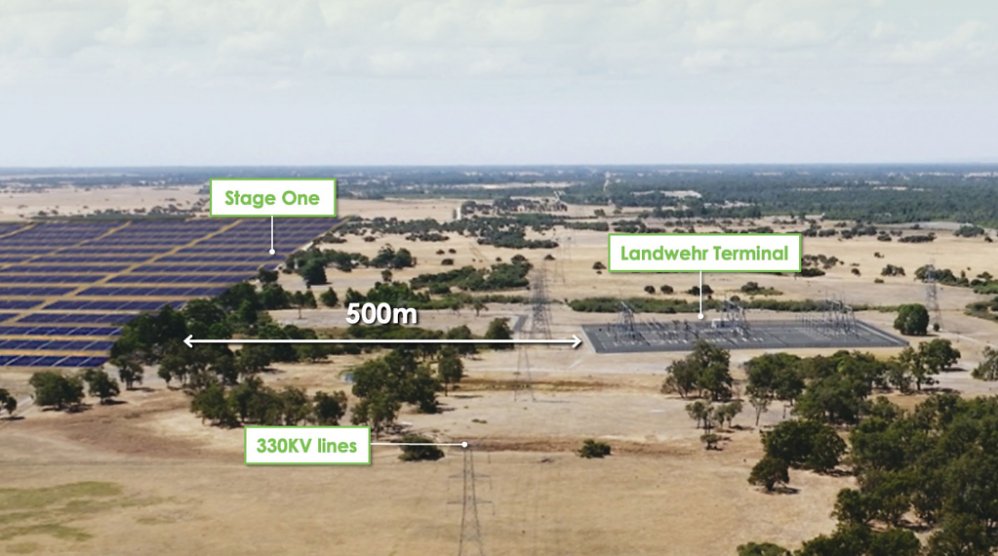
Located 120 kilometres south of Perth, Waroona Stage One comprises a 132MW solar facility paired with an 81.5MW / 6.9-hour BESS and is one of the largest solar and battery hybrid projects on Western Australia’s main electricity grid. First generation is scheduled from 2028.
Trina Storage will supply its Elementa utility-scale DC solution, comprising lithium iron phosphate (LFP) cells produced at Trina’s Changzhou battery plant. Trina’s Elementa range of products incorporate intelligent liquid cooling and multiple layers of safety protection, including heat, gas and smoke detection and active fire protection systems.
Trina Storage draws on Trina Group’s expertise across high-power PV modules and tracker systems, supporting a deeper understanding of solar plant design and system interfaces. The project will use a DC-coupled architecture, adding complexity to the design of the solar and storage system.
Warrick Stapleton, Head of Sales (APAC) for Trina Storage, said close collaboration was increasingly important as utility-scale storage projects became more sophisticated.
“We’re pleased that Frontier Energy selected Trina Storage for this project. Our team worked closely with Frontier throughout the procurement process to understand the project requirements and demonstrate how our technology could support their objectives,” said Mr. Stapleton.
“As Western Australia continues its energy transition, projects such as Waroona will play an increasingly important role in providing reliable, dispatchable capacity to the South West Interconnected System. We look forward to supporting Frontier through delivery and long-term operation of the asset.”
Trina Storage’s agreement for Stage One includes a 20-year warranty and performance guarantees, underpinning long-term asset performance and supporting the project’s financing requirements.
“Western Australia is undergoing an energy transition, and Waroona Energy Park has the potential to support it through our integrated solar and battery strategy,” said Adam Kiley, Chief Executive Officer of Frontier Energy. “Stage One is the foundation of our broader plans and is designed to support a more reliable and flexible electricity system.”
Stage One forms part of Frontier Energy’s longer-term plans for Waroona, with future stages expected to reach around 1,000MW of generation capacity and up to 660MW of battery capacity.
-
Trina Storage to Supply BESS for Major West Australia Solar and BESS
Trina Storage, Trinasolar’s utility energy storage business, has been selected to supply the battery energy storage system (BESS) for Stage One of Frontier Energy’s Waroona Renewable Energy Project in Western Australia.
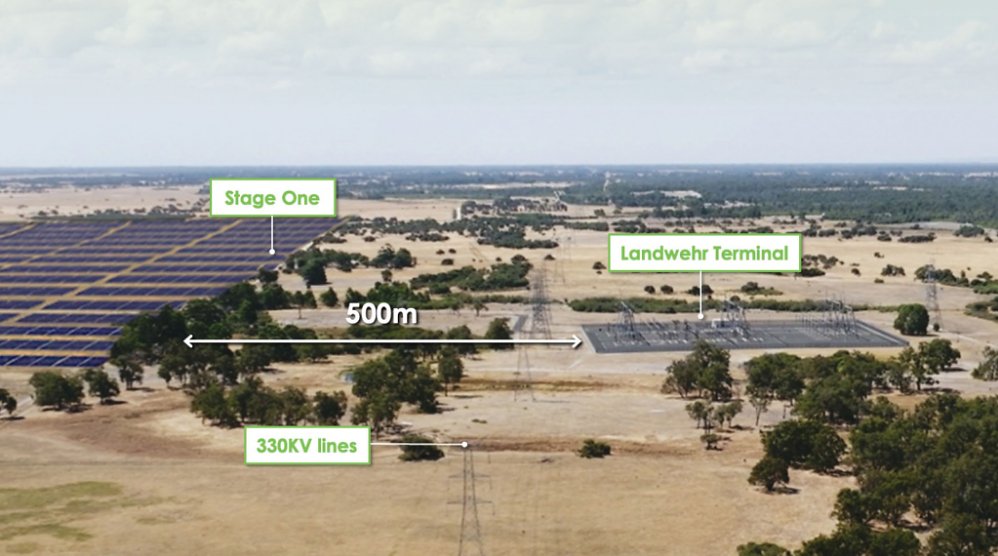
Located 120 kilometres south of Perth, Waroona Stage One comprises a 132MW solar facility paired with an 81.5MW / 6.9-hour BESS and is one of the largest solar and battery hybrid projects on Western Australia’s main electricity grid. First generation is scheduled from 2028.
Trina Storage will supply its Elementa utility-scale DC solution, comprising lithium iron phosphate (LFP) cells produced at Trina’s Changzhou battery plant. Trina’s Elementa range of products incorporate intelligent liquid cooling and multiple layers of safety protection, including heat, gas and smoke detection and active fire protection systems.
Trina Storage draws on Trina Group’s expertise across high-power PV modules and tracker systems, supporting a deeper understanding of solar plant design and system interfaces. The project will use a DC-coupled architecture, adding complexity to the design of the solar and storage system.
Warrick Stapleton, Head of Sales (APAC) for Trina Storage, said close collaboration was increasingly important as utility-scale storage projects became more sophisticated.
“We’re pleased that Frontier Energy selected Trina Storage for this project. Our team worked closely with Frontier throughout the procurement process to understand the project requirements and demonstrate how our technology could support their objectives,” said Mr. Stapleton.
“As Western Australia continues its energy transition, projects such as Waroona will play an increasingly important role in providing reliable, dispatchable capacity to the South West Interconnected System. We look forward to supporting Frontier through delivery and long-term operation of the asset.”
Trina Storage’s agreement for Stage One includes a 20-year warranty and performance guarantees, underpinning long-term asset performance and supporting the project’s financing requirements.
“Western Australia is undergoing an energy transition, and Waroona Energy Park has the potential to support it through our integrated solar and battery strategy,” said Adam Kiley, Chief Executive Officer of Frontier Energy. “Stage One is the foundation of our broader plans and is designed to support a more reliable and flexible electricity system.”
Stage One forms part of Frontier Energy’s longer-term plans for Waroona, with future stages expected to reach around 1,000MW of generation capacity and up to 660MW of battery capacity.
-
Trina Storage to Supply BESS for Major West Australia Solar and BESS
Trina Storage, Trinasolar’s utility energy storage business, has been selected to supply the battery energy storage system (BESS) for Stage One of Frontier Energy’s Waroona Renewable Energy Project in Western Australia.
Located 120 kilometres south of Perth, Waroona Stage One comprises a 132MW solar facility paired with an 81.5MW / 6.9-hour BESS and is one of the largest solar and battery hybrid projects on Western Australia’s main electricity grid. First generation is scheduled from 2028.
Trina Storage will supply its Elementa utility-scale DC solution, comprising lithium iron phosphate (LFP) cells produced at Trina’s Changzhou battery plant. Trina’s Elementa range of products incorporate intelligent liquid cooling and multiple layers of safety protection, including heat, gas and smoke detection and active fire protection systems.
Trina Storage draws on Trina Group’s expertise across high-power PV modules and tracker systems, supporting a deeper understanding of solar plant design and system interfaces. The project will use a DC-coupled architecture, adding complexity to the design of the solar and storage system.
Warrick Stapleton, Head of Sales (APAC) for Trina Storage, said close collaboration was increasingly important as utility-scale storage projects became more sophisticated.
“We’re pleased that Frontier Energy selected Trina Storage for this project. Our team worked closely with Frontier throughout the procurement process to understand the project requirements and demonstrate how our technology could support their objectives,” said Mr. Stapleton.
“As Western Australia continues its energy transition, projects such as Waroona will play an increasingly important role in providing reliable, dispatchable capacity to the South West Interconnected System. We look forward to supporting Frontier through delivery and long-term operation of the asset.”
Trina Storage’s agreement for Stage One includes a 20-year warranty and performance guarantees, underpinning long-term asset performance and supporting the project’s financing requirements.
“Western Australia is undergoing an energy transition, and Waroona Energy Park has the potential to support it through our integrated solar and battery strategy,” said Adam Kiley, Chief Executive Officer of Frontier Energy. “Stage One is the foundation of our broader plans and is designed to support a more reliable and flexible electricity system.”
Stage One forms part of Frontier Energy’s longer-term plans for Waroona, with future stages expected to reach around 1,000MW of generation capacity and up to 660MW of battery capacity.
-
Nisene Technology Group Appoints HCP Technologies as India Partner
Nisene Technology Group, Inc. announced the appointment of HCP Technologies Private Limited as its authorised sales and service partner for India, expanding local access to Nisene’s semiconductor decapsulation (package-opening) and failure-analysis systems. The announcement coincides with SEMICON India 2026 at Yashobhoomi, New Delhi. The partner agreement has been executed, and HCP Technologies has already secured its first order for a Nisene system in India.
Nisene’s portfolio, led by the JetEtch Pro acid-decapsulation platform, covers chemical, plasma, laser and mechanical package-opening solutions for semiconductor device analysis, reliability investigation and root-cause examination. HCP Technologies will lead customer engagement, demonstrations, application coordination, sales and first-line service in India, working directly with Nisene’s application engineers in the United States. Nisene retains responsibility for product configuration, technical approvals, warranties and advanced service support, so that customers in India receive the same standards as Nisene customers worldwide.
HCP Technologies is headquartered in Bengaluru, with service coverage in New Delhi, placing authorised support within reach of India’s principal semiconductor, packaging and research clusters. Semiconductor manufacturers, OSATs (outsourced semiconductor assembly and test) and test houses, laboratories, research institutions and electronics companies in India now have a local, authorised point of contact for evaluation, applications support, installation and service of Nisene systems.
“India is building semiconductor capability across design, manufacturing, packaging, testing and research. As this ecosystem grows, precision package opening and failure analysis become increasingly important for reliability, process learning and root-cause investigation. HCP’s local presence brings Nisene closer to Indian customers, with the same application review, product configuration and support standards that Nisene applies worldwide. That the partnership has produced its first order even before this announcement speaks to the demand,” said Eswara Rao Nandam, President and CEO, Nisene Technology Group, Inc.
“India’s semiconductor sector needs responsive local access to specialised failure-analysis equipment and service coordination. We are pleased to represent Nisene in India and to work closely with its technical teams in supporting customers,” said Purushothaman Arumugam, Founder and Managing Director, HCP Technologies Private Limited.
-
Nisene Technology Group Appoints HCP Technologies as India Partner
Nisene Technology Group, Inc. announced the appointment of HCP Technologies Private Limited as its authorised sales and service partner for India, expanding local access to Nisene’s semiconductor decapsulation (package-opening) and failure-analysis systems. The announcement coincides with SEMICON India 2026 at Yashobhoomi, New Delhi. The partner agreement has been executed, and HCP Technologies has already secured its first order for a Nisene system in India.
Nisene’s portfolio, led by the JetEtch Pro acid-decapsulation platform, covers chemical, plasma, laser and mechanical package-opening solutions for semiconductor device analysis, reliability investigation and root-cause examination. HCP Technologies will lead customer engagement, demonstrations, application coordination, sales and first-line service in India, working directly with Nisene’s application engineers in the United States. Nisene retains responsibility for product configuration, technical approvals, warranties and advanced service support, so that customers in India receive the same standards as Nisene customers worldwide.
HCP Technologies is headquartered in Bengaluru, with service coverage in New Delhi, placing authorised support within reach of India’s principal semiconductor, packaging and research clusters. Semiconductor manufacturers, OSATs (outsourced semiconductor assembly and test) and test houses, laboratories, research institutions and electronics companies in India now have a local, authorised point of contact for evaluation, applications support, installation and service of Nisene systems.
“India is building semiconductor capability across design, manufacturing, packaging, testing and research. As this ecosystem grows, precision package opening and failure analysis become increasingly important for reliability, process learning and root-cause investigation. HCP’s local presence brings Nisene closer to Indian customers, with the same application review, product configuration and support standards that Nisene applies worldwide. That the partnership has produced its first order even before this announcement speaks to the demand,” said Eswara Rao Nandam, President and CEO, Nisene Technology Group, Inc.
“India’s semiconductor sector needs responsive local access to specialised failure-analysis equipment and service coordination. We are pleased to represent Nisene in India and to work closely with its technical teams in supporting customers,” said Purushothaman Arumugam, Founder and Managing Director, HCP Technologies Private Limited.
-
Nisene Technology Group Appoints HCP Technologies as India Partner
Nisene Technology Group, Inc. announced the appointment of HCP Technologies Private Limited as its authorised sales and service partner for India, expanding local access to Nisene’s semiconductor decapsulation (package-opening) and failure-analysis systems. The announcement coincides with SEMICON India 2026 at Yashobhoomi, New Delhi. The partner agreement has been executed, and HCP Technologies has already secured its first order for a Nisene system in India.
Nisene’s portfolio, led by the JetEtch Pro acid-decapsulation platform, covers chemical, plasma, laser and mechanical package-opening solutions for semiconductor device analysis, reliability investigation and root-cause examination. HCP Technologies will lead customer engagement, demonstrations, application coordination, sales and first-line service in India, working directly with Nisene’s application engineers in the United States. Nisene retains responsibility for product configuration, technical approvals, warranties and advanced service support, so that customers in India receive the same standards as Nisene customers worldwide.
HCP Technologies is headquartered in Bengaluru, with service coverage in New Delhi, placing authorised support within reach of India’s principal semiconductor, packaging and research clusters. Semiconductor manufacturers, OSATs (outsourced semiconductor assembly and test) and test houses, laboratories, research institutions and electronics companies in India now have a local, authorised point of contact for evaluation, applications support, installation and service of Nisene systems.
“India is building semiconductor capability across design, manufacturing, packaging, testing and research. As this ecosystem grows, precision package opening and failure analysis become increasingly important for reliability, process learning and root-cause investigation. HCP’s local presence brings Nisene closer to Indian customers, with the same application review, product configuration and support standards that Nisene applies worldwide. That the partnership has produced its first order even before this announcement speaks to the demand,” said Eswara Rao Nandam, President and CEO, Nisene Technology Group, Inc.
“India’s semiconductor sector needs responsive local access to specialised failure-analysis equipment and service coordination. We are pleased to represent Nisene in India and to work closely with its technical teams in supporting customers,” said Purushothaman Arumugam, Founder and Managing Director, HCP Technologies Private Limited.
-
Nisene Technology Group Appoints HCP Technologies as India Partner
Nisene Technology Group, Inc. announced the appointment of HCP Technologies Private Limited as its authorised sales and service partner for India, expanding local access to Nisene’s semiconductor decapsulation (package-opening) and failure-analysis systems. The announcement coincides with SEMICON India 2026 at Yashobhoomi, New Delhi. The partner agreement has been executed, and HCP Technologies has already secured its first order for a Nisene system in India.
Nisene’s portfolio, led by the JetEtch Pro acid-decapsulation platform, covers chemical, plasma, laser and mechanical package-opening solutions for semiconductor device analysis, reliability investigation and root-cause examination. HCP Technologies will lead customer engagement, demonstrations, application coordination, sales and first-line service in India, working directly with Nisene’s application engineers in the United States. Nisene retains responsibility for product configuration, technical approvals, warranties and advanced service support, so that customers in India receive the same standards as Nisene customers worldwide.
HCP Technologies is headquartered in Bengaluru, with service coverage in New Delhi, placing authorised support within reach of India’s principal semiconductor, packaging and research clusters. Semiconductor manufacturers, OSATs (outsourced semiconductor assembly and test) and test houses, laboratories, research institutions and electronics companies in India now have a local, authorised point of contact for evaluation, applications support, installation and service of Nisene systems.
“India is building semiconductor capability across design, manufacturing, packaging, testing and research. As this ecosystem grows, precision package opening and failure analysis become increasingly important for reliability, process learning and root-cause investigation. HCP’s local presence brings Nisene closer to Indian customers, with the same application review, product configuration and support standards that Nisene applies worldwide. That the partnership has produced its first order even before this announcement speaks to the demand,” said Eswara Rao Nandam, President and CEO, Nisene Technology Group, Inc.
“India’s semiconductor sector needs responsive local access to specialised failure-analysis equipment and service coordination. We are pleased to represent Nisene in India and to work closely with its technical teams in supporting customers,” said Purushothaman Arumugam, Founder and Managing Director, HCP Technologies Private Limited.