Blog

  • Nisene Technology Group Appoints HCP Technologies as India Partner

    Nisene Technology Group Appoints HCP Technologies as India Partner

    Nisene Technology Group, Inc. announced the appointment of HCP Technologies Private Limited as its authorised sales and service partner for India, expanding local access to Nisene’s semiconductor decapsulation (package-opening) and failure-analysis systems. The announcement coincides with SEMICON India 2026 at Yashobhoomi, New Delhi. The partner agreement has been executed, and HCP Technologies has already secured its first order for a Nisene system in India.

    Nisene’s portfolio, led by the JetEtch Pro acid-decapsulation platform, covers chemical, plasma, laser and mechanical package-opening solutions for semiconductor device analysis, reliability investigation and root-cause examination. HCP Technologies will lead customer engagement, demonstrations, application coordination, sales and first-line service in India, working directly with Nisene’s application engineers in the United States. Nisene retains responsibility for product configuration, technical approvals, warranties and advanced service support, so that customers in India receive the same standards as Nisene customers worldwide.

    HCP Technologies is headquartered in Bengaluru, with service coverage in New Delhi, placing authorised support within reach of India’s principal semiconductor, packaging and research clusters. Semiconductor manufacturers, OSATs (outsourced semiconductor assembly and test) and test houses, laboratories, research institutions and electronics companies in India now have a local, authorised point of contact for evaluation, applications support, installation and service of Nisene systems.

    “India is building semiconductor capability across design, manufacturing, packaging, testing and research. As this ecosystem grows, precision package opening and failure analysis become increasingly important for reliability, process learning and root-cause investigation. HCP’s local presence brings Nisene closer to Indian customers, with the same application review, product configuration and support standards that Nisene applies worldwide. That the partnership has produced its first order even before this announcement speaks to the demand,” said Eswara Rao Nandam, President and CEO, Nisene Technology Group, Inc.

    “India’s semiconductor sector needs responsive local access to specialised failure-analysis equipment and service coordination. We are pleased to represent Nisene in India and to work closely with its technical teams in supporting customers,” said Purushothaman Arumugam, Founder and Managing Director, HCP Technologies Private Limited.
  • Nisene Technology Group Appoints HCP Technologies as India Partner

    Nisene Technology Group, Inc. announced the appointment of HCP Technologies Private Limited as its authorised sales and service partner for India, expanding local access to Nisene’s semiconductor decapsulation (package-opening) and failure-analysis systems. The announcement coincides with SEMICON India 2026 at Yashobhoomi, New Delhi. The partner agreement has been executed, and HCP Technologies has already secured its first order for a Nisene system in India.

    Nisene’s portfolio, led by the JetEtch Pro acid-decapsulation platform, covers chemical, plasma, laser and mechanical package-opening solutions for semiconductor device analysis, reliability investigation and root-cause examination. HCP Technologies will lead customer engagement, demonstrations, application coordination, sales and first-line service in India, working directly with Nisene’s application engineers in the United States. Nisene retains responsibility for product configuration, technical approvals, warranties and advanced service support, so that customers in India receive the same standards as Nisene customers worldwide.

    HCP Technologies is headquartered in Bengaluru, with service coverage in New Delhi, placing authorised support within reach of India’s principal semiconductor, packaging and research clusters. Semiconductor manufacturers, OSATs (outsourced semiconductor assembly and test) and test houses, laboratories, research institutions and electronics companies in India now have a local, authorised point of contact for evaluation, applications support, installation and service of Nisene systems.

    “India is building semiconductor capability across design, manufacturing, packaging, testing and research. As this ecosystem grows, precision package opening and failure analysis become increasingly important for reliability, process learning and root-cause investigation. HCP’s local presence brings Nisene closer to Indian customers, with the same application review, product configuration and support standards that Nisene applies worldwide. That the partnership has produced its first order even before this announcement speaks to the demand,” said Eswara Rao Nandam, President and CEO, Nisene Technology Group, Inc.

    “India’s semiconductor sector needs responsive local access to specialised failure-analysis equipment and service coordination. We are pleased to represent Nisene in India and to work closely with its technical teams in supporting customers,” said Purushothaman Arumugam, Founder and Managing Director, HCP Technologies Private Limited.
  • LONGi and Enexus Sign 50 MWh BESS Agreement in Romania

    LONGi and Enexus Sign 50 MWh BESS Agreement in Romania

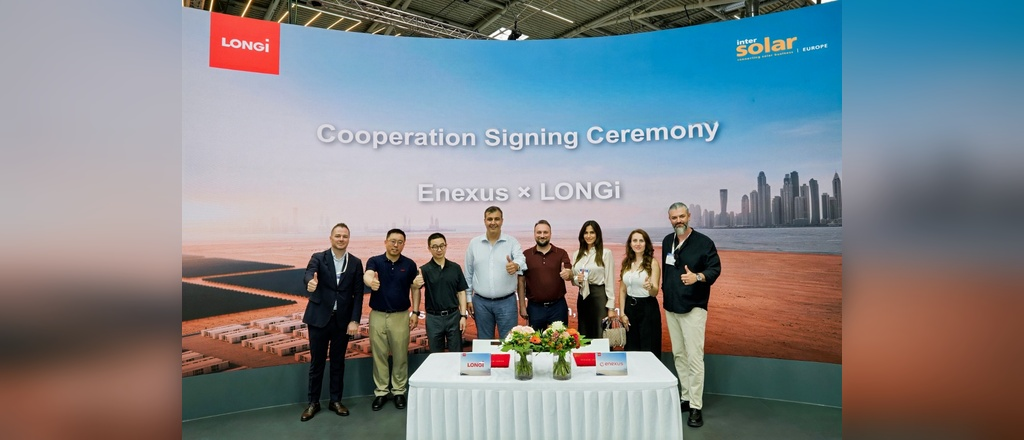
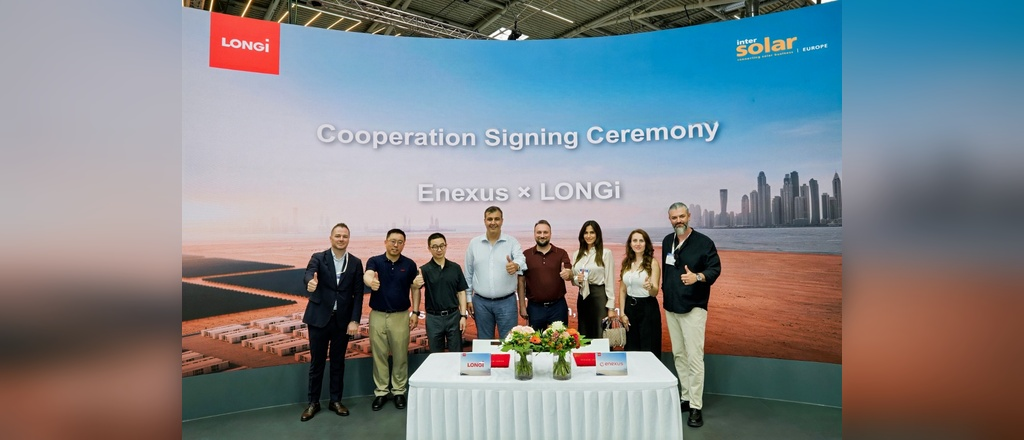
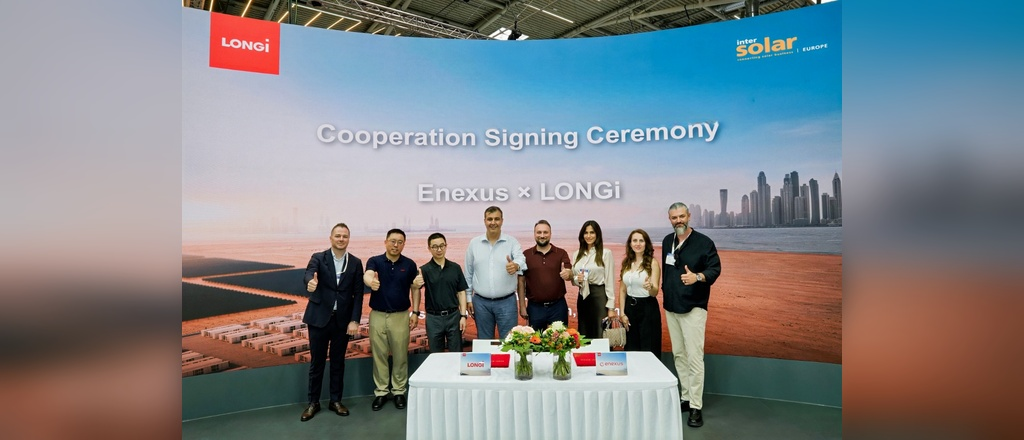
    LONGi, a global leader in solar technology and energy storage solutions, and Enexus, a premier Romanian developer and EPC contractor, have signed a landmark agreement for 50 MWh of liquid-cooled Battery Energy Storage Systems (BESS) in Titu, Dâmbovița County, Romania.

    Building on more than 200 MW of LONGi solar PV modules deployed across Enexus projects since 2025, the agreement marks Enexus’s first deployment of LONGi’s advanced BESS technology. It represents one of LONGi’s largest BESS orders in Romania to date one of its most significant deployments in Europe, further strengthening the companies’ relationship as they expand from a solar-module supply partnership into a broader utility-scale technology collaboration.

    Romania is entering a decisive phase in its energy transition, with its updated National Energy and Climate Plan targeting approximately 5.8 GW of ground-mounted solar capacity and at least 2.5 GW of rooftop solar capacity by 2030. As renewable generation expands, utility-scale storage will be essential to manage solar variability, reduce curtailment, and maintain grid stability.

    By combining PV generation with Battery Energy Storage Systems, projects can shift surplus daytime electricity to periods of higher demand, improve the predictability of renewable output, and provide fast-response balancing and ancillary grid services.

    The hybrid infrastructure directly supports these needs by combining renewable generation with flexible storage capacity for a more reliable and grid-responsive Romanian power system.

    The deployment comprises two distinct PV-plus-storage projects in Dâmbovița County, designed to support energy shifting, capacity firming, and broader grid-support functions:

    – Titu 1, with an installed capacity of 20 MWp and 15 MWh BESS. The park was developed in partnership with Akış Enerji, part of the Ulusoy Enerji Yatırımları A.Ş. group. It is fully completed and is currently awaiting grid connection.

    – Titu 3, with an installed capacity of 35 MW and 35 MWh BESS. Developed for FTZ Group, the project is currently under development.

    Speaking on LONGi’s integrated solar-plus-storage vision, Dennis She, Vice President of LONGi and President of LONGi Energy Storage, emphasized: “The next phase of the global energy transition demands a total departure from fragmented, multi-vendor systems. Energy storage is no longer just an add-on; it is an essential stabilizer of the modern power network. Historically, developers were forced to piece together PV panels, batteries, and conversion units from disparate suppliers, creating integration bottlenecks and blurred accountability. By combining our generation technology with fully integrated BESS architectures, we offer one coordinated, grid-ready ecosystem. Our milestone project with Enexus in Titu demonstrates how turnkey solar-plus-storage solutions maximize plant economics, streamline execution, and deliver true grid resilience.”

    The two Titu projects demonstrate the benefits of combining high-efficiency solar generation with utility-scale storage within an integrated equipment ecosystem. The 50 MWh deployment comprises 10 units of LONGi’s liquid-cooled utility-scale BESS solution, paired with integrated medium-voltage (MV) skid systems.

    The PV-plus-storage systems are designed to support energy shifting, capacity firming, and other grid-support services while simplifying system integration and operations. Uniform cell-temperature liquid cooling is designed to help extend system operating life, while pre-assembled, factory-integrated MV skid containers can reduce balance-of-plant (BOP) costs, accelerate field commissioning, and support rapid response.

    Detailing the strategic choice behind the technology selection, Mesut Güler, Founder and CEO of Enexus, stated: “Our partnership with LONGi reflects a strategic choice as much as a technical one. Integrated equipment means easier planning, faster delivery, and more predictable payment structures for our investors, while giving our clients access to Tier 1 PV technology. Integrating BESS in PV project design is a strategic direction we outlined since last year, and we are living up to this commitment – with LONGi entrusting us with one of its largest BESS projects in Romania so far. For us it is a clear signal of the trust and technical alignment behind this partnership.”

    Reinforcing the regional significance of the transaction, Leon Zhang, President of LONGi Europe, added: “Enexus has been a key partner for LONGi in South-Eastern Europe, having successfully deployed 200 MW of our high-efficiency PV modules. Expanding our collaboration into utility-scale energy storage with this 50 MWh deal in Titu demonstrates the immense value of a unified hardware and software ecosystem. By pairing our PV modules with our Energy Storage solutions, we are delivering a turnkey, grid-ready solution that maximizes yield, support local grid stability, and accelerates Romania’s transition to a decarbonized power system.”

  • LONGi and Enexus Sign 50 MWh BESS Agreement in Romania

    LONGi and Enexus Sign 50 MWh BESS Agreement in Romania

    LONGi, a global leader in solar technology and energy storage solutions, and Enexus, a premier Romanian developer and EPC contractor, have signed a landmark agreement for 50 MWh of liquid-cooled Battery Energy Storage Systems (BESS) in Titu, Dâmbovița County, Romania.

    Building on more than 200 MW of LONGi solar PV modules deployed across Enexus projects since 2025, the agreement marks Enexus’s first deployment of LONGi’s advanced BESS technology. It represents one of LONGi’s largest BESS orders in Romania to date one of its most significant deployments in Europe, further strengthening the companies’ relationship as they expand from a solar-module supply partnership into a broader utility-scale technology collaboration.

    Romania is entering a decisive phase in its energy transition, with its updated National Energy and Climate Plan targeting approximately 5.8 GW of ground-mounted solar capacity and at least 2.5 GW of rooftop solar capacity by 2030. As renewable generation expands, utility-scale storage will be essential to manage solar variability, reduce curtailment, and maintain grid stability.

    By combining PV generation with Battery Energy Storage Systems, projects can shift surplus daytime electricity to periods of higher demand, improve the predictability of renewable output, and provide fast-response balancing and ancillary grid services.

    The hybrid infrastructure directly supports these needs by combining renewable generation with flexible storage capacity for a more reliable and grid-responsive Romanian power system.

    The deployment comprises two distinct PV-plus-storage projects in Dâmbovița County, designed to support energy shifting, capacity firming, and broader grid-support functions:

    – Titu 1, with an installed capacity of 20 MWp and 15 MWh BESS. The park was developed in partnership with Akış Enerji, part of the Ulusoy Enerji Yatırımları A.Ş. group. It is fully completed and is currently awaiting grid connection.

    – Titu 3, with an installed capacity of 35 MW and 35 MWh BESS. Developed for FTZ Group, the project is currently under development.

    Speaking on LONGi’s integrated solar-plus-storage vision, Dennis She, Vice President of LONGi and President of LONGi Energy Storage, emphasized: “The next phase of the global energy transition demands a total departure from fragmented, multi-vendor systems. Energy storage is no longer just an add-on; it is an essential stabilizer of the modern power network. Historically, developers were forced to piece together PV panels, batteries, and conversion units from disparate suppliers, creating integration bottlenecks and blurred accountability. By combining our generation technology with fully integrated BESS architectures, we offer one coordinated, grid-ready ecosystem. Our milestone project with Enexus in Titu demonstrates how turnkey solar-plus-storage solutions maximize plant economics, streamline execution, and deliver true grid resilience.”

    The two Titu projects demonstrate the benefits of combining high-efficiency solar generation with utility-scale storage within an integrated equipment ecosystem. The 50 MWh deployment comprises 10 units of LONGi’s liquid-cooled utility-scale BESS solution, paired with integrated medium-voltage (MV) skid systems.

    The PV-plus-storage systems are designed to support energy shifting, capacity firming, and other grid-support services while simplifying system integration and operations. Uniform cell-temperature liquid cooling is designed to help extend system operating life, while pre-assembled, factory-integrated MV skid containers can reduce balance-of-plant (BOP) costs, accelerate field commissioning, and support rapid response.

    Detailing the strategic choice behind the technology selection, Mesut Güler, Founder and CEO of Enexus, stated: “Our partnership with LONGi reflects a strategic choice as much as a technical one. Integrated equipment means easier planning, faster delivery, and more predictable payment structures for our investors, while giving our clients access to Tier 1 PV technology. Integrating BESS in PV project design is a strategic direction we outlined since last year, and we are living up to this commitment – with LONGi entrusting us with one of its largest BESS projects in Romania so far. For us it is a clear signal of the trust and technical alignment behind this partnership.”

    Reinforcing the regional significance of the transaction, Leon Zhang, President of LONGi Europe, added: “Enexus has been a key partner for LONGi in South-Eastern Europe, having successfully deployed 200 MW of our high-efficiency PV modules. Expanding our collaboration into utility-scale energy storage with this 50 MWh deal in Titu demonstrates the immense value of a unified hardware and software ecosystem. By pairing our PV modules with our Energy Storage solutions, we are delivering a turnkey, grid-ready solution that maximizes yield, support local grid stability, and accelerates Romania’s transition to a decarbonized power system.”

  • LONGi and Enexus Sign 50 MWh BESS Agreement in Romania

    LONGi and Enexus Sign 50 MWh BESS Agreement in Romania

    LONGi, a global leader in solar technology and energy storage solutions, and Enexus, a premier Romanian developer and EPC contractor, have signed a landmark agreement for 50 MWh of liquid-cooled Battery Energy Storage Systems (BESS) in Titu, Dâmbovița County, Romania.

    Building on more than 200 MW of LONGi solar PV modules deployed across Enexus projects since 2025, the agreement marks Enexus’s first deployment of LONGi’s advanced BESS technology. It represents one of LONGi’s largest BESS orders in Romania to date one of its most significant deployments in Europe, further strengthening the companies’ relationship as they expand from a solar-module supply partnership into a broader utility-scale technology collaboration.

    Romania is entering a decisive phase in its energy transition, with its updated National Energy and Climate Plan targeting approximately 5.8 GW of ground-mounted solar capacity and at least 2.5 GW of rooftop solar capacity by 2030. As renewable generation expands, utility-scale storage will be essential to manage solar variability, reduce curtailment, and maintain grid stability.

    By combining PV generation with Battery Energy Storage Systems, projects can shift surplus daytime electricity to periods of higher demand, improve the predictability of renewable output, and provide fast-response balancing and ancillary grid services.

    The hybrid infrastructure directly supports these needs by combining renewable generation with flexible storage capacity for a more reliable and grid-responsive Romanian power system.

    The deployment comprises two distinct PV-plus-storage projects in Dâmbovița County, designed to support energy shifting, capacity firming, and broader grid-support functions:

    – Titu 1, with an installed capacity of 20 MWp and 15 MWh BESS. The park was developed in partnership with Akış Enerji, part of the Ulusoy Enerji Yatırımları A.Ş. group. It is fully completed and is currently awaiting grid connection.

    – Titu 3, with an installed capacity of 35 MW and 35 MWh BESS. Developed for FTZ Group, the project is currently under development.

    Speaking on LONGi’s integrated solar-plus-storage vision, Dennis She, Vice President of LONGi and President of LONGi Energy Storage, emphasized: “The next phase of the global energy transition demands a total departure from fragmented, multi-vendor systems. Energy storage is no longer just an add-on; it is an essential stabilizer of the modern power network. Historically, developers were forced to piece together PV panels, batteries, and conversion units from disparate suppliers, creating integration bottlenecks and blurred accountability. By combining our generation technology with fully integrated BESS architectures, we offer one coordinated, grid-ready ecosystem. Our milestone project with Enexus in Titu demonstrates how turnkey solar-plus-storage solutions maximize plant economics, streamline execution, and deliver true grid resilience.”

    The two Titu projects demonstrate the benefits of combining high-efficiency solar generation with utility-scale storage within an integrated equipment ecosystem. The 50 MWh deployment comprises 10 units of LONGi’s liquid-cooled utility-scale BESS solution, paired with integrated medium-voltage (MV) skid systems.

    The PV-plus-storage systems are designed to support energy shifting, capacity firming, and other grid-support services while simplifying system integration and operations. Uniform cell-temperature liquid cooling is designed to help extend system operating life, while pre-assembled, factory-integrated MV skid containers can reduce balance-of-plant (BOP) costs, accelerate field commissioning, and support rapid response.

    Detailing the strategic choice behind the technology selection, Mesut Güler, Founder and CEO of Enexus, stated: “Our partnership with LONGi reflects a strategic choice as much as a technical one. Integrated equipment means easier planning, faster delivery, and more predictable payment structures for our investors, while giving our clients access to Tier 1 PV technology. Integrating BESS in PV project design is a strategic direction we outlined since last year, and we are living up to this commitment – with LONGi entrusting us with one of its largest BESS projects in Romania so far. For us it is a clear signal of the trust and technical alignment behind this partnership.”

    Reinforcing the regional significance of the transaction, Leon Zhang, President of LONGi Europe, added: “Enexus has been a key partner for LONGi in South-Eastern Europe, having successfully deployed 200 MW of our high-efficiency PV modules. Expanding our collaboration into utility-scale energy storage with this 50 MWh deal in Titu demonstrates the immense value of a unified hardware and software ecosystem. By pairing our PV modules with our Energy Storage solutions, we are delivering a turnkey, grid-ready solution that maximizes yield, support local grid stability, and accelerates Romania’s transition to a decarbonized power system.”

  • LONGi and Enexus Sign 50 MWh BESS Agreement in Romania

    LONGi, a global leader in solar technology and energy storage solutions, and Enexus, a premier Romanian developer and EPC contractor, have signed a landmark agreement for 50 MWh of liquid-cooled Battery Energy Storage Systems (BESS) in Titu, Dâmbovița County, Romania.

    Building on more than 200 MW of LONGi solar PV modules deployed across Enexus projects since 2025, the agreement marks Enexus’s first deployment of LONGi’s advanced BESS technology. It represents one of LONGi’s largest BESS orders in Romania to date one of its most significant deployments in Europe, further strengthening the companies’ relationship as they expand from a solar-module supply partnership into a broader utility-scale technology collaboration.

    Romania is entering a decisive phase in its energy transition, with its updated National Energy and Climate Plan targeting approximately 5.8 GW of ground-mounted solar capacity and at least 2.5 GW of rooftop solar capacity by 2030. As renewable generation expands, utility-scale storage will be essential to manage solar variability, reduce curtailment, and maintain grid stability.

    By combining PV generation with Battery Energy Storage Systems, projects can shift surplus daytime electricity to periods of higher demand, improve the predictability of renewable output, and provide fast-response balancing and ancillary grid services.

    The hybrid infrastructure directly supports these needs by combining renewable generation with flexible storage capacity for a more reliable and grid-responsive Romanian power system.

    The deployment comprises two distinct PV-plus-storage projects in Dâmbovița County, designed to support energy shifting, capacity firming, and broader grid-support functions:

    – Titu 1, with an installed capacity of 20 MWp and 15 MWh BESS. The park was developed in partnership with Akış Enerji, part of the Ulusoy Enerji Yatırımları A.Ş. group. It is fully completed and is currently awaiting grid connection.

    – Titu 3, with an installed capacity of 35 MW and 35 MWh BESS. Developed for FTZ Group, the project is currently under development.

    Speaking on LONGi’s integrated solar-plus-storage vision, Dennis She, Vice President of LONGi and President of LONGi Energy Storage, emphasized: “The next phase of the global energy transition demands a total departure from fragmented, multi-vendor systems. Energy storage is no longer just an add-on; it is an essential stabilizer of the modern power network. Historically, developers were forced to piece together PV panels, batteries, and conversion units from disparate suppliers, creating integration bottlenecks and blurred accountability. By combining our generation technology with fully integrated BESS architectures, we offer one coordinated, grid-ready ecosystem. Our milestone project with Enexus in Titu demonstrates how turnkey solar-plus-storage solutions maximize plant economics, streamline execution, and deliver true grid resilience.”

    The two Titu projects demonstrate the benefits of combining high-efficiency solar generation with utility-scale storage within an integrated equipment ecosystem. The 50 MWh deployment comprises 10 units of LONGi’s liquid-cooled utility-scale BESS solution, paired with integrated medium-voltage (MV) skid systems.

    The PV-plus-storage systems are designed to support energy shifting, capacity firming, and other grid-support services while simplifying system integration and operations. Uniform cell-temperature liquid cooling is designed to help extend system operating life, while pre-assembled, factory-integrated MV skid containers can reduce balance-of-plant (BOP) costs, accelerate field commissioning, and support rapid response.

    Detailing the strategic choice behind the technology selection, Mesut Güler, Founder and CEO of Enexus, stated: “Our partnership with LONGi reflects a strategic choice as much as a technical one. Integrated equipment means easier planning, faster delivery, and more predictable payment structures for our investors, while giving our clients access to Tier 1 PV technology. Integrating BESS in PV project design is a strategic direction we outlined since last year, and we are living up to this commitment – with LONGi entrusting us with one of its largest BESS projects in Romania so far. For us it is a clear signal of the trust and technical alignment behind this partnership.”

    Reinforcing the regional significance of the transaction, Leon Zhang, President of LONGi Europe, added: “Enexus has been a key partner for LONGi in South-Eastern Europe, having successfully deployed 200 MW of our high-efficiency PV modules. Expanding our collaboration into utility-scale energy storage with this 50 MWh deal in Titu demonstrates the immense value of a unified hardware and software ecosystem. By pairing our PV modules with our Energy Storage solutions, we are delivering a turnkey, grid-ready solution that maximizes yield, support local grid stability, and accelerates Romania’s transition to a decarbonized power system.”

  • ib vogt Breaks Ground on 99 MWp Luca Solar Power Plant in Philippines

    ib vogt Breaks Ground on 99 MWp Luca Solar Power Plant in Philippines

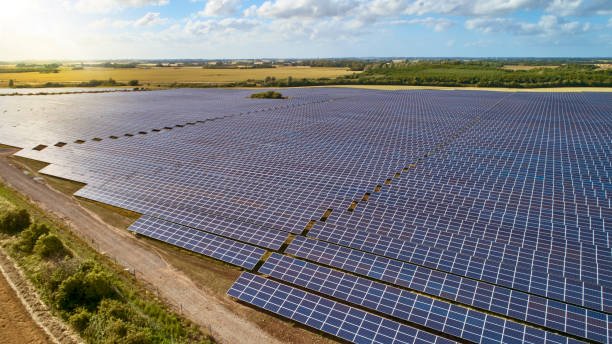
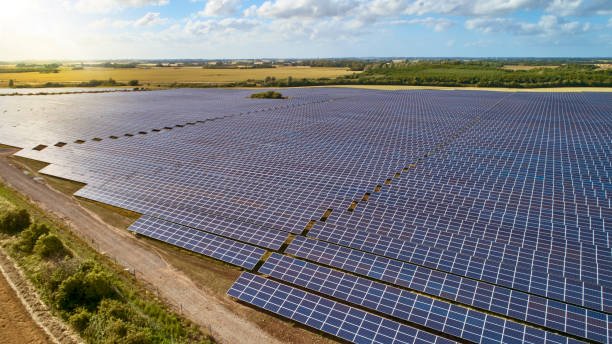
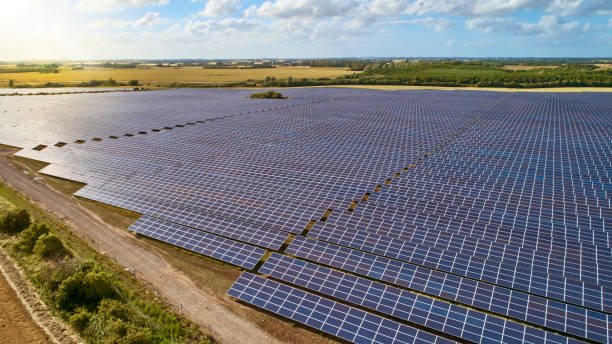
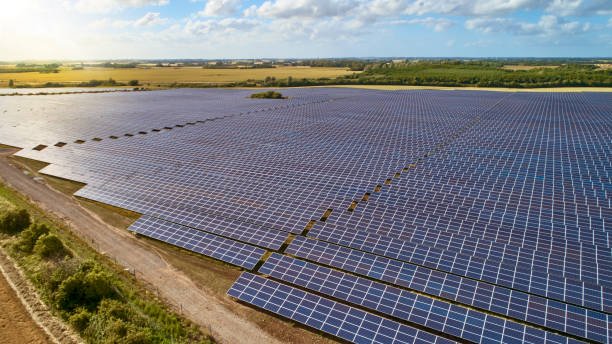
    ib vogt has broken ground on the 99-megawatt-peak (MWp) Luca Solar Power Plant in Ajuy, Iloilo, Philippines, marking the company’s latest solar project to enter construction in the country.

    Once operational, the project is expected to generate approximately 158 gigawatt-hours (GWh) of clean electricity annually, enough to supply around 79,000 homes. The plant is also expected to avoid approximately 109,000 tonnes of carbon dioxide (CO₂) emissions each year.

    The Luca Solar Power Plant is part of ib vogt APAC’s expansion in the Philippine renewable energy market. The company aims to reach approximately 500 MW of capacity in construction and operation in the Philippines by the end of 2026.

    David Ludwig, Chief Executive Officer of ib vogt APAC, said the Luca project represents another step in the company’s expansion in the country.

    Earlier this year, ib vogt’s first solar-and-storage project in the Philippines began delivering power. The company said the Luca project will further increase its operating and construction capacity, while another larger project is expected to enter construction before the end of the year.

    ib vogt said the project has been supported by lenders, local communities and other stakeholders involved in its development.

    Jose Luis Echávarri, Managing Director and Chief Operating Officer of ib vogt APAC, said the project is expected to provide clean electricity and more predictable energy costs over its projected 20-year operating life. Construction is also expected to create hundreds of local jobs, followed by skilled employment opportunities during the plant’s operational phase.

    The Philippine Department of Energy highlighted the project’s potential contribution to the country’s growing electricity requirements.

    Marissa P. Cerezo, Director IV of the Department of Energy’s Renewable Energy Management Bureau, said rising energy demand linked to economic growth requires an electricity system that is reliable, resilient, diversified and increasingly sustainable.

    The project is being developed in Ajuy, where local authorities expect the solar plant to contribute to employment, investment and economic activity in the municipality and surrounding communities.

    Ajuy Mayor Loida Espinosa said the project would create opportunities beyond electricity generation, including employment, investments and other economic benefits for Barangay Luca and the Municipality of Ajuy.

    The UK Government is also supporting the project through British International Investment (BII), the UK’s development finance institution.

    British Ambassador Sarah Hulton OBE said the UK’s support for the 99 MW Luca Solar Project is intended to help mobilize additional private-sector investment while expanding clean electricity generation and supporting energy security in the Visayas.

    The project is expected to supply electricity equivalent to the consumption of approximately 79,000 households and contribute to the Philippines’ transition toward lower-carbon power generation.

    ib vogt said RCBC and RCBC Capital arranged and financed the transaction, while Pentagreen Capital and British International Investment participated in the project’s capital structure.

    The company also acknowledged the support of the provincial government of Iloilo and the municipalities of Ajuy and Barotac Viejo during the project’s development.

    The Luca Solar Power Plant adds to ib vogt’s growing renewable energy portfolio in the Philippines as the company continues to expand its solar and energy infrastructure across the country.

  • ib vogt Breaks Ground on 99 MWp Luca Solar Power Plant in Philippines

    ib vogt Breaks Ground on 99 MWp Luca Solar Power Plant in Philippines

    ib vogt has broken ground on the 99-megawatt-peak (MWp) Luca Solar Power Plant in Ajuy, Iloilo, Philippines, marking the company’s latest solar project to enter construction in the country.

    Once operational, the project is expected to generate approximately 158 gigawatt-hours (GWh) of clean electricity annually, enough to supply around 79,000 homes. The plant is also expected to avoid approximately 109,000 tonnes of carbon dioxide (CO₂) emissions each year.

    The Luca Solar Power Plant is part of ib vogt APAC’s expansion in the Philippine renewable energy market. The company aims to reach approximately 500 MW of capacity in construction and operation in the Philippines by the end of 2026.

    David Ludwig, Chief Executive Officer of ib vogt APAC, said the Luca project represents another step in the company’s expansion in the country.

    Earlier this year, ib vogt’s first solar-and-storage project in the Philippines began delivering power. The company said the Luca project will further increase its operating and construction capacity, while another larger project is expected to enter construction before the end of the year.

    ib vogt said the project has been supported by lenders, local communities and other stakeholders involved in its development.

    Jose Luis Echávarri, Managing Director and Chief Operating Officer of ib vogt APAC, said the project is expected to provide clean electricity and more predictable energy costs over its projected 20-year operating life. Construction is also expected to create hundreds of local jobs, followed by skilled employment opportunities during the plant’s operational phase.

    The Philippine Department of Energy highlighted the project’s potential contribution to the country’s growing electricity requirements.

    Marissa P. Cerezo, Director IV of the Department of Energy’s Renewable Energy Management Bureau, said rising energy demand linked to economic growth requires an electricity system that is reliable, resilient, diversified and increasingly sustainable.

    The project is being developed in Ajuy, where local authorities expect the solar plant to contribute to employment, investment and economic activity in the municipality and surrounding communities.

    Ajuy Mayor Loida Espinosa said the project would create opportunities beyond electricity generation, including employment, investments and other economic benefits for Barangay Luca and the Municipality of Ajuy.

    The UK Government is also supporting the project through British International Investment (BII), the UK’s development finance institution.

    British Ambassador Sarah Hulton OBE said the UK’s support for the 99 MW Luca Solar Project is intended to help mobilize additional private-sector investment while expanding clean electricity generation and supporting energy security in the Visayas.

    The project is expected to supply electricity equivalent to the consumption of approximately 79,000 households and contribute to the Philippines’ transition toward lower-carbon power generation.

    ib vogt said RCBC and RCBC Capital arranged and financed the transaction, while Pentagreen Capital and British International Investment participated in the project’s capital structure.

    The company also acknowledged the support of the provincial government of Iloilo and the municipalities of Ajuy and Barotac Viejo during the project’s development.

    The Luca Solar Power Plant adds to ib vogt’s growing renewable energy portfolio in the Philippines as the company continues to expand its solar and energy infrastructure across the country.

  • ib vogt Breaks Ground on 99 MWp Luca Solar Power Plant in Philippines

    ib vogt Breaks Ground on 99 MWp Luca Solar Power Plant in Philippines

    ib vogt has broken ground on the 99-megawatt-peak (MWp) Luca Solar Power Plant in Ajuy, Iloilo, Philippines, marking the company’s latest solar project to enter construction in the country.

    Once operational, the project is expected to generate approximately 158 gigawatt-hours (GWh) of clean electricity annually, enough to supply around 79,000 homes. The plant is also expected to avoid approximately 109,000 tonnes of carbon dioxide (CO₂) emissions each year.

    The Luca Solar Power Plant is part of ib vogt APAC’s expansion in the Philippine renewable energy market. The company aims to reach approximately 500 MW of capacity in construction and operation in the Philippines by the end of 2026.

    David Ludwig, Chief Executive Officer of ib vogt APAC, said the Luca project represents another step in the company’s expansion in the country.

    Earlier this year, ib vogt’s first solar-and-storage project in the Philippines began delivering power. The company said the Luca project will further increase its operating and construction capacity, while another larger project is expected to enter construction before the end of the year.

    ib vogt said the project has been supported by lenders, local communities and other stakeholders involved in its development.

    Jose Luis Echávarri, Managing Director and Chief Operating Officer of ib vogt APAC, said the project is expected to provide clean electricity and more predictable energy costs over its projected 20-year operating life. Construction is also expected to create hundreds of local jobs, followed by skilled employment opportunities during the plant’s operational phase.

    The Philippine Department of Energy highlighted the project’s potential contribution to the country’s growing electricity requirements.

    Marissa P. Cerezo, Director IV of the Department of Energy’s Renewable Energy Management Bureau, said rising energy demand linked to economic growth requires an electricity system that is reliable, resilient, diversified and increasingly sustainable.

    The project is being developed in Ajuy, where local authorities expect the solar plant to contribute to employment, investment and economic activity in the municipality and surrounding communities.

    Ajuy Mayor Loida Espinosa said the project would create opportunities beyond electricity generation, including employment, investments and other economic benefits for Barangay Luca and the Municipality of Ajuy.

    The UK Government is also supporting the project through British International Investment (BII), the UK’s development finance institution.

    British Ambassador Sarah Hulton OBE said the UK’s support for the 99 MW Luca Solar Project is intended to help mobilize additional private-sector investment while expanding clean electricity generation and supporting energy security in the Visayas.

    The project is expected to supply electricity equivalent to the consumption of approximately 79,000 households and contribute to the Philippines’ transition toward lower-carbon power generation.

    ib vogt said RCBC and RCBC Capital arranged and financed the transaction, while Pentagreen Capital and British International Investment participated in the project’s capital structure.

    The company also acknowledged the support of the provincial government of Iloilo and the municipalities of Ajuy and Barotac Viejo during the project’s development.

    The Luca Solar Power Plant adds to ib vogt’s growing renewable energy portfolio in the Philippines as the company continues to expand its solar and energy infrastructure across the country.

  • ib vogt Breaks Ground on 99 MWp Luca Solar Power Plant in Philippines

    ib vogt Breaks Ground on 99 MWp Luca Solar Power Plant in Philippines

    ib vogt has broken ground on the 99-megawatt-peak (MWp) Luca Solar Power Plant in Ajuy, Iloilo, Philippines, marking the company’s latest solar project to enter construction in the country.

    Once operational, the project is expected to generate approximately 158 gigawatt-hours (GWh) of clean electricity annually, enough to supply around 79,000 homes. The plant is also expected to avoid approximately 109,000 tonnes of carbon dioxide (CO₂) emissions each year.

    The Luca Solar Power Plant is part of ib vogt APAC’s expansion in the Philippine renewable energy market. The company aims to reach approximately 500 MW of capacity in construction and operation in the Philippines by the end of 2026.

    David Ludwig, Chief Executive Officer of ib vogt APAC, said the Luca project represents another step in the company’s expansion in the country.

    Earlier this year, ib vogt’s first solar-and-storage project in the Philippines began delivering power. The company said the Luca project will further increase its operating and construction capacity, while another larger project is expected to enter construction before the end of the year.

    ib vogt said the project has been supported by lenders, local communities and other stakeholders involved in its development.

    Jose Luis Echávarri, Managing Director and Chief Operating Officer of ib vogt APAC, said the project is expected to provide clean electricity and more predictable energy costs over its projected 20-year operating life. Construction is also expected to create hundreds of local jobs, followed by skilled employment opportunities during the plant’s operational phase.

    The Philippine Department of Energy highlighted the project’s potential contribution to the country’s growing electricity requirements.

    Marissa P. Cerezo, Director IV of the Department of Energy’s Renewable Energy Management Bureau, said rising energy demand linked to economic growth requires an electricity system that is reliable, resilient, diversified and increasingly sustainable.

    The project is being developed in Ajuy, where local authorities expect the solar plant to contribute to employment, investment and economic activity in the municipality and surrounding communities.

    Ajuy Mayor Loida Espinosa said the project would create opportunities beyond electricity generation, including employment, investments and other economic benefits for Barangay Luca and the Municipality of Ajuy.

    The UK Government is also supporting the project through British International Investment (BII), the UK’s development finance institution.

    British Ambassador Sarah Hulton OBE said the UK’s support for the 99 MW Luca Solar Project is intended to help mobilize additional private-sector investment while expanding clean electricity generation and supporting energy security in the Visayas.

    The project is expected to supply electricity equivalent to the consumption of approximately 79,000 households and contribute to the Philippines’ transition toward lower-carbon power generation.

    ib vogt said RCBC and RCBC Capital arranged and financed the transaction, while Pentagreen Capital and British International Investment participated in the project’s capital structure.

    The company also acknowledged the support of the provincial government of Iloilo and the municipalities of Ajuy and Barotac Viejo during the project’s development.

    The Luca Solar Power Plant adds to ib vogt’s growing renewable energy portfolio in the Philippines as the company continues to expand its solar and energy infrastructure across the country.