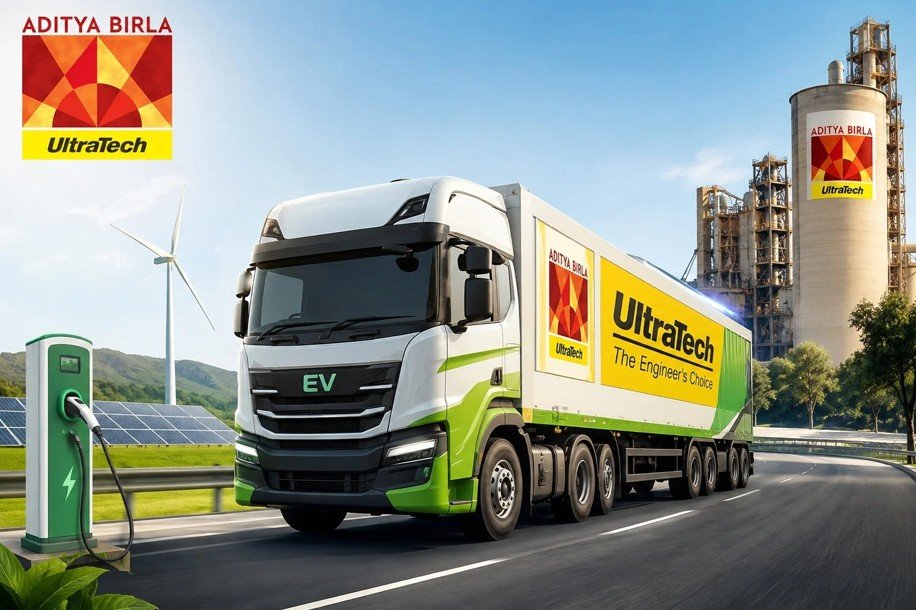
UltraTech Cement, an Aditya Birla Group company, has announced that it will scale up its electric vehicle fleet in its logistics operations to 600 plus EV trucks by December 2026.
UltraTech has signed service contracts with EV prime mover manufacturers including Tata Motors, Ashok Leyland, IPLTech, Energy in Motion and Sany along with their subsidiaries and other third-party logistics providers, to deploy EV trucks.
The total fleet of 600 plus EV trucks will transport about five million MT of clinker and other key materials per annum across Gujarat, Uttar Pradesh, Madhya Pradesh, Rajasthan, Chhattisgarh, Maharashtra and Odisha. Once fully operational, this fleet of over 600 EV trucks will enable a net annual CO₂ reduction of more than 1,17,000 tonnes, displacing the equivalent of 39 million litres of diesel per year.
K C Jhanwar, Managing Director, UltraTech Cement, said, “UltraTech is expanding sustainability beyond its plants by adopting greener logistics solutions. This large-scale transition to green logistics underscores our focus on decarbonising every link of our value chain and supports our commitment to achieving Net Zero.”
UltraTech has been advancing sustainable transport in the cement sector, being the first cement company to deploy heavy-duty electric trucks for long-haul transport of clinker and other materials at scale. The Company had introduced green logistics, deploying CNG trucks in 2021 and electric trucks in 2024. The firm currently operates 850 plus trucks as part of its green logistics operations, including CNG and electric trucks.
Blog
-
UltraTech Cement to Deploy Over 600 Electric Trucks by December 2026
-
UltraTech Cement to Deploy Over 600 Electric Trucks by December 2026
UltraTech Cement, an Aditya Birla Group company, has announced that it will scale up its electric vehicle fleet in its logistics operations to 600 plus EV trucks by December 2026.
UltraTech has signed service contracts with EV prime mover manufacturers including Tata Motors, Ashok Leyland, IPLTech, Energy in Motion and Sany along with their subsidiaries and other third-party logistics providers, to deploy EV trucks.
The total fleet of 600 plus EV trucks will transport about five million MT of clinker and other key materials per annum across Gujarat, Uttar Pradesh, Madhya Pradesh, Rajasthan, Chhattisgarh, Maharashtra and Odisha. Once fully operational, this fleet of over 600 EV trucks will enable a net annual CO₂ reduction of more than 1,17,000 tonnes, displacing the equivalent of 39 million litres of diesel per year.
K C Jhanwar, Managing Director, UltraTech Cement, said, “UltraTech is expanding sustainability beyond its plants by adopting greener logistics solutions. This large-scale transition to green logistics underscores our focus on decarbonising every link of our value chain and supports our commitment to achieving Net Zero.”
UltraTech has been advancing sustainable transport in the cement sector, being the first cement company to deploy heavy-duty electric trucks for long-haul transport of clinker and other materials at scale. The Company had introduced green logistics, deploying CNG trucks in 2021 and electric trucks in 2024. The firm currently operates 850 plus trucks as part of its green logistics operations, including CNG and electric trucks. -
Delhi Revises Solar Policy, Offers Up to 3 kW Rooftop Solar at Zero Upfront Cost
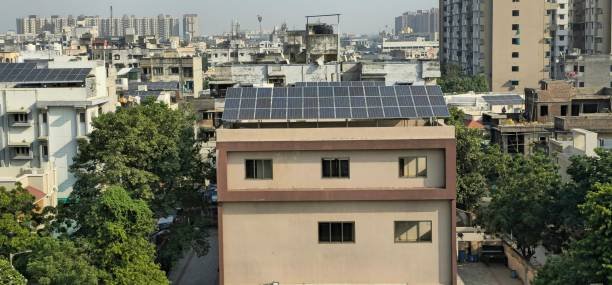
The Delhi government has approved the second amendment to the Delhi Solar Energy Policy 2023, introducing a major push for residential rooftop solar adoption. Under the revised policy, eligible households consuming up to 400 units of electricity per month can receive rooftop solar systems of up to 3 kW at zero upfront cost, subject to technical feasibility.
The initiative is aimed at addressing the high initial investment associated with rooftop solar and making clean energy more accessible to households across the capital. The government plans to extend the benefit to around 2.30 lakh households and add approximately 500 MW of rooftop solar capacity by March 2027.
The revised policy combines available central and Delhi government support, with total assistance of up to ₹1.56 lakh for eligible households, according to the policy announcement. The rooftop systems will also receive free maintenance support for five years.
The Delhi government has also retained existing electricity subsidies for eligible consumers. Households that currently receive the subsidy will continue to benefit from it even after installing rooftop solar systems.
Under the revised framework, consumers can use the electricity generated by their rooftop systems for their own consumption, while surplus generation can be exported to the grid through net metering. Eligible consumers can receive payment for surplus electricity at the applicable rate.
The initiative is expected to give a significant boost to Delhi’s residential rooftop solar market while helping households reduce dependence on conventional grid electricity.
The Delhi government has set an ambitious target of installing rooftop solar systems on 2.30 lakh homes by March 2027, marking a major step toward expanding distributed renewable energy across the capital.
-
Delhi Revises Solar Policy, Offers Up to 3 kW Rooftop Solar at Zero Upfront Cost
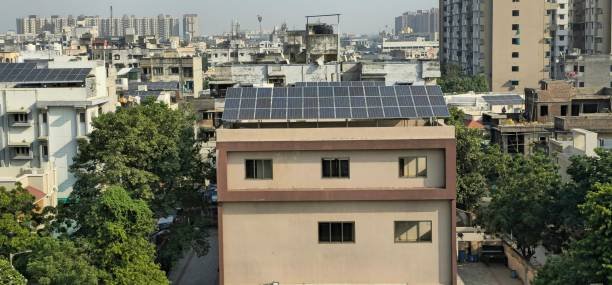
The Delhi government has approved the second amendment to the Delhi Solar Energy Policy 2023, introducing a major push for residential rooftop solar adoption. Under the revised policy, eligible households consuming up to 400 units of electricity per month can receive rooftop solar systems of up to 3 kW at zero upfront cost, subject to technical feasibility.
The initiative is aimed at addressing the high initial investment associated with rooftop solar and making clean energy more accessible to households across the capital. The government plans to extend the benefit to around 2.30 lakh households and add approximately 500 MW of rooftop solar capacity by March 2027.
The revised policy combines available central and Delhi government support, with total assistance of up to ₹1.56 lakh for eligible households, according to the policy announcement. The rooftop systems will also receive free maintenance support for five years.
The Delhi government has also retained existing electricity subsidies for eligible consumers. Households that currently receive the subsidy will continue to benefit from it even after installing rooftop solar systems.
Under the revised framework, consumers can use the electricity generated by their rooftop systems for their own consumption, while surplus generation can be exported to the grid through net metering. Eligible consumers can receive payment for surplus electricity at the applicable rate.
The initiative is expected to give a significant boost to Delhi’s residential rooftop solar market while helping households reduce dependence on conventional grid electricity.
The Delhi government has set an ambitious target of installing rooftop solar systems on 2.30 lakh homes by March 2027, marking a major step toward expanding distributed renewable energy across the capital.
-
Delhi Revises Solar Policy, Offers Up to 3 kW Rooftop Solar at Zero Upfront Cost
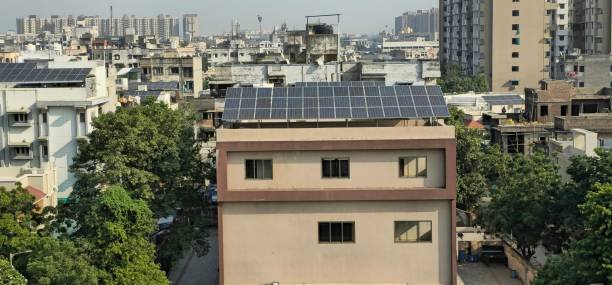
The Delhi government has approved the second amendment to the Delhi Solar Energy Policy 2023, introducing a major push for residential rooftop solar adoption. Under the revised policy, eligible households consuming up to 400 units of electricity per month can receive rooftop solar systems of up to 3 kW at zero upfront cost, subject to technical feasibility.
The initiative is aimed at addressing the high initial investment associated with rooftop solar and making clean energy more accessible to households across the capital. The government plans to extend the benefit to around 2.30 lakh households and add approximately 500 MW of rooftop solar capacity by March 2027.
The revised policy combines available central and Delhi government support, with total assistance of up to ₹1.56 lakh for eligible households, according to the policy announcement. The rooftop systems will also receive free maintenance support for five years.
The Delhi government has also retained existing electricity subsidies for eligible consumers. Households that currently receive the subsidy will continue to benefit from it even after installing rooftop solar systems.
Under the revised framework, consumers can use the electricity generated by their rooftop systems for their own consumption, while surplus generation can be exported to the grid through net metering. Eligible consumers can receive payment for surplus electricity at the applicable rate.
The initiative is expected to give a significant boost to Delhi’s residential rooftop solar market while helping households reduce dependence on conventional grid electricity.
The Delhi government has set an ambitious target of installing rooftop solar systems on 2.30 lakh homes by March 2027, marking a major step toward expanding distributed renewable energy across the capital.
-
Delhi Revises Solar Policy, Offers Up to 3 kW Rooftop Solar at Zero Upfront Cost
The Delhi government has approved the second amendment to the Delhi Solar Energy Policy 2023, introducing a major push for residential rooftop solar adoption. Under the revised policy, eligible households consuming up to 400 units of electricity per month can receive rooftop solar systems of up to 3 kW at zero upfront cost, subject to technical feasibility.
The initiative is aimed at addressing the high initial investment associated with rooftop solar and making clean energy more accessible to households across the capital. The government plans to extend the benefit to around 2.30 lakh households and add approximately 500 MW of rooftop solar capacity by March 2027.
The revised policy combines available central and Delhi government support, with total assistance of up to ₹1.56 lakh for eligible households, according to the policy announcement. The rooftop systems will also receive free maintenance support for five years.
The Delhi government has also retained existing electricity subsidies for eligible consumers. Households that currently receive the subsidy will continue to benefit from it even after installing rooftop solar systems.
Under the revised framework, consumers can use the electricity generated by their rooftop systems for their own consumption, while surplus generation can be exported to the grid through net metering. Eligible consumers can receive payment for surplus electricity at the applicable rate.
The initiative is expected to give a significant boost to Delhi’s residential rooftop solar market while helping households reduce dependence on conventional grid electricity.
The Delhi government has set an ambitious target of installing rooftop solar systems on 2.30 lakh homes by March 2027, marking a major step toward expanding distributed renewable energy across the capital.
-
SAEL Secures Supply Orders for 1 GWp of Solar PV Modules
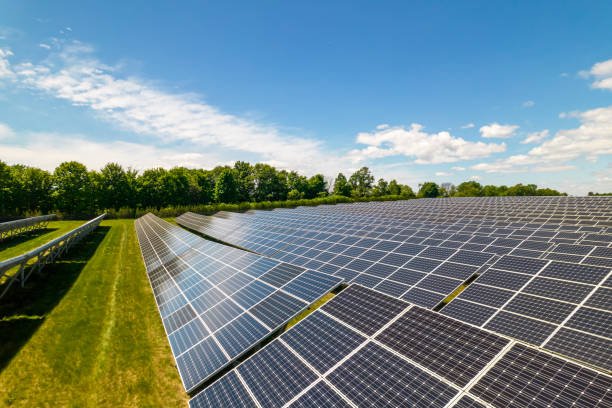
SAEL Solar P6 Pvt. Ltd., a wholly owned subsidiary of SAEL Industries Ltd. (‘SAEL’), has received supply orders for 1 GWp of solar PV modules in the last six months, marking a significant milestone for the company. SAEL will supply N-type TOPCon modules for the contracted projects in both domestic and international markets.
The order book includes a 585.8 MWp module supply requirement from NTPC Renewable Energy Ltd. for its Chitrakoot solar PV project in Uttar Pradesh. In India, the balance orders are for utility-scale solar projects in Gujarat and other parts of Uttar Pradesh.
SAEL’s solar PV modules are enlisted under the Ministry of New and Renewable Energy’s Approved List of Models and Manufacturers (ALMM), a prerequisite for deployment in government and government-assisted solar projects.
The company operates across utility-scale solar power generation, solar PV module manufacturing, and Agri waste-to-energy. As of September 30, 2025, SAEL has a portfolio of 8,299 MWp (DC) of contracted and awarded solar and storage capacity, along with 3,625 MW of TOPCon module manufacturing capacity and 164.90 MW of Agri waste-to-energy capacity.
SAEL is also establishing an integrated facility with 5 GW of solar cell manufacturing unit and 5 GW of solar modules manufacturing line in Greater Noida (Jewar), Uttar Pradesh. The facility is in under construction phase.
-
SAEL Secures Supply Orders for 1 GWp of Solar PV Modules
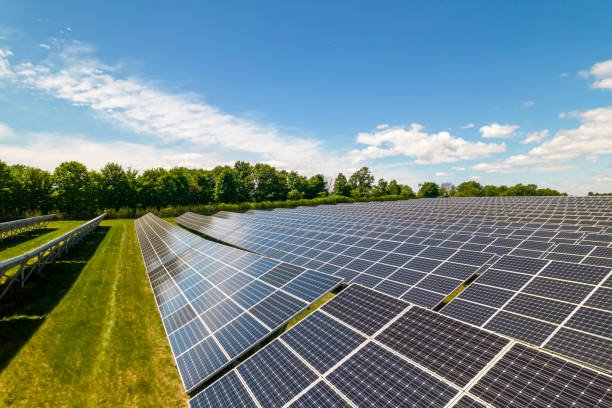
SAEL Solar P6 Pvt. Ltd., a wholly owned subsidiary of SAEL Industries Ltd. (‘SAEL’), has received supply orders for 1 GWp of solar PV modules in the last six months, marking a significant milestone for the company. SAEL will supply N-type TOPCon modules for the contracted projects in both domestic and international markets.
The order book includes a 585.8 MWp module supply requirement from NTPC Renewable Energy Ltd. for its Chitrakoot solar PV project in Uttar Pradesh. In India, the balance orders are for utility-scale solar projects in Gujarat and other parts of Uttar Pradesh.
SAEL’s solar PV modules are enlisted under the Ministry of New and Renewable Energy’s Approved List of Models and Manufacturers (ALMM), a prerequisite for deployment in government and government-assisted solar projects.
The company operates across utility-scale solar power generation, solar PV module manufacturing, and Agri waste-to-energy. As of September 30, 2025, SAEL has a portfolio of 8,299 MWp (DC) of contracted and awarded solar and storage capacity, along with 3,625 MW of TOPCon module manufacturing capacity and 164.90 MW of Agri waste-to-energy capacity.
SAEL is also establishing an integrated facility with 5 GW of solar cell manufacturing unit and 5 GW of solar modules manufacturing line in Greater Noida (Jewar), Uttar Pradesh. The facility is in under construction phase.
-
SAEL Secures Supply Orders for 1 GWp of Solar PV Modules
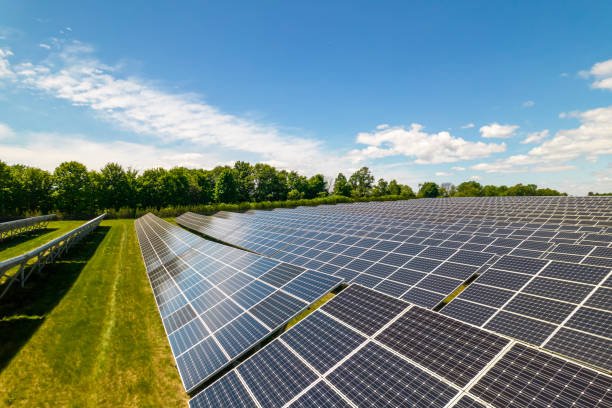
SAEL Solar P6 Pvt. Ltd., a wholly owned subsidiary of SAEL Industries Ltd. (‘SAEL’), has received supply orders for 1 GWp of solar PV modules in the last six months, marking a significant milestone for the company. SAEL will supply N-type TOPCon modules for the contracted projects in both domestic and international markets.
The order book includes a 585.8 MWp module supply requirement from NTPC Renewable Energy Ltd. for its Chitrakoot solar PV project in Uttar Pradesh. In India, the balance orders are for utility-scale solar projects in Gujarat and other parts of Uttar Pradesh.
SAEL’s solar PV modules are enlisted under the Ministry of New and Renewable Energy’s Approved List of Models and Manufacturers (ALMM), a prerequisite for deployment in government and government-assisted solar projects.
The company operates across utility-scale solar power generation, solar PV module manufacturing, and Agri waste-to-energy. As of September 30, 2025, SAEL has a portfolio of 8,299 MWp (DC) of contracted and awarded solar and storage capacity, along with 3,625 MW of TOPCon module manufacturing capacity and 164.90 MW of Agri waste-to-energy capacity.
SAEL is also establishing an integrated facility with 5 GW of solar cell manufacturing unit and 5 GW of solar modules manufacturing line in Greater Noida (Jewar), Uttar Pradesh. The facility is in under construction phase.
-
SAEL Secures Supply Orders for 1 GWp of Solar PV Modules
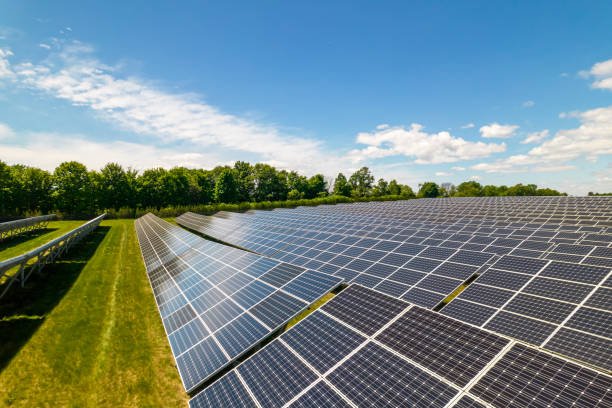
SAEL Solar P6 Pvt. Ltd., a wholly owned subsidiary of SAEL Industries Ltd. (‘SAEL’), has received supply orders for 1 GWp of solar PV modules in the last six months, marking a significant milestone for the company. SAEL will supply N-type TOPCon modules for the contracted projects in both domestic and international markets.
The order book includes a 585.8 MWp module supply requirement from NTPC Renewable Energy Ltd. for its Chitrakoot solar PV project in Uttar Pradesh. In India, the balance orders are for utility-scale solar projects in Gujarat and other parts of Uttar Pradesh.
SAEL’s solar PV modules are enlisted under the Ministry of New and Renewable Energy’s Approved List of Models and Manufacturers (ALMM), a prerequisite for deployment in government and government-assisted solar projects.
The company operates across utility-scale solar power generation, solar PV module manufacturing, and Agri waste-to-energy. As of September 30, 2025, SAEL has a portfolio of 8,299 MWp (DC) of contracted and awarded solar and storage capacity, along with 3,625 MW of TOPCon module manufacturing capacity and 164.90 MW of Agri waste-to-energy capacity.
SAEL is also establishing an integrated facility with 5 GW of solar cell manufacturing unit and 5 GW of solar modules manufacturing line in Greater Noida (Jewar), Uttar Pradesh. The facility is in under construction phase.