Category: All News

  • Rajasthan Crosses 5 GW of Commissioned PM-KUSUM Capacity

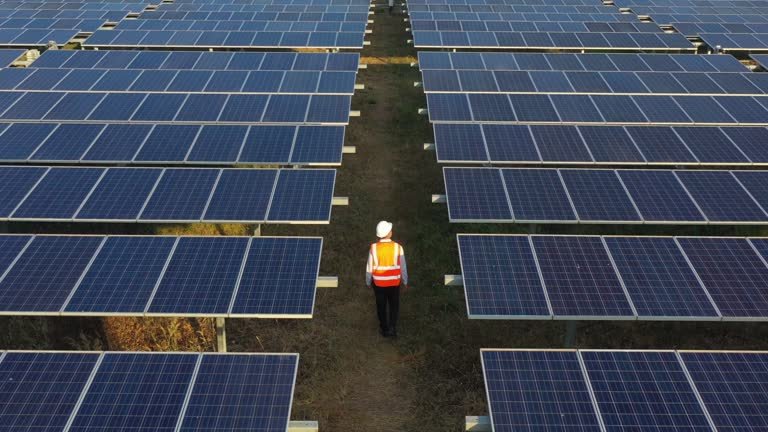
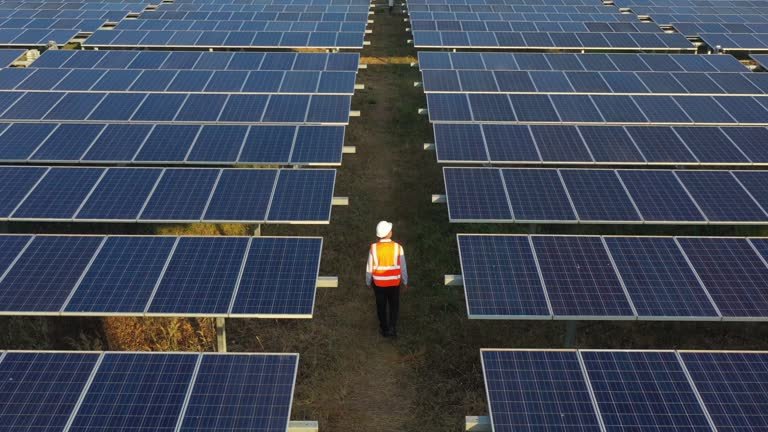
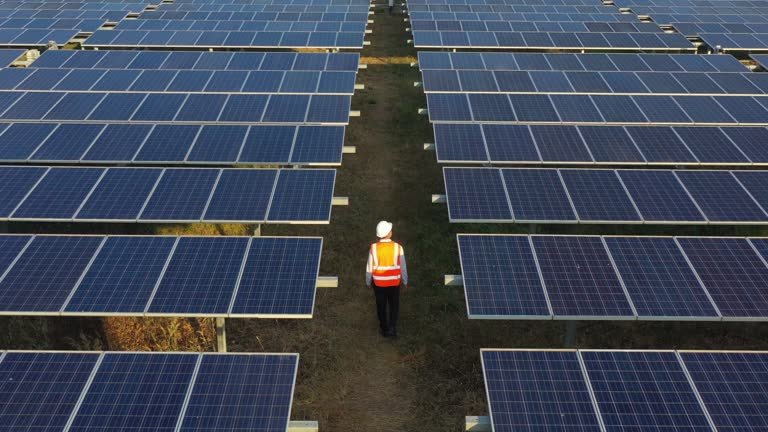
    Rajasthan has crossed 5,000 MW of commissioned capacity under the PM-KUSUM scheme, marking a significant milestone in the state’s efforts to expand decentralised solar power and provide daytime electricity for agricultural consumers.

    The state has achieved the milestone through more than 2,300 decentralised solar projects. The achievement was formally marked on August 18 in the presence of the Rajasthan Chief Minister, who interacted with farmers and solar power developers involved in the programme.

    Rajasthan’s PM-KUSUM capacity has expanded rapidly in recent years. From around 123 MW at the end of 2023, the state has reached more than 5 GW in just over two and a half years.

    More than 3.34 lakh farmers are currently benefiting from the programme, while daytime agricultural power is being supplied across 26 districts.

    The August 18 interaction brought together around 70 farmers and solar power developers at the Chief Minister’s residence, with more than 200 participants joining virtually from different parts of Rajasthan. Farmers shared their experiences of developing solar projects on their land, including the additional income opportunities created through the programme.

    The discussions also highlighted the broader economic impact of decentralised solar generation. Farmers spoke about using their land to generate more predictable income, while some families have begun viewing their agricultural land as an additional source of economic opportunity. Participants also shared examples of family members returning from jobs outside the country to pursue opportunities created through PM-KUSUM projects.

    Beyond adding renewable generation capacity, the programme is aimed at improving the availability of daytime power for agriculture and reducing the cost associated with supplying electricity to rural consumers. It also enables farmers to participate more directly in the renewable energy value chain by developing solar projects on their land.

    The 5 GW milestone comes as Rajasthan continues to build its project pipeline. More than 10,000 MW of power purchase agreements (PPAs) have already been tied up under the programme, indicating further expansion of decentralised solar capacity in the state.

  • L&T Secures Major Order to Develop 6 GWh BESS Projects in Middle East

    L&T Secures Major Order to Develop 6 GWh BESS Projects in Middle East

    The Renewables business vertical of L&T has won a major order to develop three Battery Energy Storage System (BESS) projects for a notable client in the Middle East.

    In addition to the storage facilities, the scope of the packages also involves grid interconnections, including pooling substations and underground cables.

    The three projects will collectively contribute to 6 gigawatt-hour of storage capacity, marking one of the most impactful advancements in grid modernisation and renewable energy integration across the Middle East region. This positions L&T as a key EPC player in the fast‑growing energy storage sector.

    The projects feature a 4-hour Battery Energy Storage System (BESS) each, capable of storing and dispatching energy, to support grid stability and renewable energy integration. This enables effective energy shifting, allowing surplus clean energy generated during off-peak periods to be stored and delivered during peak demand hours. The advanced BESS solution will incorporate liquid cooling technology, ensuring higher power density, enhanced safety and extended operational life.

    Such projects entail stringent requirements with respect to plant performance, workforce mobilisation, safety, quality and timeline. The order stands as a testament to the enduring trust and confidence that clients place in L&T, backed by proven engineering excellence and project management expertise.

  • L&T Secures Major Order to Develop 6 GWh BESS Projects in Middle East

    L&T Secures Major Order to Develop 6 GWh BESS Projects in Middle East

    The Renewables business vertical of L&T has won a major order to develop three Battery Energy Storage System (BESS) projects for a notable client in the Middle East.

    In addition to the storage facilities, the scope of the packages also involves grid interconnections, including pooling substations and underground cables.

    The three projects will collectively contribute to 6 gigawatt-hour of storage capacity, marking one of the most impactful advancements in grid modernisation and renewable energy integration across the Middle East region. This positions L&T as a key EPC player in the fast‑growing energy storage sector.

    The projects feature a 4-hour Battery Energy Storage System (BESS) each, capable of storing and dispatching energy, to support grid stability and renewable energy integration. This enables effective energy shifting, allowing surplus clean energy generated during off-peak periods to be stored and delivered during peak demand hours. The advanced BESS solution will incorporate liquid cooling technology, ensuring higher power density, enhanced safety and extended operational life.

    Such projects entail stringent requirements with respect to plant performance, workforce mobilisation, safety, quality and timeline. The order stands as a testament to the enduring trust and confidence that clients place in L&T, backed by proven engineering excellence and project management expertise.

  • L&T Secures Major Order to Develop 6 GWh BESS Projects in Middle East

    L&T Secures Major Order to Develop 6 GWh BESS Projects in Middle East

    The Renewables business vertical of L&T has won a major order to develop three Battery Energy Storage System (BESS) projects for a notable client in the Middle East.

    In addition to the storage facilities, the scope of the packages also involves grid interconnections, including pooling substations and underground cables.

    The three projects will collectively contribute to 6 gigawatt-hour of storage capacity, marking one of the most impactful advancements in grid modernisation and renewable energy integration across the Middle East region. This positions L&T as a key EPC player in the fast‑growing energy storage sector.

    The projects feature a 4-hour Battery Energy Storage System (BESS) each, capable of storing and dispatching energy, to support grid stability and renewable energy integration. This enables effective energy shifting, allowing surplus clean energy generated during off-peak periods to be stored and delivered during peak demand hours. The advanced BESS solution will incorporate liquid cooling technology, ensuring higher power density, enhanced safety and extended operational life.

    Such projects entail stringent requirements with respect to plant performance, workforce mobilisation, safety, quality and timeline. The order stands as a testament to the enduring trust and confidence that clients place in L&T, backed by proven engineering excellence and project management expertise.

  • L&T Secures Major Order to Develop 6 GWh BESS Projects in Middle East

    The Renewables business vertical of L&T has won a major order to develop three Battery Energy Storage System (BESS) projects for a notable client in the Middle East.

    In addition to the storage facilities, the scope of the packages also involves grid interconnections, including pooling substations and underground cables.

    The three projects will collectively contribute to 6 gigawatt-hour of storage capacity, marking one of the most impactful advancements in grid modernisation and renewable energy integration across the Middle East region. This positions L&T as a key EPC player in the fast‑growing energy storage sector.

    The projects feature a 4-hour Battery Energy Storage System (BESS) each, capable of storing and dispatching energy, to support grid stability and renewable energy integration. This enables effective energy shifting, allowing surplus clean energy generated during off-peak periods to be stored and delivered during peak demand hours. The advanced BESS solution will incorporate liquid cooling technology, ensuring higher power density, enhanced safety and extended operational life.

    Such projects entail stringent requirements with respect to plant performance, workforce mobilisation, safety, quality and timeline. The order stands as a testament to the enduring trust and confidence that clients place in L&T, backed by proven engineering excellence and project management expertise.

  • Fujiyama Power Systems Approves INR 25 Crore Investment to Add 2 GWh Battery Capacity

    Fujiyama Power Systems Approves INR 25 Crore Investment to Add 2 GWh Battery Capacity

    Fujiyama Power Systems has approved a ₹25 crore capital expenditure plan to expand its battery manufacturing capacity by 2 GWh across Madhya Pradesh and Uttar Pradesh.

    The company’s Board of Directors approved the investments at its meeting held on August 24, 2026. The expansion will include an additional 1 GWh of lithium battery manufacturing capacity at the company’s Ratlam facility in Madhya Pradesh and a new 1 GWh tubular battery manufacturing facility at Hathras in Uttar Pradesh.

    The projects will be funded through the company’s internal accruals.

    Fujiyama Power Systems will invest approximately ₹5 crore to add 1 GWh of lithium battery manufacturing capacity at its Ratlam plant.

    The expansion follows an earlier announcement for an additional 2 GWh capacity at the same facility. The latest addition is expected to commence commercial operations by Q2 FY27. Once completed, the Ratlam facility is expected to have a total lithium battery manufacturing capacity of approximately 3.5 GWh.

    The company will invest approximately ₹20 crore to establish a new 1 GWh tubular battery manufacturing plant at Hathras, Uttar Pradesh.

    The facility is targeted for commissioning by Q3 FY27. It will replace 1.3 GWh of tubular battery manufacturing capacity at the company’s Bawal facility, which was damaged in a fire incident on May 6, 2026.

    The two projects represent different investment requirements despite each adding 1 GWh of capacity. The higher investment for the Hathras facility reflects the establishment of a new manufacturing site, while the Ratlam project involves an expansion of an existing facility.

    The Board also approved the re-appointment of Sunil Kumar as a director liable to retire by rotation, subject to shareholder approval at the company’s upcoming Annual General Meeting.

    Kumar holds a Bachelor of Technology degree in Electrical Engineering from IIT Delhi and has more than 25 years of experience in software engineering, including professional stints at Google, Xilinx and Mentor Graphics.

    In addition, the Board approved an amendment to the company’s Articles of Association to designate Joint Managing Director(s) as rotational directors. The change is intended to align the company’s governance framework with the Companies Act, 2013.

    The capacity expansion comes as Fujiyama Power Systems continues to strengthen its lithium battery manufacturing operations while rebuilding tubular battery capacity affected by the Bawal facility incident.

  • Fujiyama Power Systems Approves INR 25 Crore Investment to Add 2 GWh Battery Capacity

    Fujiyama Power Systems Approves INR 25 Crore Investment to Add 2 GWh Battery Capacity

    Fujiyama Power Systems has approved a ₹25 crore capital expenditure plan to expand its battery manufacturing capacity by 2 GWh across Madhya Pradesh and Uttar Pradesh.

    The company’s Board of Directors approved the investments at its meeting held on August 24, 2026. The expansion will include an additional 1 GWh of lithium battery manufacturing capacity at the company’s Ratlam facility in Madhya Pradesh and a new 1 GWh tubular battery manufacturing facility at Hathras in Uttar Pradesh.

    The projects will be funded through the company’s internal accruals.

    Fujiyama Power Systems will invest approximately ₹5 crore to add 1 GWh of lithium battery manufacturing capacity at its Ratlam plant.

    The expansion follows an earlier announcement for an additional 2 GWh capacity at the same facility. The latest addition is expected to commence commercial operations by Q2 FY27. Once completed, the Ratlam facility is expected to have a total lithium battery manufacturing capacity of approximately 3.5 GWh.

    The company will invest approximately ₹20 crore to establish a new 1 GWh tubular battery manufacturing plant at Hathras, Uttar Pradesh.

    The facility is targeted for commissioning by Q3 FY27. It will replace 1.3 GWh of tubular battery manufacturing capacity at the company’s Bawal facility, which was damaged in a fire incident on May 6, 2026.

    The two projects represent different investment requirements despite each adding 1 GWh of capacity. The higher investment for the Hathras facility reflects the establishment of a new manufacturing site, while the Ratlam project involves an expansion of an existing facility.

    The Board also approved the re-appointment of Sunil Kumar as a director liable to retire by rotation, subject to shareholder approval at the company’s upcoming Annual General Meeting.

    Kumar holds a Bachelor of Technology degree in Electrical Engineering from IIT Delhi and has more than 25 years of experience in software engineering, including professional stints at Google, Xilinx and Mentor Graphics.

    In addition, the Board approved an amendment to the company’s Articles of Association to designate Joint Managing Director(s) as rotational directors. The change is intended to align the company’s governance framework with the Companies Act, 2013.

    The capacity expansion comes as Fujiyama Power Systems continues to strengthen its lithium battery manufacturing operations while rebuilding tubular battery capacity affected by the Bawal facility incident.

  • Fujiyama Power Systems Approves INR 25 Crore Investment to Add 2 GWh Battery Capacity

    Fujiyama Power Systems Approves INR 25 Crore Investment to Add 2 GWh Battery Capacity

    Fujiyama Power Systems has approved a ₹25 crore capital expenditure plan to expand its battery manufacturing capacity by 2 GWh across Madhya Pradesh and Uttar Pradesh.

    The company’s Board of Directors approved the investments at its meeting held on August 24, 2026. The expansion will include an additional 1 GWh of lithium battery manufacturing capacity at the company’s Ratlam facility in Madhya Pradesh and a new 1 GWh tubular battery manufacturing facility at Hathras in Uttar Pradesh.

    The projects will be funded through the company’s internal accruals.

    Fujiyama Power Systems will invest approximately ₹5 crore to add 1 GWh of lithium battery manufacturing capacity at its Ratlam plant.

    The expansion follows an earlier announcement for an additional 2 GWh capacity at the same facility. The latest addition is expected to commence commercial operations by Q2 FY27. Once completed, the Ratlam facility is expected to have a total lithium battery manufacturing capacity of approximately 3.5 GWh.

    The company will invest approximately ₹20 crore to establish a new 1 GWh tubular battery manufacturing plant at Hathras, Uttar Pradesh.

    The facility is targeted for commissioning by Q3 FY27. It will replace 1.3 GWh of tubular battery manufacturing capacity at the company’s Bawal facility, which was damaged in a fire incident on May 6, 2026.

    The two projects represent different investment requirements despite each adding 1 GWh of capacity. The higher investment for the Hathras facility reflects the establishment of a new manufacturing site, while the Ratlam project involves an expansion of an existing facility.

    The Board also approved the re-appointment of Sunil Kumar as a director liable to retire by rotation, subject to shareholder approval at the company’s upcoming Annual General Meeting.

    Kumar holds a Bachelor of Technology degree in Electrical Engineering from IIT Delhi and has more than 25 years of experience in software engineering, including professional stints at Google, Xilinx and Mentor Graphics.

    In addition, the Board approved an amendment to the company’s Articles of Association to designate Joint Managing Director(s) as rotational directors. The change is intended to align the company’s governance framework with the Companies Act, 2013.

    The capacity expansion comes as Fujiyama Power Systems continues to strengthen its lithium battery manufacturing operations while rebuilding tubular battery capacity affected by the Bawal facility incident.

  • Fujiyama Power Systems Approves INR 25 Crore Investment to Add 2 GWh Battery Capacity

    Fujiyama Power Systems Approves INR 25 Crore Investment to Add 2 GWh Battery Capacity

    Fujiyama Power Systems has approved a ₹25 crore capital expenditure plan to expand its battery manufacturing capacity by 2 GWh across Madhya Pradesh and Uttar Pradesh.

    The company’s Board of Directors approved the investments at its meeting held on August 24, 2026. The expansion will include an additional 1 GWh of lithium battery manufacturing capacity at the company’s Ratlam facility in Madhya Pradesh and a new 1 GWh tubular battery manufacturing facility at Hathras in Uttar Pradesh.

    The projects will be funded through the company’s internal accruals.

    Fujiyama Power Systems will invest approximately ₹5 crore to add 1 GWh of lithium battery manufacturing capacity at its Ratlam plant.

    The expansion follows an earlier announcement for an additional 2 GWh capacity at the same facility. The latest addition is expected to commence commercial operations by Q2 FY27. Once completed, the Ratlam facility is expected to have a total lithium battery manufacturing capacity of approximately 3.5 GWh.

    The company will invest approximately ₹20 crore to establish a new 1 GWh tubular battery manufacturing plant at Hathras, Uttar Pradesh.

    The facility is targeted for commissioning by Q3 FY27. It will replace 1.3 GWh of tubular battery manufacturing capacity at the company’s Bawal facility, which was damaged in a fire incident on May 6, 2026.

    The two projects represent different investment requirements despite each adding 1 GWh of capacity. The higher investment for the Hathras facility reflects the establishment of a new manufacturing site, while the Ratlam project involves an expansion of an existing facility.

    The Board also approved the re-appointment of Sunil Kumar as a director liable to retire by rotation, subject to shareholder approval at the company’s upcoming Annual General Meeting.

    Kumar holds a Bachelor of Technology degree in Electrical Engineering from IIT Delhi and has more than 25 years of experience in software engineering, including professional stints at Google, Xilinx and Mentor Graphics.

    In addition, the Board approved an amendment to the company’s Articles of Association to designate Joint Managing Director(s) as rotational directors. The change is intended to align the company’s governance framework with the Companies Act, 2013.

    The capacity expansion comes as Fujiyama Power Systems continues to strengthen its lithium battery manufacturing operations while rebuilding tubular battery capacity affected by the Bawal facility incident.

  • Fujiyama Power Systems Approves INR 25 Crore Investment to Add 2 GWh Battery Capacity

    Fujiyama Power Systems Approves INR 25 Crore Investment to Add 2 GWh Battery Capacity

    Fujiyama Power Systems has approved a ₹25 crore capital expenditure plan to expand its battery manufacturing capacity by 2 GWh across Madhya Pradesh and Uttar Pradesh.

    The company’s Board of Directors approved the investments at its meeting held on August 24, 2026. The expansion will include an additional 1 GWh of lithium battery manufacturing capacity at the company’s Ratlam facility in Madhya Pradesh and a new 1 GWh tubular battery manufacturing facility at Hathras in Uttar Pradesh.

    The projects will be funded through the company’s internal accruals.

    Fujiyama Power Systems will invest approximately ₹5 crore to add 1 GWh of lithium battery manufacturing capacity at its Ratlam plant.

    The expansion follows an earlier announcement for an additional 2 GWh capacity at the same facility. The latest addition is expected to commence commercial operations by Q2 FY27. Once completed, the Ratlam facility is expected to have a total lithium battery manufacturing capacity of approximately 3.5 GWh.

    The company will invest approximately ₹20 crore to establish a new 1 GWh tubular battery manufacturing plant at Hathras, Uttar Pradesh.

    The facility is targeted for commissioning by Q3 FY27. It will replace 1.3 GWh of tubular battery manufacturing capacity at the company’s Bawal facility, which was damaged in a fire incident on May 6, 2026.

    The two projects represent different investment requirements despite each adding 1 GWh of capacity. The higher investment for the Hathras facility reflects the establishment of a new manufacturing site, while the Ratlam project involves an expansion of an existing facility.

    The Board also approved the re-appointment of Sunil Kumar as a director liable to retire by rotation, subject to shareholder approval at the company’s upcoming Annual General Meeting.

    Kumar holds a Bachelor of Technology degree in Electrical Engineering from IIT Delhi and has more than 25 years of experience in software engineering, including professional stints at Google, Xilinx and Mentor Graphics.

    In addition, the Board approved an amendment to the company’s Articles of Association to designate Joint Managing Director(s) as rotational directors. The change is intended to align the company’s governance framework with the Companies Act, 2013.

    The capacity expansion comes as Fujiyama Power Systems continues to strengthen its lithium battery manufacturing operations while rebuilding tubular battery capacity affected by the Bawal facility incident.