Category: All News

  • PM Modi Lays Foundation Stone for 250 MW/500 MWh Battery Storage Project in Tamil Nadu

    PM Modi Lays Foundation Stone for 250 MW/500 MWh Battery Storage Project in Tamil Nadu

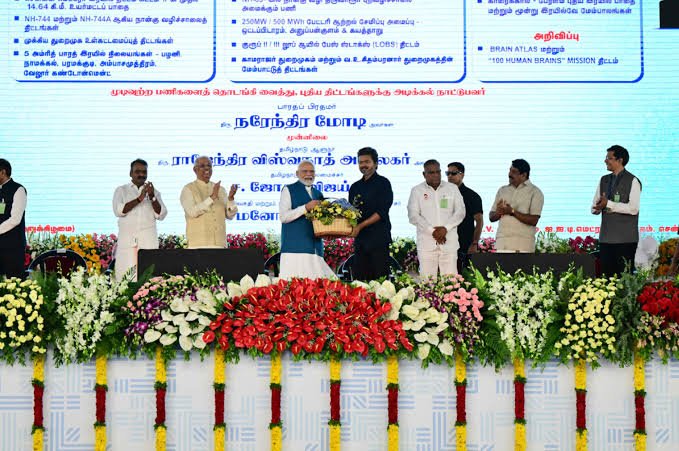
    Prime Minister Narendra Modi has laid the foundation stone for a 250 MW/500 MWh Battery Energy Storage System (BESS) project in Chennai, Tamil Nadu, marking a step towards strengthening the state’s electricity grid and meeting rising power demand.

    The project comprises three standalone battery energy storage units with a combined capacity of 250 MW/500 MWh. The facilities will be installed at substations in Ottapidaram, Anuppankulam and Kayathar, each operating at 400/230/110 kV.

    The battery storage systems are designed to support two full charging and discharging cycles daily. This will enable them to help manage peak electricity demand and improve power availability during periods of high consumption.

    The project was awarded to NLC India Renewables Limited (NIRL), a subsidiary of NLC India Limited, following a tender issued by Tamil Nadu Green Energy Corporation Limited (TNGECL) in June 2025. It represents NLC India’s first large-scale energy storage initiative.

    Under the agreement, Tamil Nadu Power Distribution Corporation Limited (TNPDCL) will procure energy storage services from NIRL for 12 years through a Battery Energy Storage Purchase Agreement (BESPA). The long-term arrangement is expected to support grid reliability and meet the state’s evolving electricity requirements.

    The project will be developed under the Build-Own-Operate model and was awarded through a tariff-based competitive bidding process. It will also receive financial assistance under the state component of the Viability Gap Funding (VGF) scheme.

    The development comes amid growing interest in battery storage solutions to improve grid flexibility, manage peak loads and support the integration of renewable energy. By enabling energy to be stored and discharged when required, the project is expected to contribute to a more flexible and reliable power system in Tamil Nadu.
  • PM Modi Lays Foundation Stone for 250 MW/500 MWh Battery Storage Project in Tamil Nadu

    Prime Minister Narendra Modi has laid the foundation stone for a 250 MW/500 MWh Battery Energy Storage System (BESS) project in Chennai, Tamil Nadu, marking a step towards strengthening the state’s electricity grid and meeting rising power demand.

    The project comprises three standalone battery energy storage units with a combined capacity of 250 MW/500 MWh. The facilities will be installed at substations in Ottapidaram, Anuppankulam and Kayathar, each operating at 400/230/110 kV.

    The battery storage systems are designed to support two full charging and discharging cycles daily. This will enable them to help manage peak electricity demand and improve power availability during periods of high consumption.

    The project was awarded to NLC India Renewables Limited (NIRL), a subsidiary of NLC India Limited, following a tender issued by Tamil Nadu Green Energy Corporation Limited (TNGECL) in June 2025. It represents NLC India’s first large-scale energy storage initiative.

    Under the agreement, Tamil Nadu Power Distribution Corporation Limited (TNPDCL) will procure energy storage services from NIRL for 12 years through a Battery Energy Storage Purchase Agreement (BESPA). The long-term arrangement is expected to support grid reliability and meet the state’s evolving electricity requirements.

    The project will be developed under the Build-Own-Operate model and was awarded through a tariff-based competitive bidding process. It will also receive financial assistance under the state component of the Viability Gap Funding (VGF) scheme.

    The development comes amid growing interest in battery storage solutions to improve grid flexibility, manage peak loads and support the integration of renewable energy. By enabling energy to be stored and discharged when required, the project is expected to contribute to a more flexible and reliable power system in Tamil Nadu.
  • TERI and MeECL Sign MoU to Strengthen Meghalaya’s Renewable Energy Sector

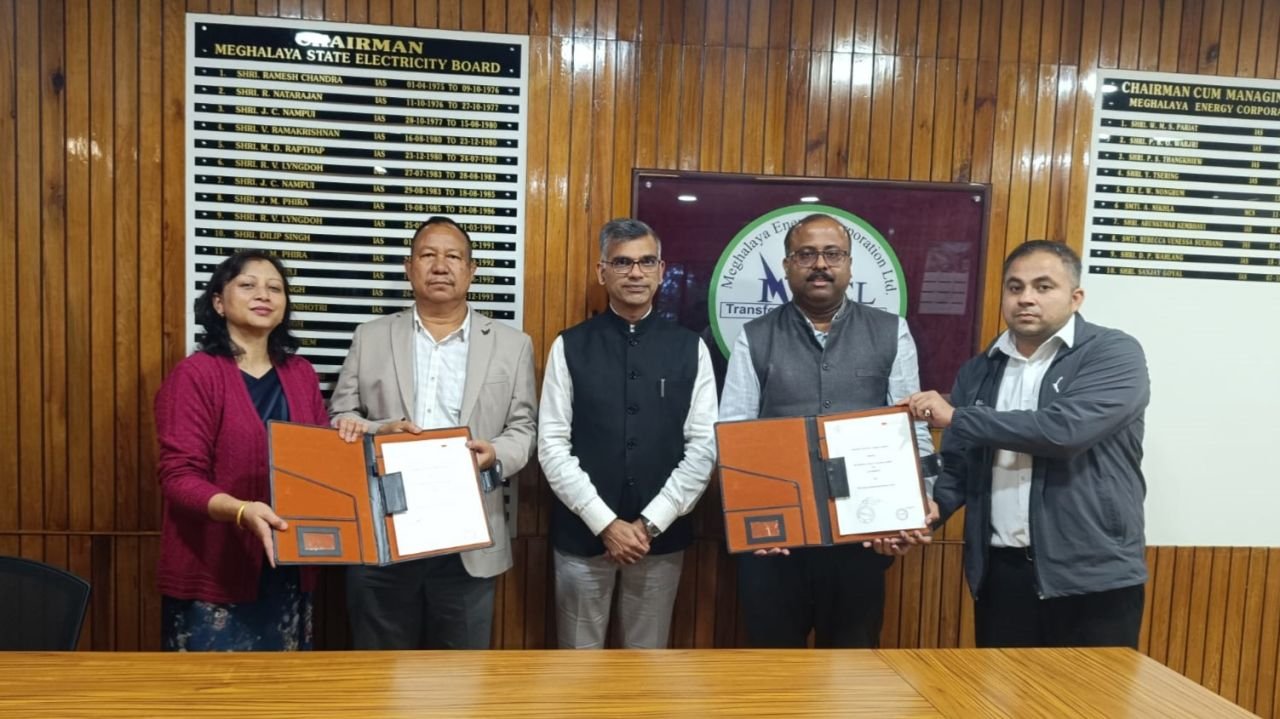
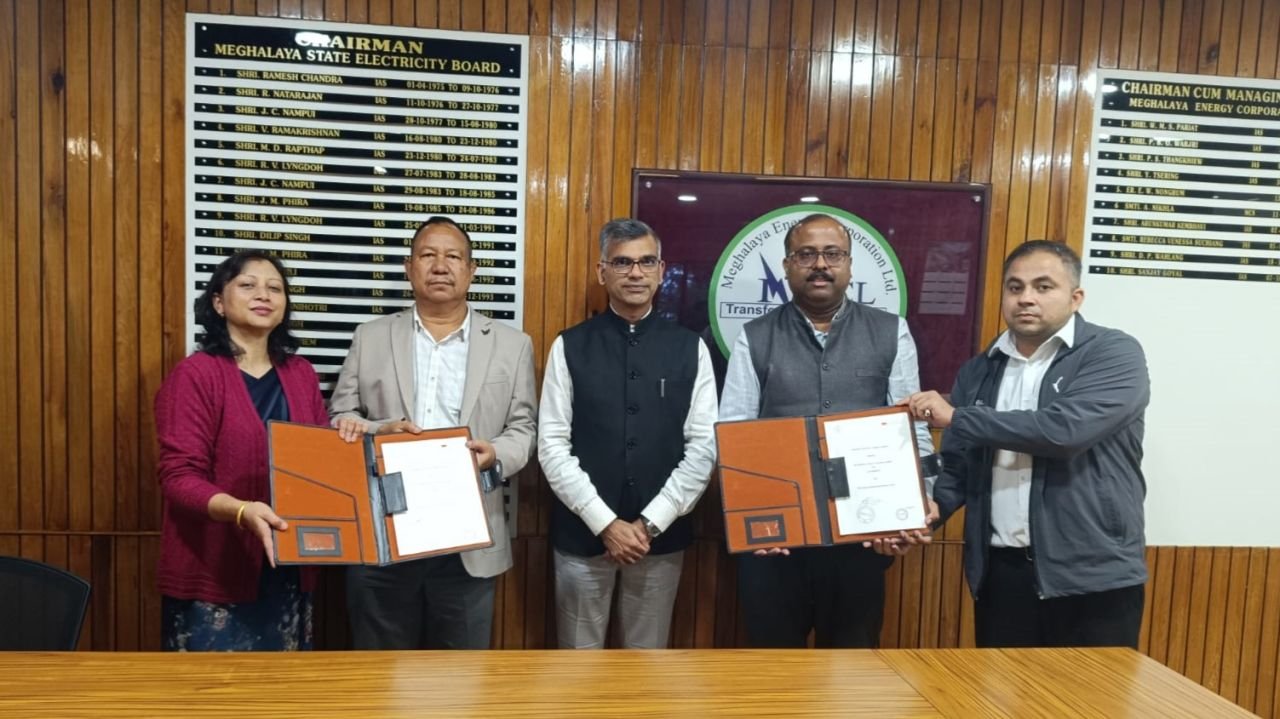
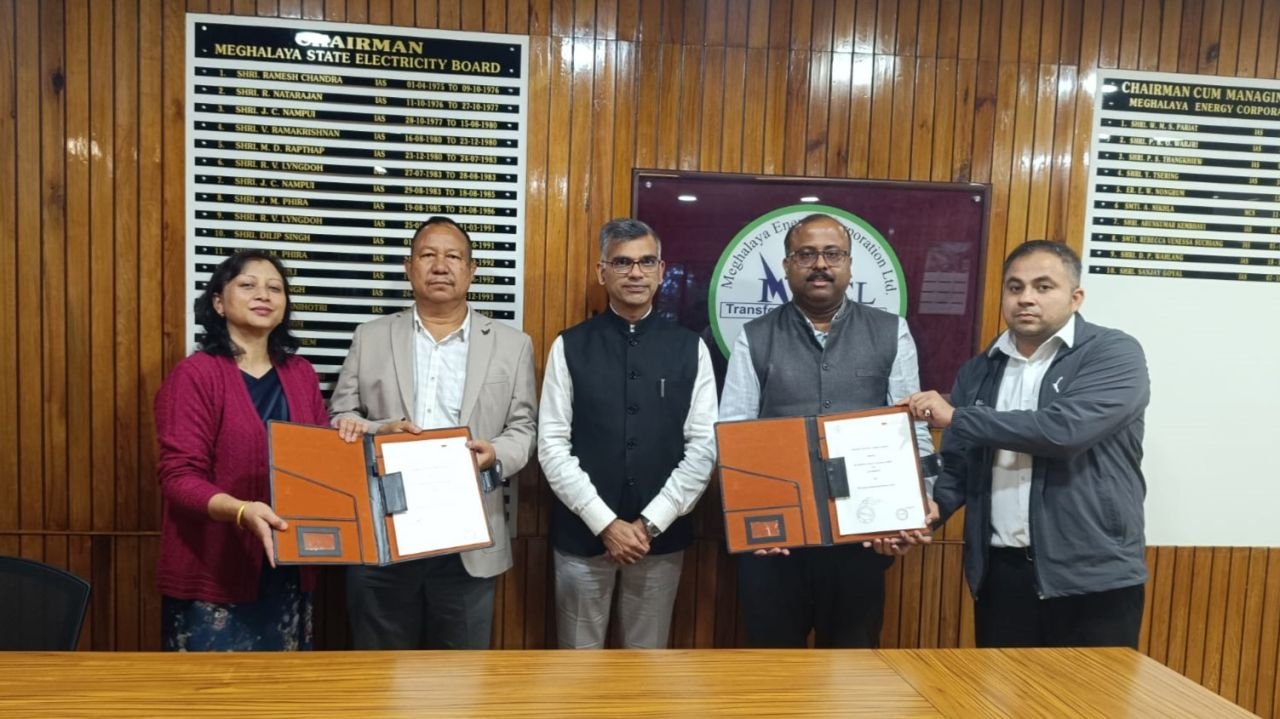
    TERI and MeECL Sign MoU to Strengthen Meghalaya’s Renewable Energy Sector

    The Energy and Resources Institute (TERI) and Meghalaya Energy Corporation Limited (MeECL) have signed a Memorandum of Understanding (MoU) to advance renewable energy integration and support Meghalaya’s transition towards a sustainable and resilient energy future.

    The MoU was signed on 9 October 2026 in Shillong and establishes a three-year partnership focused on strengthening the state’s electricity planning, renewable energy deployment and grid readiness.

    Under the collaboration, TERI and MeECL will work across several areas, including renewable energy integration, energy storage assessment, capacity addition planning, demand and supply projections, resource adequacy studies, capacity building, energy efficiency and demand-side management.

    Shri Sanjay Goyal, Chairman and Managing Director of MeECL, highlighted the potential of distributed renewable energy and energy storage in transforming the power sector. He noted that aligning national and state-level incentives could be a game changer for the northeastern states.

    Er. Alekhya Datta, Director at TERI, emphasised the importance of continuous training and hands-on technical support for officials of distribution companies (DISCOMs) to accelerate the integration of distributed renewable energy solutions.

    The partnership will combine TERI’s research and technical expertise with MeECL’s operational experience to support informed energy planning and improve the integration of renewable energy into Meghalaya’s electricity system.

    The collaboration is expected to contribute to a more reliable, integrated and future-ready power sector in Meghalaya, while supporting the state’s broader clean energy transition.

  • TERI and MeECL Sign MoU to Strengthen Meghalaya’s Renewable Energy Sector

    The Energy and Resources Institute (TERI) and Meghalaya Energy Corporation Limited (MeECL) have signed a Memorandum of Understanding (MoU) to advance renewable energy integration and support Meghalaya’s transition towards a sustainable and resilient energy future.

    The MoU was signed on 9 October 2026 in Shillong and establishes a three-year partnership focused on strengthening the state’s electricity planning, renewable energy deployment and grid readiness.

    Under the collaboration, TERI and MeECL will work across several areas, including renewable energy integration, energy storage assessment, capacity addition planning, demand and supply projections, resource adequacy studies, capacity building, energy efficiency and demand-side management.

    Shri Sanjay Goyal, Chairman and Managing Director of MeECL, highlighted the potential of distributed renewable energy and energy storage in transforming the power sector. He noted that aligning national and state-level incentives could be a game changer for the northeastern states.

    Er. Alekhya Datta, Director at TERI, emphasised the importance of continuous training and hands-on technical support for officials of distribution companies (DISCOMs) to accelerate the integration of distributed renewable energy solutions.

    The partnership will combine TERI’s research and technical expertise with MeECL’s operational experience to support informed energy planning and improve the integration of renewable energy into Meghalaya’s electricity system.

    The collaboration is expected to contribute to a more reliable, integrated and future-ready power sector in Meghalaya, while supporting the state’s broader clean energy transition.

  • Tata Power Renewable Energy Commissions 419 MW in Q2 FY27

    Tata Power Renewable Energy Commissions 419 MW in Q2 FY27

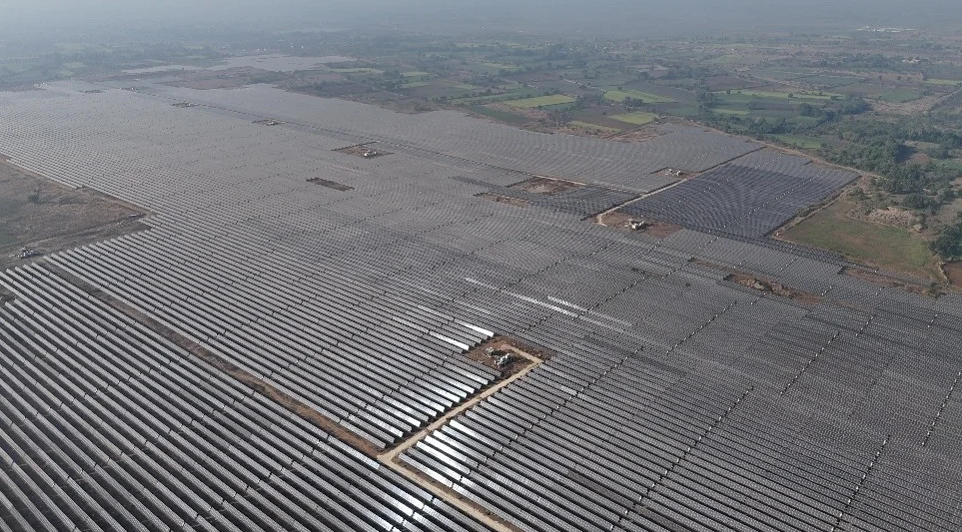
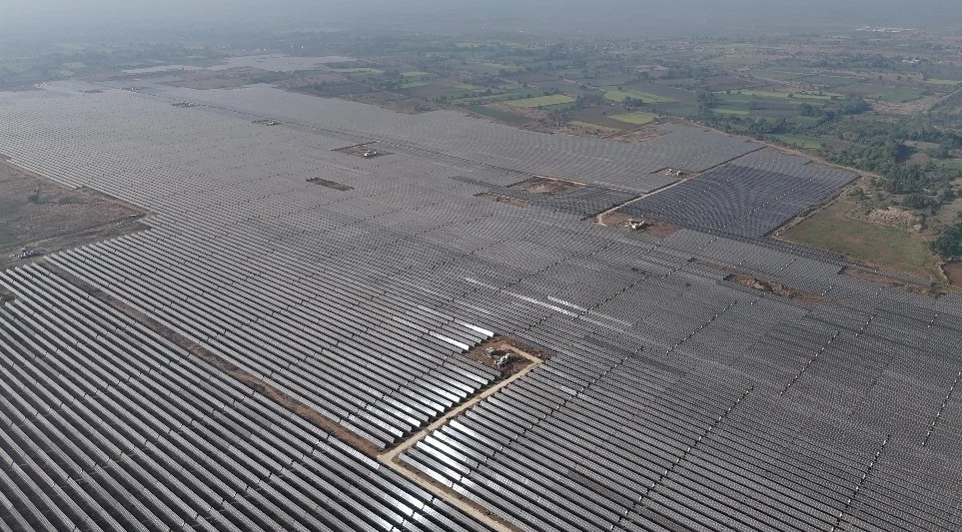
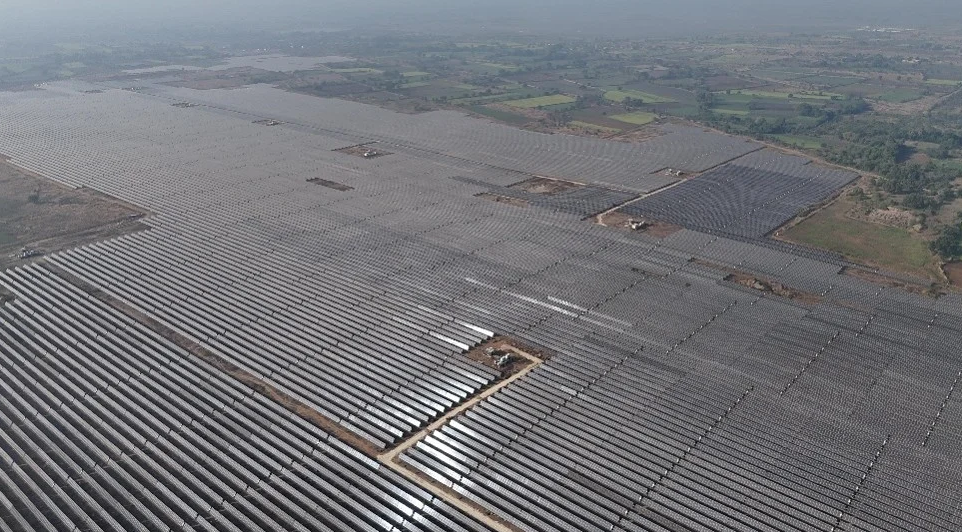
    Tata Power Renewable Energy Limited (TPREL), one of India’s largest renewable energy companies and a subsidiary of The Tata Power Company Limited (Tata Power), delivered a strong execution performance in Q2 FY27, commissioning 419 MW of utility-scale projects representing over 130% year-on-year growth compared to the 182 MW of utility-scale capacity executed during the corresponding quarter of the previous fiscal year. It has also executed 131.2 MWhr of storage projects (101.2 MWhr of storage capacity for in-house TPREL, while the remaining 30 MWhr of storage capacity comprised third-party projects) during Q2FY27.

    Building on this strong Q2FY27 performance, TPREL managed to execute a total of 645 MW of utility-scale projects and 161.2 MWhr of storage projects during H1FY27 (of this, 101.2 MWhr of storage projects are for in-house TPREL, while the remaining 60 MWhr of storage projects have been delivered for third-party customers)

    During H1 FY27, the company successfully commissioned several key projects, including the 100.8 MW Jewali Wind Project, the Kalasar FDRE Project comprising 227.5 MW of solar capacity and a 101.2 MWhr Battery Energy Storage System (BESS), the 100 MW Kayathar Group Captive Project, and the 72.5 MW Tata Steel Captive Project.

    The company’s strong execution momentum reflects its focus on quality, safety, and operational excellence. Backed by a resilient supply chain, experienced partners, and robust project management capabilities, TPREL continues to deliver renewable energy and storage projects efficiently across diverse geographies.

    With these additions, the company’s utility-scale operational portfolio has grown to 7.2 GW, comprising 5.8 GW of solar, 1.3 GW of wind, and 281.2 MWhr   of Battery Storage capacity. TPREL’s expanding renewable energy footprint continues to support India’s clean energy transition while contributing to national energy security and   sustainability.

    More than 2 GW of projects are expected to be executed in H2 FY27, comprising 1075 MW of solar, 969 MW of wind, and 274 MWhr of BESS. Apart from the mentioned inhouse projects there will be 300 MW of TPREL – 3rd party projects are also to be executed in H2 FY27. 

    By the end of the year, close to 9.3 GW of projects are expected to be executed, which include 6899 MW of solar, 2298 MW of wind, and 555.2 MWhr  of Battery Storage.

    In FY 28, the balance projects of ~2.6 GW consisting of 570 MW Solar, 350 MWhr of Battery Storage and 1,700 MW Wind will be completed and will take the overall operational capacity of TPREL to ~12 GW. 

  • Tata Power Renewable Energy Commissions 419 MW in Q2 FY27

    Tata Power Renewable Energy Limited (TPREL), one of India’s largest renewable energy companies and a subsidiary of The Tata Power Company Limited (Tata Power), delivered a strong execution performance in Q2 FY27, commissioning 419 MW of utility-scale projects representing over 130% year-on-year growth compared to the 182 MW of utility-scale capacity executed during the corresponding quarter of the previous fiscal year. It has also executed 131.2 MWhr of storage projects (101.2 MWhr of storage capacity for in-house TPREL, while the remaining 30 MWhr of storage capacity comprised third-party projects) during Q2FY27.

    Building on this strong Q2FY27 performance, TPREL managed to execute a total of 645 MW of utility-scale projects and 161.2 MWhr of storage projects during H1FY27 (of this, 101.2 MWhr of storage projects are for in-house TPREL, while the remaining 60 MWhr of storage projects have been delivered for third-party customers)

    During H1 FY27, the company successfully commissioned several key projects, including the 100.8 MW Jewali Wind Project, the Kalasar FDRE Project comprising 227.5 MW of solar capacity and a 101.2 MWhr Battery Energy Storage System (BESS), the 100 MW Kayathar Group Captive Project, and the 72.5 MW Tata Steel Captive Project.

    The company’s strong execution momentum reflects its focus on quality, safety, and operational excellence. Backed by a resilient supply chain, experienced partners, and robust project management capabilities, TPREL continues to deliver renewable energy and storage projects efficiently across diverse geographies.

    With these additions, the company’s utility-scale operational portfolio has grown to 7.2 GW, comprising 5.8 GW of solar, 1.3 GW of wind, and 281.2 MWhr   of Battery Storage capacity. TPREL’s expanding renewable energy footprint continues to support India’s clean energy transition while contributing to national energy security and   sustainability.

    More than 2 GW of projects are expected to be executed in H2 FY27, comprising 1075 MW of solar, 969 MW of wind, and 274 MWhr of BESS. Apart from the mentioned inhouse projects there will be 300 MW of TPREL – 3rd party projects are also to be executed in H2 FY27. 

    By the end of the year, close to 9.3 GW of projects are expected to be executed, which include 6899 MW of solar, 2298 MW of wind, and 555.2 MWhr  of Battery Storage.

    In FY 28, the balance projects of ~2.6 GW consisting of 570 MW Solar, 350 MWhr of Battery Storage and 1,700 MW Wind will be completed and will take the overall operational capacity of TPREL to ~12 GW.