Category: All News

  • Verdant and Aura Merge to Build 1 GW UK Solar and Storage Player

    Verdant and Aura Merge to Build 1 GW UK Solar and Storage Player

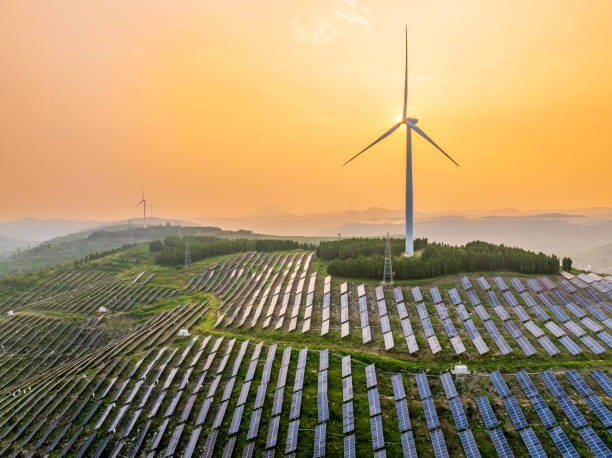
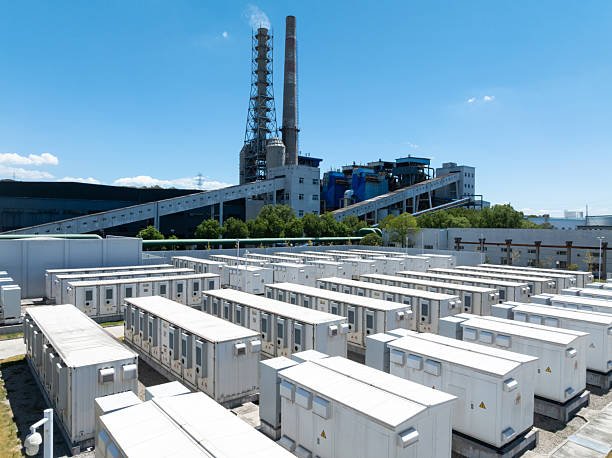
    Verdant Energy and Aura Power Developments Limited have announced the merger of their businesses to form one of the UK’s leading independent power producers (IPP) in solar and battery energy storage systems (BESS). The combined entity will be led by Simon Coulson, founder and chief executive of Aura Power, who retains a minority stake in the merged structure.

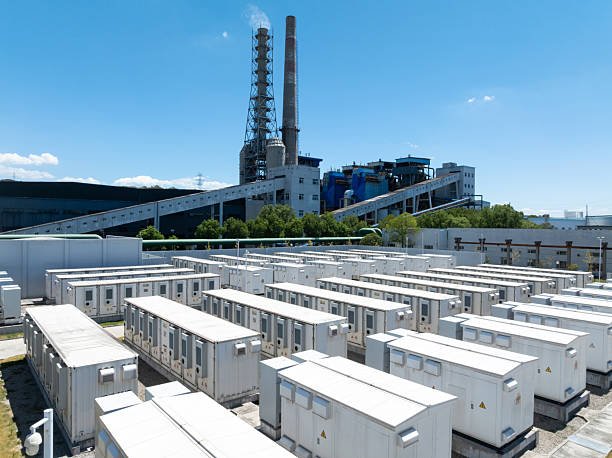
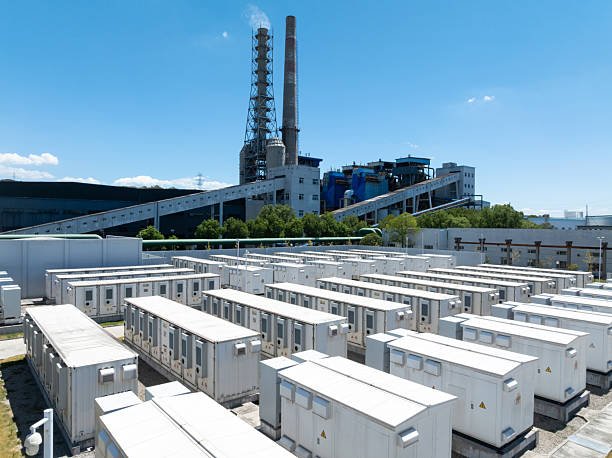
    The new platform combines Verdant’s operating and under-construction assets with Aura Power’s contracted portfolio, forming roughly 1 GW of solar and battery storage capacity in the UK, alongside a further development pipeline of about 10 GW.

    Alongside the merger, CVC DIF secured financing from Eiffel Investment Group to support the transaction, refinance existing junior facilities and fund future growth of the combined pipeline. CVC DIF’s investment was made through the DIF Infrastructure VII (DIF VII) vehicle. The deal fits into a broader wave of consolidation across the global solar sector, which has recently seen European Energy divest a 90 MW solar park in Italy and Origis Energy grow its Rockhound solar complex to 1 GW in Texas.

    Founded in 2013, Aura Power has developed more than 2.1 GW of solar and battery storage projects to ready-to-build or commercialised stage in the UK and internationally, in partnership with exiting shareholder ib vogt. The company recently pivoted to an IPP model, reaching financial close on six UK solar projects and energising its first asset, Kemble, earlier this year.

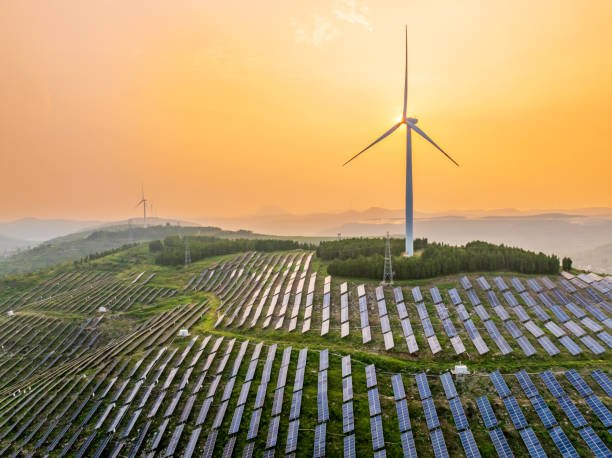
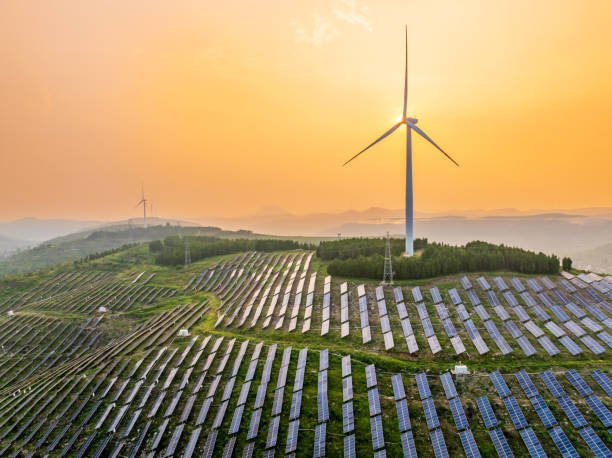
    Verdant, launched in 2022, has built a portfolio of roughly 660 MW of utility-scale solar and co-located battery storage assets, operating or under construction across the UK. The combined business will employ more than 75 people, with a leadership team drawn from both companies spanning development, construction, commercial, legal and finance.

    The merger also includes selective continued development of Aura Power’s battery storage pipeline in Europe. According to Simon Coulson, founder and chief executive of Aura Power, the merger with Verdant Energy, backed by CVC DIF, marks a transformative milestone for the company. He said combining Aura Power’s development pipeline with Verdant’s operational track record would position the platform to accelerate its IPP model and the delivery of solar and battery storage infrastructure considered critical to the UK’s green energy targets.

    Caine Bouwmeester, partner and head of renewable energy at CVC DIF, said the transaction builds on the fund’s original investment in Verdant, bringing together two complementary businesses to create a leading UK solar and BESS IPP. He added that the platform now has the scale, pipeline and delivery capability needed to generate long-term value, as CVC DIF partners with Simon Coulson and his team through the next phase of growth.

    Akereos Capital acted as financial and debt adviser, CMS as legal adviser, TLT as real estate adviser, DNV as technical adviser and PwC advised on financial, tax and structuring matters, all on behalf of CVC DIF. Burges Salmon acted as legal adviser to Aura Power, while Norton Rose Fulbright represented ib vogt.

  • Verdant and Aura Merge to Build 1 GW UK Solar and Storage Player

    Verdant and Aura Merge to Build 1 GW UK Solar and Storage Player

    Verdant Energy and Aura Power Developments Limited have announced the merger of their businesses to form one of the UK’s leading independent power producers (IPP) in solar and battery energy storage systems (BESS). The combined entity will be led by Simon Coulson, founder and chief executive of Aura Power, who retains a minority stake in the merged structure.

    The new platform combines Verdant’s operating and under-construction assets with Aura Power’s contracted portfolio, forming roughly 1 GW of solar and battery storage capacity in the UK, alongside a further development pipeline of about 10 GW.

    Alongside the merger, CVC DIF secured financing from Eiffel Investment Group to support the transaction, refinance existing junior facilities and fund future growth of the combined pipeline. CVC DIF’s investment was made through the DIF Infrastructure VII (DIF VII) vehicle. The deal fits into a broader wave of consolidation across the global solar sector, which has recently seen European Energy divest a 90 MW solar park in Italy and Origis Energy grow its Rockhound solar complex to 1 GW in Texas.

    Founded in 2013, Aura Power has developed more than 2.1 GW of solar and battery storage projects to ready-to-build or commercialised stage in the UK and internationally, in partnership with exiting shareholder ib vogt. The company recently pivoted to an IPP model, reaching financial close on six UK solar projects and energising its first asset, Kemble, earlier this year.

    Verdant, launched in 2022, has built a portfolio of roughly 660 MW of utility-scale solar and co-located battery storage assets, operating or under construction across the UK. The combined business will employ more than 75 people, with a leadership team drawn from both companies spanning development, construction, commercial, legal and finance.

    The merger also includes selective continued development of Aura Power’s battery storage pipeline in Europe. According to Simon Coulson, founder and chief executive of Aura Power, the merger with Verdant Energy, backed by CVC DIF, marks a transformative milestone for the company. He said combining Aura Power’s development pipeline with Verdant’s operational track record would position the platform to accelerate its IPP model and the delivery of solar and battery storage infrastructure considered critical to the UK’s green energy targets.

    Caine Bouwmeester, partner and head of renewable energy at CVC DIF, said the transaction builds on the fund’s original investment in Verdant, bringing together two complementary businesses to create a leading UK solar and BESS IPP. He added that the platform now has the scale, pipeline and delivery capability needed to generate long-term value, as CVC DIF partners with Simon Coulson and his team through the next phase of growth.

    Akereos Capital acted as financial and debt adviser, CMS as legal adviser, TLT as real estate adviser, DNV as technical adviser and PwC advised on financial, tax and structuring matters, all on behalf of CVC DIF. Burges Salmon acted as legal adviser to Aura Power, while Norton Rose Fulbright represented ib vogt.

  • Verdant and Aura Merge to Build 1 GW UK Solar and Storage Player

    Verdant Energy and Aura Power Developments Limited have announced the merger of their businesses to form one of the UK’s leading independent power producers (IPP) in solar and battery energy storage systems (BESS). The combined entity will be led by Simon Coulson, founder and chief executive of Aura Power, who retains a minority stake in the merged structure.

    The new platform combines Verdant’s operating and under-construction assets with Aura Power’s contracted portfolio, forming roughly 1 GW of solar and battery storage capacity in the UK, alongside a further development pipeline of about 10 GW.

    Alongside the merger, CVC DIF secured financing from Eiffel Investment Group to support the transaction, refinance existing junior facilities and fund future growth of the combined pipeline. CVC DIF’s investment was made through the DIF Infrastructure VII (DIF VII) vehicle. The deal fits into a broader wave of consolidation across the global solar sector, which has recently seen European Energy divest a 90 MW solar park in Italy and Origis Energy grow its Rockhound solar complex to 1 GW in Texas.

    Founded in 2013, Aura Power has developed more than 2.1 GW of solar and battery storage projects to ready-to-build or commercialised stage in the UK and internationally, in partnership with exiting shareholder ib vogt. The company recently pivoted to an IPP model, reaching financial close on six UK solar projects and energising its first asset, Kemble, earlier this year.

    Verdant, launched in 2022, has built a portfolio of roughly 660 MW of utility-scale solar and co-located battery storage assets, operating or under construction across the UK. The combined business will employ more than 75 people, with a leadership team drawn from both companies spanning development, construction, commercial, legal and finance.

    The merger also includes selective continued development of Aura Power’s battery storage pipeline in Europe. According to Simon Coulson, founder and chief executive of Aura Power, the merger with Verdant Energy, backed by CVC DIF, marks a transformative milestone for the company. He said combining Aura Power’s development pipeline with Verdant’s operational track record would position the platform to accelerate its IPP model and the delivery of solar and battery storage infrastructure considered critical to the UK’s green energy targets.

    Caine Bouwmeester, partner and head of renewable energy at CVC DIF, said the transaction builds on the fund’s original investment in Verdant, bringing together two complementary businesses to create a leading UK solar and BESS IPP. He added that the platform now has the scale, pipeline and delivery capability needed to generate long-term value, as CVC DIF partners with Simon Coulson and his team through the next phase of growth.

    Akereos Capital acted as financial and debt adviser, CMS as legal adviser, TLT as real estate adviser, DNV as technical adviser and PwC advised on financial, tax and structuring matters, all on behalf of CVC DIF. Burges Salmon acted as legal adviser to Aura Power, while Norton Rose Fulbright represented ib vogt.

  • Websol Energy System Reports 15.8% YoY Rise in Q1 FY27 Net Profit to ₹77.79 Crore

    Websol Energy System Reports 15.8% YoY Rise in Q1 FY27 Net Profit to ₹77.79 Crore

    Websol Energy System Limited reported a 15.8% year-on-year increase in consolidated net profit to ₹77.79 crore for the quarter ended June 30, 2026 (Q1 FY27), compared with ₹67.18 crore in the corresponding quarter of the previous year. Revenue from operations increased 70.3% YoY to ₹372.60 crore, from ₹218.75 crore in Q1 FY26, reflecting strong growth in the company’s solar photovoltaic cell and module manufacturing business.

    The company’s total income stood at ₹376.98 crore during the quarter, compared with ₹220.93 crore in Q1 FY26, representing a 70.6% increase. Total expenses, however, rose at a faster pace, increasing 110% year-on-year to ₹273.01 crore from ₹129.97 crore.

    Despite the higher cost base, profit before tax (PBT) increased 14.3% to ₹103.97 crore, compared with ₹90.96 crore in the year-ago quarter. Basic earnings per share (EPS) also improved to ₹1.79 from ₹1.59, marking a 12.6% increase.

    Cost of materials consumed increased substantially to ₹196.39 crore from ₹81.41 crore, while employee benefits expenses rose to ₹11.19 crore from ₹5.94 crore. Finance costs remained broadly stable at ₹4.17 crore compared with ₹4.09 crore in Q1 FY26.

    Websol’s business primarily comprises the manufacturing of solar photovoltaic cells and modules, according to the company’s financial results filing. The company had also incorporated Websol Renewables Private Limited as a wholly owned subsidiary during FY26; the subsidiary had not commenced operations as of June 30, 2026.

    Alongside the financial results, the company’s Board approved the appointment of Sanjay Kumar as an Additional Non-Executive Non-Independent Director, effective August 10, 2026. Kumar brings 39 years of experience across the oil and gas, energy and automotive sectors.

    The Board also appointed Dinesh Agarwal as an Additional Non-Executive Independent Director for a five-year term, effective August 10, 2026, subject to approval by shareholders at the ensuing Annual General Meeting. Agarwal is a Fellow Chartered Accountant and Fellow Cost and Management Accountant and has more than three decades of experience in tax, regulatory and governance advisory.

    Meanwhile, Rajeewa R Arya, who is due to retire by rotation at the ensuing Annual General Meeting, has expressed his unwillingness to seek reappointment due to personal reasons. He will cease to hold office upon the conclusion of the Annual General Meeting.

    Websol has also appointed Ashok Purohit as Company Secretary and Compliance Officer, effective August 10, 2026. Purohit is a Fellow Member of the Institute of Company Secretaries of India (ICSI) and has experience in corporate law, securities regulations and statutory compliance.

    The Board approved the unaudited standalone and consolidated financial results for the quarter under Regulations 30 and 33 of the SEBI (Listing Obligations and Disclosure Requirements) Regulations, 2015.

    The statutory auditors, G.P. Agrawal & Co., conducted a limited review of the financial statements. In their review report, the auditors stated that nothing had come to their attention that would indicate that the financial statements were not prepared in accordance with the applicable accounting standards or that they contained a material misstatement.

    Subsequent to the quarter, Websol also repaid its outstanding term loan from the Indian Renewable Energy Development Agency (IREDA) on August 4, 2026, using internal accruals, fully discharging the outstanding liability.

    With strong revenue growth and continued expansion of its solar manufacturing operations, Websol Energy System enters the new financial year with a stronger top line while continuing to focus on scaling its photovoltaic cell and module manufacturing capabilities.

  • Websol Energy System Reports 15.8% YoY Rise in Q1 FY27 Net Profit to ₹77.79 Crore

    Websol Energy System Reports 15.8% YoY Rise in Q1 FY27 Net Profit to ₹77.79 Crore

    Websol Energy System Limited reported a 15.8% year-on-year increase in consolidated net profit to ₹77.79 crore for the quarter ended June 30, 2026 (Q1 FY27), compared with ₹67.18 crore in the corresponding quarter of the previous year. Revenue from operations increased 70.3% YoY to ₹372.60 crore, from ₹218.75 crore in Q1 FY26, reflecting strong growth in the company’s solar photovoltaic cell and module manufacturing business.

    The company’s total income stood at ₹376.98 crore during the quarter, compared with ₹220.93 crore in Q1 FY26, representing a 70.6% increase. Total expenses, however, rose at a faster pace, increasing 110% year-on-year to ₹273.01 crore from ₹129.97 crore.

    Despite the higher cost base, profit before tax (PBT) increased 14.3% to ₹103.97 crore, compared with ₹90.96 crore in the year-ago quarter. Basic earnings per share (EPS) also improved to ₹1.79 from ₹1.59, marking a 12.6% increase.

    Cost of materials consumed increased substantially to ₹196.39 crore from ₹81.41 crore, while employee benefits expenses rose to ₹11.19 crore from ₹5.94 crore. Finance costs remained broadly stable at ₹4.17 crore compared with ₹4.09 crore in Q1 FY26.

    Websol’s business primarily comprises the manufacturing of solar photovoltaic cells and modules, according to the company’s financial results filing. The company had also incorporated Websol Renewables Private Limited as a wholly owned subsidiary during FY26; the subsidiary had not commenced operations as of June 30, 2026.

    Alongside the financial results, the company’s Board approved the appointment of Sanjay Kumar as an Additional Non-Executive Non-Independent Director, effective August 10, 2026. Kumar brings 39 years of experience across the oil and gas, energy and automotive sectors.

    The Board also appointed Dinesh Agarwal as an Additional Non-Executive Independent Director for a five-year term, effective August 10, 2026, subject to approval by shareholders at the ensuing Annual General Meeting. Agarwal is a Fellow Chartered Accountant and Fellow Cost and Management Accountant and has more than three decades of experience in tax, regulatory and governance advisory.

    Meanwhile, Rajeewa R Arya, who is due to retire by rotation at the ensuing Annual General Meeting, has expressed his unwillingness to seek reappointment due to personal reasons. He will cease to hold office upon the conclusion of the Annual General Meeting.

    Websol has also appointed Ashok Purohit as Company Secretary and Compliance Officer, effective August 10, 2026. Purohit is a Fellow Member of the Institute of Company Secretaries of India (ICSI) and has experience in corporate law, securities regulations and statutory compliance.

    The Board approved the unaudited standalone and consolidated financial results for the quarter under Regulations 30 and 33 of the SEBI (Listing Obligations and Disclosure Requirements) Regulations, 2015.

    The statutory auditors, G.P. Agrawal & Co., conducted a limited review of the financial statements. In their review report, the auditors stated that nothing had come to their attention that would indicate that the financial statements were not prepared in accordance with the applicable accounting standards or that they contained a material misstatement.

    Subsequent to the quarter, Websol also repaid its outstanding term loan from the Indian Renewable Energy Development Agency (IREDA) on August 4, 2026, using internal accruals, fully discharging the outstanding liability.

    With strong revenue growth and continued expansion of its solar manufacturing operations, Websol Energy System enters the new financial year with a stronger top line while continuing to focus on scaling its photovoltaic cell and module manufacturing capabilities.

  • Websol Energy System Reports 15.8% YoY Rise in Q1 FY27 Net Profit to ₹77.79 Crore

    Websol Energy System Reports 15.8% YoY Rise in Q1 FY27 Net Profit to ₹77.79 Crore

    Websol Energy System Limited reported a 15.8% year-on-year increase in consolidated net profit to ₹77.79 crore for the quarter ended June 30, 2026 (Q1 FY27), compared with ₹67.18 crore in the corresponding quarter of the previous year. Revenue from operations increased 70.3% YoY to ₹372.60 crore, from ₹218.75 crore in Q1 FY26, reflecting strong growth in the company’s solar photovoltaic cell and module manufacturing business.

    The company’s total income stood at ₹376.98 crore during the quarter, compared with ₹220.93 crore in Q1 FY26, representing a 70.6% increase. Total expenses, however, rose at a faster pace, increasing 110% year-on-year to ₹273.01 crore from ₹129.97 crore.

    Despite the higher cost base, profit before tax (PBT) increased 14.3% to ₹103.97 crore, compared with ₹90.96 crore in the year-ago quarter. Basic earnings per share (EPS) also improved to ₹1.79 from ₹1.59, marking a 12.6% increase.

    Cost of materials consumed increased substantially to ₹196.39 crore from ₹81.41 crore, while employee benefits expenses rose to ₹11.19 crore from ₹5.94 crore. Finance costs remained broadly stable at ₹4.17 crore compared with ₹4.09 crore in Q1 FY26.

    Websol’s business primarily comprises the manufacturing of solar photovoltaic cells and modules, according to the company’s financial results filing. The company had also incorporated Websol Renewables Private Limited as a wholly owned subsidiary during FY26; the subsidiary had not commenced operations as of June 30, 2026.

    Alongside the financial results, the company’s Board approved the appointment of Sanjay Kumar as an Additional Non-Executive Non-Independent Director, effective August 10, 2026. Kumar brings 39 years of experience across the oil and gas, energy and automotive sectors.

    The Board also appointed Dinesh Agarwal as an Additional Non-Executive Independent Director for a five-year term, effective August 10, 2026, subject to approval by shareholders at the ensuing Annual General Meeting. Agarwal is a Fellow Chartered Accountant and Fellow Cost and Management Accountant and has more than three decades of experience in tax, regulatory and governance advisory.

    Meanwhile, Rajeewa R Arya, who is due to retire by rotation at the ensuing Annual General Meeting, has expressed his unwillingness to seek reappointment due to personal reasons. He will cease to hold office upon the conclusion of the Annual General Meeting.

    Websol has also appointed Ashok Purohit as Company Secretary and Compliance Officer, effective August 10, 2026. Purohit is a Fellow Member of the Institute of Company Secretaries of India (ICSI) and has experience in corporate law, securities regulations and statutory compliance.

    The Board approved the unaudited standalone and consolidated financial results for the quarter under Regulations 30 and 33 of the SEBI (Listing Obligations and Disclosure Requirements) Regulations, 2015.

    The statutory auditors, G.P. Agrawal & Co., conducted a limited review of the financial statements. In their review report, the auditors stated that nothing had come to their attention that would indicate that the financial statements were not prepared in accordance with the applicable accounting standards or that they contained a material misstatement.

    Subsequent to the quarter, Websol also repaid its outstanding term loan from the Indian Renewable Energy Development Agency (IREDA) on August 4, 2026, using internal accruals, fully discharging the outstanding liability.

    With strong revenue growth and continued expansion of its solar manufacturing operations, Websol Energy System enters the new financial year with a stronger top line while continuing to focus on scaling its photovoltaic cell and module manufacturing capabilities.

  • Websol Energy System Reports 15.8% YoY Rise in Q1 FY27 Net Profit to ₹77.79 Crore

    Websol Energy System Reports 15.8% YoY Rise in Q1 FY27 Net Profit to ₹77.79 Crore

    Websol Energy System Limited reported a 15.8% year-on-year increase in consolidated net profit to ₹77.79 crore for the quarter ended June 30, 2026 (Q1 FY27), compared with ₹67.18 crore in the corresponding quarter of the previous year. Revenue from operations increased 70.3% YoY to ₹372.60 crore, from ₹218.75 crore in Q1 FY26, reflecting strong growth in the company’s solar photovoltaic cell and module manufacturing business.

    The company’s total income stood at ₹376.98 crore during the quarter, compared with ₹220.93 crore in Q1 FY26, representing a 70.6% increase. Total expenses, however, rose at a faster pace, increasing 110% year-on-year to ₹273.01 crore from ₹129.97 crore.

    Despite the higher cost base, profit before tax (PBT) increased 14.3% to ₹103.97 crore, compared with ₹90.96 crore in the year-ago quarter. Basic earnings per share (EPS) also improved to ₹1.79 from ₹1.59, marking a 12.6% increase.

    Cost of materials consumed increased substantially to ₹196.39 crore from ₹81.41 crore, while employee benefits expenses rose to ₹11.19 crore from ₹5.94 crore. Finance costs remained broadly stable at ₹4.17 crore compared with ₹4.09 crore in Q1 FY26.

    Websol’s business primarily comprises the manufacturing of solar photovoltaic cells and modules, according to the company’s financial results filing. The company had also incorporated Websol Renewables Private Limited as a wholly owned subsidiary during FY26; the subsidiary had not commenced operations as of June 30, 2026.

    Alongside the financial results, the company’s Board approved the appointment of Sanjay Kumar as an Additional Non-Executive Non-Independent Director, effective August 10, 2026. Kumar brings 39 years of experience across the oil and gas, energy and automotive sectors.

    The Board also appointed Dinesh Agarwal as an Additional Non-Executive Independent Director for a five-year term, effective August 10, 2026, subject to approval by shareholders at the ensuing Annual General Meeting. Agarwal is a Fellow Chartered Accountant and Fellow Cost and Management Accountant and has more than three decades of experience in tax, regulatory and governance advisory.

    Meanwhile, Rajeewa R Arya, who is due to retire by rotation at the ensuing Annual General Meeting, has expressed his unwillingness to seek reappointment due to personal reasons. He will cease to hold office upon the conclusion of the Annual General Meeting.

    Websol has also appointed Ashok Purohit as Company Secretary and Compliance Officer, effective August 10, 2026. Purohit is a Fellow Member of the Institute of Company Secretaries of India (ICSI) and has experience in corporate law, securities regulations and statutory compliance.

    The Board approved the unaudited standalone and consolidated financial results for the quarter under Regulations 30 and 33 of the SEBI (Listing Obligations and Disclosure Requirements) Regulations, 2015.

    The statutory auditors, G.P. Agrawal & Co., conducted a limited review of the financial statements. In their review report, the auditors stated that nothing had come to their attention that would indicate that the financial statements were not prepared in accordance with the applicable accounting standards or that they contained a material misstatement.

    Subsequent to the quarter, Websol also repaid its outstanding term loan from the Indian Renewable Energy Development Agency (IREDA) on August 4, 2026, using internal accruals, fully discharging the outstanding liability.

    With strong revenue growth and continued expansion of its solar manufacturing operations, Websol Energy System enters the new financial year with a stronger top line while continuing to focus on scaling its photovoltaic cell and module manufacturing capabilities.

  • Websol Energy System Reports 15.8% YoY Rise in Q1 FY27 Net Profit to ₹77.79 Crore

    Websol Energy System Reports 15.8% YoY Rise in Q1 FY27 Net Profit to ₹77.79 Crore

    Websol Energy System Limited reported a 15.8% year-on-year increase in consolidated net profit to ₹77.79 crore for the quarter ended June 30, 2026 (Q1 FY27), compared with ₹67.18 crore in the corresponding quarter of the previous year. Revenue from operations increased 70.3% YoY to ₹372.60 crore, from ₹218.75 crore in Q1 FY26, reflecting strong growth in the company’s solar photovoltaic cell and module manufacturing business.

    The company’s total income stood at ₹376.98 crore during the quarter, compared with ₹220.93 crore in Q1 FY26, representing a 70.6% increase. Total expenses, however, rose at a faster pace, increasing 110% year-on-year to ₹273.01 crore from ₹129.97 crore.

    Despite the higher cost base, profit before tax (PBT) increased 14.3% to ₹103.97 crore, compared with ₹90.96 crore in the year-ago quarter. Basic earnings per share (EPS) also improved to ₹1.79 from ₹1.59, marking a 12.6% increase.

    Cost of materials consumed increased substantially to ₹196.39 crore from ₹81.41 crore, while employee benefits expenses rose to ₹11.19 crore from ₹5.94 crore. Finance costs remained broadly stable at ₹4.17 crore compared with ₹4.09 crore in Q1 FY26.

    Websol’s business primarily comprises the manufacturing of solar photovoltaic cells and modules, according to the company’s financial results filing. The company had also incorporated Websol Renewables Private Limited as a wholly owned subsidiary during FY26; the subsidiary had not commenced operations as of June 30, 2026.

    Alongside the financial results, the company’s Board approved the appointment of Sanjay Kumar as an Additional Non-Executive Non-Independent Director, effective August 10, 2026. Kumar brings 39 years of experience across the oil and gas, energy and automotive sectors.

    The Board also appointed Dinesh Agarwal as an Additional Non-Executive Independent Director for a five-year term, effective August 10, 2026, subject to approval by shareholders at the ensuing Annual General Meeting. Agarwal is a Fellow Chartered Accountant and Fellow Cost and Management Accountant and has more than three decades of experience in tax, regulatory and governance advisory.

    Meanwhile, Rajeewa R Arya, who is due to retire by rotation at the ensuing Annual General Meeting, has expressed his unwillingness to seek reappointment due to personal reasons. He will cease to hold office upon the conclusion of the Annual General Meeting.

    Websol has also appointed Ashok Purohit as Company Secretary and Compliance Officer, effective August 10, 2026. Purohit is a Fellow Member of the Institute of Company Secretaries of India (ICSI) and has experience in corporate law, securities regulations and statutory compliance.

    The Board approved the unaudited standalone and consolidated financial results for the quarter under Regulations 30 and 33 of the SEBI (Listing Obligations and Disclosure Requirements) Regulations, 2015.

    The statutory auditors, G.P. Agrawal & Co., conducted a limited review of the financial statements. In their review report, the auditors stated that nothing had come to their attention that would indicate that the financial statements were not prepared in accordance with the applicable accounting standards or that they contained a material misstatement.

    Subsequent to the quarter, Websol also repaid its outstanding term loan from the Indian Renewable Energy Development Agency (IREDA) on August 4, 2026, using internal accruals, fully discharging the outstanding liability.

    With strong revenue growth and continued expansion of its solar manufacturing operations, Websol Energy System enters the new financial year with a stronger top line while continuing to focus on scaling its photovoltaic cell and module manufacturing capabilities.

  • Websol Energy System Reports 15.8% YoY Rise in Q1 FY27 Net Profit to ₹77.79 Crore

    Websol Energy System Reports 15.8% YoY Rise in Q1 FY27 Net Profit to ₹77.79 Crore

    Websol Energy System Limited reported a 15.8% year-on-year increase in consolidated net profit to ₹77.79 crore for the quarter ended June 30, 2026 (Q1 FY27), compared with ₹67.18 crore in the corresponding quarter of the previous year. Revenue from operations increased 70.3% YoY to ₹372.60 crore, from ₹218.75 crore in Q1 FY26, reflecting strong growth in the company’s solar photovoltaic cell and module manufacturing business.

    The company’s total income stood at ₹376.98 crore during the quarter, compared with ₹220.93 crore in Q1 FY26, representing a 70.6% increase. Total expenses, however, rose at a faster pace, increasing 110% year-on-year to ₹273.01 crore from ₹129.97 crore.

    Despite the higher cost base, profit before tax (PBT) increased 14.3% to ₹103.97 crore, compared with ₹90.96 crore in the year-ago quarter. Basic earnings per share (EPS) also improved to ₹1.79 from ₹1.59, marking a 12.6% increase.

    Cost of materials consumed increased substantially to ₹196.39 crore from ₹81.41 crore, while employee benefits expenses rose to ₹11.19 crore from ₹5.94 crore. Finance costs remained broadly stable at ₹4.17 crore compared with ₹4.09 crore in Q1 FY26.

    Websol’s business primarily comprises the manufacturing of solar photovoltaic cells and modules, according to the company’s financial results filing. The company had also incorporated Websol Renewables Private Limited as a wholly owned subsidiary during FY26; the subsidiary had not commenced operations as of June 30, 2026.

    Alongside the financial results, the company’s Board approved the appointment of Sanjay Kumar as an Additional Non-Executive Non-Independent Director, effective August 10, 2026. Kumar brings 39 years of experience across the oil and gas, energy and automotive sectors.

    The Board also appointed Dinesh Agarwal as an Additional Non-Executive Independent Director for a five-year term, effective August 10, 2026, subject to approval by shareholders at the ensuing Annual General Meeting. Agarwal is a Fellow Chartered Accountant and Fellow Cost and Management Accountant and has more than three decades of experience in tax, regulatory and governance advisory.

    Meanwhile, Rajeewa R Arya, who is due to retire by rotation at the ensuing Annual General Meeting, has expressed his unwillingness to seek reappointment due to personal reasons. He will cease to hold office upon the conclusion of the Annual General Meeting.

    Websol has also appointed Ashok Purohit as Company Secretary and Compliance Officer, effective August 10, 2026. Purohit is a Fellow Member of the Institute of Company Secretaries of India (ICSI) and has experience in corporate law, securities regulations and statutory compliance.

    The Board approved the unaudited standalone and consolidated financial results for the quarter under Regulations 30 and 33 of the SEBI (Listing Obligations and Disclosure Requirements) Regulations, 2015.

    The statutory auditors, G.P. Agrawal & Co., conducted a limited review of the financial statements. In their review report, the auditors stated that nothing had come to their attention that would indicate that the financial statements were not prepared in accordance with the applicable accounting standards or that they contained a material misstatement.

    Subsequent to the quarter, Websol also repaid its outstanding term loan from the Indian Renewable Energy Development Agency (IREDA) on August 4, 2026, using internal accruals, fully discharging the outstanding liability.

    With strong revenue growth and continued expansion of its solar manufacturing operations, Websol Energy System enters the new financial year with a stronger top line while continuing to focus on scaling its photovoltaic cell and module manufacturing capabilities.

  • Websol Energy System Reports 15.8% YoY Rise in Q1 FY27 Net Profit to ₹77.79 Crore

    Websol Energy System Reports 15.8% YoY Rise in Q1 FY27 Net Profit to ₹77.79 Crore

    Websol Energy System Limited reported a 15.8% year-on-year increase in consolidated net profit to ₹77.79 crore for the quarter ended June 30, 2026 (Q1 FY27), compared with ₹67.18 crore in the corresponding quarter of the previous year. Revenue from operations increased 70.3% YoY to ₹372.60 crore, from ₹218.75 crore in Q1 FY26, reflecting strong growth in the company’s solar photovoltaic cell and module manufacturing business.

    The company’s total income stood at ₹376.98 crore during the quarter, compared with ₹220.93 crore in Q1 FY26, representing a 70.6% increase. Total expenses, however, rose at a faster pace, increasing 110% year-on-year to ₹273.01 crore from ₹129.97 crore.

    Despite the higher cost base, profit before tax (PBT) increased 14.3% to ₹103.97 crore, compared with ₹90.96 crore in the year-ago quarter. Basic earnings per share (EPS) also improved to ₹1.79 from ₹1.59, marking a 12.6% increase.

    Cost of materials consumed increased substantially to ₹196.39 crore from ₹81.41 crore, while employee benefits expenses rose to ₹11.19 crore from ₹5.94 crore. Finance costs remained broadly stable at ₹4.17 crore compared with ₹4.09 crore in Q1 FY26.

    Websol’s business primarily comprises the manufacturing of solar photovoltaic cells and modules, according to the company’s financial results filing. The company had also incorporated Websol Renewables Private Limited as a wholly owned subsidiary during FY26; the subsidiary had not commenced operations as of June 30, 2026.

    Alongside the financial results, the company’s Board approved the appointment of Sanjay Kumar as an Additional Non-Executive Non-Independent Director, effective August 10, 2026. Kumar brings 39 years of experience across the oil and gas, energy and automotive sectors.

    The Board also appointed Dinesh Agarwal as an Additional Non-Executive Independent Director for a five-year term, effective August 10, 2026, subject to approval by shareholders at the ensuing Annual General Meeting. Agarwal is a Fellow Chartered Accountant and Fellow Cost and Management Accountant and has more than three decades of experience in tax, regulatory and governance advisory.

    Meanwhile, Rajeewa R Arya, who is due to retire by rotation at the ensuing Annual General Meeting, has expressed his unwillingness to seek reappointment due to personal reasons. He will cease to hold office upon the conclusion of the Annual General Meeting.

    Websol has also appointed Ashok Purohit as Company Secretary and Compliance Officer, effective August 10, 2026. Purohit is a Fellow Member of the Institute of Company Secretaries of India (ICSI) and has experience in corporate law, securities regulations and statutory compliance.

    The Board approved the unaudited standalone and consolidated financial results for the quarter under Regulations 30 and 33 of the SEBI (Listing Obligations and Disclosure Requirements) Regulations, 2015.

    The statutory auditors, G.P. Agrawal & Co., conducted a limited review of the financial statements. In their review report, the auditors stated that nothing had come to their attention that would indicate that the financial statements were not prepared in accordance with the applicable accounting standards or that they contained a material misstatement.

    Subsequent to the quarter, Websol also repaid its outstanding term loan from the Indian Renewable Energy Development Agency (IREDA) on August 4, 2026, using internal accruals, fully discharging the outstanding liability.

    With strong revenue growth and continued expansion of its solar manufacturing operations, Websol Energy System enters the new financial year with a stronger top line while continuing to focus on scaling its photovoltaic cell and module manufacturing capabilities.