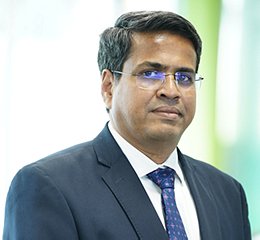
Deloitte has appointed Sanjay Sah as its new Energy, Resources and Industrials (ER&I) industry leader for South Asia.
In his new role, Sah will lead Deloitte’s strategic agenda across the ER&I portfolio. He will bring together capabilities from across Deloitte’s businesses to develop integrated offerings and strengthen collaboration for clients navigating business transformation, the energy transition and evolving market dynamics.
Sah brings more than 25 years of experience across energy and chemicals, renewable energy, mining and semiconductors with particularly deep expertise across the oil and gas value chain. He has led large-scale engagements encompassing EBITDA improvement, digital transformation, energy transition, business strategy and market-entry planning.
His experience also spans public-private partnerships, regulatory advisory, pricing strategy, market and financial assessments and the delivery of major capital projects. His work in capital projects has covered schedule, cost, risk and contract management, as well as the application of digital technologies to improve project delivery and performance.
Before taking on the ER&I leadership role, Sah led the Energy and Chemicals sub-sector within ER&I for Deloitte South Asia.
As the ER&I Industry Leader, he will focus on helping energy, resources and industrial organisations address their most important strategic and operational priorities. These include enterprise transformation, capital-project delivery, energy transition, supply-chain resilience and the use of digital, data and artificial intelligence to improve operational and business outcomes.
Category: All News
-
Deloitte Appoints Sanjay Sah as Energy, Resources and Industrials Leader for South Asia
-
Deloitte Appoints Sanjay Sah as Energy, Resources and Industrials Leader for South Asia
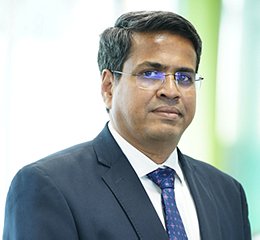
Deloitte has appointed Sanjay Sah as its new Energy, Resources and Industrials (ER&I) industry leader for South Asia.
In his new role, Sah will lead Deloitte’s strategic agenda across the ER&I portfolio. He will bring together capabilities from across Deloitte’s businesses to develop integrated offerings and strengthen collaboration for clients navigating business transformation, the energy transition and evolving market dynamics.
Sah brings more than 25 years of experience across energy and chemicals, renewable energy, mining and semiconductors with particularly deep expertise across the oil and gas value chain. He has led large-scale engagements encompassing EBITDA improvement, digital transformation, energy transition, business strategy and market-entry planning.
His experience also spans public-private partnerships, regulatory advisory, pricing strategy, market and financial assessments and the delivery of major capital projects. His work in capital projects has covered schedule, cost, risk and contract management, as well as the application of digital technologies to improve project delivery and performance.
Before taking on the ER&I leadership role, Sah led the Energy and Chemicals sub-sector within ER&I for Deloitte South Asia.
As the ER&I Industry Leader, he will focus on helping energy, resources and industrial organisations address their most important strategic and operational priorities. These include enterprise transformation, capital-project delivery, energy transition, supply-chain resilience and the use of digital, data and artificial intelligence to improve operational and business outcomes. -
Deloitte Appoints Sanjay Sah as Energy, Resources and Industrials Leader for South Asia
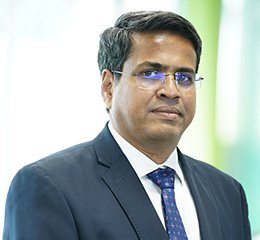
Deloitte has appointed Sanjay Sah as its new Energy, Resources and Industrials (ER&I) industry leader for South Asia.
In his new role, Sah will lead Deloitte’s strategic agenda across the ER&I portfolio. He will bring together capabilities from across Deloitte’s businesses to develop integrated offerings and strengthen collaboration for clients navigating business transformation, the energy transition and evolving market dynamics.
Sah brings more than 25 years of experience across energy and chemicals, renewable energy, mining and semiconductors with particularly deep expertise across the oil and gas value chain. He has led large-scale engagements encompassing EBITDA improvement, digital transformation, energy transition, business strategy and market-entry planning.
His experience also spans public-private partnerships, regulatory advisory, pricing strategy, market and financial assessments and the delivery of major capital projects. His work in capital projects has covered schedule, cost, risk and contract management, as well as the application of digital technologies to improve project delivery and performance.
Before taking on the ER&I leadership role, Sah led the Energy and Chemicals sub-sector within ER&I for Deloitte South Asia.
As the ER&I Industry Leader, he will focus on helping energy, resources and industrial organisations address their most important strategic and operational priorities. These include enterprise transformation, capital-project delivery, energy transition, supply-chain resilience and the use of digital, data and artificial intelligence to improve operational and business outcomes. -
Sungrow Achieves World-First Wideband Oscillation Reproduction and Suppression at 500 MW Plant
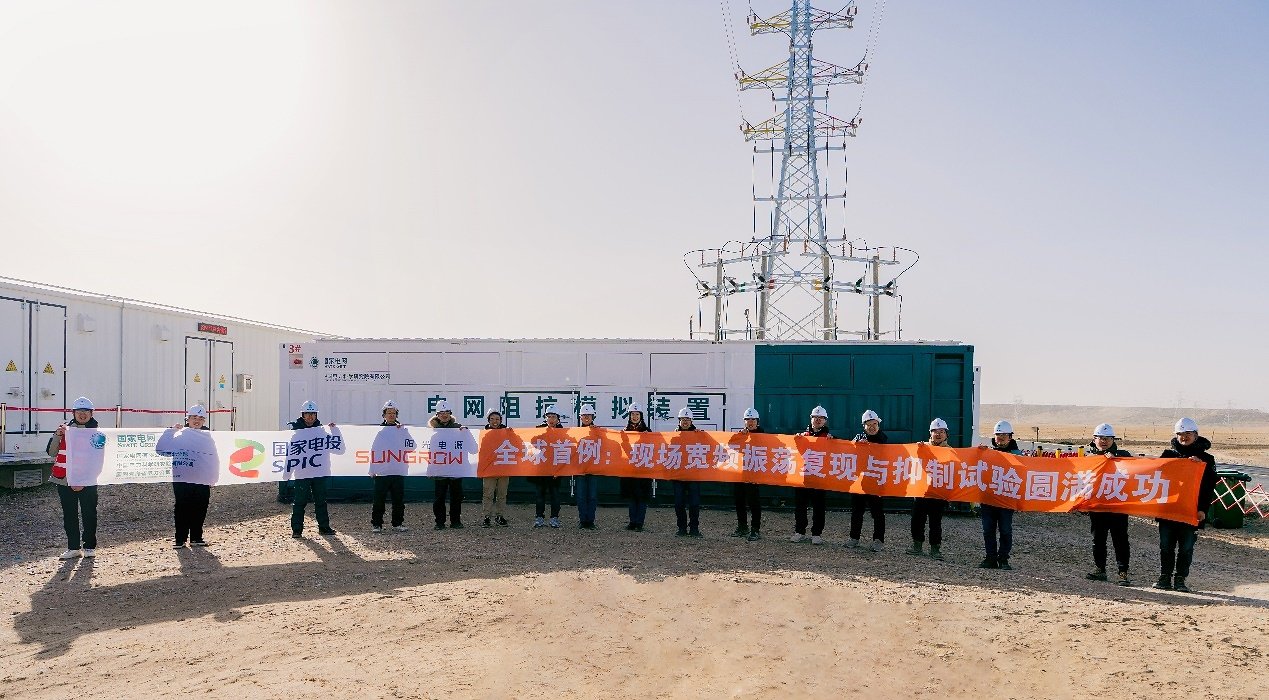
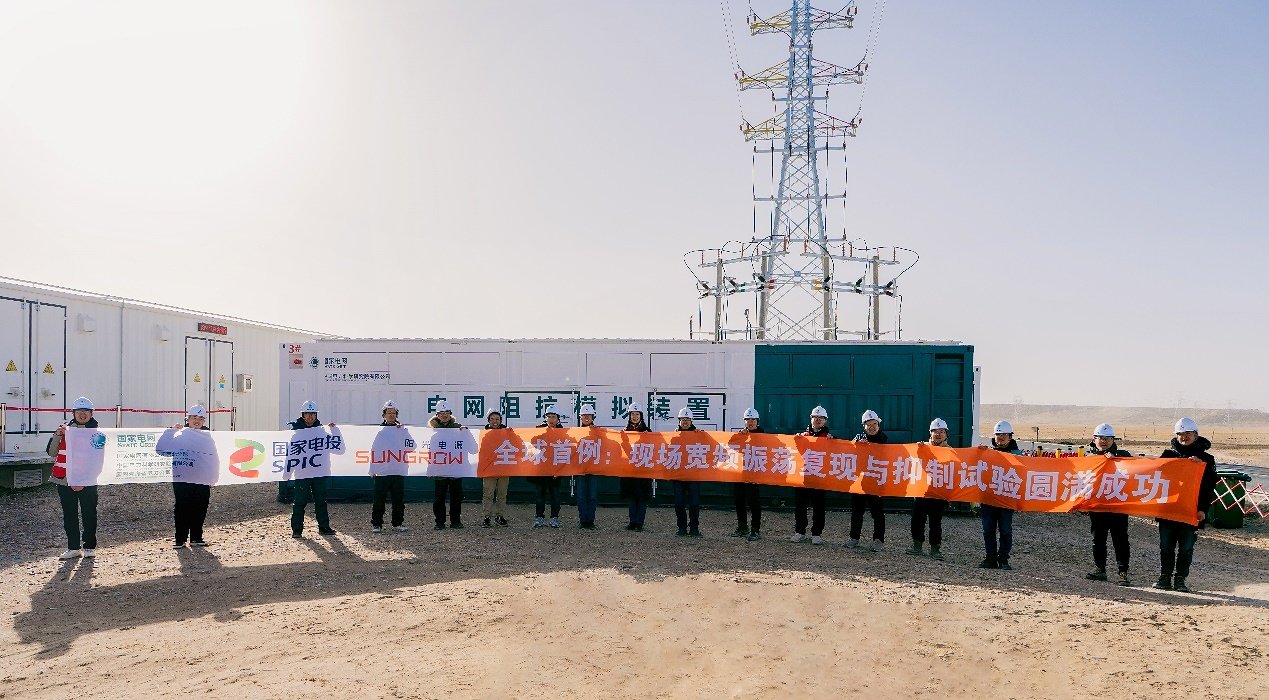
Sungrow, a globally leading PV inverter and energy storage system provider, recently has achieved a world first by controllably reproducing and successfully suppressing wideband oscillation at a real-world 500 MW solar-plus-storage plant in Qinghai, China. The field test marks a major step toward addressing one of the long-standing challenges facing renewable power systems as renewable penetration continues to increase worldwide.
As renewable penetration rises worldwide, wideband oscillation has become a major challenge, with severe cases potentially causing renewable plants to disconnect from the grid or shut down. In 2014, the BorWin1 offshore HVDC project in Germany experienced oscillations at 250–350 Hz, which damaged filter capacitors on the offshore converter platform and led to a shutdown lasting approximately six months, causing substantial economic losses to the local utility. In 2019, the Hornsea offshore wind farm in the UK experienced widespread disconnection due to subsynchronous oscillation, resulting in a loss of approximately 3.2% of the system load and affecting around one million users. Past incidents have demonstrated the significant impact of oscillation-related events.
However, the complex and unpredictable nature of the phenomenon has made it difficult to safely and controllably reproduce oscillations at real-world plants and validate effective suppression methods in the field. As a result, research has largely remained at the theoretical and simulation stage, with limited systematic validation in actual power plant environments.
To bridge this gap, Sungrow and its industry partners conducted a field test at the plant, using Sungrow PV inverters deployed across the site.
The test established weak-grid conditions and identified three key contributing factors—power output, system short-circuit ratio (SCR), and control parameters—before successfully achieving controlled reproduction of a localized system oscillation.
The field test evaluated the oscillation suppression performance of Sungrow’s PV inverters under different grid conditions. Leveraging Sungrow’s patented grid-strength adaptation technology, the inverters identified grid strength within 40 milliseconds, adjusted their control strategies accordingly, and rapidly stabilized voltage and frequency.
The test also validated the effectiveness of grid-forming control in suppressing wideband oscillation. Sungrow’s grid-forming control strategy enables stable operation across a wide SCR range of 1~40 and effectively mitigates transient overvoltage.
By successfully reproducing and suppressing wideband oscillation at a real-world 500MW plant, the field test marks a critical step in moving wideband oscillation suppression from the laboratory into engineering practice, with the potential to improve the stability of renewable energy plants under extremely weak grid conditions, prevent grid disconnections caused by oscillations, unlock greater power export capacity for plants connected to weak grids, and reduce generation losses.
“For renewable energy to become a truly stable and reliable source of power, it is essential to develop autonomous fault self-healing and grid-support capabilities.” Pan Nian’an, Chief Engineer and Chief Expert for Utility PV BU at Sungrow, said Sungrow will continue to advance research and development in grid technologies, focusing on key innovations including wideband oscillation suppression, grid-forming control, and multi-energy coordination. These efforts aim to support the stable grid integration and efficient utilization of renewable energy while strengthening the technical foundation for a secure and stable energy transition and next-generation power systems.
-
Sungrow Achieves World-First Wideband Oscillation Reproduction and Suppression at 500 MW Plant
Sungrow, a globally leading PV inverter and energy storage system provider, recently has achieved a world first by controllably reproducing and successfully suppressing wideband oscillation at a real-world 500 MW solar-plus-storage plant in Qinghai, China. The field test marks a major step toward addressing one of the long-standing challenges facing renewable power systems as renewable penetration continues to increase worldwide.
As renewable penetration rises worldwide, wideband oscillation has become a major challenge, with severe cases potentially causing renewable plants to disconnect from the grid or shut down. In 2014, the BorWin1 offshore HVDC project in Germany experienced oscillations at 250–350 Hz, which damaged filter capacitors on the offshore converter platform and led to a shutdown lasting approximately six months, causing substantial economic losses to the local utility. In 2019, the Hornsea offshore wind farm in the UK experienced widespread disconnection due to subsynchronous oscillation, resulting in a loss of approximately 3.2% of the system load and affecting around one million users. Past incidents have demonstrated the significant impact of oscillation-related events.
However, the complex and unpredictable nature of the phenomenon has made it difficult to safely and controllably reproduce oscillations at real-world plants and validate effective suppression methods in the field. As a result, research has largely remained at the theoretical and simulation stage, with limited systematic validation in actual power plant environments.
To bridge this gap, Sungrow and its industry partners conducted a field test at the plant, using Sungrow PV inverters deployed across the site.
The test established weak-grid conditions and identified three key contributing factors—power output, system short-circuit ratio (SCR), and control parameters—before successfully achieving controlled reproduction of a localized system oscillation.
The field test evaluated the oscillation suppression performance of Sungrow’s PV inverters under different grid conditions. Leveraging Sungrow’s patented grid-strength adaptation technology, the inverters identified grid strength within 40 milliseconds, adjusted their control strategies accordingly, and rapidly stabilized voltage and frequency.
The test also validated the effectiveness of grid-forming control in suppressing wideband oscillation. Sungrow’s grid-forming control strategy enables stable operation across a wide SCR range of 1~40 and effectively mitigates transient overvoltage.
By successfully reproducing and suppressing wideband oscillation at a real-world 500MW plant, the field test marks a critical step in moving wideband oscillation suppression from the laboratory into engineering practice, with the potential to improve the stability of renewable energy plants under extremely weak grid conditions, prevent grid disconnections caused by oscillations, unlock greater power export capacity for plants connected to weak grids, and reduce generation losses.
“For renewable energy to become a truly stable and reliable source of power, it is essential to develop autonomous fault self-healing and grid-support capabilities.” Pan Nian’an, Chief Engineer and Chief Expert for Utility PV BU at Sungrow, said Sungrow will continue to advance research and development in grid technologies, focusing on key innovations including wideband oscillation suppression, grid-forming control, and multi-energy coordination. These efforts aim to support the stable grid integration and efficient utilization of renewable energy while strengthening the technical foundation for a secure and stable energy transition and next-generation power systems.
-
Sungrow Achieves World-First Wideband Oscillation Reproduction and Suppression at 500 MW Plant
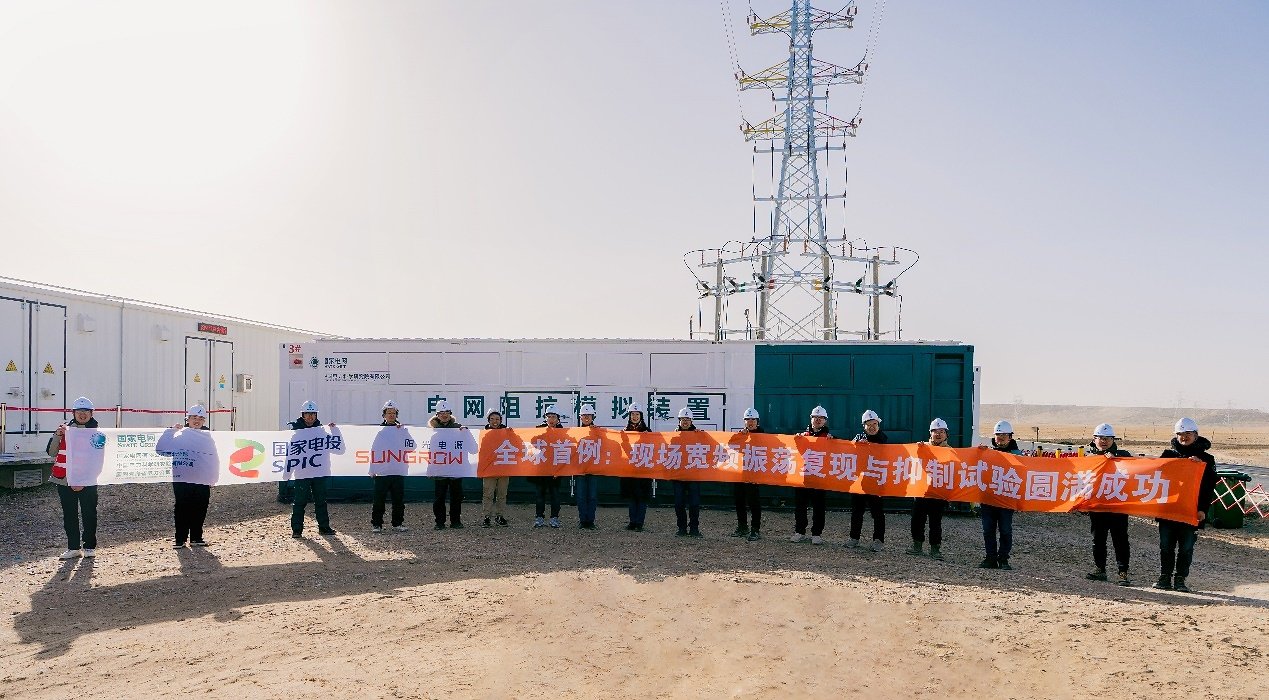
Sungrow, a globally leading PV inverter and energy storage system provider, recently has achieved a world first by controllably reproducing and successfully suppressing wideband oscillation at a real-world 500 MW solar-plus-storage plant in Qinghai, China. The field test marks a major step toward addressing one of the long-standing challenges facing renewable power systems as renewable penetration continues to increase worldwide.
As renewable penetration rises worldwide, wideband oscillation has become a major challenge, with severe cases potentially causing renewable plants to disconnect from the grid or shut down. In 2014, the BorWin1 offshore HVDC project in Germany experienced oscillations at 250–350 Hz, which damaged filter capacitors on the offshore converter platform and led to a shutdown lasting approximately six months, causing substantial economic losses to the local utility. In 2019, the Hornsea offshore wind farm in the UK experienced widespread disconnection due to subsynchronous oscillation, resulting in a loss of approximately 3.2% of the system load and affecting around one million users. Past incidents have demonstrated the significant impact of oscillation-related events.
However, the complex and unpredictable nature of the phenomenon has made it difficult to safely and controllably reproduce oscillations at real-world plants and validate effective suppression methods in the field. As a result, research has largely remained at the theoretical and simulation stage, with limited systematic validation in actual power plant environments.
To bridge this gap, Sungrow and its industry partners conducted a field test at the plant, using Sungrow PV inverters deployed across the site.
The test established weak-grid conditions and identified three key contributing factors—power output, system short-circuit ratio (SCR), and control parameters—before successfully achieving controlled reproduction of a localized system oscillation.
The field test evaluated the oscillation suppression performance of Sungrow’s PV inverters under different grid conditions. Leveraging Sungrow’s patented grid-strength adaptation technology, the inverters identified grid strength within 40 milliseconds, adjusted their control strategies accordingly, and rapidly stabilized voltage and frequency.
The test also validated the effectiveness of grid-forming control in suppressing wideband oscillation. Sungrow’s grid-forming control strategy enables stable operation across a wide SCR range of 1~40 and effectively mitigates transient overvoltage.
By successfully reproducing and suppressing wideband oscillation at a real-world 500MW plant, the field test marks a critical step in moving wideband oscillation suppression from the laboratory into engineering practice, with the potential to improve the stability of renewable energy plants under extremely weak grid conditions, prevent grid disconnections caused by oscillations, unlock greater power export capacity for plants connected to weak grids, and reduce generation losses.
“For renewable energy to become a truly stable and reliable source of power, it is essential to develop autonomous fault self-healing and grid-support capabilities.” Pan Nian’an, Chief Engineer and Chief Expert for Utility PV BU at Sungrow, said Sungrow will continue to advance research and development in grid technologies, focusing on key innovations including wideband oscillation suppression, grid-forming control, and multi-energy coordination. These efforts aim to support the stable grid integration and efficient utilization of renewable energy while strengthening the technical foundation for a secure and stable energy transition and next-generation power systems.
-
Raptee.HV Begins Bengaluru Deliveries as It Scales Electric Motorcycle Presence in India
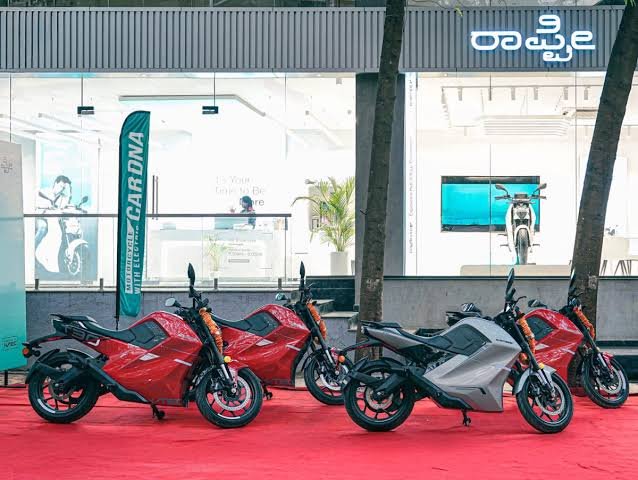
Raptee.HV has started its first customer deliveries in Bengaluru, following the opening of its first showroom in the city, the company said.
The deliveries mark the company’s move from establishing a retail presence in Bengaluru to fulfilling customer bookings. The city is a key market for Raptee. HV’s expansion plans, particularly in the premium electric two-wheeler segment.
“Bengaluru has been a key market for us, and beginning deliveries here is a significant step forward for Raptee.HV. We’re pleased to see our early customers move from booking to ownership, and we’re focused on scaling up deliveries steadily over the coming months. Reducing the waiting period is something we’ve worked closely on, and we’ll continue to prioritise a smooth and reliable experience for every rider in Bengaluru,” said Dinesh Arjun, CEO and co-founder of Raptee.HV.
The company said it will focus on scaling deliveries in the coming months and reducing customer waiting periods.
Raptee.HV has also set up a dedicated service centre in HSR Layout’s 1st Sector to support customers. The centre operates from Monday to Saturday and is staffed by a four-member team.
The company, which describes itself as India’s first electric motorcycle manufacturer with “Electric Car DNA”, uses its proprietary HV-Tec technology in its motorcycles.
Raptee.HV said its Bengaluru showroom, service centre and delivery operations will form part of its broader expansion across key Indian markets as it builds its retail and customer-support network. -
Raptee.HV Begins Bengaluru Deliveries as It Scales Electric Motorcycle Presence in India
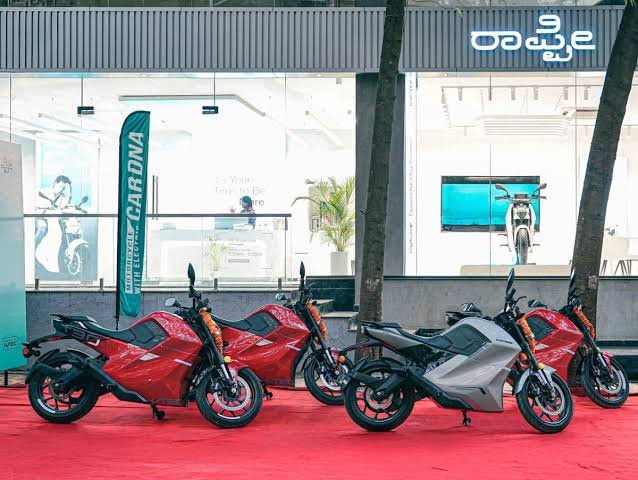
Raptee.HV has started its first customer deliveries in Bengaluru, following the opening of its first showroom in the city, the company said.
The deliveries mark the company’s move from establishing a retail presence in Bengaluru to fulfilling customer bookings. The city is a key market for Raptee. HV’s expansion plans, particularly in the premium electric two-wheeler segment.
“Bengaluru has been a key market for us, and beginning deliveries here is a significant step forward for Raptee.HV. We’re pleased to see our early customers move from booking to ownership, and we’re focused on scaling up deliveries steadily over the coming months. Reducing the waiting period is something we’ve worked closely on, and we’ll continue to prioritise a smooth and reliable experience for every rider in Bengaluru,” said Dinesh Arjun, CEO and co-founder of Raptee.HV.
The company said it will focus on scaling deliveries in the coming months and reducing customer waiting periods.
Raptee.HV has also set up a dedicated service centre in HSR Layout’s 1st Sector to support customers. The centre operates from Monday to Saturday and is staffed by a four-member team.
The company, which describes itself as India’s first electric motorcycle manufacturer with “Electric Car DNA”, uses its proprietary HV-Tec technology in its motorcycles.
Raptee.HV said its Bengaluru showroom, service centre and delivery operations will form part of its broader expansion across key Indian markets as it builds its retail and customer-support network.