Blog

  • Bondada Engineering Secures ₹1,153.93 Crore EPC Order for 270 MWp Solar Project in Maharashtra

    Bondada Engineering Secures ₹1,153.93 Crore EPC Order for 270 MWp Solar Project in Maharashtra

    Bondada Engineering Limited has received an EPC order worth ₹1,153.93 crore for the development of a 270 MWp ground-mounted Solar PV project across various locations in Maharashtra. The project will be executed over a six-month period from the receipt of the order and marks a significant addition to Bondada Engineering’s renewable energy portfolio. The scale of the order further demonstrates the company’s growing capabilities in executing large-scale solar projects.

    The latest order comes as Bondada continues to expand its presence across high-growth energy and infrastructure segments, with a strategic focus on large-scale Solar EPC, Renewable Energy and Battery Energy Storage Systems (BESS), alongside emerging infrastructure opportunities.

    Commenting on the development, Dr. Bondada Raghavendra Rao Chairman & Managing DirectorBondada Engineering Limited, said: “The ₹1,153.93 crore EPC order is a significant milestone for Bondada Engineering and reflects the growing scale of opportunities we are pursuing in the renewable energy sector. The 270 MWp project strengthens our Solar EPC portfolio and reinforces our focus on building execution capabilities across high-growth segments such as renewable energy and BESS. We remain committed to scaling our capabilities and delivering projects efficiently as India’s energy and infrastructure landscape continues to evolve.”

    With the addition of the 270 MWp project, Bondada Engineering is further strengthening its position in the large-scale renewable energy EPC space, while building a diversified pipeline aligned with India’s growing clean energy and infrastructure requirements.

  • Bondada Engineering Secures ₹1,153.93 Crore EPC Order for 270 MWp Solar Project in Maharashtra

    Bondada Engineering Secures ₹1,153.93 Crore EPC Order for 270 MWp Solar Project in Maharashtra

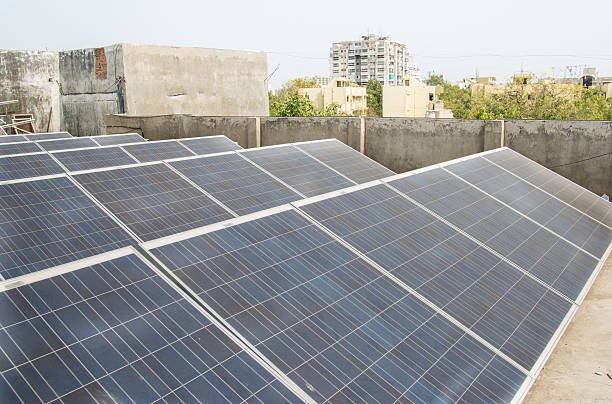
    Bondada Engineering Limited has received an EPC order worth ₹1,153.93 crore for the development of a 270 MWp ground-mounted Solar PV project across various locations in Maharashtra. The project will be executed over a six-month period from the receipt of the order and marks a significant addition to Bondada Engineering’s renewable energy portfolio. The scale of the order further demonstrates the company’s growing capabilities in executing large-scale solar projects.

    The latest order comes as Bondada continues to expand its presence across high-growth energy and infrastructure segments, with a strategic focus on large-scale Solar EPC, Renewable Energy and Battery Energy Storage Systems (BESS), alongside emerging infrastructure opportunities.

    Commenting on the development, Dr. Bondada Raghavendra Rao Chairman & Managing DirectorBondada Engineering Limited, said: “The ₹1,153.93 crore EPC order is a significant milestone for Bondada Engineering and reflects the growing scale of opportunities we are pursuing in the renewable energy sector. The 270 MWp project strengthens our Solar EPC portfolio and reinforces our focus on building execution capabilities across high-growth segments such as renewable energy and BESS. We remain committed to scaling our capabilities and delivering projects efficiently as India’s energy and infrastructure landscape continues to evolve.”

    With the addition of the 270 MWp project, Bondada Engineering is further strengthening its position in the large-scale renewable energy EPC space, while building a diversified pipeline aligned with India’s growing clean energy and infrastructure requirements.
  • Bondada Engineering Secures ₹1,153.93 Crore EPC Order for 270 MWp Solar Project in Maharashtra

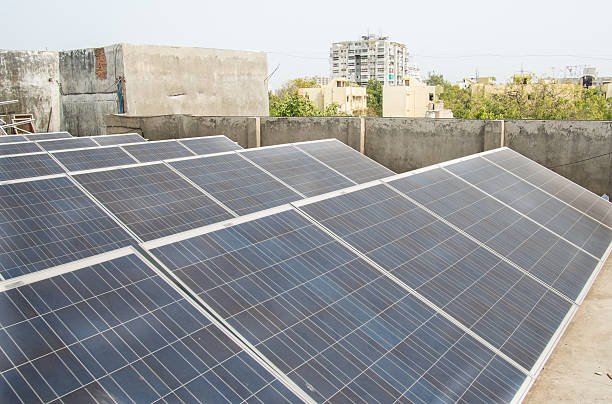
    Bondada Engineering Limited has received an EPC order worth ₹1,153.93 crore for the development of a 270 MWp ground-mounted Solar PV project across various locations in Maharashtra. The project will be executed over a six-month period from the receipt of the order and marks a significant addition to Bondada Engineering’s renewable energy portfolio. The scale of the order further demonstrates the company’s growing capabilities in executing large-scale solar projects.

    The latest order comes as Bondada continues to expand its presence across high-growth energy and infrastructure segments, with a strategic focus on large-scale Solar EPC, Renewable Energy and Battery Energy Storage Systems (BESS), alongside emerging infrastructure opportunities.

    Commenting on the development, Dr. Bondada Raghavendra Rao Chairman & Managing DirectorBondada Engineering Limited, said: “The ₹1,153.93 crore EPC order is a significant milestone for Bondada Engineering and reflects the growing scale of opportunities we are pursuing in the renewable energy sector. The 270 MWp project strengthens our Solar EPC portfolio and reinforces our focus on building execution capabilities across high-growth segments such as renewable energy and BESS. We remain committed to scaling our capabilities and delivering projects efficiently as India’s energy and infrastructure landscape continues to evolve.”

    With the addition of the 270 MWp project, Bondada Engineering is further strengthening its position in the large-scale renewable energy EPC space, while building a diversified pipeline aligned with India’s growing clean energy and infrastructure requirements.
  • Tata Power Renewables Adds 88,397 Rooftop Solar Installations and 426 MWp Capacity in Q2 FY27

    Tata Power Renewables Adds 88,397 Rooftop Solar Installations and 426 MWp Capacity in Q2 FY27

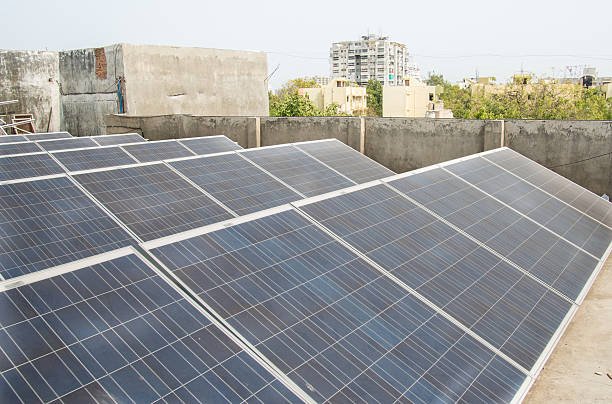
    Tata Power SolarRoof, the rooftop solar division of Tata Power Renewable Energy Limited (TPREL), recorded 88,397 rooftop solar installations in Q2 FY27, registering a 33% year-on-year growth compared with 66,447 installations during Q2 FY26.

    The company added 426 MWp of rooftop solar capacity during the July-September quarter, marking a 15% year-on-year increase over the 369 MWp installed in Q2 FY26.

    During the first six months of FY27, Tata Power SolarRoof completed more than 168,530 rooftop solar installations, representing a 50% year-on-year growth from 112,729 installations during the corresponding period of FY26. The installations translated into 801 MWp of rooftop solar capacity during H1 FY27, up 25% from 639 MWp in H1 FY26.

    With these additions, Tata Power SolarRoof’s cumulative installations have reached approximately 575,000, while its installed rooftop solar capacity has surpassed 5.67 GWp across the residential and commercial and industrial (C&I) segments.

    The company said it has been recognised by CRISIL as India’s No. 1 rooftop solar company for 12 consecutive years.

    Uttar Pradesh recorded the highest number of rooftop solar installations for Tata Power SolarRoof during the first six months of FY27, with 44,014 installations adding approximately 172 MWp of capacity.

    Maharashtra followed with 22,165 installations, representing nearly 100 MWp of capacity. Rajasthan recorded 21,275 installations, contributing 99 MWp, while Kerala added 15,477 installations, accounting for approximately 65 MWp.

  • Tata Power Renewables Adds 88,397 Rooftop Solar Installations and 426 MWp Capacity in Q2 FY27

    Tata Power Renewables Adds 88,397 Rooftop Solar Installations and 426 MWp Capacity in Q2 FY27

    Tata Power SolarRoof, the rooftop solar division of Tata Power Renewable Energy Limited (TPREL), recorded 88,397 rooftop solar installations in Q2 FY27, registering a 33% year-on-year growth compared with 66,447 installations during Q2 FY26.

    The company added 426 MWp of rooftop solar capacity during the July-September quarter, marking a 15% year-on-year increase over the 369 MWp installed in Q2 FY26.

    During the first six months of FY27, Tata Power SolarRoof completed more than 168,530 rooftop solar installations, representing a 50% year-on-year growth from 112,729 installations during the corresponding period of FY26. The installations translated into 801 MWp of rooftop solar capacity during H1 FY27, up 25% from 639 MWp in H1 FY26.

    With these additions, Tata Power SolarRoof’s cumulative installations have reached approximately 575,000, while its installed rooftop solar capacity has surpassed 5.67 GWp across the residential and commercial and industrial (C&I) segments.

    The company said it has been recognised by CRISIL as India’s No. 1 rooftop solar company for 12 consecutive years.

    Uttar Pradesh recorded the highest number of rooftop solar installations for Tata Power SolarRoof during the first six months of FY27, with 44,014 installations adding approximately 172 MWp of capacity.

    Maharashtra followed with 22,165 installations, representing nearly 100 MWp of capacity. Rajasthan recorded 21,275 installations, contributing 99 MWp, while Kerala added 15,477 installations, accounting for approximately 65 MWp.

  • Tata Power Renewables Adds 88,397 Rooftop Solar Installations and 426 MWp Capacity in Q2 FY27

    Tata Power Renewables Adds 88,397 Rooftop Solar Installations and 426 MWp Capacity in Q2 FY27

    Tata Power SolarRoof, the rooftop solar division of Tata Power Renewable Energy Limited (TPREL), recorded 88,397 rooftop solar installations in Q2 FY27, registering a 33% year-on-year growth compared with 66,447 installations during Q2 FY26.

    The company added 426 MWp of rooftop solar capacity during the July-September quarter, marking a 15% year-on-year increase over the 369 MWp installed in Q2 FY26.

    During the first six months of FY27, Tata Power SolarRoof completed more than 168,530 rooftop solar installations, representing a 50% year-on-year growth from 112,729 installations during the corresponding period of FY26. The installations translated into 801 MWp of rooftop solar capacity during H1 FY27, up 25% from 639 MWp in H1 FY26.

    With these additions, Tata Power SolarRoof’s cumulative installations have reached approximately 575,000, while its installed rooftop solar capacity has surpassed 5.67 GWp across the residential and commercial and industrial (C&I) segments.

    The company said it has been recognised by CRISIL as India’s No. 1 rooftop solar company for 12 consecutive years.

    Uttar Pradesh recorded the highest number of rooftop solar installations for Tata Power SolarRoof during the first six months of FY27, with 44,014 installations adding approximately 172 MWp of capacity.

    Maharashtra followed with 22,165 installations, representing nearly 100 MWp of capacity. Rajasthan recorded 21,275 installations, contributing 99 MWp, while Kerala added 15,477 installations, accounting for approximately 65 MWp.

  • Tata Power Renewables Adds 88,397 Rooftop Solar Installations and 426 MWp Capacity in Q2 FY27

    Tata Power SolarRoof, the rooftop solar division of Tata Power Renewable Energy Limited (TPREL), recorded 88,397 rooftop solar installations in Q2 FY27, registering a 33% year-on-year growth compared with 66,447 installations during Q2 FY26.

    The company added 426 MWp of rooftop solar capacity during the July-September quarter, marking a 15% year-on-year increase over the 369 MWp installed in Q2 FY26.

    During the first six months of FY27, Tata Power SolarRoof completed more than 168,530 rooftop solar installations, representing a 50% year-on-year growth from 112,729 installations during the corresponding period of FY26. The installations translated into 801 MWp of rooftop solar capacity during H1 FY27, up 25% from 639 MWp in H1 FY26.

    With these additions, Tata Power SolarRoof’s cumulative installations have reached approximately 575,000, while its installed rooftop solar capacity has surpassed 5.67 GWp across the residential and commercial and industrial (C&I) segments.

    The company said it has been recognised by CRISIL as India’s No. 1 rooftop solar company for 12 consecutive years.

    Uttar Pradesh recorded the highest number of rooftop solar installations for Tata Power SolarRoof during the first six months of FY27, with 44,014 installations adding approximately 172 MWp of capacity.

    Maharashtra followed with 22,165 installations, representing nearly 100 MWp of capacity. Rajasthan recorded 21,275 installations, contributing 99 MWp, while Kerala added 15,477 installations, accounting for approximately 65 MWp.

  • Cygni Energy, Indus Towers Sign MoU to Explore Up to 1.5 GWh BESS Manufacturing Capacity

    Cygni Energy, Indus Towers Sign MoU to Explore Up to 1.5 GWh BESS Manufacturing Capacity

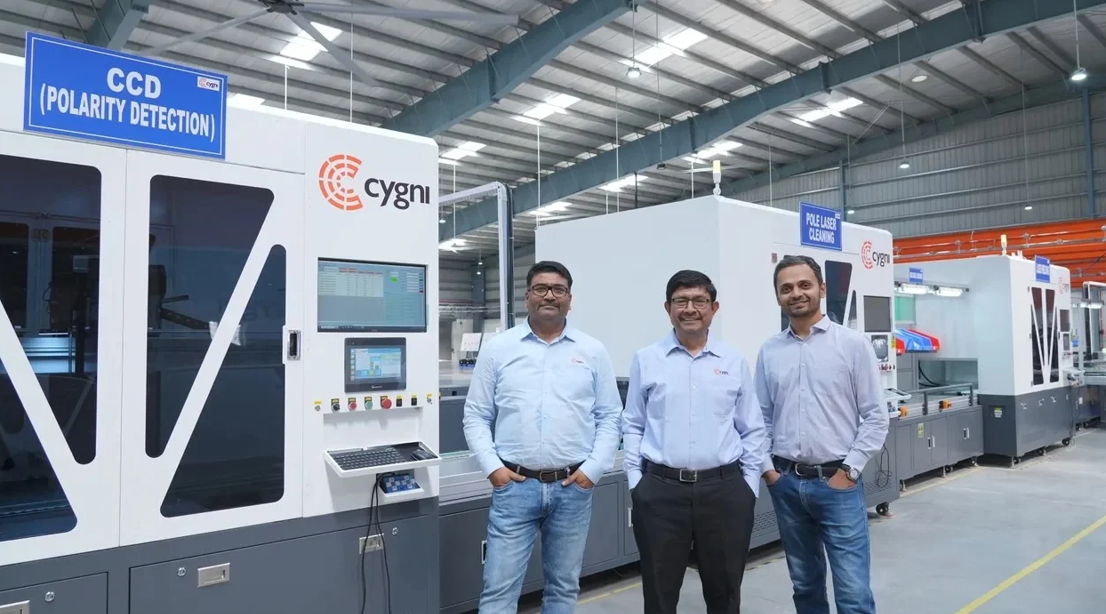
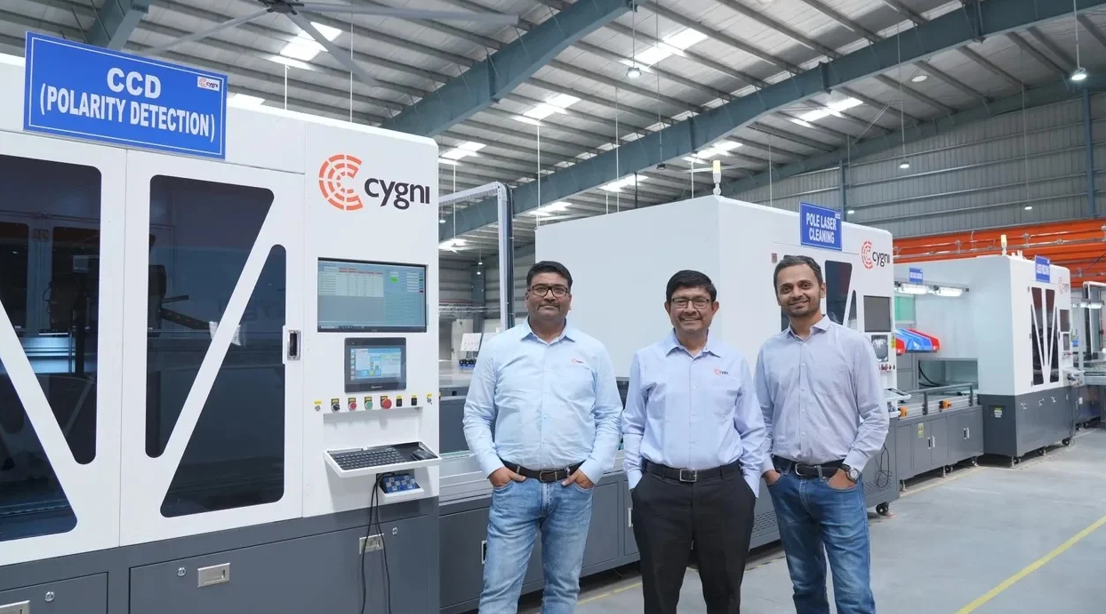
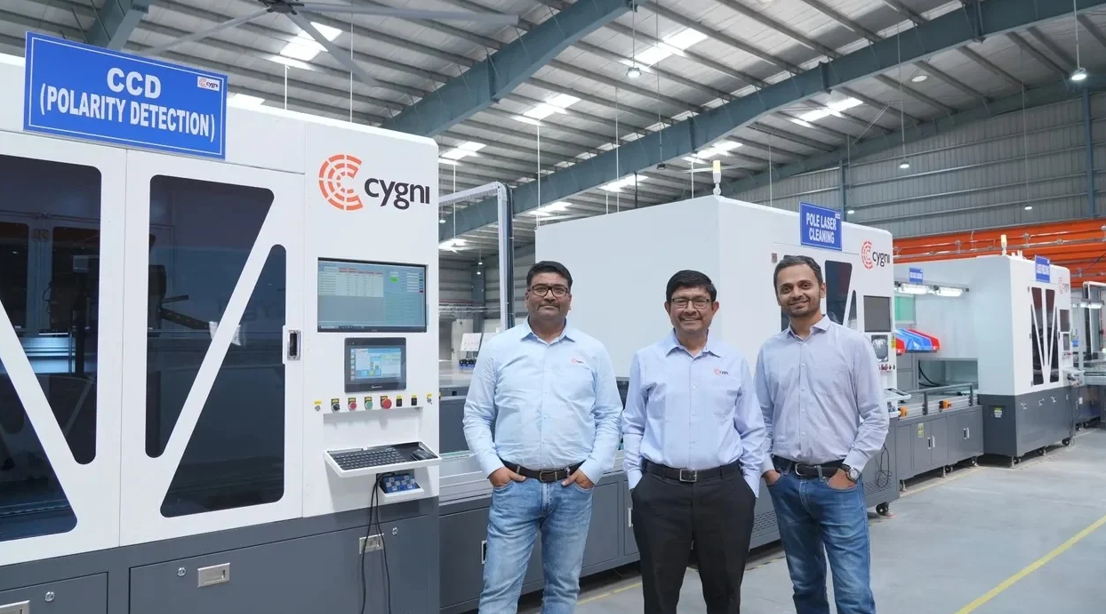
    Cygni Energy and Indus Towers have signed a Memorandum of Understanding (MoU) to explore collaboration on sourcing energy storage solutions for telecom infrastructure in India, with the proposed partnership including plans for up to 1.5 GWh of Battery Energy Storage System (BESS) manufacturing capacity.

    The collaboration is aimed at addressing the evolving energy requirements of telecom infrastructure and evaluating advanced battery technologies for telecom applications. The proposed solutions are expected to focus on improving reliability and energy efficiency while supporting more sustainable telecom operations.

    Under the MoU, the companies intend to assess opportunities to establish BESS manufacturing capacity of up to 1.5 GWh for telecom applications in India. The initiative is expected to support the growing energy requirements associated with the country’s expanding digital and telecom infrastructure.

    Venkat Rajaraman, Founder and CEO, Cygni Energy, said, “For us, this initiative goes beyond supplying batteries. It is about building the scale, technology capabilities and manufacturing readiness required to support the evolving energy needs of one of the world’s largest passive telecom infrastructure companies. We plan to develop a capacity of up to 2 GWh, while building a portfolio that can evolve from today’s 100Ah solutions to higher-capacity 314Ah systems and emerging battery technologies. Our ambition is to combine scale, reliability and Indian engineering to create future-ready energy storage solutions that can evolve alongside India’s rapidly expanding digital infrastructure.”

    Commenting on the significance of such collaborations, Prof. Ashok Jhunjhunwala, Institute Professor, IIT Madras, and Chairman, ITEL Foundation, said, “Collaboration between users, startups, manufacturers and technology institutions can support the development and adoption of energy storage solutions in India. Telecom provides an important application for advancing battery technologies and manufacturing capabilities in this space.”

  • Cygni Energy, Indus Towers Sign MoU to Explore Up to 1.5 GWh BESS Manufacturing Capacity

    Cygni Energy, Indus Towers Sign MoU to Explore Up to 1.5 GWh BESS Manufacturing Capacity

    Cygni Energy and Indus Towers have signed a Memorandum of Understanding (MoU) to explore collaboration on sourcing energy storage solutions for telecom infrastructure in India, with the proposed partnership including plans for up to 1.5 GWh of Battery Energy Storage System (BESS) manufacturing capacity.

    The collaboration is aimed at addressing the evolving energy requirements of telecom infrastructure and evaluating advanced battery technologies for telecom applications. The proposed solutions are expected to focus on improving reliability and energy efficiency while supporting more sustainable telecom operations.

    Under the MoU, the companies intend to assess opportunities to establish BESS manufacturing capacity of up to 1.5 GWh for telecom applications in India. The initiative is expected to support the growing energy requirements associated with the country’s expanding digital and telecom infrastructure.

    Venkat Rajaraman, Founder and CEO, Cygni Energy, said, “For us, this initiative goes beyond supplying batteries. It is about building the scale, technology capabilities and manufacturing readiness required to support the evolving energy needs of one of the world’s largest passive telecom infrastructure companies. We plan to develop a capacity of up to 2 GWh, while building a portfolio that can evolve from today’s 100Ah solutions to higher-capacity 314Ah systems and emerging battery technologies. Our ambition is to combine scale, reliability and Indian engineering to create future-ready energy storage solutions that can evolve alongside India’s rapidly expanding digital infrastructure.”

    Commenting on the significance of such collaborations, Prof. Ashok Jhunjhunwala, Institute Professor, IIT Madras, and Chairman, ITEL Foundation, said, “Collaboration between users, startups, manufacturers and technology institutions can support the development and adoption of energy storage solutions in India. Telecom provides an important application for advancing battery technologies and manufacturing capabilities in this space.”

  • Cygni Energy, Indus Towers Sign MoU to Explore Up to 1.5 GWh BESS Manufacturing Capacity

    Cygni Energy, Indus Towers Sign MoU to Explore Up to 1.5 GWh BESS Manufacturing Capacity

    Cygni Energy and Indus Towers have signed a Memorandum of Understanding (MoU) to explore collaboration on sourcing energy storage solutions for telecom infrastructure in India, with the proposed partnership including plans for up to 1.5 GWh of Battery Energy Storage System (BESS) manufacturing capacity.

    The collaboration is aimed at addressing the evolving energy requirements of telecom infrastructure and evaluating advanced battery technologies for telecom applications. The proposed solutions are expected to focus on improving reliability and energy efficiency while supporting more sustainable telecom operations.

    Under the MoU, the companies intend to assess opportunities to establish BESS manufacturing capacity of up to 1.5 GWh for telecom applications in India. The initiative is expected to support the growing energy requirements associated with the country’s expanding digital and telecom infrastructure.

    Venkat Rajaraman, Founder and CEO, Cygni Energy, said, “For us, this initiative goes beyond supplying batteries. It is about building the scale, technology capabilities and manufacturing readiness required to support the evolving energy needs of one of the world’s largest passive telecom infrastructure companies. We plan to develop a capacity of up to 2 GWh, while building a portfolio that can evolve from today’s 100Ah solutions to higher-capacity 314Ah systems and emerging battery technologies. Our ambition is to combine scale, reliability and Indian engineering to create future-ready energy storage solutions that can evolve alongside India’s rapidly expanding digital infrastructure.”

    Commenting on the significance of such collaborations, Prof. Ashok Jhunjhunwala, Institute Professor, IIT Madras, and Chairman, ITEL Foundation, said, “Collaboration between users, startups, manufacturers and technology institutions can support the development and adoption of energy storage solutions in India. Telecom provides an important application for advancing battery technologies and manufacturing capabilities in this space.”