Blog

  • Cygni Energy, Indus Towers Sign MoU to Explore Up to 1.5 GWh BESS Manufacturing Capacity

    Cygni Energy and Indus Towers have signed a Memorandum of Understanding (MoU) to explore collaboration on sourcing energy storage solutions for telecom infrastructure in India, with the proposed partnership including plans for up to 1.5 GWh of Battery Energy Storage System (BESS) manufacturing capacity.

    The collaboration is aimed at addressing the evolving energy requirements of telecom infrastructure and evaluating advanced battery technologies for telecom applications. The proposed solutions are expected to focus on improving reliability and energy efficiency while supporting more sustainable telecom operations.

    Under the MoU, the companies intend to assess opportunities to establish BESS manufacturing capacity of up to 1.5 GWh for telecom applications in India. The initiative is expected to support the growing energy requirements associated with the country’s expanding digital and telecom infrastructure.

    Venkat Rajaraman, Founder and CEO, Cygni Energy, said, “For us, this initiative goes beyond supplying batteries. It is about building the scale, technology capabilities and manufacturing readiness required to support the evolving energy needs of one of the world’s largest passive telecom infrastructure companies. We plan to develop a capacity of up to 2 GWh, while building a portfolio that can evolve from today’s 100Ah solutions to higher-capacity 314Ah systems and emerging battery technologies. Our ambition is to combine scale, reliability and Indian engineering to create future-ready energy storage solutions that can evolve alongside India’s rapidly expanding digital infrastructure.”

    Commenting on the significance of such collaborations, Prof. Ashok Jhunjhunwala, Institute Professor, IIT Madras, and Chairman, ITEL Foundation, said, “Collaboration between users, startups, manufacturers and technology institutions can support the development and adoption of energy storage solutions in India. Telecom provides an important application for advancing battery technologies and manufacturing capabilities in this space.”

  • Mr. Idrish Khan, C.T.O – India, Solis 

    “Solis is focusing on key areas: higher-current compatibility, greater system flexibility and smarter energy management. By combining advanced inverter architecture, hybrid and grid-forming technologies, and digital monitoring through SolisCloud, we aim to help customers achieve higher energy yield, improved reliability and more efficient long-term operation of their solar asset. Interview.”  

    With modern PV modules increasingly delivering higher operating currents, how is Solis adapting its inverter architecture to handle these higher-current inputs while maintaining conversion efficiency, thermal performance and long-term reliability? 

    Indeed, PV module technology is evolving rapidly, with higher operating currents becoming increasingly common, particularly with larger-format and bifacial modules. Solis is adapting its inverter portfolio to support this evolution and ensure compatibility with the latest PV module technologies. Our approach is not limited to commercial and utility-scale inverters. 

    We are also expanding our residential and hybrid inverter platforms with higher current-handling capabilities, enabling customers across different segments to benefit from advancements in PV module technology. For example, our latest inverter platforms support up to 21 A of operating current and 30 A of short-circuit current per MPPT, providing greater compatibility with highcurrent PV modules and additional headroom for bifacial module applications. From an engineering perspective, higher current capability must be supported by the complete inverter architecture—not just the input terminals. 

    This includes MPPT design, semiconductor selection, DC input protection, thermal management and long-term reliability validation. Our objective is to ensure that higher-current modules can be integrated efficiently without compromising inverter performance, safety or service life. At the same time, we continue to evaluate module characteristics, site conditions and system design requirements to ensure the selected inverter is appropriately matched to the PV array. 

    Solis’ commercial and utility-scale inverters offer multiple independent MPPTs. From an engineering perspective, how does a higher MPPT count improve energy harvesting in projects with different module orientations, shading conditions and string configurations? 

    Multiple independent MPPTs are becoming increasingly important as PV projects adopt more complex layouts and diverse module technologies. They provide greater flexibility in system design and help engineers optimize energy harvesting under different operating conditions. For example, a project may have modules installed with different orientations, varying tilt angles, or different levels of shading. If these strings are connected to the same MPPT, the operating point may be influenced by the string with the lowest available power. 

    Independent MPPTs help reduce this interaction by allowing different groups of strings to operate closer to their individual maximum power points. This is particularly valuable in commercial and utility-scale projects, where the DC array may include different string configurations, varying numbers of modules per string, and different installation conditions. 

    For example, our six independent MPPTs provide EPCs and system designers with greater flexibility to distribute strings according to their orientation, shading conditions and electrical characteristics. However, MPPT count alone does not determine energy yield. The overall design must also consider string voltage, current compatibility, temperature conditions, DC/AC ratio, cable losses and inverter conversion efficiency. Our objective is to provide a flexible inverter platform that allows designers to optimize the DC array while minimizing mismatch losses and ensuring reliable operation throughout the plant’s lifetime. 

    As solar-plus-storage becomes increasingly important, what are the key technical considerations when designing DC-coupled and AC-coupled systems, and how is Solis addressing the challenges of bidirectional power management and battery integration? 

    The first step in designing a solar-plus-storage system is to understand the customer’s actual energy and power requirements. We should not focus only on daily energy consumption; we must also consider the load profile, peak demand, surge requirements, backup duration, operating hours and the customer’s intended Application.

    Based on these requirements, the appropriate system topology can be selected. For an existing solar PV plant, an AC-coupled solution can be an effective approach because it allows battery storage to be integrated with the existing AC infrastructure without requiring major modifications to the PV system. This can simplify installation and reduce the need for changes to the existing PV array. For a new installation, a hybrid inverter with DC-coupled battery integration may offer greater flexibility, as the PV array and battery can be managed through a common power-conversion platform. This can support different operating modes, including self-consumption, selling first, backup and peak shaving, depending on the system configuration and customer requirements.

    From an engineering perspective, the key considerations include:

    • PV and battery sizing based on energy demand and peak power requirements.
    • Battery voltage and current compatibility with the inverter.
    • Bidirectional power management for charging and discharging.
    • Battery management system (BMS) communication and protection.
    • Backup load requirements, including surge loads.
    • Grid and DG integration, where applicable.
    • Thermal management and system safety.

    Solis is addressing these requirements through its hybrid inverter portfolio and battery integration capabilities, with the objective of providing flexible, reliable and scalable energy-storage solutions for residential, commercial and industrial applications.

    Solis’ S6 hybrid platform incorporates grid-forming capability for backup applications. How does this architecture maintain stable voltage and frequency during grid outages, particularly when variable solar generation and battery storage are operating together? 

    Grid-forming capability is a key technology for maintaining stable power supply during grid outages. Unlike a conventional grid-following inverter, which relies on an existing grid reference, a grid-forming inverter can establish its own voltage and frequency reference for the backup network. When a grid outage occurs, the inverter transitions to backup operation and establishes a stable AC supply for the connected loads. During this operation, it manages the power flow between the PV array, battery and loads according to the selected operating mode and system requirements. 

    For example, when PV generation is higher than the load demand, the available surplus power can be used to charge the battery. When PV generation is insufficient, the battery can discharge to support the load. If the battery reaches its maximum state of charge and PV generation exceeds the available load demand, the inverter can regulate PV power to maintain system stability. 

    This coordinated control of voltage, frequency, active power and battery state of charge is essential for reliable backup operation. In addition, where the system is designed for DG integration, the inverter can coordinate with the generator to support the load when PV and battery power are insufficient. 

    The objective is to provide a stable and reliable backup supply while making effective use of available solar generation and battery energy. 

    Solis’ commercial hybrid platform supports significant PV oversizing, while its utility-scale string inverters are designed for high DC/AC ratios. How should developers determine the optimum DC/AC ratio to maximise energy yield without creating excessive clipping, thermal stress or unnecessary system costs? 

    The optimum DC/AC ratio should be determined through a combination of energyyield analysis, site conditions, inverter operating characteristics and project economics. There is no single DC/AC ratio that is ideal for every project. The first step is to understand the project’s energy requirements and the expected generation profile. Designers should use reliable weather data, module characteristics and appropriate simulation software to estimate the annual energy yield and identify the expected clipping losses. 

    The analysis should consider: 

    • Solar irradiation and temperature conditions at the site. 
    • Module temperature coefficients and expected operating voltage. 
    • Inverter nominal power and maximum DC input capability. 
    • Expected clipping losses during high-irradiance periods.
    • Cable and other system losses. 
    • Annual energy yield and performance ratio (PR). 
    • Project economics, including the cost of additional PV capacity versus the energy gained 

    A higher DC/AC ratio can improve energy yield during low- and medium-irradiance periods by allowing the inverter to operate closer to its rated power for a longer duration. However, excessive oversizing can increase clipping losses and may not provide sufficient additional energy to justify the extra investment. For hybrid systems, the analysis should also consider the battery charging and discharging requirements, as the inverter may be supplying power to the grid, the load and the battery simultaneously. The inverter must be selected to ensure that the required power and current can be delivered under the intended operating conditions. 

    Ultimately, the optimum DC/AC ratio should be based on a multi-year energy simulation and a balanced assessment of energy yield, equipment utilization, thermal performance and project economics. 

    As inverter fleets become larger and more distributed, how is Solis using digital monitoring, remote diagnostics and intelligent fault detection to reduce downtime and improve O&M efficiency? What role do platforms such as SolisCloud play in moving from reactive maintenance towards predictive asset management? 

    As PV plants become larger and more distributed, digital monitoring and remote diagnostics are becoming increasingly important for improving O&M efficiency and reducing downtime. SolisCloud provides a centralised platform for monitoring inverter performance, analysing operating data and identifying abnormal conditions. 

    This allows engineers and plant operators to review system performance remotely and take corrective action before a minor issue develops into a major fault. One of the useful features is IV curve scanning, which can help identify string-level performance issues and support more effective troubleshooting. By comparing the expected and actual performance of PV strings, engineers can identify potential problems such as shading, mismatch, connection issues or other abnormal operating conditions. 

    In addition, the platform provides access to inverter operating data, alarms and fault information, enabling engineers to assess the condition of the system without always requiring an immediate site visit. The next step is to move from reactive maintenance to predictive asset management. By analysing historical operating data, fault patterns and performance trends, it becomes possible to identify early warning signs and prioritise maintenance activities before failures occur. 

    Our objective is to combine digital monitoring, intelligent diagnostics and data-driven maintenance to improve system availability, reduce O&M costs and maximise the long-term performance of PV assets. 

    Overall, Solis is focusing on key areas: higher-current compatibility, greater system flexibility and smarter energy management. By combining advanced inverter architecture, hybrid and grid-forming technologies, and digital monitoring through SolisCloud, we aim to help customers achieve higher energy yield, improved reliability and more efficient long-term operation of their solar asset 
  • GoodWe India Marks 10 Years of Trust and Reliability, Highlighting a Decade of Long-Term Solar Performance

    GoodWe India Marks 10 Years of Trust and Reliability, Highlighting a Decade of Long-Term Solar Performance

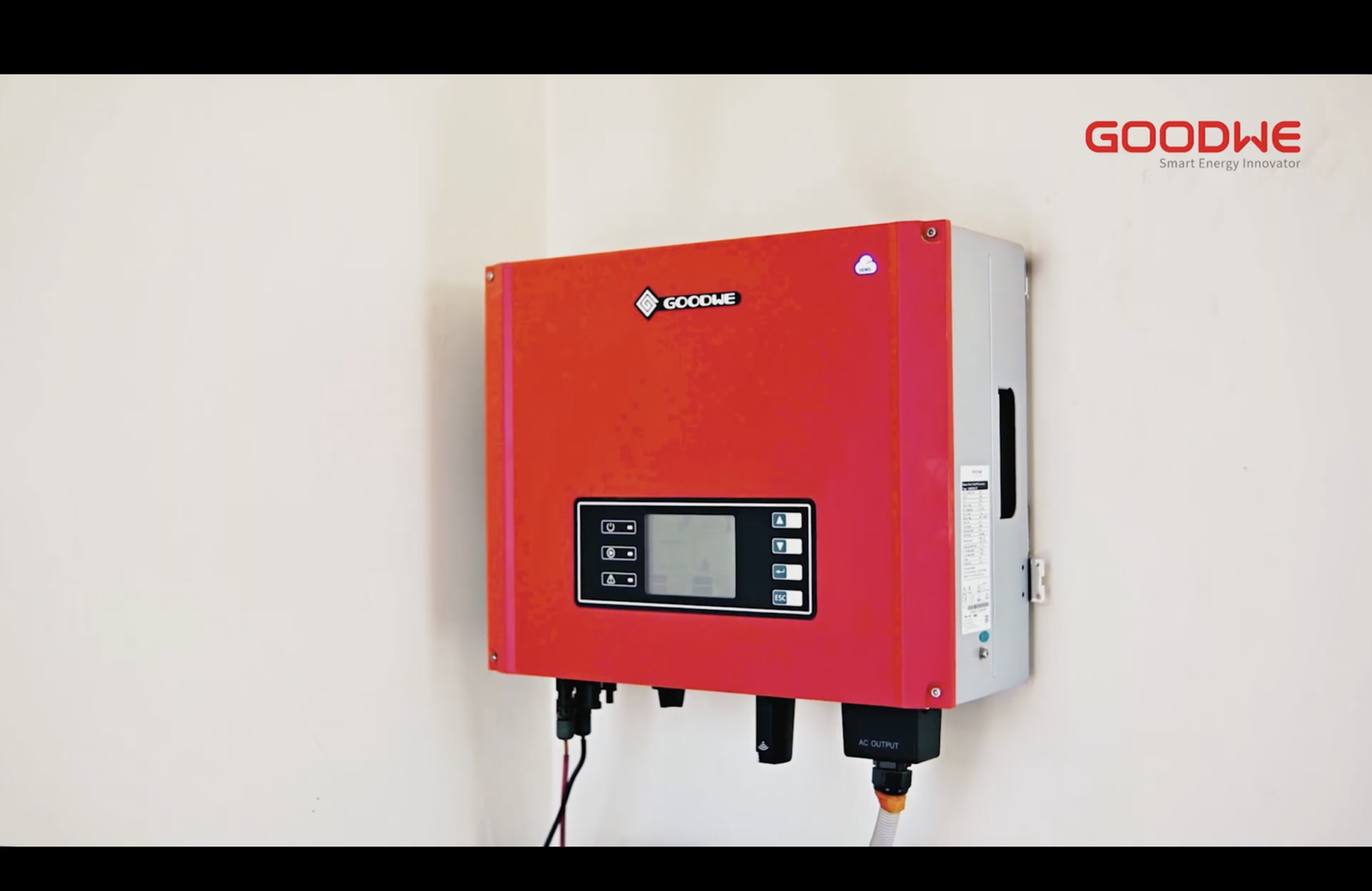
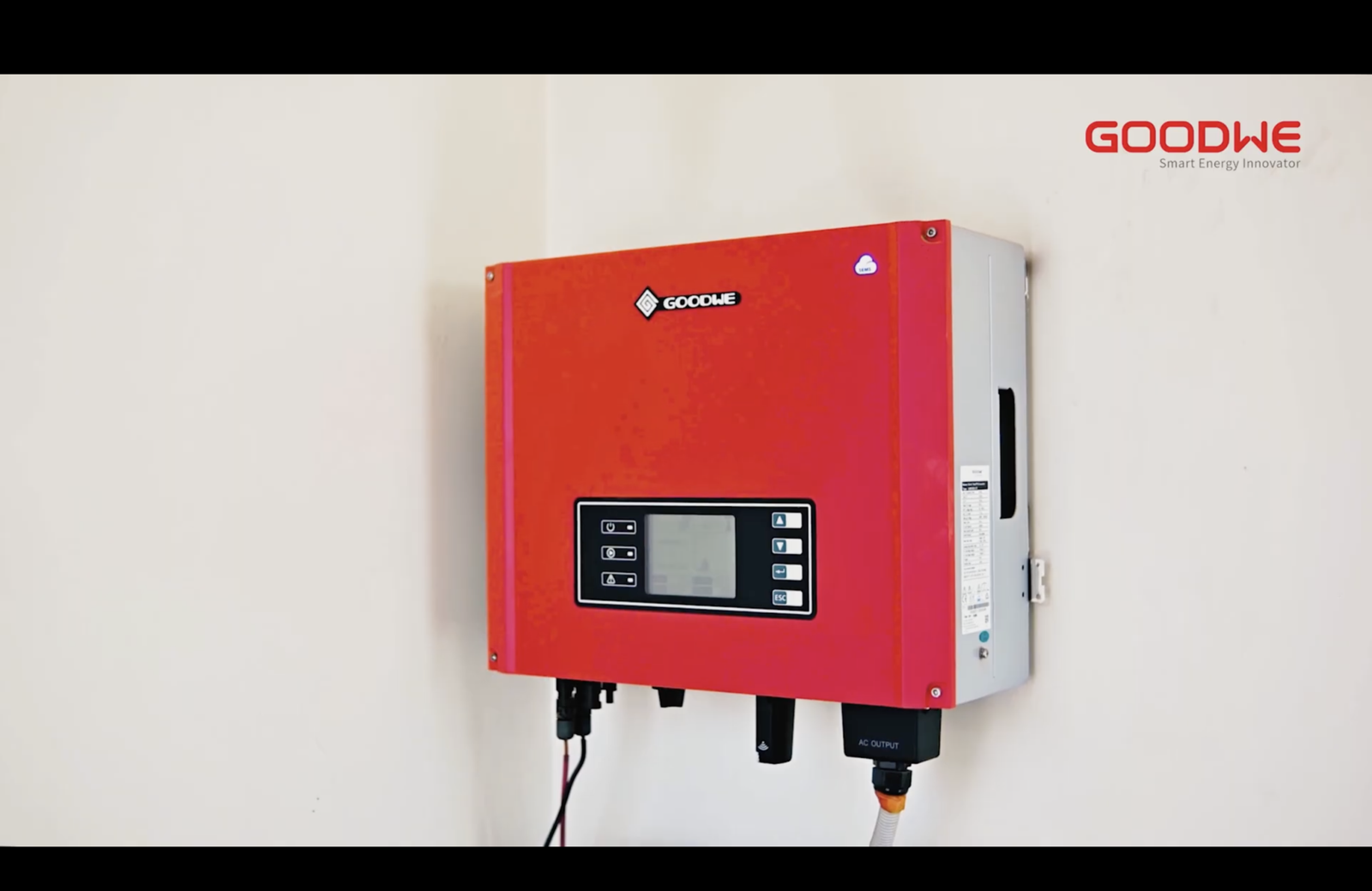
    GoodWe, a global provider of solar inverters and energy storage solutions, is marking 10 years of operations in India, reflecting a decade of growth alongside the country’s rapidly expanding renewable energy sector.

    The milestone is not only about the scale of installations achieved over the past decade, but also about what those systems continue to deliver years after commissioning. In a market where solar is increasingly viewed as a long-term investment, reliability, product longevity, service support and return on investment are becoming critical considerations for customers.

    This is particularly relevant for residential customers, for whom a solar installation represents a significant investment and an opportunity to reduce recurring electricity expenses. It is equally important for commercial establishments, where energy costs directly affect operating margins.

    As GoodWe completes a decade in India, the company has also completed two warranty cycles in the country, gaining extensive experience in supporting installations across different regions, climatic conditions and grid environments. This experience has reinforced the company’s focus on product reliability and long-term customer support.

    Two projects from GoodWe’s early years in India illustrate the tangible value that reliable solar technology can deliver over time.

    10 years ago, a 70-year-old theatre in Kamthi, Maharashtra, installed a 10kW solar system with GoodWe technology to address rising electricity expenses. At the time, solar adoption was still relatively new in the region, and the theatre was among the early commercial establishments to recognise the potential of solar to reduce operating costs.

    The investment was recovered within approximately five years through electricity savings. Over the following decade, the system has continued to deliver comparable generation, allowing the theatre to benefit from sustained reductions in its electricity expenses.

    For businesses such as theatres, where electricity is a recurring and significant operating expense, reducing energy costs can have a direct impact on overall profitability. The continued performance of the system over a 10-year period demonstrates the importance of selecting reliable equipment when the objective is to generate savings over the long term.

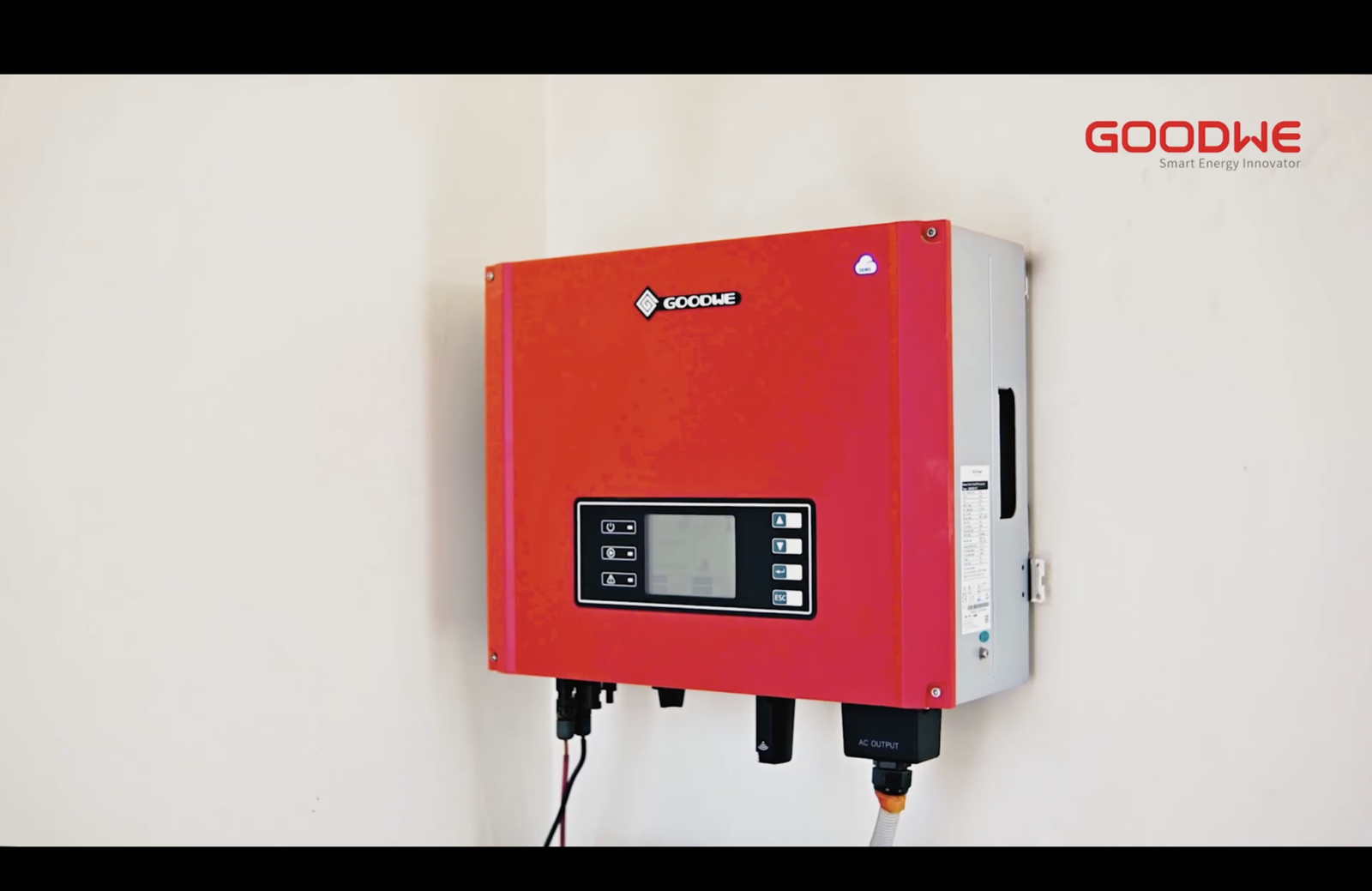
    In Haryana, a 5kW residential solar system equipped with a GoodWe inverter has been operating for more than eight years. The system has helped the homeowner achieve an approximately 80% reduction in electricity bills, significantly lowering recurring energy expenses.

    Importantly, the initial investment in the solar system was recovered within approximately three years through electricity savings. The system has continued to operate well beyond its payback period, demonstrating the long-term financial value that a reliable solar installation can provide to homeowners.

    For residential consumers, this kind of long-term performance is particularly important. The value of a solar system is not determined solely by its installation cost or initial energy savings, but by its ability to continue generating electricity reliably year after year.

    These two installations—one serving a home and another supporting a long-established commercial establishment—illustrate a broader principle behind solar adoption: the real value of an installation is realised over its operating lifetime.

    Since entering the Indian market, GoodWe has expanded its presence across the residential, commercial and industrial, and utility-scale segments, while continuing to strengthen its local service and support capabilities.

    As GoodWe enters its next decade in India, the company remains focused on delivering reliable solar and energy-storage solutions while strengthening partnerships, service capabilities and long-term value for customers across the country.

  • GoodWe India Marks 10 Years of Trust and Reliability, Highlighting a Decade of Long-Term Solar Performance

    GoodWe India Marks 10 Years of Trust and Reliability, Highlighting a Decade of Long-Term Solar Performance

    GoodWe, a global provider of solar inverters and energy storage solutions, is marking 10 years of operations in India, reflecting a decade of growth alongside the country’s rapidly expanding renewable energy sector.

    The milestone is not only about the scale of installations achieved over the past decade, but also about what those systems continue to deliver years after commissioning. In a market where solar is increasingly viewed as a long-term investment, reliability, product longevity, service support and return on investment are becoming critical considerations for customers.

    This is particularly relevant for residential customers, for whom a solar installation represents a significant investment and an opportunity to reduce recurring electricity expenses. It is equally important for commercial establishments, where energy costs directly affect operating margins.

    As GoodWe completes a decade in India, the company has also completed two warranty cycles in the country, gaining extensive experience in supporting installations across different regions, climatic conditions and grid environments. This experience has reinforced the company’s focus on product reliability and long-term customer support.

    Two projects from GoodWe’s early years in India illustrate the tangible value that reliable solar technology can deliver over time.

    10 years ago, a 70-year-old theatre in Kamthi, Maharashtra, installed a 10kW solar system with GoodWe technology to address rising electricity expenses. At the time, solar adoption was still relatively new in the region, and the theatre was among the early commercial establishments to recognise the potential of solar to reduce operating costs.

    The investment was recovered within approximately five years through electricity savings. Over the following decade, the system has continued to deliver comparable generation, allowing the theatre to benefit from sustained reductions in its electricity expenses.

    For businesses such as theatres, where electricity is a recurring and significant operating expense, reducing energy costs can have a direct impact on overall profitability. The continued performance of the system over a 10-year period demonstrates the importance of selecting reliable equipment when the objective is to generate savings over the long term.

    In Haryana, a 5kW residential solar system equipped with a GoodWe inverter has been operating for more than eight years. The system has helped the homeowner achieve an approximately 80% reduction in electricity bills, significantly lowering recurring energy expenses.

    Importantly, the initial investment in the solar system was recovered within approximately three years through electricity savings. The system has continued to operate well beyond its payback period, demonstrating the long-term financial value that a reliable solar installation can provide to homeowners.

    For residential consumers, this kind of long-term performance is particularly important. The value of a solar system is not determined solely by its installation cost or initial energy savings, but by its ability to continue generating electricity reliably year after year.

    These two installations—one serving a home and another supporting a long-established commercial establishment—illustrate a broader principle behind solar adoption: the real value of an installation is realised over its operating lifetime.

    Since entering the Indian market, GoodWe has expanded its presence across the residential, commercial and industrial, and utility-scale segments, while continuing to strengthen its local service and support capabilities.

    As GoodWe enters its next decade in India, the company remains focused on delivering reliable solar and energy-storage solutions while strengthening partnerships, service capabilities and long-term value for customers across the country.

  • GoodWe India Marks 10 Years of Trust and Reliability, Highlighting a Decade of Long-Term Solar Performance

    GoodWe India Marks 10 Years of Trust and Reliability, Highlighting a Decade of Long-Term Solar Performance

    GoodWe, a global provider of solar inverters and energy storage solutions, is marking 10 years of operations in India, reflecting a decade of growth alongside the country’s rapidly expanding renewable energy sector.

    The milestone is not only about the scale of installations achieved over the past decade, but also about what those systems continue to deliver years after commissioning. In a market where solar is increasingly viewed as a long-term investment, reliability, product longevity, service support and return on investment are becoming critical considerations for customers.

    This is particularly relevant for residential customers, for whom a solar installation represents a significant investment and an opportunity to reduce recurring electricity expenses. It is equally important for commercial establishments, where energy costs directly affect operating margins.

    As GoodWe completes a decade in India, the company has also completed two warranty cycles in the country, gaining extensive experience in supporting installations across different regions, climatic conditions and grid environments. This experience has reinforced the company’s focus on product reliability and long-term customer support.

    Two projects from GoodWe’s early years in India illustrate the tangible value that reliable solar technology can deliver over time.

    10 years ago, a 70-year-old theatre in Kamthi, Maharashtra, installed a 10kW solar system with GoodWe technology to address rising electricity expenses. At the time, solar adoption was still relatively new in the region, and the theatre was among the early commercial establishments to recognise the potential of solar to reduce operating costs.

    The investment was recovered within approximately five years through electricity savings. Over the following decade, the system has continued to deliver comparable generation, allowing the theatre to benefit from sustained reductions in its electricity expenses.

    For businesses such as theatres, where electricity is a recurring and significant operating expense, reducing energy costs can have a direct impact on overall profitability. The continued performance of the system over a 10-year period demonstrates the importance of selecting reliable equipment when the objective is to generate savings over the long term.

    In Haryana, a 5kW residential solar system equipped with a GoodWe inverter has been operating for more than eight years. The system has helped the homeowner achieve an approximately 80% reduction in electricity bills, significantly lowering recurring energy expenses.

    Importantly, the initial investment in the solar system was recovered within approximately three years through electricity savings. The system has continued to operate well beyond its payback period, demonstrating the long-term financial value that a reliable solar installation can provide to homeowners.

    For residential consumers, this kind of long-term performance is particularly important. The value of a solar system is not determined solely by its installation cost or initial energy savings, but by its ability to continue generating electricity reliably year after year.

    These two installations—one serving a home and another supporting a long-established commercial establishment—illustrate a broader principle behind solar adoption: the real value of an installation is realised over its operating lifetime.

    Since entering the Indian market, GoodWe has expanded its presence across the residential, commercial and industrial, and utility-scale segments, while continuing to strengthen its local service and support capabilities.

    As GoodWe enters its next decade in India, the company remains focused on delivering reliable solar and energy-storage solutions while strengthening partnerships, service capabilities and long-term value for customers across the country.

  • GoodWe India Marks 10 Years of Trust and Reliability, Highlighting a Decade of Long-Term Solar Performance

    GoodWe, a global provider of solar inverters and energy storage solutions, is marking 10 years of operations in India, reflecting a decade of growth alongside the country’s rapidly expanding renewable energy sector.

    The milestone is not only about the scale of installations achieved over the past decade, but also about what those systems continue to deliver years after commissioning. In a market where solar is increasingly viewed as a long-term investment, reliability, product longevity, service support and return on investment are becoming critical considerations for customers.

    This is particularly relevant for residential customers, for whom a solar installation represents a significant investment and an opportunity to reduce recurring electricity expenses. It is equally important for commercial establishments, where energy costs directly affect operating margins.

    As GoodWe completes a decade in India, the company has also completed two warranty cycles in the country, gaining extensive experience in supporting installations across different regions, climatic conditions and grid environments. This experience has reinforced the company’s focus on product reliability and long-term customer support.

    Two projects from GoodWe’s early years in India illustrate the tangible value that reliable solar technology can deliver over time.

    10 years ago, a 70-year-old theatre in Kamthi, Maharashtra, installed a 10kW solar system with GoodWe technology to address rising electricity expenses. At the time, solar adoption was still relatively new in the region, and the theatre was among the early commercial establishments to recognise the potential of solar to reduce operating costs.

    The investment was recovered within approximately five years through electricity savings. Over the following decade, the system has continued to deliver comparable generation, allowing the theatre to benefit from sustained reductions in its electricity expenses.

    For businesses such as theatres, where electricity is a recurring and significant operating expense, reducing energy costs can have a direct impact on overall profitability. The continued performance of the system over a 10-year period demonstrates the importance of selecting reliable equipment when the objective is to generate savings over the long term.

    In Haryana, a 5kW residential solar system equipped with a GoodWe inverter has been operating for more than eight years. The system has helped the homeowner achieve an approximately 80% reduction in electricity bills, significantly lowering recurring energy expenses.

    Importantly, the initial investment in the solar system was recovered within approximately three years through electricity savings. The system has continued to operate well beyond its payback period, demonstrating the long-term financial value that a reliable solar installation can provide to homeowners.

    For residential consumers, this kind of long-term performance is particularly important. The value of a solar system is not determined solely by its installation cost or initial energy savings, but by its ability to continue generating electricity reliably year after year.

    These two installations—one serving a home and another supporting a long-established commercial establishment—illustrate a broader principle behind solar adoption: the real value of an installation is realised over its operating lifetime.

    Since entering the Indian market, GoodWe has expanded its presence across the residential, commercial and industrial, and utility-scale segments, while continuing to strengthen its local service and support capabilities.

    As GoodWe enters its next decade in India, the company remains focused on delivering reliable solar and energy-storage solutions while strengthening partnerships, service capabilities and long-term value for customers across the country.

  • Adani Power and DGPC Sign Agreement for 770 MW Bhutan Hydropower Project

    Adani Power and DGPC Sign Agreement for 770 MW Bhutan Hydropower Project

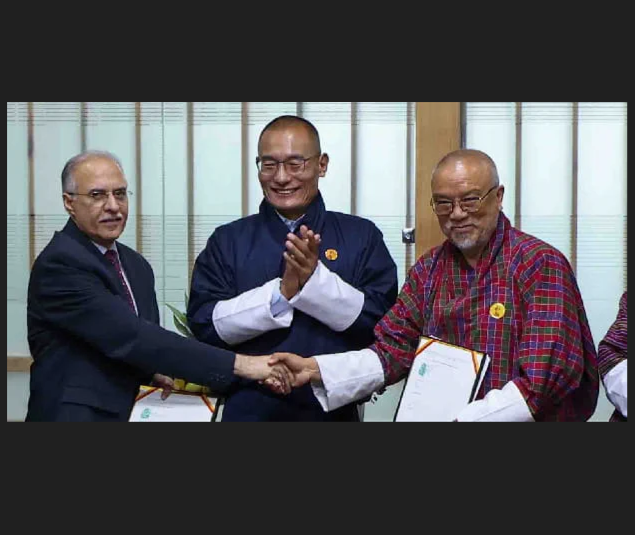
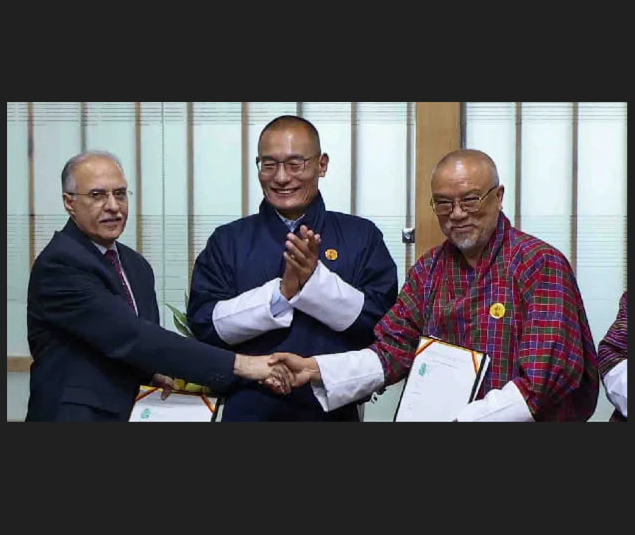
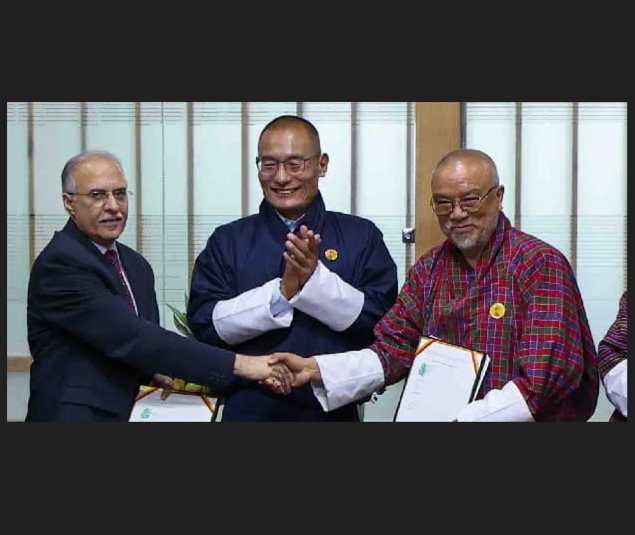
    Adani Power, India’s leading private power producer, and Druk Green Power Corp. Ltd. (DGPC), Bhutan’s state-owned generation utility, today signed the Shareholders Agreement (SHA) for setting up a 770 MW Chamkharchhu-I Hydroelectric Project in the Kingdom of Bhutan.

    The signing ceremony was graced by Hon’ble Prime Minister of Bhutan, Lyonchen Dasho Tshering Tobgay, and attended by Hon’ble Minister of Finance and the Hon’ble Minister of Energy and Natural Resources, along with representatives from Druk Holding & Investments Limited (DHI), Bhutan Power Corporation Limited (BPC), the DGPC Board, DGPC Management, and Adani Power.

    The project marks the second major hydropower collaboration between the two partners following the 570 MW Wangchhu Hydroelectric Project agreement signed in September 2025, and forms part of the broader 5,000 MW hydropower development Memorandum of Understanding (MoU) signed between the Adani Group and DGPC in May 2025.

    The peaking run-of-river project is located in central Bhutan’s Zhemgang District and on the Chamkarchhu River and the project will be implemented under the Build, Own, Operate and Transfer (BOOT) model through a 49:51 equity partnership between Adani Power and DGPC with a concession of 30 years from COD. The project will strengthen Bhutan’s clean energy generation capacity and enhance regional energy cooperation, with construction expected to commence in the first half of 2027 and commissioning targeted for six years from groundbreaking.

    “We are delighted to strengthen our partnership with the Royal Government of Bhutan and DGPC through the Chamkharchhu Hydroelectric Project. Hydropower will play a pivotal role in accelerating South Asia’s energy transition, and this project will contribute significantly to enhancing energy security, reducing carbon intensity, and advancing shared sustainability goals. While the project is expected to help meet Bhutan’s peak winter electricity requirements, it will also enable the export of surplus green power to India during the summer months, creating long-term value for both nations,” said Anil Sardana, Managing Director, Adani Power Ltd.

    “This partnership marks another significant milestone in Bhutan’s hydropower development journey and further strengthens the long-standing energy partnership between Bhutan and India. The 770 MW Chamkharchhu-I Hydropower Project will contribute to strengthening Bhutan’s energy security, particularly during the winter months, while creating opportunities to optimise and export surplus clean energy to India. Beyond the project itself, this collaboration reflects our shared commitment to developing Bhutan’s renewable energy resources through strong partnerships and responsible, efficient project delivery. We look forward to working closely with Adani Power to realise this important project and to advancing further opportunities under the broader hydropower development partnership,” said Mr. Dasho Chhewang Rinzin, MD, DGPC.

    Both organizations remain actively engaged in evaluating additional hydropower opportunities under the broader 5,000 MW development programme.

  • Adani Power and DGPC Sign Agreement for 770 MW Bhutan Hydropower Project

    Adani Power and DGPC Sign Agreement for 770 MW Bhutan Hydropower Project

    Adani Power, India’s leading private power producer, and Druk Green Power Corp. Ltd. (DGPC), Bhutan’s state-owned generation utility, today signed the Shareholders Agreement (SHA) for setting up a 770 MW Chamkharchhu-I Hydroelectric Project in the Kingdom of Bhutan.

    The signing ceremony was graced by Hon’ble Prime Minister of Bhutan, Lyonchen Dasho Tshering Tobgay, and attended by Hon’ble Minister of Finance and the Hon’ble Minister of Energy and Natural Resources, along with representatives from Druk Holding & Investments Limited (DHI), Bhutan Power Corporation Limited (BPC), the DGPC Board, DGPC Management, and Adani Power.

    The project marks the second major hydropower collaboration between the two partners following the 570 MW Wangchhu Hydroelectric Project agreement signed in September 2025, and forms part of the broader 5,000 MW hydropower development Memorandum of Understanding (MoU) signed between the Adani Group and DGPC in May 2025.

    The peaking run-of-river project is located in central Bhutan’s Zhemgang District and on the Chamkarchhu River and the project will be implemented under the Build, Own, Operate and Transfer (BOOT) model through a 49:51 equity partnership between Adani Power and DGPC with a concession of 30 years from COD. The project will strengthen Bhutan’s clean energy generation capacity and enhance regional energy cooperation, with construction expected to commence in the first half of 2027 and commissioning targeted for six years from groundbreaking.

    “We are delighted to strengthen our partnership with the Royal Government of Bhutan and DGPC through the Chamkharchhu Hydroelectric Project. Hydropower will play a pivotal role in accelerating South Asia’s energy transition, and this project will contribute significantly to enhancing energy security, reducing carbon intensity, and advancing shared sustainability goals. While the project is expected to help meet Bhutan’s peak winter electricity requirements, it will also enable the export of surplus green power to India during the summer months, creating long-term value for both nations,” said Anil Sardana, Managing Director, Adani Power Ltd.

    “This partnership marks another significant milestone in Bhutan’s hydropower development journey and further strengthens the long-standing energy partnership between Bhutan and India. The 770 MW Chamkharchhu-I Hydropower Project will contribute to strengthening Bhutan’s energy security, particularly during the winter months, while creating opportunities to optimise and export surplus clean energy to India. Beyond the project itself, this collaboration reflects our shared commitment to developing Bhutan’s renewable energy resources through strong partnerships and responsible, efficient project delivery. We look forward to working closely with Adani Power to realise this important project and to advancing further opportunities under the broader hydropower development partnership,” said Mr. Dasho Chhewang Rinzin, MD, DGPC.

    Both organizations remain actively engaged in evaluating additional hydropower opportunities under the broader 5,000 MW development programme.

  • Adani Power and DGPC Sign Agreement for 770 MW Bhutan Hydropower Project

    Adani Power and DGPC Sign Agreement for 770 MW Bhutan Hydropower Project

    Adani Power, India’s leading private power producer, and Druk Green Power Corp. Ltd. (DGPC), Bhutan’s state-owned generation utility, today signed the Shareholders Agreement (SHA) for setting up a 770 MW Chamkharchhu-I Hydroelectric Project in the Kingdom of Bhutan.

    The signing ceremony was graced by Hon’ble Prime Minister of Bhutan, Lyonchen Dasho Tshering Tobgay, and attended by Hon’ble Minister of Finance and the Hon’ble Minister of Energy and Natural Resources, along with representatives from Druk Holding & Investments Limited (DHI), Bhutan Power Corporation Limited (BPC), the DGPC Board, DGPC Management, and Adani Power.

    The project marks the second major hydropower collaboration between the two partners following the 570 MW Wangchhu Hydroelectric Project agreement signed in September 2025, and forms part of the broader 5,000 MW hydropower development Memorandum of Understanding (MoU) signed between the Adani Group and DGPC in May 2025.

    The peaking run-of-river project is located in central Bhutan’s Zhemgang District and on the Chamkarchhu River and the project will be implemented under the Build, Own, Operate and Transfer (BOOT) model through a 49:51 equity partnership between Adani Power and DGPC with a concession of 30 years from COD. The project will strengthen Bhutan’s clean energy generation capacity and enhance regional energy cooperation, with construction expected to commence in the first half of 2027 and commissioning targeted for six years from groundbreaking.

    “We are delighted to strengthen our partnership with the Royal Government of Bhutan and DGPC through the Chamkharchhu Hydroelectric Project. Hydropower will play a pivotal role in accelerating South Asia’s energy transition, and this project will contribute significantly to enhancing energy security, reducing carbon intensity, and advancing shared sustainability goals. While the project is expected to help meet Bhutan’s peak winter electricity requirements, it will also enable the export of surplus green power to India during the summer months, creating long-term value for both nations,” said Anil Sardana, Managing Director, Adani Power Ltd.

    “This partnership marks another significant milestone in Bhutan’s hydropower development journey and further strengthens the long-standing energy partnership between Bhutan and India. The 770 MW Chamkharchhu-I Hydropower Project will contribute to strengthening Bhutan’s energy security, particularly during the winter months, while creating opportunities to optimise and export surplus clean energy to India. Beyond the project itself, this collaboration reflects our shared commitment to developing Bhutan’s renewable energy resources through strong partnerships and responsible, efficient project delivery. We look forward to working closely with Adani Power to realise this important project and to advancing further opportunities under the broader hydropower development partnership,” said Mr. Dasho Chhewang Rinzin, MD, DGPC.

    Both organizations remain actively engaged in evaluating additional hydropower opportunities under the broader 5,000 MW development programme.

  • Adani Power and DGPC Sign Agreement for 770 MW Bhutan Hydropower Project

    Adani Power, India’s leading private power producer, and Druk Green Power Corp. Ltd. (DGPC), Bhutan’s state-owned generation utility, today signed the Shareholders Agreement (SHA) for setting up a 770 MW Chamkharchhu-I Hydroelectric Project in the Kingdom of Bhutan.

    The signing ceremony was graced by Hon’ble Prime Minister of Bhutan, Lyonchen Dasho Tshering Tobgay, and attended by Hon’ble Minister of Finance and the Hon’ble Minister of Energy and Natural Resources, along with representatives from Druk Holding & Investments Limited (DHI), Bhutan Power Corporation Limited (BPC), the DGPC Board, DGPC Management, and Adani Power.

    The project marks the second major hydropower collaboration between the two partners following the 570 MW Wangchhu Hydroelectric Project agreement signed in September 2025, and forms part of the broader 5,000 MW hydropower development Memorandum of Understanding (MoU) signed between the Adani Group and DGPC in May 2025.

    The peaking run-of-river project is located in central Bhutan’s Zhemgang District and on the Chamkarchhu River and the project will be implemented under the Build, Own, Operate and Transfer (BOOT) model through a 49:51 equity partnership between Adani Power and DGPC with a concession of 30 years from COD. The project will strengthen Bhutan’s clean energy generation capacity and enhance regional energy cooperation, with construction expected to commence in the first half of 2027 and commissioning targeted for six years from groundbreaking.

    “We are delighted to strengthen our partnership with the Royal Government of Bhutan and DGPC through the Chamkharchhu Hydroelectric Project. Hydropower will play a pivotal role in accelerating South Asia’s energy transition, and this project will contribute significantly to enhancing energy security, reducing carbon intensity, and advancing shared sustainability goals. While the project is expected to help meet Bhutan’s peak winter electricity requirements, it will also enable the export of surplus green power to India during the summer months, creating long-term value for both nations,” said Anil Sardana, Managing Director, Adani Power Ltd.

    “This partnership marks another significant milestone in Bhutan’s hydropower development journey and further strengthens the long-standing energy partnership between Bhutan and India. The 770 MW Chamkharchhu-I Hydropower Project will contribute to strengthening Bhutan’s energy security, particularly during the winter months, while creating opportunities to optimise and export surplus clean energy to India. Beyond the project itself, this collaboration reflects our shared commitment to developing Bhutan’s renewable energy resources through strong partnerships and responsible, efficient project delivery. We look forward to working closely with Adani Power to realise this important project and to advancing further opportunities under the broader hydropower development partnership,” said Mr. Dasho Chhewang Rinzin, MD, DGPC.

    Both organizations remain actively engaged in evaluating additional hydropower opportunities under the broader 5,000 MW development programme.