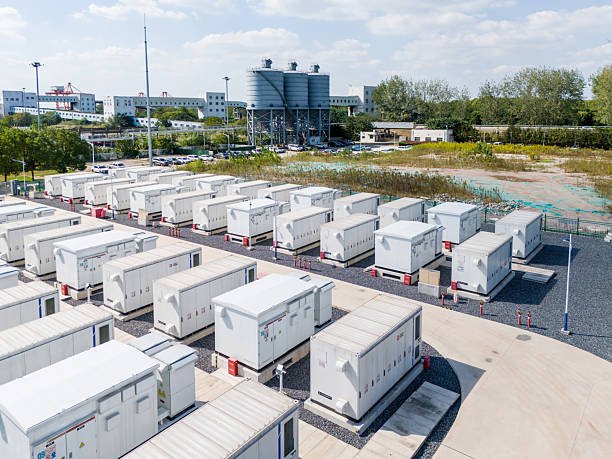
Jupiter Wagons Limited (JWL), through its energy business JEM Energy, has won a 41 MW/102.5 MWh standalone Battery Energy Storage System (BESS) project from Uttarakhand Power Corporation Limited (UPCL), in partnership with Madhav Infra Projects Limited. The partnership emerged as the L1 bidder for Cluster C of UPCL’s tender, which was conducted under the Tariff-Based Competitive Bidding (TBCB) mechanism. The projects envisage supply and commissioning of approximately INR 100 crore of BESS system.
JWL has also received the formal Letter of Award (LoA) from West Bengal State Electricity Distribution Company Limited (WBSEDCL) for the 50 MW/200 MWh standalone BESS project at the Jeerat 132 kV substation in North 24 Parganas, West Bengal. The project was secured in August 2026.
These developments follow the Union Cabinet’s approval of Green Energy Corridor Phase-III, which was welcomed by Prime Minister Shri Narendra Modi. The scheme provides for 50 GWh of battery energy storage alongside stronger intra-state transmission networks. Substation-level storage of the kind being deployed in Uttarakhand and West Bengal is central to this framework, and JEM Energy is building its utility-scale portfolio in line with it.
Speaking on the development, Mr. Vivek Lohia, Managing Director, Jupiter Wagons Limited, said, “Winning the Uttarakhand project and receiving the formal award for Jeerat are important steps in building JEM Energy into a scalable energy storage business. With the approval of Green Energy Corridor Phase-III, battery storage is now firmly part of how India will plan and strengthen its grid, and substation-level projects such as these are where that work begins. We reiterate our target of building a BESS order book of approximately INR 1,000 crore by FY27. As the business scales, we expect Jupiter Electric Mobility (JEM) to turn EBITDA positive in Q3 FY27 and to turn profitable by FY28. We will continue to bid with discipline for utility-scale and Commercial & Industrial (C&I) opportunities across India.”
The Uttarakhand win takes JEM Energy’s presence into a new state. It also strengthens JWL’s position in the energy transition ecosystem, in line with the Company’s strategy of expanding into high-growth businesses beyond its traditional railway and mobility operations.
Blog
-
Jupiter Wagons Wins 41 MW/102.5 MWh BESS Project in Uttarakhand
-
Jupiter Wagons Wins 41 MW/102.5 MWh BESS Project in Uttarakhand
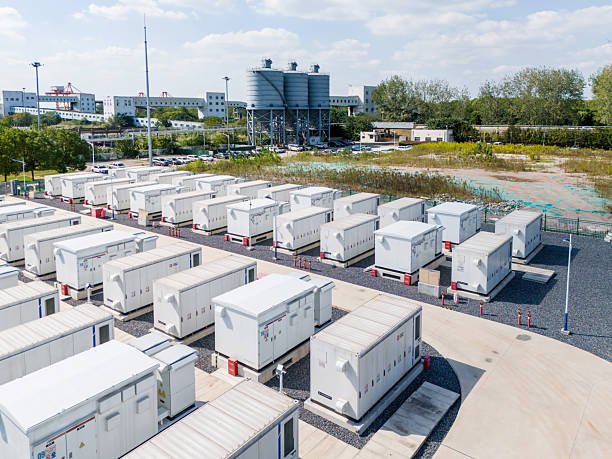
Jupiter Wagons Limited (JWL), through its energy business JEM Energy, has won a 41 MW/102.5 MWh standalone Battery Energy Storage System (BESS) project from Uttarakhand Power Corporation Limited (UPCL), in partnership with Madhav Infra Projects Limited. The partnership emerged as the L1 bidder for Cluster C of UPCL’s tender, which was conducted under the Tariff-Based Competitive Bidding (TBCB) mechanism. The projects envisage supply and commissioning of approximately INR 100 crore of BESS system.
JWL has also received the formal Letter of Award (LoA) from West Bengal State Electricity Distribution Company Limited (WBSEDCL) for the 50 MW/200 MWh standalone BESS project at the Jeerat 132 kV substation in North 24 Parganas, West Bengal. The project was secured in August 2026.
These developments follow the Union Cabinet’s approval of Green Energy Corridor Phase-III, which was welcomed by Prime Minister Shri Narendra Modi. The scheme provides for 50 GWh of battery energy storage alongside stronger intra-state transmission networks. Substation-level storage of the kind being deployed in Uttarakhand and West Bengal is central to this framework, and JEM Energy is building its utility-scale portfolio in line with it.
Speaking on the development, Mr. Vivek Lohia, Managing Director, Jupiter Wagons Limited, said, “Winning the Uttarakhand project and receiving the formal award for Jeerat are important steps in building JEM Energy into a scalable energy storage business. With the approval of Green Energy Corridor Phase-III, battery storage is now firmly part of how India will plan and strengthen its grid, and substation-level projects such as these are where that work begins. We reiterate our target of building a BESS order book of approximately INR 1,000 crore by FY27. As the business scales, we expect Jupiter Electric Mobility (JEM) to turn EBITDA positive in Q3 FY27 and to turn profitable by FY28. We will continue to bid with discipline for utility-scale and Commercial & Industrial (C&I) opportunities across India.”
The Uttarakhand win takes JEM Energy’s presence into a new state. It also strengthens JWL’s position in the energy transition ecosystem, in line with the Company’s strategy of expanding into high-growth businesses beyond its traditional railway and mobility operations. -
Jupiter Wagons Wins 41 MW/102.5 MWh BESS Project in Uttarakhand
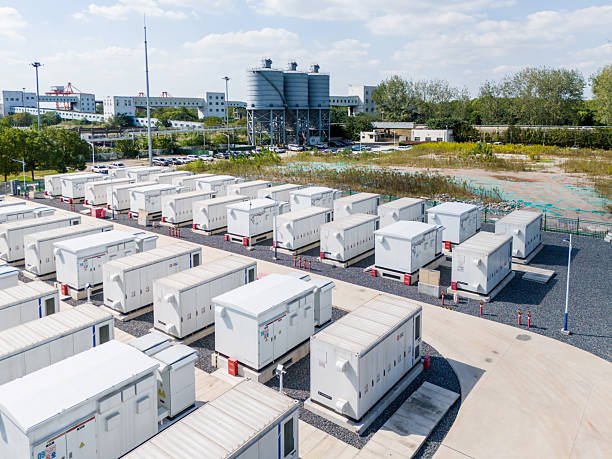
Jupiter Wagons Limited (JWL), through its energy business JEM Energy, has won a 41 MW/102.5 MWh standalone Battery Energy Storage System (BESS) project from Uttarakhand Power Corporation Limited (UPCL), in partnership with Madhav Infra Projects Limited. The partnership emerged as the L1 bidder for Cluster C of UPCL’s tender, which was conducted under the Tariff-Based Competitive Bidding (TBCB) mechanism. The projects envisage supply and commissioning of approximately INR 100 crore of BESS system.
JWL has also received the formal Letter of Award (LoA) from West Bengal State Electricity Distribution Company Limited (WBSEDCL) for the 50 MW/200 MWh standalone BESS project at the Jeerat 132 kV substation in North 24 Parganas, West Bengal. The project was secured in August 2026.
These developments follow the Union Cabinet’s approval of Green Energy Corridor Phase-III, which was welcomed by Prime Minister Shri Narendra Modi. The scheme provides for 50 GWh of battery energy storage alongside stronger intra-state transmission networks. Substation-level storage of the kind being deployed in Uttarakhand and West Bengal is central to this framework, and JEM Energy is building its utility-scale portfolio in line with it.
Speaking on the development, Mr. Vivek Lohia, Managing Director, Jupiter Wagons Limited, said, “Winning the Uttarakhand project and receiving the formal award for Jeerat are important steps in building JEM Energy into a scalable energy storage business. With the approval of Green Energy Corridor Phase-III, battery storage is now firmly part of how India will plan and strengthen its grid, and substation-level projects such as these are where that work begins. We reiterate our target of building a BESS order book of approximately INR 1,000 crore by FY27. As the business scales, we expect Jupiter Electric Mobility (JEM) to turn EBITDA positive in Q3 FY27 and to turn profitable by FY28. We will continue to bid with discipline for utility-scale and Commercial & Industrial (C&I) opportunities across India.”
The Uttarakhand win takes JEM Energy’s presence into a new state. It also strengthens JWL’s position in the energy transition ecosystem, in line with the Company’s strategy of expanding into high-growth businesses beyond its traditional railway and mobility operations. -
Jupiter Wagons Wins 41 MW/102.5 MWh BESS Project in Uttarakhand
Jupiter Wagons Limited (JWL), through its energy business JEM Energy, has won a 41 MW/102.5 MWh standalone Battery Energy Storage System (BESS) project from Uttarakhand Power Corporation Limited (UPCL), in partnership with Madhav Infra Projects Limited. The partnership emerged as the L1 bidder for Cluster C of UPCL’s tender, which was conducted under the Tariff-Based Competitive Bidding (TBCB) mechanism. The projects envisage supply and commissioning of approximately INR 100 crore of BESS system.
JWL has also received the formal Letter of Award (LoA) from West Bengal State Electricity Distribution Company Limited (WBSEDCL) for the 50 MW/200 MWh standalone BESS project at the Jeerat 132 kV substation in North 24 Parganas, West Bengal. The project was secured in August 2026.
These developments follow the Union Cabinet’s approval of Green Energy Corridor Phase-III, which was welcomed by Prime Minister Shri Narendra Modi. The scheme provides for 50 GWh of battery energy storage alongside stronger intra-state transmission networks. Substation-level storage of the kind being deployed in Uttarakhand and West Bengal is central to this framework, and JEM Energy is building its utility-scale portfolio in line with it.
Speaking on the development, Mr. Vivek Lohia, Managing Director, Jupiter Wagons Limited, said, “Winning the Uttarakhand project and receiving the formal award for Jeerat are important steps in building JEM Energy into a scalable energy storage business. With the approval of Green Energy Corridor Phase-III, battery storage is now firmly part of how India will plan and strengthen its grid, and substation-level projects such as these are where that work begins. We reiterate our target of building a BESS order book of approximately INR 1,000 crore by FY27. As the business scales, we expect Jupiter Electric Mobility (JEM) to turn EBITDA positive in Q3 FY27 and to turn profitable by FY28. We will continue to bid with discipline for utility-scale and Commercial & Industrial (C&I) opportunities across India.”
The Uttarakhand win takes JEM Energy’s presence into a new state. It also strengthens JWL’s position in the energy transition ecosystem, in line with the Company’s strategy of expanding into high-growth businesses beyond its traditional railway and mobility operations. -
Euler Motors Rises to No. 2 as 4W EV Cargo Growth Hits 161 Percent YoY
Euler Motors, an electric commercial vehicle manufacturer, has marked one year of its Turbo EV 1000 and a year in which it became the second-largest electric player in India’s four-wheeler cargo (4W LCV) segment.
On the back of its two four-wheeler products, the Euler Storm EV and the Euler Turbo EV 1000, its share of the segment has risen from under 2 percent to close to 25 percent, as electric penetration in the segment rose from nearly 1 percent to about 5 percent. Euler sold around ~6500 units in the period, scaling from roughly 50 vehicles a month in early 2025 to close to 1,000 a month by September 2026.
The Storm EV, a four-wheeler with ADAS, and the Turbo EV 1000, a one-tonne electric truck together gave operators an electric option at parity with a comparable diesel truck on price and lower on running cost. The segment had stayed on diesel largely because electric options cost 30 to 40 percent more upfront for the same work. Pricing and performance to close that gap is what moved demand.
Euler leads in Delhi, with close to 50 percent of the electric four-wheeler cargo market, and the shift now extends to other states where electrification has ramped up in the category. Its market share has reached about 25 percent in Maharashtra, where penetration is 8.7 percent, and about 32 percent in Rajasthan, where penetration has crossed 11 percent. Growth is increasingly coming from smaller cities tier 2 and tier 3 cities like Sikar (Rajasthan); Solapur, Satara, Sangli (Maharashtra); Tiruppur, Salem, Tiruchirappalli (Tamil Nadu). In cities such as Sikar, Euler’s dealer reached 40 units a month within three months of opening, led by dairy/milk segments, gas cylinders, FMCGs and water fleets.Saurav Kumar, Founder and CEO, Euler Motors, said, “The four-wheeler cargo segment ran on diesel for years, not because operators wanted it, but because no electric vehicle matched it on the right combination of performance and affordability. We spent four years on this, the first two in research, development and validation before we put a vehicle on the road, because we wanted to get the product right rather than first. The segment has since moved from nearly 1 percent electric to 5 percent, and the operators who come back for a second and third vehicle are the proof. What started in Delhi is now showing up in Rajasthan, Maharashtra, Tamil Nadu, especially the Tier 2 and Tier 3 smaller towns.”
Euler has scaled capacity to meet demand. Its four-wheeler facility at Palwal, Haryana, backed by INR 100 crore, can produce up to 24,000 vehicles a year, and the company has set up a new research and development unit and is evaluating a further facility. With the segment still early in its shift to electric, Euler expects penetration to reach 15 to 20 percent in the near term. -
Euler Motors Rises to No. 2 as 4W EV Cargo Growth Hits 161 Percent YoY
Euler Motors, an electric commercial vehicle manufacturer, has marked one year of its Turbo EV 1000 and a year in which it became the second-largest electric player in India’s four-wheeler cargo (4W LCV) segment.
On the back of its two four-wheeler products, the Euler Storm EV and the Euler Turbo EV 1000, its share of the segment has risen from under 2 percent to close to 25 percent, as electric penetration in the segment rose from nearly 1 percent to about 5 percent. Euler sold around ~6500 units in the period, scaling from roughly 50 vehicles a month in early 2025 to close to 1,000 a month by September 2026.
The Storm EV, a four-wheeler with ADAS, and the Turbo EV 1000, a one-tonne electric truck together gave operators an electric option at parity with a comparable diesel truck on price and lower on running cost. The segment had stayed on diesel largely because electric options cost 30 to 40 percent more upfront for the same work. Pricing and performance to close that gap is what moved demand.
Euler leads in Delhi, with close to 50 percent of the electric four-wheeler cargo market, and the shift now extends to other states where electrification has ramped up in the category. Its market share has reached about 25 percent in Maharashtra, where penetration is 8.7 percent, and about 32 percent in Rajasthan, where penetration has crossed 11 percent. Growth is increasingly coming from smaller cities tier 2 and tier 3 cities like Sikar (Rajasthan); Solapur, Satara, Sangli (Maharashtra); Tiruppur, Salem, Tiruchirappalli (Tamil Nadu). In cities such as Sikar, Euler’s dealer reached 40 units a month within three months of opening, led by dairy/milk segments, gas cylinders, FMCGs and water fleets.Saurav Kumar, Founder and CEO, Euler Motors, said, “The four-wheeler cargo segment ran on diesel for years, not because operators wanted it, but because no electric vehicle matched it on the right combination of performance and affordability. We spent four years on this, the first two in research, development and validation before we put a vehicle on the road, because we wanted to get the product right rather than first. The segment has since moved from nearly 1 percent electric to 5 percent, and the operators who come back for a second and third vehicle are the proof. What started in Delhi is now showing up in Rajasthan, Maharashtra, Tamil Nadu, especially the Tier 2 and Tier 3 smaller towns.”
Euler has scaled capacity to meet demand. Its four-wheeler facility at Palwal, Haryana, backed by INR 100 crore, can produce up to 24,000 vehicles a year, and the company has set up a new research and development unit and is evaluating a further facility. With the segment still early in its shift to electric, Euler expects penetration to reach 15 to 20 percent in the near term. -
Euler Motors Rises to No. 2 as 4W EV Cargo Growth Hits 161 Percent YoY
Euler Motors, an electric commercial vehicle manufacturer, has marked one year of its Turbo EV 1000 and a year in which it became the second-largest electric player in India’s four-wheeler cargo (4W LCV) segment.
On the back of its two four-wheeler products, the Euler Storm EV and the Euler Turbo EV 1000, its share of the segment has risen from under 2 percent to close to 25 percent, as electric penetration in the segment rose from nearly 1 percent to about 5 percent. Euler sold around ~6500 units in the period, scaling from roughly 50 vehicles a month in early 2025 to close to 1,000 a month by September 2026.
The Storm EV, a four-wheeler with ADAS, and the Turbo EV 1000, a one-tonne electric truck together gave operators an electric option at parity with a comparable diesel truck on price and lower on running cost. The segment had stayed on diesel largely because electric options cost 30 to 40 percent more upfront for the same work. Pricing and performance to close that gap is what moved demand.
Euler leads in Delhi, with close to 50 percent of the electric four-wheeler cargo market, and the shift now extends to other states where electrification has ramped up in the category. Its market share has reached about 25 percent in Maharashtra, where penetration is 8.7 percent, and about 32 percent in Rajasthan, where penetration has crossed 11 percent. Growth is increasingly coming from smaller cities tier 2 and tier 3 cities like Sikar (Rajasthan); Solapur, Satara, Sangli (Maharashtra); Tiruppur, Salem, Tiruchirappalli (Tamil Nadu). In cities such as Sikar, Euler’s dealer reached 40 units a month within three months of opening, led by dairy/milk segments, gas cylinders, FMCGs and water fleets.Saurav Kumar, Founder and CEO, Euler Motors, said, “The four-wheeler cargo segment ran on diesel for years, not because operators wanted it, but because no electric vehicle matched it on the right combination of performance and affordability. We spent four years on this, the first two in research, development and validation before we put a vehicle on the road, because we wanted to get the product right rather than first. The segment has since moved from nearly 1 percent electric to 5 percent, and the operators who come back for a second and third vehicle are the proof. What started in Delhi is now showing up in Rajasthan, Maharashtra, Tamil Nadu, especially the Tier 2 and Tier 3 smaller towns.”
Euler has scaled capacity to meet demand. Its four-wheeler facility at Palwal, Haryana, backed by INR 100 crore, can produce up to 24,000 vehicles a year, and the company has set up a new research and development unit and is evaluating a further facility. With the segment still early in its shift to electric, Euler expects penetration to reach 15 to 20 percent in the near term. -
Euler Motors Rises to No. 2 as 4W EV Cargo Growth Hits 161 Percent YoY
Euler Motors, an electric commercial vehicle manufacturer, has marked one year of its Turbo EV 1000 and a year in which it became the second-largest electric player in India’s four-wheeler cargo (4W LCV) segment.
On the back of its two four-wheeler products, the Euler Storm EV and the Euler Turbo EV 1000, its share of the segment has risen from under 2 percent to close to 25 percent, as electric penetration in the segment rose from nearly 1 percent to about 5 percent. Euler sold around ~6500 units in the period, scaling from roughly 50 vehicles a month in early 2025 to close to 1,000 a month by September 2026.
The Storm EV, a four-wheeler with ADAS, and the Turbo EV 1000, a one-tonne electric truck together gave operators an electric option at parity with a comparable diesel truck on price and lower on running cost. The segment had stayed on diesel largely because electric options cost 30 to 40 percent more upfront for the same work. Pricing and performance to close that gap is what moved demand.
Euler leads in Delhi, with close to 50 percent of the electric four-wheeler cargo market, and the shift now extends to other states where electrification has ramped up in the category. Its market share has reached about 25 percent in Maharashtra, where penetration is 8.7 percent, and about 32 percent in Rajasthan, where penetration has crossed 11 percent. Growth is increasingly coming from smaller cities tier 2 and tier 3 cities like Sikar (Rajasthan); Solapur, Satara, Sangli (Maharashtra); Tiruppur, Salem, Tiruchirappalli (Tamil Nadu). In cities such as Sikar, Euler’s dealer reached 40 units a month within three months of opening, led by dairy/milk segments, gas cylinders, FMCGs and water fleets.Saurav Kumar, Founder and CEO, Euler Motors, said, “The four-wheeler cargo segment ran on diesel for years, not because operators wanted it, but because no electric vehicle matched it on the right combination of performance and affordability. We spent four years on this, the first two in research, development and validation before we put a vehicle on the road, because we wanted to get the product right rather than first. The segment has since moved from nearly 1 percent electric to 5 percent, and the operators who come back for a second and third vehicle are the proof. What started in Delhi is now showing up in Rajasthan, Maharashtra, Tamil Nadu, especially the Tier 2 and Tier 3 smaller towns.”
Euler has scaled capacity to meet demand. Its four-wheeler facility at Palwal, Haryana, backed by INR 100 crore, can produce up to 24,000 vehicles a year, and the company has set up a new research and development unit and is evaluating a further facility. With the segment still early in its shift to electric, Euler expects penetration to reach 15 to 20 percent in the near term. -

Serentica Partners with Vardhman Textiles for 80 MW Hybrid Renewable Energy Project
Serentica Renewables has partnered with Vardhman Textiles to develop an 80 MW hybrid renewable energy project aimed at supporting the textile manufacturer’s decarbonisation and clean power requirements.
The project will combine 40 MW of wind capacity in Gadag, Karnataka, with 40 MW of solar capacity in Fatehgarh, Rajasthan. The hybrid configuration is expected to deliver a capacity utilisation factor (CUF) of approximately 75%, enabling a more consistent supply of renewable electricity.
According to the companies, the project is expected to generate around 177 million units of renewable power annually for Vardhman Textiles’ facilities in Himachal Pradesh. The power is projected to meet approximately 56% of the electricity requirements of Vardhman Textiles’ Baddi complex.
The partnership reflects the growing adoption of hybrid renewable energy solutions by energy-intensive industries seeking to reduce their dependence on conventional power while maintaining reliable electricity supply.
Commenting on the partnership, Shilpy D., Chief Business Officer, Serentica Renewables, said that industrial decarbonisation increasingly depends on reliable, high-CUF clean power capable of meeting the round-the-clock requirements of energy-intensive operations.
The project combines wind and solar generation across two states to provide a more reliable renewable power profile for Vardhman Textiles’ manufacturing operations. It also highlights the role of hybrid renewable projects in enabling large industrial consumers to pursue their decarbonisation goals at scale.
-

Serentica Partners with Vardhman Textiles for 80 MW Hybrid Renewable Energy Project
Serentica Renewables has partnered with Vardhman Textiles to develop an 80 MW hybrid renewable energy project aimed at supporting the textile manufacturer’s decarbonisation and clean power requirements.
The project will combine 40 MW of wind capacity in Gadag, Karnataka, with 40 MW of solar capacity in Fatehgarh, Rajasthan. The hybrid configuration is expected to deliver a capacity utilisation factor (CUF) of approximately 75%, enabling a more consistent supply of renewable electricity.
According to the companies, the project is expected to generate around 177 million units of renewable power annually for Vardhman Textiles’ facilities in Himachal Pradesh. The power is projected to meet approximately 56% of the electricity requirements of Vardhman Textiles’ Baddi complex.
The partnership reflects the growing adoption of hybrid renewable energy solutions by energy-intensive industries seeking to reduce their dependence on conventional power while maintaining reliable electricity supply.
Commenting on the partnership, Shilpy D., Chief Business Officer, Serentica Renewables, said that industrial decarbonisation increasingly depends on reliable, high-CUF clean power capable of meeting the round-the-clock requirements of energy-intensive operations.
The project combines wind and solar generation across two states to provide a more reliable renewable power profile for Vardhman Textiles’ manufacturing operations. It also highlights the role of hybrid renewable projects in enabling large industrial consumers to pursue their decarbonisation goals at scale.