Blog

  • Bondada Engineering Signs MoU with Maharashtra Government for Renewable Energy Projects

    Bondada Engineering Signs MoU with Maharashtra Government for Renewable Energy Projects

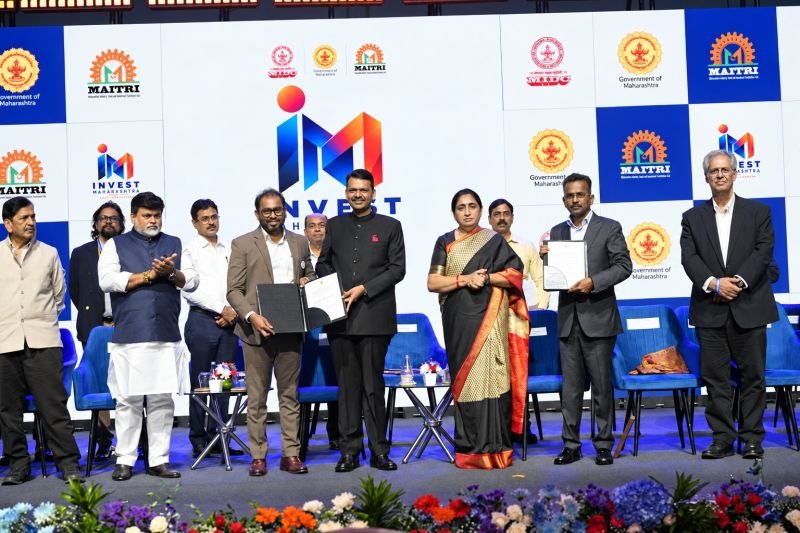
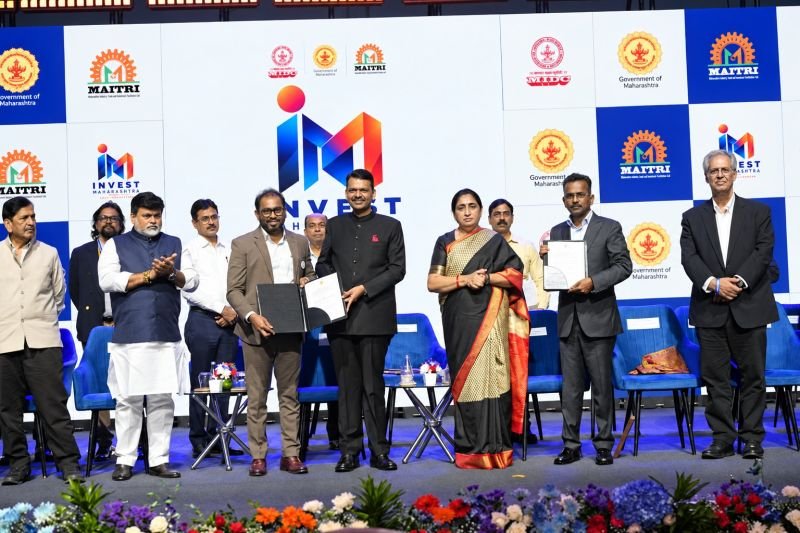
    Bondada Engineering Limited has exchanged a Memorandum of Understanding (MoU) with the Government of Maharashtra for the development of renewable energy projects in the state under the Invest Maharashtra initiative.

    The MoU was exchanged in the presence of Maharashtra Chief Minister Devendra Fadnavis and Dr. Bondada Raghavendra Rao, Chairman and Managing Director, Bondada Engineering.

    Under the proposed collaboration, Bondada Engineering plans to develop renewable energy projects with a capacity of up to 1 GW in Maharashtra. The initiative is also expected to have the potential to create around 800 direct employment opportunities.

    The proposed investment will focus on strengthening renewable energy infrastructure in Maharashtra and supporting the state’s clean energy development. The initiative aligns with Maharashtra’s broader efforts to attract investments across renewable energy, clean technology and other emerging sectors.

    The company said the MoU reflects Bondada Group’s commitment to supporting Maharashtra’s economic growth through clean energy infrastructure, sustainable investment and employment generation.

    The collaboration also adds to Bondada Engineering’s growing renewable energy portfolio. The company has been expanding its presence in solar EPC and renewable energy projects across India, with its Solar EPC business covering project design, engineering, procurement, construction and commissioning.

    Through the Invest Maharashtra initiative, the state government is seeking to facilitate investments by coordinating requirements related to land, power, infrastructure, approvals and skilled manpower. The initiative includes proposed investments across sectors such as renewable energy, semiconductors, data centres, advanced manufacturing and other industries.

    The proposed 1 GW renewable energy development by Bondada Engineering is expected to contribute to Maharashtra’s clean energy capacity while creating opportunities for employment and supporting the state’s transition towards a more sustainable energy ecosystem.

  • Bondada Engineering Signs MoU with Maharashtra Government for Renewable Energy Projects

    Bondada Engineering Signs MoU with Maharashtra Government for Renewable Energy Projects

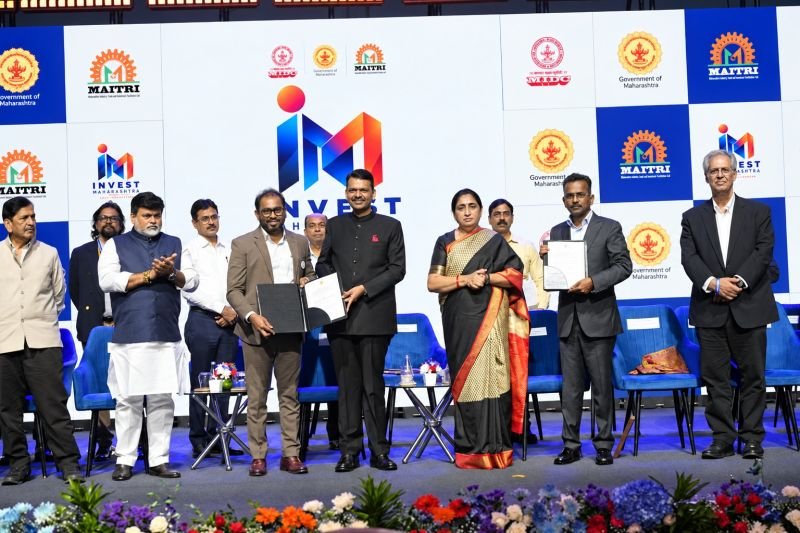
    Bondada Engineering Limited has exchanged a Memorandum of Understanding (MoU) with the Government of Maharashtra for the development of renewable energy projects in the state under the Invest Maharashtra initiative.

    The MoU was exchanged in the presence of Maharashtra Chief Minister Devendra Fadnavis and Dr. Bondada Raghavendra Rao, Chairman and Managing Director, Bondada Engineering.

    Under the proposed collaboration, Bondada Engineering plans to develop renewable energy projects with a capacity of up to 1 GW in Maharashtra. The initiative is also expected to have the potential to create around 800 direct employment opportunities.

    The proposed investment will focus on strengthening renewable energy infrastructure in Maharashtra and supporting the state’s clean energy development. The initiative aligns with Maharashtra’s broader efforts to attract investments across renewable energy, clean technology and other emerging sectors.

    The company said the MoU reflects Bondada Group’s commitment to supporting Maharashtra’s economic growth through clean energy infrastructure, sustainable investment and employment generation.

    The collaboration also adds to Bondada Engineering’s growing renewable energy portfolio. The company has been expanding its presence in solar EPC and renewable energy projects across India, with its Solar EPC business covering project design, engineering, procurement, construction and commissioning.

    Through the Invest Maharashtra initiative, the state government is seeking to facilitate investments by coordinating requirements related to land, power, infrastructure, approvals and skilled manpower. The initiative includes proposed investments across sectors such as renewable energy, semiconductors, data centres, advanced manufacturing and other industries.

    The proposed 1 GW renewable energy development by Bondada Engineering is expected to contribute to Maharashtra’s clean energy capacity while creating opportunities for employment and supporting the state’s transition towards a more sustainable energy ecosystem.

  • Bondada Engineering Signs MoU with Maharashtra Government for Renewable Energy Projects

    Bondada Engineering Signs MoU with Maharashtra Government for Renewable Energy Projects

    Bondada Engineering Limited has exchanged a Memorandum of Understanding (MoU) with the Government of Maharashtra for the development of renewable energy projects in the state under the Invest Maharashtra initiative.

    The MoU was exchanged in the presence of Maharashtra Chief Minister Devendra Fadnavis and Dr. Bondada Raghavendra Rao, Chairman and Managing Director, Bondada Engineering.

    Under the proposed collaboration, Bondada Engineering plans to develop renewable energy projects with a capacity of up to 1 GW in Maharashtra. The initiative is also expected to have the potential to create around 800 direct employment opportunities.

    The proposed investment will focus on strengthening renewable energy infrastructure in Maharashtra and supporting the state’s clean energy development. The initiative aligns with Maharashtra’s broader efforts to attract investments across renewable energy, clean technology and other emerging sectors.

    The company said the MoU reflects Bondada Group’s commitment to supporting Maharashtra’s economic growth through clean energy infrastructure, sustainable investment and employment generation.

    The collaboration also adds to Bondada Engineering’s growing renewable energy portfolio. The company has been expanding its presence in solar EPC and renewable energy projects across India, with its Solar EPC business covering project design, engineering, procurement, construction and commissioning.

    Through the Invest Maharashtra initiative, the state government is seeking to facilitate investments by coordinating requirements related to land, power, infrastructure, approvals and skilled manpower. The initiative includes proposed investments across sectors such as renewable energy, semiconductors, data centres, advanced manufacturing and other industries.

    The proposed 1 GW renewable energy development by Bondada Engineering is expected to contribute to Maharashtra’s clean energy capacity while creating opportunities for employment and supporting the state’s transition towards a more sustainable energy ecosystem.

  • Bondada Engineering Signs MoU with Maharashtra Government for Renewable Energy Projects

    Bondada Engineering Signs MoU with Maharashtra Government for Renewable Energy Projects

    Bondada Engineering Limited has exchanged a Memorandum of Understanding (MoU) with the Government of Maharashtra for the development of renewable energy projects in the state under the Invest Maharashtra initiative.

    The MoU was exchanged in the presence of Maharashtra Chief Minister Devendra Fadnavis and Dr. Bondada Raghavendra Rao, Chairman and Managing Director, Bondada Engineering.

    Under the proposed collaboration, Bondada Engineering plans to develop renewable energy projects with a capacity of up to 1 GW in Maharashtra. The initiative is also expected to have the potential to create around 800 direct employment opportunities.

    The proposed investment will focus on strengthening renewable energy infrastructure in Maharashtra and supporting the state’s clean energy development. The initiative aligns with Maharashtra’s broader efforts to attract investments across renewable energy, clean technology and other emerging sectors.

    The company said the MoU reflects Bondada Group’s commitment to supporting Maharashtra’s economic growth through clean energy infrastructure, sustainable investment and employment generation.

    The collaboration also adds to Bondada Engineering’s growing renewable energy portfolio. The company has been expanding its presence in solar EPC and renewable energy projects across India, with its Solar EPC business covering project design, engineering, procurement, construction and commissioning.

    Through the Invest Maharashtra initiative, the state government is seeking to facilitate investments by coordinating requirements related to land, power, infrastructure, approvals and skilled manpower. The initiative includes proposed investments across sectors such as renewable energy, semiconductors, data centres, advanced manufacturing and other industries.

    The proposed 1 GW renewable energy development by Bondada Engineering is expected to contribute to Maharashtra’s clean energy capacity while creating opportunities for employment and supporting the state’s transition towards a more sustainable energy ecosystem.

  • Bondada Engineering Signs MoU with Maharashtra Government for Renewable Energy Projects

    Bondada Engineering Limited has exchanged a Memorandum of Understanding (MoU) with the Government of Maharashtra for the development of renewable energy projects in the state under the Invest Maharashtra initiative.

    The MoU was exchanged in the presence of Maharashtra Chief Minister Devendra Fadnavis and Dr. Bondada Raghavendra Rao, Chairman and Managing Director, Bondada Engineering.

    Under the proposed collaboration, Bondada Engineering plans to develop renewable energy projects with a capacity of up to 1 GW in Maharashtra. The initiative is also expected to have the potential to create around 800 direct employment opportunities.

    The proposed investment will focus on strengthening renewable energy infrastructure in Maharashtra and supporting the state’s clean energy development. The initiative aligns with Maharashtra’s broader efforts to attract investments across renewable energy, clean technology and other emerging sectors.

    The company said the MoU reflects Bondada Group’s commitment to supporting Maharashtra’s economic growth through clean energy infrastructure, sustainable investment and employment generation.

    The collaboration also adds to Bondada Engineering’s growing renewable energy portfolio. The company has been expanding its presence in solar EPC and renewable energy projects across India, with its Solar EPC business covering project design, engineering, procurement, construction and commissioning.

    Through the Invest Maharashtra initiative, the state government is seeking to facilitate investments by coordinating requirements related to land, power, infrastructure, approvals and skilled manpower. The initiative includes proposed investments across sectors such as renewable energy, semiconductors, data centres, advanced manufacturing and other industries.

    The proposed 1 GW renewable energy development by Bondada Engineering is expected to contribute to Maharashtra’s clean energy capacity while creating opportunities for employment and supporting the state’s transition towards a more sustainable energy ecosystem.

  • Mr. Mohammad Asif Patel, AVP – Sales & Marketing, DhaSh Green Energy Pvt. Ltd.   

    “Our immediate priority is to deepen our presence across critical PV components. We are already expanding beyond junction boxes into PV connectors, solar cables, PV ribbon and busbar, and composite solar frames. We intend to continue identifying component categories where technology, quality and domestic manufacturing capability can create meaningful value for the industry.” 

    1. Dhash has built a significant manufacturing footprint with a stated 63 GW manufacturing capacity. What have been the key milestones in achieving this scale, and how is the company ensuring that capacity expansion is matched by quality, reliability and technological advancement?

    Dhash’s journey has been built around a clear objective: to create a strong, technology-driven domestic manufacturing ecosystem for critical solar PV components.

    Since our inception in 2017, we have progressively expanded from junction boxes into a broader portfolio of PV components, including junction boxes, PV connectors, solar cables, PV ribbon and busbar solutions, and composite solar frames. This evolution has been driven by the changing requirements of module manufacturers and by our long-term vision of reducing India’s dependence on imported solar components.

    A major milestone has been the rapid expansion of our junction box manufacturing capabilities. Our stated manufacturing capacity has grown to approximately 63 GW, reflecting the scale of infrastructure, production systems and customer requirements we are now equipped to address.

    However, capacity by itself is not meaningful unless it is supported by consistency and reliability. Our approach is therefore based on three parallel priorities: capacity, quality and technology.

    We are strengthening automation across manufacturing processes, implementing tighter process controls, improving traceability and investing in testing and validation capabilities. Our products are developed with international standards and application requirements in mind, while our manufacturing systems are designed to deliver consistency at scale.

    The next phase of our growth is not simply about producing more. It is about producing smarter. We are investing in automation, advanced materials, process engineering and product development so that every increase in capacity also increases our ability to deliver reliable, repeatable and technologically relevant products.

    2. The company has expanded its product portfolio with Solar Ribbon and Busbar solutions. What performance improvements do these technologies offer to module manufacturers, particularly in terms of efficiency, reliability and long-term module performance?

    The introduction of Dhash LYNC, our PV Interconnect Ribbon and Busbar platform, represents an important step in our transition from being primarily a junction-box manufacturer to becoming a broader solar-component technology company.

    Ribbon and busbar are critical electrical interconnection components within a PV module. Their electrical and mechanical characteristics directly influence current transmission, interconnection reliability and the overall design flexibility available to module manufacturers.

    With the industry’s movement towards TOPCon, HJT and other high-efficiency cell technologies, the interconnection system needs to evolve alongside the cell architecture.

    Our focus with LYNC is therefore on developing products with controlled dimensional accuracy, consistent material properties and reliable electrical performance. These characteristics can help module manufacturers optimise interconnection designs while maintaining consistency during high-volume module production.

    Another important consideration is reliability over the operating life of the module. PV modules are expected to operate for decades and are exposed to thermal cycling, humidity, UV radiation and mechanical stresses. The ribbon and busbar system must therefore maintain stable electrical and mechanical characteristics throughout these conditions.

    For Dhash, the objective is not simply to manufacture ribbon and busbar as commodity products. We are building the capability to develop application-oriented interconnection solutions that can evolve with next-generation module technologies and help manufacturers achieve the required combination of efficiency, reliability and manufacturability.

    3. Dhash has also introduced corrosion-resistant Composite Solar Frames. What industry challenges led to the development of this solution, and how can composite frames improve module durability in challenging climatic and environmental conditions?

    Solar modules are increasingly being deployed in corrosive environments where conventional materials face significant long-term challenges. Coastal installations, high-humidity regions, industrial environments and areas exposed to aggressive atmospheric conditions can accelerate corrosion and material degradation.

    This creates a need for module-frame technologies that provide durability while also addressing weight, installation and long-term environmental performance.

    Our Composite Solar Frame solution has been developed in response to these requirements. The objective is to provide a corrosion-resistant alternative for applications where environmental exposure is a significant consideration.

    Composite materials can offer inherent resistance to corrosion and can provide a favourable strength-to-weight ratio. This becomes particularly relevant for large-format modules, where frame design has to balance structural requirements with overall module weight and installation considerations.

    The value proposition is ultimately about long-term module durability. A module is a 25-year-plus infrastructure asset, and the frame is an important part of its mechanical integrity. A frame that can better withstand corrosive and challenging environmental conditions can contribute to maintaining structural performance over the module’s operating life.

    We see composite frames as an important part of the next generation of PV module architecture, particularly as the industry looks beyond conventional aluminium-based approaches and evaluates materials based on total lifecycle performance.

    4. With the solar industry moving towards larger-format, higher-efficiency modules, how is Dhash adapting its junction box, connector, ribbon, busbar and frame technologies to meet the changing requirements of next-generation PV modules?

    The PV module industry is undergoing a fundamental technology transition. Modules are becoming larger, cell technologies are becoming more efficient, operating currents are increasing and manufacturers are continuously looking for ways to reduce losses while improving reliability.

    Dhash is adapting across the entire component ecosystem rather than treating each product category independently.

    In junction boxes, we are developing higher-current and higher-voltage solutions. Our TRIO Pro 35A platform, for example, has been developed around the increasing current requirements of modern high-power modules and is designed for technologies including HJT and TOPCon. We have also developed 2000V-rated solutions to support the industry’s increasing system-voltage requirements.

    In connectors, the focus is on reliable electrical contact, mechanical integrity and compatibility with higher-voltage applications, which also comes with high current carrying (up to 55A with 6sq.mm cables) and high system voltage (2000V DC) application suitability.

    For PV ribbon and busbar, Dhash LYNC is being developed to support modern cell architecture and interconnection requirements, with emphasis on dimensional consistency, electrical performance and manufacturing reliability.

    For solar cables, our focus includes E-beam cross-linked insulation technology, UV and ozone resistance, flame-retardant characteristics and long-term outdoor performance.

    Our composite frame technology addresses the mechanical and environmental side of the module, particularly corrosion resistance and weight optimisation.

    The larger strategic objective is integration. As module technologies evolve, components cannot be developed in isolation. Junction boxes, connectors, interconnection ribbons, cables and frames must work together as part of a reliable module ecosystem.

    That is why Dhash is increasingly positioning itself as a solar component technology and manufacturing platform, rather than a single-product manufacturer.

    5. Dhash has highlighted deeper automation, process excellence and advanced material science as key areas of focus. How are these capabilities helping the company improve manufacturing consistency, product performance and scalability?

    For us, automation is not simply about reducing manual intervention. It is about creating a manufacturing environment in which processes become more measurable, repeatable and controllable.

    At higher production volumes, even small variations can have significant consequences. Automation helps us control critical manufacturing parameters, improve repeatability and reduce process variation. It also enables better monitoring and traceability across production.

    Process excellence is the second pillar. We continuously examine the complete manufacturing chain, from incoming materials and process parameters to testing, inspection and final dispatch. The objective is to identify potential sources of variation before they become product-quality issues.

    The third pillar is advanced material science. Solar components operate in demanding environments for decades. Material selection therefore has to consider not only immediate performance but also ageing, thermal behaviour, UV exposure, humidity, corrosion and mechanical stresses.

    This approach is particularly important as we expand into products such as PV ribbon and busbar systems, composite frames and advanced cable technologies.

    Together, automation, process engineering and material science create a scalable manufacturing model. They allow us to increase production without compromising consistency and, importantly, give our engineering teams the foundation to develop products for emerging PV technologies.

    Our objective is to move from a traditional manufacturing mindset towards a data-driven, technology-led manufacturing culture.

    6. As India strengthens its domestic solar manufacturing ecosystem and global demand for reliable PV components continues to grow, what are Dhash’s priorities for expanding its product portfolio and strengthening its global supply footprint?

    India’s solar manufacturing opportunity extends far beyond module assembly. A competitive and resilient PV ecosystem requires strong domestic capabilities across the entire component value chain.

    Dhash’s strategy is aligned with this opportunity.

    Our immediate priority is to deepen our presence across critical PV components. We are already expanding beyond junction boxes into PV connectors, solar cables, PV ribbon and busbar, and composite solar frames. We intend to continue identifying component categories where technology, quality and domestic manufacturing capability can create meaningful value for the industry.

    The second priority is technology localisation. India’s long-term competitiveness will depend not only on manufacturing capacity but also on its ability to develop and control the technologies and materials that underpin that manufacturing.

    The third priority is global scalability. We are already building an international customer and supply footprint, and our products are being developed with global application requirements in mind. Our export presence has expanded across multiple international markets, and we see significant opportunities as global module manufacturing capacity diversifies.

    Our approach to international expansion is not simply to export products. We want to establish Dhash as a dependable technology and manufacturing partner for PV manufacturers globally.

    Over the longer term, our ambition is to build a portfolio of high-quality solar components that are designed, engineered and manufactured in India for both India and the world.

    The broader objective remains consistent with our founding vision: strengthening India’s self-reliance in strategic manufacturing while building companies that can compete globally on technology, quality and scale.

    For Dhash, the next chapter is therefore about moving from scale to capability, from components to integrated solutions, and from domestic manufacturing to global relevance.
  • Servotech Marks the Beginning of a New Era at ‘Navaarambh 2026’, Celebrates Channel Partnership and Unveils Next-Generation Solar Inverters

    Servotech Marks the Beginning of a New Era at ‘Navaarambh 2026’, Celebrates Channel Partnership and Unveils Next-Generation Solar Inverters

    Servotech Renewable Power System Ltd. (NSE: SERVOTECH), India’s leading manufacturer of solar and renewable energy solutions, hosted ‘Navaarambh 2026’, a special channel partner meet and product launch event bringing together its channel partner network from across India to celebrate partnerships, recognise contributions and unveil the company’s latest innovations. Signifying a new era, Navaarambh reflected Servotech’s continued journey towards innovation, growth, and a cleaner energy future.

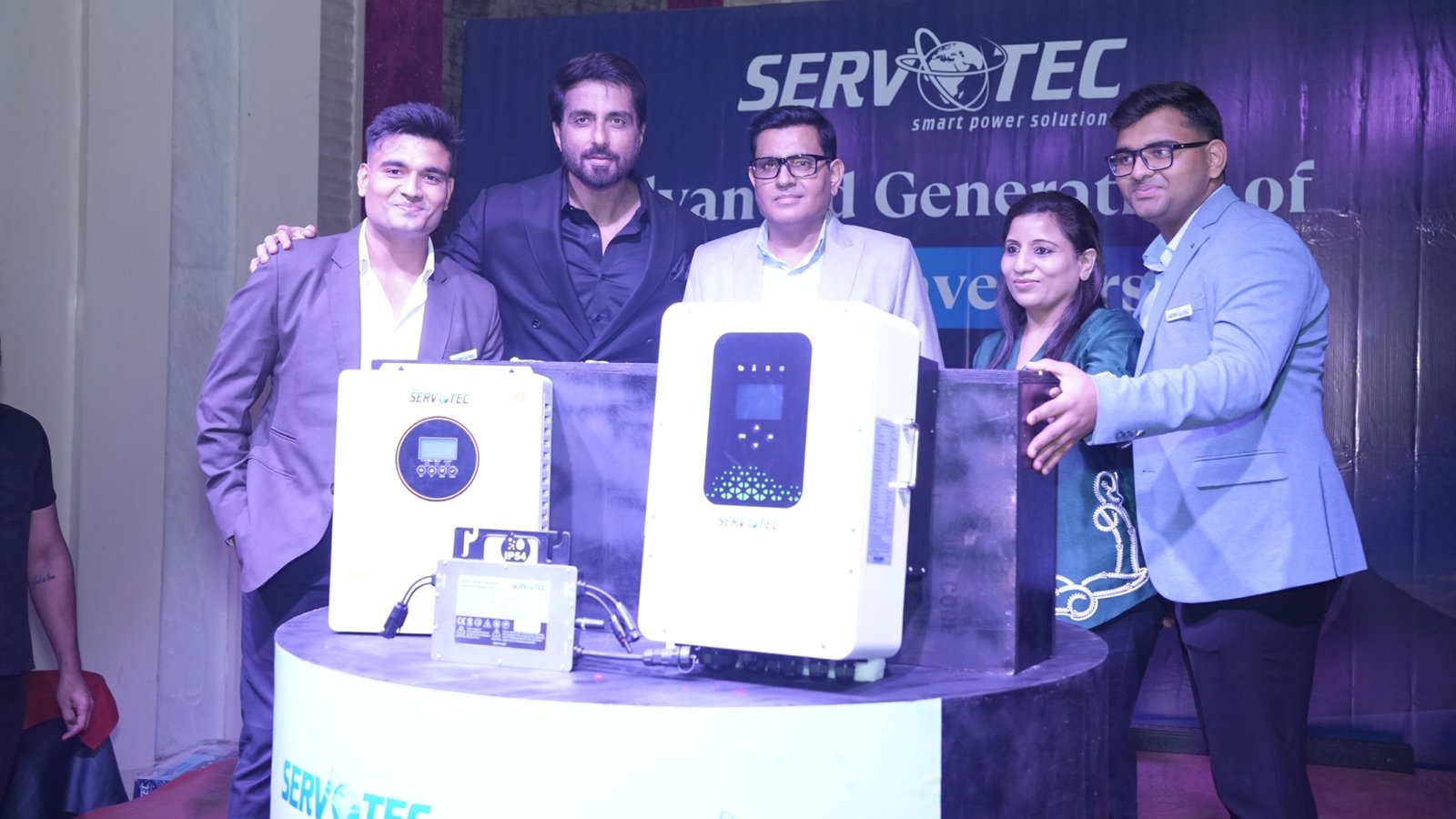
    The event witnessed the presence of Servotech’s Global Brand Ambassador Sonu Sood, alongside Raman Bhatia, Managing Director, Servotech, and Sarika Bhatia, Director Sales, Servotech, over 300 Channel Partners of Servotech,and other Key Management Personnels. A key highlight of the evening was the announcement of an exclusive privilege program for Servotech’s channel partners. Sonu Sood, Raman Bhatia and Sarika Bhatia presented certificates to the channel partners who became a member of the privilege program on the announcement day itself, celebrating the partnerships that continue to drive Servotech’s growth.

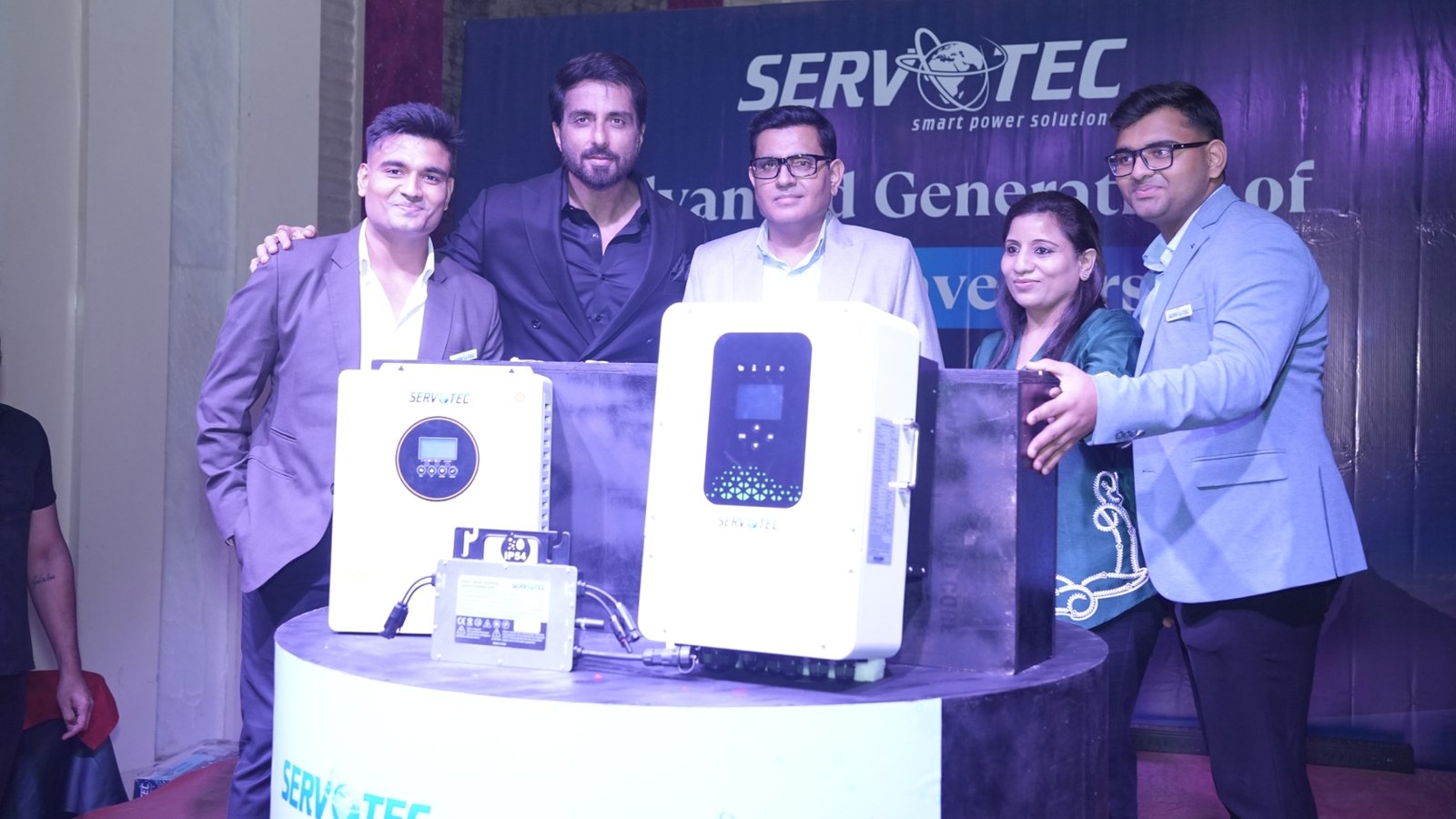
    As part of Navaarambh 2026, Servotech unveiled three new products, Sparkle Pro IP54 Hybrid Inverter, Sparkle Elite IP65 Hybrid Inverter and Advanced Micro Grid Inverter. Designed as a new generation of advanced solar inverter solutions, the products represent Servotech’s focus on smarter energy management, enhanced performance and evolving customer requirements, strengthening its journey towards a cleaner and more technology-driven future.

    Sonu Sood brought an added energy to the celebration, engaging with the Servotech team and its channel partners. With channel partners joining from different parts of India, Navaarambh became a platform for meaningful interactions, recognition and a shared vision for the road ahead.

    The event marked more than a product launch, it celebrated the ecosystem behind Servotech’s growth and opened a new chapter of innovation and collaboration.

    Speaking of Navaarambh, Raman Bhatia, Founder & Managing Director, Servotech, said, “Navaarambh represents a new era for Servotech, but also a renewed commitment to the partners who have been integral to our journey. With our new-generation inverter solutions, we are taking another step towards delivering smarter, cleaner and more reliable energy solutions while growing together with our channel partner ecosystem.”

    Speaking of his experience at Navaarambh, Sonu Sood, Global Brand Ambassador of Servotech said, “It was wonderful to be part of Navaarambh and witness the energy of the Servotech team and its channel partners. The spirit of innovation, collaboration and growth was truly visible throughout the event, and I wish Servotech and its partners continued success as they build towards a cleaner and more sustainable future.”

  • Servotech Marks the Beginning of a New Era at ‘Navaarambh 2026’, Celebrates Channel Partnership and Unveils Next-Generation Solar Inverters

    Servotech Marks the Beginning of a New Era at ‘Navaarambh 2026’, Celebrates Channel Partnership and Unveils Next-Generation Solar Inverters

    Servotech Renewable Power System Ltd. (NSE: SERVOTECH), India’s leading manufacturer of solar and renewable energy solutions, hosted ‘Navaarambh 2026’, a special channel partner meet and product launch event bringing together its channel partner network from across India to celebrate partnerships, recognise contributions and unveil the company’s latest innovations. Signifying a new era, Navaarambh reflected Servotech’s continued journey towards innovation, growth, and a cleaner energy future.

    The event witnessed the presence of Servotech’s Global Brand Ambassador Sonu Sood, alongside Raman Bhatia, Managing Director, Servotech, and Sarika Bhatia, Director Sales, Servotech, over 300 Channel Partners of Servotech,and other Key Management Personnels. A key highlight of the evening was the announcement of an exclusive privilege program for Servotech’s channel partners. Sonu Sood, Raman Bhatia and Sarika Bhatia presented certificates to the channel partners who became a member of the privilege program on the announcement day itself, celebrating the partnerships that continue to drive Servotech’s growth.

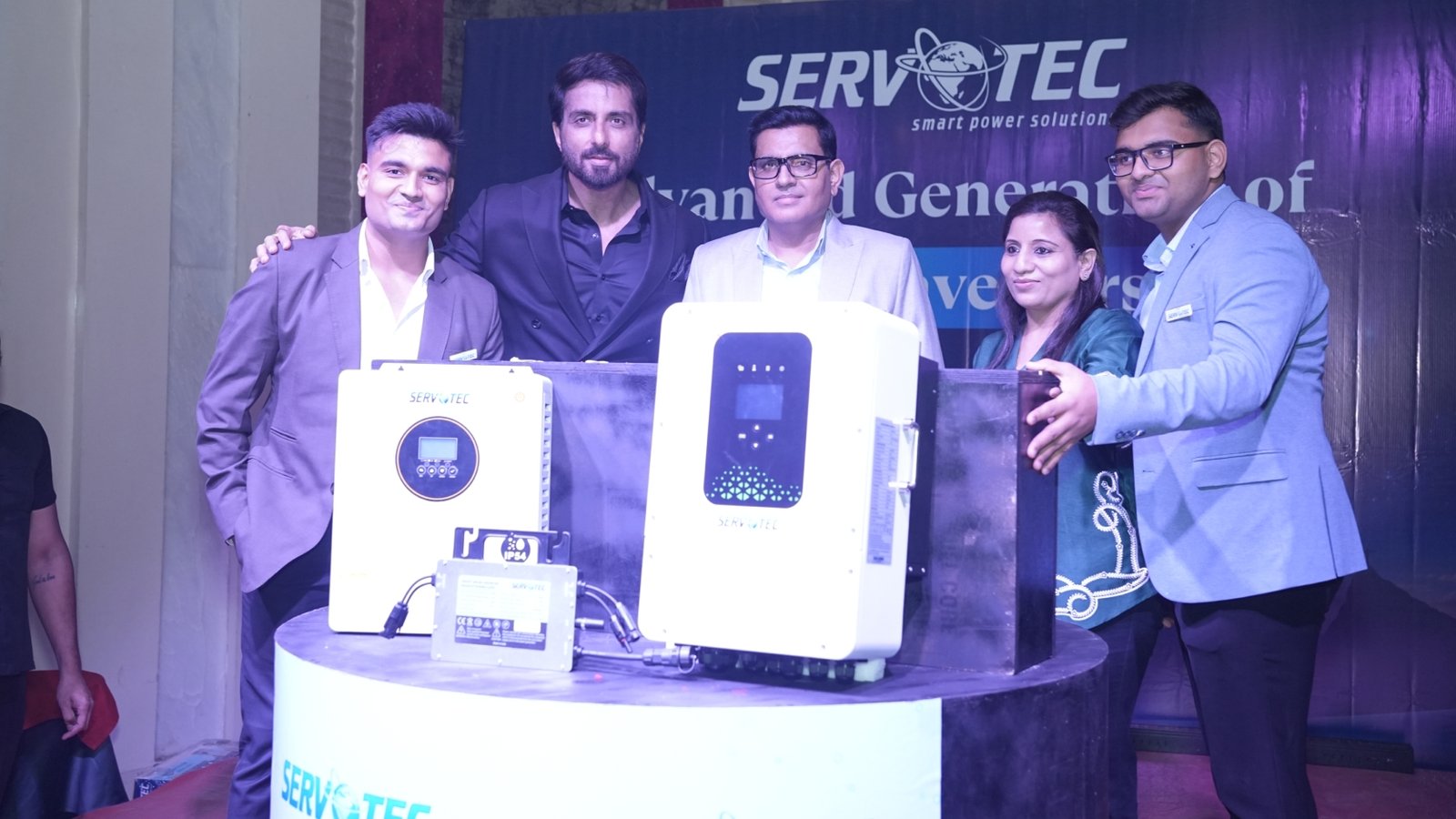
    As part of Navaarambh 2026, Servotech unveiled three new products, Sparkle Pro IP54 Hybrid Inverter, Sparkle Elite IP65 Hybrid Inverter and Advanced Micro Grid Inverter. Designed as a new generation of advanced solar inverter solutions, the products represent Servotech’s focus on smarter energy management, enhanced performance and evolving customer requirements, strengthening its journey towards a cleaner and more technology-driven future.

    Sonu Sood brought an added energy to the celebration, engaging with the Servotech team and its channel partners. With channel partners joining from different parts of India, Navaarambh became a platform for meaningful interactions, recognition and a shared vision for the road ahead.

    The event marked more than a product launch, it celebrated the ecosystem behind Servotech’s growth and opened a new chapter of innovation and collaboration.

    Speaking of Navaarambh, Raman Bhatia, Founder & Managing Director, Servotech, said, “Navaarambh represents a new era for Servotech, but also a renewed commitment to the partners who have been integral to our journey. With our new-generation inverter solutions, we are taking another step towards delivering smarter, cleaner and more reliable energy solutions while growing together with our channel partner ecosystem.”

    Speaking of his experience at Navaarambh, Sonu Sood, Global Brand Ambassador of Servotech said, “It was wonderful to be part of Navaarambh and witness the energy of the Servotech team and its channel partners. The spirit of innovation, collaboration and growth was truly visible throughout the event, and I wish Servotech and its partners continued success as they build towards a cleaner and more sustainable future.”

  • Servotech Marks the Beginning of a New Era at ‘Navaarambh 2026’, Celebrates Channel Partnership and Unveils Next-Generation Solar Inverters

    Servotech Marks the Beginning of a New Era at ‘Navaarambh 2026’, Celebrates Channel Partnership and Unveils Next-Generation Solar Inverters

    Servotech Renewable Power System Ltd. (NSE: SERVOTECH), India’s leading manufacturer of solar and renewable energy solutions, hosted ‘Navaarambh 2026’, a special channel partner meet and product launch event bringing together its channel partner network from across India to celebrate partnerships, recognise contributions and unveil the company’s latest innovations. Signifying a new era, Navaarambh reflected Servotech’s continued journey towards innovation, growth, and a cleaner energy future.

    The event witnessed the presence of Servotech’s Global Brand Ambassador Sonu Sood, alongside Raman Bhatia, Managing Director, Servotech, and Sarika Bhatia, Director Sales, Servotech, over 300 Channel Partners of Servotech,and other Key Management Personnels. A key highlight of the evening was the announcement of an exclusive privilege program for Servotech’s channel partners. Sonu Sood, Raman Bhatia and Sarika Bhatia presented certificates to the channel partners who became a member of the privilege program on the announcement day itself, celebrating the partnerships that continue to drive Servotech’s growth.

    As part of Navaarambh 2026, Servotech unveiled three new products, Sparkle Pro IP54 Hybrid Inverter, Sparkle Elite IP65 Hybrid Inverter and Advanced Micro Grid Inverter. Designed as a new generation of advanced solar inverter solutions, the products represent Servotech’s focus on smarter energy management, enhanced performance and evolving customer requirements, strengthening its journey towards a cleaner and more technology-driven future.

    Sonu Sood brought an added energy to the celebration, engaging with the Servotech team and its channel partners. With channel partners joining from different parts of India, Navaarambh became a platform for meaningful interactions, recognition and a shared vision for the road ahead.

    The event marked more than a product launch, it celebrated the ecosystem behind Servotech’s growth and opened a new chapter of innovation and collaboration.

    Speaking of Navaarambh, Raman Bhatia, Founder & Managing Director, Servotech, said, “Navaarambh represents a new era for Servotech, but also a renewed commitment to the partners who have been integral to our journey. With our new-generation inverter solutions, we are taking another step towards delivering smarter, cleaner and more reliable energy solutions while growing together with our channel partner ecosystem.”

    Speaking of his experience at Navaarambh, Sonu Sood, Global Brand Ambassador of Servotech said, “It was wonderful to be part of Navaarambh and witness the energy of the Servotech team and its channel partners. The spirit of innovation, collaboration and growth was truly visible throughout the event, and I wish Servotech and its partners continued success as they build towards a cleaner and more sustainable future.”

  • Servotech Marks the Beginning of a New Era at ‘Navaarambh 2026’, Celebrates Channel Partnership and Unveils Next-Generation Solar Inverters

    Servotech Renewable Power System Ltd. (NSE: SERVOTECH), India’s leading manufacturer of solar and renewable energy solutions, hosted ‘Navaarambh 2026’, a special channel partner meet and product launch event bringing together its channel partner network from across India to celebrate partnerships, recognise contributions and unveil the company’s latest innovations. Signifying a new era, Navaarambh reflected Servotech’s continued journey towards innovation, growth, and a cleaner energy future.

    The event witnessed the presence of Servotech’s Global Brand Ambassador Sonu Sood, alongside Raman Bhatia, Managing Director, Servotech, and Sarika Bhatia, Director Sales, Servotech, over 300 Channel Partners of Servotech,and other Key Management Personnels. A key highlight of the evening was the announcement of an exclusive privilege program for Servotech’s channel partners. Sonu Sood, Raman Bhatia and Sarika Bhatia presented certificates to the channel partners who became a member of the privilege program on the announcement day itself, celebrating the partnerships that continue to drive Servotech’s growth.

    As part of Navaarambh 2026, Servotech unveiled three new products, Sparkle Pro IP54 Hybrid Inverter, Sparkle Elite IP65 Hybrid Inverter and Advanced Micro Grid Inverter. Designed as a new generation of advanced solar inverter solutions, the products represent Servotech’s focus on smarter energy management, enhanced performance and evolving customer requirements, strengthening its journey towards a cleaner and more technology-driven future.

    Sonu Sood brought an added energy to the celebration, engaging with the Servotech team and its channel partners. With channel partners joining from different parts of India, Navaarambh became a platform for meaningful interactions, recognition and a shared vision for the road ahead.

    The event marked more than a product launch, it celebrated the ecosystem behind Servotech’s growth and opened a new chapter of innovation and collaboration.

    Speaking of Navaarambh, Raman Bhatia, Founder & Managing Director, Servotech, said, “Navaarambh represents a new era for Servotech, but also a renewed commitment to the partners who have been integral to our journey. With our new-generation inverter solutions, we are taking another step towards delivering smarter, cleaner and more reliable energy solutions while growing together with our channel partner ecosystem.”

    Speaking of his experience at Navaarambh, Sonu Sood, Global Brand Ambassador of Servotech said, “It was wonderful to be part of Navaarambh and witness the energy of the Servotech team and its channel partners. The spirit of innovation, collaboration and growth was truly visible throughout the event, and I wish Servotech and its partners continued success as they build towards a cleaner and more sustainable future.”