Blog

  • Adani Green Energy Expands Battery Storage Capacity to 6.63 GWh

    Adani Green Energy Expands Battery Storage Capacity to 6.63 GWh

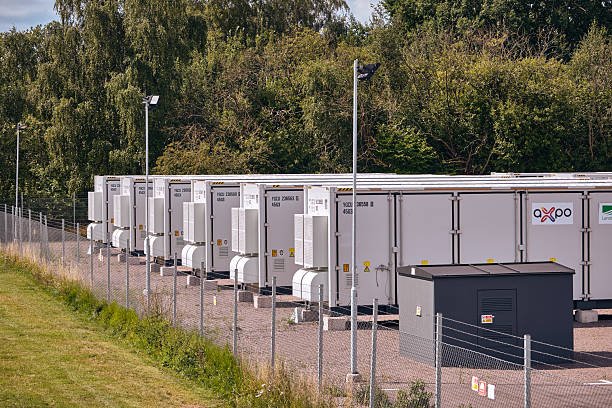
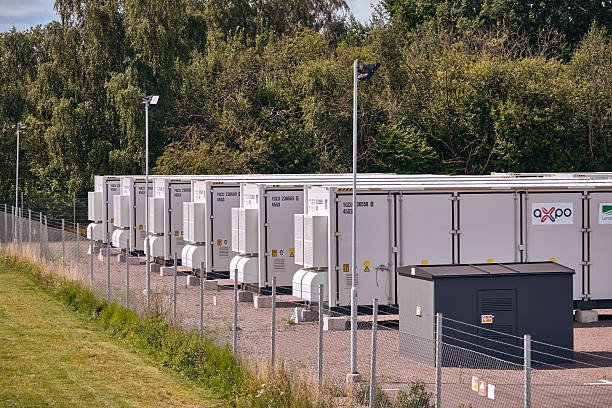
    Adani Green Energy Ltd (AGEL), India’s largest renewable energy company, has expanded its operational Battery Energy Storage System (BESS) capacity to 6.63 gigawatt-hours (GWh) at Khavda, Gujarat, from 3.55 GWh in June 2026. AGEL now accounts for more than 50% of India’s operational BESS capacity of about 12.6 GWh. This milestone consolidates Khavda’s position as the world’s largest operational battery energy storage installation at a single location, with 6.63 GWh of operational capacity.

    AGEL achieved the 6.63 GWh milestone within 14 months of commencing on-site BESS construction at Khavda, Gujarat with this latest capacity addition being commissioned in just 10 months from the start of its construction. The BESS is integrated with AGEL’s renewable energy (RE) development at Khavda, where the company is developing a 30 GW RE plant across 538 square kilometers of barren land.

    The AGEL 6.63 GWh BESS can store enough clean energy to power around two million homes a day, and support peak electricity demand of cities like Nagpur, Patna or Vizag for several hours. This BESS capacity at Khavda is equivalent to battery storage capacity of more than 150,000 mid-sized EVs and can store enough energy daily to meet almost twice the Delhi Metro’s estimated daily electricity requirement, underscoring the unprecedented scale of the installation. The scale-up to 6.63 GWh strengthens the integration of renewable energy into the grid by enabling clean power to be stored and dispatched when required.

    Mr Sagar Adani, Executive Director, Adani Green Energy, said, “Reaching 6.63 GWh of operational battery storage in just 14 months is a significant milestone for AGEL and India’s clean energy transition. At this scale, storage can make renewable power firmer, more reliable and dispatchable when the grid needs it. As India’s power demand grows, we will continue to scale energy storage solutions, both, battery and pumped storage to support a more resilient, lower-carbon grid.”

    Advanced project controls, digital monitoring systems, agile construction management practices, and strategic partnerships with leading global BESS OEMs enabled adherence to aggressive project timelines while maintaining stringent quality and safety standards. The deployment serves as a benchmark for large-scale energy storage execution and operations, supporting India’s energy transition through reliable and scalable storage infrastructure.

    The BESS uses lithium-ion battery technology, integrated with an Energy Management Systems (EMS) and automated telemetry to manage charging and discharging, optimise system performance and support grid services. Battery storage can improve grid stability, manage peak demand, reduce energy curtailment and enable renewable power to be delivered when required.

    AGEL is on track to add over 10 GWh of BESS capacity in FY 2026-27 and is targeting 50 GWh of storage capacity over the next 5 years. The company is also pursuing pumped storage projects (PSPs) as part of its broader strategy to build large-scale, firm and dispatchable renewable power capacity.
  • Adani Green Energy Expands Battery Storage Capacity to 6.63 GWh

    Adani Green Energy Expands Battery Storage Capacity to 6.63 GWh

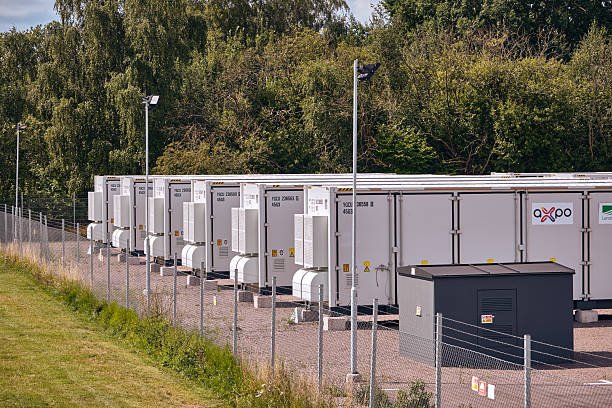
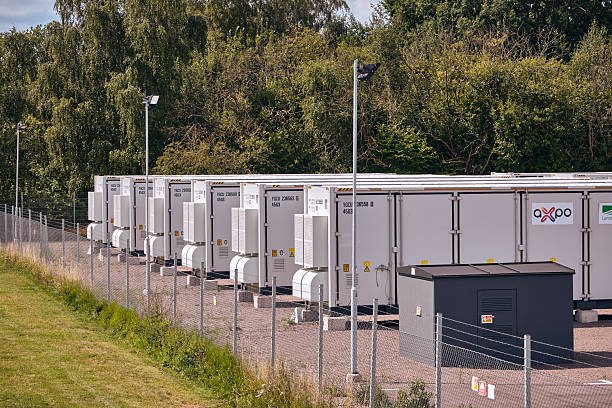
    Adani Green Energy Ltd (AGEL), India’s largest renewable energy company, has expanded its operational Battery Energy Storage System (BESS) capacity to 6.63 gigawatt-hours (GWh) at Khavda, Gujarat, from 3.55 GWh in June 2026. AGEL now accounts for more than 50% of India’s operational BESS capacity of about 12.6 GWh. This milestone consolidates Khavda’s position as the world’s largest operational battery energy storage installation at a single location, with 6.63 GWh of operational capacity.

    AGEL achieved the 6.63 GWh milestone within 14 months of commencing on-site BESS construction at Khavda, Gujarat with this latest capacity addition being commissioned in just 10 months from the start of its construction. The BESS is integrated with AGEL’s renewable energy (RE) development at Khavda, where the company is developing a 30 GW RE plant across 538 square kilometers of barren land.

    The AGEL 6.63 GWh BESS can store enough clean energy to power around two million homes a day, and support peak electricity demand of cities like Nagpur, Patna or Vizag for several hours. This BESS capacity at Khavda is equivalent to battery storage capacity of more than 150,000 mid-sized EVs and can store enough energy daily to meet almost twice the Delhi Metro’s estimated daily electricity requirement, underscoring the unprecedented scale of the installation. The scale-up to 6.63 GWh strengthens the integration of renewable energy into the grid by enabling clean power to be stored and dispatched when required.

    Mr Sagar Adani, Executive Director, Adani Green Energy, said, “Reaching 6.63 GWh of operational battery storage in just 14 months is a significant milestone for AGEL and India’s clean energy transition. At this scale, storage can make renewable power firmer, more reliable and dispatchable when the grid needs it. As India’s power demand grows, we will continue to scale energy storage solutions, both, battery and pumped storage to support a more resilient, lower-carbon grid.”

    Advanced project controls, digital monitoring systems, agile construction management practices, and strategic partnerships with leading global BESS OEMs enabled adherence to aggressive project timelines while maintaining stringent quality and safety standards. The deployment serves as a benchmark for large-scale energy storage execution and operations, supporting India’s energy transition through reliable and scalable storage infrastructure.

    The BESS uses lithium-ion battery technology, integrated with an Energy Management Systems (EMS) and automated telemetry to manage charging and discharging, optimise system performance and support grid services. Battery storage can improve grid stability, manage peak demand, reduce energy curtailment and enable renewable power to be delivered when required.

    AGEL is on track to add over 10 GWh of BESS capacity in FY 2026-27 and is targeting 50 GWh of storage capacity over the next 5 years. The company is also pursuing pumped storage projects (PSPs) as part of its broader strategy to build large-scale, firm and dispatchable renewable power capacity.
  • Adani Green Energy Expands Battery Storage Capacity to 6.63 GWh

    Adani Green Energy Expands Battery Storage Capacity to 6.63 GWh

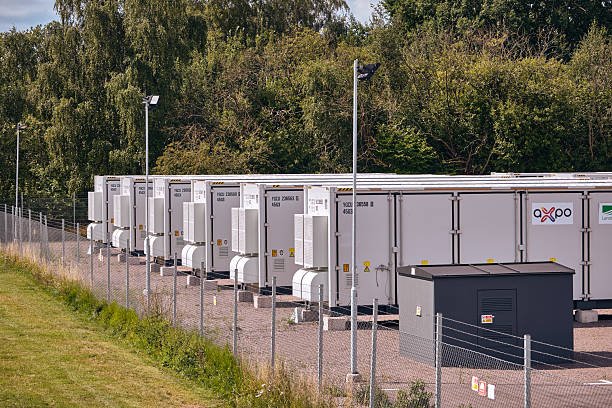
    Adani Green Energy Ltd (AGEL), India’s largest renewable energy company, has expanded its operational Battery Energy Storage System (BESS) capacity to 6.63 gigawatt-hours (GWh) at Khavda, Gujarat, from 3.55 GWh in June 2026. AGEL now accounts for more than 50% of India’s operational BESS capacity of about 12.6 GWh. This milestone consolidates Khavda’s position as the world’s largest operational battery energy storage installation at a single location, with 6.63 GWh of operational capacity.

    AGEL achieved the 6.63 GWh milestone within 14 months of commencing on-site BESS construction at Khavda, Gujarat with this latest capacity addition being commissioned in just 10 months from the start of its construction. The BESS is integrated with AGEL’s renewable energy (RE) development at Khavda, where the company is developing a 30 GW RE plant across 538 square kilometers of barren land.

    The AGEL 6.63 GWh BESS can store enough clean energy to power around two million homes a day, and support peak electricity demand of cities like Nagpur, Patna or Vizag for several hours. This BESS capacity at Khavda is equivalent to battery storage capacity of more than 150,000 mid-sized EVs and can store enough energy daily to meet almost twice the Delhi Metro’s estimated daily electricity requirement, underscoring the unprecedented scale of the installation. The scale-up to 6.63 GWh strengthens the integration of renewable energy into the grid by enabling clean power to be stored and dispatched when required.

    Mr Sagar Adani, Executive Director, Adani Green Energy, said, “Reaching 6.63 GWh of operational battery storage in just 14 months is a significant milestone for AGEL and India’s clean energy transition. At this scale, storage can make renewable power firmer, more reliable and dispatchable when the grid needs it. As India’s power demand grows, we will continue to scale energy storage solutions, both, battery and pumped storage to support a more resilient, lower-carbon grid.”

    Advanced project controls, digital monitoring systems, agile construction management practices, and strategic partnerships with leading global BESS OEMs enabled adherence to aggressive project timelines while maintaining stringent quality and safety standards. The deployment serves as a benchmark for large-scale energy storage execution and operations, supporting India’s energy transition through reliable and scalable storage infrastructure.

    The BESS uses lithium-ion battery technology, integrated with an Energy Management Systems (EMS) and automated telemetry to manage charging and discharging, optimise system performance and support grid services. Battery storage can improve grid stability, manage peak demand, reduce energy curtailment and enable renewable power to be delivered when required.

    AGEL is on track to add over 10 GWh of BESS capacity in FY 2026-27 and is targeting 50 GWh of storage capacity over the next 5 years. The company is also pursuing pumped storage projects (PSPs) as part of its broader strategy to build large-scale, firm and dispatchable renewable power capacity.
  • Adani Green Energy Expands Battery Storage Capacity to 6.63 GWh

    Adani Green Energy Expands Battery Storage Capacity to 6.63 GWh

    Adani Green Energy Ltd (AGEL), India’s largest renewable energy company, has expanded its operational Battery Energy Storage System (BESS) capacity to 6.63 gigawatt-hours (GWh) at Khavda, Gujarat, from 3.55 GWh in June 2026. AGEL now accounts for more than 50% of India’s operational BESS capacity of about 12.6 GWh. This milestone consolidates Khavda’s position as the world’s largest operational battery energy storage installation at a single location, with 6.63 GWh of operational capacity.

    AGEL achieved the 6.63 GWh milestone within 14 months of commencing on-site BESS construction at Khavda, Gujarat with this latest capacity addition being commissioned in just 10 months from the start of its construction. The BESS is integrated with AGEL’s renewable energy (RE) development at Khavda, where the company is developing a 30 GW RE plant across 538 square kilometers of barren land.

    The AGEL 6.63 GWh BESS can store enough clean energy to power around two million homes a day, and support peak electricity demand of cities like Nagpur, Patna or Vizag for several hours. This BESS capacity at Khavda is equivalent to battery storage capacity of more than 150,000 mid-sized EVs and can store enough energy daily to meet almost twice the Delhi Metro’s estimated daily electricity requirement, underscoring the unprecedented scale of the installation. The scale-up to 6.63 GWh strengthens the integration of renewable energy into the grid by enabling clean power to be stored and dispatched when required.

    Mr Sagar Adani, Executive Director, Adani Green Energy, said, “Reaching 6.63 GWh of operational battery storage in just 14 months is a significant milestone for AGEL and India’s clean energy transition. At this scale, storage can make renewable power firmer, more reliable and dispatchable when the grid needs it. As India’s power demand grows, we will continue to scale energy storage solutions, both, battery and pumped storage to support a more resilient, lower-carbon grid.”

    Advanced project controls, digital monitoring systems, agile construction management practices, and strategic partnerships with leading global BESS OEMs enabled adherence to aggressive project timelines while maintaining stringent quality and safety standards. The deployment serves as a benchmark for large-scale energy storage execution and operations, supporting India’s energy transition through reliable and scalable storage infrastructure.

    The BESS uses lithium-ion battery technology, integrated with an Energy Management Systems (EMS) and automated telemetry to manage charging and discharging, optimise system performance and support grid services. Battery storage can improve grid stability, manage peak demand, reduce energy curtailment and enable renewable power to be delivered when required.

    AGEL is on track to add over 10 GWh of BESS capacity in FY 2026-27 and is targeting 50 GWh of storage capacity over the next 5 years. The company is also pursuing pumped storage projects (PSPs) as part of its broader strategy to build large-scale, firm and dispatchable renewable power capacity.
  • Adani Green Energy Expands Battery Storage Capacity to 6.63 GWh

    Adani Green Energy Expands Battery Storage Capacity to 6.63 GWh

    Adani Green Energy Ltd (AGEL), India’s largest renewable energy company, has expanded its operational Battery Energy Storage System (BESS) capacity to 6.63 gigawatt-hours (GWh) at Khavda, Gujarat, from 3.55 GWh in June 2026. AGEL now accounts for more than 50% of India’s operational BESS capacity of about 12.6 GWh. This milestone consolidates Khavda’s position as the world’s largest operational battery energy storage installation at a single location, with 6.63 GWh of operational capacity.

    AGEL achieved the 6.63 GWh milestone within 14 months of commencing on-site BESS construction at Khavda, Gujarat with this latest capacity addition being commissioned in just 10 months from the start of its construction. The BESS is integrated with AGEL’s renewable energy (RE) development at Khavda, where the company is developing a 30 GW RE plant across 538 square kilometers of barren land.

    The AGEL 6.63 GWh BESS can store enough clean energy to power around two million homes a day, and support peak electricity demand of cities like Nagpur, Patna or Vizag for several hours. This BESS capacity at Khavda is equivalent to battery storage capacity of more than 150,000 mid-sized EVs and can store enough energy daily to meet almost twice the Delhi Metro’s estimated daily electricity requirement, underscoring the unprecedented scale of the installation. The scale-up to 6.63 GWh strengthens the integration of renewable energy into the grid by enabling clean power to be stored and dispatched when required.

    Mr Sagar Adani, Executive Director, Adani Green Energy, said, “Reaching 6.63 GWh of operational battery storage in just 14 months is a significant milestone for AGEL and India’s clean energy transition. At this scale, storage can make renewable power firmer, more reliable and dispatchable when the grid needs it. As India’s power demand grows, we will continue to scale energy storage solutions, both, battery and pumped storage to support a more resilient, lower-carbon grid.”

    Advanced project controls, digital monitoring systems, agile construction management practices, and strategic partnerships with leading global BESS OEMs enabled adherence to aggressive project timelines while maintaining stringent quality and safety standards. The deployment serves as a benchmark for large-scale energy storage execution and operations, supporting India’s energy transition through reliable and scalable storage infrastructure.

    The BESS uses lithium-ion battery technology, integrated with an Energy Management Systems (EMS) and automated telemetry to manage charging and discharging, optimise system performance and support grid services. Battery storage can improve grid stability, manage peak demand, reduce energy curtailment and enable renewable power to be delivered when required.

    AGEL is on track to add over 10 GWh of BESS capacity in FY 2026-27 and is targeting 50 GWh of storage capacity over the next 5 years. The company is also pursuing pumped storage projects (PSPs) as part of its broader strategy to build large-scale, firm and dispatchable renewable power capacity.
  • Adani Green Energy Expands Battery Storage Capacity to 6.63 GWh

    Adani Green Energy Ltd (AGEL), India’s largest renewable energy company, has expanded its operational Battery Energy Storage System (BESS) capacity to 6.63 gigawatt-hours (GWh) at Khavda, Gujarat, from 3.55 GWh in June 2026. AGEL now accounts for more than 50% of India’s operational BESS capacity of about 12.6 GWh. This milestone consolidates Khavda’s position as the world’s largest operational battery energy storage installation at a single location, with 6.63 GWh of operational capacity.

    AGEL achieved the 6.63 GWh milestone within 14 months of commencing on-site BESS construction at Khavda, Gujarat with this latest capacity addition being commissioned in just 10 months from the start of its construction. The BESS is integrated with AGEL’s renewable energy (RE) development at Khavda, where the company is developing a 30 GW RE plant across 538 square kilometers of barren land.

    The AGEL 6.63 GWh BESS can store enough clean energy to power around two million homes a day, and support peak electricity demand of cities like Nagpur, Patna or Vizag for several hours. This BESS capacity at Khavda is equivalent to battery storage capacity of more than 150,000 mid-sized EVs and can store enough energy daily to meet almost twice the Delhi Metro’s estimated daily electricity requirement, underscoring the unprecedented scale of the installation. The scale-up to 6.63 GWh strengthens the integration of renewable energy into the grid by enabling clean power to be stored and dispatched when required.

    Mr Sagar Adani, Executive Director, Adani Green Energy, said, “Reaching 6.63 GWh of operational battery storage in just 14 months is a significant milestone for AGEL and India’s clean energy transition. At this scale, storage can make renewable power firmer, more reliable and dispatchable when the grid needs it. As India’s power demand grows, we will continue to scale energy storage solutions, both, battery and pumped storage to support a more resilient, lower-carbon grid.”

    Advanced project controls, digital monitoring systems, agile construction management practices, and strategic partnerships with leading global BESS OEMs enabled adherence to aggressive project timelines while maintaining stringent quality and safety standards. The deployment serves as a benchmark for large-scale energy storage execution and operations, supporting India’s energy transition through reliable and scalable storage infrastructure.

    The BESS uses lithium-ion battery technology, integrated with an Energy Management Systems (EMS) and automated telemetry to manage charging and discharging, optimise system performance and support grid services. Battery storage can improve grid stability, manage peak demand, reduce energy curtailment and enable renewable power to be delivered when required.

    AGEL is on track to add over 10 GWh of BESS capacity in FY 2026-27 and is targeting 50 GWh of storage capacity over the next 5 years. The company is also pursuing pumped storage projects (PSPs) as part of its broader strategy to build large-scale, firm and dispatchable renewable power capacity.
  • Yash Highvoltage Strengthens US Footprint, Expands Reach from 19 to 22 States

    Yash Highvoltage Strengthens US Footprint, Expands Reach from 19 to 22 States

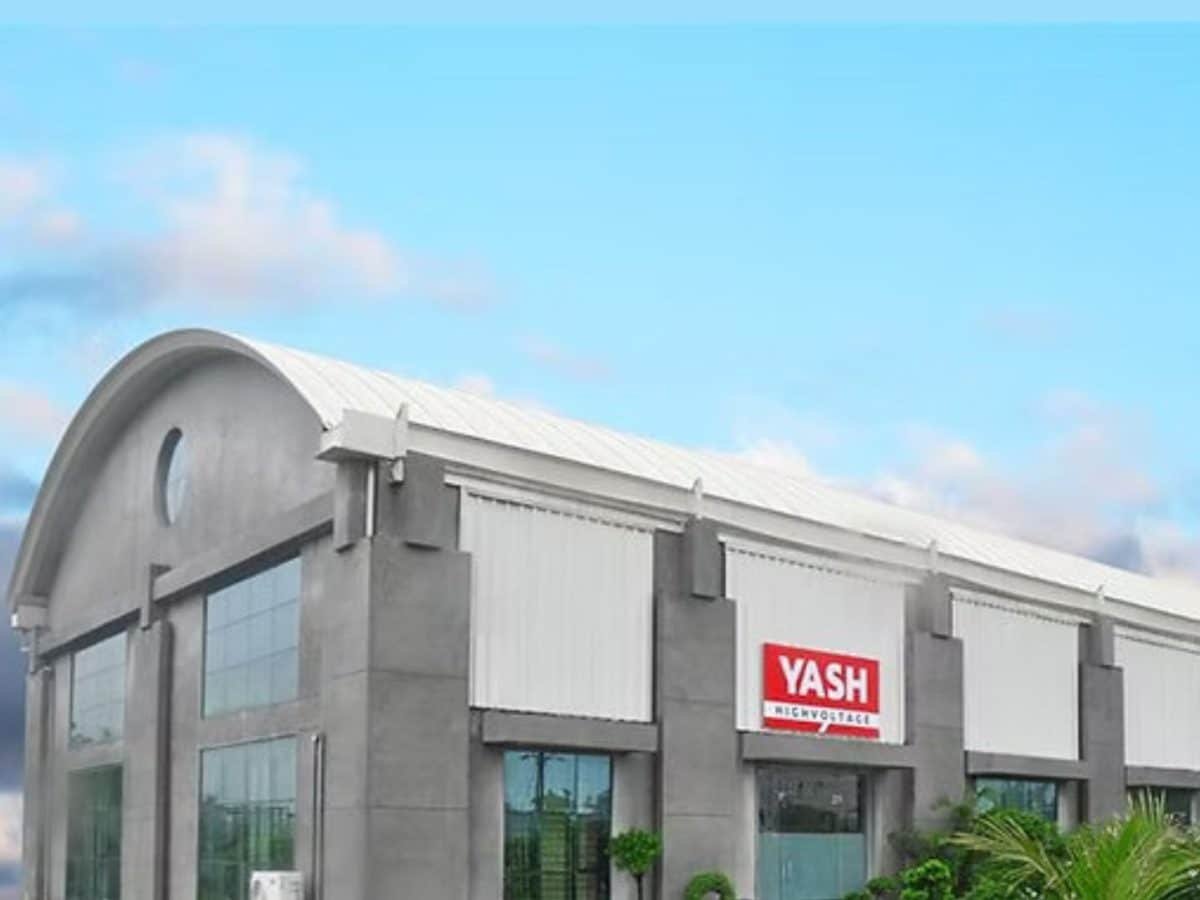
    Yash Highvoltage Limited announced that its subsidiary, YASH HV USA INC., has entered into a 36-month Representation Agreement with Gateway Power Sales, effective September 29, 2026, covering three additional Midwestern US states.

    Gateway Power Sales will support the promotion, marketing and sales of Yash Highvoltage’s products, alongside stakeholder mapping, product evangelism, utility approvals and product homologation across its appointed territories.

    The agreement builds on YASH HV USA INC.’s existing representation network, including ENSALES ELECTRICAL ASSOCIATES, INC., which was appointed earlier this month to support sales development, utility homologation and approvals across 19 US states.

    With the addition of Gateway Power Sales, Yash Highvoltage’s US representation footprint has expanded from 19 to 22 states.

    The US electrical sector comprises more than 3,000 utilities. YASH HV USA INC.’s representation agreements are designed to address this diverse market by partnering with experienced US energy-sector companies with established industry relationships, technical expertise and an understanding of utility requirements. Their teams support utility approvals and facilitate the adoption of Yash Highvoltage’s products for projects undertaken by utilities across their respective territories.

    The products represented include LV High Current Bushings up to 25,000 Amps, OIP Condenser Bushings up to 245 kV, and RIP and RIS Condenser Bushings up to 230 kV, available from 2027 onwards.

    Mr. Keyur Shah, Chairman & Managing Director, Yash Highvoltage Limited, said: “Expanding our US representation network from 19 to 22 states strengthens our engagement with utilities and customers across this important market. Our partnerships with experienced local representatives will support market access, utility approvals and product adoption as we continue to expand our advanced bushing technologies.”

    The expanded representation network is expected to strengthen Yash Highvoltage’s utility engagement, market access and adoption of its products across the US power infrastructure market.

  • Yash Highvoltage Strengthens US Footprint, Expands Reach from 19 to 22 States

    Yash Highvoltage Limited announced that its subsidiary, YASH HV USA INC., has entered into a 36-month Representation Agreement with Gateway Power Sales, effective September 29, 2026, covering three additional Midwestern US states.

    Gateway Power Sales will support the promotion, marketing and sales of Yash Highvoltage’s products, alongside stakeholder mapping, product evangelism, utility approvals and product homologation across its appointed territories.

    The agreement builds on YASH HV USA INC.’s existing representation network, including ENSALES ELECTRICAL ASSOCIATES, INC., which was appointed earlier this month to support sales development, utility homologation and approvals across 19 US states.

    With the addition of Gateway Power Sales, Yash Highvoltage’s US representation footprint has expanded from 19 to 22 states.

    The US electrical sector comprises more than 3,000 utilities. YASH HV USA INC.’s representation agreements are designed to address this diverse market by partnering with experienced US energy-sector companies with established industry relationships, technical expertise and an understanding of utility requirements. Their teams support utility approvals and facilitate the adoption of Yash Highvoltage’s products for projects undertaken by utilities across their respective territories.

    The products represented include LV High Current Bushings up to 25,000 Amps, OIP Condenser Bushings up to 245 kV, and RIP and RIS Condenser Bushings up to 230 kV, available from 2027 onwards.

    Mr. Keyur Shah, Chairman & Managing Director, Yash Highvoltage Limited, said: “Expanding our US representation network from 19 to 22 states strengthens our engagement with utilities and customers across this important market. Our partnerships with experienced local representatives will support market access, utility approvals and product adoption as we continue to expand our advanced bushing technologies.”

    The expanded representation network is expected to strengthen Yash Highvoltage’s utility engagement, market access and adoption of its products across the US power infrastructure market.

  • Actis Launches Leo Energies with 3 GW India Renewable Energy Target

    Actis Launches Leo Energies with 3 GW India Renewable Energy Target

    Actis, a leading growth market investor in sustainable infrastructure, announced the launch of Leo Energies, its next-generation renewable energy business in India. The platform, which will target a portfolio of over 3GW of onshore wind, solar and battery storage assets, represents the fourth iteration of Actis’ demonstrated buy-and-build strategy in the Indian renewables market – a strategy that has previously delivered Ostro Energy, Sprng Energy and which continues to scale current platform BluPine Energy, which has already surpassed 3GW of capacity since its launch in 2022.

    The launch of Leo Energies builds on Actis’ long-standing track record in Indian renewables. The firm has deployed approximately US$1.5 billion of equity capital in India’s energy sector, building or operating nearly 10GW of installed generation capacity, making it one of the largest foreign private investors in the space.

    Leo Energies has signed agreements to acquire ~650MWp of solar capacity, all of which is set to be operational at acquisition. A total ~160MWp of generation and 50MWh of battery energy storage system (BESS) projects have now closed, including 110MWp of generation and 50MWh of BESS projects acquired from TrueRE Oriana Power, a fully integrated Indian clean energy platform with capabilities spanning the renewable energy value chain across solar, battery energy storage and green fuels. These ~650MWp of projects stretch across five states – Rajasthan, Tamil Nadu, Gujarat, Karnataka and Andhra Pradesh, and are contracted under long-term power purchase agreements (PPAs) with a mix of central offtakers, state discoms and commercial & industrial (C&I) customers.

    The acquisitions align well with Leo Energies’ ambition of building a scaled renewable generation platform by leveraging significant growth opportunities across both utility and C&I segments. The business has further acquisitions and greenfield PPA auctions in sight, as part of its near-term pipeline.

    India has one of the fastest growing renewable energy sectors globally. It has seen the third-largest growth in power generation capacity worldwide over the past five years, with 83% of power sector investment going to clean energy in 2024. The country ranked third globally in renewable energy installed capacity in 2025, with total installed capacity reaching 251GW – up from 176GW in 2023 – representing growth of over 40% in two years as it drives to achieve a target of 500GW of non-fossil fuel capacity by 2030.

    The IEA projects India will become the second-largest growth market for renewables globally through 2030, with capacity set to rise 2.5 times over five years. Against this backdrop, India’s C&I renewables market is expanding rapidly, driven by corporate demand for clean power and a growing ecosystem of bankable off-takers – creating a deep and liquid deal environment for platforms such as Leo Energies.

    Lucy Heintz, Head of Energy Infrastructure at Actis, commented: “India is one of the world’s most exciting energy markets in our view, and Leo Energies reflects our conviction that the opportunity here remains very strong. India sits at the intersection of two defining forces: surging energy demand and the imperative of energy security. We have spent more than a decade building and operating renewable platforms of scale across our markets, exiting to blue chip acquirers such as Shell, GIP and Engie along the way, and have assembled what we believe to be a market-leading team for this next chapter in India.”

    Abhishek Bansal, Managing Director, Energy Infrastructure at Actis, said: “Leo Energies continues a playbook we know exceptionally well – building right-sized, contracted Indian independent power producers with clear visibility and potential to generate compelling returns for our investors. The Indian market’s combination of auction-driven growth, a maturing C&I ecosystem, domestic financing depth and a well-established strategic buyer universe makes it well suited to this approach. With the quality of the assets we have already signed and the pipeline ahead, we’re excited about Leo Energies’ growth potential.”

  • Actis Launches Leo Energies with 3 GW India Renewable Energy Target

    Actis Launches Leo Energies with 3 GW India Renewable Energy Target

    Actis, a leading growth market investor in sustainable infrastructure, announced the launch of Leo Energies, its next-generation renewable energy business in India. The platform, which will target a portfolio of over 3GW of onshore wind, solar and battery storage assets, represents the fourth iteration of Actis’ demonstrated buy-and-build strategy in the Indian renewables market – a strategy that has previously delivered Ostro Energy, Sprng Energy and which continues to scale current platform BluPine Energy, which has already surpassed 3GW of capacity since its launch in 2022.

    The launch of Leo Energies builds on Actis’ long-standing track record in Indian renewables. The firm has deployed approximately US$1.5 billion of equity capital in India’s energy sector, building or operating nearly 10GW of installed generation capacity, making it one of the largest foreign private investors in the space.

    Leo Energies has signed agreements to acquire ~650MWp of solar capacity, all of which is set to be operational at acquisition. A total ~160MWp of generation and 50MWh of battery energy storage system (BESS) projects have now closed, including 110MWp of generation and 50MWh of BESS projects acquired from TrueRE Oriana Power, a fully integrated Indian clean energy platform with capabilities spanning the renewable energy value chain across solar, battery energy storage and green fuels. These ~650MWp of projects stretch across five states – Rajasthan, Tamil Nadu, Gujarat, Karnataka and Andhra Pradesh, and are contracted under long-term power purchase agreements (PPAs) with a mix of central offtakers, state discoms and commercial & industrial (C&I) customers.

    The acquisitions align well with Leo Energies’ ambition of building a scaled renewable generation platform by leveraging significant growth opportunities across both utility and C&I segments. The business has further acquisitions and greenfield PPA auctions in sight, as part of its near-term pipeline.

    India has one of the fastest growing renewable energy sectors globally. It has seen the third-largest growth in power generation capacity worldwide over the past five years, with 83% of power sector investment going to clean energy in 2024. The country ranked third globally in renewable energy installed capacity in 2025, with total installed capacity reaching 251GW – up from 176GW in 2023 – representing growth of over 40% in two years as it drives to achieve a target of 500GW of non-fossil fuel capacity by 2030.

    The IEA projects India will become the second-largest growth market for renewables globally through 2030, with capacity set to rise 2.5 times over five years. Against this backdrop, India’s C&I renewables market is expanding rapidly, driven by corporate demand for clean power and a growing ecosystem of bankable off-takers – creating a deep and liquid deal environment for platforms such as Leo Energies.

    Lucy Heintz, Head of Energy Infrastructure at Actis, commented: “India is one of the world’s most exciting energy markets in our view, and Leo Energies reflects our conviction that the opportunity here remains very strong. India sits at the intersection of two defining forces: surging energy demand and the imperative of energy security. We have spent more than a decade building and operating renewable platforms of scale across our markets, exiting to blue chip acquirers such as Shell, GIP and Engie along the way, and have assembled what we believe to be a market-leading team for this next chapter in India.”

    Abhishek Bansal, Managing Director, Energy Infrastructure at Actis, said: “Leo Energies continues a playbook we know exceptionally well – building right-sized, contracted Indian independent power producers with clear visibility and potential to generate compelling returns for our investors. The Indian market’s combination of auction-driven growth, a maturing C&I ecosystem, domestic financing depth and a well-established strategic buyer universe makes it well suited to this approach. With the quality of the assets we have already signed and the pipeline ahead, we’re excited about Leo Energies’ growth potential.”