Blog

  • GK Energy Secures 150 MW/300 MWh BESS Award from MSEDCL

    GK Energy Secures 150 MW/300 MWh BESS Award from MSEDCL

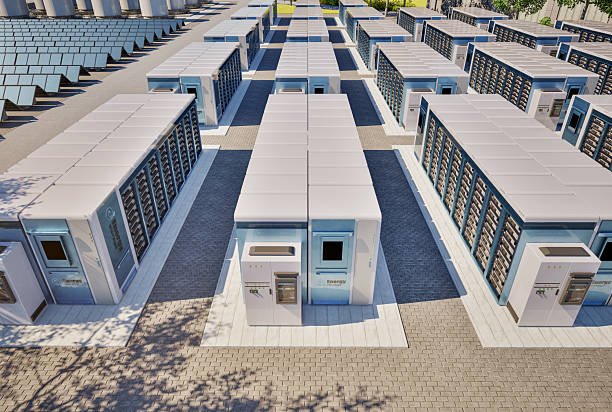
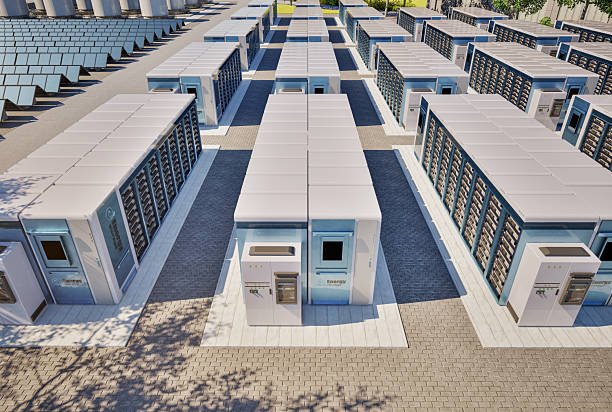
    GK Energy has received a Letter of Award (LoA) from Maharashtra State Electricity Distribution Company Limited (MSEDCL) to develop a 150 MW/300 MWh Battery Energy Storage System (BESS) in Maharashtra.

    The project will be developed with Viability Gap Funding (VGF) support and is aimed at strengthening energy storage capacity as Maharashtra continues to integrate renewable energy into its power system.

    Under the award, the project is scheduled to be commissioned within 18 months from the signing of the Battery Energy Storage Purchase Agreement (BESPA).

    The tariff for the project has been fixed at ₹2,38,000 per MW per month. Based on this tariff, GK Energy is expected to generate annual revenue of approximately ₹42.84 crore, excluding GST, for a period of 15 years from the commencement of commercial operations.

    The project will comprise 150 MW of power capacity and 300 MWh of energy storage capacity, providing two hours of storage duration. The BESS is expected to support the integration of renewable generation and provide greater flexibility to the electricity system.

    The award adds to GK Energy’s activities in the renewable energy and energy infrastructure sector. The company has traditionally been involved in decentralised clean-energy solutions, including solar-powered agricultural pumping systems, rooftop solar installations and distributed renewable energy projects.

    The MSEDCL award also expands GK Energy’s presence in the rapidly developing Indian BESS market, where battery storage is increasingly being deployed to address renewable intermittency, peak demand and grid flexibility requirements.

    The project will have both an execution component and recurring revenue over the long-term contract period. The company has stated that the transaction does not involve its promoter group and is not a related-party transaction.

    The development comes as utilities and renewable energy companies increasingly use BESS projects to complement solar and wind generation. By providing the ability to store electricity and dispatch it when required, battery storage can help improve the flexibility of power procurement and renewable energy integration.

    With the 150 MW/300 MWh award from MSEDCL, GK Energy is set to expand its portfolio beyond distributed renewable energy applications into utility-scale energy storage.

  • GK Energy Secures 150 MW/300 MWh BESS Award from MSEDCL

    GK Energy Secures 150 MW/300 MWh BESS Award from MSEDCL

    GK Energy has received a Letter of Award (LoA) from Maharashtra State Electricity Distribution Company Limited (MSEDCL) to develop a 150 MW/300 MWh Battery Energy Storage System (BESS) in Maharashtra.

    The project will be developed with Viability Gap Funding (VGF) support and is aimed at strengthening energy storage capacity as Maharashtra continues to integrate renewable energy into its power system.

    Under the award, the project is scheduled to be commissioned within 18 months from the signing of the Battery Energy Storage Purchase Agreement (BESPA).

    The tariff for the project has been fixed at ₹2,38,000 per MW per month. Based on this tariff, GK Energy is expected to generate annual revenue of approximately ₹42.84 crore, excluding GST, for a period of 15 years from the commencement of commercial operations.

    The project will comprise 150 MW of power capacity and 300 MWh of energy storage capacity, providing two hours of storage duration. The BESS is expected to support the integration of renewable generation and provide greater flexibility to the electricity system.

    The award adds to GK Energy’s activities in the renewable energy and energy infrastructure sector. The company has traditionally been involved in decentralised clean-energy solutions, including solar-powered agricultural pumping systems, rooftop solar installations and distributed renewable energy projects.

    The MSEDCL award also expands GK Energy’s presence in the rapidly developing Indian BESS market, where battery storage is increasingly being deployed to address renewable intermittency, peak demand and grid flexibility requirements.

    The project will have both an execution component and recurring revenue over the long-term contract period. The company has stated that the transaction does not involve its promoter group and is not a related-party transaction.

    The development comes as utilities and renewable energy companies increasingly use BESS projects to complement solar and wind generation. By providing the ability to store electricity and dispatch it when required, battery storage can help improve the flexibility of power procurement and renewable energy integration.

    With the 150 MW/300 MWh award from MSEDCL, GK Energy is set to expand its portfolio beyond distributed renewable energy applications into utility-scale energy storage.

  • GK Energy Secures 150 MW/300 MWh BESS Award from MSEDCL

    GK Energy Secures 150 MW/300 MWh BESS Award from MSEDCL

    GK Energy has received a Letter of Award (LoA) from Maharashtra State Electricity Distribution Company Limited (MSEDCL) to develop a 150 MW/300 MWh Battery Energy Storage System (BESS) in Maharashtra.

    The project will be developed with Viability Gap Funding (VGF) support and is aimed at strengthening energy storage capacity as Maharashtra continues to integrate renewable energy into its power system.

    Under the award, the project is scheduled to be commissioned within 18 months from the signing of the Battery Energy Storage Purchase Agreement (BESPA).

    The tariff for the project has been fixed at ₹2,38,000 per MW per month. Based on this tariff, GK Energy is expected to generate annual revenue of approximately ₹42.84 crore, excluding GST, for a period of 15 years from the commencement of commercial operations.

    The project will comprise 150 MW of power capacity and 300 MWh of energy storage capacity, providing two hours of storage duration. The BESS is expected to support the integration of renewable generation and provide greater flexibility to the electricity system.

    The award adds to GK Energy’s activities in the renewable energy and energy infrastructure sector. The company has traditionally been involved in decentralised clean-energy solutions, including solar-powered agricultural pumping systems, rooftop solar installations and distributed renewable energy projects.

    The MSEDCL award also expands GK Energy’s presence in the rapidly developing Indian BESS market, where battery storage is increasingly being deployed to address renewable intermittency, peak demand and grid flexibility requirements.

    The project will have both an execution component and recurring revenue over the long-term contract period. The company has stated that the transaction does not involve its promoter group and is not a related-party transaction.

    The development comes as utilities and renewable energy companies increasingly use BESS projects to complement solar and wind generation. By providing the ability to store electricity and dispatch it when required, battery storage can help improve the flexibility of power procurement and renewable energy integration.

    With the 150 MW/300 MWh award from MSEDCL, GK Energy is set to expand its portfolio beyond distributed renewable energy applications into utility-scale energy storage.

  • GK Energy Secures 150 MW/300 MWh BESS Award from MSEDCL

    GK Energy has received a Letter of Award (LoA) from Maharashtra State Electricity Distribution Company Limited (MSEDCL) to develop a 150 MW/300 MWh Battery Energy Storage System (BESS) in Maharashtra.

    The project will be developed with Viability Gap Funding (VGF) support and is aimed at strengthening energy storage capacity as Maharashtra continues to integrate renewable energy into its power system.

    Under the award, the project is scheduled to be commissioned within 18 months from the signing of the Battery Energy Storage Purchase Agreement (BESPA).

    The tariff for the project has been fixed at ₹2,38,000 per MW per month. Based on this tariff, GK Energy is expected to generate annual revenue of approximately ₹42.84 crore, excluding GST, for a period of 15 years from the commencement of commercial operations.

    The project will comprise 150 MW of power capacity and 300 MWh of energy storage capacity, providing two hours of storage duration. The BESS is expected to support the integration of renewable generation and provide greater flexibility to the electricity system.

    The award adds to GK Energy’s activities in the renewable energy and energy infrastructure sector. The company has traditionally been involved in decentralised clean-energy solutions, including solar-powered agricultural pumping systems, rooftop solar installations and distributed renewable energy projects.

    The MSEDCL award also expands GK Energy’s presence in the rapidly developing Indian BESS market, where battery storage is increasingly being deployed to address renewable intermittency, peak demand and grid flexibility requirements.

    The project will have both an execution component and recurring revenue over the long-term contract period. The company has stated that the transaction does not involve its promoter group and is not a related-party transaction.

    The development comes as utilities and renewable energy companies increasingly use BESS projects to complement solar and wind generation. By providing the ability to store electricity and dispatch it when required, battery storage can help improve the flexibility of power procurement and renewable energy integration.

    With the 150 MW/300 MWh award from MSEDCL, GK Energy is set to expand its portfolio beyond distributed renewable energy applications into utility-scale energy storage.

  • SECI Proposes Scaling Contract-for-Difference Framework from 1 GWh Pilot to 10 GW

    SECI Proposes Scaling Contract-for-Difference Framework from 1 GWh Pilot to 10 GW

    Solar Energy Corporation of India Limited (SECI) has initiated a 1 GWh pilot tender for peak power supply under a Contract-for-Difference (CfD) construct and proposed scaling the framework to 10 GW for the Indian power market.

    The initiative is aimed at exploring market-linked contracting mechanisms that can support reliable renewable power supply during periods of peak electricity demand while enabling greater flexibility in power procurement.

    Under the pilot, SECI is seeking to test the CfD construct for 1 GWh of peak power supply, with the objective of enabling renewable power to be available when demand is high. The initiative comes as India’s power system continues to integrate increasing volumes of renewable energy and energy storage.

    Building on the pilot, SECI has proposed a 10 GW CfD framework for the Indian power market. The proposed scale-up is intended to examine how the mechanism could contribute to deeper, more flexible and efficient power markets.

    The proposed framework could support greater flexibility in power procurement and facilitate the integration of renewable energy and storage. It could also help improve market participation and the utilisation of available generation resources through market-linked contracting arrangements.

    The initiative could create opportunities for a broader range of participants across the power sector, including renewable energy and storage developers, generators, traders, power exchanges, distribution companies (DISCOMs) and large consumers.

    SECI said the proposed construct could also enable new contracting and participation models, potentially creating additional avenues for ecosystem development as India’s power market evolves.

    The CfD initiative is part of SECI’s broader efforts to explore innovative market mechanisms and support the development of more efficient power markets. The proposed framework is intended to complement the changing structure of India’s electricity sector while supporting the increasing integration of renewable energy and energy storage.

    SECI has also indicated that continued policy guidance from the Ministry of New and Renewable Energy (MNRE) and other stakeholders will be important as the potential scale-up of the CfD construct is explored.

    The move from a 1 GWh pilot towards a proposed 10 GW framework represents an effort to examine how market-linked mechanisms can evolve alongside India’s growing renewable energy capacity and the increasing need for flexible, reliable and efficient power procurement.

  • SECI Proposes Scaling Contract-for-Difference Framework from 1 GWh Pilot to 10 GW

    SECI Proposes Scaling Contract-for-Difference Framework from 1 GWh Pilot to 10 GW

    Solar Energy Corporation of India Limited (SECI) has initiated a 1 GWh pilot tender for peak power supply under a Contract-for-Difference (CfD) construct and proposed scaling the framework to 10 GW for the Indian power market.

    The initiative is aimed at exploring market-linked contracting mechanisms that can support reliable renewable power supply during periods of peak electricity demand while enabling greater flexibility in power procurement.

    Under the pilot, SECI is seeking to test the CfD construct for 1 GWh of peak power supply, with the objective of enabling renewable power to be available when demand is high. The initiative comes as India’s power system continues to integrate increasing volumes of renewable energy and energy storage.

    Building on the pilot, SECI has proposed a 10 GW CfD framework for the Indian power market. The proposed scale-up is intended to examine how the mechanism could contribute to deeper, more flexible and efficient power markets.

    The proposed framework could support greater flexibility in power procurement and facilitate the integration of renewable energy and storage. It could also help improve market participation and the utilisation of available generation resources through market-linked contracting arrangements.

    The initiative could create opportunities for a broader range of participants across the power sector, including renewable energy and storage developers, generators, traders, power exchanges, distribution companies (DISCOMs) and large consumers.

    SECI said the proposed construct could also enable new contracting and participation models, potentially creating additional avenues for ecosystem development as India’s power market evolves.

    The CfD initiative is part of SECI’s broader efforts to explore innovative market mechanisms and support the development of more efficient power markets. The proposed framework is intended to complement the changing structure of India’s electricity sector while supporting the increasing integration of renewable energy and energy storage.

    SECI has also indicated that continued policy guidance from the Ministry of New and Renewable Energy (MNRE) and other stakeholders will be important as the potential scale-up of the CfD construct is explored.

    The move from a 1 GWh pilot towards a proposed 10 GW framework represents an effort to examine how market-linked mechanisms can evolve alongside India’s growing renewable energy capacity and the increasing need for flexible, reliable and efficient power procurement.

  • SECI Proposes Scaling Contract-for-Difference Framework from 1 GWh Pilot to 10 GW

    SECI Proposes Scaling Contract-for-Difference Framework from 1 GWh Pilot to 10 GW

    Solar Energy Corporation of India Limited (SECI) has initiated a 1 GWh pilot tender for peak power supply under a Contract-for-Difference (CfD) construct and proposed scaling the framework to 10 GW for the Indian power market.

    The initiative is aimed at exploring market-linked contracting mechanisms that can support reliable renewable power supply during periods of peak electricity demand while enabling greater flexibility in power procurement.

    Under the pilot, SECI is seeking to test the CfD construct for 1 GWh of peak power supply, with the objective of enabling renewable power to be available when demand is high. The initiative comes as India’s power system continues to integrate increasing volumes of renewable energy and energy storage.

    Building on the pilot, SECI has proposed a 10 GW CfD framework for the Indian power market. The proposed scale-up is intended to examine how the mechanism could contribute to deeper, more flexible and efficient power markets.

    The proposed framework could support greater flexibility in power procurement and facilitate the integration of renewable energy and storage. It could also help improve market participation and the utilisation of available generation resources through market-linked contracting arrangements.

    The initiative could create opportunities for a broader range of participants across the power sector, including renewable energy and storage developers, generators, traders, power exchanges, distribution companies (DISCOMs) and large consumers.

    SECI said the proposed construct could also enable new contracting and participation models, potentially creating additional avenues for ecosystem development as India’s power market evolves.

    The CfD initiative is part of SECI’s broader efforts to explore innovative market mechanisms and support the development of more efficient power markets. The proposed framework is intended to complement the changing structure of India’s electricity sector while supporting the increasing integration of renewable energy and energy storage.

    SECI has also indicated that continued policy guidance from the Ministry of New and Renewable Energy (MNRE) and other stakeholders will be important as the potential scale-up of the CfD construct is explored.

    The move from a 1 GWh pilot towards a proposed 10 GW framework represents an effort to examine how market-linked mechanisms can evolve alongside India’s growing renewable energy capacity and the increasing need for flexible, reliable and efficient power procurement.

  • SECI Proposes Scaling Contract-for-Difference Framework from 1 GWh Pilot to 10 GW

    Solar Energy Corporation of India Limited (SECI) has initiated a 1 GWh pilot tender for peak power supply under a Contract-for-Difference (CfD) construct and proposed scaling the framework to 10 GW for the Indian power market.

    The initiative is aimed at exploring market-linked contracting mechanisms that can support reliable renewable power supply during periods of peak electricity demand while enabling greater flexibility in power procurement.

    Under the pilot, SECI is seeking to test the CfD construct for 1 GWh of peak power supply, with the objective of enabling renewable power to be available when demand is high. The initiative comes as India’s power system continues to integrate increasing volumes of renewable energy and energy storage.

    Building on the pilot, SECI has proposed a 10 GW CfD framework for the Indian power market. The proposed scale-up is intended to examine how the mechanism could contribute to deeper, more flexible and efficient power markets.

    The proposed framework could support greater flexibility in power procurement and facilitate the integration of renewable energy and storage. It could also help improve market participation and the utilisation of available generation resources through market-linked contracting arrangements.

    The initiative could create opportunities for a broader range of participants across the power sector, including renewable energy and storage developers, generators, traders, power exchanges, distribution companies (DISCOMs) and large consumers.

    SECI said the proposed construct could also enable new contracting and participation models, potentially creating additional avenues for ecosystem development as India’s power market evolves.

    The CfD initiative is part of SECI’s broader efforts to explore innovative market mechanisms and support the development of more efficient power markets. The proposed framework is intended to complement the changing structure of India’s electricity sector while supporting the increasing integration of renewable energy and energy storage.

    SECI has also indicated that continued policy guidance from the Ministry of New and Renewable Energy (MNRE) and other stakeholders will be important as the potential scale-up of the CfD construct is explored.

    The move from a 1 GWh pilot towards a proposed 10 GW framework represents an effort to examine how market-linked mechanisms can evolve alongside India’s growing renewable energy capacity and the increasing need for flexible, reliable and efficient power procurement.

  • Top 5 Utility-Scale String Inverters for Solar Projects in India (2026 Edition)

    Top 5 Utility-Scale String Inverters for Solar Projects in India (2026 Edition)

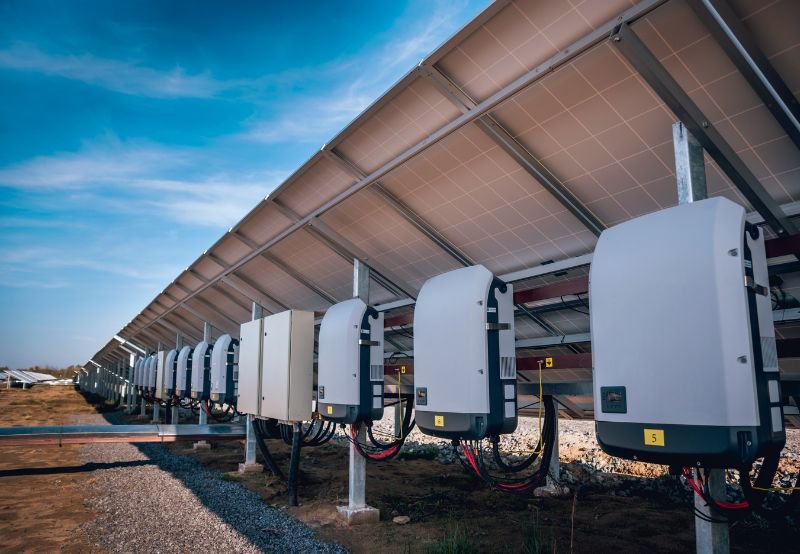
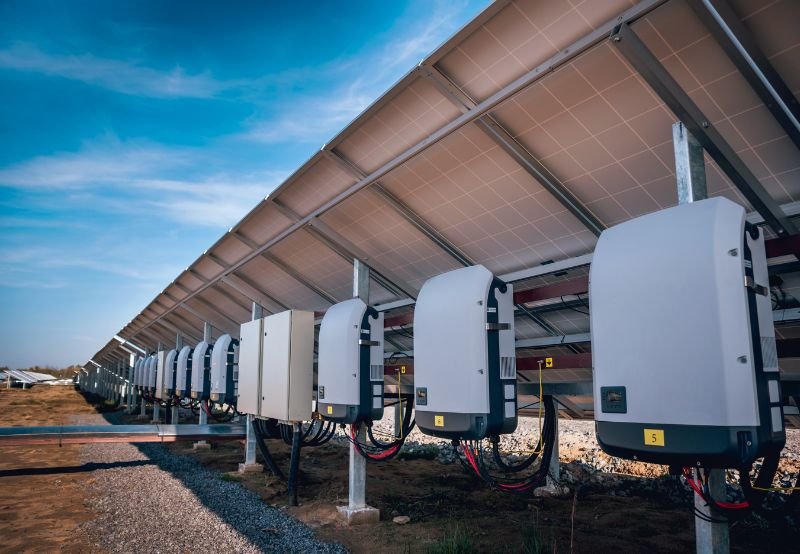
    As India scales up its renewable energy capacity to meet its ambitious clean energy targets, utility-scale solar projects are becoming central to the country’s energy transition. While module efficiency often dominates discussions around solar performance, the inverter plays an equally critical role in determining how efficiently electricity is converted, managed and delivered to the grid.

    Today’s utility-scale string inverters have evolved far beyond power conversion. Equipped with intelligent diagnostics, real-time monitoring, advanced grid support capabilities and integrated safety technologies, they enable developers to maximise energy generation, minimise operational downtime and simplify plant maintenance throughout a project’s lifecycle. As solar parks continue to grow and become more complex, selecting the right inverter platform has become a strategic decision that directly influences plant performance and long-term returns.

    The following utility-scale string inverters have been selected based on their suitability for large-scale solar projects in India, considering factors such as energy conversion efficiency, grid support capabilities, intelligent monitoring, safety features, communication architecture, operational reliability, and cybersecurity protocols. While every project has unique technical requirements, these inverter platforms represent some of the most capable solutions currently available for utility-scale deployments.

    WattPower 330KTL String Inverter

    Designed for utility-scale solar projects, the WattPower 330KTL combines intelligent monitoring, advanced protection technologies and integrated communication capabilities to support reliable plant operations. The inverter features Smart String Level Disconnection (SSLD) for rapid DC fault isolation, Smart Connector Level Detection (SCLD) for continuous connector monitoring, and an IP68-rated Smart Self-Cleaning Cooling Fan (SSCF) that helps maintain thermal efficiency while reducing maintenance requirements in demanding environments.

    MBUS (Power Line Communication) enables reliable long-distance communication upto 1000m distance without additional cabling, simplifying plant-wide connectivity. Intelligently supporting high-power and bifacial PV modules, the inverter incorporates Multi MMPT and string-level monitoring, integrated Smart IV Curve Diagnosis, integrated safety features and stable operation across varying grid conditions. The inverter helps maximise plant availability while reducing long-term O&M requirements. Advanced grid support functions, intelligent fault detection, remote operation capabilities and a failure rate of less than 0.5% enable developers to improve plant reliability while reducing operations and maintenance requirements, making it well suited for large-scale solar deployments.

    GoodWe HT Series

    Designed for utility-scale solar power plants, the GoodWe HT Series combines high conversion efficiency with intelligent protection and monitoring capabilities. Available in 225 kW and 250 kW configurations, the inverter supports up to 12 MPPTs and is compatible with high-power bifacial PV modules, enabling greater design flexibility across large installations. Smart String Protection, string-level monitoring and optional Anti-PID functionality help improve fault detection and long-term system reliability, while reactive power compensation and Power Line Communication (PLC) simplify grid integration and plant-wide communication. Remote diagnostics and firmware upgrades further reduce maintenance efforts and support efficient long-term operations.

    Sungrow SG320HX

    The Sungrow SG320HX has been developed for modern utility-scale solar plants where high energy yield, intelligent monitoring and operational flexibility are key priorities. Supporting high-power and bifacial PV modules, the inverter incorporates multiple MPPTs and integrated Smart IV Curve Diagnosis to detect string-level performance issues before they affect energy generation. Advanced grid support functions, intelligent fault detection and remote operation capabilities enable developers to improve plant reliability while reducing operations and maintenance requirements, making it well suited for large-scale solar deployments.

    Solis S6-GU250K-EHV

    The Solis S6-GU250K-EHV is engineered for utility-scale solar projects, combining high power with intelligent monitoring and flexible plant design. Featuring 12 independent MPPTs and compatibility with high-power and bifacial [T1] PV modules, the inverter enables greater energy harvest across complex array layouts. Integrated monitoring through SolisCloud, along with remote diagnostics and firmware upgrades, allows operators to monitor system performance in real time while reducing operational complexity and maintenance costs.

    Solaire X3-GRAND Utility-Scale String Inverter

    Designed for large ground-mounted and utility-scale solar projects, the SolaX X3-GRAND combines high conversion efficiency with intelligent plant diagnostics. Its six MPPT architecture supports flexible string configurations and compatibility with high-power PV modules, while integrated I-V Curve Scan technology enables detailed string-level performance analysis for faster fault detection. Power Line Communication (PLC) further simplifies communication infrastructure across large installations by reducing additional cables while enabling continuous visibility into plant performance.

     Conclusion

    Utility-scale solar plants are becoming larger, more interconnected and increasingly dependent on intelligent digital infrastructure. As a result, the inverter has evolved from a power conversion device into a critical component that influences energy generation, plant reliability, grid compliance and long-term operational costs.

    While every project has unique technical and commercial requirements, evaluating factors such as monitoring capabilities, safety architecture, communication systems, grid support functions and lifecycle reliability can help developers select an inverter platform that delivers consistent performance over the life of the asset. As India’s renewable energy sector continues to expand, investing in the right utility-scale string inverter will remain a key factor in building efficient, future-ready solar projects. 
  • Top 5 Utility-Scale String Inverters for Solar Projects in India (2026 Edition)

    Top 5 Utility-Scale String Inverters for Solar Projects in India (2026 Edition)

    As India scales up its renewable energy capacity to meet its ambitious clean energy targets, utility-scale solar projects are becoming central to the country’s energy transition. While module efficiency often dominates discussions around solar performance, the inverter plays an equally critical role in determining how efficiently electricity is converted, managed and delivered to the grid.

    Today’s utility-scale string inverters have evolved far beyond power conversion. Equipped with intelligent diagnostics, real-time monitoring, advanced grid support capabilities and integrated safety technologies, they enable developers to maximise energy generation, minimise operational downtime and simplify plant maintenance throughout a project’s lifecycle. As solar parks continue to grow and become more complex, selecting the right inverter platform has become a strategic decision that directly influences plant performance and long-term returns.

    The following utility-scale string inverters have been selected based on their suitability for large-scale solar projects in India, considering factors such as energy conversion efficiency, grid support capabilities, intelligent monitoring, safety features, communication architecture, operational reliability, and cybersecurity protocols. While every project has unique technical requirements, these inverter platforms represent some of the most capable solutions currently available for utility-scale deployments.

    WattPower 330KTL String Inverter

    Designed for utility-scale solar projects, the WattPower 330KTL combines intelligent monitoring, advanced protection technologies and integrated communication capabilities to support reliable plant operations. The inverter features Smart String Level Disconnection (SSLD) for rapid DC fault isolation, Smart Connector Level Detection (SCLD) for continuous connector monitoring, and an IP68-rated Smart Self-Cleaning Cooling Fan (SSCF) that helps maintain thermal efficiency while reducing maintenance requirements in demanding environments.

    MBUS (Power Line Communication) enables reliable long-distance communication upto 1000m distance without additional cabling, simplifying plant-wide connectivity. Intelligently supporting high-power and bifacial PV modules, the inverter incorporates Multi MMPT and string-level monitoring, integrated Smart IV Curve Diagnosis, integrated safety features and stable operation across varying grid conditions. The inverter helps maximise plant availability while reducing long-term O&M requirements. Advanced grid support functions, intelligent fault detection, remote operation capabilities and a failure rate of less than 0.5% enable developers to improve plant reliability while reducing operations and maintenance requirements, making it well suited for large-scale solar deployments.

    GoodWe HT Series

    Designed for utility-scale solar power plants, the GoodWe HT Series combines high conversion efficiency with intelligent protection and monitoring capabilities. Available in 225 kW and 250 kW configurations, the inverter supports up to 12 MPPTs and is compatible with high-power bifacial PV modules, enabling greater design flexibility across large installations. Smart String Protection, string-level monitoring and optional Anti-PID functionality help improve fault detection and long-term system reliability, while reactive power compensation and Power Line Communication (PLC) simplify grid integration and plant-wide communication. Remote diagnostics and firmware upgrades further reduce maintenance efforts and support efficient long-term operations.

    Sungrow SG320HX

    The Sungrow SG320HX has been developed for modern utility-scale solar plants where high energy yield, intelligent monitoring and operational flexibility are key priorities. Supporting high-power and bifacial PV modules, the inverter incorporates multiple MPPTs and integrated Smart IV Curve Diagnosis to detect string-level performance issues before they affect energy generation. Advanced grid support functions, intelligent fault detection and remote operation capabilities enable developers to improve plant reliability while reducing operations and maintenance requirements, making it well suited for large-scale solar deployments.

    Solis S6-GU250K-EHV

    The Solis S6-GU250K-EHV is engineered for utility-scale solar projects, combining high power with intelligent monitoring and flexible plant design. Featuring 12 independent MPPTs and compatibility with high-power and bifacial [T1] PV modules, the inverter enables greater energy harvest across complex array layouts. Integrated monitoring through SolisCloud, along with remote diagnostics and firmware upgrades, allows operators to monitor system performance in real time while reducing operational complexity and maintenance costs.

    Solaire X3-GRAND Utility-Scale String Inverter

    Designed for large ground-mounted and utility-scale solar projects, the SolaX X3-GRAND combines high conversion efficiency with intelligent plant diagnostics. Its six MPPT architecture supports flexible string configurations and compatibility with high-power PV modules, while integrated I-V Curve Scan technology enables detailed string-level performance analysis for faster fault detection. Power Line Communication (PLC) further simplifies communication infrastructure across large installations by reducing additional cables while enabling continuous visibility into plant performance.

     Conclusion

    Utility-scale solar plants are becoming larger, more interconnected and increasingly dependent on intelligent digital infrastructure. As a result, the inverter has evolved from a power conversion device into a critical component that influences energy generation, plant reliability, grid compliance and long-term operational costs.

    While every project has unique technical and commercial requirements, evaluating factors such as monitoring capabilities, safety architecture, communication systems, grid support functions and lifecycle reliability can help developers select an inverter platform that delivers consistent performance over the life of the asset. As India’s renewable energy sector continues to expand, investing in the right utility-scale string inverter will remain a key factor in building efficient, future-ready solar projects.