Blog

  • Windergy India 2026 to Spotlight India’s Growing Wind Energy and Manufacturing Ecosystem

    Windergy India 2026 to Spotlight India’s Growing Wind Energy and Manufacturing Ecosystem

    India’s wind energy sector is set to take centre stage at Windergy India 2026, with the 8th edition focusing on the evolving role of wind power in strengthening the country’s energy security, manufacturing capabilities and export potential.

    Anchored by the theme “Wind – Powering India’s Energy Resilience,” the event comes as India’s wind industry records its highest-ever annual capacity addition and prepares for a significant expansion through 2030.

    Shri Rajesh Kulhari, Joint Secretary, Ministry of New and Renewable Energy (MNRE), said India’s energy transition is moving beyond capacity addition towards building a complete industrial ecosystem that supports skilled employment, manufacturing exports and energy security while reducing dependence on imported fossil fuels.

    India added a record 6.05 GW of wind power capacity during FY2025–26, the highest annual addition recorded by the sector. This took the country’s cumulative installed wind capacity to 58.52 GW as of August 31, 2026.

    The industry is targeting 100 GW of installed wind capacity by 2030. Achieving this target would require annual installations of around 10 GW, supported by a project pipeline of approximately 43 GW currently under construction.

    According to Aditya Pyasi, CEO, Indian Wind Turbine Manufacturers Association (IWTMA), the next phase of growth will require a resilient and globally competitive domestic manufacturing ecosystem.

    He highlighted the need to accelerate indigenisation of critical components as the industry moves towards higher-rated turbines. This would require coordinated efforts among OEMs, component manufacturers, technology providers and the government to strengthen supply chains and domestic manufacturing capabilities.

    India’s wind turbine manufacturing capacity has increased significantly over the past decade, reaching approximately 24 GW annually, compared with 10 GW in 2014.

    Domestic value addition in wind equipment is estimated at 70–80%, reflecting the growing depth of India’s manufacturing ecosystem. The sector is also expanding its international footprint, with wind equipment exports crossing ₹12,000 crore in FY2025–26, representing an increase of nearly 50% year-on-year.

    MNRE has also introduced WT-MARUT, described as India’s first wind supply-chain portal. The platform has been developed in collaboration with IWTMA to strengthen visibility and coordination across the domestic wind manufacturing supply chain.

    Dr. Saravanan Manickam, Vice Chairman-cum-Secretary, IWTMA, said strengthening manufacturing depth and supply-chain resilience would be critical to achieving the 100 GW target. He highlighted high-value components such as gearboxes, specialised bearings and advanced materials as areas requiring further domestic capability.

    India’s offshore wind sector is also beginning to move towards commercial-scale development with the government’s 1 GW viability gap funding (VGF)-backed offshore wind pilot.

    The initiative comprises 500 MW projects each off the coasts of Gujarat and Tamil Nadu and represents a significant step in establishing India’s offshore wind industry.

    The programme is supported by a ₹7,453 crore VGF outlay, including ₹600 crore earmarked for upgrading port infrastructure required to support offshore wind development.

    Dinesh Jagdale, Hon. Secretary, IWTMA and President – Corporate Affairs & Retail Business at Suzlon Energy Ltd, said India’s wind sector has progressed from an emerging industry to an ecosystem with more than 58 GW of installed capacity and a domestic manufacturing base capable of exporting turbines.

    He pointed to the industry’s longer-term targets of 100 GW by 2030 and 155 GW by 2035, emphasising collaboration among manufacturers, developers, policymakers and technology providers to achieve these goals.

    As India prepares to add more than 40 GW of wind capacity over the next five years, workforce development is also emerging as an important priority for the sector.

    Windergy India 2026 will feature a dedicated Academia Session aimed at connecting engineering students with industry professionals and addressing the sector’s future skills requirements.

    The session will bring together students and representatives from companies including Nordex, Suzlon and ZF, among others, to strengthen industry-academia engagement and develop a skilled workforce for the expanding wind energy sector.

    With rising domestic installations, growing manufacturing capacity, increasing exports and the emergence of offshore wind, Windergy India 2026 is positioned as a platform for stakeholders across the wind ecosystem to discuss the next phase of India’s wind energy development.


  • Windergy India 2026 to Spotlight India’s Growing Wind Energy and Manufacturing Ecosystem

    Windergy India 2026 to Spotlight India’s Growing Wind Energy and Manufacturing Ecosystem

    India’s wind energy sector is set to take centre stage at Windergy India 2026, with the 8th edition focusing on the evolving role of wind power in strengthening the country’s energy security, manufacturing capabilities and export potential.

    Anchored by the theme “Wind – Powering India’s Energy Resilience,” the event comes as India’s wind industry records its highest-ever annual capacity addition and prepares for a significant expansion through 2030.

    Shri Rajesh Kulhari, Joint Secretary, Ministry of New and Renewable Energy (MNRE), said India’s energy transition is moving beyond capacity addition towards building a complete industrial ecosystem that supports skilled employment, manufacturing exports and energy security while reducing dependence on imported fossil fuels.

    India added a record 6.05 GW of wind power capacity during FY2025–26, the highest annual addition recorded by the sector. This took the country’s cumulative installed wind capacity to 58.52 GW as of August 31, 2026.

    The industry is targeting 100 GW of installed wind capacity by 2030. Achieving this target would require annual installations of around 10 GW, supported by a project pipeline of approximately 43 GW currently under construction.

    According to Aditya Pyasi, CEO, Indian Wind Turbine Manufacturers Association (IWTMA), the next phase of growth will require a resilient and globally competitive domestic manufacturing ecosystem.

    He highlighted the need to accelerate indigenisation of critical components as the industry moves towards higher-rated turbines. This would require coordinated efforts among OEMs, component manufacturers, technology providers and the government to strengthen supply chains and domestic manufacturing capabilities.

    India’s wind turbine manufacturing capacity has increased significantly over the past decade, reaching approximately 24 GW annually, compared with 10 GW in 2014.

    Domestic value addition in wind equipment is estimated at 70–80%, reflecting the growing depth of India’s manufacturing ecosystem. The sector is also expanding its international footprint, with wind equipment exports crossing ₹12,000 crore in FY2025–26, representing an increase of nearly 50% year-on-year.

    MNRE has also introduced WT-MARUT, described as India’s first wind supply-chain portal. The platform has been developed in collaboration with IWTMA to strengthen visibility and coordination across the domestic wind manufacturing supply chain.

    Dr. Saravanan Manickam, Vice Chairman-cum-Secretary, IWTMA, said strengthening manufacturing depth and supply-chain resilience would be critical to achieving the 100 GW target. He highlighted high-value components such as gearboxes, specialised bearings and advanced materials as areas requiring further domestic capability.

    India’s offshore wind sector is also beginning to move towards commercial-scale development with the government’s 1 GW viability gap funding (VGF)-backed offshore wind pilot.

    The initiative comprises 500 MW projects each off the coasts of Gujarat and Tamil Nadu and represents a significant step in establishing India’s offshore wind industry.

    The programme is supported by a ₹7,453 crore VGF outlay, including ₹600 crore earmarked for upgrading port infrastructure required to support offshore wind development.

    Dinesh Jagdale, Hon. Secretary, IWTMA and President – Corporate Affairs & Retail Business at Suzlon Energy Ltd, said India’s wind sector has progressed from an emerging industry to an ecosystem with more than 58 GW of installed capacity and a domestic manufacturing base capable of exporting turbines.

    He pointed to the industry’s longer-term targets of 100 GW by 2030 and 155 GW by 2035, emphasising collaboration among manufacturers, developers, policymakers and technology providers to achieve these goals.

    As India prepares to add more than 40 GW of wind capacity over the next five years, workforce development is also emerging as an important priority for the sector.

    Windergy India 2026 will feature a dedicated Academia Session aimed at connecting engineering students with industry professionals and addressing the sector’s future skills requirements.

    The session will bring together students and representatives from companies including Nordex, Suzlon and ZF, among others, to strengthen industry-academia engagement and develop a skilled workforce for the expanding wind energy sector.

    With rising domestic installations, growing manufacturing capacity, increasing exports and the emergence of offshore wind, Windergy India 2026 is positioned as a platform for stakeholders across the wind ecosystem to discuss the next phase of India’s wind energy development.
  • Windergy India 2026 to Spotlight India’s Growing Wind Energy and Manufacturing Ecosystem

    Windergy India 2026 to Spotlight India’s Growing Wind Energy and Manufacturing Ecosystem

    India’s wind energy sector is set to take centre stage at Windergy India 2026, with the 8th edition focusing on the evolving role of wind power in strengthening the country’s energy security, manufacturing capabilities and export potential.

    Anchored by the theme “Wind – Powering India’s Energy Resilience,” the event comes as India’s wind industry records its highest-ever annual capacity addition and prepares for a significant expansion through 2030.

    Shri Rajesh Kulhari, Joint Secretary, Ministry of New and Renewable Energy (MNRE), said India’s energy transition is moving beyond capacity addition towards building a complete industrial ecosystem that supports skilled employment, manufacturing exports and energy security while reducing dependence on imported fossil fuels.

    India added a record 6.05 GW of wind power capacity during FY2025–26, the highest annual addition recorded by the sector. This took the country’s cumulative installed wind capacity to 58.52 GW as of August 31, 2026.

    The industry is targeting 100 GW of installed wind capacity by 2030. Achieving this target would require annual installations of around 10 GW, supported by a project pipeline of approximately 43 GW currently under construction.

    According to Aditya Pyasi, CEO, Indian Wind Turbine Manufacturers Association (IWTMA), the next phase of growth will require a resilient and globally competitive domestic manufacturing ecosystem.

    He highlighted the need to accelerate indigenisation of critical components as the industry moves towards higher-rated turbines. This would require coordinated efforts among OEMs, component manufacturers, technology providers and the government to strengthen supply chains and domestic manufacturing capabilities.

    India’s wind turbine manufacturing capacity has increased significantly over the past decade, reaching approximately 24 GW annually, compared with 10 GW in 2014.

    Domestic value addition in wind equipment is estimated at 70–80%, reflecting the growing depth of India’s manufacturing ecosystem. The sector is also expanding its international footprint, with wind equipment exports crossing ₹12,000 crore in FY2025–26, representing an increase of nearly 50% year-on-year.

    MNRE has also introduced WT-MARUT, described as India’s first wind supply-chain portal. The platform has been developed in collaboration with IWTMA to strengthen visibility and coordination across the domestic wind manufacturing supply chain.

    Dr. Saravanan Manickam, Vice Chairman-cum-Secretary, IWTMA, said strengthening manufacturing depth and supply-chain resilience would be critical to achieving the 100 GW target. He highlighted high-value components such as gearboxes, specialised bearings and advanced materials as areas requiring further domestic capability.

    India’s offshore wind sector is also beginning to move towards commercial-scale development with the government’s 1 GW viability gap funding (VGF)-backed offshore wind pilot.

    The initiative comprises 500 MW projects each off the coasts of Gujarat and Tamil Nadu and represents a significant step in establishing India’s offshore wind industry.

    The programme is supported by a ₹7,453 crore VGF outlay, including ₹600 crore earmarked for upgrading port infrastructure required to support offshore wind development.

    Dinesh Jagdale, Hon. Secretary, IWTMA and President – Corporate Affairs & Retail Business at Suzlon Energy Ltd, said India’s wind sector has progressed from an emerging industry to an ecosystem with more than 58 GW of installed capacity and a domestic manufacturing base capable of exporting turbines.

    He pointed to the industry’s longer-term targets of 100 GW by 2030 and 155 GW by 2035, emphasising collaboration among manufacturers, developers, policymakers and technology providers to achieve these goals.

    As India prepares to add more than 40 GW of wind capacity over the next five years, workforce development is also emerging as an important priority for the sector.

    Windergy India 2026 will feature a dedicated Academia Session aimed at connecting engineering students with industry professionals and addressing the sector’s future skills requirements.

    The session will bring together students and representatives from companies including Nordex, Suzlon and ZF, among others, to strengthen industry-academia engagement and develop a skilled workforce for the expanding wind energy sector.

    With rising domestic installations, growing manufacturing capacity, increasing exports and the emergence of offshore wind, Windergy India 2026 is positioned as a platform for stakeholders across the wind ecosystem to discuss the next phase of India’s wind energy development.
  • Windergy India 2026 to Spotlight India’s Growing Wind Energy and Manufacturing Ecosystem

    India’s wind energy sector is set to take centre stage at Windergy India 2026, with the 8th edition focusing on the evolving role of wind power in strengthening the country’s energy security, manufacturing capabilities and export potential.

    Anchored by the theme “Wind – Powering India’s Energy Resilience,” the event comes as India’s wind industry records its highest-ever annual capacity addition and prepares for a significant expansion through 2030.

    Shri Rajesh Kulhari, Joint Secretary, Ministry of New and Renewable Energy (MNRE), said India’s energy transition is moving beyond capacity addition towards building a complete industrial ecosystem that supports skilled employment, manufacturing exports and energy security while reducing dependence on imported fossil fuels.

    India added a record 6.05 GW of wind power capacity during FY2025–26, the highest annual addition recorded by the sector. This took the country’s cumulative installed wind capacity to 58.52 GW as of August 31, 2026.

    The industry is targeting 100 GW of installed wind capacity by 2030. Achieving this target would require annual installations of around 10 GW, supported by a project pipeline of approximately 43 GW currently under construction.

    According to Aditya Pyasi, CEO, Indian Wind Turbine Manufacturers Association (IWTMA), the next phase of growth will require a resilient and globally competitive domestic manufacturing ecosystem.

    He highlighted the need to accelerate indigenisation of critical components as the industry moves towards higher-rated turbines. This would require coordinated efforts among OEMs, component manufacturers, technology providers and the government to strengthen supply chains and domestic manufacturing capabilities.

    India’s wind turbine manufacturing capacity has increased significantly over the past decade, reaching approximately 24 GW annually, compared with 10 GW in 2014.

    Domestic value addition in wind equipment is estimated at 70–80%, reflecting the growing depth of India’s manufacturing ecosystem. The sector is also expanding its international footprint, with wind equipment exports crossing ₹12,000 crore in FY2025–26, representing an increase of nearly 50% year-on-year.

    MNRE has also introduced WT-MARUT, described as India’s first wind supply-chain portal. The platform has been developed in collaboration with IWTMA to strengthen visibility and coordination across the domestic wind manufacturing supply chain.

    Dr. Saravanan Manickam, Vice Chairman-cum-Secretary, IWTMA, said strengthening manufacturing depth and supply-chain resilience would be critical to achieving the 100 GW target. He highlighted high-value components such as gearboxes, specialised bearings and advanced materials as areas requiring further domestic capability.

    India’s offshore wind sector is also beginning to move towards commercial-scale development with the government’s 1 GW viability gap funding (VGF)-backed offshore wind pilot.

    The initiative comprises 500 MW projects each off the coasts of Gujarat and Tamil Nadu and represents a significant step in establishing India’s offshore wind industry.

    The programme is supported by a ₹7,453 crore VGF outlay, including ₹600 crore earmarked for upgrading port infrastructure required to support offshore wind development.

    Dinesh Jagdale, Hon. Secretary, IWTMA and President – Corporate Affairs & Retail Business at Suzlon Energy Ltd, said India’s wind sector has progressed from an emerging industry to an ecosystem with more than 58 GW of installed capacity and a domestic manufacturing base capable of exporting turbines.

    He pointed to the industry’s longer-term targets of 100 GW by 2030 and 155 GW by 2035, emphasising collaboration among manufacturers, developers, policymakers and technology providers to achieve these goals.

    As India prepares to add more than 40 GW of wind capacity over the next five years, workforce development is also emerging as an important priority for the sector.

    Windergy India 2026 will feature a dedicated Academia Session aimed at connecting engineering students with industry professionals and addressing the sector’s future skills requirements.

    The session will bring together students and representatives from companies including Nordex, Suzlon and ZF, among others, to strengthen industry-academia engagement and develop a skilled workforce for the expanding wind energy sector.

    With rising domestic installations, growing manufacturing capacity, increasing exports and the emergence of offshore wind, Windergy India 2026 is positioned as a platform for stakeholders across the wind ecosystem to discuss the next phase of India’s wind energy development.
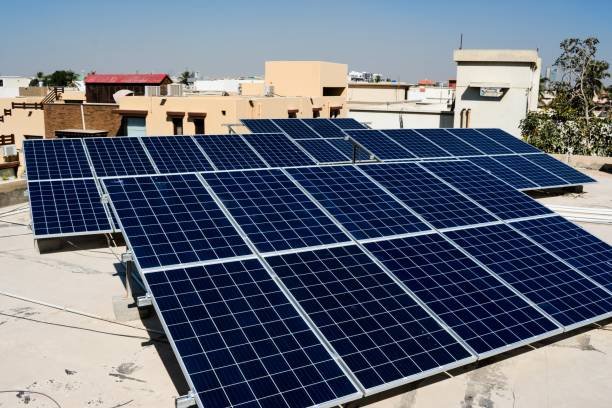
  • BPCL Floats Tender for 1 MWp DCR Rooftop Solar Project at Bina Refinery

    BPCL Floats Tender for 1 MWp DCR Rooftop Solar Project at Bina Refinery

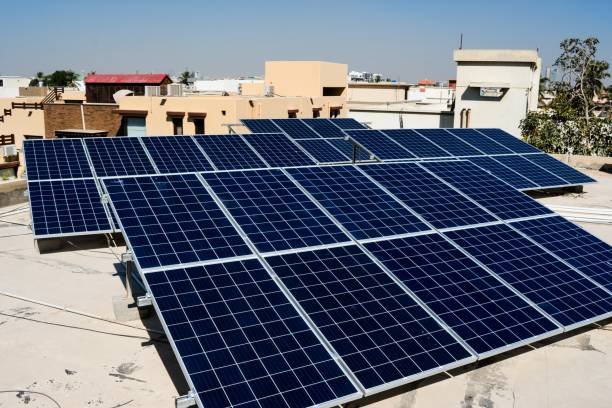
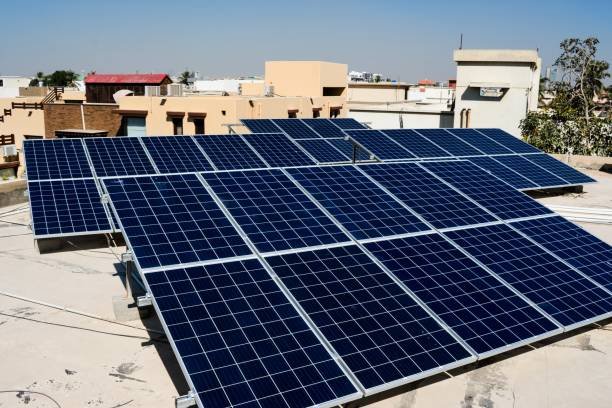
    Bharat Petroleum Corporation Limited (BPCL) has invited bids for the design, engineering, supply, installation, testing and commissioning of a 1 MWp on-grid captive rooftop solar power system at its Bina Refinery in Madhya Pradesh.

    The project will be developed using domestically manufactured solar cells and modules under the Domestic Content Requirement (DCR), aligning the proposed installation with India’s focus on domestic solar manufacturing and deployment.

    The tender has been issued for BPCL’s Bina Refinery in Bina, Sagar district, Madhya Pradesh. The procurement is being undertaken through the government tendering system, with the project covering the complete development of the rooftop solar installation.

    The scope includes engineering and design, supply of equipment and materials, installation, testing and commissioning of the solar rooftop system. The selected contractor will also be responsible for the associated comprehensive requirements specified under the tender.

    The proposed 1 MWp grid-connected captive solar system is expected to contribute to renewable electricity generation for BPCL’s refinery operations. The project is part of the broader adoption of captive and distributed solar installations by energy-sector companies seeking to increase renewable power utilisation across their operations.

    BPCL has been pursuing renewable energy deployment across its infrastructure. In August 2026, the company also invited bids for a 1 MWp DC solar power project at its Sanghvi Pumping Station, linked to capacity augmentation of the Manmad-Mangalia pipeline section.

    The Bina rooftop project adds another solar installation to BPCL’s renewable energy initiatives, while the DCR requirement creates a direct linkage with India’s domestic solar module and cell manufacturing ecosystem.

    According to available tender information, the Bina Refinery procurement was published through the government e-procurement system, with the tender reference GEM/2026/B/7920033. The bid submission deadline is September 21, 2026, at 7:00 PM.

    The project highlights the increasing use of rooftop and captive solar systems within India’s industrial and refining sector, where renewable generation can be deployed directly at existing operational facilities.

  • BPCL Floats Tender for 1 MWp DCR Rooftop Solar Project at Bina Refinery

    BPCL Floats Tender for 1 MWp DCR Rooftop Solar Project at Bina Refinery

    Bharat Petroleum Corporation Limited (BPCL) has invited bids for the design, engineering, supply, installation, testing and commissioning of a 1 MWp on-grid captive rooftop solar power system at its Bina Refinery in Madhya Pradesh.

    The project will be developed using domestically manufactured solar cells and modules under the Domestic Content Requirement (DCR), aligning the proposed installation with India’s focus on domestic solar manufacturing and deployment.

    The tender has been issued for BPCL’s Bina Refinery in Bina, Sagar district, Madhya Pradesh. The procurement is being undertaken through the government tendering system, with the project covering the complete development of the rooftop solar installation.

    The scope includes engineering and design, supply of equipment and materials, installation, testing and commissioning of the solar rooftop system. The selected contractor will also be responsible for the associated comprehensive requirements specified under the tender.

    The proposed 1 MWp grid-connected captive solar system is expected to contribute to renewable electricity generation for BPCL’s refinery operations. The project is part of the broader adoption of captive and distributed solar installations by energy-sector companies seeking to increase renewable power utilisation across their operations.

    BPCL has been pursuing renewable energy deployment across its infrastructure. In August 2026, the company also invited bids for a 1 MWp DC solar power project at its Sanghvi Pumping Station, linked to capacity augmentation of the Manmad-Mangalia pipeline section.

    The Bina rooftop project adds another solar installation to BPCL’s renewable energy initiatives, while the DCR requirement creates a direct linkage with India’s domestic solar module and cell manufacturing ecosystem.

    According to available tender information, the Bina Refinery procurement was published through the government e-procurement system, with the tender reference GEM/2026/B/7920033. The bid submission deadline is September 21, 2026, at 7:00 PM.

    The project highlights the increasing use of rooftop and captive solar systems within India’s industrial and refining sector, where renewable generation can be deployed directly at existing operational facilities.

  • BPCL Floats Tender for 1 MWp DCR Rooftop Solar Project at Bina Refinery

    BPCL Floats Tender for 1 MWp DCR Rooftop Solar Project at Bina Refinery

    Bharat Petroleum Corporation Limited (BPCL) has invited bids for the design, engineering, supply, installation, testing and commissioning of a 1 MWp on-grid captive rooftop solar power system at its Bina Refinery in Madhya Pradesh.

    The project will be developed using domestically manufactured solar cells and modules under the Domestic Content Requirement (DCR), aligning the proposed installation with India’s focus on domestic solar manufacturing and deployment.

    The tender has been issued for BPCL’s Bina Refinery in Bina, Sagar district, Madhya Pradesh. The procurement is being undertaken through the government tendering system, with the project covering the complete development of the rooftop solar installation.

    The scope includes engineering and design, supply of equipment and materials, installation, testing and commissioning of the solar rooftop system. The selected contractor will also be responsible for the associated comprehensive requirements specified under the tender.

    The proposed 1 MWp grid-connected captive solar system is expected to contribute to renewable electricity generation for BPCL’s refinery operations. The project is part of the broader adoption of captive and distributed solar installations by energy-sector companies seeking to increase renewable power utilisation across their operations.

    BPCL has been pursuing renewable energy deployment across its infrastructure. In August 2026, the company also invited bids for a 1 MWp DC solar power project at its Sanghvi Pumping Station, linked to capacity augmentation of the Manmad-Mangalia pipeline section.

    The Bina rooftop project adds another solar installation to BPCL’s renewable energy initiatives, while the DCR requirement creates a direct linkage with India’s domestic solar module and cell manufacturing ecosystem.

    According to available tender information, the Bina Refinery procurement was published through the government e-procurement system, with the tender reference GEM/2026/B/7920033. The bid submission deadline is September 21, 2026, at 7:00 PM.

    The project highlights the increasing use of rooftop and captive solar systems within India’s industrial and refining sector, where renewable generation can be deployed directly at existing operational facilities.

  • BPCL Floats Tender for 1 MWp DCR Rooftop Solar Project at Bina Refinery

    Bharat Petroleum Corporation Limited (BPCL) has invited bids for the design, engineering, supply, installation, testing and commissioning of a 1 MWp on-grid captive rooftop solar power system at its Bina Refinery in Madhya Pradesh.

    The project will be developed using domestically manufactured solar cells and modules under the Domestic Content Requirement (DCR), aligning the proposed installation with India’s focus on domestic solar manufacturing and deployment.

    The tender has been issued for BPCL’s Bina Refinery in Bina, Sagar district, Madhya Pradesh. The procurement is being undertaken through the government tendering system, with the project covering the complete development of the rooftop solar installation.

    The scope includes engineering and design, supply of equipment and materials, installation, testing and commissioning of the solar rooftop system. The selected contractor will also be responsible for the associated comprehensive requirements specified under the tender.

    The proposed 1 MWp grid-connected captive solar system is expected to contribute to renewable electricity generation for BPCL’s refinery operations. The project is part of the broader adoption of captive and distributed solar installations by energy-sector companies seeking to increase renewable power utilisation across their operations.

    BPCL has been pursuing renewable energy deployment across its infrastructure. In August 2026, the company also invited bids for a 1 MWp DC solar power project at its Sanghvi Pumping Station, linked to capacity augmentation of the Manmad-Mangalia pipeline section.

    The Bina rooftop project adds another solar installation to BPCL’s renewable energy initiatives, while the DCR requirement creates a direct linkage with India’s domestic solar module and cell manufacturing ecosystem.

    According to available tender information, the Bina Refinery procurement was published through the government e-procurement system, with the tender reference GEM/2026/B/7920033. The bid submission deadline is September 21, 2026, at 7:00 PM.

    The project highlights the increasing use of rooftop and captive solar systems within India’s industrial and refining sector, where renewable generation can be deployed directly at existing operational facilities.

  • REConnect Energy, BRPL Partner for 12.5 MW/25 MWh Grid-Forming BESS in Delhi

    REConnect Energy, BRPL Partner for 12.5 MW/25 MWh Grid-Forming BESS in Delhi

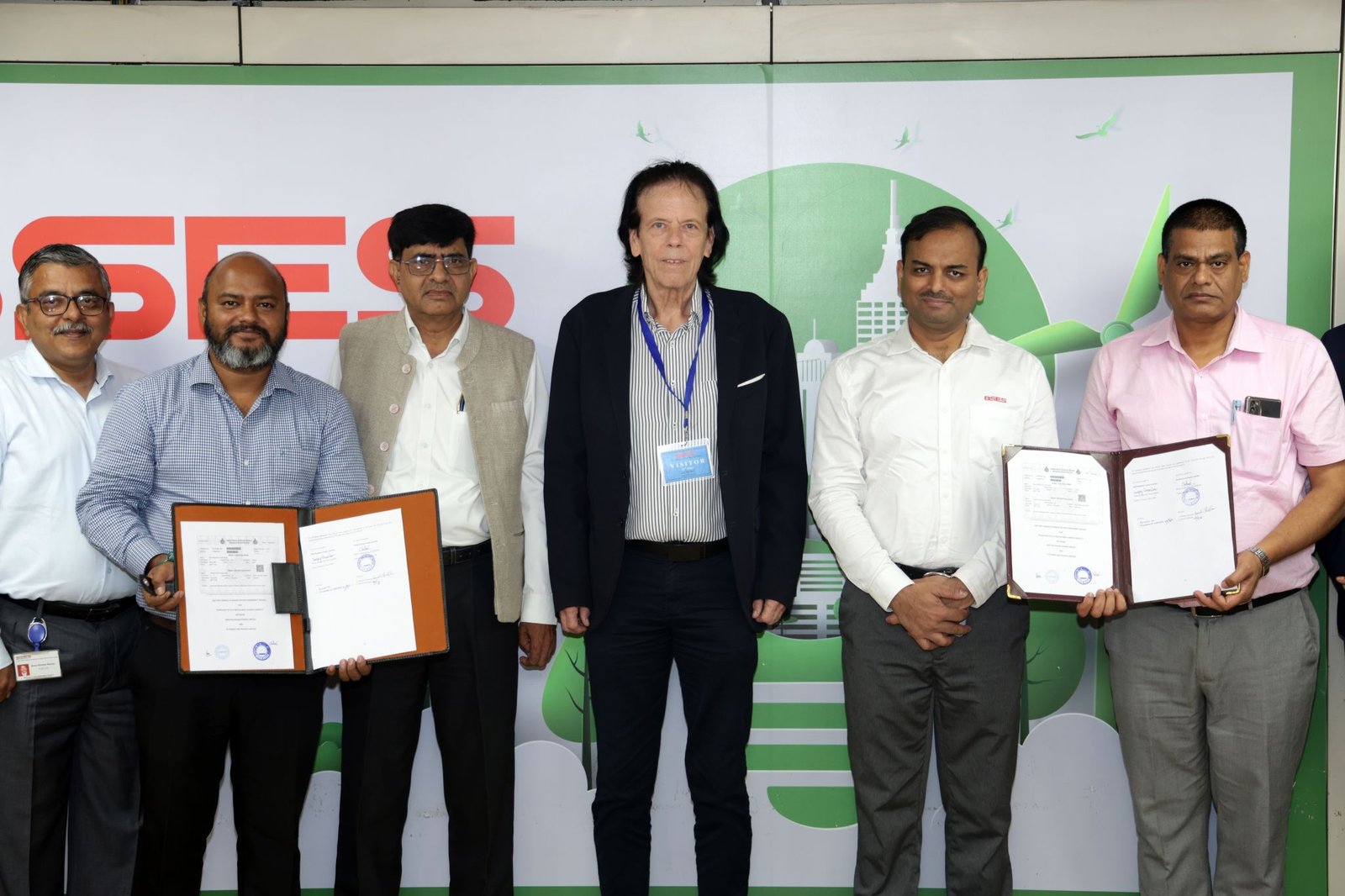
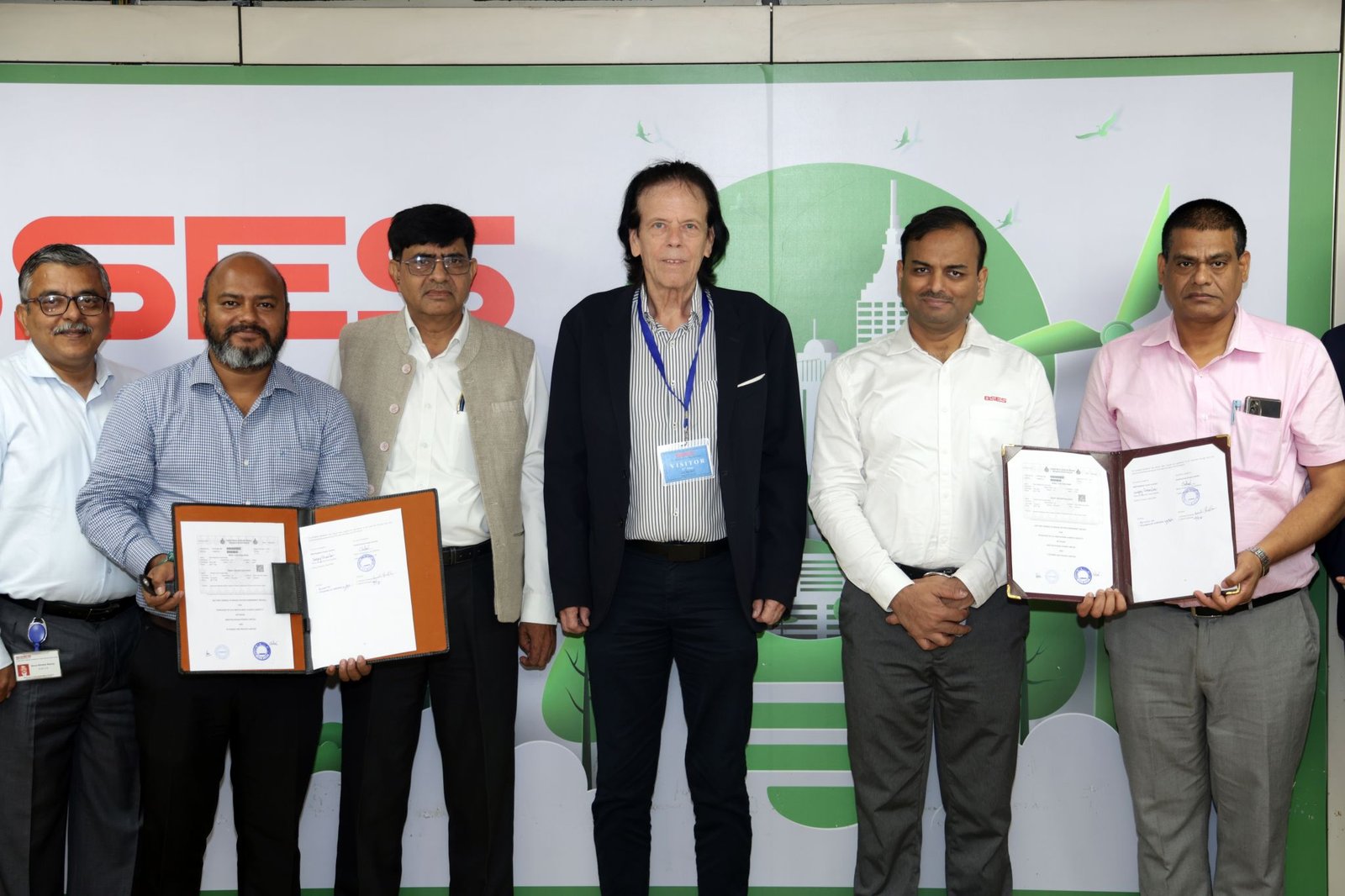
    REConnect Energy, through its special purpose vehicle (SPV) FlexGrid One Private Limited, has partnered with BSES Rajdhani Power Limited (BRPL) to develop a 12.5 MW/25 MWh Battery Energy Storage System (BESS) at the Shivalik Grid Substation in Malviya Nagar, Delhi.

    The agreement was signed in the presence of Abhishek Ranjan, CEO, BRPL, Bernhard Voelcker of GIZ India, and senior representatives from BRPL, FlexGrid One, WRI India and TERI. Chetan Singh Adhikari, Director-Business Development, represented FlexGrid One at the signing.

    According to REConnect Energy, the Shivalik BESS will feature grid-forming inverter technology, which the company describes as India’s first deployment of this advanced grid-support capability.

    Unlike conventional BESS applications focused primarily on energy storage, grid-forming technology enables the system to provide additional support to the power network. The company said the BESS will be capable of supporting voltage and frequency stability, strengthening grid resilience and contributing to grid restoration following outages.

    The project will also use REConnect Energy’s Energy Management System (EMS) to manage the BESS and optimise its interaction with the grid. The EMS is designed to provide real-time monitoring, charge and discharge management, State of Charge (SoC) optimisation, dispatch scheduling, peak-demand management and grid-support functions.

    The EMS will integrate with the Battery Management System (BMS), Power Conversion System (PCS), SCADA and utility control systems, enabling coordinated operation of the storage asset.

    REConnect Energy said its experience in SCADA, Renewable Energy Management Centres (REMCs), renewable energy forecasting, scheduling, power-system operations and electricity markets will support the development of the EMS for the project.

    The company said the approach is intended to look beyond battery operation by considering grid requirements and determining how stored energy can be deployed to support power-system operations.

    The project is also supported through the wider energy-storage ecosystem. GIZ, through its StoREin initiative, is supporting the deployment of grid-forming inverter technology for renewable energy integration in India. The initiative is led by the Ministry of New and Renewable Energy (MNRE).

    The Shivalik BESS project is expected to demonstrate how advanced inverter technology, energy storage and intelligent energy management can be integrated to provide grid-support functions alongside conventional energy storage capabilities.

  • REConnect Energy, BRPL Partner for 12.5 MW/25 MWh Grid-Forming BESS in Delhi

    REConnect Energy, BRPL Partner for 12.5 MW/25 MWh Grid-Forming BESS in Delhi

    REConnect Energy, through its special purpose vehicle (SPV) FlexGrid One Private Limited, has partnered with BSES Rajdhani Power Limited (BRPL) to develop a 12.5 MW/25 MWh Battery Energy Storage System (BESS) at the Shivalik Grid Substation in Malviya Nagar, Delhi.

    The agreement was signed in the presence of Abhishek Ranjan, CEO, BRPL, Bernhard Voelcker of GIZ India, and senior representatives from BRPL, FlexGrid One, WRI India and TERI. Chetan Singh Adhikari, Director-Business Development, represented FlexGrid One at the signing.

    According to REConnect Energy, the Shivalik BESS will feature grid-forming inverter technology, which the company describes as India’s first deployment of this advanced grid-support capability.

    Unlike conventional BESS applications focused primarily on energy storage, grid-forming technology enables the system to provide additional support to the power network. The company said the BESS will be capable of supporting voltage and frequency stability, strengthening grid resilience and contributing to grid restoration following outages.

    The project will also use REConnect Energy’s Energy Management System (EMS) to manage the BESS and optimise its interaction with the grid. The EMS is designed to provide real-time monitoring, charge and discharge management, State of Charge (SoC) optimisation, dispatch scheduling, peak-demand management and grid-support functions.

    The EMS will integrate with the Battery Management System (BMS), Power Conversion System (PCS), SCADA and utility control systems, enabling coordinated operation of the storage asset.

    REConnect Energy said its experience in SCADA, Renewable Energy Management Centres (REMCs), renewable energy forecasting, scheduling, power-system operations and electricity markets will support the development of the EMS for the project.

    The company said the approach is intended to look beyond battery operation by considering grid requirements and determining how stored energy can be deployed to support power-system operations.

    The project is also supported through the wider energy-storage ecosystem. GIZ, through its StoREin initiative, is supporting the deployment of grid-forming inverter technology for renewable energy integration in India. The initiative is led by the Ministry of New and Renewable Energy (MNRE).

    The Shivalik BESS project is expected to demonstrate how advanced inverter technology, energy storage and intelligent energy management can be integrated to provide grid-support functions alongside conventional energy storage capabilities.